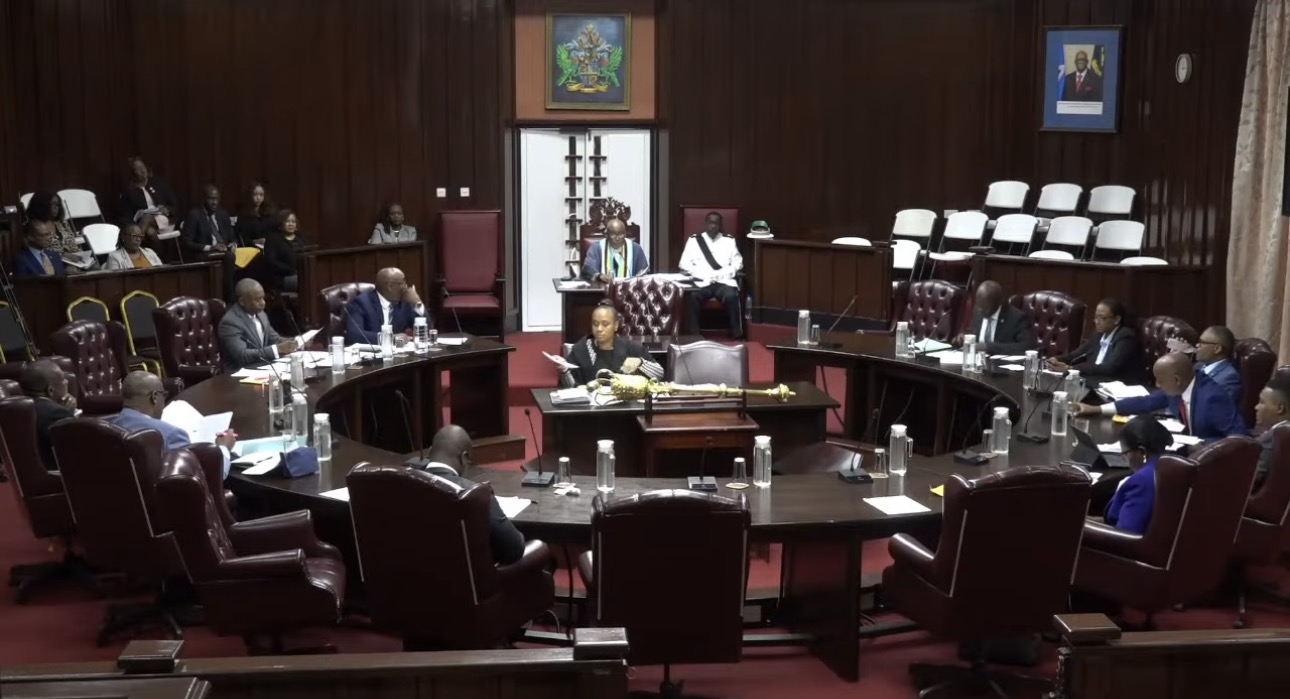
In a unanimous vote held on Tuesday, Saint Lucia’s House of Assembly has thrown its full weight behind sweeping amendments to the island nation’s existing anti-terrorism legislation, a move designed to shore up the country’s legal framework countering extremism and bring domestic regulations in line with global best practices.
The package of reforms was tabled before parliament by Attorney General Leslie Mondesir, who laid out that the changes target long-standing gaps in the current legal structure and will boost domestic authorities’ capacity to tackle both terrorist activity and its financial networks.
Addressing legislative members, Mondesir stressed that the updated rules are a critical step to ensure Saint Lucia meets its binding international commitments, most notably the requirements set by the Financial Action Task Force (FATF) — the global standard-setting body that assesses nations’ efforts to crack down on money laundering and terrorist financing.
“This piece of legislation will meaningfully bolster Saint Lucia’s capacity to respond to acts of terrorism and the financing that enables these activities, while guaranteeing we align with established international standards,” Mondesir told the chamber.
He further outlined that previous international assessments had pinpointed critical shortcomings across three core areas: inter-agency coordination, enforcement capabilities, and the speed of responses to suspected threats. The new amendments directly resolve these issues by outlining far clearer operational procedures and codifying more defined institutional responsibilities for all involved government bodies.
Among the most notable changes is a new mandate for timelier action in investigations into suspected terrorist activity. Specifically, the reforms introduce a provision that requires the Attorney General to advance proposals related to international sanctions regimes within a strict 48-hour window. The legislation also expands the powers of the Royal Saint Lucia Police Force, granting the service explicit authority to freeze suspected terrorist-linked assets when urgent action is required.
Alva Baptiste, Parliamentary Representative for Laborie, added his voice to cross-party support for the bill, noting that the reforms extend far beyond basic national security. He cautioned that jurisdictions that fail to meet global counter-terrorism and anti-money laundering standards face heightened international scrutiny and far-reaching negative economic consequences.
“Regions that are labeled as non-compliant have repeatedly faced higher costs for cross-border business activity, as well as lasting reputational damage that hits foreign investment, the tourism sector, and international trade,” Baptiste explained. He also echoed the need for stronger inter-agency collaboration, underlining that improved information sharing and clearly demarcated institutional roles will be foundational to successfully rolling out and enforcing the new measures.