分类: politics

  • Justice : Haiti’s double debt discussed at the Panthéon-Sorbonne University in Paris

    Justice : Haiti’s double debt discussed at the Panthéon-Sorbonne University in Paris

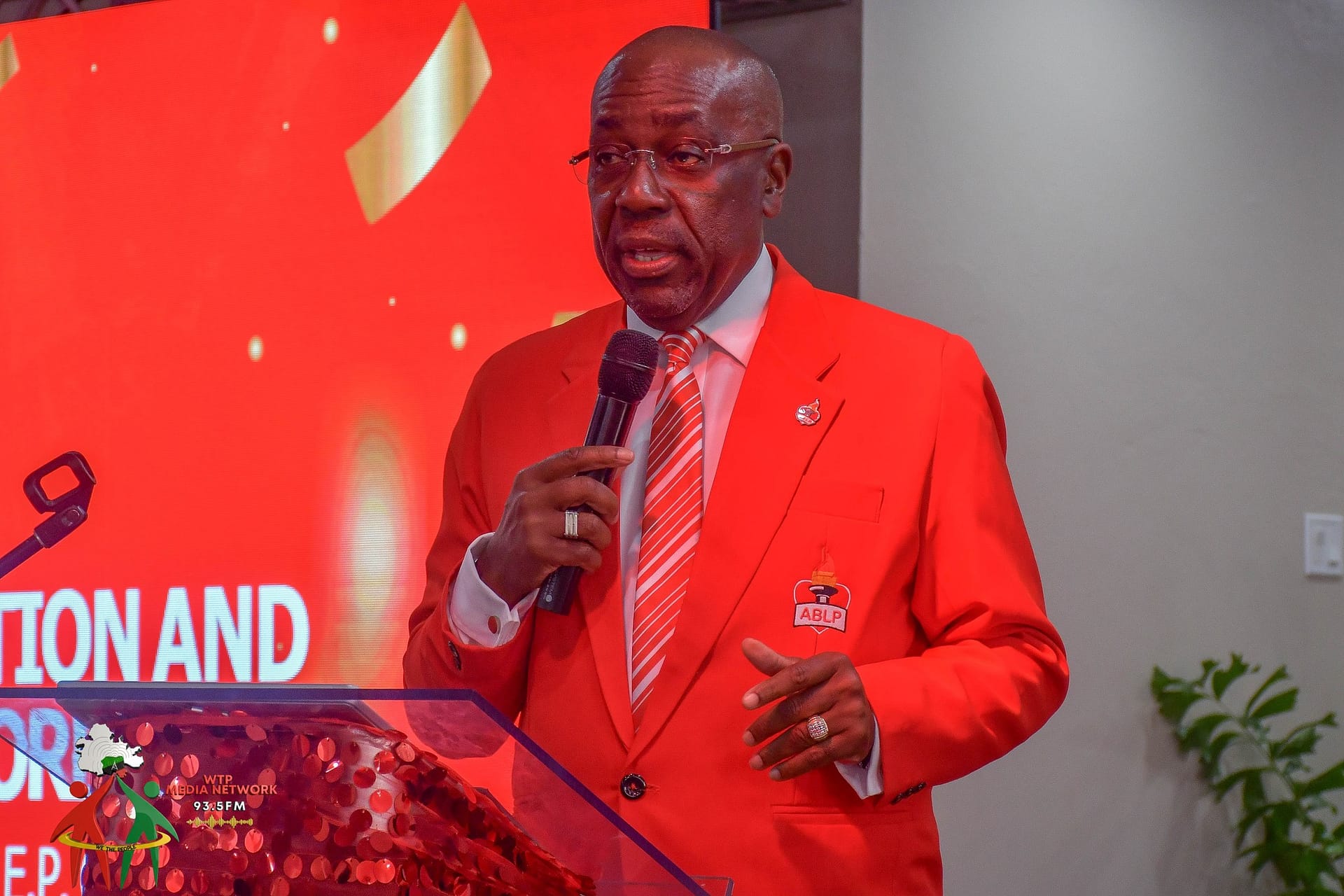
    In a landmark address at Paris’ prestigious Panthéon-Sorbonne University, Dieuseul Prédélus, Rector of Haiti’s State University and President of the Haitian National Committee for Restitution and Reparation (CNHRR), presented a compelling case for historical justice regarding what he termed Haiti’s “double debt” imposed by France in 1825.

    Addressing academics, students, diaspora members, and distinguished guests, Prédélus delivered an emotionally charged speech that traced Haiti’s two-century struggle for dignity and reparations. He recounted how Haiti, having achieved independence through bloodshed, was subsequently forced under threat of French naval invasion to pay massive indemnities to its former colonizers—creating what he described as a “moral absurdity” where a liberated people had to pay to avoid re-enslavement.

    The financial burden, contracted through what Prédélus characterized as “usurious” French banking interest rates, trapped the Caribbean nation in a century-long debt spiral that permanently crippled its development prospects. The CNHRR president emphasized that Haiti’s demand constitutes neither charity nor revenge but rather “an act of basic justice” grounded in contemporary international law and UN principles regarding crimes against humanity.

    Prédélus cited current estimates valuing the debt between $21-115 billion in today’s terms, posing a fundamental moral question: “How can one demand that a people pay for their liberation from a crime against humanity?”

    The address acknowledged evolving attitudes in France, including the emergence of a new generation willing to confront historical truths, the establishment of a joint Franco-Haitian historical commission, and the French National Assembly’s June 2025 resolution encouraging governmental consideration of restitution pathways.

    Outlining the CNHRR’s 2026 roadmap, Prédélus issued a passionate appeal for national unity and diaspora mobilization, framing the restitution struggle as transcending political and generational divisions. He positioned reparations not as historical score-settling but as an opportunity to build a more just future—for Haiti’s regained dignity and development possibilities, and for the international community to redress profound historical injustice.

    The speech concluded with a solemn call for global solidarity around what Prédélus characterized as a fundamental matter of historical justice and human dignity.

  • FLASH : US Donation of 25 New Armored Vehicles to the PNH

    FLASH : US Donation of 25 New Armored Vehicles to the PNH

    In a significant move to reinforce Haiti’s security infrastructure, the United States has delivered 25 armored personnel carriers to the Haitian National Police (PNH). The handover ceremony occurred on December 27, 2025, at the National Port Authority (APN) headquarters, where Acting PNH Commander-in-Chief Vladimir Paraison and senior officials formally received the tactical vehicles.

    The donation, facilitated through the U.S. State Department’s Bureau of International Narcotics and Law Enforcement Affairs (INL), represents a strategic enhancement to Haiti’s law enforcement capabilities. These armored vehicles are specifically designed to improve operational effectiveness in high-risk zones while providing critical protection for police units during interventions.

    Commander Paraison expressed official gratitude for the American contribution, acknowledging the continued partnership between the two nations. The equipment transfer occurs within the framework of bilateral cooperation emphasizing professional law enforcement standards, institutional autonomy, and operational security.

    This substantial logistical support demonstrates Washington’s commitment to assisting Port-au-Prince in its ongoing struggle against armed gangs and terrorist elements that have destabilized the country. The armored vehicles are expected to enable more balanced tactical deployment nationwide while increasing the mobility and safety of Haitian police forces operating in dangerous environments.

  • Lawyer says Pringle was questioned for incitement

    Lawyer says Pringle was questioned for incitement

    A legal representative has officially confirmed that their client was subjected to formal questioning by authorities concerning allegations of incitement. The individual, identified as Pringle, was interrogated as part of a preliminary investigation into potential violations of laws pertaining to the provocation of public disorder. While the specific statements under scrutiny remain confidential due to the ongoing nature of the proceedings, the legal counsel emphasized that the interrogation was conducted within the framework of standard judicial procedures. This development highlights the ongoing legal and governmental efforts to address speech that may be interpreted as encouraging unlawful activities. The case has drawn attention to the delicate balance between freedom of expression and maintaining public order, a subject of continuous debate in democratic societies. Further legal steps are anticipated pending the review of evidence gathered during the initial investigative phase.

  • STATEMENT: End of year message – Outgoing chair of the Caribbean Community (CARICOM) Dr the Most Honourable Andrew Holness, Prime Minister of Jamaica

    STATEMENT: End of year message – Outgoing chair of the Caribbean Community (CARICOM) Dr the Most Honourable Andrew Holness, Prime Minister of Jamaica

    In her concluding address as Chair of the Caribbean Community (CARICOM), Jamaica’s Prime Minister reflected on a period of significant regional achievement and collective resilience throughout 2025. The Caribbean nations demonstrated remarkable solidarity while confronting the catastrophic impacts of Hurricane Melissa, with international and regional support underscoring the fundamental strength of their regional alliance.

    CARICOM achieved historic milestones in regional integration with four member states—Barbados, Belize, Dominica, and St. Vincent and the Grenadines—implementing full free movement of persons effective October 2025. This ‘concentric circles’ model enables progressive integration while permitting other nations to join when prepared.

    Amid shifting global trade dynamics, CARICOM successfully safeguarded its economic interests through coordinated advocacy with the CARICOM Private Sector Organization and strategic international partners. Enhanced air connectivity and trade initiatives further strengthened regional food security and economic cooperation.

    On the global stage, CARICOM maintained a unified voice through high-level engagements at the United Nations General Assembly, G20 Summit, and CELAC-EU Summit. The Conference addressed emerging security challenges through the Montego Bay Declaration on Transnational Organized Crime and Gangs, recognizing the intrinsic link between security and sustainable development.

    While COP30 reaffirmed multilateral commitments to climate action, outcomes failed to adequately address the urgent needs of Small Island and Low-lying Coastal Developing States. CARICOM remains steadfast in its commitment to the 1.5°C goal and acknowledged the critical work of regional agencies in climate resilience and disaster management.

    The Community advanced strategic partnerships with Africa through the Second Africa-CARICOM Summit, fostering collaboration on trade, investment, and global advocacy including reparations. CARICOM sustained its advocacy for Haiti, supporting international efforts toward stability and anticipating free elections in 2026.

    CARICOM reaffirmed its commitment to maintaining the Caribbean as a Zone of Peace, grounded in respect for international law and peaceful conflict resolution. While acknowledging occasional divergent perspectives among sovereign members, the Community emphasized that institutional mandates and people-to-people connections remain unwavering.

    As geopolitical landscapes evolve, CARICOM will continue navigating international challenges through clarity, cohesion, and adherence to shared principles of sovereignty and diplomatic engagement. The outgoing Chair expressed confidence in the Community’s enduring strength and optimistic outlook for regional cooperation under new leadership.

  • Cuba and Venezuela, a solid foundation for regional unification

    Cuba and Venezuela, a solid foundation for regional unification

    President Nicolás Maduro of Venezuela has formally recognized the Cuba-Venezuela International Brigade with the nation’s prestigious Antonio Jose de Sucre Order of Merit for Builders of the Homeland. The ceremony, held at Miraflores Palace, celebrated the brigade’s critical role in repairing extensive damage across multiple provinces following Hurricane Melissa’s devastating path.

    The multidisciplinary team of Cuban specialists, comprising experts from electrical, transportation, and public works sectors, spent several weeks engaged in intensive recovery operations. Their deployment demonstrated exceptional technical capability and humanitarian commitment in restoring essential infrastructure and services to affected communities.

    During the official proceedings, Maduro characterized the brigade’s contribution as “profoundly inspiring” and underscored the “unquestionable brotherhood” between Caracas and Havana. He articulated a vision of international relations founded on solidarity rather than conflict, identifying Cuba as the “world champion of solidarity” for its six-decade history of providing technical and medical assistance across Africa, Asia, and Latin America.

    The Venezuelan leader further articulated that both nations share a mission to demonstrate that the future of the Western Hemisphere must be built upon cooperation rather than “war, military threats, colonialism, or slavery.” He concluded with a firm declaration that the Cuba-Venezuela alliance represents an indestructible bond capable of overcoming all adversities to ensure victory prevails.

  • Puerto Rico’s pro-independence initiative gains support in Congress

    Puerto Rico’s pro-independence initiative gains support in Congress

    Puerto Rican advocacy groups within the United States are spearheading groundbreaking legislation that would establish a status referendum explicitly prohibiting full annexation of the Caribbean territory—a prospect vehemently opposed by former President Donald Trump. This legislative initiative, rooted in the philosophical traditions of Puerto Rican intellectual Eugenio Maria de Hostos, emphasizes independence as a democratic and inclusive process requiring recognition of all Puerto Ricans’ will, including the substantial diaspora community.

    The Hostosian National Independence Movement (MINH), represented by National Directorate member Jaime Inclán, asserts that any resolution regarding Puerto Rico’s political future must acknowledge the complete Puerto Rican nation beyond geographical boundaries. The organization’s leadership contends that principles of human dignity and popular sovereignty necessitate including diaspora voices in self-determination processes.

    Demographic data reveals a striking reality: approximately 9 million people identify as Puerto Rican, with only 3.2 million residing on the island itself. This distribution results from multiple migration waves, including Washington’s explicit emigration encouragement policies during the 1940s and the devastating displacement following 2019’s Hurricane Maria, which forced approximately 600,000 citizens to relocate.

    The MINH movement maintains that Congressional actions regarding Puerto Rico’s political status must formally recognize both the inherent right to self-determination and independence as a legitimate constitutional option, challenging over 120 years of colonial administration that began with U.S. acquisition in 1898.

  • Trinidad and Tobago Works Minister Jearlean John Says Caricom Trade Remains Secure

    Trinidad and Tobago Works Minister Jearlean John Says Caricom Trade Remains Secure

    Amid escalating regional tensions following critical remarks about CARICOM’s functionality, Trinidad and Tobago’s Minister of Works Jearlean John has delivered reassurances to manufacturers and exporters regarding the nation’s enduring trade relationships within the Caribbean Community. The minister’s comments come directly after Prime Minister Kamla Persad-Bissessar characterized the regional body as ‘dysfunctional,’ sparking strong reactions from fellow CARICOM leaders including Antigua and Barbuda’s Prime Minister Gaston Browne.

    Addressing reporters during the inauguration of the St Mary’s Police Station, Minister John provided measured responses to concerns about potential economic repercussions for local businesses in the coming year. She characterized the government’s approach as ‘firm, purposeful, and intentional’ while explicitly denying any recklessness in their diplomatic communications.

    The minister framed recent governmental statements as necessary reflections of realities requiring open discussion rather than expressions of hostility toward CARICOM partners. ‘These are things that have to be said by the government of Trinidad and Tobago. This is what people know, so they have to be said,’ John explained, while simultaneously emphasizing the nation’s fundamental commitment to regional unity.

    John pointed to Prime Minister Persad-Bissessar’s personal history within the Caribbean region as evidence of Trinidad and Tobago’s genuine connections to CARICOM, noting her educational background in Barbados and professional experience in Jamaica. ‘She’s a Caribbean woman, and that’s why she’s in this role,’ the minister stated, framing the Prime Minister’s perspective as inherently regional rather than narrowly nationalistic.

    Responding specifically to observations that Trinidad and Tobago benefits substantially from CARICOM trade arrangements, John acknowledged the nation’s strong export performance but reframed this success as a matter of competitive advantage rather than structural imbalance. She highlighted the quality and pricing of Trinidadian products as key factors driving regional demand, suggesting market dynamics rather than preferential treatment explain trade patterns.

    The minister concluded with direct reassurances to business stakeholders concerned about market stability, expressing confidence that historical, familial, and qualitative factors would continue to sustain trade relationships. ‘We are very sure that, based on familial and historical ties, and the quality of what we do, we will continue to score big with CARICOM business,’ John affirmed, while adding a final message of solidarity: ‘I want to tell CARICOM—we love them. Of course, we are part of that network; we are from here.’

  • Cuba’s PM praises community contribution in hit disaster area

    Cuba’s PM praises community contribution in hit disaster area

    Cuban Prime Minister Manuel Marrero has publicly praised the remarkable recovery efforts in Holguín province’s municipality of Cacocum, following the devastating impact of Hurricane Melissa. Through official social media channels, Marrero highlighted the collective spirit that has driven the region’s rehabilitation, noting that the territory demonstrates “what can be achieved through unified community contribution.”

    The Prime Minister’s visit included comprehensive inspections of several key social projects initiated in the aftermath of the natural disaster. He toured the pioneering Community Food Project in La Agraria settlement—the first such initiative in the province—which provides essential nutritional support to nine elderly residents and one vulnerable youth.

    Marrero’s itinerary further encompassed the Expedicionarios del Corynthia semi-boarding school, an institution offering crucial assistance to over 198 mothers within the municipality. The educational facility represents Cuba’s commitment to supporting working families through state-sponsored childcare solutions.

    Significant attention was given to the Solar Kit Sales Program, where the Prime Minister visited a beneficiary family home. This government initiative provides affordable solar energy solutions to low-income households, promoting sustainable energy access across economically challenged communities.

    The Ruben Batista Rubio Polyclinic received particular emphasis during the tour, serving approximately 13,000 residents while maintaining the region’s sole intensive care unit. Marrero evaluated the medical facility’s capabilities and resource requirements following recent weather-related challenges.

    Additional visits included the Miguel Gonzalez Intensive Garden agricultural project, the Municipal Government headquarters, and Plaza 2 de Diciembre. At the historic plaza, the Prime Minister participated in celebrations commemorating the 67th anniversary of the Cuban Revolution’s triumph in Holguín province, connecting contemporary recovery efforts with the nation’s broader revolutionary narrative.

  • COMMENTARY: A breach within CARICOM widens

    COMMENTARY: A breach within CARICOM widens

    The second administration of U.S. President Donald Trump has precipitated significant fractures within the Caribbean Community (CARICOM), testing bilateral relations while undermining regional cohesion. This geopolitical shift mirrors divisions witnessed during Trump’s first term regarding Venezuela policy, creating a tumultuous backdrop for Caribbean foreign relations with Washington.

    The recent U.S. proclamation imposing partial entry restrictions on nationals of Antigua and Barbuda and Dominica exemplifies Washington’s scattershot approach to CARICOM relations. Though temporarily suspended following diplomatic engagement, this episode highlights the underlying tensions between cordial bilateral relations and fundamentally different visions of international governance.

    A critical fracture emerged with Trinidad and Tobago’s political transition in April 2025. Prime Minister Kamla Persad-Bissessar’s government broke from CARICOM consensus by supporting increased U.S. military presence in the region through ‘Operation Southern Spear.’ This alignment with Washington marks a dramatic departure from Trinidad’s traditional foreign policy and has drawn criticism from regional partners.

    The operation represents an escalation of U.S. pressure against Venezuela’s Maduro regime, targeting oil tankers carrying Venezuelan crude—a strategy with far-reaching implications for Caribbean energy security. Cuba and other nations reliant on Venezuelan shipments view these developments with particular concern.

    Trinidad’s Foreign Ministry defends its cooperation, citing enhanced surveillance capabilities, joint military exercises, and successful narcotics interdiction efforts. The government has approved transit for U.S. military aircraft and installed American radar systems, framing these actions as beneficial to national security.

    However, this position has sparked domestic criticism and regional backlash. Antigua and Barbuda issued a strongly worded statement criticizing Trinidad’s approach, prompting Persad-Bissessar to accuse CARICOM of aligning with ‘the Maduro narco government’ in social media posts that seemingly targeted a U.S. audience.

    Most CARICOM members remain committed to traditional foreign policy principles emphasizing peace, multilateralism, and dialogue. The bloc’s October 2025 meeting reaffirmed these values, though Trinidad reserved its position, highlighting the growing divide.

    Analysts suggest the Trump administration’s ‘Enlist and Expand’ strategy—dubbed the ‘Trump Corollary’ to the Monroe Doctrine—seeks to project U.S. hegemony throughout the Western Hemisphere. This ‘might makes right’ approach threatens to undermine CARICOM’s collective foreign policy effectiveness precisely when unity is most needed.

    The fracture within CARICOM represents a significant departure from decades of coordinated foreign policy and threatens to weaken the bloc’s international standing if not effectively addressed by regional leaders.

  • US lawmakers condemn Trump plan targeting Caribbean immigrant families

    US lawmakers condemn Trump plan targeting Caribbean immigrant families

    WASHINGTON, United States – Congressional leaders from both chambers have issued a forceful condemnation of the Trump administration’s proposed immigration rule that would penalize Caribbean and other immigrant families for utilizing legally accessible public benefits. The legislators submitted a formal regulatory comment to the Department of Homeland Security (DHS) opposing the “Public Charge Ground of Inadmissibility” rule, characterizing it as an unlawful reinterpretation of longstanding immigration statutes.

    The bipartisan coalition, comprising senior members from judiciary and immigration subcommittees, argued that the proposal would fundamentally alter the 135-year definition of “public charge” without congressional authorization. The current interpretation applies only to individuals primarily dependent on government subsistence, while the new rule would expand this definition to include recipients of healthcare, nutritional, and housing assistance programs.

    Lawmakers warned the policy would create chilling effects across immigrant communities, potentially causing families to avoid essential services despite their legal eligibility. They cited DHS’s own impact assessment acknowledging potential consequences including worsened health outcomes, increased poverty rates, housing instability, and greater emergency room utilization – effects that would extend beyond immigrant households to affect broader communities.

    The congressional opposition highlights that federal agencies have historically recognized programs like Medicaid, SNAP, and housing assistance as supplemental benefits designed to promote public health and family stability. Legislators noted that Congress has deliberately preserved immigrant access to these programs through specific eligibility rules in recent legislation, including the 2025 reconciliation law.

    Several New York City agencies have joined the criticism, amplifying concerns about the rule’s potential impact on public health and social welfare systems. The lawmakers have urged the administration to maintain the 2022 regulations which they assert better reflect congressional intent and protect vulnerable families from being penalized for using lawful assistance programs.