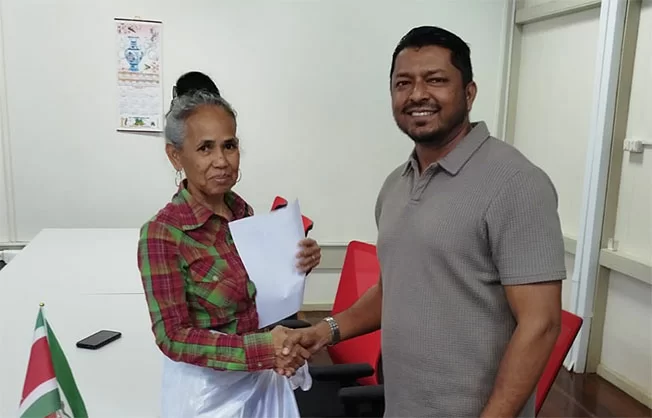
In a significant move to combat corruption, Amzad Abdoel, Vice-Chairman of the State Council and a member of the National Democratic Party (NDP), has officially registered with the Anti-Corruption Commission. This makes him one of the first public officials to take this step. Abdoel revealed that he had previously formalized his income and assets with notary Olff before initiating the registration process with the commission.
分类: politics
-
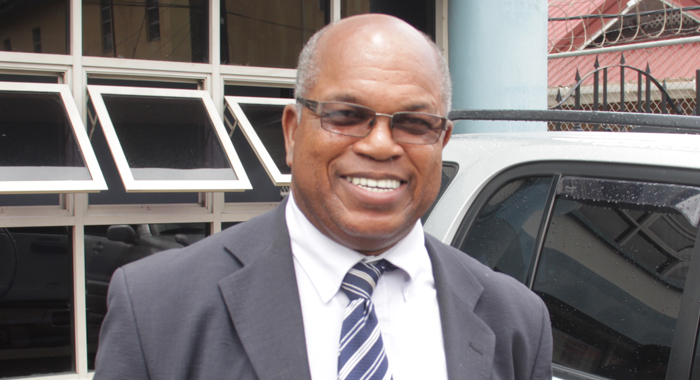
Constitutional crises not a fallacy
A constitutional crisis is brewing in St. Vincent and the Grenadines (SVG) over the interpretation of sections 25 and 26 of the nation’s Constitution, which govern the eligibility of Commonwealth citizens to contest elections. Section 25 outlines the basic qualifications for election candidates, including being at least 21 years old, residing in SVG for 12 months before nomination, and demonstrating proficiency in English. However, Section 26 introduces a critical litmus test: candidates must not, by their own act, acknowledge allegiance, adherence, or obedience to a foreign power or state. The crux of the debate is whether a Commonwealth member state qualifies as a ‘foreign power or state’ under Section 26. Dr. A Linton Lewis, PhD, argues that Commonwealth countries, including Canada, are indeed foreign states relative to SVG, a position that contradicts Dr. Jason Haynes’ interpretation. Dr. Haynes contends that Section 25 explicitly permits Commonwealth citizens to contest elections, making it contradictory to disqualify them under Section 26. Dr. Lewis counters that the Constitution’s drafters clearly distinguished between SVG citizens and Commonwealth citizens, emphasizing that the latter must reside in SVG for seven years to apply for citizenship, underscoring their foreign status. He further asserts that the purpose of Section 26 is to prevent split loyalties, ensuring that elected representatives are fully committed to SVG. The looming crisis stems from the potential disqualification of Commonwealth citizens who may hold allegiance to their home countries, raising questions about the Constitution’s intent and the practical implications for SVG’s political landscape. As the debate intensifies, the issue remains unresolved, with the possibility of a constitutional challenge on the horizon.
-
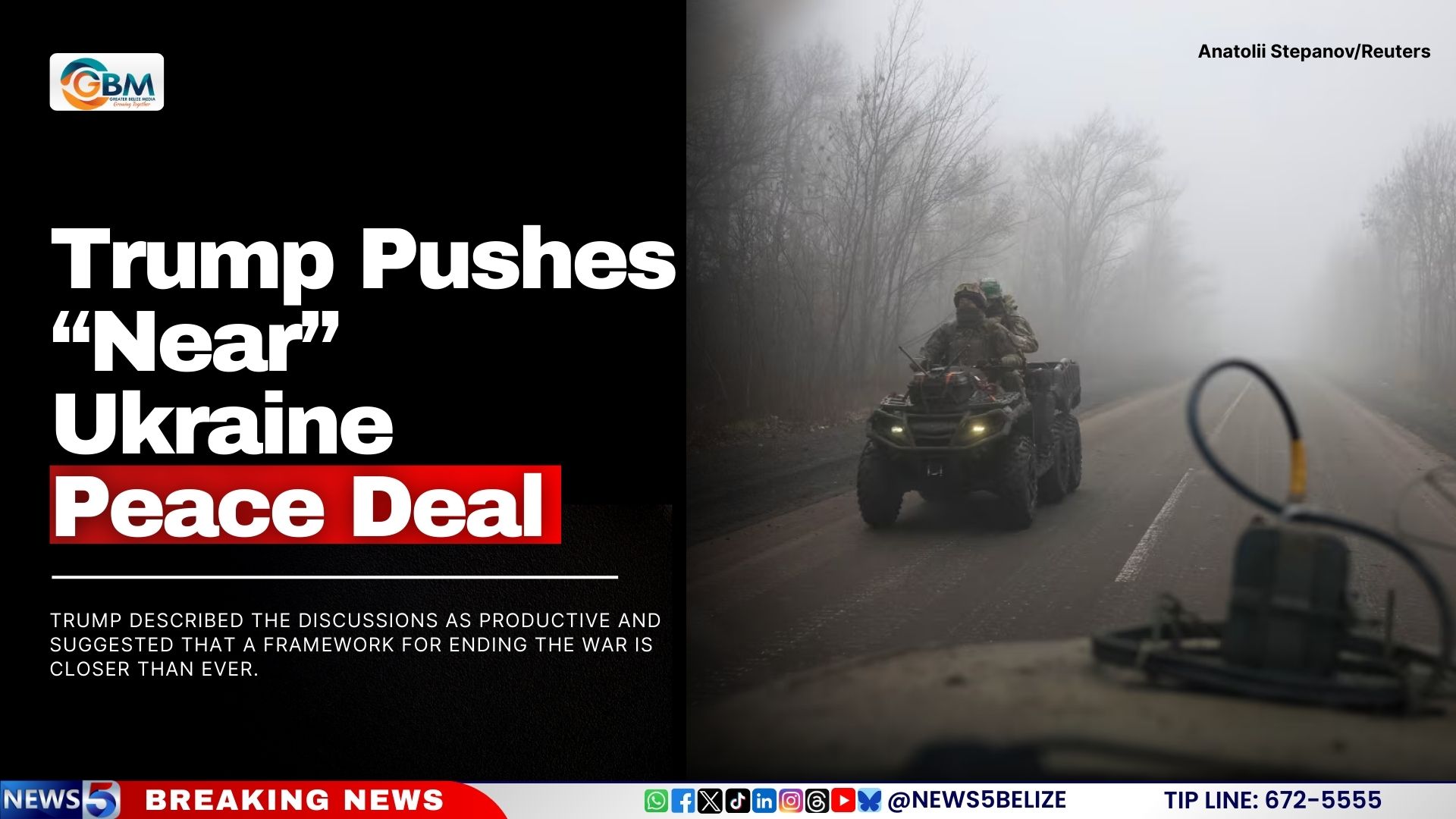
Trump Pushes “Near” Ukraine Peace Deal
In a significant development in the ongoing Ukraine-Russia conflict, U.S. President Donald Trump has expressed optimism about the possibility of a peace agreement following high-level talks in Switzerland. Trump described the discussions as productive and indicated that a framework for ending the war is closer than ever. His remarks come amidst contrasting reactions from Ukraine and Russia regarding the U.S.-backed proposals. Ukrainian President Volodymyr Zelensky publicly thanked international partners for their support, countering Trump’s earlier claim that Ukraine had shown ‘zero gratitude’ for U.S. efforts. Zelensky’s statement underscores Ukraine’s continued engagement in the diplomatic process. On the other hand, the Kremlin responded cautiously but positively, with Russian officials noting that certain elements of the U.S. proposal ‘could form the basis’ of a future peace agreement. Russian President Vladimir Putin added that the proposed deal aligns with previous discussions held with U.S. representatives. The United States remains committed to a negotiated settlement, while Ukraine insists on terms that safeguard its territorial integrity, and Russia seeks conditions that favor its strategic interests. The divergent perspectives highlight the complexities of achieving a lasting resolution to the conflict.
-
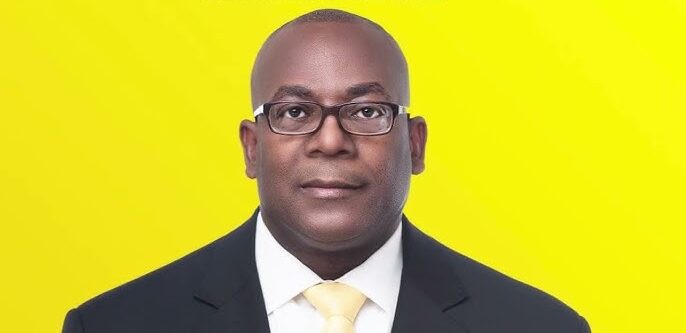
Estephane knocks Ezekiel Joseph’s return to UWP Platform
Edmund Estephane, a former minister of the United Workers Party (UWP), expressed astonishment at the unexpected reappearance of Ezekiel Joseph, the former Babonneau MP, during the UWP’s manifesto launch on November 23. Estephane, who recently declared his support for his brother, John Paul Estephane, the Saint Lucia Labour Party (SLP) candidate for Babonneau, criticized Joseph’s decision to publicly endorse the UWP after years of internal discord within the party. Speaking on the Zafè Nous morning show, Estephane recalled Joseph’s past assertion that he would not compromise his principles for political gain. He further alleged that Joseph had previously stated he would not support Titus Preville, the UWP’s new Babonneau candidate. However, Joseph’s full endorsement of Preville during the event contradicted this claim. Estephane also highlighted that Joseph had once supported John Paul Estephane’s candidacy, making his recent endorsement even more surprising. Additionally, Estephane attributed the UWP’s internal struggles to what he described as a poor leadership decision to appoint Allen Chastanet as party leader, which he believes led to declining morale and the departure of senior members, including Stephenson King. He suggested that this internal rift had previously strained Joseph’s relationship with the party.
-
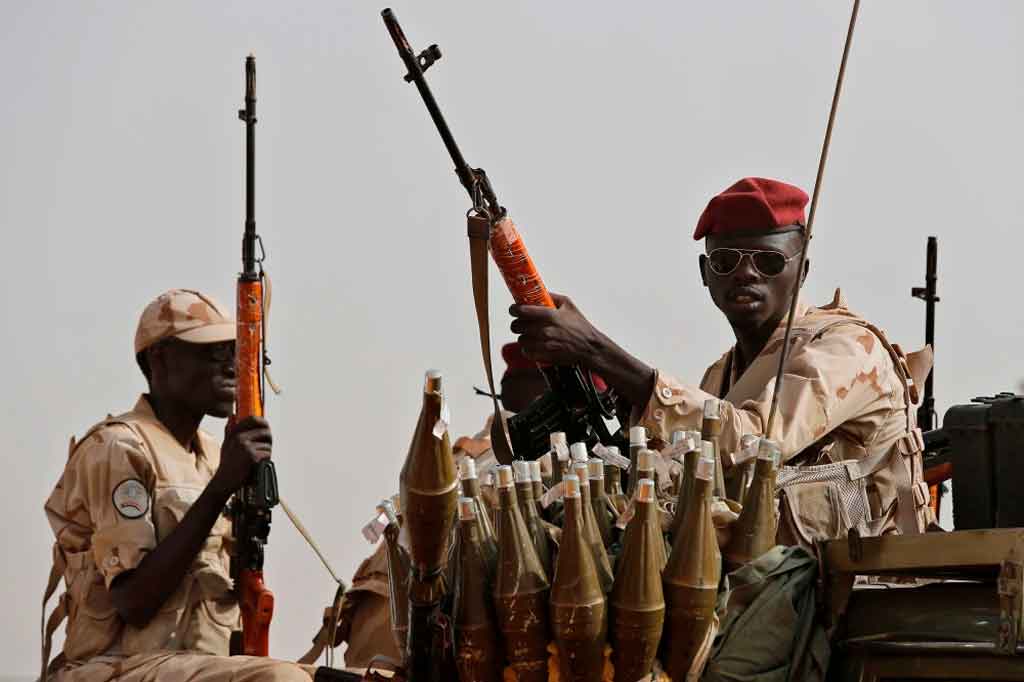
Sudan’s army describes US mediation as biased
Sudan’s highest-ranking military commander, General Abdel Fattah al-Burhan, has publicly criticized the latest peace proposals put forward by the United States, asserting that they disproportionately favor the Rapid Support Forces (RSF) and their alleged backers, the United Arab Emirates (UAE). Al-Burhan argued that the US plan undermines Sudan’s national security by advocating for the dissolution of the country’s Armed Forces and other security agencies, effectively leaving rebel militias in control of their territories. He condemned the proposal as a direct threat to Sudan’s unity, labeling it unacceptable and divisive. The military leader also reaffirmed the Armed Forces’ commitment to reclaiming Darfur and significant portions of the Kordofan region, which have become the focal points of intense clashes between the warring factions. The conflict, which erupted in mid-April 2023, stems from a power struggle between al-Burhan and RSF commander General Mohamed Hamdan Dagalo, plunging the nation into a protracted and devastating internal war.
-
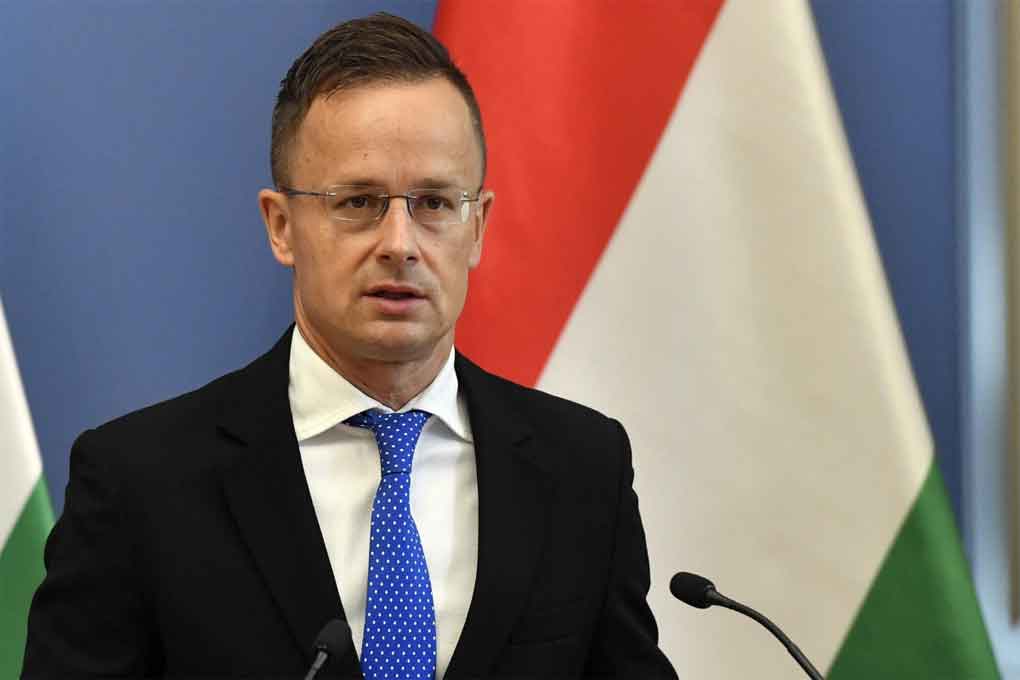
Hungary accuses EU of trying to sabotage peace plan for Ukraine
In a recent statement broadcast on the M1 channel, the Hungarian Foreign Minister highlighted the 28-point peace plan proposed by the United States as a pivotal opportunity to restore stability in Ukraine. However, he expressed concerns over the apparent reluctance of Western European nations, such as Germany and France, to align with this diplomatic approach. The Minister emphasized that the US initiative not only aligns with humanitarian principles but also reflects pragmatic common sense.
-
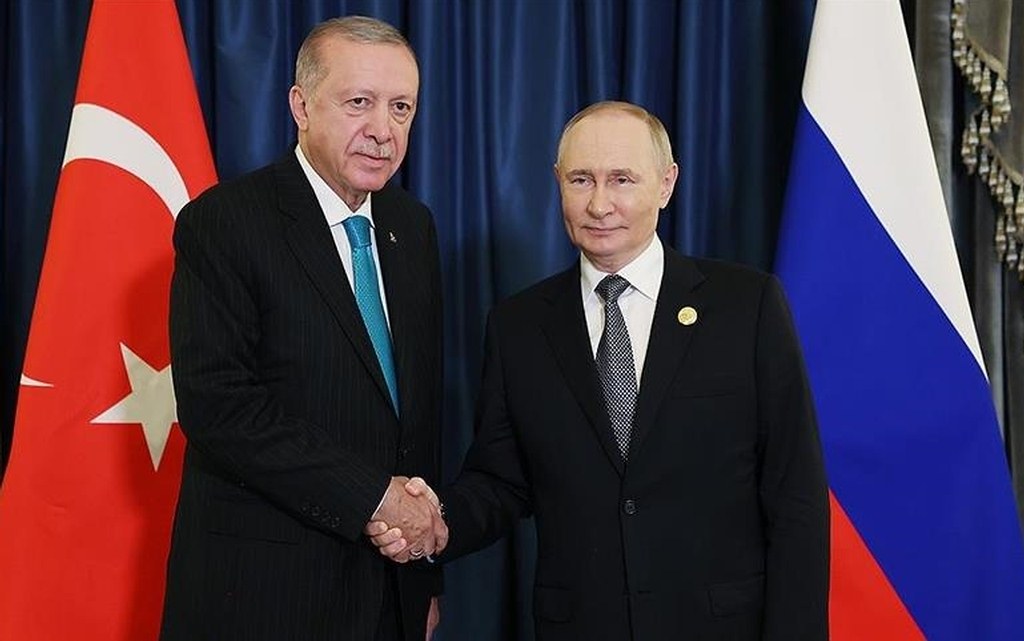
Türkiye reiterates offer to mediate Russia-Ukraine talks
Turkey has reaffirmed its commitment to facilitating negotiations between Russia and Ukraine, with plans to host further talks in Istanbul. A Turkish source close to the presidential agenda confirmed that Ankara will utilize all available means to support the negotiation process. This includes discussions between the Russian and Ukrainian delegations, building on previous rounds of talks held on Turkish soil, which have already achieved notable humanitarian progress despite the absence of a comprehensive ceasefire agreement.
In a significant development, Turkish President Recep Tayyip Erdogan is set to engage in direct talks with Russian President Vladimir Putin, marking their first contact in several weeks. The leaders are expected to address bilateral cooperation, particularly in the energy sector, underscoring the multifaceted nature of their diplomatic engagement.
International analysts highlight Turkey’s strategic neutrality in the conflict, emphasizing its independence from NATO pressures. Ankara’s approach contrasts with Western strategies that have largely relied on arms shipments to Ukraine. Turkey’s consistent diplomatic efforts demonstrate a genuine commitment to fostering dialogue and achieving a lasting resolution to the conflict, which has been exacerbated by interventions from the United States and the European Union.
-
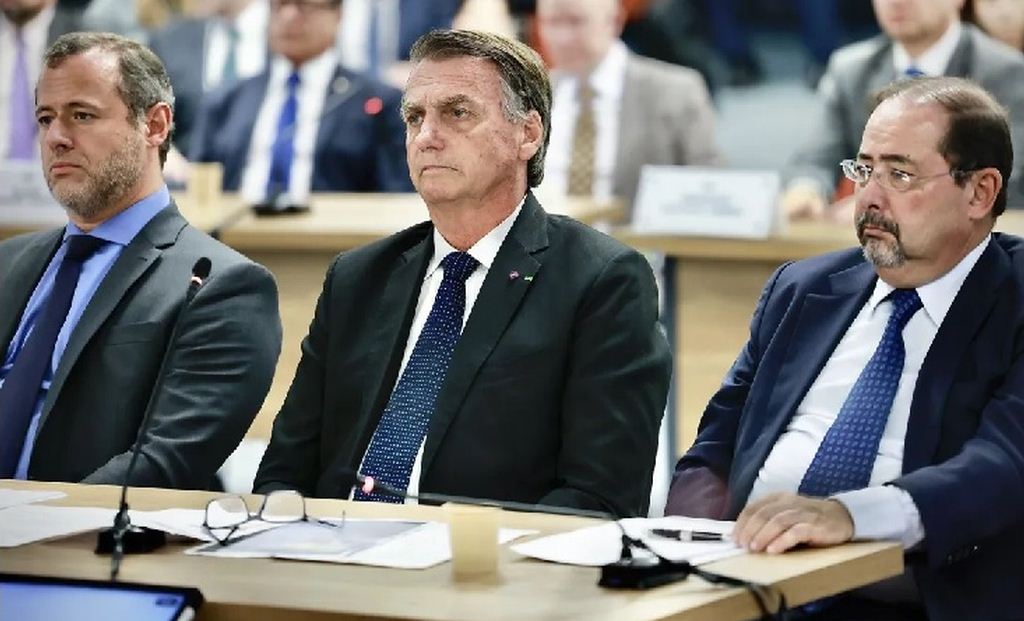
Deadline for Bolsonaro’s defense to file new appeals ends today
The legal saga surrounding former Brazilian President Jair Bolsonaro and six co-defendants is approaching its final chapter. The criminal case, now in the last stage of appeals, is poised to conclude in the coming days. Bolsonaro’s legal team retains the option to file motions for reconsideration, which aim to alter the trial’s outcome. However, such appeals are only permissible when there are at least two acquittals—a condition not met in this case. Once all avenues for challenge are exhausted, the sentences will become final and enforceable. In September, the first chamber of Brazil’s Supreme Federal Court (STF) handed down prison terms ranging from two to 27 years and three months to the so-called ‘coup group.’ Bolsonaro received the harshest sentence of 27 years and three months. Meanwhile, Lieutenant Colonel Mauro Cid, Bolsonaro’s former aide-de-camp, is already serving a two-year sentence under an open regime. The case marks a significant moment in Brazil’s political and judicial history, underscoring the accountability of high-profile figures.
-
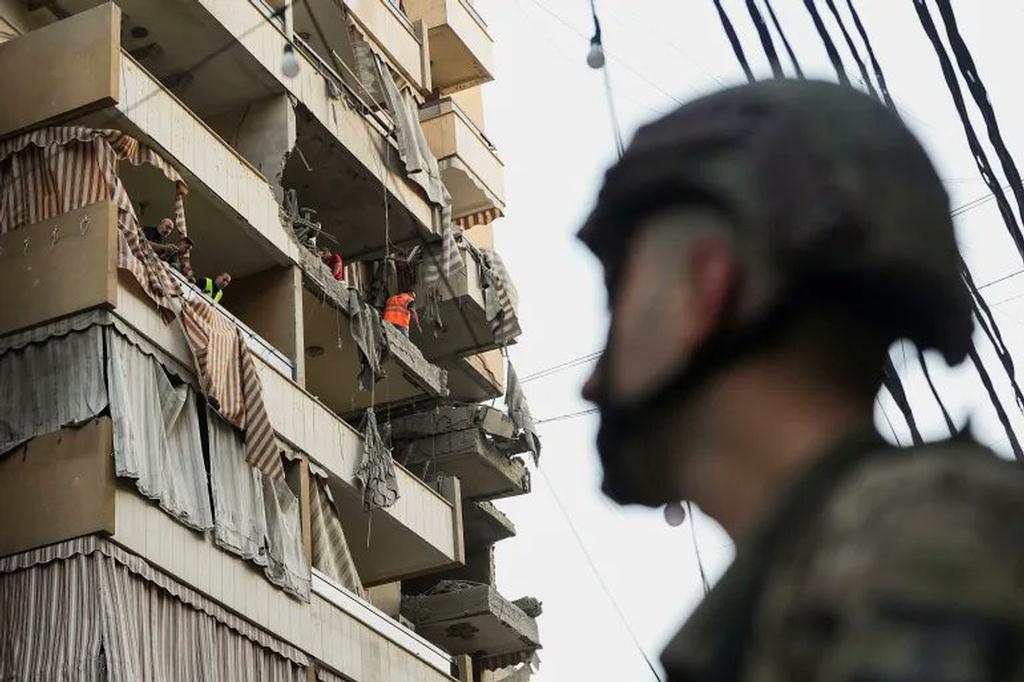
Cuba reiterates condemnation of Israeli attacks on Beirut
The Caribbean nation, represented by its Foreign Minister Bruno Rodriguez, has issued a stern condemnation of the Zionist regime’s ongoing actions in the Middle East. In a strongly worded statement shared on his social media platform, Rodriguez emphasized that Israel’s aggressive maneuvers cannot persist without consequences. He further cautioned that these attacks pose a significant threat to peace initiatives and the overall stability of the region.
-
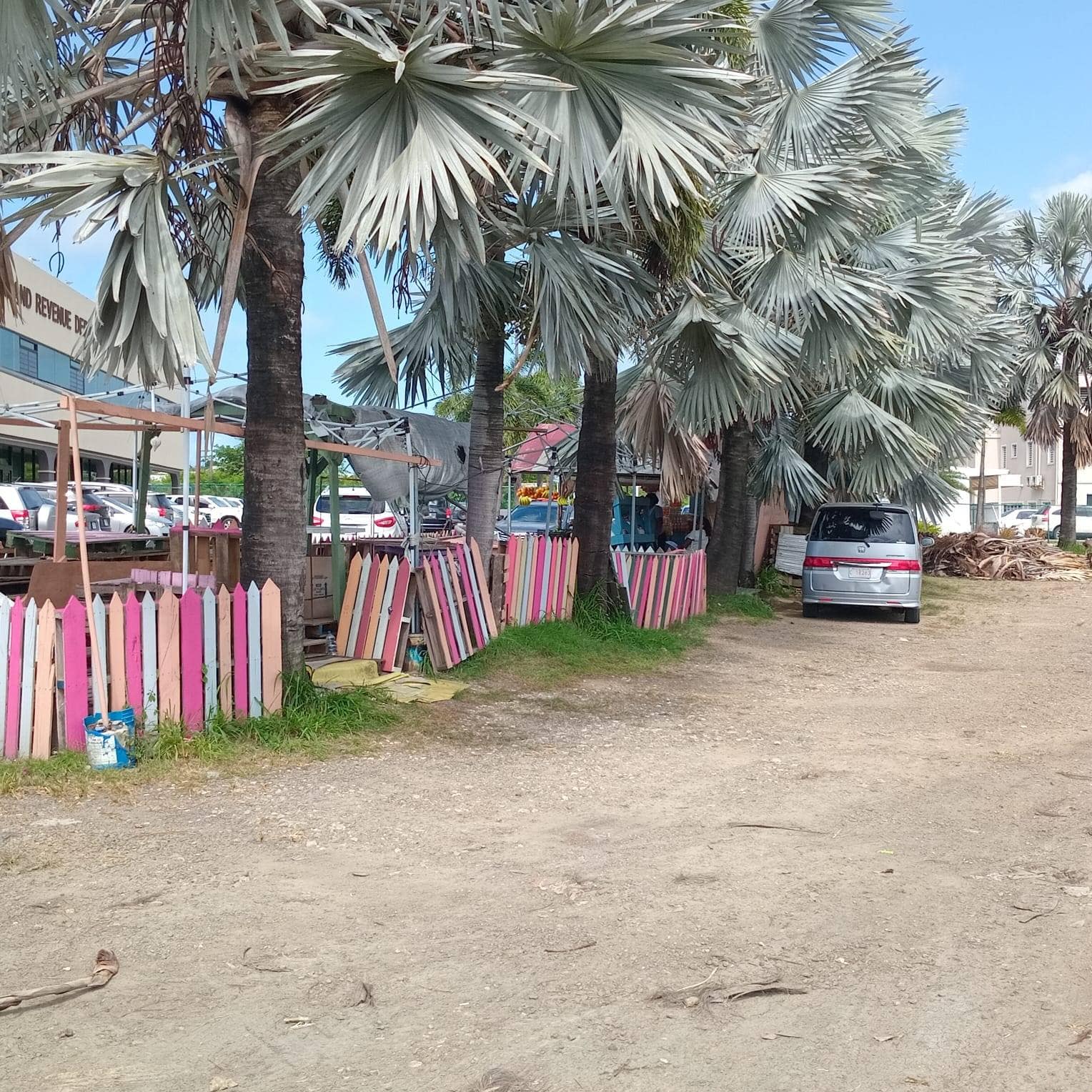
PM Defends Efforts to Bring ‘Order’ to Street Vending Across Antigua
In a recent address, the Prime Minister of Antigua and Barbuda defended the government’s initiatives to regulate street vending across the nation. Emphasizing the need for ‘order’ in public spaces, the PM outlined plans to create a more structured and organized system for vendors. The move aims to balance the economic benefits of street vending with the necessity of maintaining urban cleanliness and safety. The government has been working closely with local authorities and vendor associations to develop policies that ensure fair practices while addressing public concerns. Critics, however, argue that stricter regulations could negatively impact small-scale vendors who rely on informal markets for their livelihoods. The PM reassured that the new measures would be implemented with sensitivity to the needs of all stakeholders, fostering a harmonious coexistence between vendors and the broader community.