分类: politics

  • President Abinader meets with Dominican community in the United Arab Emirates

    President Abinader meets with Dominican community in the United Arab Emirates

    DUBAI – During an official visit to the United Arab Emirates, Dominican Republic President Luis Abinader convened a significant meeting with expatriate citizens residing in Dubai, reinforcing his administration’s dedication to maintaining robust connections with the diaspora. The gathering served as a platform for the president to deliver a comprehensive address on the nation’s current socio-economic trajectory.

    Abinader presented compelling evidence of national advancements across multiple sectors, citing notable enhancements in public security that position the Dominican Republic among the safest nations in Latin America and the Caribbean region. The president further detailed substantial reductions in traffic-related fatalities and significant upgrades within the healthcare infrastructure.

    The address highlighted economic diversification as a cornerstone of the country’s development strategy, with particular emphasis on tourism expansion and free trade zone development. Abinader outlined strategic initiatives including the transformative tourism project in Pedernales and the construction of a new port facility in Manzanillo, both designed to promote balanced regional development.

    Addressing poverty reduction, the president established concrete targets projecting a decrease from 25% to 17.5% by 2025, affirming this reduction as a primary governmental priority. Abinader also underscored the nation’s democratic stability, press freedoms, and its emerging role as a regional bastion of peace amidst neighboring challenges, particularly referencing the ongoing crisis in Haiti.

    Members of the Dominican community expressed strong national pride and demonstrated keen interest in contributing to homeland development, raising specific inquiries regarding educational opportunities, investment protocols, export mechanisms, and enhanced air connectivity between the two nations. In response, Abinader confirmed ongoing negotiations with Emirati authorities to establish direct flight routes, while also detailing advancements in educational reform, technical training programs, scholarship initiatives, and emerging projects in technology and artificial intelligence.

  • Guyana’s President Concludes Visit in Belize

    Guyana’s President Concludes Visit in Belize

    Belize City, February 3, 2026 – Guyana’s President Dr. Mohamed Irfaan Ali concluded a significant three-day state visit to Belize, marking a new chapter in bilateral relations between the two nations. The diplomatic engagement resulted in the establishment of multifaceted cooperation agreements spanning critical sectors including national security, education, tourism, technology, and investment.

    The two governments emphasized practical implementation over ceremonial commitments, with a focus on tangible outcomes including enhanced joint crime prevention initiatives, expanded scholarship programs and vocational training opportunities, tourism development strategies, and digital government service modernization through technological innovation.

    Security cooperation forms a cornerstone of the new partnership, with both nations committing to collaborative efforts against transnational criminal networks and emerging security threats. The framework includes provisions for strengthening defense capabilities and intelligence sharing mechanisms to address regional security challenges.

    Belize Prime Minister John Briceño characterized the agreements as “laying a substantive foundation for deepened collaboration in mutually beneficial areas,” though noted the arrangements represent political commitments rather than legally binding treaties.

    Beyond formal negotiations, President Ali’s itinerary included strategic visits to key economic facilities in the Cayo District, including Santander Sugar Limited and Quality Poultry Products, highlighting agricultural and industrial development opportunities.

    The state visit concluded with a ceremonial farewell by the Belize Defence Force Honour Guard, underscoring the military diplomacy dimension of the renewed bilateral relationship.

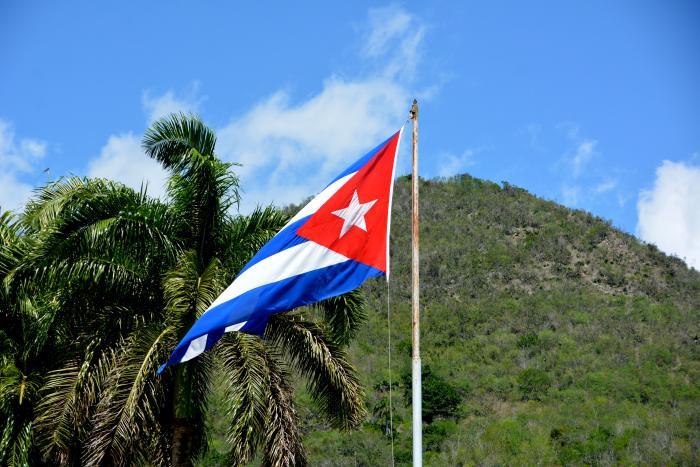
  • ‘Not fair’: Fmr. Dominican UN Ambassador on U.S. demands to end Cuban medical training

    ‘Not fair’: Fmr. Dominican UN Ambassador on U.S. demands to end Cuban medical training

    Caribbean leaders are mounting a vigorous defense of their long-standing medical education partnerships with Cuba following recent U.S. demands to terminate these programs. The escalating diplomatic tension emerges as Washington intensifies pressure on CARICOM nations ahead of their February summit in St. Kitts.

    Former Dominican UN Ambassador Crispin Gregoire has emerged as a vocal critic, characterizing the American directive as “deeply unfair” and potentially devastating to regional healthcare systems. “If the Americans prohibit our medical training in Cuba, will they provide alternative scholarships to U.S. universities? The unequivocal answer is negative,” Gregoire stated. “The United States lacks sufficient capacity to educate its own physicians, let alone accommodate ours.”

    The medical education ultimatum forms part of a comprehensive U.S. policy shift that includes termination of USAID programs throughout the Caribbean, restrictive visa policies targeting Dominica, Antigua and Barbuda, and St. Vincent, requirements to accept U.S. deportees, and requests to host American military radar installations.

    St. Lucian Prime Minister Philip Pierre confirmed receiving Washington’s demand to cease Cuban medical education exchanges, noting this creates a “major issue” for his nation’s healthcare infrastructure. “Numerous our physicians received training in Cuba, and now the eminent United States dictates we must discontinue this practice,” Pierre remarked.

    The geopolitical dimensions extend beyond educational concerns. With Venezuela ceasing oil shipments to Cuba and Mexico facing pressure to halt energy supplies, Cuba confronts a severe energy crisis. Russian and Iranian assistance offers might be obstructed by heightened U.S. naval presence in Caribbean waters.

    Gregoire contextualized the confrontation within broader global power competition: “The entire international architecture is transforming. America is focusing on its backyard because Chinese and Russian engagement intensifies here. They seek to counter that influence. Cuba currently stands in the crosshairs.”

    CARICOM leaders, including summit chair and Cuban-trained physician Terrance Drew of St. Kitts, prepare for crucial February 24 discussions that may determine the future of regional healthcare cooperation and Caribbean sovereignty in an increasingly multipolar world.

  • COMMENTARY: From vulnerability to agency – Building Caribbean power in a post-rules world

    COMMENTARY: From vulnerability to agency – Building Caribbean power in a post-rules world

    The Caribbean region faces an unprecedented historical inflection point as the post-war international order fractures rather than reforms. Canadian Prime Minister Mark Carney’s recent Davos declaration that ‘We are in the midst of a rupture, not a transition’ underscores the urgent challenge confronting CARICOM and OECS nations. This rupture demands fundamental adaptation as traditional diplomatic approaches become increasingly obsolete in an era of weaponized trade, securitized migration, and eroded multilateralism.

    Professor C. Justin Robinson articulates the stark new reality: the international system that once protected small states has become unreliable, and ‘no one is coming to save us.’ This diagnosis gains traction across Caribbean leadership, with Assistant Secretary-General Wayne McCook acknowledging that weakening multilateral norms and ‘America First’ policies necessitate deeper regional integration through food security, industrial policy, and free movement as essential shock-absorption mechanisms.

    The limitations of compliance-based diplomacy emerge clearly in recent Citizenship by Investment (CBI) controversies. While Caribbean governments implemented substantial legislative reforms, Washington now evaluates risk through enforcement consistency and information-sharing reliability rather than statutory language. Recent U.S. actions represent not moral condemnation but leverage signals demanding demonstrable, sustained enforcement.

    Human capital strategy requires equal transformation. The region must abandon outdated brain drain narratives and instead mobilize its diaspora as strategic assets through circular engagement models and regional talent platforms. Cultural icon Gordon Henderson emphasizes that contribution transcends geography, while Hon. Mark Brantley notes tightening migration regimes may paradoxically benefit Caribbean development.

    The proposed solution centers on asymmetric engagement—intervening where power actually forms within Congressional committees, regulatory agencies, and risk-management units before positions harden. This necessitates reimagining the Institute for Caribbean Studies (ICS) in Washington as a permanent idea-translation platform focused on narrative formation, comparative policy analysis, and diaspora intellectual coordination rather than traditional lobbying.

    External influence must be powered by domestic competence through human-centered governance integrating AI and behavioral psychology to build institutional credibility. This comprehensive approach—combining narrative reclamation, diaspora mobilization, institutional presence, and governance innovation—offers the Caribbean pathway from vulnerability to agency in a post-rules world.

  • NTUCB Denied Protest Permit to Demonstrate at SSB Office

    NTUCB Denied Protest Permit to Demonstrate at SSB Office

    The National Trade Union Congress of Belize (NTUCB) has encountered significant obstacles in organizing a planned demonstration after being denied official permission by authorities. Union President Ella Waight confirmed that police rejected their application to protest outside the Social Security Board (SSB) headquarters in Belize City this Wednesday.

    The union had strategically scheduled their demonstration between 10:00 AM and 2:00 PM to accommodate working members during their lunch breaks. According to Waight, the denial stemmed from a prior permit application submitted by the United Democratic Party (UDP) for the same location and timeframe.

    Waight characterized the rejection as deeply troubling, emphasizing that the union had meticulously followed all legal protocols. She further expressed concerns about constitutional rights being undermined, noting that workers’ fundamental right to peaceful assembly appeared to be compromised by administrative technicalities.

    The union leader recounted experiencing dismissive treatment during her interactions with law enforcement officials. She reported that one officer suggested the NTUCB either join the UDP’s scheduled protest or select an alternative date for their demonstration—a proposal Waight found unsatisfactory given the distinct nature of their agenda.

    While both organizations oppose the current SSB acquisition framework, Waight clarified that the union’s primary focus remains protecting workers’ financial contributions to the social security system. The SSB currently maintains a 34.2% shareholding in Belize Telecommunications Limited (BTL), making transparent governance crucial for national workforce security.

    Waight extended an invitation to all Belizeans to participate in whatever capacity they could manage, even if only briefly, emphasizing that the issue transcended political affiliations. She stressed the demonstration’s core objectives centered on demanding transparency, accountability, and comprehensive information disclosure regarding significant financial decisions affecting national contributors.

  • Sweeping housing reform plan in Friends of Democracy manifesto

    Sweeping housing reform plan in Friends of Democracy manifesto

    The Friends of Democracy (FOD) party has unveiled a comprehensive housing policy framework designed to address what it terms a national housing crisis. During its manifesto launch at Bush Hall, St. Michael, on Sunday, the party detailed a multi-faceted strategy focused on dramatically expanding homeownership and providing financial relief to seniors.

    Central to the FOD’s proposal is an aggressive rent-to-own program aimed at breaking the cycle of generational renting. The policy specifically targets public and private sector workers earning between $2,500 and $5,000 monthly, offering them 100% mortgages with no deposit required. Party candidate for St James North, Steffanie Williams, emphasized that these mortgages would be granted at reasonable, market-driven interest rates, effectively removing a significant barrier to entry for first-time buyers.

    To oversee this ambitious program, the FOD plans to establish a dedicated Homeowner Authority. This newly mandated agency would be tasked with supervising the entire initiative, ensuring transparency, efficiency, and accountability throughout the process.

    For Barbados’ senior population, the party proposed implementing a regulated reverse mortgage system. FOD candidate for St Lucy, Shetland Davis, explained that this financial instrument would allow homeowners aged 60 and over to access equity in their properties without having to sell or vacate their homes. Instead of making monthly mortgage payments, homeowners would receive payments from a lender, with repayment only required when the property is sold or the owner passes away.

    The FOD committed to implementing strict regulatory oversight for the reverse mortgage program to ensure transparency and protection against predatory lending practices. The party plans to collaborate with financial institutions and credit unions to develop a safe product aligned with international best practices.

    Beyond financing solutions, the FOD’s housing vision includes the construction of quality, low-cost housing units designed for practical and comfortable living. The party also proposed a shared mandatory house replacement insurance scheme for homes built with state assistance, to be managed through a government-backed insurance company with premiums shared between the state and homeowners.

  • OP-ED: Amid CARICOM-Trinidad and Tobago tension, leaders meet

    OP-ED: Amid CARICOM-Trinidad and Tobago tension, leaders meet

    In a significant diplomatic development, Prime Minister of St. Kitts and Nevis Dr. Terrance Drew, serving as current Chair of the Caribbean Community (CARICOM), conducted an official visit to Trinidad and Tobago on January 30th. The high-level engagement included meetings with Prime Minister Kamla Persad-Bissessar and her cabinet members, with CARICOM Secretary General Carla Barnett accompanying the delegation.

    Both leaders characterized their discussions as “productive” and “constructive,” marking a notable shift in Trinidad and Tobago’s previously critical stance toward the regional bloc. This diplomatic outreach occurs against the backdrop of emerging fractures within CARICOM regarding foreign policy alignment with United States initiatives.

    The central point of contention stems from Trinidad and Tobago’s support for U.S. military operations that facilitated the ouster of former Venezuelan President Nicolás Maduro. This position has created unprecedented divisions within the traditionally unified bloc, particularly regarding the application of hard power in international relations.

    CARICOM now faces a fundamental inflection point as member states grapple with competing visions of international engagement. One faction, comprising the majority of members, maintains opposition to hierarchical international orders based on dominant-subordinate state relationships. Another camp, exemplified by Trinidad and Tobago’s recent foreign policy shift, demonstrates increased willingness to accommodate U.S.-led interventionist approaches.

    This diplomatic fragmentation emerges as CARICOM confronts the challenging reality of American foreign policy influence under the current administration’s approach, described by some analysts as the “Donroe Doctrine.” The situation tests the bloc’s sovereignty and internal coherence at a critical historical juncture.

    The upcoming Fiftieth Regular Meeting of the Conference of CARICOM Heads of Government, scheduled for February 24-27 in St. Kitts and Nevis, will provide a crucial platform for addressing these divisions. Under Dr. Drew’s chairmanship, the summit must navigate competing perspectives while preserving the multilateral principles that have historically amplified small states’ voices on the global stage.

    Experts suggest that the bloc’s ability to formulate a collective response to these geopolitical challenges will determine its continued relevance in shaping regional affairs and protecting member states’ post-independence achievements in international relations.

  • Pressure mounts on House Speaker to remove media restrictions

    Pressure mounts on House Speaker to remove media restrictions

    A contentious dispute over media access has erupted in Guyana’s National Assembly, with House Speaker Manzoor Nadir facing mounting criticism for implementing severe restrictions on journalistic coverage of parliamentary proceedings. The controversial measures, introduced at the start of Monday’s budget debates, have drawn forceful opposition from across Guyana’s media landscape.

    The new regulations permit only five reporters within the parliamentary chamber at any given time—a dramatic reduction from the previous allowance of up to 17 journalists. Additionally, television news cameras from private media organizations have been completely banned from the Dome, with media houses instructed to rely exclusively on official feeds from the Department of Public Information (DPI).

    Media professionals have universally condemned these restrictions as fundamentally anti-democratic. Fareeza Haniff, a prominent media practitioner, highlighted the practical deficiencies of the arrangement, noting that the official live feed suffers from persistent technical glitches and poor quality. She further accused the Parliament Office of disseminating misleading information through a late-night Facebook post that showed empty media seats after journalists had departed to file their stories.

    The controversy deepened as journalists revealed that the Parliament Office attempted to justify the restrictions by referencing a COVID-19 era agreement from 2020 as if it were current policy. This characterization was widely dismissed as disingenuous by media representatives.

    Former Guyana Press Association (GPA) President Nazima Raghubir questioned whether Parliament had reached the point of intentionally misleading the public, while journalist Vishani Ragobeer directly contradicted the official narrative, stating, “Those seats were filled by my colleagues and me yesterday. I sat there with colleagues from other private media outlets, and there was a rotation of reporters covering different speakers.”

    Kurt Campbell, another newsroom journalist, described the measures as “profoundly regressive and democratically corrosive,” arguing that they veer “dangerously into authoritarian instinct.” He emphasized the unreliability of the DPI’s coverage, noting its failure to provide basic recordings of significant parliamentary events, including the national budget presentation delivered over a week earlier.

    The Guyana Press Association issued an official statement expressing “deep concern” over the restrictions and condemning the Speaker’s edict as “a direct attack on freedom of the press.” The association called for an urgent review of the measures and the restoration of full press access in keeping with democratic norms and principles of open governance.

    Veteran journalist Denis Chabrol challenged the rationale behind the restrictions, noting that journalists have historically covered parliamentary sessions according to newsworthiness without ever being obstructive. He argued that sufficient space exists to accommodate multiple privately-owned television cameras and that no logical justification exists for limiting media access to the National Assembly.

  • COMMENTARY: Amid CARICOM-Trinidad and Tobago Tension, Leaders Meet

    COMMENTARY: Amid CARICOM-Trinidad and Tobago Tension, Leaders Meet

    A high-level diplomatic engagement between Caribbean leaders has highlighted deepening fractures within the Caribbean Community (CARICOM) over foreign policy alignment with United States interventionist approaches. The January 30 meeting between St. Kitts and Nevis Prime Minister Terrance Drew, current CARICOM Chair, and Trinidad and Tobago Prime Minister Kamla Persad-Bissessar occurred against a backdrop of regional discord regarding appropriate responses to evolving geopolitical dynamics.

    Both leaders characterized their discussions as “productive” and “constructive,” marking a significant departure from Persad-Bissessar’s previously critical stance toward CARICOM. The meeting represented a crucial component of Chair Drew’s strategy of direct engagement with regional counterparts ahead of the upcoming Fiftieth Regular Meeting of CARICOM Heads of Government, scheduled for February 24-27 in St. Kitts and Nevis.

    The core tension stems from Trinidad and Tobago’s notable foreign policy shift toward supporting U.S. military operations in Venezuela, which precipitated the ouster of former President Nicolás Maduro. This position places Port of Spain squarely within a minority camp that downplays concerns about hard power approaches in international relations. This stance fundamentally contradicts CARICOM’s traditional unified opposition to hierarchical international orders and represents one of the most significant foreign policy reversals in Trinidad and Tobago’s post-independence history.

    The emerging divide creates two distinct camps within the 14-member bloc. The majority maintains commitment to multilateralism and rules-based international order, while a smaller faction, led by Trinidad and Tobago, appears increasingly willing to accommodate U.S.-led interventionist policies. This division threatens to undermine CARICOM’s collective bargaining power and multilateral influence, particularly concerning small states’ reliance on international norms rather than force for protection.

    The upcoming CARICOM summit now faces the critical challenge of addressing these divergent foreign policy approaches while attempting to preserve regional unity. The organization must demonstrate its capacity to formulate a coherent response to geopolitical trends that threaten the international gains member states have achieved since independence. How CARICOM navigates this inflection point will significantly determine its future relevance in an increasingly polarized global landscape where hard power dynamics challenge traditional multilateral approaches.

  • CARICOM launches public info hub for 50th conference of heads meeting

    CARICOM launches public info hub for 50th conference of heads meeting

    The Caribbean Community (CARICOM) Secretariat has unveiled a sophisticated digital portal in preparation for its historic 50th Regular Meeting of the Conference of Heads of Government. Scheduled for February 24-27 in Basseterre, St. Kitts and Nevis, the summit will be supported by this comprehensive online resource center designed to serve diverse audiences.

    The newly launched platform provides customized content for multiple stakeholder groups including international media representatives, foreign policy experts, Caribbean youth leaders, government policymakers, academic researchers, students, and general community members. The digital hub features an extensive media center containing official press releases, high-level official speeches, multimedia galleries, and a continuously updated news section.

    Detailed summit information available through the portal includes speaker and special guest profiles, thematic focus areas, and complete event scheduling. During the conference, the platform will offer live streaming coverage of pivotal moments including the Opening Ceremony, Closing Media Conference, and other significant sessions.

    The Secretariat encourages media professionals and interested parties to regularly consult the platform for the latest developments. Following the conclusion of the meetings, the official Meeting Communiqué will be archived within the platform’s media center for permanent access.

    For real-time engagement, the public can participate in discussions using the dedicated hashtag #50HGC across CARICOM’s social media channels, creating a complementary digital conversation around this milestone regional gathering.