分类: politics

  • Ambitious action plan of the Haitian Minister of Culture

    Ambitious action plan of the Haitian Minister of Culture

    Haiti’s Minister of Culture and Communication (MCC) Emmanuel Ménard has laid out a sweeping multi-faceted action plan targeted for full implementation by the close of the 2025-2026 fiscal year on August 31, 2026, as part of the broader national push for state institutional reform and modernization. The plan centers on four core pillars that tie institutional overhaul, cultural preservation, public engagement, and economic growth into a unified vision for strengthening Haiti’s national identity and governance.

    The first pillar focuses on internal institutional modernization, designed to embed core values of transparency, administrative efficiency, and closer citizen engagement across the ministry’s operations. Key reforms include updating the ministry’s outdated legal framework, establishing new dedicated legal and internal audit units, strengthening existing accountability and oversight mechanisms, and expanding the ministry’s physical and operational presence across all of Haiti’s regional departments. These structural changes are intended to eliminate bureaucratic bottlenecks and bring government cultural services closer to communities across the country.

    A second and central priority of the plan is restoring culture to its rightful place as a core driver of national development, through targeted investments in preserving Haiti’s rich collective memory. The ministry has outlined concrete initiatives to safeguard both tangible and intangible cultural heritage, rehabilitate deteriorating historical sites, restore critical national cultural infrastructure, and elevate the legacies of iconic figures in Haitian history. Standout projects in this area include the full restoration of Anténor Firmin’s historic house, the conversion of Jacmel’s existing School-Workshop into a national Artistic Restoration Center, and a series of upgrades to national museums and protected historical monuments across the country, all designed to preserve the nation’s heritage for coming generations.

    The plan also takes an inclusive approach to centering the foundational roots of Haitian national identity, with dedicated protections for grassroots and traditional cultural practices that form the soul of the nation. Minister Ménard’s agenda prioritizes official recognition and protection for traditional Lakou communal encampments, mystical societies, folk traditions, and community-held heritage, framing these practices as irreplaceable components of Haitian culture. Planned interventions at multiple historic Lakou sites, most notably in Gonaïves, and the development of the Lakou Bwakayiman project, mark a deliberate step toward honoring the value of traditional knowledge and ancestral practices that have long shaped Haitian life.

    Beyond cultural preservation, the ministry is set to modernize its public communication and citizen outreach functions to bridge the gap between government and the Haitian public. Key upgrades include expanding the operational capacity of Radio Télévision Nationale d’Haïti (RTNH), relaunching the official State Journal with a new digital-first format, launching regular publications of the MCC Review, and establishing a new national Information and Communication Center that includes a 24/7 public call center for citizen inquiries.

    Finally, the plan includes comprehensive measures to support cultural workers and unlock growth in Haiti’s domestic creative economy. Reforms here range from conducting the first-ever general census of the country’s cultural sector, issuing standardized professional identification cards for cultural workers, providing streamlined administrative support for independent cultural operators, establishing a dedicated national cultural development fund, and organizing the inaugural Haitian Creativity Festival. These measures are designed to professionalize the cultural sector, spur artistic innovation, and create new sustainable economic opportunities for artists, artisans, writers, musicians, and cultural professionals across every region of Haiti.

    Minister Ménard’s agenda ties all these priorities together into a clear, forward-looking national vision: by strengthening institutional governance, revitalizing cultural heritage, and empowering cultural creators, Haiti can build a more confident, connected, and resilient nation proud of its unique identity and ready for future growth.

  • Installation of a new Municipal Commission in Cité Soleil, Haiti

    Installation of a new Municipal Commission in Cité Soleil, Haiti

    On May 27, 2026, Haiti took a key step toward stabilizing one of its most troubled urban areas with the formal inauguration of a new municipal governing commission for Cité Soleil, a densely populated neighborhood that has long grappled with widespread insecurity and underdevelopment.

    The installation ceremony was led by Paul Antoine Bien-Aimé, Haiti’s Minister of the Interior and Territorial Communities, joined by senior regional and national officials including Gérald François, Departmental Delegate for the West, and Mallew Étienne, Director of Territorial Communities. The event drew a diverse audience of attendees, ranging from civil society representatives and national political figures to family members and supporters of the incoming commission members.

    Leading the new body is Daniel Saint-Hilaire, who will serve as commission President, a role equivalent to municipal mayor. He will be joined by two deputy mayors, Betty Montina and Jackenson Auguste. The interim commission has been mandated to oversee all municipal administrative functions and drive local development work until general local elections can be held at a future date.

    In his keynote address at the ceremony, Minister Bien-Aimé highlighted the extraordinary grit and persistence Cité Soleil residents have demonstrated amid the overlapping crises that have held the community back for years. He pointed to the deep-seated challenges the municipality faces: ongoing gang-related violence, crumbling or nonexistent basic infrastructure, and widespread systemic poverty that leaves most residents in precarious living conditions. Against this backdrop, he pressed the new leadership to prioritize sustained, responsive support for local residents, emphasizing that collaboration with all community stakeholders is critical to building the peace and stability needed to enable displaced families to return to their homes and allow daily community and economic life to resume. “I am counting on you to work towards establishing security and stability, as well as economic recovery and creating the necessary conditions for holding elections,” Bien-Aimé told the commission.

    Following his formal appointment, Saint-Hilaire laid out his administration’s priorities after opening with remarks thanking national officials for the opportunity to lead. He committed the commission to open, accountable, and dynamic governance rooted in transparency, integrity, and consistent engagement with all community groups.

    To tackle Cité Soleil’s most pressing challenges, Saint-Hilaire called for coordinated support from local and national public institutions, private sector organizations, and Haiti’s international development partners. He also issued a appeal for collective action to all residents of Cité Soleil, including members of the Haitian diaspora with roots in the community, noting that the upcoming Atlantic hurricane season—set to begin on June 1—adds extra urgency to addressing gaps in infrastructure and emergency preparedness.

    Saint-Hilaire also spoke openly about the ongoing violence that has torn through multiple sections of Cité Soleil, a crisis that has already claimed civilian lives, destroyed widespread property, and forced thousands of families to flee their homes. He confirmed that the new commission will work hand-in-hand with Haiti’s central government to facilitate inclusive, constructive dialogue aimed at ending conflict, reopening closed schools, rebooting local economic activity, and creating safe conditions for displaced populations to return to their original neighborhoods.

  • Senate President Returns with Vision for More Inclusive Leadership

    Senate President Returns with Vision for More Inclusive Leadership

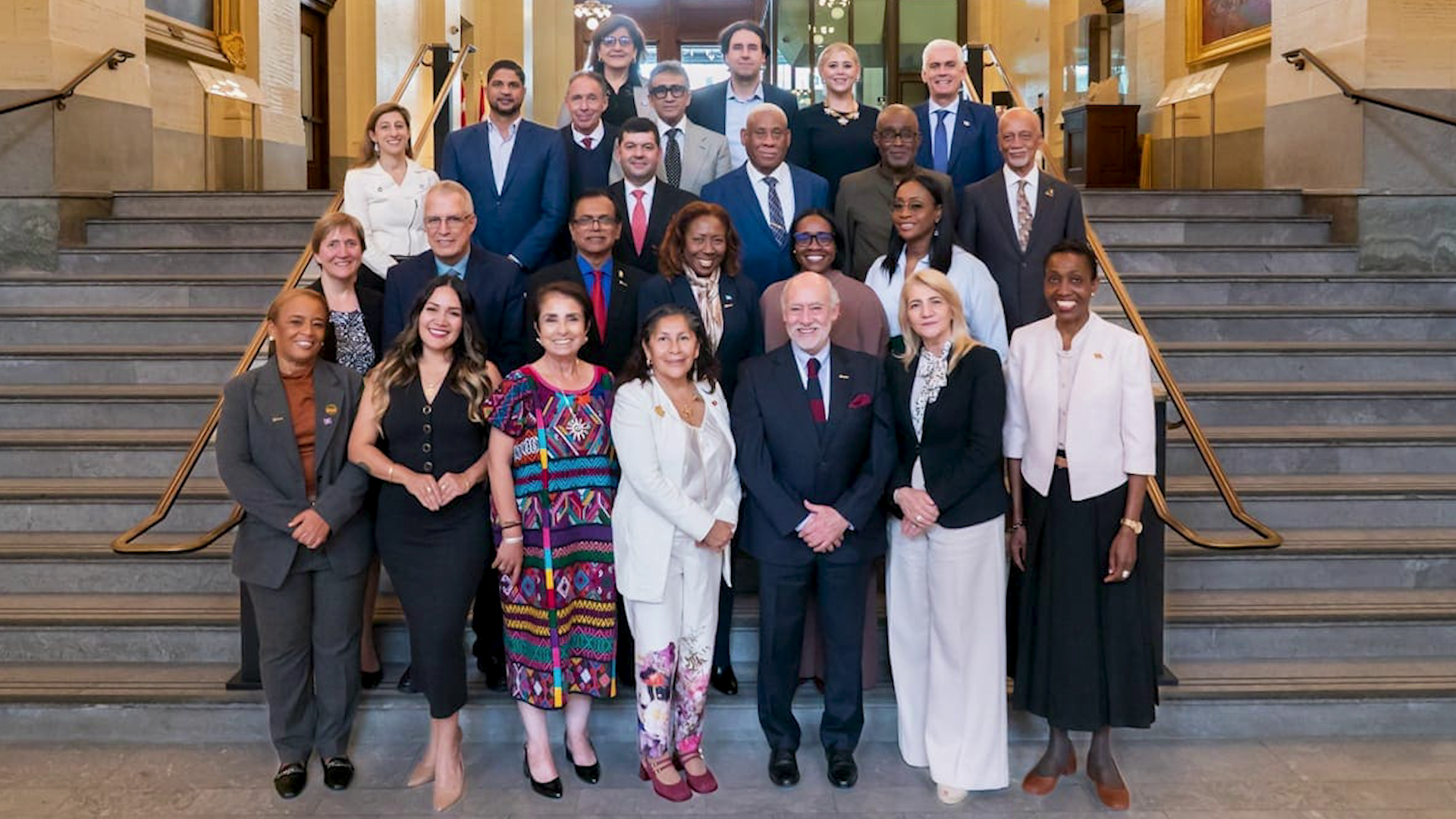
    Fresh off a high-profile regional diplomatic gathering in Ottawa, Canada, Belize Senate President Carolyn Trench-Sandiford has returned home with new policy insights and a renewed commitment to advancing inclusive, transparent leadership across the country. Trench-Sandiford represented Belize at the 22nd ParlAmericas Plenary Assembly, a leading forum that brings together parliamentary stakeholders from across the Western Hemisphere to address shared challenges and advance regional cooperation.

    During the assembly, Trench-Sandiford took on a key leadership role, moderating a pivotal high-level discussion focused on two pressing priorities for democratic governance: how national legislatures can increase public accessibility to institutional processes to build broader citizen trust, and how inclusive legislative practices can drive more equitable, robust economic decision-making. The plenary gathered a diverse cohort of heads of parliament, senior policymakers, and governance experts from across the Americas, who gathered to tackle interconnected, high-stake issues spanning technological innovation, cross-border security, and equitable sustainable development.

    Beyond formal agenda items and policy speeches, attendees identified cross-national collaboration and relationship-building as the most valuable outcome of the gathering. The forum created structured space for participating nations to align on policy priorities, refine shared approaches to regional challenges, and lay the groundwork for coordinated action to strengthen broad-based economic growth across the hemisphere. For Belize specifically, the conference marked a critical opportunity to cement the nation’s place in key regional governance conversations, while exporting domestic priorities and importing actionable policy ideas that can strengthen institutional practices at home.

    Supported by ParlAmericas for her participation in the assembly, Trench-Sandiford brings back more than just new policy perspectives. She returns with renewed momentum to advance her stated vision of more open, collaborative leadership within Belize’s own legislative framework, with a focus on making governance more accessible and responsive to all segments of the Belizean public.

  • Airlines need time to accept digital ID cards for Barbados, Guyana travel

    Airlines need time to accept digital ID cards for Barbados, Guyana travel

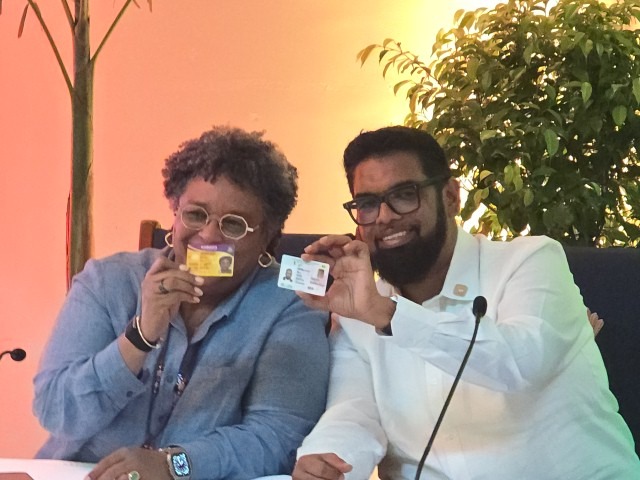
    In a landmark step toward regional digital integration, leaders of Guyana and Barbados announced on Tuesday that citizens of both nations will gain the ability to travel between the two countries using only digital national identification cards beginning this July. The announcement was made during a joint press briefing held at Guyana National Stadium in Providence, East Bank Demerara, with Guyanese President Irfaan Ali and Barbadian Prime Minister Mia Mottley present to mark the milestone.

    President Ali explained that the two-month lead time between the announcement and the scheme’s launch is not a result of unfinished technical preparations, but rather a necessary adjustment window for airlines to update their operational systems to accommodate the new digital travel credential. “Today, you will see the power of the digital ID card as from July, and that is not because the system is not ready, that is because the airlines need some time to adjust to the new system,” he stated during the conference.

    Prime Minister Mottley added that the bilateral scheme is designed as the first phase of a broader regional expansion, with additional Caribbean nations expected to join the digital ID travel framework in the future. She credited the accelerated development of the initiative to the collaborative work of senior officials from both countries: Barbados’ Minister of Innovation and Guyana’s Minister of Government Efficiency Zulfikar Ally, who led their respective teams through inter-agency coordination.

    Against expectations for a longer development timeline, the partnership delivered the functional framework in less than six weeks, Mottley confirmed. The project required extensive coordination across multiple government departments in both countries, as well as alignment with regional security protocols to ensure the integrity of the digital travel system. Mottley emphasized that the transformative policy is rooted in public benefit, rather than serving narrow political or corporate interests. “It enures not to the benefit of the Cabinet of Guyana or the Cabinet of Barbados, not [to] the private sector of Guyana or the private sector of Barbados, but it is now to benefit each and every citizen,” she said.

    Notably, the new arrangement removes the mandatory requirement for a physical passport for travel between the two CARICOM nations. Eligible travelers will be permitted to enter and exit both Guyana and Barbados using only their valid digital identification card, even if they do not hold a traditional passport. This reform is expected to drastically reduce travel friction for citizens, opening up easier access to work, education, family visits and tourism across the two countries.

  • WASCO notifies of ‘new rates’ coming soon

    WASCO notifies of ‘new rates’ coming soon

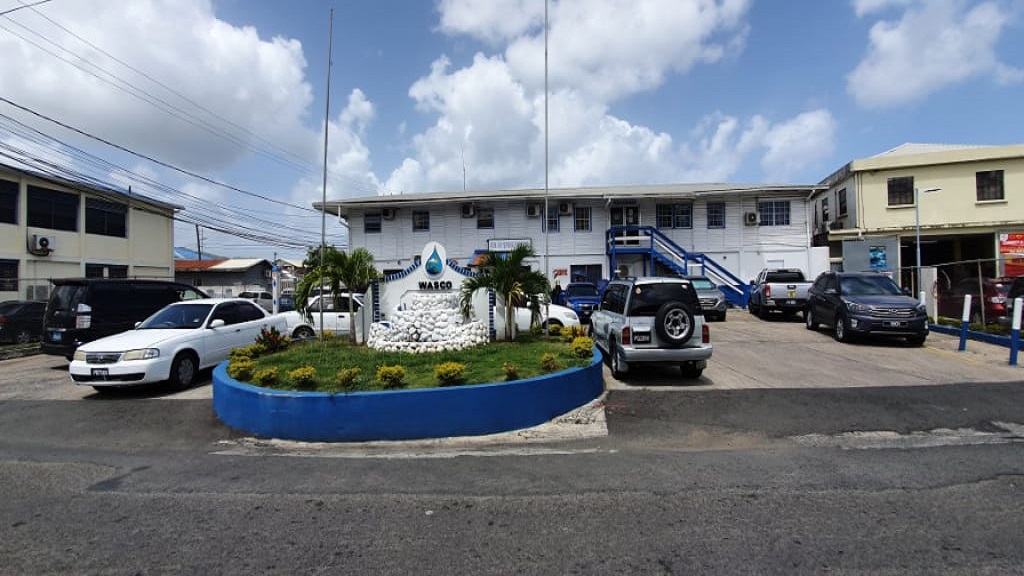
    Over the recent weekend, consumers across St. Lucia were caught off guard by an unexpected notice posted to the official website of the Water and Sewerage Company (WASCO). The brief but impactful announcement only stated “new rates coming soon”, but confirmed that water and sewerage tariffs have undergone a formal revision and are scheduled to go into effect starting this June.

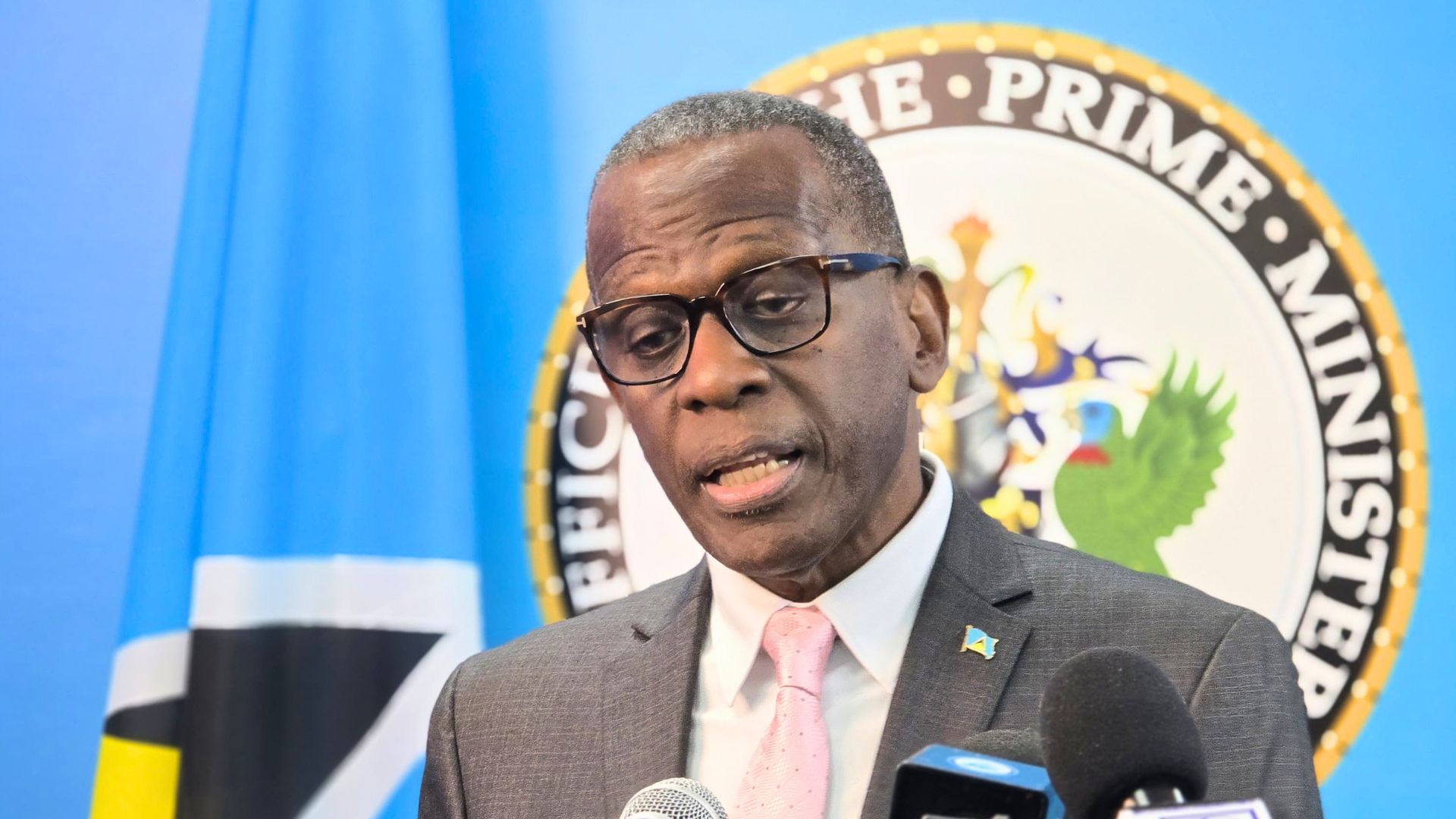
    The news of an upcoming rate increase immediately stirred widespread anxiety among households, with the issue being raised for questioning during this Tuesday’s pre-Cabinet press briefing. When approached by reporters from St. Lucia Times for comment, Prime Minister Philip J. Pierre confirmed that he was aware of the planned adjustment, but clarified that the national government has very limited legal authority to intervene in the tariff-setting process.

    “I have heard so; our hands are tied, but it’s a situation we are looking at,” Pierre told reporters. He further emphasized that the current regulatory framework gives the National Utilities Regulatory Commission (NURC) the power to adjust water rates, along with all other utility rates. “I know it’s painful [but] Cabinet by law, has no jurisdiction over that. Cabinet has moral suasion,” he added.

    The NURC’s authority to set and adjust utility tariffs, including water and sewerage service rates, is clearly laid out in the National Utilities Regulatory Commission Act. The legislation does not outline mandatory timelines for when rate adjustments must occur, but it grants the commission full power to create, approve, and regularly review tariff structures. This includes the ability to modify rates over time in line with established regulatory mechanisms, such as an indexation formula that accounts for key economic variables including general inflation, changes to industry wages, and fluctuations in electricity costs — all factors that directly impact the operational expenses of utility providers.

    In response to the upcoming cost increase for households, Prime Minister Pierre renewed a longstanding policy appeal to St. Lucian citizens: to explore alternative water sources that can reduce their reliance on the public water supply network. He specifically encouraged more households to invest in residential rainwater collection infrastructure, noting that this simple adaptation can not only help families manage monthly utility costs amid volatile tariff adjustments, but also strengthen long-term community water resilience.

  • Pierre withholds judgment on death penalty petition

    Pierre withholds judgment on death penalty petition

    Amid a surge in violent crime and public outrage over a recent high-profile killing, thousands of Saint Lucians are pushing the island nation’s government to bring back capital punishment, a penalty that has been removed from the country’s judicial framework for years.

    During Monday’s regular cabinet media briefing, Prime Minister Philip J. Pierre confirmed that demands for the reinstatement of capital punishment have become a constant in his interactions with constituents. He told journalists, “Every day, someone tells me to bring back hanging, every day.”

    The current wave of public pressure gained traction following the fatal murder of 24-year-old Joy St Omer. After the killing, the victim’s estranged husband surrendered to local law enforcement, and the tragedy amplified long-simmering public anxiety over a steady increase in violent crime across the country. It was this growing public conversation that prompted Choice TV reporter Krishna Smith to press the prime minister for an official response during the briefing.

    To formalize their demands, advocacy launched an online public petition on May 21 titled “Petition to Reinstate and Active-enforce Capital Punishment for Capital Murder and Heinous Offences in Saint Lucia.” By the time of the prime minister’s briefing, the petition had already gathered 7,924 signatures from Saint Lucians backing the policy change.

    Organizers behind the petition have announced plans to deliver a formal formal submission to all members of the national parliament. The letter will lay out the group’s concerns over persistent violent crime and urge lawmakers to open debate on reinstating the death penalty, alongside broader reforms to the national justice system that would introduce harsher penalties for serious offenders.

    Despite the growing public outcry, Pierre has declined to take a definitive position on the issue, stressing that the topic requires careful deliberation given deep divides across Saint Lucian society. “I will not venture to give an opinion now, I can’t,” he said. The prime minister noted that key national institutions hold opposing views on the policy, pointing specifically to the Catholic Church, which is a major social and cultural force on the island and has long formally opposed capital punishment. “So, it’s a very complex issue and it’s not an issue that you can just proclaim on, at this point, I’m not willing to say,” Pierre added.

  • China en Suriname markeren bijna 50 jaar strategische samenwerking

    China en Suriname markeren bijna 50 jaar strategische samenwerking

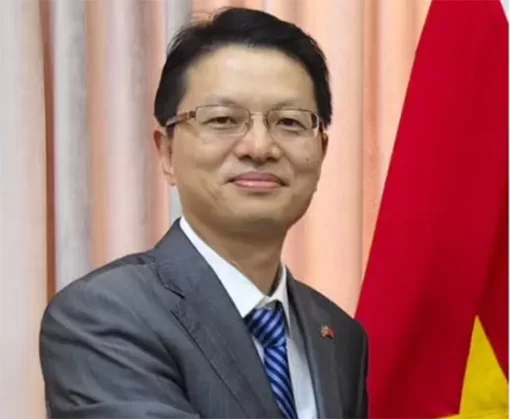
    Fifty years after China and Suriname formally established official diplomatic relations, Chinese Ambassador to Suriname Lin Ji has emphasized the enduring value of the deep-rooted friendship and growing collaborative partnership between the two nations, outlining decades of progress that have turned bilateral ties into a model for South-South cooperation.

    On May 28, 1976, the two countries officially launched diplomatic relations, marking the start of a steady, mutually respectful relationship built on the core principles of mutual respect, strategic trust, and reciprocal collaboration. Over the intervening 50 years, that relationship has expanded far beyond its early foundations to grow into a full strategic partnership spanning political, economic, cultural and social spheres, Lin noted in his remarks marking the golden jubilee.

    A major milestone in the deepening of bilateral ties came in 2019, when the two countries elevated their relationship to a formal strategic cooperation partnership, with Suriname also becoming one of the first Caribbean nations to sign onto cooperative agreements under China’s Belt and Road Initiative (BRI). This opening has paved the way for an unprecedented expansion of bilateral infrastructure and development projects that have directly supported Suriname’s national growth agenda, the ambassador added.

    Lin highlighted a range of completed Chinese-backed projects that have delivered tangible public benefits to the Surinamese people, including the Wanica Hospital, large-scale affordable housing developments, an agricultural technical cooperation center, national traffic monitoring systems, and a countrywide broadband infrastructure network. Beyond traditional development projects, he noted that Chinese companies are increasingly expanding their investment footprint in Suriname’s emerging high-growth sectors, including digital technology and renewable green energy, opening new pathways for job creation and economic diversification.

    On the political front, bilateral cooperation has been defined by strong, consistent mutual support between the two governments, Lin emphasized. He pointed to Suriname’s longstanding, unwavering commitment to the One-China policy as a key foundation of political trust, while noting that China has consistently respected Suriname’s independent choices for its national development path and strictly adheres to the principle of non-interference in other countries’ internal affairs.

    The ambassador also reflected on the deep people-to-people historical ties that predate formal diplomatic relations, noting that Chinese migrants first settled in Suriname more than 170 years ago, laying a groundwork for cultural exchange that endures today. A particularly notable marker of that cultural acceptance, he added, is that Suriname became the first country in the Western Hemisphere to designate Chinese New Year as an official national public holiday.

    Looking ahead to the next 50 years of the bilateral relationship, Lin reaffirmed China’s ongoing commitment to expanding collaboration with Suriname across a wide range of priority areas, including economic development, infrastructure investment, education, cultural exchange, and regional integration. He closed by noting that both sides are committed to deepening their bilateral ties while also strengthening broader cooperation between China and the Latin America and Caribbean region as a whole.

  • Commonwealth recognises Saint Lucia as model for public debt management

    Commonwealth recognises Saint Lucia as model for public debt management

    Small Island Developing States across the global policy landscape share a common set of fiscal challenges, particularly when it comes to managing public debt. Today, one Caribbean nation stands out as a trailblazer in this space: Saint Lucia has earned official acclaim from the Commonwealth Secretariat for its far-reaching public debt management reforms, cementing its status as a blueprint for peer nations facing similar fiscal pressures.

    The island nation’s finance department-led overhaul of its debt governance framework has drawn such praise that the Commonwealth Secretariat is now producing a feature documentary to walk other member states through Saint Lucia’s modernization journey. The documentary will be distributed across the Commonwealth’s social media channels and broadcast partners spanning the Caribbean and Pacific, where many small island states grapple with comparable debt management hurdles.

    At the core of Saint Lucia’s transformation is a strategic adoption of new digital infrastructure: the Commonwealth Meridian Debt Management System. This cloud-based, web-enabled platform was rolled out in 2019, making Saint Lucia the first Caribbean country to implement the tool. The system grants government officials real-time, centralized access to comprehensive debt data, streamlining processes for tracking repayment obligations, mitigating lending risks and monitoring lender exposure.

    Reforms, spearheaded by the government’s Debt and Investment Unit, have delivered more than just technological upgrades. According to senior officials, the overhauls have dramatically boosted fiscal transparency, tightened evidence-based policy decision-making, and positioned the island as a regional leader in 21st-century debt governance. These gains have already reinforced Saint Lucia’s standing as a responsible borrower in global markets.

    Imran Williams, Director of Finance for Saint Lucia, emphasized the critical role of the partnership with the Commonwealth Secretariat in driving these changes. Beyond the adoption of the Meridian platform, the Secretariat provided targeted support for revising the nation’s Public Debt Management Act, refining day-to-day operational protocols, and building institutional capacity within the Debt and Investment Unit. Williams noted that robust, transparent debt management is non-negotiable for retaining investor confidence, a key pillar that allows the government to continue funding critical national development projects in a sustainable, responsible manner.

    For Vera John-Emmanuel, Deputy Director of Finance overseeing the Debt and Investment Unit, the true test of the Meridian system’s value came during the height of the COVID-19 pandemic. When public sector operations were forced remote to slow virus spread, the platform allowed debt servicing teams to keep working seamlessly, all while meeting mandatory international and domestic reporting deadlines on schedule.

    Snobar Abbasi, Senior Communications Officer at the Commonwealth Secretariat, explained that the documentary is just one part of a broader organizational initiative to highlight successful collaborative debt management outcomes across the 56-nation Commonwealth bloc. By elevating the Saint Lucia model, the Secretariat aims to equip other small island developing states with actionable insights to strengthen their own fiscal frameworks.

    Following the completion of reforms, Saint Lucia’s government reports tangible progress: the overhauls have deepened fiscal openness, elevated the standards of public financial management across the public service, and cemented the island’s reputation for disciplined, responsible debt governance moving forward.

  • Uitspraak CCJ bevestigt noodzaak van versterking rechtsstaat in Suriname

    Uitspraak CCJ bevestigt noodzaak van versterking rechtsstaat in Suriname

    When a private citizen is forced to turn to a top regional judicial body to secure protection of their fundamental human rights, that fact alone sends a stark warning about the health of a nation’s rule of law. That is the core assessment released by BINI, the Surinamese Citizen’s Initiative for Participation and Good Governance, following a landmark ruling from the Caribbean Court of Justice (CCJ).

    The CCJ’s judgment in the case of Derek Ramsamooj v. the State of Suriname reaffirms the non-negotiable importance of upholding the rule of law, universal human rights, and accessible, effective legal protection for every member of society. At its core, the case addresses a foundational question for every democratic society: Can every citizen, regardless of their political beliefs, ethnic background, nationality, or social standing, count on a fair trial, humane treatment, and robust defense of their basic rights?

    The Ramsamooj case was already cited as a key example of broader systemic flaws in Suriname’s criminal justice system in a 2024 shadow report submitted to the United Nations Human Rights Committee (CCPR) by local NGO Projekta, in partnership with the VIDS institute and the national LGBT Platform. The report detailed multiple allegations of rights violations connected to the case, including prolonged pre-trial detention without timely access to legal counsel, lack of adequate medical care for detained persons, unnecessary barriers to accessing the judiciary, language and translation gaps during court proceedings, and widespread questions about consistent compliance with the right to a fair trial. It placed the Ramsamooj case within a larger pattern of systemic failures affecting access to justice, legal aid, language access, and the practical enforcement of procedural rights for all Surinamese citizens.

    The CCJ’s ruling in this high-profile case makes clear why strong, independent rule-of-law institutions are a non-negotiable pillar of a functioning democratic society. It also highlights a critical truth: human rights and rule-of-law safeguards are not abstract legal concepts reserved for textbooks—they deliver tangible protection to ordinary people when their most basic rights are under threat.

    BINI’s own recent assessment, included in a joint 2026 Universal Periodic Review (UPR) shadow report submitted to the UN Human Rights Council in April 2025 alongside nine partner civil society organizations, draws further attention to deep structural gaps in Suriname’s national human rights framework. The report confirms that Suriname still lacks a fully operational National Human Rights Institute that meets the UN-endorsed Paris Principles, the global standards for independent national human rights bodies. Compounding this gap, the country’s Constitutional Court has not operated at full capacity since May 2025, as critical judicial appointments to the body have been repeatedly delayed by political actors.

    These institutional failures have left Surinamese citizens without a functional national mechanism to conduct constitutional review of legislation and government action against fundamental rights and the country’s binding international human rights obligations. When citizens have no choice but to turn to regional or international judicial bodies to enforce their most basic rights, BINI and its partners argue, that is clear evidence that national rights protection mechanisms are not working as they should.

    In response to these findings, the coalition of civil society organizations has issued five urgent demands to Suriname’s government and National Assembly: First, immediately complete all required steps to make the Constitutional Court fully operational without further delay. Second, formally establish and launch a fully independent National Human Rights Institute aligned with the Paris Principles. Third, strengthen and expand access to legal aid and legal protection for all citizens across the country. Fourth, systematically embed Suriname’s international human rights obligations into all levels of national policy and legislation. Fifth, implement all rulings from national, regional, and international judicial bodies fully and transparently, without exception.

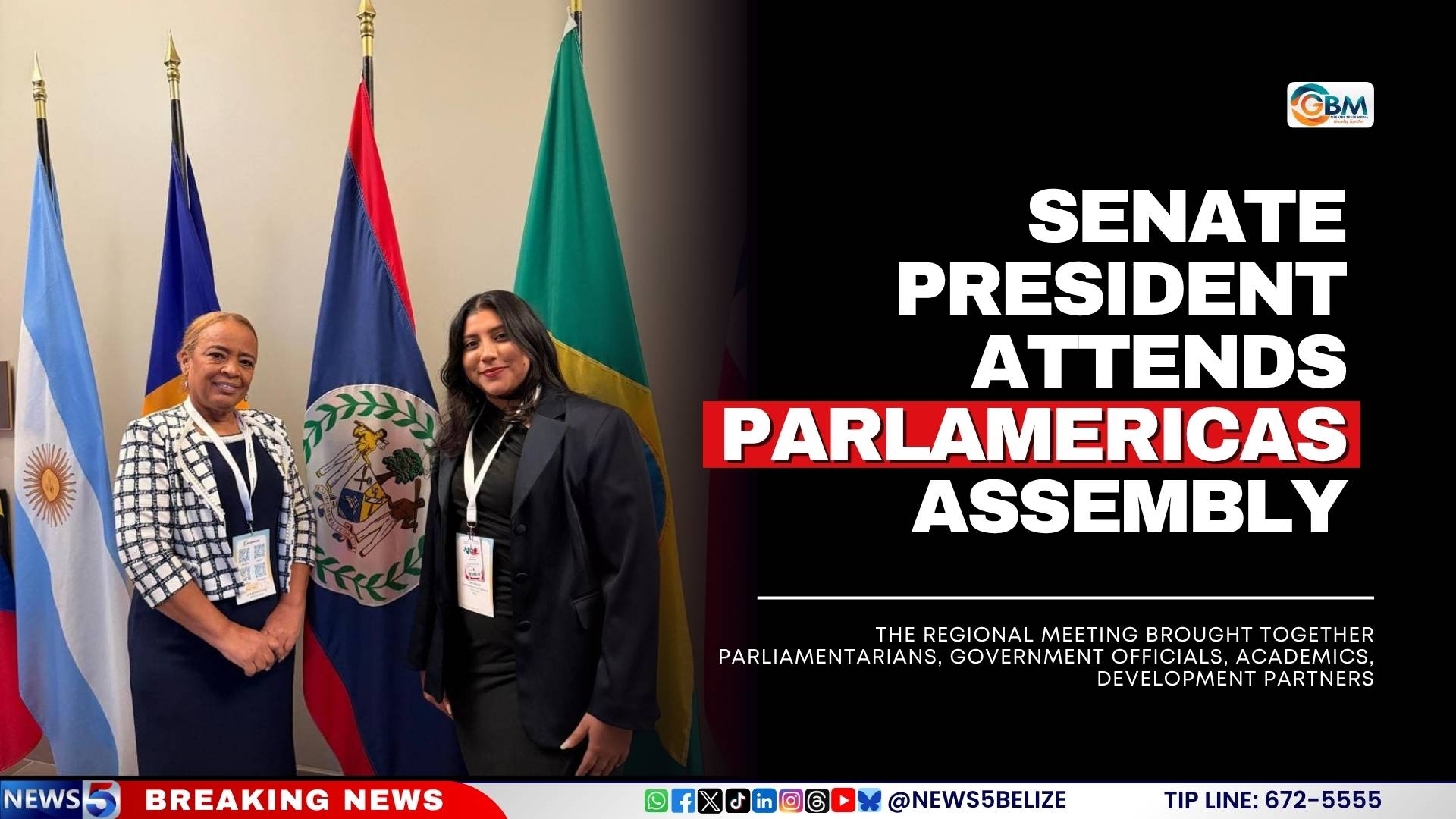
  • Senate President Attends ParlAmericas Assembly

    Senate President Attends ParlAmericas Assembly

    In a significant development for inter-parliamentary cooperation across the Americas and Caribbean region, Senate President Carolyn Trench-Sandiford joined high-level delegates last week for the 22nd ParlAmericas Plenary Assembly and 10th Gathering of the Open Parliament Network, hosted in Ottawa, Canada. The May 2026 gathering brought together a diverse cross-section of stakeholders, including sitting parliamentarians, senior government officials, academic experts, international development partners, and private sector leaders to address pressing shared challenges across the hemisphere.

    Held under the overarching theme “Parliamentary Leadership for Shared Prosperity: Advancing Trade, Innovation, and Security in a Changing World,” the assembly framed discussions around how legislative bodies can drive collective progress amid evolving global economic and geopolitical shifts. A key highlight of Trench-Sandiford’s participation was her role as moderator for a targeted working session focused on open parliamentary practice, titled “Open Parliament in Action: Strengthening Transparency, Public Engagement, and Oversight for Better Trade Outcomes.”

    During that working session, participants centered their dialogue on embedding core principles of transparency, accountability, and inclusive public participation into both parliamentary processes and the development of national and regional trade policies. Beyond targeted working sessions, the multi-day event created a structured space for cross-regional exchange on a broad range of priority topics, including democratic governance, technological innovation, sustainable development, and hemispheric security. Throughout the assembly, delegates consistently emphasized the critical role that strong, independent parliaments play in reinforcing democratic institutions and laying the groundwork for inclusive, long-term economic growth across the Americas and Caribbean.