
In a resounding electoral triumph, Prime Minister Philip J. Pierre’s Saint Lucia Labour Party (SLP) has secured a commanding parliamentary majority, winning 14 of 15 seats in Monday’s general elections. The victory marks Pierre’s unprecedented seventh consecutive term representing Castries East, solidifying his political legacy.\n\nAddressing supporters from his constituency office in Marchand, the Prime Minister expressed profound humility regarding the public’s renewed confidence in his leadership. \”I remain humbled by the trust placed in me,\” Pierre stated, emphasizing his commitment to collaborative governance. \”We will move forward together as the country enters its new term.\”\n\nThe electoral outcome delivered a decisive rebuke to the United Workers Party (UWP), which secured only a single seat. Independent parliamentarians Richard Frederick (Castries Central) and Stephenson King (Castries North) both retained their positions, adding complexity to the parliamentary landscape.\n\nPierre specifically acknowledged the enduring support from constituents who have stood with him since his initial 1997 campaign, noting these long-term relationships reflect a deep bond between representative and community. He extended gratitude to family members, party workers, and public servants—including medical staff, law enforcement, and correctional facility employees—for their national service.\n\nThe Prime Minister condemned the deterioration of political discourse during the campaign, particularly referencing personal attacks against his daughter. \”I feel very sad that Saint Lucian politics reached the depth it reached,\” he remarked, expressing hope that future opposition parties would maintain higher ethical standards.\n\nIn a gesture of political reconciliation, Pierre congratulated Allen Chastanet, the sole successful UWP candidate, affirming that \”there is a place in Parliament for the opposition.\\” The Prime Minister credited former PM Dr. Kenny Anthony for initially bringing him into cabinet leadership.\n\nLooking forward, Pierre announced imminent policy implementations including VAT-free days and promised back pay for public servants. He expects to be sworn in by week’s end with cabinet appointments following next week, declaring \”this country is on the right trajectory\” toward continued progress.
分类: politics
-
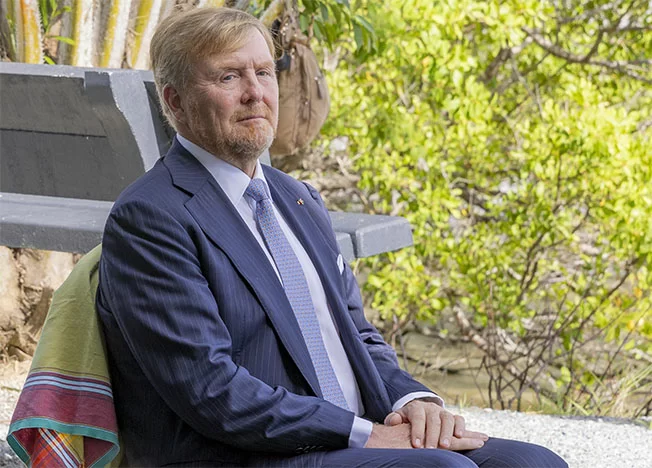
Column: Koning, nooit meer oranje boven
In a strikingly candid address to visiting Dutch King Willem-Alexander, Surinamese commentator Nita Ramcharan delivered a powerful critique of contemporary Netherlands-Suriname relations during the monarch’s recent state visit. The article captures Suriname’s assertive national awakening fifty years after independence, challenging historical power dynamics and demanding equal partnership.
The piece begins by acknowledging Suriname’s traditional hospitality while immediately establishing that formal politeness no longer masks unresolved tensions. Ramcharan references outdated colonial-era imagery of schoolchildren singing ‘orange above, long live the royal couple’ to highlight how far the nation has evolved into a digitally-connected modern society.
King Willem-Alexander witnessed Suriname’s transformation firsthand—encountering tech-savvy youth who fact-check in real-time, engaging with traditional leaders, and receiving direct political messaging that ‘We walk beside you, not behind you’ in the National Assembly. This sets the stage for the central issue: visa policies that Surinamese citizens find deeply discriminatory.
The author contrasts the seamless entry process for Dutch travelers to Suriname with the ‘theatrical tragedy’ Surinamese face when applying for Netherlands visas—requiring extensive documentation ‘as if leaking state secrets’ while subject to consular officials’ arbitrary decisions. Ramcharan dismisses potential Schengen Zone excuses, insisting the king possesses both platform and moral authority to address what she characterizes as institutional humiliation.
Beyond visa grievances, the article outlines Suriname’s vision for truly balanced relations: trade without dependency, cooperation without paternalism, and ensuring future oil revenues benefit local generations. While acknowledging domestic challenges, Ramcharan emphasizes national resilience and self-determination.
The powerful conclusion rejects orange symbolism entirely: ‘The shadow of orange lies behind us. The sun of Suriname lies before us.’ This encapsulates the piece’s core message—Suriname now stands beside its golden star symbol, on its own soil, as an equal partner rather than former colony.
-
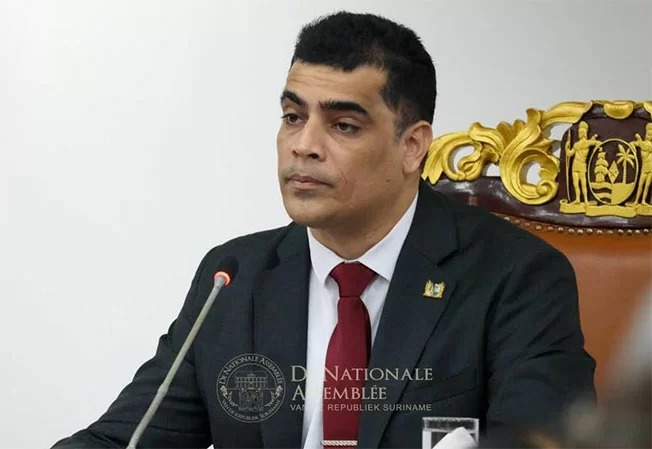
Adhin: Koninklijk bezoek onderstreept nieuwe fase van democratische verdieping
The landmark visit of King Willem-Alexander and Queen Máxima to Suriname has been hailed by National Assembly Chairman Ashwin Adhin as a transformative moment in bilateral relations, marking a significant shift toward strengthened political responsibility and democratic development. During an extraordinary public assembly session, Adhin emphasized that the royal visit transcends ceremonial symbolism, representing instead a crucial opportunity for Suriname to redefine its democratic future with greater clarity.
Coinciding with Suriname’s commemoration of fifty years of independence, the parliamentary leadership views the Dutch head of state’s visit as a powerful signal that bilateral relations can be substantially reinforced. This revitalized partnership, Adhin noted, would not focus on revisiting historical narratives but rather on collaboratively building a modern, equitable relationship framework.
The Assembly Chairman asserted that the royal couple’s presence demonstrates the Netherlands’ genuine commitment to supporting parliamentary democracy and institutional development within Suriname. This diplomatic engagement creates an ideal platform for openly addressing contemporary challenges, reducing mutual misunderstandings, and exploring new cooperative opportunities spanning knowledge exchange to economic enhancement initiatives.
Adhin characterized contemporary diplomacy as an essential instrument for building international trust, noting that the National Assembly considers this royal visit a catalyst for deeper cooperation and the strengthening of political institutions that form the foundation of liberty, justice, and stability. The parliamentary leader expressed hope that this visit would inspire both Surinamese and Dutch citizens to further deepen bilateral relations based on mutual respect, shared values, and a forward-looking vision that future generations could proudly build upon.
-
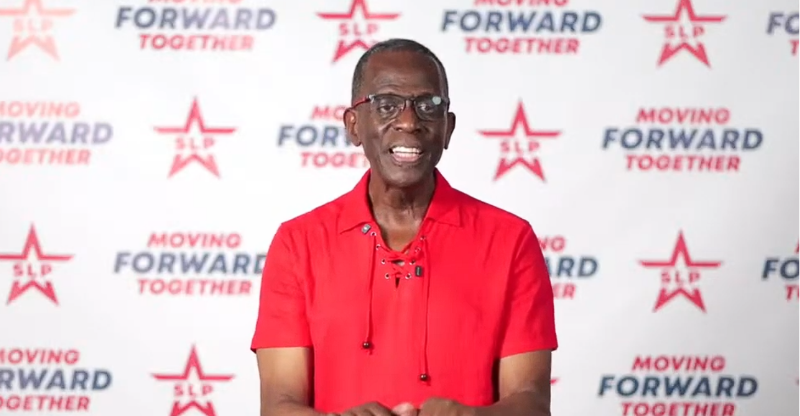
SLP reelected, breaks two-decade one-term cycle
In a landmark political development, the Saint Lucia Labour Party (SLP) has achieved a historic consecutive electoral victory, marking the first time since 2001 that any political party has secured back-to-back general election wins on the Caribbean island nation.
By 10:30 p.m. on election night, the SLP appeared poised to capture at least 13 seats in the 17-seat House of Assembly—matching their 2021 performance—with the potential for a 14th seat as the tightly contested Dennery South constituency remained undecided.
The government’s position has been substantially strengthened by the alignment of two independent parliamentarians, Richard Frederick and Stephenson King, both former ministers in the outgoing Cabinet. Their support provides additional stability to Prime Minister Philip J. Pierre’s administration.
This electoral outcome delivers a powerful endorsement of Prime Minister Pierre’s leadership and represents a dramatic shift in Saint Lucia’s political landscape, breaking a persistent two-decade pattern where incumbent governments consistently failed to secure second terms.
Prime Minister Pierre expressed both relief and satisfaction, telling journalists, “It is a day of celebration.” He commended Saint Lucian citizens for conducting what he characterized as a peaceful and “decent” electoral process, highlighting it as evidence of the nation’s robust democratic traditions. The Prime Minister also acknowledged the dedication of party members while noting the personal attacks many endured during the campaign period.
Pierre voiced optimism that this victory might signal the end of an era dominated by “lies and misinformation” in political discourse. Official swearing-in ceremonies for the returning government are anticipated later this week.
Meanwhile, the opposition United Workers Party (UWP) faced devastating losses. Bradley Felix, one of only two UWP members of parliament, was defeated in his Choiseul constituency by Labour’s Keithson Charles. This leaves UWP leader Allen Chastanet with a single confirmed seat, prompting serious questions about both his leadership and the party’s future trajectory.
-
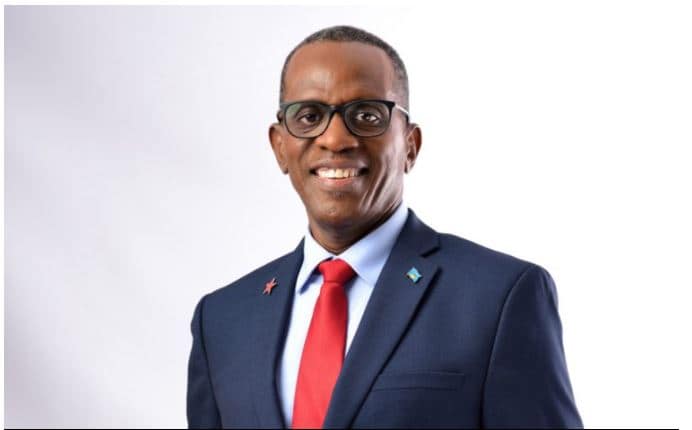
St. Lucia ruling party wins majority of legislative seats
CASTRIES – Prime Minister Philip Pierre has secured a second term in office following a decisive victory for his St. Lucia Labour Party (SLP) in the island nation’s general election held this Tuesday. Official results confirm the incumbent party captured a commanding majority, winning at least nine of the seventeen contested seats in the House of Assembly. This electoral outcome grants Pierre’s administration a strong mandate to continue its governance agenda for another five-year term. The victory represents a significant endorsement of the SLP’s policies and leadership amidst regional economic challenges. The election process was observed to proceed smoothly, with voter turnout reflecting robust civic engagement. The final composition of the legislature is now set, with the focus shifting to the government’s policy priorities for its new term. The opposition parties are now tasked with regrouping after failing to secure a parliamentary majority.
-
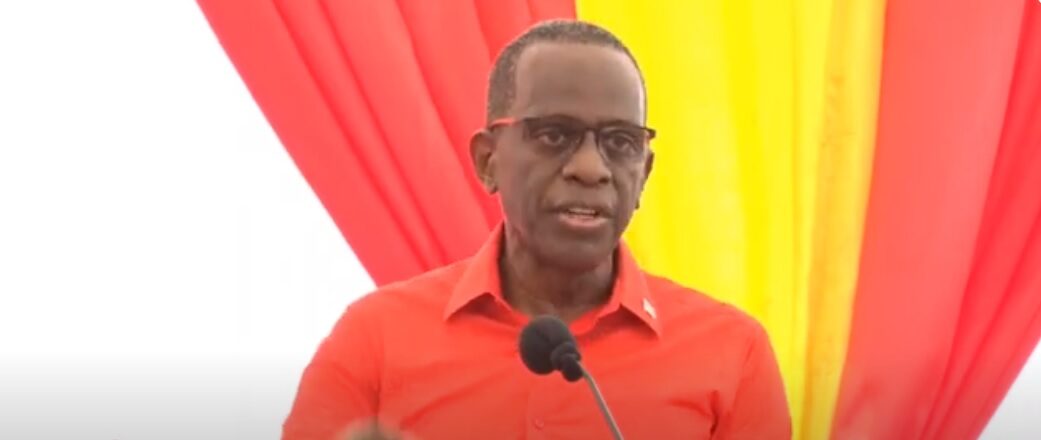
St. Lucia Labour Party on course to secure commanding win in St. Lucia election
Early election returns from Saint Lucia indicate a substantial victory for the Saint Lucia Labour Party (SLP) under the leadership of Philip J. Pierre. Preliminary constituency declarations reveal the SLP has captured a commanding majority of seats, positioning the party to form the next government.
With nine constituencies officially confirming SLP victories at the time of reporting, the incumbent United Workers Party (UWP) has managed to secure just a single seat. Independent candidates have emerged as significant factors in this election, with projections suggesting they may claim two additional seats in the House of Assembly.
Political analysts examining the electoral landscape are projecting a definitive final distribution of seats: 14 for the SLP, one for the UWP, and two for independents. This outcome would provide the Labour Party with a robust parliamentary majority, facilitating their legislative agenda and marking their return to governance.
While these results remain preliminary pending official certification, the emerging pattern demonstrates a clear electoral mandate for the SLP. The final declarations, expected imminently, will formally establish the political framework for Saint Lucia’s next governing term under Prime Minister-designate Pierre’s administration.
-
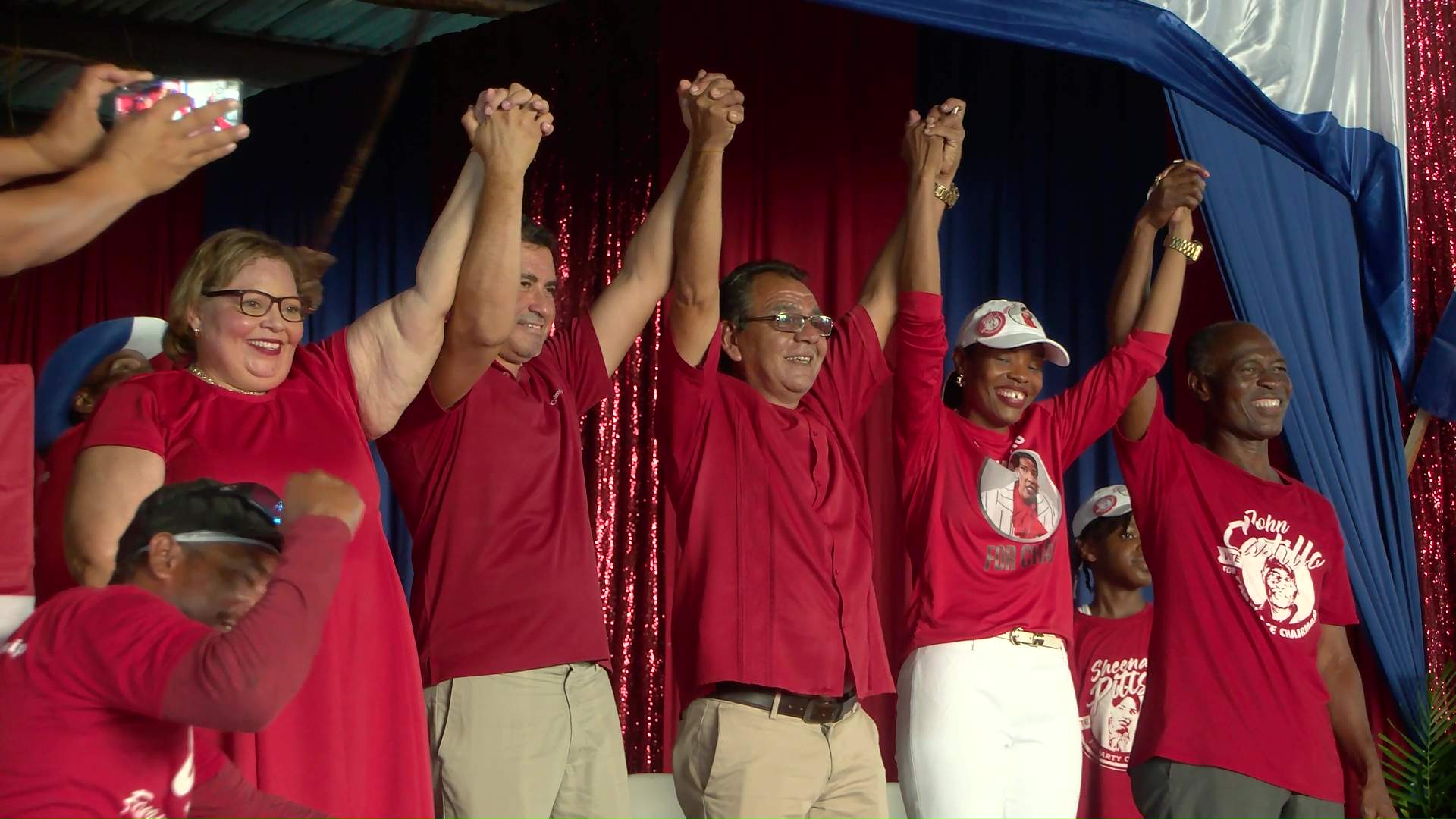
UDP Makes History with First Female Leader of Mass Political Party
In a landmark moment for Belizean politics, the United Democratic Party has ushered in a transformative new chapter with the unprecedented appointment of its first female leader. Tracy Taegar-Panton officially assumed leadership of the major political organization on Sunday, marking a significant breakthrough in the nation’s political landscape.
The historic transition occurred during a ceremonial gathering where hundreds of UDP supporters witnessed Taegar-Panton’s swearing-in ceremony, simultaneously cementing her position as Leader of the Opposition. This leadership reset follows a period of internal turmoil and legal disputes that contributed to the party’s substantial defeat in the 2025 general elections.
In her inaugural address, Taegar-Panton acknowledged the weight of her new responsibilities while expressing optimism about the party’s revitalization. “The magnitude of the responsibility does not escape me,” she stated. “I believe that we have an opportunity to rebuild and restore the trust and confidence of the people.”
The leadership transition resolves months of judicial contention between Taegar-Panton and former party leader Moses ‘Shyne’ Barrow, who gracefully conceded his position with well-wishes for his successor’s success. Barrow expressed hope that the creator would impart Panton with “the wisdom, knowledge, understanding, and political will to execute effective strategies.”
Simultaneously, the party witnessed another groundbreaking achievement with Sheena Pitts securing a decisive victory as UDP Chairperson. Pitts triumphed over notable contenders John Saldivar, whose candidacy was shadowed by past controversies, and Roosevelt Blades, the party’s campaign manager. Pitts garnered an impressive 321 votes compared to Saldivar’s 99 and Blades’ 75.
The newly elected Chairperson emphasized her commitment to aggressive leadership, declaring: “I come with the fire that I intend to put into all the strategies. We’re coming roaring, we’re coming ready, and we’re coming for the UDP.”
This dual female leadership appointment represents not only a organizational restructuring but signals a profound shift in Belize’s political culture. As the UDP moves forward, the party plans to establish its shadow cabinet and reconsolidate operations at its headquarters, embarking on what supporters hope will be a rejuvenated path toward future electoral success.
-
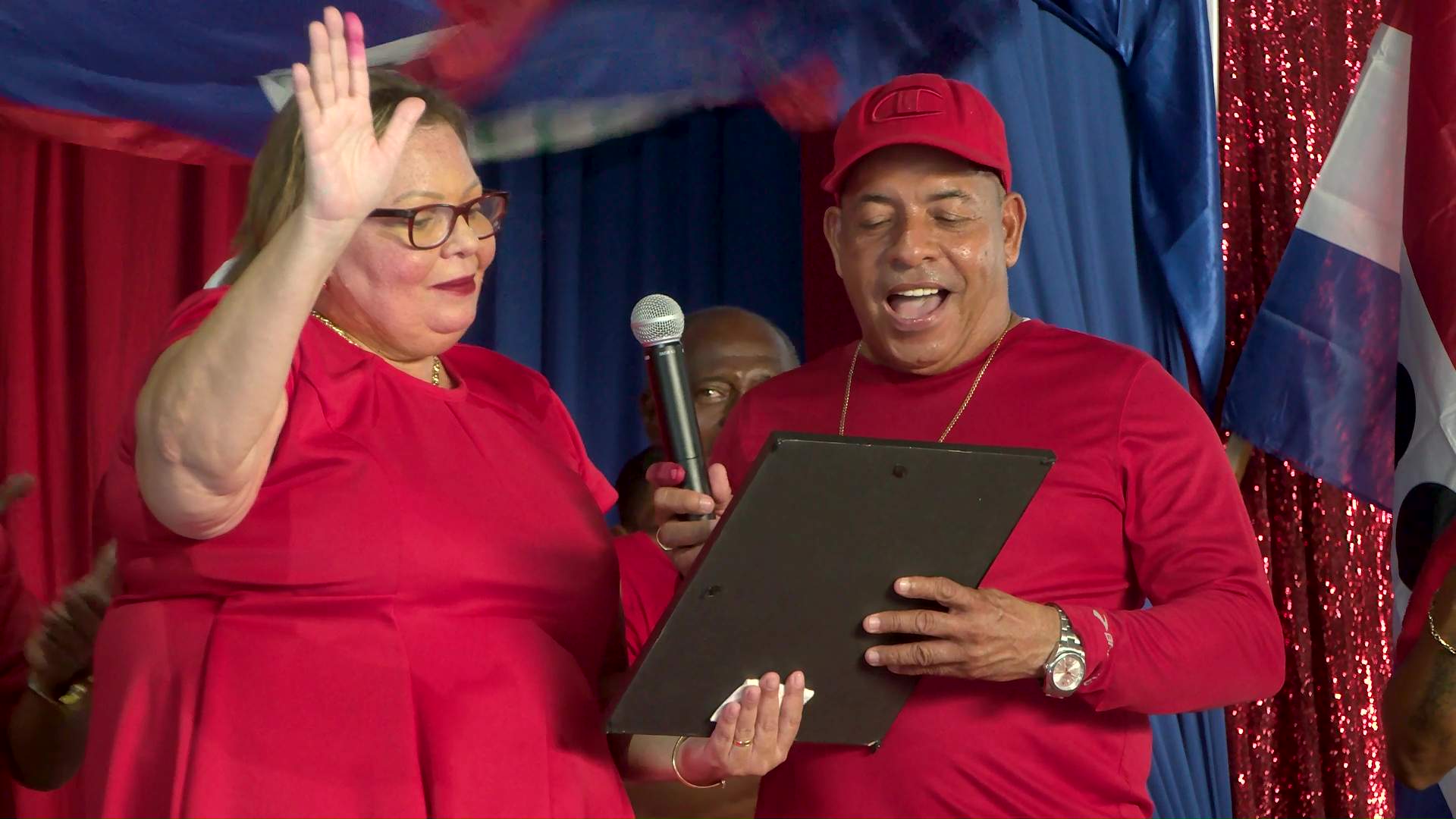
Can Women in Power Transform Belize’s Political Culture?
Belize’s political landscape is witnessing an unprecedented transformation as women assume commanding roles across both governing and opposition factions. This historic development emerges during the nation’s observance of the Sixteen Days of Activism Against Gender-Based Violence, creating a unique convergence of bipartisan cooperation within the National Assembly.
Dolores Balderamos-Garcia, parliamentarian and active member of the Women’s Parliamentary Caucus, has publicly endorsed the recent ascension of Tracy Taegar-Panton as Leader of the Opposition and head of the United Democratic Party, alongside Senator Sheena Pitts’ appointment as U.D.P. chair. Balderamos-Garcia characterized these appointments as a positive milestone for Belizean politics while acknowledging that robust parliamentary debate would continue despite gender solidarity.
The fundamental question resonating through Belize’s political institutions is whether female leadership can fundamentally reshape a traditionally male-dominated political culture and drive substantive progress toward gender equality. The Women’s Parliamentary Caucus has adopted a distinctive approach where partisan affiliations are deliberately set aside to collectively advocate for women’s issues and gender justice.
Balderamos-Garcia emphasized the caucus’s commitment to leveraging their positions to increase awareness about gender issues and combat gender-based violence throughout Belize. This collaborative effort includes significant contributions from both government and opposition female representatives, alongside presiding officers from both legislative chambers. While maintaining their respective political ideologies, these leaders are creating an unconventional space for cross-party collaboration on women’s rights initiatives, potentially establishing a new paradigm for political discourse in Belize.
-

UDP Convention Overshadowed by Leaked Messages and Internal Rift
The United Democratic Party’s National Leadership Convention, intended to showcase a renewed era of solidarity, instead became the stage for revealing profound internal fractures. On the eve of the gathering, confidential WhatsApp communications were exposed, unveiling a torrent of acrimonious allegations involving betrayal and avarice among party elites. Central to the controversy was Mesopotamia Area Representative Lee Mark Chang, whose public backing of Roosevelt Blades for Party Chairman ignited fury among supporters of Sheena Pitts—the preferred candidate of party leader Tracy Taegar-Panton. This development presents a striking paradox, given that Chang and Panton had previously collaborated under the Alliance for Democracy to challenge former leader Moses ‘Shyne’ Barrow. In response to the escalating discord, Leader Panton characterized the situation as an inherent aspect of political dynamics, emphasizing the necessity of dedicated effort to achieve genuine unity. She expressed confidence in her capacity to reconcile factions and underscored the critical need for a vigorous opposition party. Conversely, Representative Chang defended his actions as an exercise of free speech and cautioned that unity would be unattainable if party leadership attempted to suppress divergent opinions. The incident raises significant questions about the UDP’s ability to present a cohesive front amid ongoing internal tensions.
-
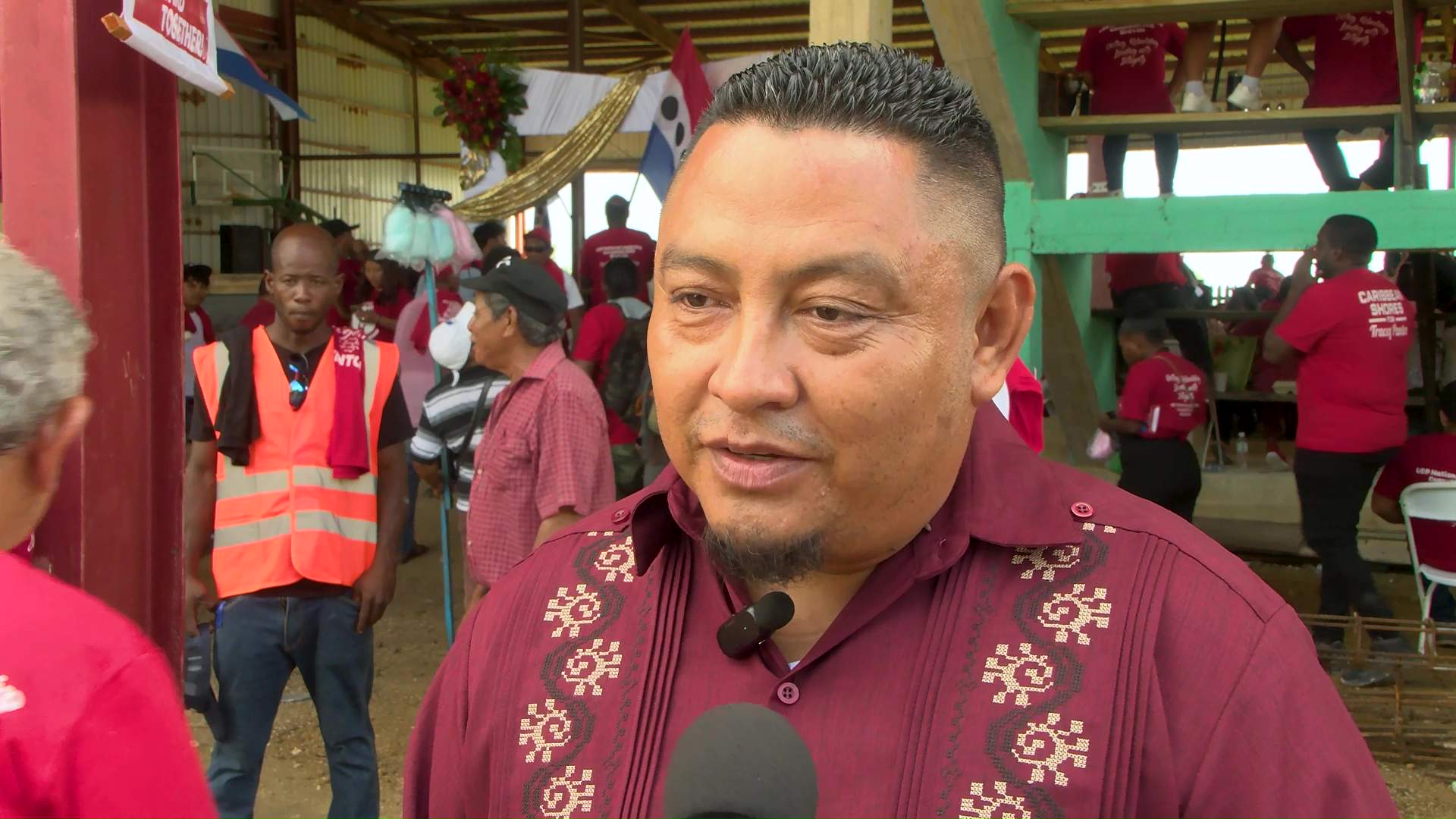
Jose Mai’s Opponent Not Concerned About Him Nor His Horse
A political controversy has emerged in Belize’s Orange Walk South constituency following the unexpected resignation of cabinet minister Jose Abelardo Mai. The departure, officially attributed to a horse-riding injury, has ignited widespread speculation across social media platforms where unverified allegations of criminal misconduct have circulated vigorously.
Mai has vehemently denied these accusations, characterizing them as politically motivated defamation intended to damage his reputation. His resignation coincides closely with a recent cabinet reorganization, fueling questions about his future within the People’s United Party (PUP).
Amid the swirling rumors, political opponent German Tillett of the United Democratic Party (UDP) has adopted a notably dismissive stance. In recent interviews, Tillett expressed perfunctory wishes for Mai’s recovery before emphatically redirecting focus to his own constituency work. “I’m there working for my UDP constituents,” Tillett stated, adding that his political strategy remains unaffected by the PUP’s internal developments.
The UDP representative articulated a common sentiment among constituents who feel historically neglected between election cycles. Tillett’s campaign now prioritizes rebuilding voter trust through consistent engagement rather than reacting to opposition movements. When pressed about potential concerns regarding the constituency’s representation during this transition, Tillett remained unequivocal: “We are not worried about Jose Mai, we’re not worried about the horse. We’re not worried about the PUP.” This declaration underscores a strategic commitment to grassroots organizing rather than political theatrics.