分类: politics

  • PM: Soaring insurance rates could choke economies ‘within decade’

    PM: Soaring insurance rates could choke economies ‘within decade’

    Barbados Prime Minister Mia Mottley issued a stark warning Wednesday that a growing “mentality disconnect” between global political leaders and the governing boards of multilateral development banks is severely hampering emergency response efforts for climate-vulnerable small island nations. Speaking during a high-level fireside chat at the Inter-American Development Bank (IDB) Sustainable Week conference held in Barbados, Mottley delivered a typically unfiltered assessment of flaws in the existing global financial architecture, alongside IDB Invest CEO James Scriven.

    Mottley highlighted a stark gap between rhetorical commitments from world leaders and on-the-ground bureaucratic gridlock that has delayed critical funding for Caribbean nations already grappling with escalating climate disasters and economic instability. She pointed to persistent institutional inertia at the IDB, where outdated regulatory frameworks adopted a decade ago block much-needed policy-based lending, even though the bank’s own balance sheet has more than enough capacity to support these critical investments. “When I meet the political class, it’s all ‘yes, yes, yes,’” Mottley explained. “And when we get to the board, all of a sudden, you can’t even do proper policy-based lending at the IDB because of a foolishness that seeks to rely on artificial rules that were set ten years ago.” For small island states with limited economic buffers, Mottley emphasized, there is no time to wait for bureaucratic systems to adapt to the growing climate crisis. “I can’t sustain the mentality disconnect between capitals and the boards,” she told the audience of investors and policymakers. “And that’s what’s killing us… It’s not right, it’s not fair, and what is happening because we’re in a bloody crisis moment. We do not have the buffer. We do not have the time that people think that we have.”

    The discussion also shone a spotlight on the transformative impact of the Bridgetown Initiative, the Barbados-led plan to overhaul global financial systems to better support climate-vulnerable developing nations. Scriven acknowledged that the proposal has fundamentally reshaped the global development finance landscape, noting that many of the most significant recent shifts in international development have grown out of the initiative. Mottley detailed how the initiative’s once-radical ideas have now moved into the global financial mainstream, crediting it with推动 the launch of the International Monetary Fund’s Resilience and Sustainability Fund, as well as popularizing groundbreaking debt-for-nature and debt-for-climate swap agreements. She also revealed that Barbados is now pushing forward a new innovative proposal: a scaled “debt-for-social swap” developed in collaboration with the World Bank, Caribbean Development Bank and Latin American Development Bank.

    Mottley also pushed back against early skepticism from Wall Street over the inclusion of natural disaster and pandemic clauses in sovereign bonds, which temporarily pause debt repayments when a catastrophic event strikes. Critics had claimed global markets would never accept these clauses, but Mottley pointed to Barbados’ own successful $500 million bond issuance on U.S. markets in June last year, which saw overwhelming demand of $2.7 billion, with no pushback on the disaster and pandemic protections. She explained that these clauses deliver critical fiscal certainty, unlocking the equivalent of 17 to 18% of Barbados’ GDP over two years if a disaster strikes, benefiting both borrowing nations and lenders by creating clear predictability.

    One underaddressed threat Mottley flagged that could destabilize Caribbean economies within a decade is a rapidly unfolding climate-driven commercial insurance crisis. As climate risks intensify, premiums have skyrocketed and coverage has become increasingly inaccessible, putting local businesses — particularly major tourism operators, the backbone of many Caribbean economies — at risk. Without insurance, many businesses cannot meet the requirements to secure commercial loans, threatening their ability to operate and compete globally. “The big elephant in the room as well for the Bridgetown Initiative, which we’ve not seen sufficient progress on, and I don’t think the world is taking it seriously enough, is the issue of insurance,” Mottley said. “If the cost of insurance becomes prohibitive or, worse than that, inaccessible… we then have problems because these hotels that are depending on access to that funding will not now be able to compete.” To avoid the impending “collision” she projects will arrive in 5 to 10 years, Mottley called for a regional structural overhaul: rather than local carriers acting only as brokers for international reinsurance markets, she urged the sector to aggregate climate risk across small island nations in the Caribbean, Indian Ocean and Pacific Ocean to create enough market scale to make coverage affordable.

    Turning to broader global climate action, Mottley made a passionate case for urgent, targeted cuts to methane emissions, noting that methane is 80 times more harmful than carbon dioxide in the near term. She pushed back against framing the oil and gas sector as the inherent enemy, arguing that the core target should be harmful emissions, rather than the industry itself. Cutting methane, she explained, can buy the critical time the planet needs to scale up long-term decarbonization technologies. “If you can control the emissions, whether from methane or from carbon, then we begin to win the battle,” she said.

    Mottley closed the talk by highlighting a promising local scientific innovation tied to one of the Caribbean’s most persistent environmental nuisances: invasive sargassum seaweed that plagues tourist beaches across the region. She shared that Indian-born Barbadian scientist Dr. Bidyut Mohapatra has discovered three new microbes living in sargassum that could unlock breakthrough applications ranging from new antibiotics to plastic degradation, nitrogen fixation and oil spill cleanup. Despite widespread global interest in the discovery, Dr. Mohapatra has committed to keeping all economic benefits of the innovation within the Caribbean, and Mottley noted that the nation is now seeking international partnership to scale the research. “Everything about Sargassum, it is a nuisance,” Mottley concluded, “but it may well have some serious benefits to the global community.”
  • Tuition-Free Tertiary Education Central to Government’s “Renaissance” Agenda

    Tuition-Free Tertiary Education Central to Government’s “Renaissance” Agenda

    In a landmark address marking the ceremonial opening of Antigua and Barbuda’s Parliament Tuesday, Governor-General Sir Rodney Williams used the 2026 Throne Speech to outline a bold, education-centered national transformation strategy, anchored by tuition-free tertiary education for all citizens and a EC$300 million expansion of the University of the West Indies Five Islands Campus.

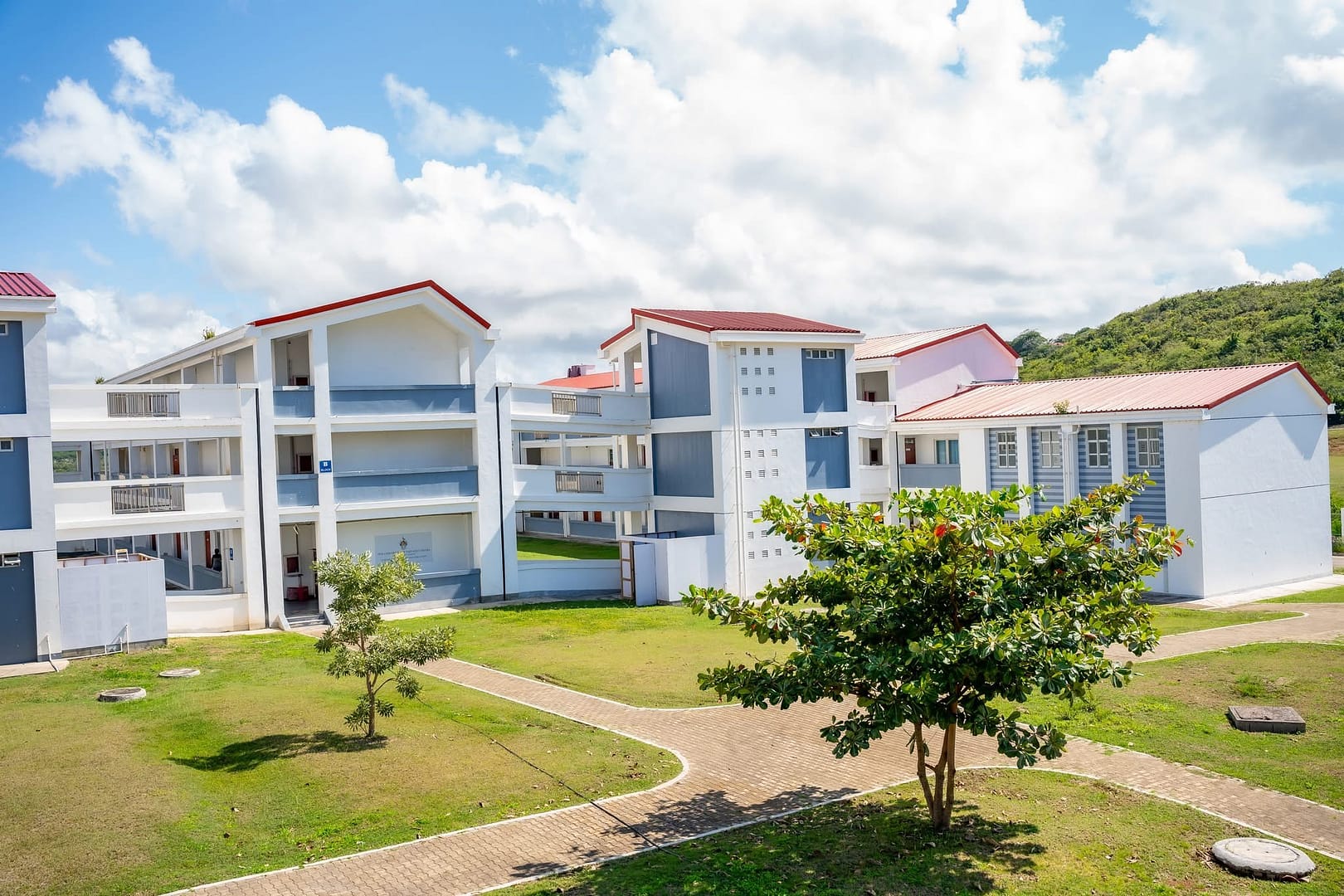
    When the current administration first pushed to establish a permanent UWI campus in the small island nation, Sir Rodney noted the initiative faced widespread skepticism from critics who questioned whether a tiny country like Antigua and Barbuda could sustain a full-fledged university. Doubts were particularly raised about whether existing facilities, originally built to house a secondary school, could be adapted to meet the needs of a tertiary institution. Four years on, however, the campus has defied all negative predictions, emerging as a fast-growing center of higher learning that has become the centerpiece of the government’s national “renaissance” agenda.

    Enrollment at the Five Islands Campus has surged more than fivefold since its launch, climbing from fewer than 350 inaugural students to nearly 2,000 today. What began as an undergraduate-focused institution has already expanded its academic offerings to include master’s degree programs, with plans to roll out PhD programming in the coming years, marking a major milestone for higher education access in the country.

    Under the government’s upcoming investment plan, EC$300 million will be allocated to expand the UWI campus and build supporting educational infrastructure in the surrounding Five Islands community, including new primary and secondary schools to serve local residents. This expansion is not an isolated investment, but a core pillar of the administration’s broader goal to reimagine Antigua and Barbuda’s economy and workforce, with education and human capital development framed as the key drivers of long-term growth. The ultimate vision, outlined repeatedly in the Throne Speech, is to position the country as both a regional “economic powerhouse” and a “lifestyle superpower.”

    At the heart of this vision is a commitment to universal tuition-free tertiary education for all Antigua and Barbuda citizens, designed to remove financial barriers to upskilling and ensure the local workforce can meet the demands of a evolving modern economy. The address also highlighted the leadership of Education Minister Daryll Matthew, who was commended for his unwavering commitment, strong principles, and steady guidance in advancing the government’s transformative education agenda, turning the once-mocked UWI campus project into a resounding national success.

  • Suriname kijkt naar Braziliaans Bolsa Família-model voor hervorming sociaal systeem

    Suriname kijkt naar Braziliaans Bolsa Família-model voor hervorming sociaal systeem

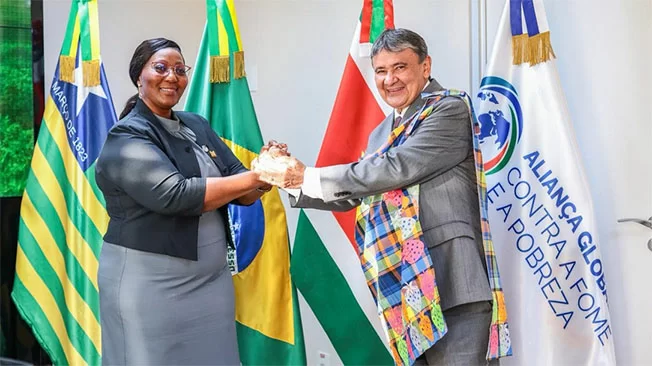
    Against the backdrop of a state visit by Suriname’s President Jennifer Simons to Brazil, high-level bilateral talks between the two South American nations have centered on strengthening social protection cooperation, with Suriname actively exploring the adoption of key components of Brazil’s globally recognized Bolsa Família anti-poverty initiative. The discussions were held Tuesday between Suriname’s Minister of Social Affairs and Housing Diana Pokie and her Brazilian counterpart Wellington Dias, marking a key milestone in cross-border knowledge sharing for poverty alleviation.

    Bolsa Família, first launched during the current administration of Brazilian President Luiz Inácio Lula da Silva’s earlier term, is widely regarded as one of the most successful conditional cash transfer programs in Latin America. The initiative combines direct financial aid to low-income households with mandatory requirements for children’s school attendance and family access to basic healthcare, a model that has lifted millions out of extreme poverty across Brazil.

    During the bilateral meeting, officials focused on unpacking Brazil’s decades of expertise in three core areas of social policy: national social registration systems, conditional cash transfer frameworks, and integrated social assistance delivery mechanisms. Ahead of the presidential visit, working groups and designated focal points from both governments have already completed preliminary work on a Memorandum of Understanding (MOU) to formalize bilateral cooperation around the Bolsa Família adaptation project, according to Suriname’s Ministry of Social Affairs and Housing.

    In remarks following the closed-door talks, Minister Pokie emphasized that the meeting represented a critical opportunity to exchange on-the-ground lessons and address shared social development challenges faced by both nations. “As governments, we share a collective responsibility to improve the quality of life for our populations, especially the most vulnerable groups within our societies,” Pokie said. She outlined the core priorities of Suriname’s ongoing social policy reform: expanding and strengthening national social protection systems, enhancing support services for at-risk low-income families, advancing social inclusion for people living with disabilities, and shoring up national food security and social safety net mechanisms.

    Minister Dias characterized the talks as constructive, confirmed Brazil’s full commitment to deepening bilateral social policy cooperation, and extended an open acceptance of a future reciprocal visit to Suriname to advance joint work. Pokie expressed profound gratitude for Brazil’s willingness to share its decades of implementation expertise with Suriname, noting that the partnership builds on longstanding ties between the two nations. “We look forward to productive next steps and to further strengthening the bonds of friendship, solidarity, and cooperation between our two countries,” Pokie added.

  • Kaia ‘willing to return’

    Kaia ‘willing to return’

    A Trinidadian woman facing severe criminal charges including murder and the attempted shooting of police officers has publicly affirmed her willingness to return to her home country to face legal action, though her long-term recovery from a devastating police shooting injury will delay any travel plans, her legal representation has confirmed.

    Attorney Fayola Sandy shared details of her client Kaia Sealy’s stance in a correspondence with local outlet Trinidad Express, outlining that Sealy first learned of the active arrest warrants issued against her not through official law enforcement notification, but through public media reports.

    Sandy explained that even before the warrants were made public, Sealy had already demonstrated a commitment to transparency with the Trinidad and Tobago Police Service (TTPS). When contacted at a time when investigators told her she was not a target of the probe, Sealy voluntarily submitted a formal written statement to assist with the case. Days after discovering the outstanding warrants through news coverage, Sealy immediately directed her legal team to reach out directly to the TTPS Legal Department to open lines of communication.

    Per Sandy’s account, Sealy’s willingness to return to Trinidad and Tobago to cooperate with all legal proceedings was formally communicated to law enforcement as early as May 22, 2026. “Ms Sealy has always cooperated with the TTPS,” the attorney emphasized in her statement. “Yes, Ms Sealy is willing to return to Trinidad and same was communicated to the TTPS by her attorneys as early as 22nd May 2026 after learning of the charges and warrants through the press.”

    Despite this open commitment to cooperation, Sandy stressed that Sealy’s ongoing urgent health requirements must be fully accommodated before any travel arrangements can be finalized. The paralyzing injury that currently dictates Sealy’s treatment regime stems from the same January 20, 2026 police-involved shooting that resulted in the death of Sealy’s common-law husband, Joshua Samaroo. Sealy has since traveled abroad to access ongoing specialized medical care and rehabilitative support for her injuries, which have left her permanently paralyzed.

    “Her urgent medical and rehabilitative needs will necessarily have to be considered in relation to any travel arrangements,” Sandy said. “Of course, her medical condition will inform the dynamics of any such decision. However, she continues to express her willingness to cooperate in all legal proceedings.”

  • Raúl Castro Ruz: Coherence made words

    Raúl Castro Ruz: Coherence made words

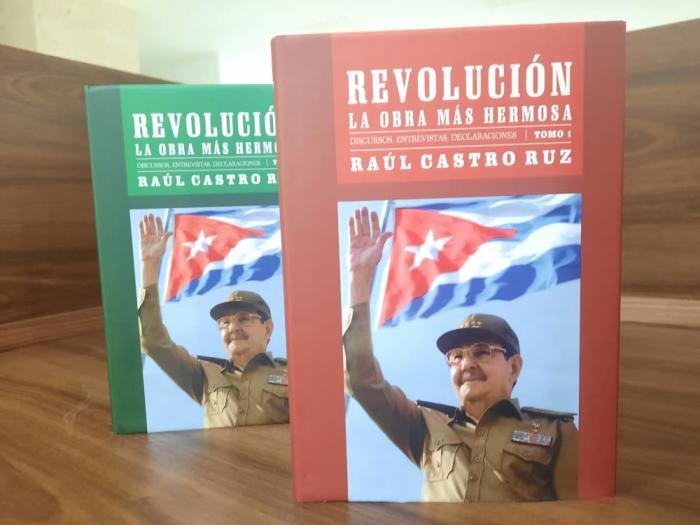
    As Cuban Army General Raúl Castro approaches his 95th birthday, a new edited collection of his public remarks brings his decades of revolutionary commitment, unwavering loyalty to Fidel Castro, and steadfast resistance to the U.S. trade blockade into sharp focus. Titled *Revolución, la obra más hermosa* (Revolution, the Most Beautiful Work) and published by Ediciones Celia, the two-volume anthology compiles 138 of Raúl’s speeches, interviews, and official statements spanning the last 10 years of Cuba’s revolutionary journey. Any reader hoping to understand the core of Raúl Castro’s lifelong ideology must start with four non-negotiable pillars of his public life: unshakable faith in the Cuban Revolution, unwavering loyalty to Fidel Castro, relentless opposition to the long-standing U.S. blockade, and a consistent commitment to self-critical reflection, all of which permeate every page of the new collection.

    To know Raúl Castro through his own words is to encounter a leader both sensitive to the human cost of revolution and unyieldingly tenacious in pursuit of the movement’s goals. He consistently urges Cubans to deepen their understanding of the nation’s history, embrace constant renewal, reject political complacency, hold firm to their stated values, and maintain clear focus on long-term objectives rather than being swayed by fleeting overenthusiasm. As he often emphasizes, honesty and intentional reflection must guide all revolutionary action.

    Belkis Duménigo García, editorial director of the Office of Historical Affairs, notes that the collection offers readers a chance to revisit the most pivotal moments of the Cuban Revolution over the past decade, covering topics ranging from domestic policy to global affairs. The texts highlight Raúl’s longstanding advocacy for regional integration across Latin America and the Caribbean, his commitment to the core foreign policy principles of sovereignty, national dignity, and non-interference in the internal affairs of other nations, and his work shaping Cuba’s contemporary political and economic governing model. He also uses the collected remarks to reinforce his unwavering campaign against national indiscipline and illegal activity, while openly offering self-critical assessments of the Cuban Revolution’s ongoing challenges.

    The book also includes Raúl’s sharp critiques of U.S. foreign policy and its decades-long interventionist approach toward Cuba, while making clear that the Cuban government supports the reestablishment of mutually respectful bilateral relations. He repeatedly underscores the devastating human and economic harm caused by the U.S. trade blockade, a policy he has consistently opposed throughout his career. In a memorable September 27, 2006 address included in the collection, he reminded audiences that Cuba cannot afford to overlook the threat posed by a powerful adversary dedicated to eliminating the Cuban Revolution entirely. He pointed to the long history of U.S. intervention on the island, dating back to the 1898 thwarting of Cuban independence that imposed American overseers on the nation, noting little has changed in the power dynamic that continues to shape U.S.-Cuba relations today.

    What sets this collection apart, however, is its ability to reveal the human side of Raúl Castro beyond his public roles as a military leader and former head of state. Readers will encounter a man moved to emotion when speaking of Fidel Castro, who honors every fallen revolutionary by name, calls former Venezuelan President Hugo Chávez “My Brother,” and holds the young revolutionaries who participated in the 1953 Moncada Barracks attack as the forever youth of the Cuban movement. It is this intimate, unfiltered voice that makes *Revolución, la obra más hermosa* a unique addition to the historical record of modern Cuba.

  • Amidst the storms, the UCI brings good news

    Amidst the storms, the UCI brings good news

    On a Wednesday morning in late May 2026, Cuba’s top leader — Miguel Díaz-Canel Bermúdez, First Secretary of the Central Committee of the Communist Party of Cuba and President of the Republic — traveled to the University of Computer Sciences (UCI), an institution that has embodied founding revolutionary leader Fidel Castro Ruz’s vision of linking academic innovation to the long-term success of the Cuban Revolution for nearly 25 years.

    Accompanied by senior government officials including Deputy Prime Minister Eduardo Martínez Díaz, Education Minister Naima Ariatne Trujillo Barreto, Higher Education Minister Walter Baluja García, and UCI Rector Raydel Montesino Perurena, Díaz-Canel held wide-ranging dialogues with students and faculty, toured campus laboratories and the university’s pioneering K-9 program for children of staff, and observed the institution’s growing software export operations.

    Rector Montesino walked the delegation through UCI’s decades-long evolution, from its launch in 2002 with just a single degree program to its current portfolio of four undergraduate credentials: three bachelor’s degrees in Computer Science Engineering, Bioinformatics Engineering, and Cybersecurity Engineering, plus one associate degree in high-demand Network Administration. To date, more than 18,000 students have graduated from the institution, which now counts six faculties, seven development centers, and 2,552 enrolled undergraduates — a figure campus leadership says it is positioned to expand. Even amid the ongoing national energy crisis and persistent U.S. economic pressure, Montesino emphasized UCI’s core commitment to leaving no student behind, adjusting curricula and prioritizing in-person learning where possible. This year alone, 554 students will complete their degrees, 100 more than the 2025 graduating class. While transportation challenges remain the institution’s most pressing operational hurdle, Montesino noted that campus leaders have leaned into adaptive, flexible strategies to keep operations running smoothly, staying true to Fidel’s founding vision of UCI as an experimental teaching-production hub that blends innovation and public service.

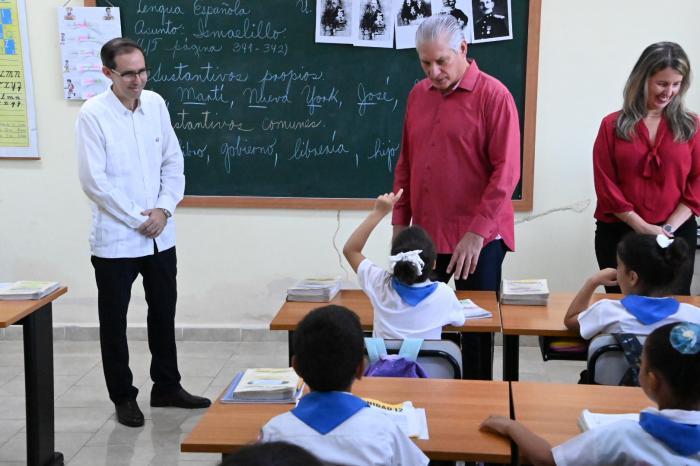
    One of the most notable adaptive initiatives on display during the tour was UCI’s on-campus primary and secondary school, the Pioneers Project.uci.cu, launched in response to barriers created by the intensified U.S. blockade. When children of UCI faculty and staff who live on campus were cut off from their zoned schools in the La Lisa district due to transport and resource constraints, campus and education leaders repurposed existing university space and teaching talent to launch a full-scale program serving learners from preschool through 9th grade. Education Minister Naima shared that the program, which draws students from multiple local school zones and leverages existing university faculty expertise, has filled a critical gap while creating a replicable model of adaptive education. “There’s a lot of heart behind this experience,” Naima told reporters, noting that while the exact model may not work at every Cuban university, its core approach of leveraging existing institutional potential can be scaled across the country. Even amid the prolonged hardship imposed by the blockade, Naima emphasized, all participating students are on track to complete their grade levels on schedule — a victory for creative resilience in the face of external pressure. During a warm interaction with young students, a second-grade pioneer expressed affection for the Cuban leader, to which Díaz-Canel responded with a call for the next generation to prepare diligently to serve their country.

    The final stop on the tour was UCI’s Software Export Laboratories, where more than 600 specialists including students, faculty, and dedicated industry professionals develop digital products for international markets. Dr. Reynaldo Rosado Roselló, who leads the program, explained that the initiative operates on a shared benefit model that generates revenue for the national government, the university, and the participating specialists, all of whom are paid in foreign currency for their work. Over recent years, the program has ramped up its export operations to increase foreign currency earnings for Cuba, with one three-year-old spinout company already generating more than 150 million pesos in domestic revenue and over half a million pesos in foreign currency in 2025. Rosado noted that expanding software exports remains UCI’s top strategic priority, aligned with Fidel’s original vision for the institution: to train top digital talent, drive national digital transformation, and generate critical foreign currency for the Cuban people. Díaz-Canel challenged the UCI community to expand their work further, emphasizing the university’s central role in advancing Cuba’s national artificial intelligence strategy and integrating AI across all sectors of Cuban life. He shared his vision for UCI to become Cuba’s first “Smart University”, calling for accelerated progress toward that goal.

    At the close of the tour, Díaz-Canel visited a commemorative plaque marking Fidel Castro’s first visit to UCI on December 12, 2002 — the date now recognized as the institution’s official founding. On that historic day, Fidel called UCI students “the troops of the future”, a phrase that grew into the university’s enduring motto: “Connected to the future, connected to the Revolution.” Speaking to young innovators on campus, Díaz-Canel struck a hopeful tone amid ongoing economic pressure from the United States. “Waking up here today at UCI — with the little school, with the new school model, and now with this development you (the young people) are experiencing — fills one with happiness and, above all, with confidence that, even in the most complex situation, we will overcome it,” he said, framing the campus’s progress as a powerful example of creative resistance: resistance that is not merely about enduring hardship, but about growing and advancing even in the most challenging circumstances. The work underway at UCI, he emphasized, proves that Cuba can continue to build and thrive despite external pressure, laying a strong foundation for future progress across every sector of the nation.

  • Belize Freezes Construction of Tall Buildings Amid Environmental Concerns

    Belize Freezes Construction of Tall Buildings Amid Environmental Concerns

    In a decisive move to safeguard Belize’s ecologically vulnerable and culturally iconic coastal regions, the national government has enacted a six-month moratorium halting all construction of buildings over three stories in high-priority tourist and residential destinations including Caye Caulker, Hopkins, Placencia, and the Sittee River area. The policy shift comes in response to mounting public and scientific alarm over unregulated rapid development that has threatened delicate coastal ecosystems and eroded the unique low-rise charm that draws millions of visitors to Belize each year.

    Andre Perez, Area Representative for Belize Rural South, explained that the temporary pause is intended to give government agencies time to conduct comprehensive environmental risk assessments, engage in structured community consultations, and revise development frameworks to align with long-term conservation and public interest goals. The moratorium, which was formally approved by the country’s cabinet, targets overdevelopment that has increasingly altered the character of popular coastal communities, most notably the small island of Caye Caulker.

    “Caye Caulker holds a very special, quaint character that we are committed to preserving,” Perez emphasized in remarks following the cabinet decision. “We refuse to let overdevelopment and sprawling high-rise construction take over the island and destroy the charm that makes it one of Belize’s most beloved destinations. That is why the moratorium is now in effect.”

    The crackdown on unregulated development extends beyond high-rise construction to address unpermitted infrastructure in popular coastal spots like San Pedro’s Secret Beach. Perez noted that starting in June, authorities will convene collaborative meetings with local business owners to address longstanding concerns about illegal waterfront construction including unauthorized docks, floating platforms, water-side bars and commercial kitchens. Rather than imposing immediate punitive measures, the government is prioritizing cooperative solutions to bring existing unregulated structures into compliance with environmental and land-use rules.

    When questioned about whether limited government staffing would hamper enforcement of the new moratorium – a challenge that has undermined past regulatory efforts in Belize – Perez acknowledged the resource constraints. To address this gap, the government has coordinated a joint task force bringing together staff from all relevant regulatory departments including the public health agency, mining authority, and Department of the Environment. By consolidating inspections and enforcement efforts across agencies, the task force will maximize limited human resources to review construction sites and ensure compliance across all targeted coastal regions, from San Pedro to Caye Caulker.

    This regulatory action marks one of the most significant steps Belize has taken in recent years to balance its growing tourism economy with the protection of the coastal ecosystems that underpin that sector’s long-term viability.

  • $1.5M Caye Caulker Police Station Coming Soon

    $1.5M Caye Caulker Police Station Coming Soon

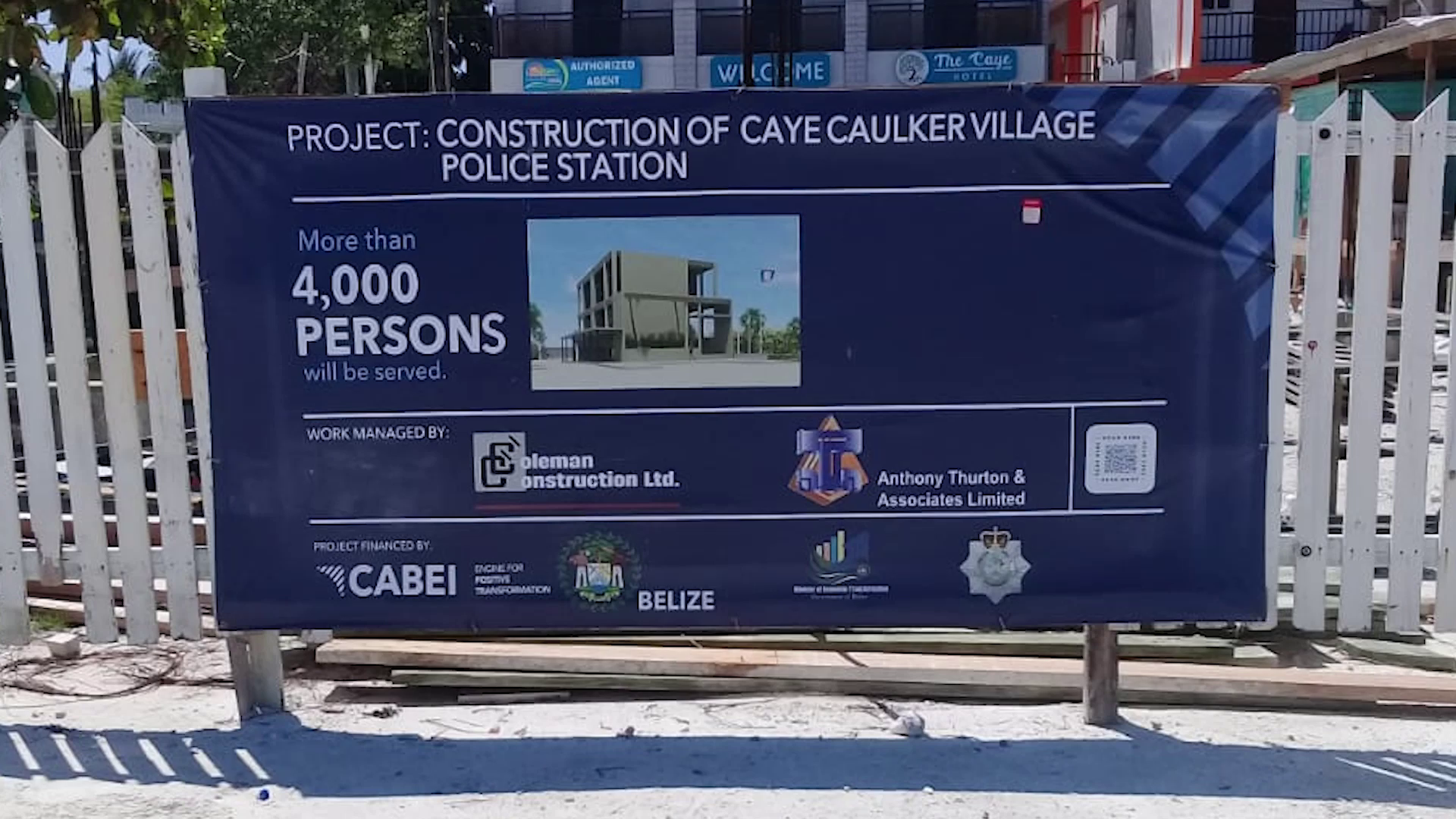
    More than three years after this report was first scheduled for publication, a key public infrastructure project on Belize’s popular Caye Caulker island is back in motion. The $1.5 million planned police substation, which was sidelined for weeks amid public controversy, has received official confirmation that construction will resume, ending the uncertainty that has surrounded the development for months.

    The facility is one component of the government of Belize’s broader $60 million Belize Integral Security Program, a national initiative designed to upgrade law enforcement infrastructure across the country. When completed, the new substation will offer far more functional and modern amenities than the island’s current outdated police facility, including a dedicated unit for responding to domestic violence cases, climate-controlled secure evidence storage, and confidential private interview rooms. These upgrades are designed to better serve both the island’s permanent resident population and the millions of international tourists that visit Caye Caulker each year.

    Andre Perez, the elected Area Representative for Belize Rural South, made the official announcement confirming the project’s restart in late May 2026. During his statement, Perez addressed the public concerns that had delayed the project, acknowledging the community’s feedback while reaffirming that the designated parcel of land is legally reserved for government use specifically for the police station. He also pushed back against any suggestions of misallocation of funds for this project, noting that all allocated funding will be used exclusively for the construction of the substation as planned.

    In a sharp critique of the previous national administration, Perez called public attention to a completed police housing project built by the prior government just two years before the most recent transfer of power. That initiative, he said, received $2 million in public funding to construct police barracks and living quarters, but the completed structure is now valued at less than $800,000, with widespread reports of poor construction quality. Perez noted that the current administration has no intention of repeating that costly mismanagement, and is committed to delivering a high-quality facility that meets the needs of Caye Caulker’s police force and community.

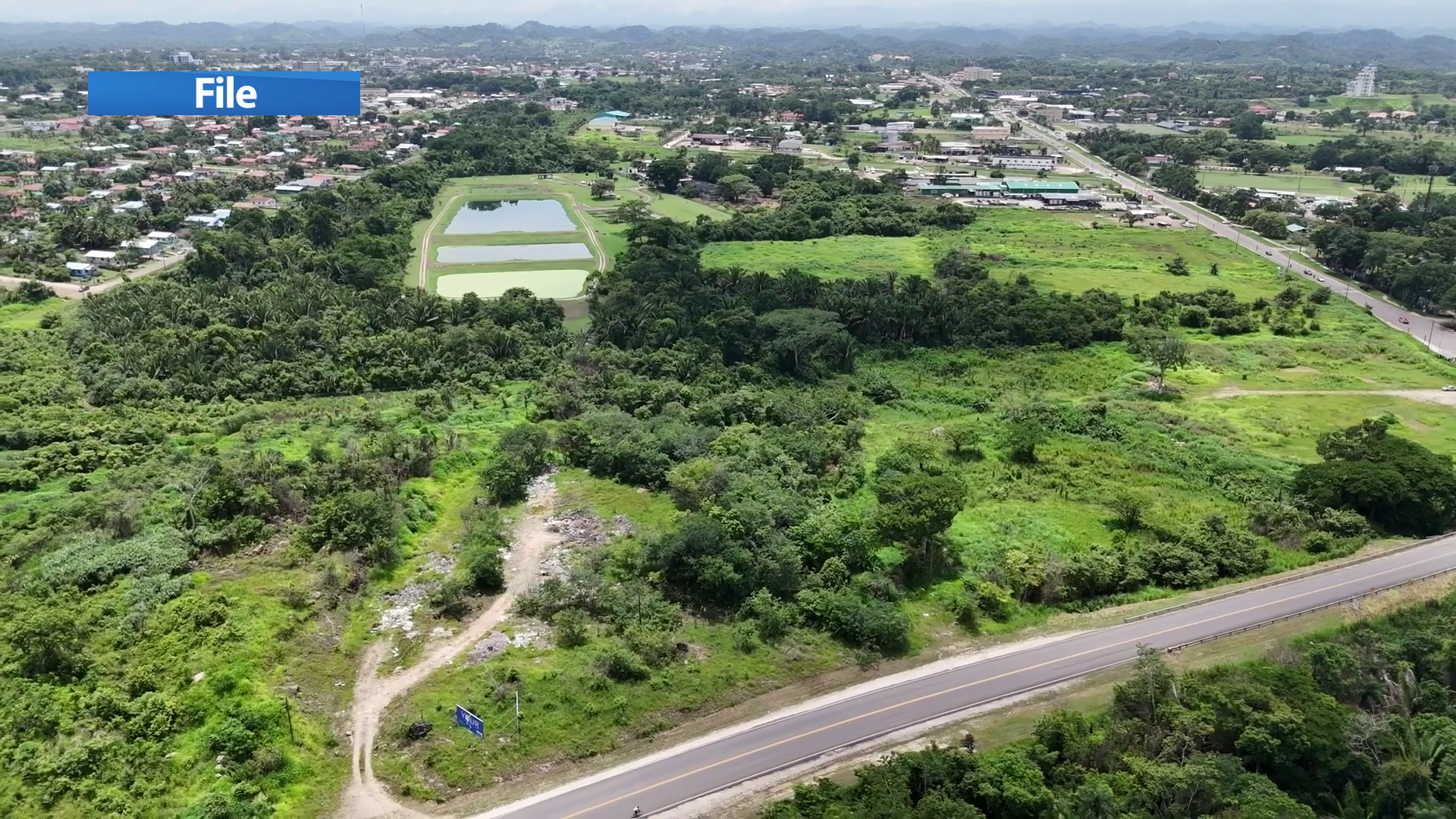
    Addressing the public disagreement over the substation’s proposed location at the entrance of Caye Caulker’s main town, Perez acknowledged that some community members oppose the site, but stressed that the priority is delivering a functional, well-built facility that improves local law enforcement capacity, rather than repeating past mistakes of public fund mismanagement.

    Oscar Mira, Belize’s Minister of Home Affairs, added that the new substation will deliver two core public benefits: it will drastically improve the day-to-day working conditions for officers stationed on the island, and it will boost overall public safety for both residents and the island’s large annual influx of visitors. This report is a transcribed excerpt from an evening television news broadcast, with all Kriol-language statements transcribed using a standardized spelling system for accessibility.

  • Deadlock Deepens as PM Eyes Unilateral Move on Maya Lands

    Deadlock Deepens as PM Eyes Unilateral Move on Maya Lands

    One of Belize’s most contentious and decades-long policy disputes over Indigenous land rights has reached a new impasse, with Prime Minister John Briceño confirming that negotiations with the Maya Leaders Alliance (MLA) have collapsed into repeated gridlock — prompting his government to consider pushing forward with unilateral legislation regardless of opposition.

    In comments delivered during an evening national broadcast this week, the Briceño administration head laid bare the full scope of the breakdown in talks, noting that the MLA has rejected every compromise proposal put forward by the government to resolve the long-running conflict over Maya land claims. After years of iterative negotiations and one last-ditch effort to carve out a 35,000-acre land reserve as a starting point for negotiations, Briceño said the MLA refused to accept even that framework.

    “Our party, the People’s United Party, has stood on a clear foundation laid by George Price: we will not accept the balkanization of this country — we remain one unified nation,” Briceño said in the broadcast. He added that the government faces competing pressures from within its own support base: while some PUP backers align with the MLA’s positions, many other supporters who voted the PUP into office have criticized the administration for delaying action on the file and ignoring their concerns over territorial integrity.

    “We have invested countless hours in working with the alliance to find a mutually acceptable settlement,” Briceño explained. “We have bent over backward to meet them halfway, but every proposal we put on the table gets a flat rejection. At this point, I believe the only path forward is to finalize our draft legislation, bring it to a vote, and let any disagreements be settled through the judicial system. If we do not take this step, this issue will remain stalled indefinitely, and no one will get the resolution they need.”

    The MLA has already pushed back against the government’s plan, rejecting key provisions of the draft legislation and formally submitting concerns of a flawed process to the Caribbean Court of Justice, the region’s final appellate body. The clash puts the years-long fight for formal Maya land rights back at the center of Belize’s national political agenda, with both sides digging in ahead of what is expected to be a protracted legal and political battle.

    This report is adapted from a transcript of a televised evening news broadcast.

  • Belize Stands at Health Policy Crossroads Amid U.S. Concerns

    Belize Stands at Health Policy Crossroads Amid U.S. Concerns

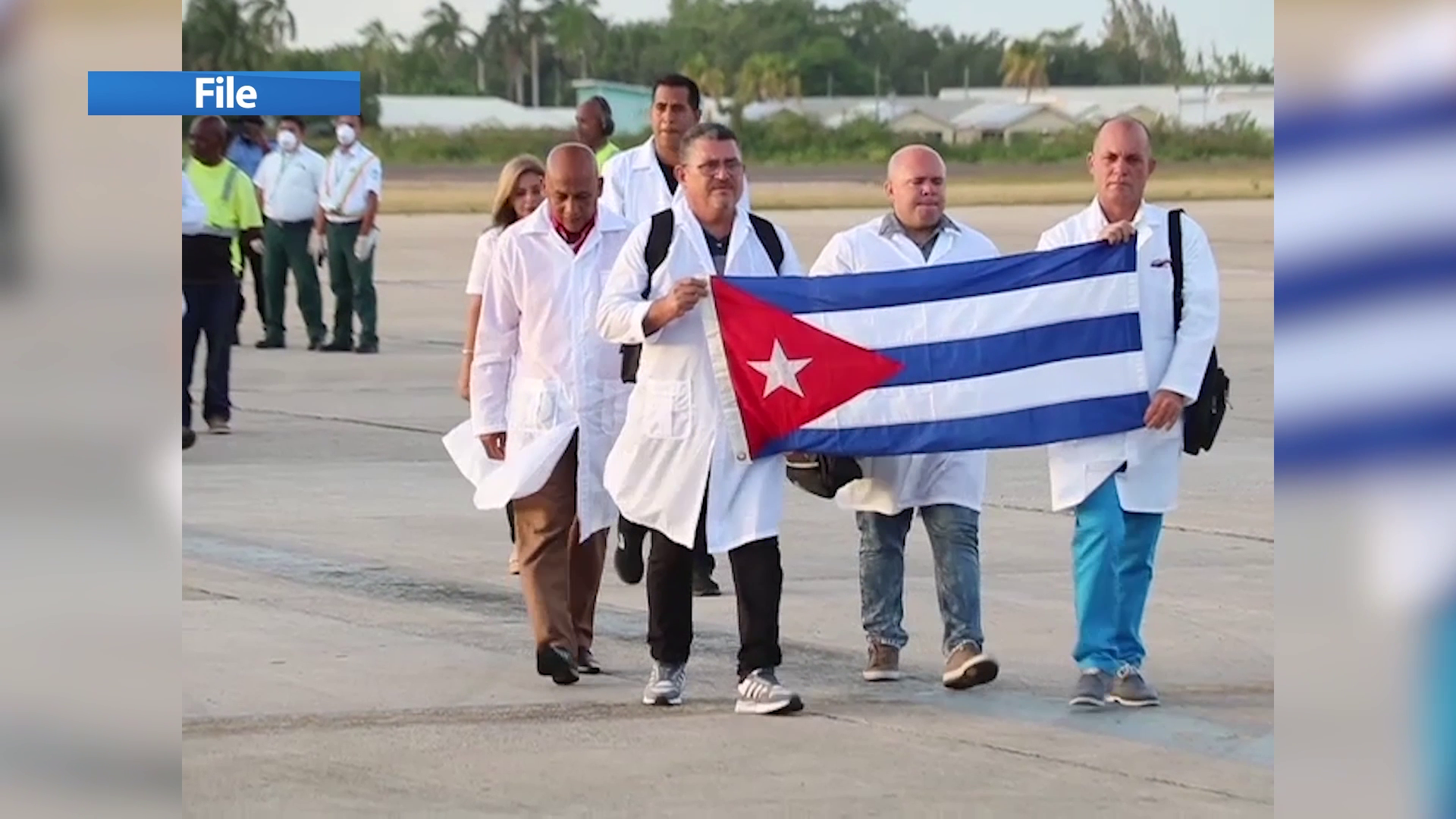
    As of May 27, 2026, the small Caribbean nation of Belize finds itself caught between long-standing reliance on Cuban medical support and mounting diplomatic pressure from the United States, creating a tense policy standoff that tests the country’s sovereign decision-making. At the heart of the first dispute is the Cuban medical brigade, a program that has propped up Belize’s under-resourced public healthcare system for years, but which Washington has decried as a state-run forced labor and human trafficking operation.

    Multiple other nations across the Latin American and Caribbean region have already bowed to U.S. pressure and expelled Cuban medical teams in recent months, leaving Belize as one of the last remaining holdouts. In a public update on the ongoing negotiations, Belizean Prime Minister John Briceño laid out his government’s delicate balancing act: working to craft a compromise that satisfies both Washington’s demands and Belize’s need to retain qualified medical staff. Briceño emphasized that from the program’s launch, Belize has directly paid participating doctors rather than sending compensation to the Cuban government, a structure that already aligns with core U.S. requirements. The government’s current goal, he explained, is to reach a new agreement with Havana that allows individual brigade members to choose to remain in Belize voluntarily, formally confirming their independent employment status to address U.S. concerns.

    Beyond the medical brigade controversy, Briceño has also taken a clear, public stance against another recent U.S. action targeting Cuba: the indictment of 95-year-old former Cuban President Raúl Castro on charges of murder and conspiracy stemming from the 1996 shootdown of two unarmed civilian aircraft operated by a Cuban exile group. The incident killed four people, including three U.S. citizens and one U.S. permanent resident.

    Briceño called the indictment deeply troubling and unjustified, noting that the Cuban government had repeatedly warned the aircraft that they were violating Cuban sovereign airspace prior to the incident. “When it comes to Cuba, the Americans have a totally different outlook on that,” Briceño said. “It is certainly something small countries are concerned of, we in CARICOM. We have always taken the position of CARICOM. We are very concerned when any country starts to interfere with the sovereignty of any country.”

    For Belize, the dual disputes underscore the persistent challenges small Caribbean states face as they seek to uphold their own policy priorities amid competing geopolitical pressure from global powers, with the future of the country’s healthcare access and its stance on regional sovereignty hanging in the balance.