分类: politics

  • United Workers Party (UWP) lists 10 Point Plan for Dominica

    United Workers Party (UWP) lists 10 Point Plan for Dominica

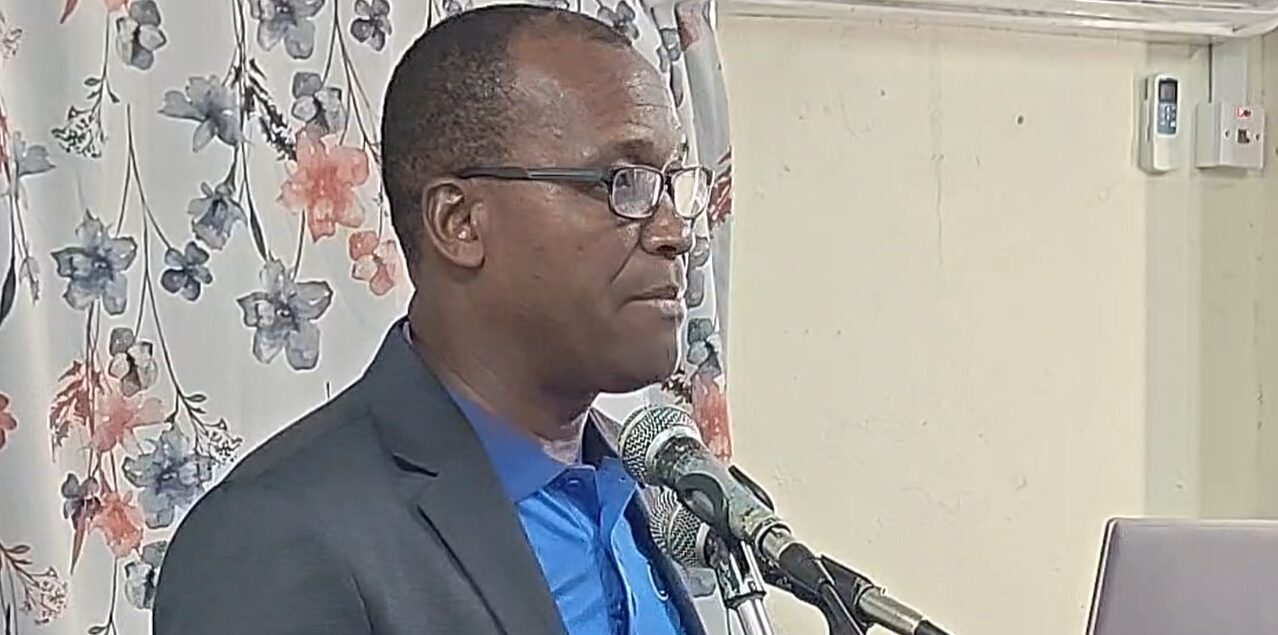
    As the main opposition political force in Dominica, the United Workers Party (UWP) has launched a comprehensive 10-point policy roadmap, laying out the party’s full vision for the island nation’s long-term growth under the unifying slogan “A Better Future Together”. Led by UWP political head Dr. Thomson Fontaine, the plan addresses nearly every core sector of national life, from economic expansion and governance reform to public services and environmental stewardship, with the overarching goal of delivering inclusive progress and expanded opportunity for all Dominican citizens.

    At the center of the UWP’s policy framework is job creation and sustained economic growth. The party identifies five key engines for employment: tourism, agriculture, construction, technology, and small and medium-sized local enterprises. To nurture new business ventures, the plan proposes targeted support for entrepreneurs including government grants, low-interest lending products, and formal business skills training programs. It also frames foreign direct investment as a critical growth driver, while committing to robust protections to ensure local businesses can compete and thrive alongside international entrants to the market.

    Agriculture, a longstanding pillar of Dominica’s economy, receives targeted attention in the plan. The UWP has proposed sweeping modernization investments for the sector, including upgraded farm access roads, expanded irrigation networks, new temperature-controlled storage infrastructure, and improved connections to regional and global export markets. The party also pledged to increase both financial grants and technical guidance for local farmers and artisanal fishermen, to boost productivity and income for rural workers.

    For the tourism sector, another major contributor to national GDP, the UWP outlines a strategy to diversify Dominica’s tourism offerings by expanding high-potential niche segments: eco-tourism, community-led village tourism, cultural tourism, and cruise ship tourism. Key proposed initiatives include infrastructure upgrades to popular tourism sites, public beaches, access roads, and community-owned attractions, alongside expanded vocational training for young people seeking to enter the hospitality and tourism services industry.

    Healthcare reform also features prominently in the 10-point plan. The UWP commits to upgrading medical infrastructure across the entire island, from main urban hospitals to rural community clinics and national emergency response systems. Additional priorities include expanding access to affordable prescription medication, increasing the range of specialized in-country healthcare services, boosting staffing levels at all public medical facilities, and replacing outdated medical equipment with modern technology.

    Investment in education and youth development marks another core pillar of the UWP’s vision. The plan promises expanded scholarship opportunities for Dominican students, expanded vocational and trade skills training programs, upgrades to aging school infrastructure, and broader access to digital learning tools for students across the country. It also includes dedicated support for youth-led entrepreneurship, and expanded investment in youth sports, music, and cultural programming.

    Infrastructure and affordable housing are highlighted as urgent near-term priorities. The UWP plans to invest in critical public works including rehabilitation of roads and bridges, upgrades to national drainage systems, and improvements to core public utilities. It also commits to building new affordable, climate-resilient housing for low- and middle-income families, and strengthening national disaster preparedness systems to reduce the impact of extreme weather events, a key concern for small island developing states like Dominica.

    Transparency and governance reform are central to the UWP’s pledge to rebuild public trust in government. The party has committed to strengthening accountability for public spending, enacting stricter anti-corruption measures, and guaranteeing equal access to government opportunities and services for all citizens, regardless of their political affiliation or connections.

    To address public safety concerns, the plan calls for increased resourcing for law enforcement agencies, expanded community policing initiatives, and greater investment in youth and community programs that target the root causes of crime and violence. It also proposes upgrades to public recreational facilities and community centers across the country, to expand safe public gathering spaces for residents.

    On environmental action and energy policy, the UWP has pledged to scale up renewable energy development to cut household electricity costs, while prioritizing the protection of Dominica’s natural heritage. The plan includes specific commitments to preserve the nation’s rivers, forests, beaches, and marine ecosystems, and frames sustainable development and enhanced climate resilience as top national priorities.

    The 10-point plan closes with a focus on national unity and engagement with the Dominican diaspora. The UWP aims to foster greater participation from Dominicans living abroad in the nation’s development, encouraging diaspora investment and deeper collaboration on national growth initiatives. Overall, the party frames the plan as a blueprint for a people-centered government, built on the core values of progress and equal opportunity for every Dominican citizen.
  • CARICOM envoy hails Barbados-Guyana ID-only travel

    CARICOM envoy hails Barbados-Guyana ID-only travel

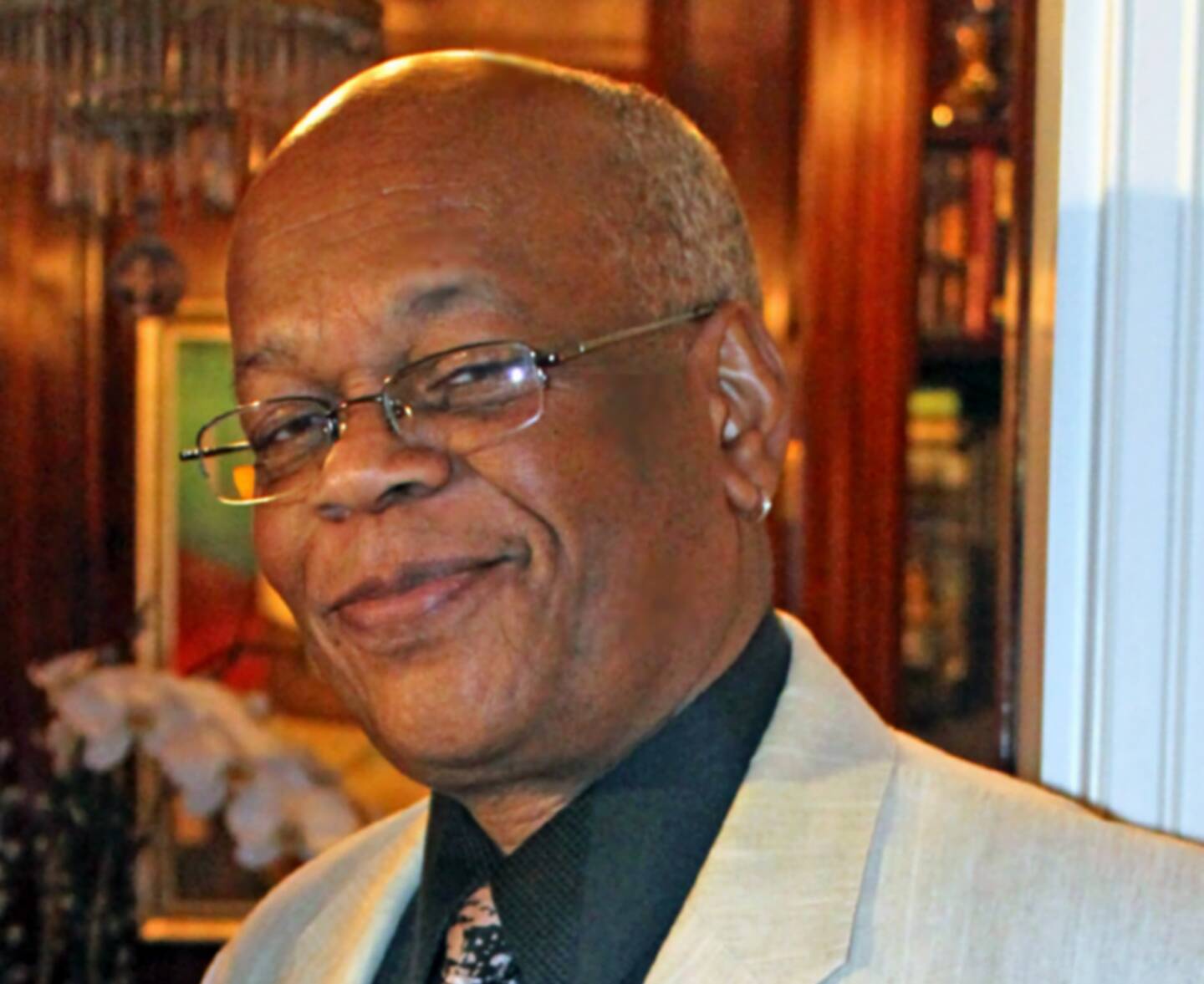
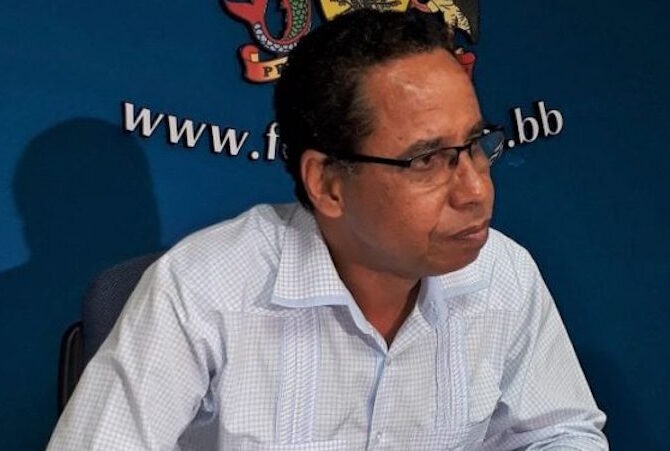
    A new travel agreement allowing cross-border movement between Barbados and Guyana using only national identification cards is being hailed as a landmark step toward realizing the Caribbean Community (CARICOM)’s long-held vision of full free movement across the regional bloc, Barbados’ top envoy to the organization confirmed Wednesday.

    Ambassador David Comissiong told local outlet Barbados TODAY that this new bilateral arrangement, paired with the October 2025 launch of full free movement between four founding member states – Barbados, Belize, Dominica, and St. Vincent and the Grenadines – marks a transformative breakthrough for regional integration. He emphasized that the smooth implementation of the four-nation free movement scheme, combined with the new ID-only travel policy announced by Barbadian Prime Minister Mia Mottley and Guyanese President Irfaan Ali, represents one of the most encouraging developments for CARICOM in recent years.

    “The pleasant experience thus far of the full free movement along with the recent announcement of this new initiative to facilitate movement between our citizens simply with the national ID card, I think it’s a very positive development,” Comissiong said.

    Since the new ID-travel policy was made public, the ambassador revealed that regional leaders have already reached out to express interest in expanding the framework to other CARICOM territories. Comissiong shared that immediately after the announcement, a fellow ambassador from one of the four full free movement nations reached out to ask why a similar ID-based system could not be rolled out across all four participating countries. He added that Barbados has long supported the principle of ID-enabled travel across the Caribbean bloc, viewing it as a practical way to cut red tape for regional citizens.

    While Comissiong acknowledged that extending the arrangement to Belize could face initial hurdles, as the country lacks direct air links with Barbados, he said regional officials remain confident that a practical, functional system can be developed over time.

    Beyond travel liberalization, the envoy pointed to promising shifts in regional labor mobility, highlighting migration flows from Jamaica to Barbados as a model of mutually beneficial movement. Historically, most migration from Jamaica to Barbados consisted of skilled professionals or Barbadian students returning home with spouses after completing studies at the University of the West Indies. But Comissiong noted that recent migration patterns have seen more working-class Jamaicans filling critical unmet service roles in Barbados, particularly in caregiving and domestic support.

    “From what I can see, they have really fitted in well, they have found a niche, and they are responding to a real need in Barbados, especially in the area of caregivers and home helpers,” he said.

    New data from Barbados’ Ministry of Home Affairs, obtained by Barbados TODAY, shows that between the launch of the four-nation free movement scheme in October 2025 and April 2026, roughly 14,758 nationals from Dominica, St. Vincent and the Grenadines, and Belize have entered Barbados under the new liberalized rules.

    Comissiong also disclosed that multiple other CARICOM member states are already in the process of preparing to join the free movement framework launched by the four pioneering nations. He explained that the four founding participants always intended their initiative to be a starting point for broader regional integration, not a closed group.

    “The idea always has been that the others would join us,” he said. “All the signs we are seeing with the movement of people across the Caribbean community seem to be positive [and] moving in the right direction.”

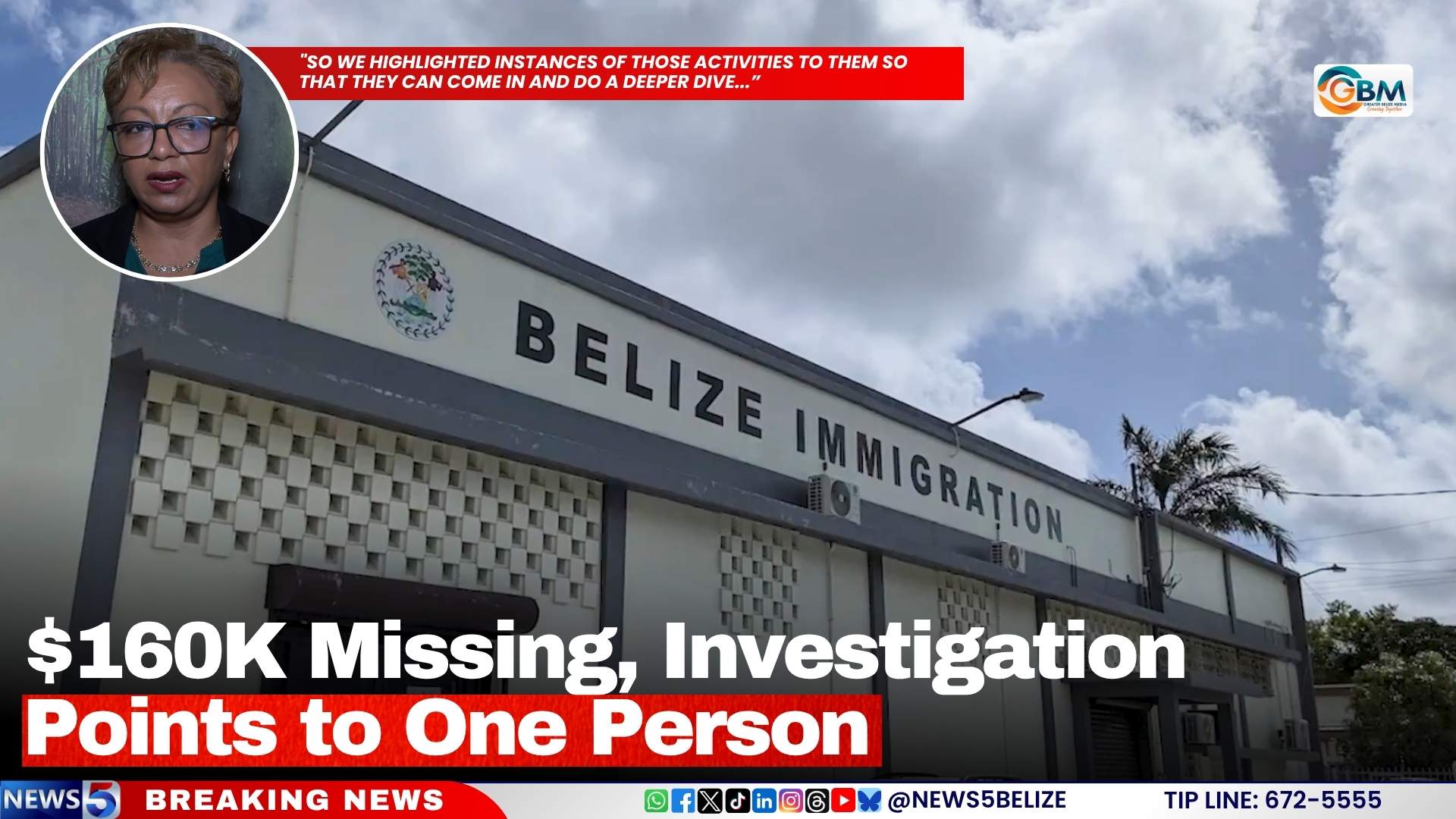
  • $160K Missing, Investigation Points to One Person

    $160K Missing, Investigation Points to One Person

    A major financial misconduct scandal has emerged at a national immigration department, with authorities launching a formal criminal investigation and independent audit into $160,000 in unaccounted for public funds, the agency’s chief executive confirmed this week.

    In an exclusive interview with local outlet News 5 on May 28, 2026, Immigration Ministry CEO Tanya Santos confirmed that the department had officially filed a police report over the missing funds and requested a full independent audit from the country’s national auditing body to unpack the full scope of the incident.

    According to Santos, an internal preliminary inquiry into the irregularities was wrapped up last week, and executive branch leadership in the national Cabinet has already received a full briefing on the findings. The official escalation to law enforcement and audit officials this week marks the next formal phase of the process, she added.

    Santos revealed that the preliminary review uncovered repeated incidents of what she characterized as clear criminal activity connected to the disappearance of the public funds. All documented evidence of these suspicious transactions and activities has been turned over to police investigators to allow for a full, independent deep dive into the case.

    “Our team identified the specific suspicious activities and passed that information to law enforcement, so they can conduct a thorough, in-depth investigation and uncover all the details of what exactly took place,” Santos explained in the interview.

    Currently, the investigation is centered on a single individual employed by the ministry, though Santos noted that the scope of the probe could expand as new evidence emerges. “Right now, the focus is on one person, but that could change if the investigation leads us elsewhere,” she said, leaving open the possibility that more people could be implicated as the inquiry progresses.

    The news comes amid ongoing local political activity, with a city hall leadership transition dominating other trending local political stories in the region this week.

  • “Justice Delayed Is Justice Denied,” Says Ex-BEL Workers

    “Justice Delayed Is Justice Denied,” Says Ex-BEL Workers

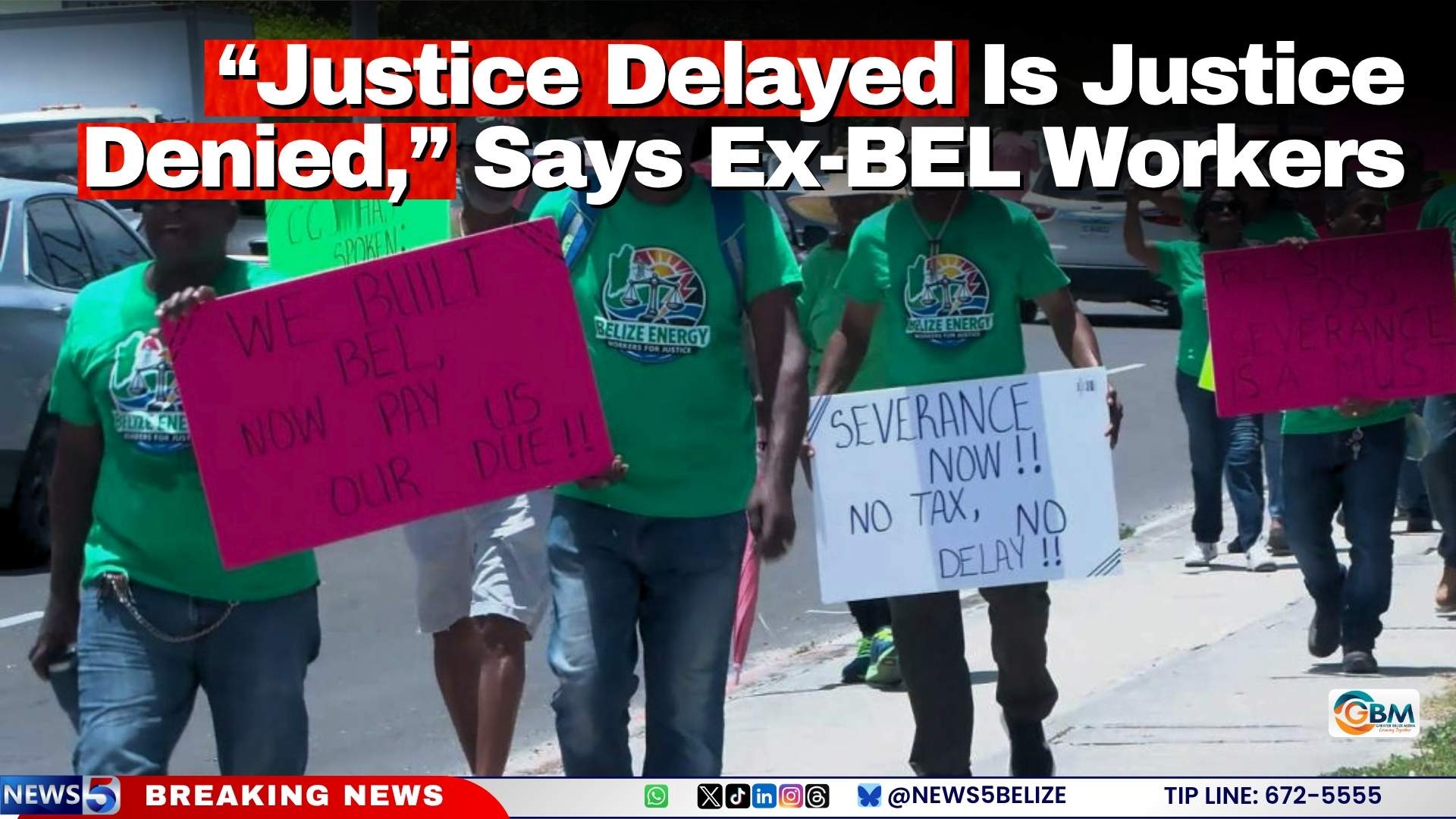
    A years-long battle over unpaid severance benefits has reignited in Belize, as former employees of state-linked Belize Electricity Limited (BEL) are doubling down on calls for the company to honor a regional court ruling that backs their financial claims.

    Organized under the banner Belize Energy Workers for Justice (BEWJ), the group of ex-staff has issued a new public rebuke of BEL, accusing the utility provider of violating its own stated corporate values by continuing to withhold funds the former workers say they are legally owed.

    At the core of the dispute is a fundamental disagreement over how severance obligations should be fulfilled. BEL has long argued that severance payments were already covered through the employer-funded portion of the company’s existing pension plan. But the ex-workers have flatly rejected this interpretation, pointing directly to a binding ruling from the Caribbean Court of Justice (CCJ) that clarifies the two benefits are distinct.

    In the BEWJ’s latest press statement, the group emphasized that the CCJ explicitly ruled pension and severance represent separate entitlements, noting that severance is an independent statutory right guaranteed under Belizean law. The former workers add that the contributory pension scheme offered by BEL never included provisions to cover severance benefits, negating the company’s core argument.

    Citing BEL’s own public commitment to prioritizing worker welfare and its corporate principle of “putting People First,” the BEWJ is calling on company leadership to match its rhetoric with action. “We demand that BEL pays us our outstanding Severance Payments,” the group stated, adding “We call on BEL to put us first.”

    After years of stalled progress on the issue, the former workers have now appealed to top Belizean government officials to intervene to resolve the impasse. BEWJ has specifically reached out to Labour Minister Kareem Musa and Prime Minister John Briceño, asking the national government to step in and ensure the CCJ’s ruling is implemented.

    Frustrated by repeated delays, the group summed up their position with a longstanding legal maxim: “Justice delayed is justice denied.”

  • Simons in overleg met Lula over economie, veiligheid en infrastructuur

    Simons in overleg met Lula over economie, veiligheid en infrastructuur

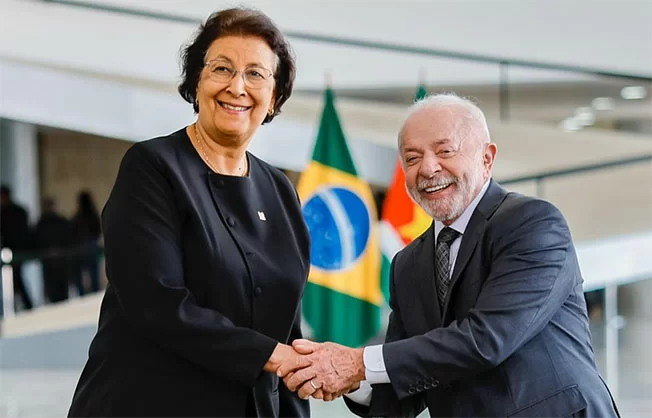
    On May 28, top diplomatic talks between Suriname President Jennifer Simons and Brazilian President Luiz Inácio Lula da Silva took place in Brazil’s capital Brasília, marking a key milestone in advancing bilateral cooperation between the neighboring South American nations. The meeting, hosted at the Palácio do Planalto — Brazil’s official presidential working headquarters — opened with full ceremonial honors for Simons, who is currently on an official state visit to the country.

    Diplomatic preparations for this high-level encounter stretch back several months, laying solid groundwork for the wide-ranging talks held this week. The two leaders first met on the sidelines of the Belém Climate Summit in November 2025, where they established an initial framework for expanded collaboration across multiple priority sectors. Following that introductory meeting, foreign ministry teams from both nations continued behind-the-scenes diplomatic work to finalize the agenda for Simons’ official visit and advance concrete cooperative agreements.

    Discussions between the two presidents covered a broad spectrum of strategic topics aligned with Suriname’s stated development priorities. Core agenda items included enhanced cross-border security, expanded economic cooperation, agricultural development, energy sector collaboration, large-scale infrastructure projects, increased bilateral trade and investment, joint countermeasures against transnational crime, defense partnership, public safety improvement, and coordinated social policy development. Simons has previously emphasized that closer ties with Brazil will bring critical support to Suriname’s ongoing economic, agricultural, and social development efforts, while strengthening security along their shared border.

    A high-profile delegation of senior Surinamese ministers joined President Simons for the visit, including Melvin Bouva, Raymond Landveld, Diana Pokie, Mike Noersalim, and Uraiqit Ramsaran. Beyond bilateral issues, the two sides also exchanged views on a range of regional and global governance matters. These included coordination within the Organization of the Amazon Cooperation Treaty (OTCA), implementation of the Brasília Consensus, and cooperation through major regional blocs such as the Community of Latin American and Caribbean States (CELAC) and the Organization of American States (OAS). Talks also addressed advancing deeper integration between South America and the Caribbean, strengthening global multilateralism, and upholding the central role of the United Nations in international affairs.

    This meeting reaffirms the shared commitment of both nations to deepening their long-standing partnership, building on the preliminary diplomatic progress achieved in recent months. Officials from both sides expect the outcomes of the talks to deliver tangible benefits to communities in both countries, while advancing stability and integration across the broader South American region.

  • Grenada’s rooftop solar promise deserves a harder look

    Grenada’s rooftop solar promise deserves a harder look

    Grenada’s newest political actor, the Democratic People’s Movement (DPM), has centered its recent electoral appeal around a bold, voter-friendly climate and energy policy: universal rooftop solar installations for every household across the island, marketed with zero upfront costs, guaranteed lower monthly energy bills, and a cleaner, more economically resilient national future. On its surface, the proposal aligns with widespread public support for expanding renewable energy and cutting household energy costs, but political analyst Michael Derek Roberts argues that the missing granular details in the campaign’s messaging undermine its credibility, leaving critical questions unanswered ahead of any potential implementation.\n\nThe first and most pressing unaddressed question, Roberts notes, centers on financing. While the DPM touts a $0 upfront cost for households, this marketing framing does not mean the installations themselves are free. If residential customers are not covering the initial capital outlay, that cost must fall to another stakeholder: the national government, a third-party lender, the public utility, an external private investor, or ultimately the general public through hidden taxes, new regulatory fees, or increased baseline electricity rates. Campaign communications conveniently omit this core part of the plan, but actionable energy policy requires clarity around who bears financial risk. Roberts points out that DPM leadership, led by veteran politician Peter David, is well-aware of these gaps; David, a seasoned political operator, has a track record of packaging polished spin and obfuscation as straightforward, voter-focused facts.\n\nA second critical gap is the lack of clarity around operational feasibility. Rooftop solar is not an untested concept in Grenada: the island already has regulatory frameworks for residential self-generation and net metering, which allow households to earn credit for excess energy they send back to the main grid. This existing infrastructure means small-scale expansion is technically achievable, but technical viability for a handful of projects does not translate to workability at the universal scale the DPM promises. Rolling out solar panels to every household would require coordinated, large-scale investment across multiple sectors: mandatory structural roof inspections to confirm suitability, streamlined permitting processes, mass customer enrollment campaigns, close coordination with the national utility, and almost certainly major upgrades to Grenada’s aging electricity grid to accommodate distributed energy generation. None of these logistical requirements or associated costs are mentioned in the DPM’s campaign slogans, leaving the entire universal rollout claim unmoored from on-the-ground reality.\n\nThe DPM’s guarantee of lower monthly energy bills for all households also fails to hold up under scrutiny, Roberts argues. It is true that a properly sized, well-structured rooftop solar system can cut monthly energy costs for Grenadian households, where most electricity is still generated by expensive imported fossil fuels. But actual savings depend on a wide range of variable factors: a household’s total energy consumption, the size of the solar system installed, the value of net metering export credits, whether a home has battery storage for excess power, and the utility’s existing tariff rules. If a system is undersized for a home’s needs, financed under unfavorable terms, or poorly installed, promised savings could end up being minimal or nonexistent for many households. In short, the general claim that solar can lower bills is plausible, but a blanket guarantee of savings for every household is unsupported by the realities of residential energy generation.\n\nThe DPM’s pledge to reach every household and every community highlights how the party’s political messaging has outpaced actual policy development, Roberts notes. A credible national rollout of universal solar would require a fully costed implementation roadmap, a dedicated financing body to manage the program, clear eligibility rules for consumers, and a public timeline for deployment. It would also need to confront long-standing structural inequities across Grenada: not every residential roof is structurally suitable for solar panels, not every household meets credit requirements to participate in zero-upfront programs, and different communities start with vastly different existing infrastructure and economic resources. This means the core policy question is not whether Grenada should expand solar energy — a goal that enjoys broad cross-party support — but how to prioritize access, what terms participation will follow, and how much public subsidy will be directed to low-income households. All of these critical details are missing from the DPM’s current campaign pitch.\n\nThe DPM has also framed small businesses as key beneficiaries of the plan, noting that commercial operations that run primarily during daylight hours can directly consume the power their rooftop panels generate, unlocking immediate savings. Roberts acknowledges that this benefit is real for many small businesses, but again, the lack of detail leaves critical questions open. The relevant policy question is not whether businesses can save money with solar, but how much those savings will be, how quickly businesses will see a return on their (or the program’s) investment, and who will absorb the upfront capital costs if businesses do not. Too often, political campaigns frame energy savings as an automatic outcome of installing solar, but in practice, consistent savings only come from carefully structured contracts and a phased, well-managed rollout.\n\nAt its core, the DPM’s solar plan aligns with a widely shared, legitimate national goal: both the party and current Prime Minister Dickon Mitchell have repeatedly emphasized that Grenada needs to cut its costly dependence on imported fossil fuels and make household electricity more affordable. But Roberts stresses that voters should not mistake polished campaign graphics for a complete, actionable policy blueprint. If the DPM wants to build credibility around its proposal, it must release full, transparent details to the public: total projected program costs, average cost per residential installation, the level of public subsidy that will be allocated, loan repayment terms for zero-upfront models, the expected impact on utility rates and grid reliability, and a clear implementation timeline. Until those details are published, Roberts concludes, the DPM’s universal rooftop solar plan will remain what many pre-election campaign promises are: an attractive, directionally popular proposal that is far too incomplete to be considered a serious policy.\n\n*Disclaimer: This content represents the opinion of contributor Michael Derek Roberts. NOW Grenada does not take responsibility for contributor statements or analysis.*

  • Veteran journalist Opal Roach replaces Clint Watson at ZNS

    Veteran journalist Opal Roach replaces Clint Watson at ZNS

    Long-serving Bahamian broadcast journalist Opal Roach has stepped into the role of acting general manager at the Broadcasting Corporation of The Bahamas (BCB), the operator of state-owned ZNS Broadcasting, following the departure of former chief Clint Watson who moved into frontline politics. The official announcement of Roach’s appointment was made public on Wednesday, marking a promotion for an executive who has spent decades in senior leadership and news roles within the public broadcaster.

    Roach’s career at BCB has covered multiple high-level positions, including a prior stint as assistant general manager for the news division, and most recently, deputy general manager of the entire corporation. Her ascent to the top role comes after Watson, who led the taxpayer-funded media outlet for almost three years, was sworn in as a government senator earlier this month, triggering his exit from the broadcaster.

    Watson first joined ZNS as general manager in 2023, leaving his position as press secretary in the Office of the Prime Minister to take the media role. Almost immediately after he began exploring a political candidacy, controversy erupted over his dual holding of political ambition and leadership of the state broadcaster. Last August, Free National Movement (FNM) Chairman Dr. Duane Sands publicly called for Watson to resign from his ZNS post, arguing that it was impossible for the head of the national public broadcaster to seek a governing party nomination without eroding public trust in ZNS’s editorial and operational impartiality.

    In response to the criticism, Watson stated that he would step down from his role at ZNS if he was selected as the Progressive Liberal Party (PLP) candidate for a constituency. Ultimately, however, the PLP chose Obie Roberts as its candidate for the Southern Shores seat, leaving Watson unsuccessful in his nomination bid. But the debate over his right to remain as ZNS general manager did not fade after the nomination process.

    Tensions boiled over in April, when two sitting BCB board members resigned in protest over what they called overt political interference in the corporation’s governance. The board had previously issued a directive barring Watson from returning to work at ZNS until after the general election scheduled for May 12, a decision that was later overturned by external political pressure. The board’s original decision extended Watson’s administrative leave until May 18, or a further date determined by the board’s leadership, following his failed nomination attempt. In a formal letter from BCB Executive Chairman Picewell Forbes, the board explained the leave was ordered to protect transparency and uphold public confidence in the corporation’s operations and impartial leadership.

    However, internal correspondence obtained by The Tribune shows that Prime Minister Philip “Brave” Davis directly instructed that Watson be allowed to return to his general manager role immediately, overriding the independent board’s formal decision. That interference prompted the two resignations and set in motion the final process that led to Watson’s swearing in as a senator and departure from ZNS, clearing the way for Roach’s appointment to the top post.

  • Poison? More artistes flee Trump’s US anniversary concerts

    Poison? More artistes flee Trump’s US anniversary concerts

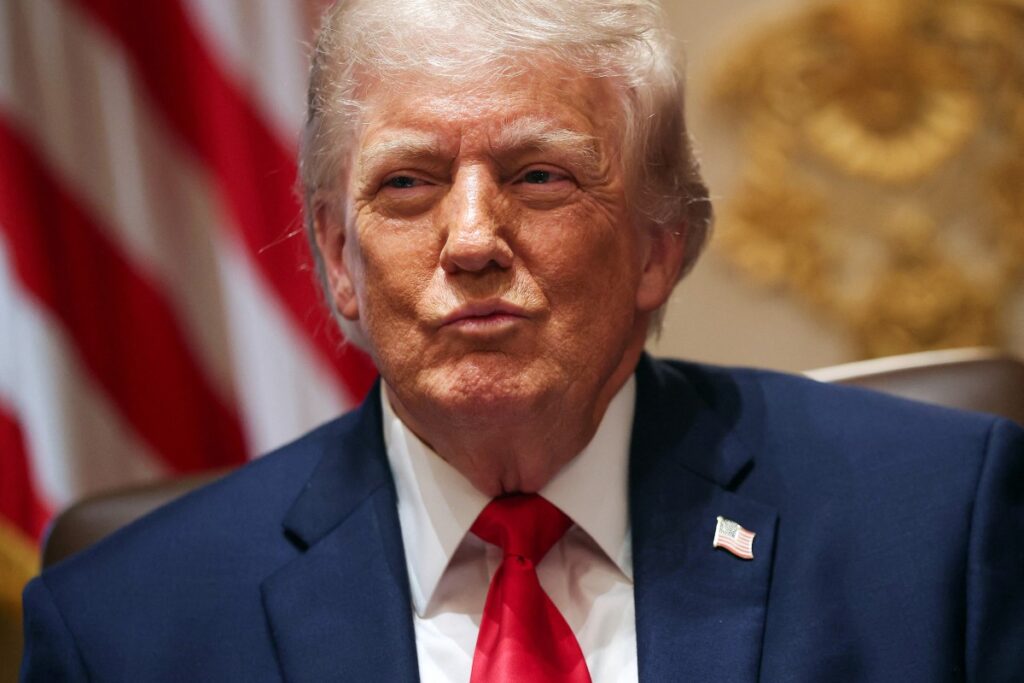
    What was supposed to be a star-studded national celebration marking the 250th anniversary of U.S. independence has devolved into a public relations fiasco for the Trump White House, with three additional high-profile musical acts withdrawing from the event series on Friday, all citing deepening political polarization as their core reason for exiting. The mass exodus has left the once-promised lineup gutted, with only a handful of lesser-known, decades-past-their-prime acts remaining on the official roster.

    The Trump administration had initially positioned the concert series, scheduled to run between June 25 and July 10 on Washington’s iconic National Mall, as a nonpartisan, unifying tribute to American history. But the event has been unraveling for days, as performer after performer has walked away from their commitments. Friday’s departures pushed the crisis to a new head: 1980s glam rock icon Bret Michaels, beloved country hitmaker Martina McBride, and the legendary soul group Commodores became the latest big names to confirm their exit. Just five days after the full initial lineup was announced, only four of the nine originally named acts remain attached to the project.

    The surviving acts are far from the A-list headliners the administration had originally hoped to showcase. They include 1990s rapper Vanilla Ice, 1990s dance collective C+C Music Factory, early 2000s hip-hop artist Flo Rida, and the remaining surviving member of disgraced 1980s pop duo Milli Vanilli — none of which have cracked mainstream music charts with a new hit in more than a decade.

    Michaels, the frontman of Poison, the rock band behind the 1980s power ballad classic *Every Rose Has Its Thorn*, shared his decision in a public Facebook post, framing the exit as a matter of principle for his apolitical brand of performance. “My shows have never been about politics. They’re about giving people a place to come together, have a great time and forget about life’s stresses for a few hours,” he wrote. “Unfortunately, what was presented to us as a celebration of our country has evolved into something much more divisive than what I agreed to be a part of.”

    McBride echoed that sentiment in a post to her fans on X, noting that the organizers’ claims of nonpartisanship turned out to be misleading. “I was presented with an opportunity to perform at a nonpartisan event but that turned out to be misleading,” she said. The two singers join a growing list of artists that have walked away from the Freedom 251 celebration series, which includes 1980s rap staple Young MC, and funk group Morris Day and the Time, famous for their collaboration with the late music icon Prince. The Commodores, in their own Instagram statement announcing their exit, added a note of broader purpose: “We support the betterment of all Americans.”

    While Freedom 250 organizers continue to claim the event is strictly nonpolitical, critics have pointed out that Trump has openly worked to tie the anniversary celebrations to his own political brand and personal milestones. The most high-profile example of this is a planned ultra-violent mixed martial arts event scheduled for June 14 — Trump’s 80th birthday — that will be hosted in a custom-built arena constructed on the White House South Lawn.

    As the roster collapses, Democrats have seized on the fiasco to mock the Trump administration. On Friday, the Democratic Party posted a visual of the original nine announced performers to X, marking the five withdrawn acts with bold black Xs to highlight the extent of the exodus.

    In a stark contrast to the Trump administration’s troubled celebration, Washington D.C. saw a far different demonstration of political concert organizing just this week. On Wednesday night, Bruce Springsteen — one of Trump’s most prominent and outspoken celebrity critics — announced a star-studded pro-democracy concert, the Power to the People Festival, scheduled for the Washington area this October. The lineup already features a slate of A-list acts including Foo Fighters, Dave Matthews, legendary folk activist Joan Baez, and pioneering political hip-hop group Public Enemy, with no signs of last-minute withdrawals to date.

  • Dominican Police and U.S. Embassy open liaison office to combat organized crime

    Dominican Police and U.S. Embassy open liaison office to combat organized crime

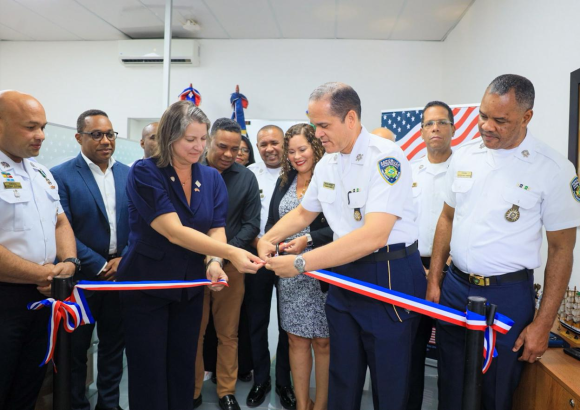
    In a significant step toward strengthening bilateral security cooperation, the Dominican National Police and the Narcotics Affairs and Law Enforcement (INL) division of the U.S. Embassy in the Dominican Republic have opened a dedicated liaison office at the Dominican police headquarters in Santo Domingo. The new facility is designed to accelerate joint efforts to dismantle transnational organized criminal networks and advance the Dominican Republic’s national police modernization agenda.

    The official inauguration ceremony was marked by the signing of a formal memorandum of understanding between Andrés Modesto Cruz Cruz, Director General of the Dominican National Police, and Rebeca Márquez, head of the U.S. INL mission in the country. This agreement lays out a framework to expand collaborative strategic projects, deliver targeted technical assistance, and scale up specialized law enforcement and security training programs for Dominican personnel.

    Speaking at the event, Márquez highlighted that the dedicated liaison office will remove long-standing coordination barriers between the two agencies, directly boosting their collective operational capacity to disrupt cross-border criminal activity. She specifically acknowledged the proactive partnership and extensive logistical support provided by senior Dominican police leadership and the country’s Criminal Investigations Directorate (Dicrim) throughout the process of establishing the new office.

    In his remarks, Cruz Cruz extended gratitude to the U.S. government and the INL for their sustained commitment to the Dominican Republic’s ongoing police reform initiative. He underscored that structured international collaboration and access to specialized professional training are irreplaceable tools for strengthening Dominican law enforcement’s institutional capacity. Ultimately, these investments, Cruz Cruz noted, will enable the national police to deliver a more efficient, transparent, and professional public service centered on improving citizen safety across the country.

  • Westmoreland attorneys demand Gov’t prioritise restoration of parish court

    Westmoreland attorneys demand Gov’t prioritise restoration of parish court

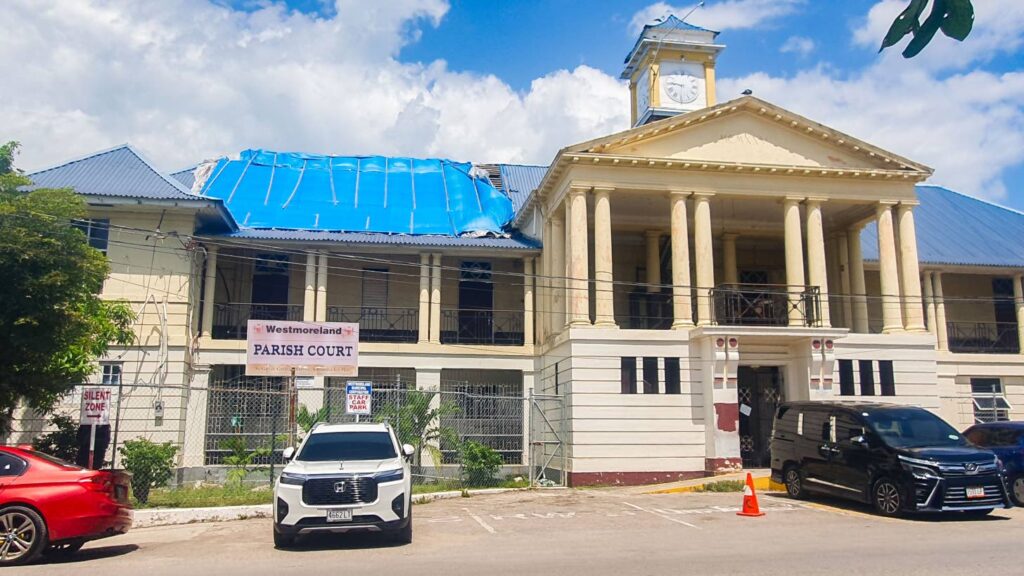
    WESTMORELAND, Jamaica – Jamaica’s legal community in the parish of Westmoreland has raised urgent concerns amid emerging reports that the national government is re-evaluating its commitment to repairing and rehabilitating the damaged Westmoreland Parish Court building. Nearly a year after Hurricane Melissa swept through the region in October last year, the ongoing lack of functional court infrastructure has thrown the local justice system into disarray, prompting a formal appeal from practicing attorneys in the area.

    In an official statement released to the public Friday, the group of local legal professionals outlined the cascading challenges that have plagued court operations since the storm destroyed the original parish court facility. In the aftermath of the hurricane, all Circuit Court proceedings were forced to relocate to the neighboring parish of Hanover, while remaining parish court business is being run out of severely undersized, inadequate temporary accommodations in Whithorn.

    The attorneys emphasized that the current crisis extends far beyond mere inconvenience; it poses a fundamental threat to equal access to justice and public trust in Jamaica’s judicial system. The temporary court spaces suffer from chronic overcrowding, with far too little room to accommodate the growing volume and increasing complexity of legal matters. In many cases, sittings are forced to run well into the night, often extending as late as 9:00 PM or later for court staff and all parties involved.

    Most alarmingly, the group noted, hundreds of local parish court cases have yet to go to trial since the hurricane hit, and the growing backlog shows no signs of easing. The disproportionate burden of this breakdown falls heavily on ordinary litigants, many of whom already face financial hardship.

    “Many have to travel outside the parish at additional expense, lose workdays, arrange childcare and incur costs they cannot afford simply to access the courts,” the statement read. The attorneys stressed that justice cannot be treated as a luxury reserved exclusively for Jamaicans with the means to pay for delayed proceedings. When access to the courts is undermined, it is the most vulnerable members of the community that are pushed to the margins and left without legal recourse.

    Jurors fulfilling their mandatory civic duty also face unfair burdens, the group added. Most are required to travel to out-of-parish court facilities at their own cost just to await selection for trials, creating an unnecessary financial barrier that discourages civic participation. Even practicing legal professionals are not spared from the disruption: attorneys now spend hours each week traveling between courthouses to represent their Westmoreland-based clients, cutting into critical time that should be spent case preparation and client support.

    Closing their appeal, the legal fraternity reaffirmed that all residents of Westmoreland are entitled to a justice system that is accessible, efficient, and consistent with the basic dignity of the judicial process. They are calling on national and local authorities to move the restoration of the Westmoreland Parish Court to the top of their priority list, and to publish a clear, binding timeline for the completion of work and the return of full court operations to the parish.