分类: politics

  • Bahamas wants formal visa treaty with United States

    Bahamas wants formal visa treaty with United States

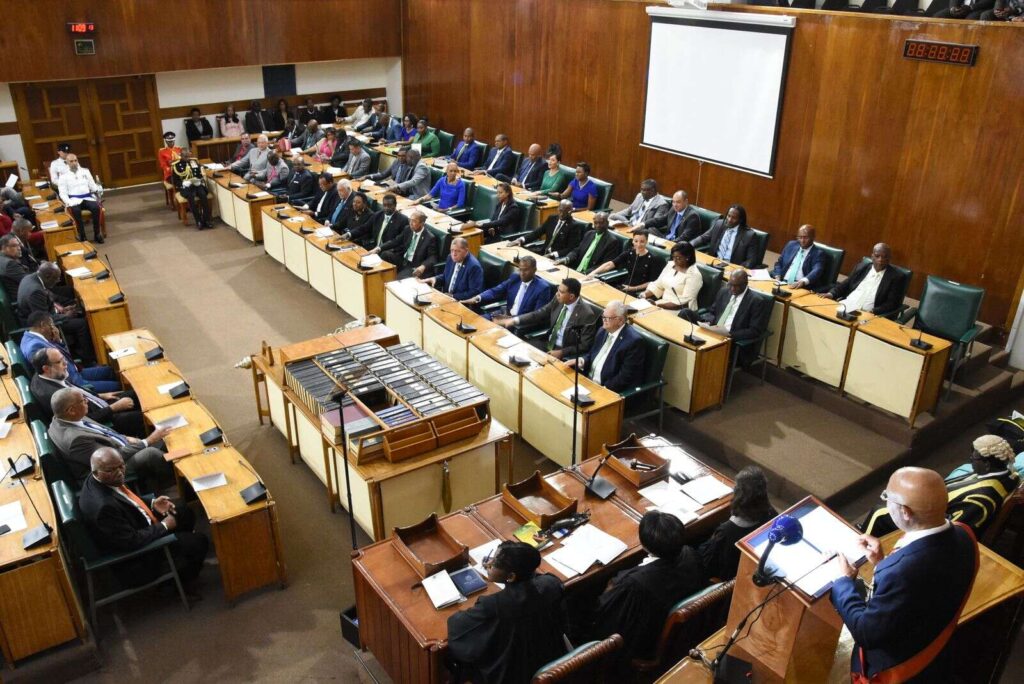
    NASSAU, Bahamas — The Bahamian government has formally proposed establishing a visa-free travel treaty with the United States, marking a significant diplomatic initiative amid changing U.S. migration policies. Foreign Affairs Minister Fred Mitchell presented the proposal during parliamentary debates on the Smuggling of Migrants Bill, 2025, highlighting its heightened importance given recent U.S. immigration enforcement measures.

    Minister Mitchell revealed that preliminary discussions have already occurred with U.S. officials, emphasizing that visa-free access would represent a natural progression in bilateral relations. ‘Bahamians have consistently expressed desire for streamlined travel to the United States,’ Mitchell stated before Parliament. ‘In previous diplomatic engagements, I’ve suggested we formally propose a treaty establishing visa-free access for Bahamian citizens.’

    The minister contextualized the proposal within contemporary challenges, noting that ‘in this era of climate emergencies and displacement, the movement of 400,000 Bahamians would have negligible demographic impact on the United States.’ However, he stressed that any migration must occur through legal channels, stating firmly that ‘lawful entry remains paramount—no nation should condone unlawful border crossings.’

    Current protocols allow Bahamians to enter the U.S. without visas when departing directly from The Bahamas, provided they possess clean criminal records. However, those transiting through third countries still require formal visa documentation.

    The simultaneous advancement of the Smuggling of Migrants Bill, 2025 demonstrates The Bahamas’ commitment to aligning its legislation with international standards. Mitchell characterized the bill as essential for ensuring The Bahamas isn’t perceived as facilitating unlawful migration to other nations, particularly as the United States intensifies enforcement under President Trump’s administration, which recently pledged to restrict migration from numerous developing nations.
  • Hope, scepticism as Trinidad and Tobago doctors bound for Guyana

    Hope, scepticism as Trinidad and Tobago doctors bound for Guyana

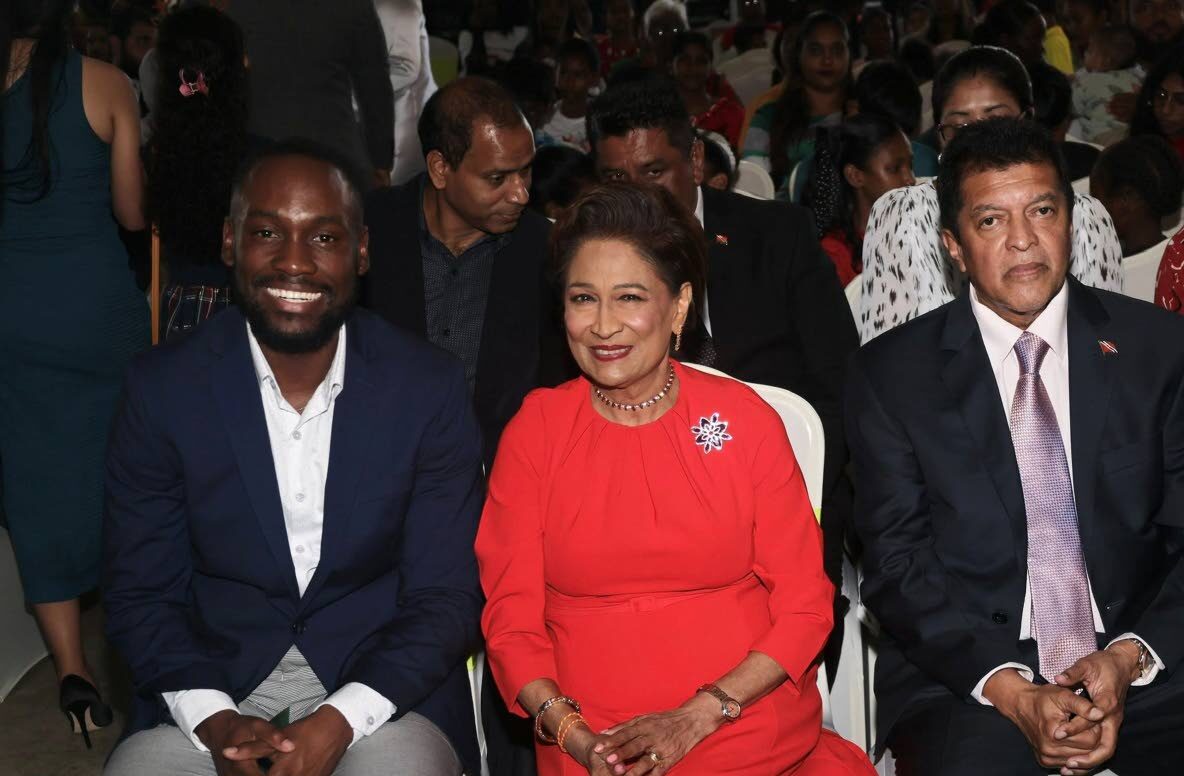
    In a significant development for Caribbean regional cooperation, Trinidad and Tobago has initiated a groundbreaking medical partnership with Guyana. Prime Minister Kamla Persad-Bissessar announced during the Couva Children’s Hospital re-dedication ceremony that approximately 50 Trinidadian doctors will form the inaugural contingent heading to Guyana.

    The Prime Minister revealed that while the Couva facility was originally envisioned as a regional medical hub, Guyana’s substantial investments in healthcare infrastructure have created new opportunities for collaboration. “Guyana will hire doctors from Trinidad and Tobago because we have so many well-trained doctors,” Persad-Bissessar stated, highlighting the surplus of medical professionals in her country.

    This initiative follows Guyana’s massive GY$4.6 billion investment in medical infrastructure, including a new 50-bed hospital in the Moruca Region equipped with advanced diagnostic technology, surgical facilities, and local oxygen production capabilities.

    The announcement has been met with enthusiasm by early-career medical professionals in Trinidad and Tobago. An anonymous neurosurgery trainee welcomed the initiative, noting the current market challenges where many junior doctors face unemployment or temporary contracts without benefits. Similarly, a young optometrist expressed hope that this would provide much-needed stability, acknowledging that “the industry isn’t expanding as fast as the students are graduating.”

    However, the initiative has raised concerns among nursing professionals. Idi Stuart, president of the Trinidad and Tobago Registered Nurses Association, warned of potential negative consequences for the nursing sector. While acknowledging the doctor surplus, Stuart emphasized the existing nursing shortages in specialized areas and expressed concern that competitive Guyanese salaries might attract Trinidadian nurses, exacerbating local shortages.

    Stuart questioned the allocation of educational resources, suggesting that funding should be redirected from medical programs to address nursing shortages. He criticized the approach of training professionals for export while the country faces financial constraints, stating that Trinidad and Tobago should be more judicious in aligning educational investments with domestic needs.

    The partnership represents both an opportunity for regional cooperation and a complex challenge in balancing domestic healthcare needs with international diplomatic initiatives.

  • Speaker clears PM in ‘cuff down’ remark

    Speaker clears PM in ‘cuff down’ remark

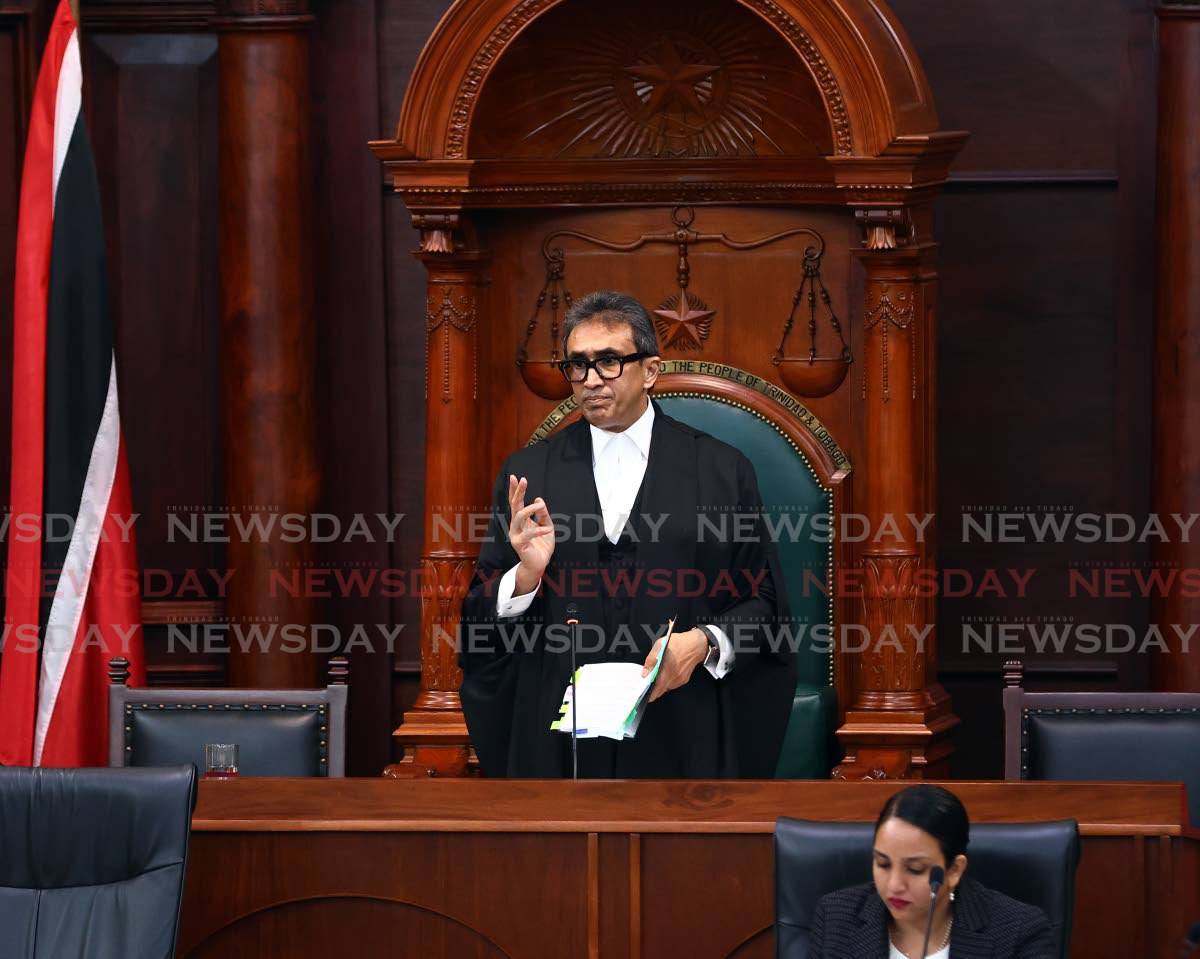
    In a significant parliamentary development, Speaker Jagdeo Singh has formally dismissed a privilege motion initiated by Diego Martin North East MP Colm Imbert against Prime Minister Kamla Persad-Bissessar. The Speaker’s ruling, delivered on December 9 following extensive deliberation, characterized the contentious exchange as “stillborn” due to its inherently lighthearted nature during the November 21 parliamentary session.

    Speaker Singh’s comprehensive judgment emphasized that the verbal exchange between the political leaders was widely perceived as casual banter rather than a serious constitutional breach. The ruling further clarified that no substantive evidence indicated intentional obstruction or impediment of parliamentary duties, thereby negating the grounds for privilege violation proceedings.

    The controversy originated from a heated moment during parliamentary proceedings when Prime Minister Persad-Bissessar cautioned Imbert against gesturing toward her, stating, “Because I will cuff you down” in response to his defiant “Why not?” retort. Government Business Leader Barry Padarath subsequently accused Imbert of deliberately provoking the Prime Minister and instigating the conflict—an allegation Imbert has consistently denied.

    This ruling represents a significant precedent in Trinidad and Tobago’s parliamentary protocol, reinforcing the distinction between informal interpersonal exchanges and substantive breaches of parliamentary privilege. The decision underscores the Speaker’s role in maintaining decorum while recognizing the occasional inevitability of political tensions within legislative debates.

  • Mayne files suit against Integrity Commission

    Mayne files suit against Integrity Commission

    KINGSTON, Jamaica — A significant constitutional confrontation has emerged between Jamaica’s parliamentary system and its anti-corruption watchdog. Government MP Zavia Mayne, representing St Ann South West, has initiated Supreme Court proceedings against the Integrity Commission and three of its senior directors: Craig Beresford, Roneiph Lawrence, and Kevon Stephenson.

    The legal challenge, filed as an application for judicial review on Monday, represents a direct response to an investigative report presented to the House of Representatives last week. That document had recommended criminal charges against Mayne for allegedly failing to disclose financial information regarding companies with which he maintains associations, without demonstrating reasonable cause for such omission.

    At the heart of Mayne’s constitutional argument lies a multi-faceted legal offensive. The parliamentarian seeks to invalidate both the investigation report dated July 14, 2025, and the subsequent ruling from the director of corruption prosecution that he face charges under Section 43(1)(b) of the Integrity Commission Act.

    The suit advances several substantive claims regarding constitutional overreach. Mayne contends the commission violated his right to privacy through unauthorized disclosure of investigative details, including personal information and the fact that his case had been referred to prosecutors. These actions, the filing argues, directly contravened constitutional protections enshrined in Sections 13(3)(j)(ii) and 13(3)(j)(iii) of Jamaica’s Charter of Fundamental Rights and Freedoms.

    Furthermore, court documents reveal Mayne’s assertion that the commission breached principles of natural justice by issuing adverse recommendations without affording him adequate opportunity to respond—a procedural requirement mandated by both common law and Section 16(2) of the Charter. The MP characterizes the investigative process as fundamentally flawed, describing the findings as “unfair, unreasonable and irrational” while claiming violation of his legitimate expectation to procedural fairness.

    The comprehensive legal action seeks multiple declarations regarding violations of natural justice principles. Additionally, Mayne is pursuing substantial financial compensation including stigma damages, aggravated and vindicatory damages, compensation for negligent investigation, and full legal costs—creating a potentially precedent-setting case regarding the limits of anti-corruption authorities’ powers.

  • Mexico president confident of deal with US on water dispute

    Mexico president confident of deal with US on water dispute

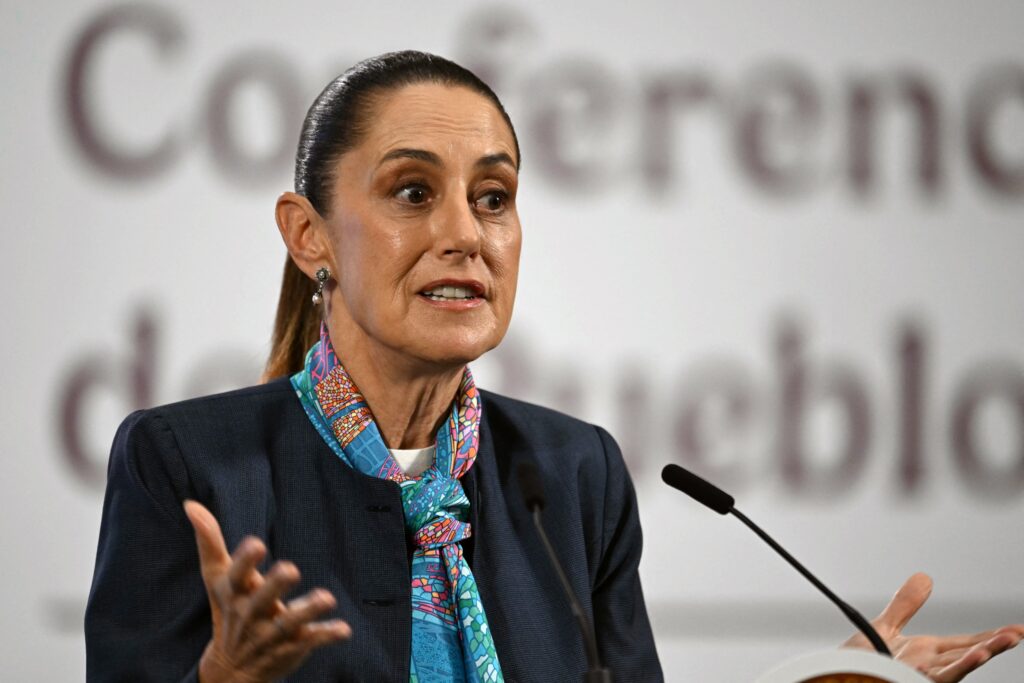
    MEXICO CITY—Mexican President Claudia Sheinbaum expressed optimism on Tuesday regarding the resolution of a bilateral water-sharing conflict with the United States, despite recent sanctions threats from former President Donald Trump. Speaking at a press conference, Sheinbaum emphasized her confidence in reaching a mutually beneficial agreement, drawing parallels to previous successful negotiations between the two nations.

    The dispute centers on the 1944 water treaty, which mandates cross-border water exchanges between the Colorado River and the Rio Grande. Trump alleged that Mexico has failed to deliver approximately 800,000 acre-feet of water owed to the U.S., demanding immediate repayment of a quarter of this volume by year-end under the threat of imposing a new 5% tariff.

    Mexican officials are scheduled to meet with U.S. counterparts to address the issue. While acknowledging delays in water deliveries over the past five years, Mexico attributes the shortfall to severe drought conditions in 2022 and 2023. Sheinbaum highlighted logistical constraints, noting that existing pumping infrastructure cannot physically accommodate the rapid water transfer demanded by Trump.

    The tension arises alongside Trump’s announcement of a $12 billion aid package for U.S. farmers affected by his trade policies. This marks the second time Trump has threatened economic repercussions over water issues, following a similar incident in April that prompted immediate Mexican action.

    Currently, Mexican exports face a 25% tariff unless exempted under the United States-Mexico-Canada Agreement (USMCA), a trade deal negotiated during Trump’s first term and slated for renegotiation in 2026.

  • Countries urged to guarantee and safeguard human rights of citizens

    Countries urged to guarantee and safeguard human rights of citizens

    In a significant joint statement marking the International Day of Human Rights Defenders, the Inter-American Commission on Human Rights (IACHR) and the UN Human Rights Office for Latin America have issued a stark warning regarding the deteriorating environment for civic engagement across the Americas. The organizations are calling for urgent state action to protect and guarantee open civic spaces free from intimidation and reprisal.

    The IACHR, an autonomous organ of the Organization of American States (OAS), collaborating with its Special Rapporteurship for Freedom of Expression, expressed profound concern over a coordinated trend of actions designed to curtail fundamental rights. These include systematic efforts to limit freedom of association, freedom of expression, and meaningful participation in democratic decision-making processes.

    A primary concern highlighted is the escalating violence targeting activists, which encompasses killings, enforced disappearances, and direct threats intended to instill fear and forcibly halt human rights work. Beyond physical violence, the report details a concerning rise in the strategic use of legal and bureaucratic mechanisms to stifle dissent.

    This includes the arbitrary application of stringent new laws governing the registration and operation of non-governmental organizations. These laws often impose conditions not found in existing legal frameworks, creating a climate of legal uncertainty. Furthermore, states are enacting burdensome financial controls, including strict oversight of international funding sources and the imposition of severe tax penalties that are difficult for civil society groups to meet. In some cases, governments have explicitly restricted the use of foreign grants for essential activities like legal representation, critically hampering access to justice for vulnerable communities.

    The consequences of these measures are severe and tangible. Many organizations have been forced to reduce or completely suspend their activities, close offices, or practice self-censorship. Some defenders have chosen exile as a means of self-protection, while others abstain from participating in international forums for fear of criminalization upon their return.

    The joint statement also condemns the deliberate public delegitimization of human rights work by state actors, who frequently label defenders as ‘terrorists,’ ‘enemies of the state,’ or ‘defenders of criminals.’ This rhetoric further exacerbates risks and validates hostility towards activists.

    The IACHR and UN Human Rights remind states of their binding international obligations. While acknowledging a state’s right to regulate organizations, they emphasize that such regulations must not prevent, delay, or restrict their creation or operation. They explicitly affirmed that the right to freedom of association includes the right to seek, receive, and utilize resources—including foreign funding—without prior authorization or undue impediments.

    The organizations concluded that the protection of human rights defenders is ultimately a test of political will and institutional capacity, underscoring that their work is indispensable for strengthening democracy and the rule of law across the hemisphere.

  • ‘Knockout blow’

    ‘Knockout blow’

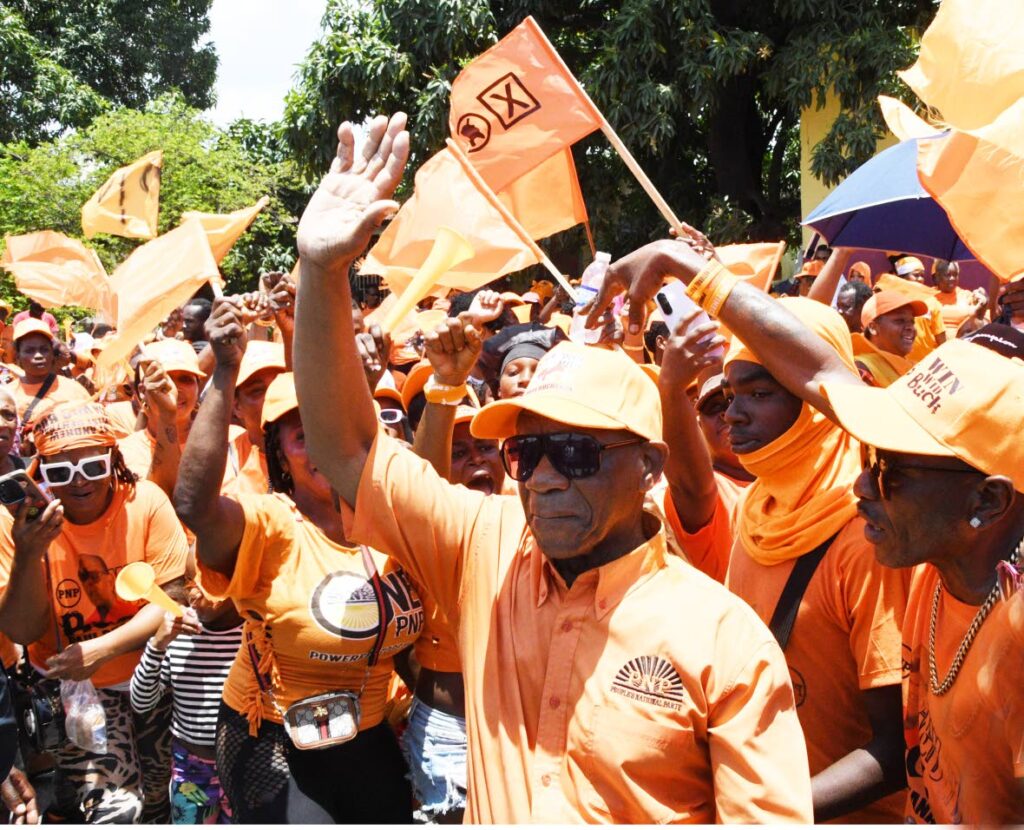
    In a decisive ruling with significant implications for Jamaica’s electoral integrity, the Supreme Court has dismissed a judicial review application filed by Paul Buchanan, a People’s National Party (PNP) parliamentary aspirant. The case centered on Buchanan’s challenge of the September 3, 2025 General Election results in St Andrew West Central, where he lost to incumbent Prime Minister Andrew Holness by approximately 2,000 votes.

    Presiding Justice Sonya Wint-Blair delivered the landmark judgment, emphasizing that Buchanan’s application was fundamentally undermined by procedural delays that violated Jamaica’s strict electoral timelines. The court determined that the 13-day gap between the election and Buchanan’s formal complaint to the Constituted Authority—the body responsible for investigating electoral irregularities—constituted a critical failure to adhere to statutory requirements.

    Buchanan had alleged substantial electoral malpractices including double voting, voter intimidation, and compromised ballot integrity—particularly in PNP strongholds. He further claimed that election officials surreptitiously altered agreed-upon transportation routes for ballot boxes, directing them to ‘volatile and hostile’ areas. Additionally, he cited organized disruptions by opposing supporters who allegedly blared music near polling stations to intimidate voters.

    The Constituted Authority had previously rejected Buchanan’s request on September 30, 2025, determining that the alleged irregularities failed to meet the threshold established under Section 37(e) of the Election Petitions Act. Buchanan subsequently sought judicial review of this decision on October 8, 2025.

    Justice Wint-Blair’s ruling highlighted several crucial aspects of Jamaican electoral law: The Authority must apply to the Election Court within 28 days of polling, while candidates have merely 21 days after results declaration to file petitions. The judge noted that Buchanan’s legal team provided no justification for their delayed action, rendering their application ‘statute-barred’ and effectively futile.

    The court also addressed broader constitutional principles, noting that electoral matters require finality to protect the legitimacy and certainty of democratic outcomes. While acknowledging the seriousness of electoral fraud allegations, Justice Wint-Blair emphasized that procedural compliance cannot be compromised even when substantive claims are raised.

    Legal representatives for both sides presented extensive arguments. Buchanan’s attorney Hugh Wildman contended that the Authority applied incorrect standards of proof and that delay shouldn’t preclude judicial review. However, Deputy Solicitor General Lisa White successfully argued that Buchanan had ‘imported a procedure not contemplated by the Act’ and that the judicial review sought would constitute merely ‘an academic exercise’ given the expired statutory deadlines.

  • Members of Parliament to receive training on filing statutory declarations

    Members of Parliament to receive training on filing statutory declarations

    In a significant move to bolster governmental transparency, Jamaica’s House of Representatives will conduct mandatory training for all Members of Parliament on Tuesday, December 16th. Speaker Juliet Holness announced the session will commence at 10:00 AM in the parliamentary chamber, following collaborative discussions with the Integrity Commission.

    The comprehensive training initiative aims to provide detailed guidance for completing statutory financial declarations, which all parliamentarians must submit by the statutory deadline of December 31st, 2025. Holness emphasized that the program is designed to strengthen compliance mechanisms and ensure every representative is thoroughly prepared to fulfill their legal obligations accurately.

    ‘This session will provide essential guidance for the proper completion of statutory declarations due December 31st,’ Holness stated. ‘This initiative supports transparency, strengthens compliance, and ensures all members are fully equipped to meet the requirements set before us.’

    The training assumes particular importance for first-term parliamentarians who may lack previous experience with the declaration process. However, the Speaker noted that even seasoned legislators would benefit from refreshed guidance, providing ‘greater certainty regarding how we complete these declarations and conduct our reporting.’

    Statutory declarations serve as critical anti-corruption instruments, requiring detailed disclosure of assets, income, liabilities, and financial interests. The Integrity Commission has consistently advocated for enhanced compliance and more precise reporting from public officials in recent years.

    This training initiative emerges amid heightened public scrutiny of political accountability mechanisms across the Caribbean region. Recent corruption allegations have intensified demands for stronger oversight of elected officials, making the parliamentary session particularly timely. Holness concluded that Parliament must ‘lead by example’ in demonstrating commitment to ethical governance and financial transparency.

  • Top directies en onderdirecties opzij in omvangrijke herschikking MinOWC

    Top directies en onderdirecties opzij in omvangrijke herschikking MinOWC

    The Ministry of Education, Science and Culture (MinOWC) in Suriname has implemented a comprehensive administrative restructuring, resulting in the removal of eight senior officials from their positions. This significant reorganization affects multiple directorates including General Education, Higher and Scientific Education, Technical Services, and Personnel Affairs.

    The ministerial decision follows an extensive review of both policy frameworks and administrative structures within the education sector. Internal assessments and recent Quick Scan evaluations revealed structural inefficiencies necessitating strategic realignment of leadership positions.

    Among those relieved of their duties are: the Director of General Education, Acting Director of Higher and Scientific Education, three deputy directors (Technical Services, General & Personnel Affairs, and Development Service), the Deputy Director of Vocational Education, and the Acting Head of Personnel Affairs. Additionally, the Director of Culture has been reassigned to an international diplomatic post.

    Interim appointments have been made to ensure operational continuity:
    – Gracia Ormskirk assumes role as Acting Director of General Education
    – Haidy Lindveld appointed Acting Director of Higher and Scientific Education
    – Johannes Abielie named Acting Deputy Director of Technical Services
    – Lindsay Vrij takes position as Acting Deputy Director of General and Personnel Affairs
    – Farcia Sastrowitomo appointed Acting Deputy Director of General Education
    – Rubiëlla van Hekelen assumes role as Acting Head of Basic Education Bureau

    The ministry has announced internal recruitment procedures will soon commence for two critical vacancies: Deputy Director of Development Service and Deputy Director of Vocational Education. This restructuring represents one of the most significant administrative overhauls within Suriname’s education sector in recent years, signaling a transformative period for the nation’s educational governance.

  • Everton Jeffers Confirmed as Commissioner of Police

    Everton Jeffers Confirmed as Commissioner of Police

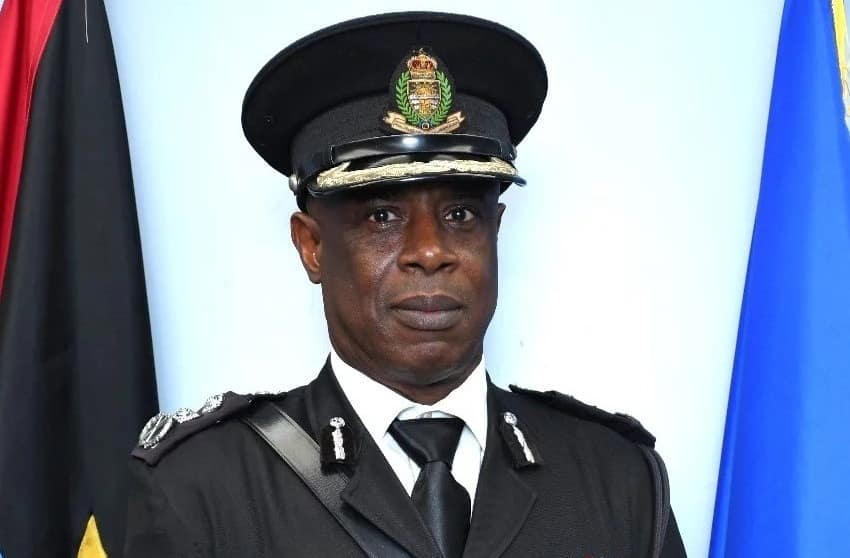
    In a significant law enforcement leadership transition, the Royal Police Force of Antigua and Barbuda has formally appointed Mr. Everton Jeffers as its Commissioner of Police. The confirmation, announced on December 8, 2025, solidifies a position he had occupied in an acting capacity since November 21, 2025.

    Commissioner Jeffers assumes command following the retirement of his predecessor, Atlee Rodney, who concluded a distinguished forty-year career with the police force earlier this year. Mr. Rodney, who served six years as Commissioner after his appointment in November 2019, has transitioned to a new role as Deputy Director of the Regional Security System (RSS).

    Marking a historic milestone, Jeffers becomes the eleventh individual to hold the esteemed position of Commissioner. His appointment is backed by an impressive four-decade tenure within the Force, characterized by exceptional professionalism and an unwavering dedication to national security and public welfare.

    In his inaugural address, Commissioner Jeffers expressed profound humility at his selection. “I am truly humbled to be given this task to lead this noble organization,” he stated, adding, “I can assure the people of this nation that I am committed to continue giving my best service to the nation of Antigua and Barbuda.”

    The newly confirmed Commissioner extended gratitude to his family, colleagues, and supporters for their steadfast encouragement during his provisional leadership. He also paid tribute to Retired Commissioner Rodney for his exemplary national service and wished him success in his regional security position.

    Concurrent with this appointment, the Police Administration announced the promotion of Superintendent Louisa Benjamin Quashie to Deputy Commissioner of Police, effective the same date. This elevation was part of broader organizational realignments that included several other senior officer promotions within the force’s command structure.

    The police leadership has formally congratulated Commissioner Jeffers, Deputy Commissioner Benjamin Quashie, and all newly promoted officers, expressing confidence in their capabilities to uphold national security and serve the citizens of Antigua and Barbuda effectively.