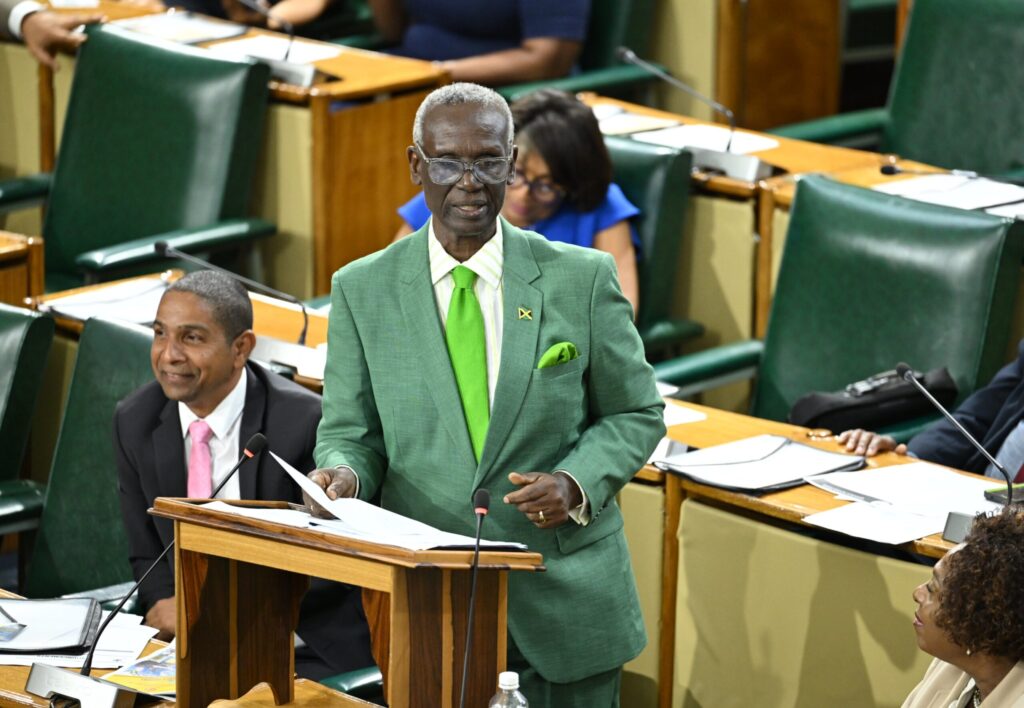
KINGSTON, Jamaica – As Jamaica enters the annual Atlantic hurricane season, the country’s Minister of Local Government and Community Development Desmond McKenzie has unveiled a multi-pronged investment package to strengthen the island’s emergency disaster preparedness infrastructure, headlined by a fresh $60 million allocation to upgrade existing emergency shelters across the nation’s 14 parishes. McKenzie made the announcement Wednesday during his address to the 2026/27 Sectoral Debate in Jamaica’s House of Representatives, outlining that the new funding will immediately go toward upgrading conditions in municipal-run emergency shelters islandwide. The allocation will be used by local municipal corporations to procure essential comfort items including new blankets, cots, and bedding to improve living conditions for residents forced to evacuate their homes during storm events. Describing the funding as the first major preparedness investment released as the hurricane season gets underway, McKenzie emphasized the government’s commitment to keeping vulnerable communities safe through proactive infrastructure investment. Beyond the immediate upgrade funding, McKenzie outlined a transformative new long-term strategy for emergency shelter management that shifts away from Jamaica’s historical practice of activating scattered small venues during storm events. Going forward, the government will construct purpose-built large-scale regional emergency shelters in three high-risk parishes, designed to accommodate hundreds of evacuees in safe, comfortable conditions. The first three purpose-built shelters will be located in the parishes of Clarendon, St Elizabeth, and Westmoreland, with a total estimated project cost of $1 billion. Each facility will span roughly 10,000 square feet and have capacity to house up to 700 evacuees at full occupancy. Unlike ad-hoc emergency shelters that are repurposed from schools or community centers, these new facilities will be engineered to withstand severe hurricanes and earthquakes, fitted with modern energy-efficient systems, and include year-round usable community amenities that benefit local residents even when no emergency is declared. McKenzie also provided a progress update on a separate permanent housing project for displaced shelter residents in Shrewsbury, Westmoreland, a community that has faced repeated displacement from extreme weather. He confirmed that 10 of the 16 reinforced concrete foundations required for the new permanent housing units have already been completed. The prefabricated housing units themselves are currently held by the Jamaica Defence Force and are scheduled to be transported to the site in the near future. Once construction is fully completed, all pre-registered displaced residents will move into the new government-provided housing units, resolving long-term displacement issues for the affected community. To further strengthen front-line disaster response capacity ahead of the full peak of hurricane season, McKenzie announced that 200 young Jamaican workers will be deployed to the Social Development Commission and local municipal corporations starting July 1. The young workers will serve across the entire duration of the 2026 hurricane season, working alongside local disaster coordinators to streamline shelter preparedness, run public outreach campaigns to inform residents of evacuation protocols, and boost overall municipal disaster response capacity across the island. The package of investments and reforms marks one of the most comprehensive overhauls of Jamaica’s emergency shelter system in recent years, as the country faces growing risks from more intense extreme weather linked to climate change.
分类: politics
-
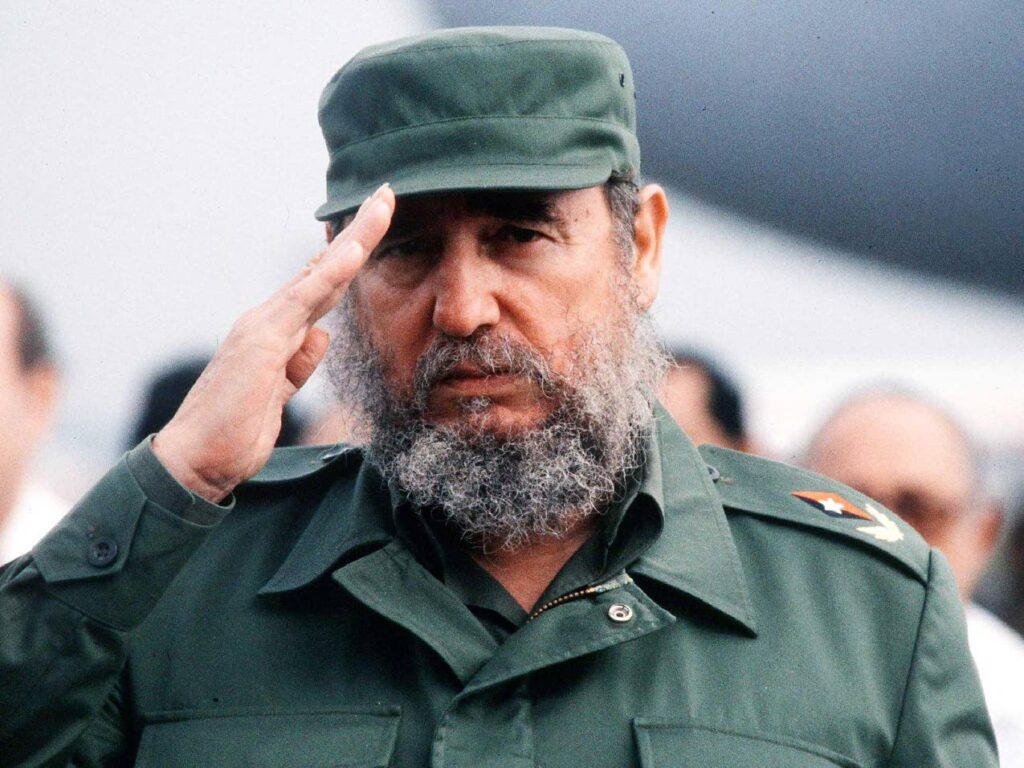
US imposes sanctions on Cuban president, Castro family members
HAVANA, CUBA – In a sharp escalation of long-standing tensions between Washington and Havana, the United States announced a new round of sanctions Thursday targeting Cuban President Miguel Diaz-Canel, his immediate family, senior members of the influential Castro political dynasty, and key state entities, marking the latest aggressive move against the island’s communist government.
The expanded sanctions list includes the son and grandson of former Cuban President Raul Castro, who stepped down from official office years ago but still retains significant behind-the-scenes political influence across the country. Alongside Diaz-Canel, his wife and stepson were also sanctioned, as was Cuba’s Ministry of the Revolutionary Armed Forces and multiple other state-linked organizations.
Cuba has operated under a sweeping US trade embargo for more than six decades, dating back to 1962. But in the final months of his first presidential term, then-President Donald Trump drastically intensified American pressure, slashing the island’s access to critical fuel supplies and openly floating the possibility of seizing control of the territory.
The Trump administration justified the escalating measures by claiming Cuba’s communist government poses a direct national security threat to the United States. Following the US-backed ousting of Venezuelan socialist leader Nicolas Maduro in January and the rollout of a harsh new pressure campaign against Iran, Trump repeatedly signaled Cuba would be the next target for regime change.
Speaking to reporters Thursday, Trump alluded to this timeline, saying: “We’ll take care of the Islamic Republic of Iran, and as soon as that’s done, on our way back, we’ll just make a little brief stop over.” Despite this open threat, he denied the new sanctions – which came shortly after the US issued a murder indictment against Raul Castro and blacklisted a military-controlled conglomerate that dominates much of Cuba’s economy – were designed to force a rapid collapse of the Cuban government.
Washington had already placed travel bans on Diaz-Canel and his family barring entry to the US the previous year.
In a post on the social platform X, Diaz-Canel pushed back against the new measures, accusing Trump of seeking to “strengthen the blockade and scenario of conflict between Cuba and the United States.” He vowed that the Cuban people would “resist the imperialist onslaught.” Cuban Foreign Minister Bruno Rodriguez echoed this defiance, describing the sanctions as “vile” and affirming they would only be met with “greater unity and determination from our people.”
Trump framed the US actions as a push for improved conditions for ordinary Cubans, telling reporters at the White House that he simply wants Cuba to become “a nicely run country that can feed its people.” He added, “But the country is starving, and it’s got no energy, it’s got no oil, it’s got no money, it’s got nothing.” Even as he criticized the government, Trump mused about the island’s potential, noting that Cuba is “a beautiful piece of land” and adding, “You could have beautiful resorts.”
The punitive fuel embargo imposed by the US in January has already sparked a severe humanitarian crisis across Cuba. Without access to diesel for backup generators that prop up the island’s crumbling national power grid, communities face daily blackouts that can stretch up to 22 hours, and widespread tap water shortages have followed. Most public and private transport has ground to a near halt, and critical shortages of food and prescription medication have left the country dependent on emergency aid shipments from allies including Mexico and China.
On the same day the new sanctions were announced, the United Nations’ top representative on the island warned that the already unfolding humanitarian emergency, combined with the start of the annual Caribbean hurricane season, creates an “explosive cocktail” of risk for vulnerable communities. Much of eastern Cuba is still undergoing reconstruction after Hurricane Melissa caused catastrophic damage across the region in October of the previous year.
-

‘Think logically!’
Jamaica’s top diplomat has moved swiftly to quash widespread online and public speculation that the docking of the U.S. Navy’s USS Nimitz at Kingston Harbour is a precursor to hostile military action against neighboring Cuba, framing the deployment as a routine goodwill stop rooted in longstanding bilateral security cooperation.
Addressing reporters at a post-Cabinet press briefing held at Jamaica House in St. Andrew on Wednesday, Foreign Minister Kamina Johnson Smith pushed back on growing conjecture that has circulated since the nuclear-powered supercarrier arrived in Jamaican waters on June 1. The 1,092-foot lead vessel of the Nimitz-class aircraft carrier line, one of the largest active warships on the globe, is scheduled to remain docked through June 5.
Johnson Smith emphasized that the Jamaican government received formal advance notification of the port call, a standard step that would not have occurred if the mission carried covert or aggressive intentions. She argued that U.S. military strategy has never hidden displays of power when coercive messaging is intended, making the transparent, community-focused itinerary of the Nimitz’s visit inconsistent with theories of a threat to Cuba.
“This is a scheduled port visit under an established program of maritime cooperation and goodwill,” she told the briefing. “The crew has been at sea for two and a half months since departing their home port in the United States. I ask our public to think logically: if the U.S. wanted to project menace or threat, they would not waste resources on community receptions, student tours, and recreational matches with local teams. When they have chosen to demonstrate force, they have never been shy about doing so openly.”
The USS Nimitz is currently completing its 11th Southern Seas tour, a routine deployment designed to build diplomatic ties and strengthen maritime security partnerships across South America and the Caribbean. Per details from the U.S. Embassy in Kingston and Jamaican defense officials, the port call underscores the expanded security cooperation between the U.S. and Jamaica that has advanced during the Trump administration.
But the timing and location of the stop have stoked public anxiety. The closest stretch of Cuba’s coastline sits just 195 to 200 nautical miles from Jamaica, and U.S.-Cuba relations are currently at their most tense in decades, marked by intensified economic sanctions including a national fuel blockade, a controversial U.S. indictment of former Cuban leader Raúl Castro, and public statements from senior U.S. officials labeling Cuba a “failed state.” These factors combined to lead many observers to frame the supercarrier’s arrival as an intentional show of force ahead of potential action against Cuba.
Johnson Smith rejected this narrative outright, noting that the deployment has already made stops at 10 other regional ports before arriving in Kingston. “If this was a sensitive covert mission to advance U.S. national interests against another country, they would not need to make a dozen stops across the region to reach Jamaica,” she added. “This is nothing more than a mission of goodwill and friendship between our two nations.”
Beyond security diplomacy, Johnson Smith highlighted that the visit carries tangible economic benefits for Jamaica, drawing global attention to the country’s status as home to the seventh-largest natural harbor in the world. The stop showcases Jamaica’s ability to accommodate large commercial and military vessels, a major selling point for the island’s maritime and tourism sectors, which will receive a direct economic boost from the 4,000 U.S. sailors visiting shore leave during the dockings.
She also underscored that the warship, while a military vessel, is a uniquely flexible asset for regional peace and humanitarian response. “Diplomacy takes many forms: economic, health, sports, education, and increasingly, defense diplomacy and humanitarian support,” she explained. “The Nimitz is a warship, but it is also a vessel of peace, equipped to deliver clean water, food supplies, and emergency disaster relief at short notice when hurricanes or other crises strike the region – a role it has filled repeatedly throughout its service life.”
Adding a personal, community-focused touch to the visit, Johnson Smith noted that 19 Jamaican-American sailors are currently assigned to the Nimitz’s crew, a reflection of the deep people-to-people ties between the two countries. “It is incredibly exciting to see members of our diaspora serving in specialized and general roles aboard this vessel, demonstrating that Jamaicans excel everywhere they go,” she said. “They are thrilled to have the chance to come ashore, reconnect with their heritage, and rekindle family and community ties during this stop.”
-

Duartian Institute honors Ramón Matías Mella on 162nd anniversary of his death
In a solemn ceremony held at the Altar of the Fatherland in the heart of Santo Domingo, the Duartian Institute gathered this week to pay tribute to one of the Dominican Republic’s most revered founding fathers, Ramón Matías Mella, marking the 162nd anniversary of his passing. The floral commemoration was organized to celebrate and preserve Mella’s irreplaceable contributions to Dominican sovereignty, from his defining work in the push for national independence to his strategic leadership during the Restoration War against Spanish annexation.
Speaking at the memorial event, Duartian Institute President Wilson Gómez Ramírez centered his remarks on Mella’s extraordinary courage, strategic acumen, and unwavering commitment to the Dominican people. He emphasized that when movement founder Juan Pablo Duarte was forced to leave the country amid rising political pressure, Mella stepped into a critical leadership role to keep the Trinitarian independence movement advancing toward its goal of sovereign statehood. Gómez Ramírez also recalled one of Mella’s most important, often understated diplomatic achievements: his mission to secure backing from Charles Hérard, the liberal Haitian leader whose support proved to be a foundational turning point for the Dominican independence project.
Beyond his political and military leadership, the Institute highlighted the lasting institutional and symbolic contributions Mella left to the nation. During the Restoration War, Mella compiled and wrote the Guerrilla Warfare Manual, a text that shaped Dominican resistance efforts against occupying forces and remains a key document in the country’s military history. Perhaps his most iconic act came at Puerta de la Misericordia, where his historic firing of the trabucazo (blunderbuss) served as the official signal that the fight for Dominican independence had begun.
Event speakers also took a moment to reflect on a poignant, little-known chapter of Mella’s life: his final meeting with Duarte in 1864, as his health declined rapidly. In that emotional encounter, the dying patriot made one last request: that he be buried wrapped in the flag of the independent nation he had fought so hard to establish. Today’s tribute organizers stressed that Mella’s legacy remains deeply woven into the national identity of the Dominican Republic, and that annual commemorations like this are critical to ensuring new generations understand the sacrifice and vision that built the modern Dominican state.
-

Abinader enacts Alertas RD Law to accelerate search for missing persons
In a significant step forward for citizen protection and public safety in the Dominican Republic, President Luis Abinader has signed Law 25-26 into effect, formally establishing the National Alert for the Search for Missing Persons, widely known as Alertas RD. This newly launched integrated system is engineered to deliver fast, well-coordinated responses to cases of missing people across every region of the country.
The new legislation lays out a clear legal foundation that enables immediate, widespread sharing of information about individuals who have been reported missing, by uniting the efforts of three key stakeholder groups: national and local government agencies, print, broadcast and digital media outlets, and civil society organizations focused on public safety. Per the requirements outlined in the statute, the Dominican National Police and the Public Ministry are mandated to jointly issue a public alert no later than 24 hours after a disappearance report is filed or a case of imminent danger is confirmed.
To address the unique risks facing different vulnerable groups, Alertas RD operates through four targeted, specialized alert classifications. The Amber Alert category is reserved for missing or abducted children and teenagers, while the Silver Alert designation applies to missing adults over the age of 65. People living with physical or cognitive disabilities are covered under the Blue Alert framework, and Pink Alerts are issued for women facing immediate harm linked to gender-based violence or human trafficking. Once activated, alerts are distributed across a wide network of channels, including major social media platforms, traditional broadcast and print media, ports, airports and bus terminals, public digital platforms, and official police bulletins posted across communities.
Beyond the alert dissemination framework, Law 25-26 also formally establishes the National Registry of Missing Persons, a centralized national database overseen by the National Police. This repository will store critical information including up-to-date photographs of missing individuals, detailed physical descriptions, relevant medical data, and real-time updates on the status of each search, all while putting strict protocols in place to protect the personal privacy rights of everyone included in the system. The law also creates a permanent National Council for the Search for Missing Persons, which is tasked with overseeing the rollout of the new system and facilitating cross-agency coordination between key government institutions involved in search efforts.
To ensure accountability for public servants involved in the process, the new legislation outlines formal penalties for government officials who fail to properly report disappearance cases or intentionally obstruct the standardized search protocols laid out in the law. With the official enactment of Alertas RD, Dominican national officials have outlined clear core goals: to overall boost citizen security across the country, streamline and improve the effectiveness of missing person search operations, and expand protective measures for the vulnerable populations most at risk of disappearance and harm.
-
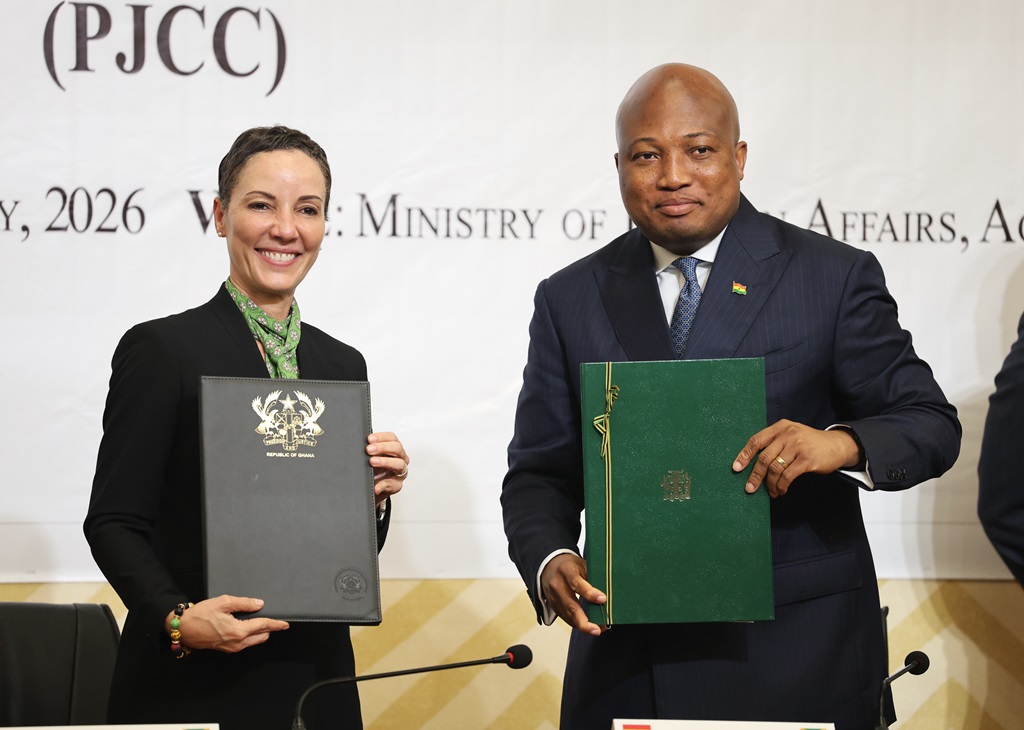
Jamaica, Ghana set new course for cooperation after two decades
After more than two decades of suspended formal collaboration, Jamaica and Ghana have officially restarted their structured bilateral partnership through the reactivation of their Permanent Joint Commission for Cooperation, a framework designed to drive collective progress across seven key sectors: public health, national defense, bilateral trade, air transportation, cultural exchange, and education. The third plenary session of the revived commission wrapped up in Accra, Ghana’s capital, on Tuesday, May 26, 2026, capping four days of intensive bilateral talks with the signing of two binding Memoranda of Understanding (MoUs) focused explicitly on health and defense cooperation.
Speaking following the conclusion of the session, Jamaica’s Foreign Minister Senator Kamina Johnson Smith emphasized that the reactivated commission lays a durable, structured foundation for deepening ties between the two nations, which share deep historical and cultural connections. “Jamaica and Ghana have returned to this cooperation mechanism with a refreshed, shared purpose,” Johnson Smith noted. “After more than 20 years of inactivity, this commission gives us the formal structure to translate our shared history and mutual goodwill into tangible outcomes that improve the lives of people in both our countries.”
The two new signed agreements put this renewed commitment into practical action, covering a wide range of specific collaborative priorities. In the health sector, the partnership will open pathways for the recruitment of skilled Ghanaian health professionals to Jamaica and facilitate cross-border knowledge sharing to strengthen health systems in both nations. For defense and security, the agreement outlines cooperation on disaster response coordination, military engineering capacity building, enhanced maritime security, and joint countermeasures to combat transnational criminal threats.
The signing ceremony was attended by senior official delegates from both governments, including Jamaica’s Minister of Health and Wellness Dr Christopher Tufton and Ghana’s Minister of Health Kwabena Mintah Akandoh. Technical working groups from both sides contributed to months of pre-session negotiations, which were co-chaired by Ambassador Symone Betton Nayo of Jamaica’s Ministry of Foreign Affairs and Foreign Trade and Ambassador Harold Adlai Agyeman of Ghana’s foreign ministry. The session itself closed a 20-year gap in the commission’s formal work, bringing the bilateral partnership back into regular, structured operation.
Beyond the newly signed MoUs, delegates from both nations reached consensus on a broad forward cooperation agenda spanning health, defense, culture, education, air services, trade and investment. This new phase of engagement will be followed by a Jamaican export and business mission to Ghana scheduled for July 2026, which will deepen economic ties between the two markets. The mission will be led by Jamaica’s Minister of Industry, Investment and Commerce Senator Aubyn Hill, and will include private sector delegates from more than 38 Jamaican companies across multiple industries.
Foreign Minister Johnson Smith and her Ghanaian counterpart Samuel Okudzeto Ablakwa have also committed to advancing regular biennial political consultations between the two countries’ foreign ministries to ensure continuous alignment on shared priorities. During her visit to Accra for the session, Johnson Smith was accompanied by a full Jamaican delegation including Jamaica’s High Commissioner to Ghana Lincoln Downer, Honorary Consul Okatakyie Boakye Danquah Ababio, Jo-Anne Archibald (Principal Director of Jamaica’s Ministry of Culture, Gender, Entertainment and Sport), and technical staff from both Jamaica’s foreign affairs and health ministries.
-
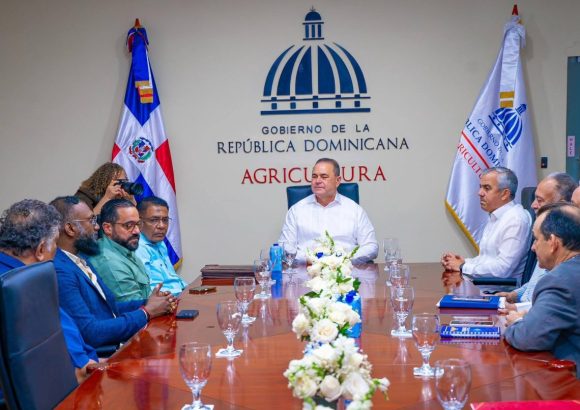
Guyana expands agricultural cooperation with Dominican Republic
A new chapter of cross-border agricultural collaboration is opening between Guyana and the Dominican Republic, as Guyana’s top agriculture official travels to the Caribbean nation to deepen ties and unlock new joint development opportunities. Zulfikar Mustapha, Guyana’s Agriculture Minister, launched the official visit to Santo Domingo, with a clear agenda of advancing shared agricultural priorities between the two governments.
During his stay in the Dominican capital, Mustapha held formal, in-depth talks with Francisco Oliverio Espaillat Bencosme, his counterpart from the Dominican Republic. The pair centered their discussions on a series of actionable initiatives designed to ramp up overall agricultural output and raise sector-wide productivity across both nations. Core topics of the dialogue included structured technical cooperation, cross-border transfer of climate-smart and modern agricultural technologies, exchange of evidence-based knowledge, and collaborative strategies to add greater value to locally produced agricultural goods. Both leaders also assessed targeted pathways to strengthen partnership in key sub-sectors, with the ultimate goal of delivering tangible benefits to smallholder and commercial farmers as well as agricultural industries in both Guyana and the Dominican Republic.
Beyond discussions with sitting government officials, Mustapha also met with Hipólito Mejía, the former president of the Dominican Republic, who has long-standing ties to the Dominican agricultural sector. During that closed meeting, the two parties exchanged insights on the long-term development trajectory of Guyana’s agricultural industry, and explored mutually beneficial opportunities to scale up production and expand sector diversification.
This visit is not an isolated diplomatic engagement, but rather a key component of the broader outward-focused cooperation agenda advanced by Guyana’s sitting President Irfaan Ali. Ali’s administration has prioritized expanding bilateral collaboration across agriculture, agricultural product processing, innovative technology adoption, and institutional capacity building, positioning this visit as a critical step forward in delivering on that national strategy.
-
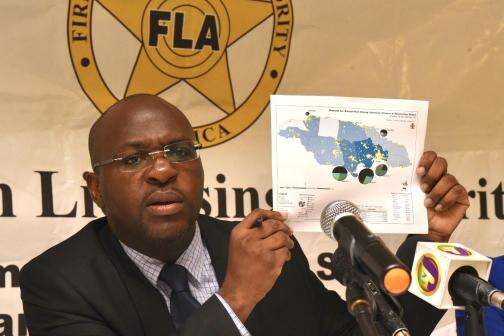
PNPYO backs Opposition’s call for immediate resignation of FLA CEO
KINGSTON, Jamaica — In a decisive rebuke of institutional mismanagement at one of the country’s most sensitive public safety agencies, the youth wing of Jamaica’s main opposition political group has thrown its full weight behind calls for the immediate exit of the top leader of the Firearm Licensing Authority (FLA). The demand follows damning conclusions of an official probe by the nation’s Integrity Commission that laid bare widespread wrongdoing at the agency tasked with regulating gun and ammunition access.
The controversy ignited after the Integrity Commission’s investigative report was formally presented to Jamaica’s Parliament earlier this week on Tuesday. The document outlined a litany of serious accusations: systemic corruption, unethical conduct by leadership, and deep-seated operational irregularities that have undermined the FLA’s core public safety mandate. One of the most shocking revelations unearthed by the probe was proof of deliberate manipulation of the agency’s official firearm and ammunition database. Most notably, records showed a deceased man was listed as purchasing 2,000 rounds of ammunition nearly three weeks after his death.
In an official public statement released this Thursday, the People’s National Party Youth Organisation (PNPYO) confirmed its unwavering support for the Opposition’s demand that Shane Dalling step down immediately from his post as FLA chief executive officer. The group emphasized that the Integrity Commission’s findings have validated long-held public suspicions that under Dalling’s tenure, the FLA devolved into an institution where accountability was treated as an optional obligation, official records were routinely falsified, and inconvenient evidence went missing without explanation.
For young Jamaicans, who disproportionately bear the brunt of rampant gun violence and illegal firearm trafficking on the island’s streets, the allegations uncovered by the probe represent a profound and unacceptable betrayal of public trust, the PNPYO said.
The youth organisation broke down three of the most alarming conclusions from the Integrity Commission’s investigation for public clarity. First, the commission confirmed that the identity of a dead individual was improperly used to fabricate ammunition sales records under the name of a licensed firearms dealer. Second, hundreds of rounds of ammunition stored inside the FLA’s own secure vault are unaccounted for, with no paper or digital trail to explain their disappearance. Third, critical server data containing sensitive regulatory records was permanently lost, because the government agency responsible for overseeing deadly weapons never implemented a basic, mandatory data backup system.
“The youth of Jamaica are tired of watching those in authority escape consequences while ordinary citizens bear the brutal cost of institutional failure,” said Peta-Gay Ferguson, general secretary of the PNPYO, in the statement.
Ferguson stressed that the probe’s findings amount to a complete failure of the FLA’s core mission to safeguard Jamaican communities, a failure that hits particularly hard for young people who have already lost friends and family members to preventable gun violence.
“Every round of ammunition that cannot be accounted for is a round that could end up in a community like mine, in the hands of someone who should never have had access to it,” Ferguson said. “When the agency meant to control who holds deadly weapons cannot account for its own vault, young Jamaicans pay that price with their lives. We refuse to stay silent while institutional failure fuels the violence that is stealing our generation.”
Beyond calling for Dalling’s resignation, the PNPYO has issued a formal demand to Jamaica’s minister of national security: launch a full, independent public investigation into every level of the FLA’s operations without delay to root out systemic wrongdoing and prevent future failures that put public safety at risk.
-
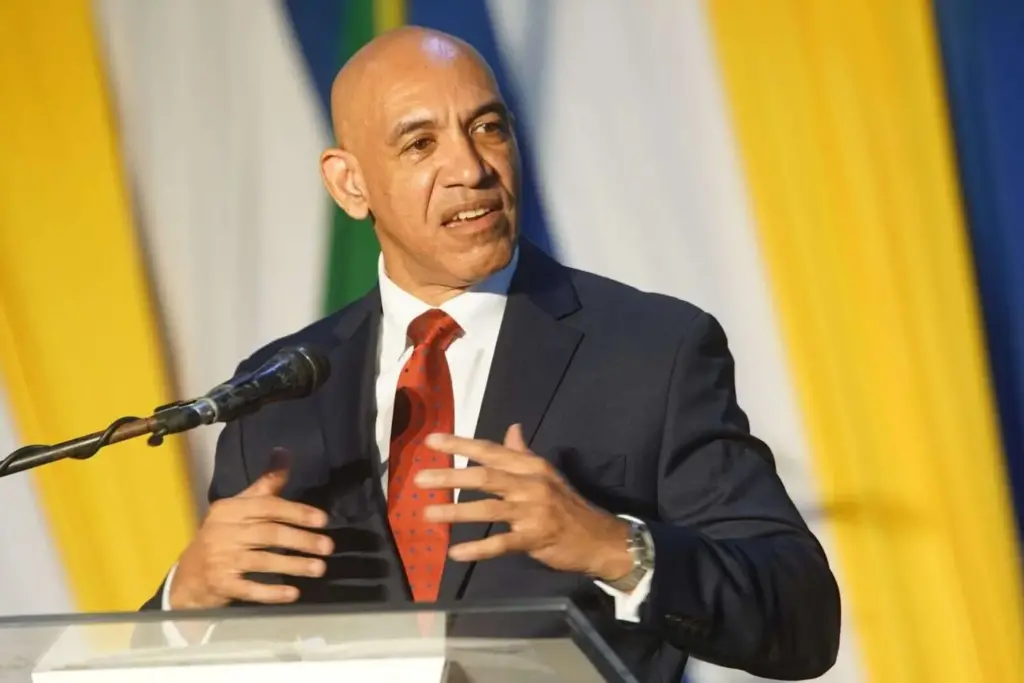
NaRRA CEO outlines priorities
KINGSTON, Jamaica — Just one month into his role as the inaugural Chief Executive Officer of Jamaica’s newly launched National Reconstruction and Resilience Authority (NaRRA), former U.S. Ambassador Antony Anderson has outlined an aggressive timeline that will see critical infrastructure and recovery projects break ground by the end of 2024. In his first exclusive interview with the Jamaica Information Service (JIS) held at Jamaica House on Tuesday, Anderson laid out his immediate priorities: standing up a fully functional organization and integrating automated, streamlined operational systems to manage the authority’s expanding portfolio of government-assigned projects at scale.”We have to move quickly to build out the institutional structure and put in place processes that allow us to manage our entire program of work both efficiently and transparently,” Anderson emphasized, noting that NaRRA is mandated to deliver all Cabinet-assigned projects with four core principles guiding every decision: large-scale impact, rapid execution, full public transparency, and operational efficiency.Among the early priority projects the agency could advance once its structure is finalized is mass housing delivery for Jamaicans still displaced by extreme weather. Anderson pointed out that emergency housing is one of the most straightforward initial assignments, noting that prefabricated construction methods allow the agency to deliver new units to vulnerable households in a far shorter timeline than traditional building approaches.Anderson, who officially took up the CEO post on June 1, confirmed that by the close of the calendar year, NaRRA will launch a unified public register mapping all of the agency’s projects alongside existing recovery and resilience initiatives led by other government bodies and external partners. This centralized inventory, he explained, will be a critical tool to identify collaborative opportunities and eliminate redundant work across the public sector. “The more complete our picture of all ongoing recovery efforts across the island, the better positioned we are to capture synergies that speed up progress and stretch public funding further,” he said.To foster that cross-sector coordination, Anderson confirmed NaRRA will proactively engage with all government ministries, departments, agencies and parish councils across Jamaica to align work, share resources, and cut through bureaucratic delays. “At the end of the day, our shared goal is building a stronger, safer Jamaica for every citizen. Every stakeholder involved in this work has a responsibility to accelerate progress, deliver results faster and more efficiently, because that is what the Jamaican people deserve and expect from us,” he stated.While Anderson acknowledged that the destruction left by Hurricane Melissa created an unprecedented challenge for the island’s government and communities, he stressed that the crisis also presents a once-in-a-generation opportunity Jamaica cannot afford to squander: to rebuild infrastructure better than it existed before, and embed long-term climate resilience into every new project.Beyond physical infrastructure, Anderson highlighted secondary benefits the large-scale reconstruction effort will bring to Jamaica. It will create new opportunities to upskill the domestic construction industry to manage large-scale complex projects, give early-career young Jamaican engineers hands-on experience leading major construction work, and strengthen crisis leadership capacity across all government ministry structures. “This effort isn’t just about rebuilding what was lost,” Anderson noted. “It’s about building the leadership, capacity and resilience we need to face future challenges, and there are tremendous opportunities across every level to do that right.”
-
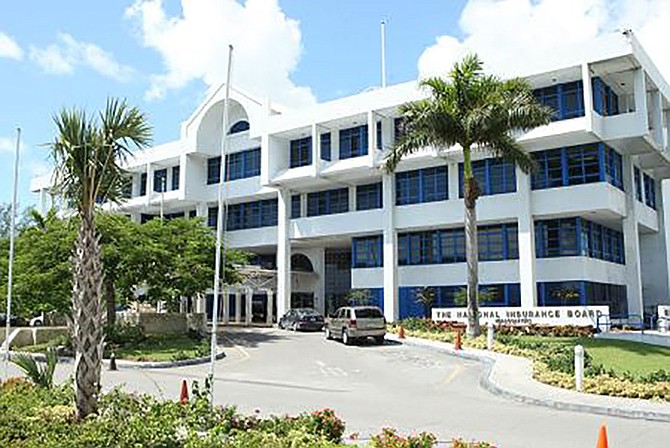
NIB director insists pension fund is ‘actually not in crisis’
The Bahamas’ National Insurance Board (NIB) is pushing back against claims of an impending pension fund collapse, even as senior officials acknowledge steep long-term challenges driven by shifting national demographics. At a recent press conference, NIB Director Dr. Tami Francis stressed that the country’s public pension system is far from a state of crisis, pushing back on prior government warnings and actuarial analyses that have flagged growing unsustainability driven by a shrinking working-age population, rapidly rising retiree numbers, and years of below-replacement fertility rates.
Demographic pressure has been building on the Bahamas’ social security system for decades. When NIB was first established in 1974, the ratio of working contributors to pensioners stood at roughly seven workers for every retiree. Today, that number has fallen to just three workers per retiree – a figure that former Social Services Minister Myles Laroda warned in 2025 puts unsustainable strain on the system, with a healthy benchmark holding at around six contributors per beneficiary. Laroda added that the Bahamas’ national fertility rate currently sits at 1.7 children per woman, well below the 2.1 replacement rate needed to sustain a stable population, and that the number of pensioners has tripled since the 1980s while the contributing workforce has failed to keep pace. Actuarial projections have repeatedly warned that without systemic reform, the fund’s reserves could face critical depletion in the coming years.
Against this backdrop, Dr. Francis highlighted early progress from one key reform already implemented: a 1.5 percentage point increase in the mandatory contribution rate rolled out in July 2024, which lifted the rate from 9.8% to 10.3%. The adjustment has already generated an extra $4 million in monthly revenue for the fund, Dr. Francis reported, enough to improve short- and medium-term financial stability and put the fund’s performance ahead of earlier projections. “While we may still have a slight difference in our contribution income versus our benefit expenditure, what we would have expected or predicted, we are doing a lot better than expected,” she said.
However, Dr. Francis emphasized that the contribution hike alone is not enough to secure the fund’s long-term future. “That does not mean we are to rest on our laurels, but an increase of this nature would not be something that will ultimately save the fund,” she noted. Instead, NIB is pursuing a holistic strategy that combines the revenue adjustment with a slate of additional reforms aligned with recommendations from multiple consecutive actuarial reviews.
Key among these are administrative and operational overhauls designed to cut costs and boost compliance. NIB has rolled out new digital tools, including the Employer Self Service portal and C10 Mobile App, that allow employers and self-employed workers to complete contributions electronically without in-person office visits, streamlining processes and reducing barriers to consistent payment. To crack down on delinquent employers, the agency has expanded its on-the-ground inspection team by 22 additional officers, and uses a balanced “carrot and stick” approach that includes interest waiver programs (with expanded incentives for hard-hit regions like Grand Bahama and Abaco) to encourage settlement of outstanding debts, paired with formal enforcement action for non-compliant parties.
These efficiency efforts have already yielded results: administrative costs as a share of spending have fallen from 21% in 2018 to roughly 15% today, though Dr. Francis acknowledged the agency still has work to do to reach the international social security benchmark of 10%.
Dr. Francis stressed that demographic pressure on public pension systems is a global challenge, not one unique to the Bahamas, as declining birth rates, rising life expectancy, and shifting workforce patterns reshape social security systems across the world. To meet this challenge, NIB must continue evolving rather than remaining static, she said, with the ultimate goal of extending the fund’s solvency to 60 years or more to ensure it can support both current retirees and future generations of beneficiaries. “We are having less children, and we have that ageing population, so we have to come up with innovative ways to ensure that the fund is increased over the long term,” she said. “There are several things that we may do to increase it over the short and medium term, but we want that stretch, we want that 60-year, we want that 78-year, that’s our ultimate goal.” Reports indicate additional contribution rate increases remain under consideration as part of ongoing reform efforts.