分类: politics

  • Three Acres of Reclaimed Land Planned for Fort James Project

    Three Acres of Reclaimed Land Planned for Fort James Project

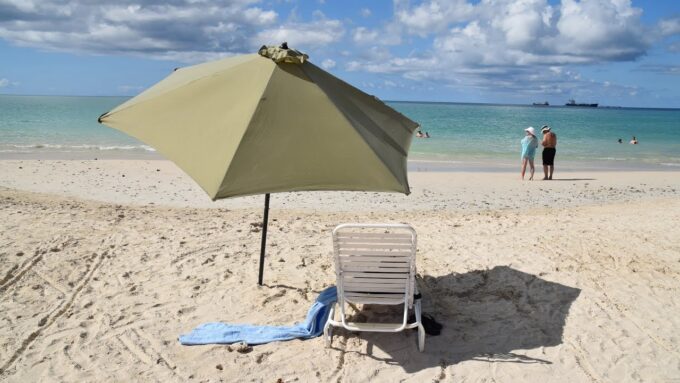
    A major redevelopment initiative to revitalize Antigua’s historic Fort James Beach is moving forward after the national Cabinet gave formal approval to a 3-acre coastal land reclamation plan that will lay the groundwork for a new expanded leisure and entertainment hub. The approval was announced during a post-Cabinet press briefing held on Friday by Director General of Communications Maurice Merchant, who framed the expansion as a core pillar of the government’s long-term vision for the iconic coastal site.

    Under the approved plans, the reclaimed land will be developed into a mixed-use recreational district, combining purpose-built entertainment venues, upgraded public gathering spaces, and new visitor amenities tailored to both local residents and growing tourism numbers. The project’s blueprints include a purpose-built amphitheater and flexible event space designed to host a wide range of programming, from large-scale cultural performances and community festivals to tourism-focused special events. To preserve public access to the coastline, the development will also integrate carefully designed landscaped green areas and public park space that will remain open to all visitors.

    In a departure from many coastal reclamation projects that overlook environmental risks, the government has paired the expansion work with a comprehensive suite of shoreline protection interventions designed to tackle longstanding local concerns about coastal erosion. These measures include the construction of groins to trap sediment and reduce sand loss, targeted beach replenishment projects to restore damaged shoreline sections, and retaining walls in vulnerable areas to stabilize coastal terrain.

    Merchant confirmed that preliminary environmental surveys and detailed design planning are already in progress, with government officials set to release additional technical details, construction timelines, and stakeholder engagement plans to the public over the coming weeks. The overall redevelopment project seeks to balance preservation of Fort James’ historic character with economic development focused on growing the coastal tourism sector while improving public recreational infrastructure for local communities.

  • Early intervention key to tackling gang crime, Lashley says

    Early intervention key to tackling gang crime, Lashley says

    Barbados is pushing forward with sweeping new anti-crime legislation aimed at curbing a recent surge in gang-related violence, youth offending, and firearm-related crime, with the country’s top legal affairs official emphasizing that early, broad-based social support must be at the heart of long-term crime prevention efforts.

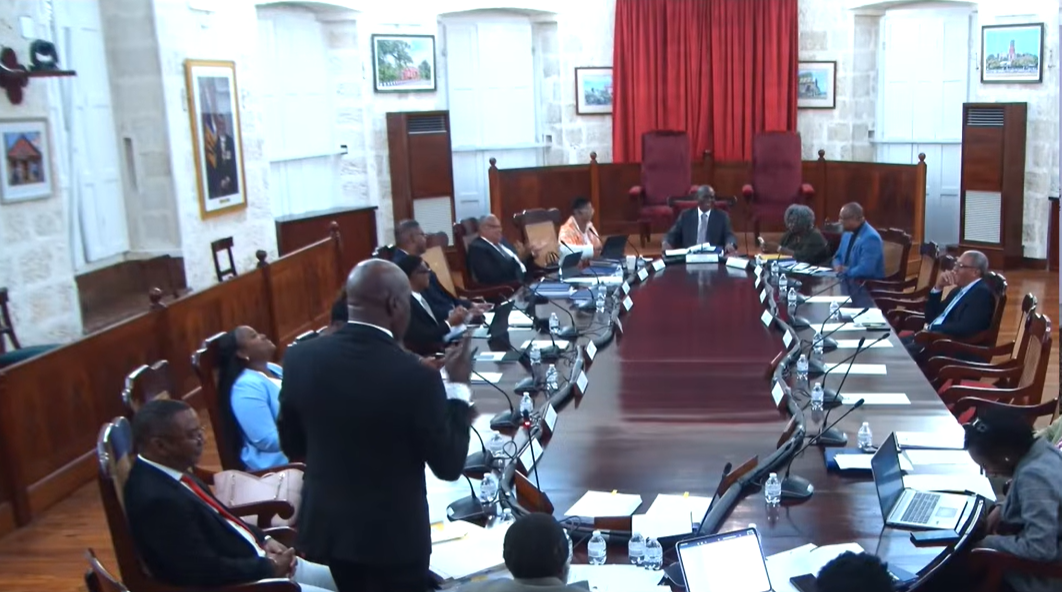
    Minister of Legal Affairs and Criminal Justice Michael Lashley presented the Criminal Gangs (Prevention and Control) Bill to the Senate on Friday, marking a historic first under recently revised constitutional rules: Lashley, a member of the lower House of Parliament, became the first minister to appear before the upper legislative chamber to steer major legislation through the cross-chamber process. In his opening address, Lashley framed the bill as a long-overdue landmark that addresses a critical gap in the Caribbean nation’s criminal justice system.

    “There is nothing on our current statute books that specifically addresses gang activity,” Lashley told lawmakers. “No existing criminal legislation in Barbados directly targets criminal gang operations, which is why this bill is so necessary.” The proposed legislation, he explained, will equip law enforcement agencies and public prosecutors with a targeted new legal framework to tackle the growing wave of gang-linked violence, illegal weapons possession, and violent offending that has impacted communities across the country.

    Development of the bill was rooted in extensive public engagement, Lashley noted, with input gathered from a broad range of stakeholders including legal professionals, labor union leaders, and ordinary Barbadian citizens to ensure the legislation balances public safety needs with civil liberties.

    Even as he defended the urgent need for stronger enforcement tools, Lashley – a veteran criminal barrister with decades of experience in the justice system – stressed that new laws alone cannot reverse Barbados’ rising crime trends. Drawing on pre-sentencing reports prepared under the country’s existing Penal System Reform Act, he highlighted a consistent pattern of unaddressed behavioral and social issues that emerge long before young people enter the criminal justice system.

    “Time and again, these reports lay out a clear trail of warning signs dating back to adolescence: 13-year-olds getting into repeated trouble at school, 14-year-olds assaulting educators, 15-year-olds struggling with marijuana dependency, 16-year-olds expelled from the education system entirely,” Lashley said. “What these reports almost never show is any targeted social intervention to step in and help that young person turn their life around.” He added that most files also document deep-seated family instability and other overlapping social disadvantages, making the case for systemic early intervention to divert at-risk youth away from criminal activity before they offend.

    “We have to redesign our crime prevention strategy to center early social intervention as a core pillar,” Lashley argued. “That is the only way we can save young people from becoming entangled in the criminal justice system permanently.”

    Beyond early intervention and new anti-gang legislation, Lashley reiterated his longstanding support for reintroducing a dedicated drug court to Barbados’ justice system, noting that substance abuse is a leading contributing factor to a large share of the country’s offending. “I am a strong advocate for bringing back the drug court, because so many crimes are directly tied to drug dependency,” he said. “Specialized, treatment-focused programs like this deliver meaningful positive outcomes for both offenders and communities.”

    The minister also called for a more holistic approach to social intervention that extends beyond offenders to include crime victims and their families. Unaddressed trauma and unresolved anger from victimization, he warned, can create cycles of retaliation and push more people toward criminal activity. “Social intervention has to be all-encompassing – it must support not just people convicted of crimes, but the families and individuals impacted by harm,” he said.

    Lashley additionally pushed for improved monitoring of offenders who have been released on bail, noting that a small share of individuals reoffend while awaiting trial. He confirmed that the government is moving forward with plans to roll out upgraded monitoring systems in the near future to reduce recidivism risk and protect public safety.

    Friday’s first cross-chamber ministerial appearance follows constitutional amendments approved last December, which eliminated the longstanding rule that restricted ministers to participating in debates only in their home legislative chamber. The change is designed to streamline the legislative process and improve government accountability across both houses of parliament.
  • Commonwealth Observers Praise Election Administration While Urging Reforms

    Commonwealth Observers Praise Election Administration While Urging Reforms

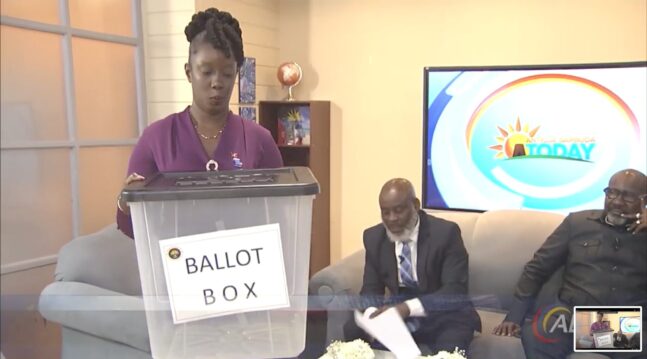
    Following the April 30, 2026 general election in Antigua and Barbuda, the Commonwealth Observer Group has released its final assessment, delivering a largely positive verdict on the vote while laying out a roadmap for targeted electoral reform. The international monitoring team has given high marks to the Antigua and Barbuda Electoral Commission (ABEC) and on-the-ground election workers for organizing a vote that unfolded in a peaceful, orderly, and transparent manner.

    In its official findings, the observer group confirmed that election officials broadly adhered to established procedural rules, executing their duties with consistent professionalism across the voting process. Beyond the electoral commission, the report extended praise to a range of stakeholders: polling station staff, national security personnel, participating political parties, and the voting public all played key roles in facilitating a smooth electoral process. Special note was taken of two progressive measures implemented for this cycle: the deployment of dedicated information clerks to assist voters, and the public release of detailed voter data, including clear polling station location information and aggregated voter statistics.

    “Our overall assessment is that the electoral process was peaceful and transparent,” the report emphasized. It added that the broader political and social environment surrounding the vote largely upheld fundamental democratic freedoms, including the rights to association, peaceful assembly, free expression, and unimpeded movement across the country.

    Even as the group commended the successful execution of the election, it outlined persistent gaps that require targeted action to reinforce the integrity of Antigua and Barbuda’s electoral system. The list of core recommendations includes enshrining ABEC’s institutional independence in the national constitution, overhauling the country’s campaign finance rules, conducting a comprehensive review of parliamentary constituency boundaries, upgrading polling site accessibility for voters living with disabilities, and rolling out targeted measures to boost political participation among women and young people.

    Notably, concerns over transparency and accountability in campaign financing, an issue flagged by previous Commonwealth observer missions to the country, were repeated in the 2026 final report. The group called on national authorities to tighten regulatory frameworks and mandatory disclosure requirements, aligning national rules with widely accepted international best practices for campaign finance.

    Another key challenge highlighted by the observers is growing political polarization within Antigua and Barbuda’s media sector. To address this, the report recommended implementing targeted policy steps to promote fair coverage of political actors, protect editorial independence for media outlets, and establish stronger, more effective oversight mechanisms for the industry.

    In closing, the report acknowledged that Antigua and Barbuda’s existing legal and regulatory framework already provides a solid foundation for holding competitive democratic elections. However, it stressed that incremental, sustained reforms remain critical to boosting public trust in electoral processes and further entrenching the country’s democratic institutions for future cycles.

  • Antigua and Barbuda Considers Wage Deductions for Child Support Defaulters

    Antigua and Barbuda Considers Wage Deductions for Child Support Defaulters

    Efforts to crack down on persistent non-compliance with court-ordered child support obligations have pushed the government of Antigua and Barbuda to explore a sweeping set of reforms, including the option of automatic direct deductions of child maintenance from non-payers’ paychecks. The policy conversation unfolded during a recent Cabinet meeting focused on the upcoming launch of MainCollect, a cutting-edge digital payment platform designed to modernize how the nation tracks and collects child maintenance payments.

    Government representatives told Cabinet that chronic non-payment continues to stand as one of the most intractable challenges in the child support system, leaving thousands of children without the financial support they are legally guaranteed. To address this gap, senior officials have advanced a slate of stricter enforcement measures, with legislative changes to permit mandatory employer-led wage deductions at the top of the discussion list. This mechanism would only apply to parents who have repeatedly ignored court orders to meet their maintenance obligations.

    Beyond automatic wage deductions, Cabinet also weighed additional intervention strategies: harsher legal penalties for persistent defaulters, and the creation of a centralized public register that would name parents who fall behind on their required payments. Maurice Merchant, Director General of Communications, clarified that any policy requiring formal employer involvement in the deduction process would need new legislative approval, and that negotiations on the framework are still ongoing between government leadership and the Antigua and Barbuda Family Court.

    Officials also highlighted a key persistent hurdle that even new policies may struggle to address: a large share of delinquent child support comes from parents who receive all their income in cash, making it far harder for regulators to track earnings and guarantee consistent monthly payments. The policy discussions are happening alongside preparations for the rollout of the MainCollect digital platform, which will enable fully electronic maintenance payments while giving both the Family Court and custodial parents real-time access to payment records, transaction history, and up-to-date information on outstanding balances.

    As of the latest Cabinet briefing, no final decisions have been reached on any of the proposed enforcement measures. Government leaders confirmed that deliberations will continue as they work to build a more effective, accountable system that guarantees children across the country receive the financial support they are entitled to.

  • Antigua and Barbuda Continues Fuel Subsidies Despite Sharp Rise in APUA Fuel Costs

    Antigua and Barbuda Continues Fuel Subsidies Despite Sharp Rise in APUA Fuel Costs

    In the wake of a dramatic near-doubling of fuel procurement costs for the Antigua Public Utilities Authority (APUA), the Antigua and Barbuda government has formally committed to sustaining its existing fuel subsidy program, a decision confirmed during Friday’s post-Cabinet press briefing.

    Maurice Merchant, Director General of Communications, outlined the stark scale of the price increase to journalists: earlier this year in January, APUA paid roughly $460,000 per day to purchase fuel from the West Indies Oil Company. That daily expense has now jumped to approximately $886,000, a surge of more than 90% that has put unprecedented financial pressure on both the national utility and public coffers.

    Following a full review of the issue at Thursday’s weekly Cabinet meeting, where officials assessed the broader ripple effects of volatile global economic conditions on Antigua and Barbuda, the administration reaffirmed its core policy goal: protecting domestic consumers from the full brunt of skyrocketing international fuel prices. Merchant emphasized that ongoing geopolitical and market shifts across the globe have pushed energy costs to multi-year highs, creating cascading financial strain for utility providers and national governments across every region.

    Rather than passing the entirety of this cost increase on to households and businesses through higher utility bills, the Antigua and Barbuda government has chosen to absorb the majority of the expanded fuel expense via its subsidy program. While the administration has not yet specified an end date for the policy, it made clear that its efforts to insulate consumers from growing energy costs will remain in place for the foreseeable future as global market conditions continue to evolve.

  • Parliament to Debate New Powers Over Derelict Buildings

    Parliament to Debate New Powers Over Derelict Buildings

    A critical piece of legislation that would grant the Antigua and Barbuda government expanded authority to tackle derelict and dangerous buildings across the twin islands is scheduled for parliamentary consideration when lawmakers convene on June 16. Details of the planned regulatory changes were first brought to public attention during a post-Cabinet press briefing held this Friday, where Director General of Communications Maurice Merchant outlined the administration’s broader objectives behind the proposed bill.

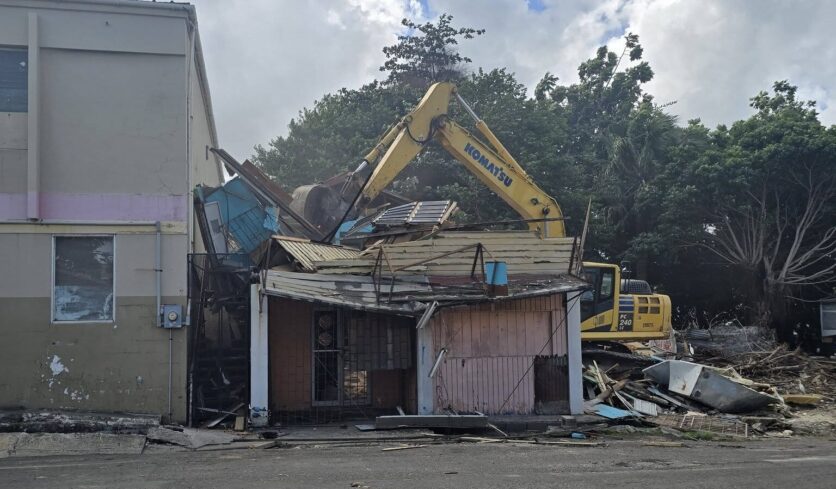
    Merchant explained that the government has already been carrying out targeted removal operations for abandoned residential and commercial properties that have created tangible safety and security threats for local communities across the country. “The government has been clearing certain areas from derelict homes and houses,” he told reporters during the briefing.

    The upcoming legislative debate will formalize new rules designed to strengthen the executive branch’s ability to intervene on properties that have been deemed harmful to surrounding neighborhoods. Merchant emphasized that the proposed adjustments to existing law are crafted to streamline and speed up the process of demolishing and removing structures that have been classified as safety hazards or public security risks.

    While the harmful property bill is the key focus of the government’s current efforts to address community safety, it will only be one item on a packed legislative agenda when Parliament convenes next month. Multiple other policy measures are also lined up for debate and discussion during the same sitting. As of the Friday briefing, full granular details of the proposed legal changes have not yet been made available to the public or media outlets.

  • Commonwealth Observers Recommend Vote Counting at Polling Stations In Final Report

    Commonwealth Observers Recommend Vote Counting at Polling Stations In Final Report

    Following its assessment of the 2026 general election held in Antigua and Barbuda on April 30, the Commonwealth Observer Group has released a final set of recommendations aimed at refining the Caribbean nation’s electoral system, with on-site immediate vote counting at polling stations standing as its centerpiece proposal.

    The independent observer mission argues that shifting the current vote tabulation process — which currently moves ballots from polling places to a separate central location for counting — to counting directly at polling stations would bring sweeping improvements to the transparency of election results. By conducting the count in the same location where voters cast their ballots, party agents, local election officials and independent monitors would be able to directly observe every step of the process, eliminating risks of tampering or irregularity that can arise during the transport of ballots, the report explains.

    This headline reform is just one element of a broader package of changes the group has put forward to strengthen voting processes, vote counting workflows and overall results management. Additional proposals in the report include expanding specialized training programs for all election personnel to standardize practices across the country, and creating new positions for assistant returning officers. These new appointees would support lead election staff during the counting phase and formalize legal authorization for all individuals involved in tabulating results, the report notes.

    While the observer group’s final report highlights areas for improvement, it also delivered a largely positive assessment of the 2026 general election itself. The mission concluded that the vote was carried out in a peaceful, orderly and broadly transparent environment, that standard polling procedures were followed by and large across all voting locations, and that election staff carried out their mandated duties with consistent professionalism.

    Even with that positive overall evaluation, observers stress that targeted reforms like the shift to on-site vote counting would remove existing gaps in the process and build higher levels of public confidence in future electoral outcomes for Antigua and Barbuda.

  • Antigua Awaits U.S. Response on Third-Country Nationals Proposal

    Antigua Awaits U.S. Response on Third-Country Nationals Proposal

    Diplomatic negotiations between Antigua and Barbuda and the United States over the relocation of third-country national deportees have entered a new phase, with the Caribbean nation formally submitting a revised offer and now holding out for a response from U.S. authorities, a top government official confirmed last Friday.

    Following Thursday’s weekly Cabinet meeting, Director General of Communications Maurice Merchant spoke to reporters, sharing that Prime Minister Gaston Browne had updated the country’s senior governing body on the months-long discussions with Washington. According to Merchant, the prime minister made clear that the Antigua and Barbuda government has already formally transmitted its official position to U.S. officials via the country’s ambassador based in Washington D.C.

    A central sticking point in the talks is the cap on the number of deportees Antigua and Barbuda is willing to accept. U.S. negotiators initially proposed that the Caribbean country take in up to 120 third-country nationals, but Browne’s administration has rejected that threshold as too high, Merchant said.

    “The Prime Minister would have made mention of his government’s desire not to have over 120 individuals from third-party countries accepted into Antigua and Barbuda,” Merchant told reporters.

    Instead of agreeing to the U.S. proposal, Antigua and Barbuda has drafted and submitted its own counteroffer, though Merchant declined to share specific details of the revised proposal during the post-Cabinet briefing. He confirmed that talks are still active, and that all parties are waiting for the U.S. side to review the new proposal and issue a formal reply.

    “Antigua and Barbuda is awaiting responses on our proposal to the United States government, where acceptance of these third-country individuals is concerned,” Merchant added.

    The deportee relocation talks are part of a broader push by the Biden administration to secure cooperation from Caribbean governments on managing migration flows. As the U.S. works through backlogs of deportation cases for people who are not citizens of the United States and come from third countries, Washington has sought to arrange temporary or permanent relocation for some of these individuals in partner nations across the Caribbean. Multiple regional governments have been engaged in similar discussions with U.S. officials in recent months.

    The deportation negotiation was just one of multiple policy topics addressed by the Antigua and Barbuda Cabinet during its Thursday session.

  • Saint Lucia to host CARICOM Heads of Government Meeting in July

    Saint Lucia to host CARICOM Heads of Government Meeting in July

    The Caribbean Community (CARICOM) has announced formal plans for its 51st Regular Meeting of the Conference of Heads of Government, set to take place in the coastal town of Gros Islet, Saint Lucia, between July 5 and 8, 2026. The gathering will be led by incoming CARICOM Chair Philip J. Pierre, the Prime Minister of Saint Lucia, who will officially take up his leadership duties on July 1 ahead of the summit.

    The summit’s opening ceremony is scheduled for 4:00 pm Eastern Caribbean Time on Sunday, July 5. The keynote line-up of speakers includes incoming Chair Pierre, outgoing Chair Dr. Terrance Drew (Prime Minister of Saint Kitts and Nevis), and CARICOM Secretary-General Dr. Carla Barnett, who will each address assembled attendees. Following the opening, three days of closed-door business sessions from July 6 to 8 will bring regional leaders together to debate and deliberate on pressing policy priorities that shape the future of the Caribbean bloc.

    A hybrid closing press conference, offering both in-person and virtual participation for journalists, will wrap up the summit on Wednesday, July 8. Ahead of the event, CARICOM will launch a dedicated digital knowledge hub by June 10 at https://caricom.org/51hgc/, which will host all key updates, background materials, and logistical information for delegates and the public.

    In a nod to the bloc’s focus on public wellness and community engagement, the 19th annual CARICOM Road Run/Walk will be held ahead of the official summit opening on July 5. The inclusive athletic event welcomes both amateur and professional competitors from across the region, designed to highlight the proven benefits of sport and physical activity for improving overall quality of life for Caribbean citizens.

    Founded on July 4, 1973, with the signing of the Treaty of Chaguaramas, CARICOM has grown into one of the most successful regional integration projects in the developing world. The 2001 revision of the founding treaty paved the way for the creation of a CARICOM Single Market and Economy, deepening economic cooperation across member states. Today, the bloc counts 15 full Member States and six Associate Members, serving a combined population of roughly 16 million people, over 60% of whom are under the age of 30.

    CARICOM’s work is structured around four core strategic pillars: economic integration, coordinated foreign policy, human and social development, and cross-border security cooperation. The organization’s overarching mission is to build a cohesive, inclusive, and resilient regional community driven by knowledge, innovation, excellence, and productivity. It aims to position the bloc as a unified, competitive global actor, where all citizens enjoy security, equal access to opportunity, protected human rights, and social justice, and can share in the region’s collective economic, social, and cultural prosperity. The CARICOM Secretariat, the bloc’s central administrative body, is permanently based in Georgetown, Guyana.

  • Antigua and Barbuda Transfers Fisheries Complexes to Antigua Fisheries Limited

    Antigua and Barbuda Transfers Fisheries Complexes to Antigua Fisheries Limited

    In a major restructuring of the nation’s fisheries management framework, the government of Antigua and Barbuda has given final approval to hand over operational and administrative control of all its public fisheries complexes to Antigua Fisheries Limited, a move set to reshape how the sector serves local fishing communities and industry stakeholders.

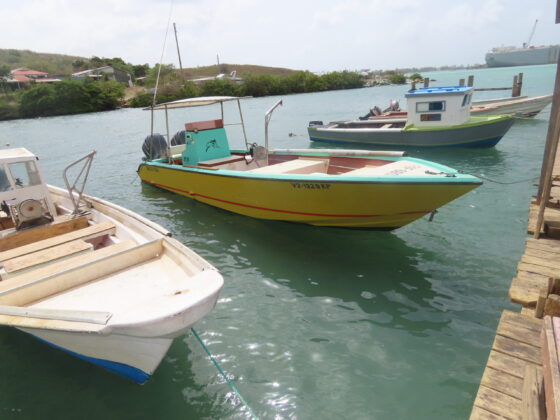
    The transfer agreement covers four key facilities spread across both islands of the nation: three complexes located in Point, Parham and Urlings on the main island of Antigua, alongside the single fisheries facility on the sister island of Barbuda. Prior to this decision, all four complexes were directly managed by the Fisheries Division, a department operating under the country’s Ministry of Agriculture.

    Cabinet members formalized the handover during their scheduled weekly meeting held Thursday. Before voting to approve the management shift, officials conducted a comprehensive review of the existing conditions of each complex and evaluated multiple possible management models, ultimately settling on the transfer to Antigua Fisheries Limited. According to an official post-meeting briefing, the company was chosen over alternative candidates due to its proven track record in fisheries infrastructure management and robust institutional capacity to carry out much-needed upgrades and day-to-day oversight.

    Alongside approving the transfer, the Cabinet has also signed off on a new board of directors to lead Antigua Fisheries Limited through the transition period and beyond. Retired public administrator and industry veteran Hassett Julian has been appointed as the board’s new chair, tasked with guiding strategic planning, ensuring transparent governance and holding the organization accountable for meeting performance targets.

    Government officials emphasize that the restructuring is not a privatization play, but a targeted reform designed to address longstanding gaps in public management. The core goals of the shift are to streamline daily operations, cut through bureaucratic red tape that has slowed improvements, strengthen clear lines of accountability, and expand the quality of services available to small-scale fishers, seafood vendors, and other local groups that rely on these complexes for their livelihoods.

    In the long term, policymakers project that the new governance arrangement will accelerate much-needed modernization of the country’s fisheries infrastructure, cement the long-term environmental and economic sustainability of the local fisheries sector, and ensure that the complexes receive consistent, high-quality maintenance while remaining responsive to the evolving needs of coastal fishing communities across the nation.