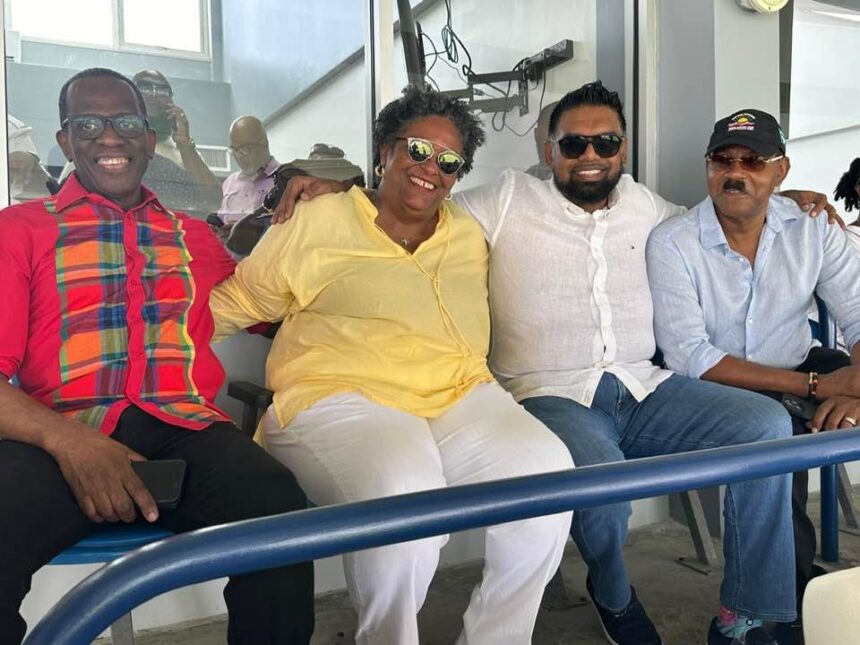
The Caribbean Community (CARICOM) has announced formal plans for its 51st Regular Meeting of the Conference of Heads of Government, set to take place in the coastal town of Gros Islet, Saint Lucia, between July 5 and 8, 2026. The gathering will be led by incoming CARICOM Chair Philip J. Pierre, the Prime Minister of Saint Lucia, who will officially take up his leadership duties on July 1 ahead of the summit.
The summit’s opening ceremony is scheduled for 4:00 pm Eastern Caribbean Time on Sunday, July 5. The keynote line-up of speakers includes incoming Chair Pierre, outgoing Chair Dr. Terrance Drew (Prime Minister of Saint Kitts and Nevis), and CARICOM Secretary-General Dr. Carla Barnett, who will each address assembled attendees. Following the opening, three days of closed-door business sessions from July 6 to 8 will bring regional leaders together to debate and deliberate on pressing policy priorities that shape the future of the Caribbean bloc.
A hybrid closing press conference, offering both in-person and virtual participation for journalists, will wrap up the summit on Wednesday, July 8. Ahead of the event, CARICOM will launch a dedicated digital knowledge hub by June 10 at https://caricom.org/51hgc/, which will host all key updates, background materials, and logistical information for delegates and the public.
In a nod to the bloc’s focus on public wellness and community engagement, the 19th annual CARICOM Road Run/Walk will be held ahead of the official summit opening on July 5. The inclusive athletic event welcomes both amateur and professional competitors from across the region, designed to highlight the proven benefits of sport and physical activity for improving overall quality of life for Caribbean citizens.
Founded on July 4, 1973, with the signing of the Treaty of Chaguaramas, CARICOM has grown into one of the most successful regional integration projects in the developing world. The 2001 revision of the founding treaty paved the way for the creation of a CARICOM Single Market and Economy, deepening economic cooperation across member states. Today, the bloc counts 15 full Member States and six Associate Members, serving a combined population of roughly 16 million people, over 60% of whom are under the age of 30.
CARICOM’s work is structured around four core strategic pillars: economic integration, coordinated foreign policy, human and social development, and cross-border security cooperation. The organization’s overarching mission is to build a cohesive, inclusive, and resilient regional community driven by knowledge, innovation, excellence, and productivity. It aims to position the bloc as a unified, competitive global actor, where all citizens enjoy security, equal access to opportunity, protected human rights, and social justice, and can share in the region’s collective economic, social, and cultural prosperity. The CARICOM Secretariat, the bloc’s central administrative body, is permanently based in Georgetown, Guyana.