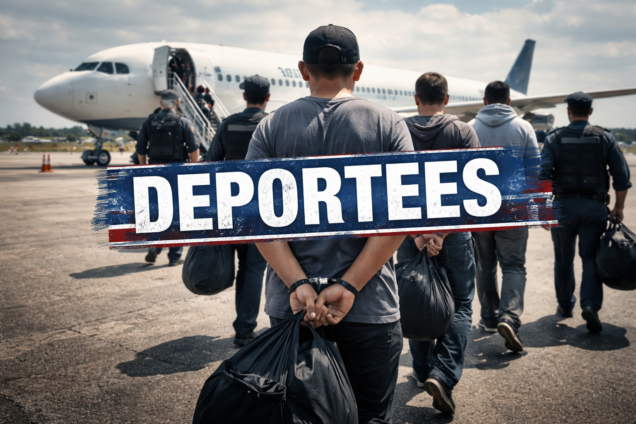
Diplomatic negotiations between Antigua and Barbuda and the United States over the relocation of third-country national deportees have entered a new phase, with the Caribbean nation formally submitting a revised offer and now holding out for a response from U.S. authorities, a top government official confirmed last Friday.
Following Thursday’s weekly Cabinet meeting, Director General of Communications Maurice Merchant spoke to reporters, sharing that Prime Minister Gaston Browne had updated the country’s senior governing body on the months-long discussions with Washington. According to Merchant, the prime minister made clear that the Antigua and Barbuda government has already formally transmitted its official position to U.S. officials via the country’s ambassador based in Washington D.C.
A central sticking point in the talks is the cap on the number of deportees Antigua and Barbuda is willing to accept. U.S. negotiators initially proposed that the Caribbean country take in up to 120 third-country nationals, but Browne’s administration has rejected that threshold as too high, Merchant said.
“The Prime Minister would have made mention of his government’s desire not to have over 120 individuals from third-party countries accepted into Antigua and Barbuda,” Merchant told reporters.
Instead of agreeing to the U.S. proposal, Antigua and Barbuda has drafted and submitted its own counteroffer, though Merchant declined to share specific details of the revised proposal during the post-Cabinet briefing. He confirmed that talks are still active, and that all parties are waiting for the U.S. side to review the new proposal and issue a formal reply.
“Antigua and Barbuda is awaiting responses on our proposal to the United States government, where acceptance of these third-country individuals is concerned,” Merchant added.
The deportee relocation talks are part of a broader push by the Biden administration to secure cooperation from Caribbean governments on managing migration flows. As the U.S. works through backlogs of deportation cases for people who are not citizens of the United States and come from third countries, Washington has sought to arrange temporary or permanent relocation for some of these individuals in partner nations across the Caribbean. Multiple regional governments have been engaged in similar discussions with U.S. officials in recent months.
The deportation negotiation was just one of multiple policy topics addressed by the Antigua and Barbuda Cabinet during its Thursday session.