分类: politics

  • Pringle Apologizes to Speaker, Pledges More Respectful Approach in New Parliamentary Term

    Pringle Apologizes to Speaker, Pledges More Respectful Approach in New Parliamentary Term

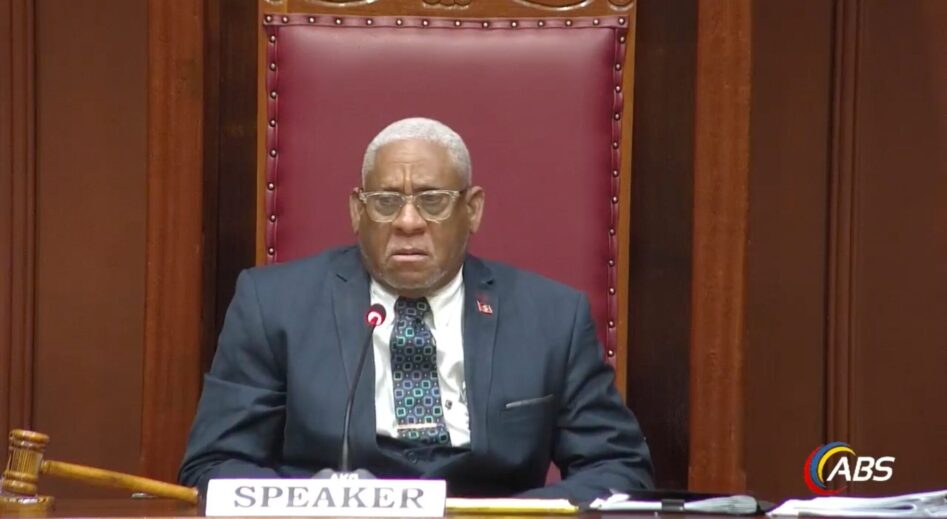
    In a conciliatory opening to Antigua and Barbuda’s new parliamentary term, opposition leader Jamale Pringle has issued a public apology to House Speaker Osbert Frederick, acknowledging past instances of perceived disrespect and committing to a more collaborative, respectful working relationship moving forward.

    The apology unfolded during Pringle’s first remarks after being officially sworn in as the Member of Parliament representing the All Saints East and St. Luke constituency. In his address, Pringle laid out his core priorities for the upcoming legislative session, centered on lifting the quality of parliamentary debate and upholding the authority of the Speaker’s office.

    Pringle emphasized that maintaining consistent respect for the House and its presiding officer would be a cornerstone of his approach in the new term. “I am committed to ensuring that the level of respect that I bring to this honorable house,” he stated, noting that “it is my intention to respect the chair at all times.”

    The discussion shifted into a brief, tense exchange when Pringle acknowledged that while Frederick personally holds a commitment to fairness, that commitment is not always visible to all members. The Speaker immediately pushed back on the comment, challenging Pringle to name any specific instance where he had acted unfairly, and defended his track record of impartial leadership in the role.

    Moving quickly to de-escalate the moment, Pringle extended a direct apology for any past offense. “And if ever you felt disrespected by me, it was not intentional,” he said. “I can be man enough to say if I disrespect you, Mr. Speaker, I do apologize for disrespecting you.”

    Beyond the apology, Pringle outlined his broader vision for a more inclusive parliamentary process. He expressed hope that the new term would bring improved, productive ties between the opposition bloc and the Speaker’s office, noting “What I will say going forward, Mr. Speaker, is that I expect a wonderful working relationship.”

    A key demand the opposition leader put forward is equal opportunity for all elected representatives — both governing and opposition — to meaningfully contribute to debates on critical national issues. He also called on ruling party lawmakers to adopt a new practice of sharing draft legislation with opposition parliamentarians well in advance of scheduled debates, giving all sides adequate time to review proposals and prepare informed contributions.

    Pringle’s opening address marks a clear shift in tone as the new legislative term gets underway, signaling his intention to adopt a more measured approach to parliamentary proceedings while continuing to push for greater balance and transparency in how the House conducts its business.

  • India urges firm stance of solidarity with Cuba

    India urges firm stance of solidarity with Cuba

    In a public statement delivered to India-based independent YouTube news channel Left Views, Sitaram Yechury, the General Secretary of the Communist Party of India (Marxist) [CPI(M)] — referred to as Baby in the original report — has sounded a global alarm over a rising pattern of geopolitical aggression led by the United States’ combined military-industrial and media establishment during the Donald Trump administration, a threat that he says has hit Cuba particularly hard among all nations. Baby highlighted that the threat to Cuba is not just rhetorical, drawing specific attention to a little-noted past threat made by former President Trump, who publicly stated he would move to take control of Cuba once the US resolved its diplomatic and military standoff with Iran. Beyond direct threats, he added, the Trump administration went to great lengths to manufacture justifications for an illegal military strike on the Caribbean island nation. One key example he cited was Washington’s unfair and misleading rehash of a decades-old incident: accusing former Cuban leader Raul Castro, a central figure in the Cuban Revolution, of wrongdoing for a 1990s action that was entirely a legitimate exercise of Cuban national sovereignty. The CPI(M) chief stressed that no country, particularly a global superpower like the United States, has any legal or moral standing to ignore or breach international law for its own geopolitical gain. Turning to India’s role, Baby called on the Indian government in New Delhi to take urgent diplomatic action in solidarity with Cuba, pointing out the long-standing friendly ties between New Delhi and Havana, as well as Cuba’s membership in the Non-Aligned Movement (NAM), a bloc that India has long been a leading member of. To build global pressure against US aggression, Baby called for coordinated collective action across the international community, saying: “We must all organize our firm solidarity with the people, government, and Communist Party of Cuba (PCC).”

  • House Speaker Rejects Suggestion of Bias in House Debate

    House Speaker Rejects Suggestion of Bias in House Debate

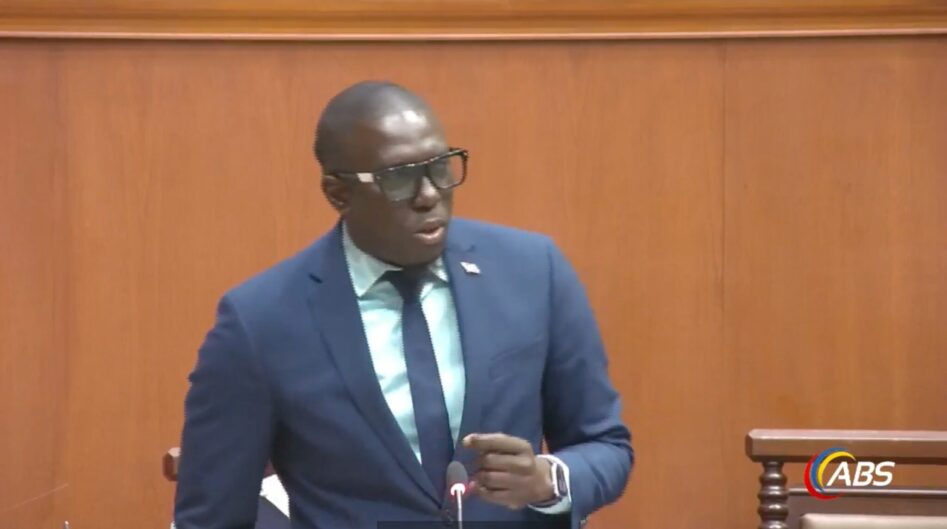
    The opening days of a new parliamentary term have already brought the first high-profile dispute, centered on whether the Speaker of the House is upholding the critical requirement of impartiality that underpins functional legislative debate. During Tuesday’s sitting of the House of Representatives, the tension unfolded right after Opposition Leader Jamale Pringle completed his formal swearing-in as the elected Member of Parliament for the All Saints East and St. Luke constituency.

    In his opening remarks, Pringle called for sweeping cultural change in the chamber, pushing for a more respectful and inclusive space that can accommodate substantive, meaningful policy debate. At the core of that vision, he emphasized, is a Speaker who remains strictly neutral when presiding over proceedings. While Pringle acknowledged that current Speaker Osbert Frederick holds a personal commitment to fairness, he publicly questioned whether that commitment has consistently translated into action during parliamentary business, noting that “sometimes it’s not shown.”

    Frederick did not let the criticism go unchallenged, responding immediately to the opposition leader’s remarks from the chair. He issued a direct call to back up the accusation, demanding: “I would want you to mention one occasion when I have not been fair.” The Speaker went on to robustly defend his entire record in the role, stressing that every ruling he has delivered has been rooted in the chamber’s governing rules. “I have never ruled outside of the standing order,” he asserted, confirming that he would continue to strictly apply the Standing Orders to all parliamentary business going forward.

    After the initial back-and-forth, Pringle moved to de-escalate the tension, clarifying that he never intended to signal personal disrespect toward Frederick. He offered a formal apology if the Speaker felt his comments had been a slight, and outlined his hopes for the new term: a productive working dynamic between the governing majority and opposition bloc, where all elected members get equal opportunity to contribute to full and open debate on key issues.

    Beyond the immediate clash, Pringle also raised a longstanding procedural grievance, urging the government to circulate draft legislation to opposition lawmakers far earlier in the legislative process. This earlier distribution, he argued, would give opposition teams enough time to conduct thorough research and prepare constructive input ahead of formal parliamentary discussions, strengthening the quality of legislation overall.

    This brief but charged exchange stands as one of the first defining moments of the new parliamentary session, and it brings long-simmering questions about legislative procedure and the Speaker’s neutral role in balancing government and opposition voices to the forefront of public attention.

  • Pierre to assume CARICOM chair as Saint Lucia prepares to host summit

    Pierre to assume CARICOM chair as Saint Lucia prepares to host summit

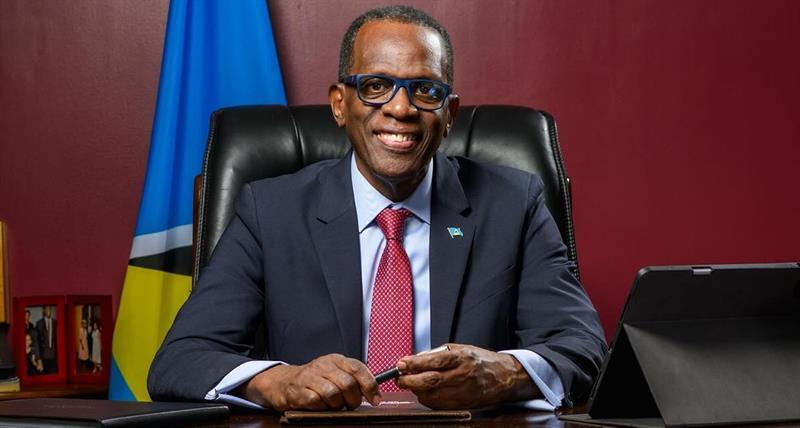
    The Caribbean island nation of Saint Lucia is making final preparations to welcome regional leaders for the 51st regular meeting of the Conference of Heads of Government of the Caribbean Community (CARICOM), scheduled to take place from July 5 to 8. As the host country, Saint Lucia’s Prime Minister Philip J. Pierre is slated to officially assume the rotating chairmanship of CARICOM this coming July, marking a key leadership transition for the 15-member regional bloc.

    Pierre will formally succeed Prime Minister Terrance Drew of Saint Kitts and Nevis in the top CARICOM role, and will serve a six-month term that is set to conclude on December 31, 2026. This year’s flagship regional summit, which gathers the highest elected leaders from across all CARICOM member states, has been framed around the central theme: “CARICOM: From Resilience to Renewal in a Changing World.”

    In pre-summit remarks, Prime Minister Pierre framed the upcoming conference as a landmark milestone for his country, while laying out his policy and vision roadmap for the Caribbean region during Saint Lucia’s chairmanship tenure. He explained that the chosen summit theme deliberately encapsulates both the persistent systemic challenges the Caribbean bloc faces today, as well as the un-tapped opportunities that stand ready to be seized for collective progress.

    “Caribbean people have always been resilient. Our history tells a story of endurance, of societies that emerged from colonialism, overcame economic vulnerability, and built independent nations guided by hope, determination and unity,” Pierre shared in his address. However, he stressed that the region’s proven ability to weather crises is no longer enough to tackle the growing interconnected, complex challenges that now confront Caribbean nations.

    “The task before us now is renewal,” he stated clearly. Outlining his core priorities for the chairmanship, Pierre confirmed that his leadership will center on revitalizing foundational pillars of regional development: inclusive economic growth, deeper cross-border cooperation, stronger institutional effectiveness, and expanded life-changing opportunities for ordinary Caribbean citizens.

    “CARICOM must deliver results that our people can see and feel in their everyday lives,” Pierre said, emphasizing that regional integration efforts must extend far beyond theoretical policy debates. Instead, he argued, integration must be translated into tangible, actionable benefits that improve daily life for citizens across every CARICOM member state.

  • Pharma industry ‘step towards self-reliance’

    Pharma industry ‘step towards self-reliance’

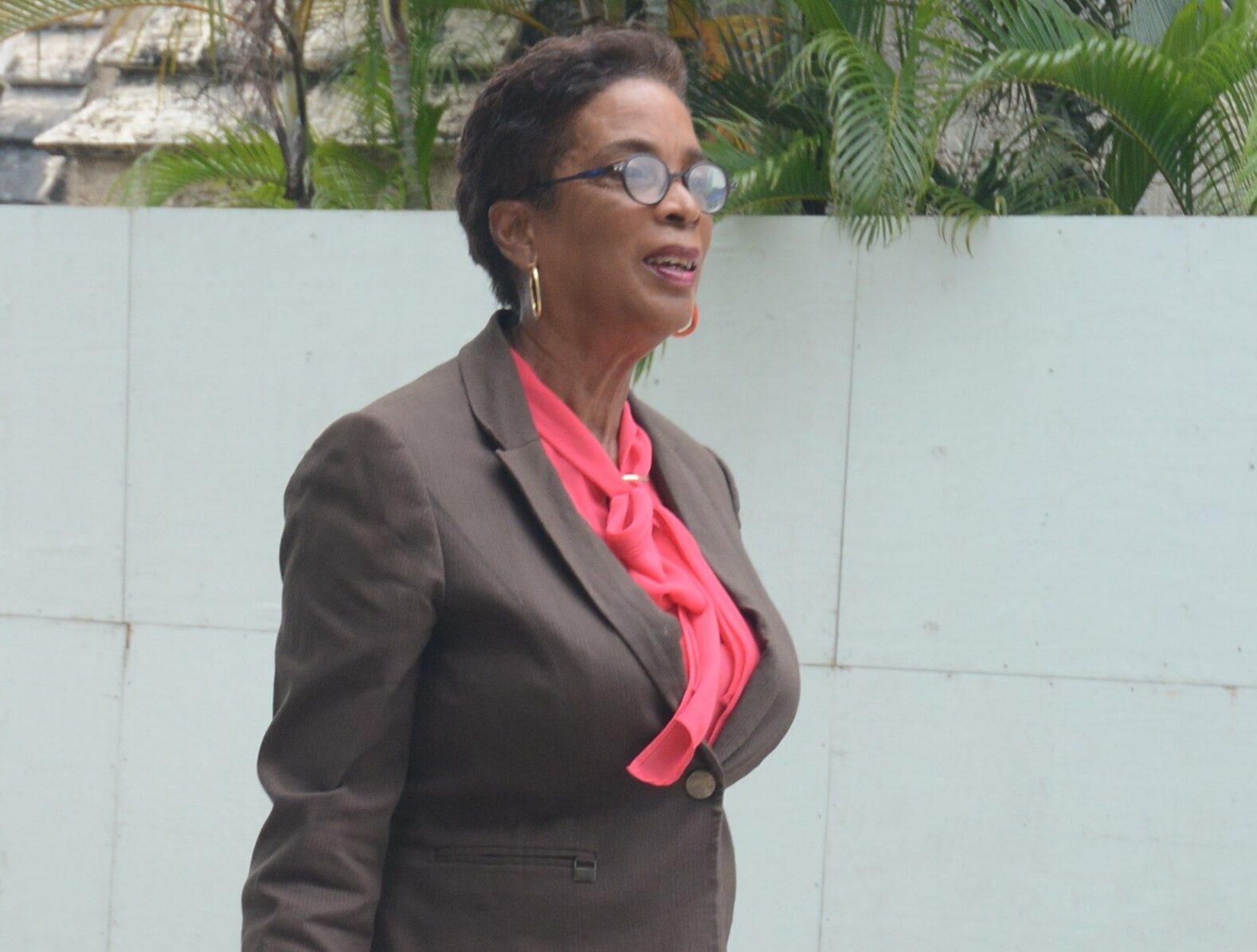
    Barbados is charting a bold new course in healthcare and economic sovereignty with landmark legislation aimed at building a homegrown pharmaceutical industry from the ground up. As the country’s House of Assembly held the second reading of the Barbados Medical Products Bill, Minister of Technological and Vocational Training Sandra Husbands laid out the transformative potential of the initiative: reducing crippling dependence on imported medications, advancing medical research tailored explicitly to Caribbean populations, and generating high-skill jobs that retain local talent.

    Beyond its practical economic and healthcare benefits, Husbands framed the bill as a defining step toward decolonizing collective psychology in the Caribbean and dismantling deep-seated complexes of economic and intellectual inferiority that have lingered for generations. She argued that centuries of colonial rule left an enduring psychological imprint, leading many Barbadians to undervalue their own capabilities, intellectual potential, and the abundant natural resources native to the island. “The development of this Barbados pharmaceutical bill is an expression that Barbadians are breaking out from those inferiority complexes, are beginning to understand that they have value and worth, and that yes they can step up to the plate and do something bold, do something different that previous generations have never done,” Husbands said. “To chart your own destiny, you have to believe in yourself, you have to value yourself, and you have to value what is around you.”

    This historic lack of self-reliance has translated into heavy economic dependence on foreign suppliers, with local communities long prioritizing imported pharmaceutical goods over exploring the untapped medicinal properties of native Barbadian flora including bay leaf, wonder world, and clammy cherry. A core goal of the new domestic regulatory framework is to allow Barbados to lead its own medical research agenda, rather than waiting for foreign nations to prioritize regional healthcare needs that are often overlooked, the St James South MP explained.

    Husbands emphasized that a central driver of the legislation is the urgent need for medical research designed specifically for people of African and Latin American descent. The vast majority of pharmaceutical products currently on the global market are developed by Western countries, with little consideration for the genetic differences that shape how different population groups respond to medications. “The absolute need for research for better health for our people is an important part of what we have to do, but we cannot sit and wait as we have done over many, many centuries, waiting for somebody else to do it for us, waiting for the colonial powers to recognise that we have a need,” she noted. “What we are doing is getting up and taking charge of our own destiny and taking responsibility for our own future and doing this groundwork here to be able to ensure that we start this pharmaceutical industry and support it with the research that is going to be necessary.”

    The economic advantages of the initiative are equally compelling, according to Husbands, who recalled her time as foreign trade minister where she witnessed millions of dollars flow out of the country annually to import medications that Barbados has the natural and human capacity to produce domestically. The government positions the bill as a catalyst to diversify Barbados’ economy, strengthen national resilience to global supply chain shocks, and ease persistent pressure on the country’s foreign exchange reserves.

    The plan also targets the Caribbean’s ongoing brain drain crisis, by creating well-compensated, specialized roles for local science and agriculture graduates who would otherwise migrate to Canada and other high-income countries in search of opportunity. The initiative will bring multiple government stakeholders into partnership, linking the proposed University College of Barbados, the Hope Agricultural Training Institute, and the U.S.-based Duke University to assess workforce skill gaps, intellectual property protection frameworks, and digital training requirements.

    “My team was absolutely excited,” Husbands said, adding that the initiative would provide highly educated young Barbadians with “opportunities for interesting, good paying jobs that they can get excited about and become a part of this pharmaceutical industry”. She also called for the establishment of a dedicated specialized training academy to ensure young people have the technical skills needed to build and grow the new industry. With adequate investment to protect intellectual property and manage patents, Husbands said, “Barbados has a very, very bright future.”

  • Environment Department Says SIRF Air Conditioning Units Fully Allocated

    Environment Department Says SIRF Air Conditioning Units Fully Allocated

    The public has snapped up every air conditioning unit available through the government’s Sustainable Island Resource Framework (SIRF) Fund, leaving no additional units in stock for interested applicants, the Department of Environment confirmed in an official statement this week.

    In the announcement, department officials noted that at present, there is no clear timeline for when a new shipment of subsidized air conditioners will be made available to the public. As soon as additional units are secured for the program, updates will be shared across all official government communication channels to keep interested communities informed.

    Beyond the air conditioner allocation update, the department also reminded residents looking to make energy-efficient home upgrades that polycarbonate sheets, another product offered under the SIRF Fund’s sustainability initiative, are still available for purchase.

    The department closed its statement by expressing gratitude for the widespread public engagement and support for the SIRF program, and encouraged residents to subscribe to and follow the Department of Environment’s official social media and communication platforms to receive real-time updates on program stock and future offerings.

  • Search Warrants Can Now Be Executed on Sundays Under New Legislation

    Search Warrants Can Now Be Executed on Sundays Under New Legislation

    In a landmark legislative move on Tuesday, the House of Representatives of Antigua and Barbuda has passed the Magistrate’s Court (Amendment) Bill 2026, a set of revisions to the country’s decades-old Magistrate’s Court Act that dramatically broaden the scope of search warrant access and execution for national law enforcement agencies.

    The push for reform grew out of widespread cross-party consensus that existing statutory language had grown outdated, creating unnecessary barriers that hindered police efforts to probe and curtail criminal activity across the islands. Attorney General Steadroy Benjamin, the lead sponsor of the bill, emphasized that the core goal of the adjustments is to bring investigative protocols in line with 21st-century criminal trends, granting law enforcement much-needed flexibility to gather critical evidence during active probes.

    Three major changes mark the most significant departures from the original legislation. First, the revised act lifts longstanding restrictions that limited search warrant issuance to only specific categories of criminal offences, now allowing warrants to be approved for any illegal act under national law. Second, the reforms for the first time permit law enforcement to execute search warrants on Sundays, a change that government legislators framed as critical to stopping suspects from exploiting weekend gaps to destroy evidence or evade detection by authorities. Third, the new rules allow investigators to legally seize any evidence of criminal activity uncovered during a warranted search, even if that specific material was not explicitly listed in the original warrant application, so long as the evidence connects to a committed offence.

    Government supporters of the bill argued that modern criminal networks have systematically exploited outdated procedural loopholes to avoid accountability, and that updating investigative powers is a necessary step to strengthen public safety and speed up the pace of criminal probes. While opposition lawmakers ultimately backed the legislation, they raised targeted concerns about maintaining robust checks on the expanded powers, stressing that judicial oversight and constitutional protections for citizens must remain fully intact to prevent potential abuse.

    In response to these concerns, Benjamin confirmed that the amendments retain the non-negotiable requirement of judicial pre-authorization for all search warrants, with magistrates retaining full authority to approve or deny applications based on established legal standards. The search warrant reform was one piece of a broader slate of legislative updates put before Parliament during the sitting, which also included votes on the Fatal Accidents Bill, Electronic Crimes Amendment Bill, and Immigration and Passport Amendment Bill.

    Once the bill receives formal executive assent and is published in the official government gazette, the amendments will go into effect, granting all authorized law enforcement agencies across Antigua and Barbuda their expanded search authorities immediately.

  • Skerrit says 2026-2027 budget will balance compassion with fiscal prudence

    Skerrit says 2026-2027 budget will balance compassion with fiscal prudence

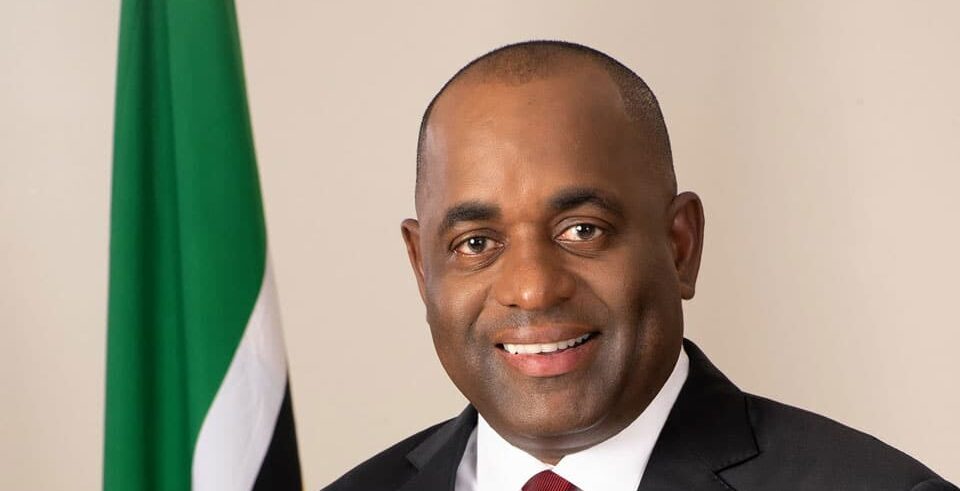
    As Dominica enters the final stages of preparing its 2026-2027 national budget, Prime Minister Roosevelt Skerrit has outlined the administration’s core policy framework, which centers on balancing targeted support for vulnerable communities, inclusive economic growth, and long-term fiscal sustainability amid ongoing global economic headwinds. Skerrit made the announcement during a recent press briefing, following a week of national public consultations that brought together everyday citizens, local business owners, community groups, and other key stakeholders to gather input ahead of the budget’s finalization.

    Skerrit emphasized that these public consultations are a cornerstone of the government’s commitment to building a budget that aligns with the lived realities, long-term ambitions, and pressing priorities of the Dominican people. Participants in the process were invited to share their personal perspectives, raise unaddressed concerns, and submit policy recommendations for the administration’s consideration.

    Addressing the challenging global economic context shaping this year’s budget, Skerrit noted that countries across the world continue to grapple with unprecedented levels of economic uncertainty. Persistent global inflation, lingering supply chain disruptions, escalating geopolitical tensions, and growing climate-related shocks have combined to place enormous financial pressure on both working households and national governments, and Dominica is not insulated from these overlapping challenges, he said.

    Against this backdrop, the administration has anchored its budget approach to four non-negotiable goals: protecting the country’s most vulnerable populations, driving broad-based economic growth, expanding accessible opportunities for all citizens, and upholding disciplined fiscal responsibility and macroeconomic stability. Skerrit confirmed that the upcoming budget will strike a deliberate balance between fiscal prudence and compassionate policy-making, with targeted investments across key priority sectors.

    Key policy priorities to be advanced through the budget include measures to ease the growing cost-of-living burden on Dominican families, support sustained private sector job creation, strengthen domestic agriculture and national food security, boost public investment in healthcare and education systems, expand economic and social opportunities for young people, and continue large-scale infrastructure investments that are transforming local communities and strengthening the country’s climate resilience. The budget will also introduce reforms to streamline business processes, making it easier and more profitable to operate in Dominica, Skerrit added.

    The Prime Minister also revealed that the administration will conduct a comprehensive review of all existing economic concessions and public support measures to assess their effectiveness, and will introduce any additional targeted interventions that prove both necessary and fiscally sustainable. Moving forward, the government remains focused on strengthening Dominica’s core economic foundations and securing the long-term funding required to advance its national development agenda.

    A central pillar of the government’s investment strategy to date has been the country’s well-known Citizenship by Investment (CBI) Program, which has served as a critical source of financing for national development projects across sectors. Skerrit emphasized that the program has directly benefited Dominican communities through funding for affordable housing, expanded healthcare facilities, improved public education infrastructure, climate resilience projects, national transportation and public infrastructure, and social safety net programs, as well as investments that have driven private sector growth across the country.

    To protect the program’s integrity, reputation, and alignment with national interests, the administration is implementing new procedural reforms. Going forward, all successful CBI applicants will be required to visit Dominica in person to receive their official passports, a change designed to give new economic citizens a deeper understanding of Dominica’s people, unique culture, and national development goals. The government is also exploring additional initiatives to strengthen engagement between new economic citizens and local communities, while ensuring the program meets evolving international regulatory standards and expectations.

    Skerrit stressed that reforms to CBI programs across the Caribbean are a regional collective effort, not a challenge unique to Dominica. The country is moving in lockstep with its regional neighbors to protect a program that has delivered tangible public benefits, from building new homes, hospitals and schools to funding agricultural development and supporting small and medium-sized enterprises that drive local employment, he explained.

    Full details of the CBI reforms and the full 2026-2027 budget package will be officially announced when the budget is presented to the public. Skerrit concluded that the budget is framed within a broader national strategy to improve quality of life for all Dominican citizens, build a more secure and prosperous future for all segments of society, and position the country to maximize the benefits of the major public and private investments the government has already put in place across the nation.

  • Caddle warns on unsafe imports, misleading medical claims

    Caddle warns on unsafe imports, misleading medical claims

    Barbados is moving forward with landmark new legislation aimed at closing long-standing gaps in medical product oversight, responding to growing public alarm over the circulation of banned, untested goods and misleading cure-all advertising that targets vulnerable consumers.

    The Barbados Medical Products Bill, which was introduced for debate in the country’s House of Assembly this Tuesday, will bring sweeping new checks to all medical and health-related goods imported into the island nation, Economic Affairs and Planning Minister Marsha Caddle told lawmakers. Caddle outlined a long-running pattern of unsafe trade that has put Barbadians at risk: items that have been pulled from shelves and banned in major global markets for health and safety reasons often remain widely available in Barbados for years after their prohibition elsewhere.

    In one particularly egregious example, Caddle noted that some products explicitly marked “for export only” by their manufacturing countries end up on Barbadian retail shelves. This practice, she explained, reveals a cynical dynamic where producers offload goods deemed too dangerous for domestic use in their home jurisdictions to smaller markets like Barbados, treating local consumers as disposable.

    Beyond unsafe imported products, the bill also targets rampant unsubstantiated health advertising that has exploited Barbadians seeking affordable care for serious medical conditions. Caddle told the House that unregulated vendors across the capital Bridgetown openly advertise untested products as cures for terminal illnesses like cancer and a wide range of other ailments, preying on people who may delay or forgo conventional medical treatment due to cost, long wait times for appointments, or longstanding cultural trust in home remedies.

    Minister Caddle emphasized that this practice, where vendors sell cheap untested goods to desperate consumers under false promises of healing, borders on criminal activity. Current law does not give regulators the power to crack down on these false claims, whether they are posted on storefront signs, broadcast on radio or television, or spread by word of mouth, leaving a critical regulatory gap that endangers public health. The new legislation will require all health benefit claims for medical products to be independently tested and verified before they can be marketed to the public.

    In addition to cracking down on fraud, the bill will also align Barbados’ over-the-counter medication rules with global regulatory standards. Caddle noted that many medications available without a prescription in Barbados are restricted to prescription-only access in other high-regulation jurisdictions, for well-documented safety reasons. The new law will also initiate a broader public conversation about safe consumption of medical and health products among Barbadians, Caddle added.

    Calling the long unaddressed gap in regulation a critical threat to public welfare, Caddle urged vendors currently engaging in false advertising to voluntarily end the practice before the bill becomes law, appealing to their conscience to stop exploiting vulnerable Barbadian consumers.

  • Parliament Approves Immigration Amnesty Beginning July 1

    Parliament Approves Immigration Amnesty Beginning July 1

    Lawmakers in Antigua and Barbuda have formally passed a landmark bill that opens the door for a targeted immigration amnesty programme, enabling qualifying undocumented migrants already residing in the twin-island nation to bring their immigration status into line with national law over a 60-day period kicking off on July 1.

    The 2026 Immigration and Passport (Amendment) Bill secured approval in the country’s House of Representatives this Tuesday. Speaking after the vote, Immigration Minister E.P. Chet Greene framed the initiative as a long-awaited opportunity for eligible non-citizens to step forward voluntarily and resolve their uncertain legal status, rather than remaining in the shadows of the country’s immigration system.

    Stretching from July 1 through to August 31, the amnesty window sets clear, specific requirements for all prospective applicants. To be considered, candidates must supply official police clearance records from every country they have lived in over the past four years, a mandate designed to carry out thorough background checks before any status adjustment is granted. Beyond documentation requirements, applicants are also required to pay two separate statutory fees: a $500 processing charge and an additional $150 endorsement fee for the change of legal status, bringing the total fixed cost of participation in the programme to $650.

    Repeating the eligibility requirement for parliamentary record during the bill’s debate, Greene confirmed that the four-year, multi-territory police clearance mandate applies to all candidates seeking amnesty under the new framework. To prevent repeated exploitation of the government’s programmatic generosity, the legislation also includes strict eligibility restrictions that block repeat applicants from accessing the initiative. Under the new rules, any individual who has already benefited from three previous immigration amnesty programmes will be automatically barred from qualifying for the 2026 iteration.

    “A person who has applied for amnesty on three previous occasions is ineligible and will not qualify for the amnesty extended here and now by the government,” Greene told assembled lawmakers, reinforcing the government’s commitment to balanced, accountable implementation of the programme.

    Senior government officials have clarified that the core goals of the programme are twofold: first, to formalize the status of undocumented migrants who already live and work in Antigua and Barbuda, contributing to the nation’s economy and communities, and second, to uphold national security standards by ensuring every approved applicant undergoes mandatory screening before being granted legal status.

    This new amnesty legislation forms a central plank of the Gaston Browne administration’s broader push to overhaul and strengthen national immigration administration, bringing a larger share of the country’s resident population into compliance with existing immigration rules and regulations. In the coming weeks leading up to the amnesty’s launch on July 1, authorities are scheduled to release full, detailed guidance on the step-by-step application process to help eligible candidates prepare their submissions.