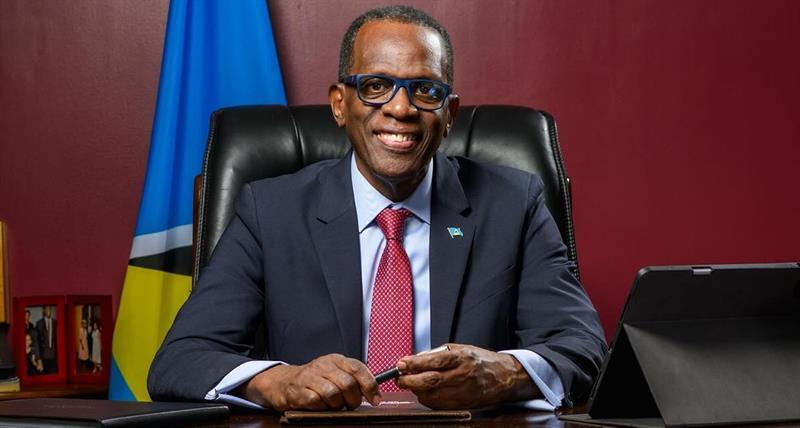
The Caribbean island nation of Saint Lucia is making final preparations to welcome regional leaders for the 51st regular meeting of the Conference of Heads of Government of the Caribbean Community (CARICOM), scheduled to take place from July 5 to 8. As the host country, Saint Lucia’s Prime Minister Philip J. Pierre is slated to officially assume the rotating chairmanship of CARICOM this coming July, marking a key leadership transition for the 15-member regional bloc.
Pierre will formally succeed Prime Minister Terrance Drew of Saint Kitts and Nevis in the top CARICOM role, and will serve a six-month term that is set to conclude on December 31, 2026. This year’s flagship regional summit, which gathers the highest elected leaders from across all CARICOM member states, has been framed around the central theme: “CARICOM: From Resilience to Renewal in a Changing World.”
In pre-summit remarks, Prime Minister Pierre framed the upcoming conference as a landmark milestone for his country, while laying out his policy and vision roadmap for the Caribbean region during Saint Lucia’s chairmanship tenure. He explained that the chosen summit theme deliberately encapsulates both the persistent systemic challenges the Caribbean bloc faces today, as well as the un-tapped opportunities that stand ready to be seized for collective progress.
“Caribbean people have always been resilient. Our history tells a story of endurance, of societies that emerged from colonialism, overcame economic vulnerability, and built independent nations guided by hope, determination and unity,” Pierre shared in his address. However, he stressed that the region’s proven ability to weather crises is no longer enough to tackle the growing interconnected, complex challenges that now confront Caribbean nations.
“The task before us now is renewal,” he stated clearly. Outlining his core priorities for the chairmanship, Pierre confirmed that his leadership will center on revitalizing foundational pillars of regional development: inclusive economic growth, deeper cross-border cooperation, stronger institutional effectiveness, and expanded life-changing opportunities for ordinary Caribbean citizens.
“CARICOM must deliver results that our people can see and feel in their everyday lives,” Pierre said, emphasizing that regional integration efforts must extend far beyond theoretical policy debates. Instead, he argued, integration must be translated into tangible, actionable benefits that improve daily life for citizens across every CARICOM member state.