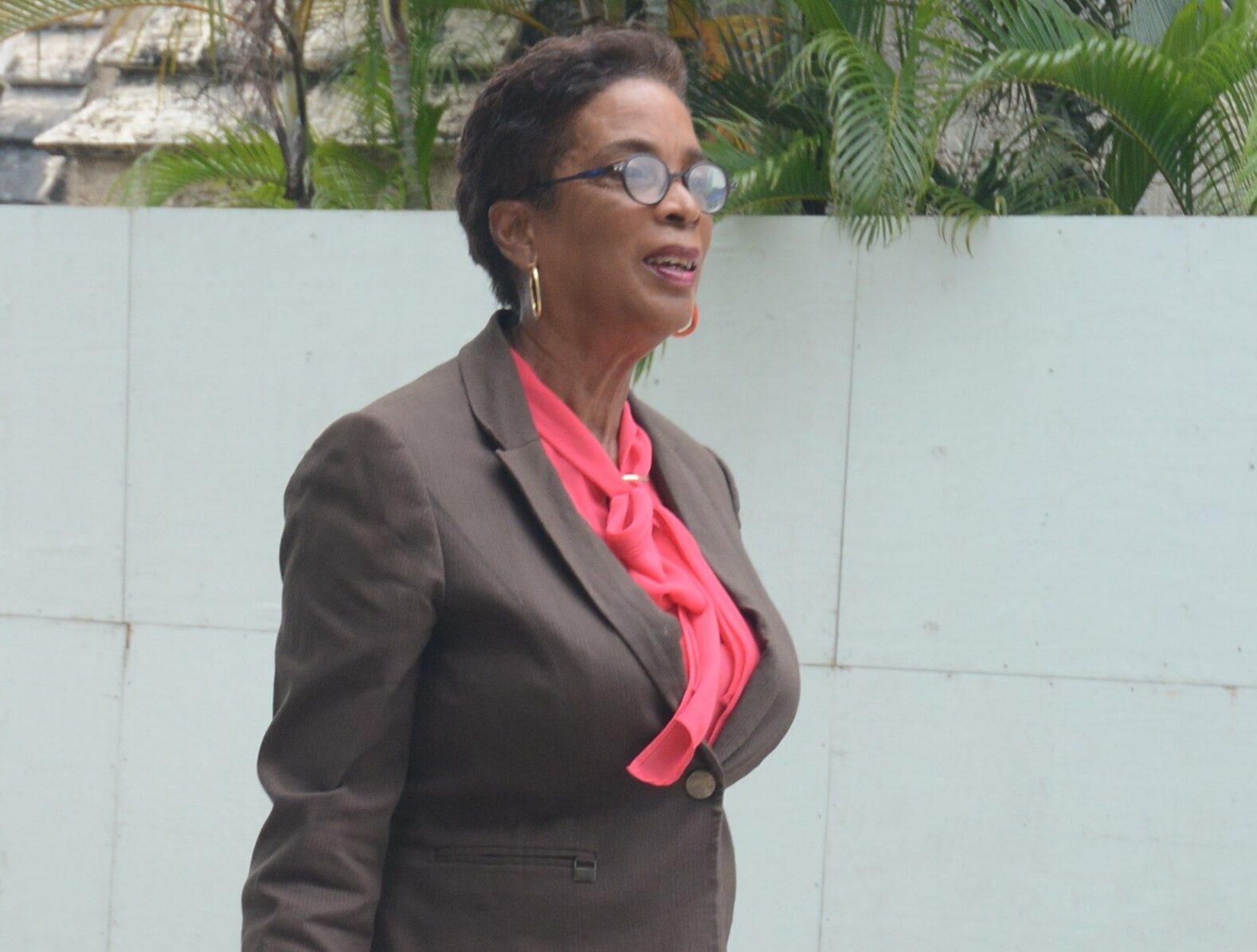
Barbados is charting a bold new course in healthcare and economic sovereignty with landmark legislation aimed at building a homegrown pharmaceutical industry from the ground up. As the country’s House of Assembly held the second reading of the Barbados Medical Products Bill, Minister of Technological and Vocational Training Sandra Husbands laid out the transformative potential of the initiative: reducing crippling dependence on imported medications, advancing medical research tailored explicitly to Caribbean populations, and generating high-skill jobs that retain local talent.
Beyond its practical economic and healthcare benefits, Husbands framed the bill as a defining step toward decolonizing collective psychology in the Caribbean and dismantling deep-seated complexes of economic and intellectual inferiority that have lingered for generations. She argued that centuries of colonial rule left an enduring psychological imprint, leading many Barbadians to undervalue their own capabilities, intellectual potential, and the abundant natural resources native to the island. “The development of this Barbados pharmaceutical bill is an expression that Barbadians are breaking out from those inferiority complexes, are beginning to understand that they have value and worth, and that yes they can step up to the plate and do something bold, do something different that previous generations have never done,” Husbands said. “To chart your own destiny, you have to believe in yourself, you have to value yourself, and you have to value what is around you.”
This historic lack of self-reliance has translated into heavy economic dependence on foreign suppliers, with local communities long prioritizing imported pharmaceutical goods over exploring the untapped medicinal properties of native Barbadian flora including bay leaf, wonder world, and clammy cherry. A core goal of the new domestic regulatory framework is to allow Barbados to lead its own medical research agenda, rather than waiting for foreign nations to prioritize regional healthcare needs that are often overlooked, the St James South MP explained.
Husbands emphasized that a central driver of the legislation is the urgent need for medical research designed specifically for people of African and Latin American descent. The vast majority of pharmaceutical products currently on the global market are developed by Western countries, with little consideration for the genetic differences that shape how different population groups respond to medications. “The absolute need for research for better health for our people is an important part of what we have to do, but we cannot sit and wait as we have done over many, many centuries, waiting for somebody else to do it for us, waiting for the colonial powers to recognise that we have a need,” she noted. “What we are doing is getting up and taking charge of our own destiny and taking responsibility for our own future and doing this groundwork here to be able to ensure that we start this pharmaceutical industry and support it with the research that is going to be necessary.”
The economic advantages of the initiative are equally compelling, according to Husbands, who recalled her time as foreign trade minister where she witnessed millions of dollars flow out of the country annually to import medications that Barbados has the natural and human capacity to produce domestically. The government positions the bill as a catalyst to diversify Barbados’ economy, strengthen national resilience to global supply chain shocks, and ease persistent pressure on the country’s foreign exchange reserves.
The plan also targets the Caribbean’s ongoing brain drain crisis, by creating well-compensated, specialized roles for local science and agriculture graduates who would otherwise migrate to Canada and other high-income countries in search of opportunity. The initiative will bring multiple government stakeholders into partnership, linking the proposed University College of Barbados, the Hope Agricultural Training Institute, and the U.S.-based Duke University to assess workforce skill gaps, intellectual property protection frameworks, and digital training requirements.
“My team was absolutely excited,” Husbands said, adding that the initiative would provide highly educated young Barbadians with “opportunities for interesting, good paying jobs that they can get excited about and become a part of this pharmaceutical industry”. She also called for the establishment of a dedicated specialized training academy to ensure young people have the technical skills needed to build and grow the new industry. With adequate investment to protect intellectual property and manage patents, Husbands said, “Barbados has a very, very bright future.”