分类: politics

  • Incabide raises RD$562.8 million in Dominican Republic’s first asset forfeiture auction

    Incabide raises RD$562.8 million in Dominican Republic’s first asset forfeiture auction

    In a landmark milestone for public institutional reform in the Dominican Republic, the National Institute for the Custody and Administration of Seized, Confiscated and Extinction of Ownership Assets (better known by its acronym Incabide) has successfully concluded its inaugural public auction, raising 562.8 million Dominican pesos through the sale of assets seized and confiscated under the nation’s Asset Forfeiture Law 60-23.

    The auction offered 143 disparate assets to prospective bidders, split between 52 real estate holdings and 48 movable items ranging from vehicles to equipment. Of the total inventory, 100 assets found buyers, marking a 68% overall sales success rate. The vast majority of revenue came from real estate transactions, which generated 550.17 million Dominican pesos, while movable assets contributed an additional 12.67 million Dominican pesos. Four properties received no acceptable bids and were declared unsold, and a further 43 unclaimed assets will be held for future auction rounds planned by the institute.

    Incabide officials noted that the event drew robust engagement from a diverse pool of participants, including both private individual bidders and domestic corporate entities. From the opening listing process to the final bid confirmation and transfer of ownership, the entire auction operation was carried out under strict standards of transparency, full legal compliance, and ongoing independent institutional oversight, the institute confirmed.

    This successful first auction, Incabide leadership emphasized, is more than a one-off financial event: it serves as concrete proof of the institution’s commitment to delivering efficient, accountable management of assets seized through the nation’s forfeiture legal framework. The proceeds from the sale will ultimately support public institutional strengthening across the Dominican Republic, advancing efforts to streamline state asset management and reinforce governance standards.

  • Dominican Republic and Canada hold third Political Consultations Meeting

    Dominican Republic and Canada hold third Political Consultations Meeting

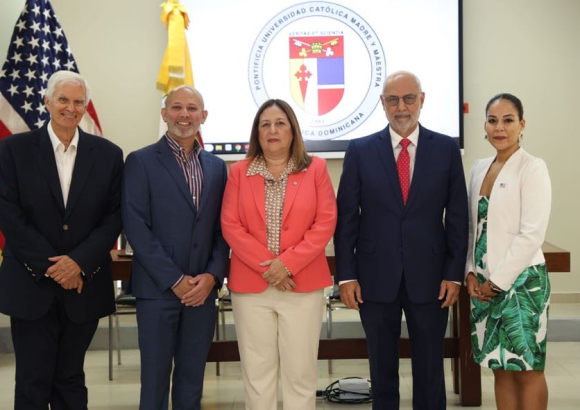
    Diplomatic delegations from the Dominican Republic and Canada gathered in Santo Domingo on Thursday for their third bilateral Political Consultations Meeting, an event designed to reinforce structured cross-border dialogue and extend collaborative work across a slate of high-priority sectors. The talks covered a broad range of mutually beneficial partnership areas, spanning cross-border trade, direct foreign investment, international tourism, expanded air transportation links, and coordinated regional security efforts.

    Leading the two delegations were senior foreign policy officials from both governments: Francisco A. Caraballo, Vice Minister of Bilateral Foreign Policy for the Dominican Republic, and Glen Linder, Deputy Minister for the Americas at Global Affairs Canada. In addition to the core foreign affairs leadership, the Dominican delegation included senior representatives from multiple national government agencies, including the Ministry of Finance, the Ministry of Energy and Mines, and the Ministry of Industry, Commerce and Micro, Small and Medium Enterprises (MSMEs), reflecting the wide scope of cooperation on the meeting’s agenda.

    A key focal point of the discussions centered on the ongoing situation in neighboring Haiti, a topic of shared regional concern for both nations. Following the closed-door talks, both sides reaffirmed their shared commitment to moving forward with coordinated joint initiatives designed to deliver tangible, practical outcomes that benefit citizens of both the Dominican Republic and Canada. The meeting also served as an opportunity to reflect on the long-standing diplomatic relationship between the two countries, which this year marks the 72nd anniversary of formal ties, officially established on April 22, 1954. Officials from both delegations emphasized that bilateral relations remain robust and productive, laying a strong foundation for future collaboration across all priority areas.

  • Jamaica to host UN WIPO director general on historic visit

    Jamaica to host UN WIPO director general on historic visit

    Nearly a quarter-century after the World Intellectual Property Organization (WIPO) helped Jamaica launch its national intellectual property office, the Caribbean nation is preparing to welcome the WIPO director-general for the first time in 24 years. Daren Tang, recently reappointed to a second term leading the global IP body, will undertake an official five-day visit to Kingston from May 16 to 20, 2026, in a move that officials call a landmark step for Jamaica’s innovation-focused economic agenda.

    The visit is being coordinated by Jamaica’s Ministry of Industry, Investment and Commerce (MIIC) through its Jamaica Intellectual Property Office (JIPO), in partnership with the Ministry of Foreign Affairs and Foreign Trade. Over the course of his trip, Tang will hold discussions with a broad cross-section of Jamaican stakeholders, including senior government leaders, local innovators, small business entrepreneurs, creative creators, women in leadership, and IP sector representatives. The itinerary centers on strategic dialogues exploring how Jamaica can expand its IP framework to drive broader economic growth.

    In an official statement released Friday, MIIC Minister Senator Aubyn Hill emphasized that the high-profile visit underscores Jamaica’s growing commitment to building a modern, globally competitive economy rooted in robust intellectual property protections. “This visit reflects Jamaica’s emergence as a forward-looking economy that recognizes what ideas, innovation, brands and creativity can deliver for national prosperity,” Hill explained. He noted that more Jamaican creators and business owners are now registering trademarks to protect their ventures, developing new marketable products, and positioning themselves to compete on the global stage. To support this shift, Hill added, Jamaica has been updating its IP legislation, modernizing national IP systems and aligning its rules with key international agreements, all to reinforce the country’s standing as an attractive hub for investment and innovation.

    Two key ceremonial signings of letters of intent will serve as the centerpiece of Tang’s visit, marking new commitments to build Jamaica’s national IP capacity and institutional infrastructure. On May 18, Tang will join Foreign Minister Senator Kamina Johnson Smith to sign an agreement establishing a cooperative partnership between the WIPO Academy and Jamaica’s Foreign Service Institute. The three-year program will deliver structured IP training and skills development to Jamaican diplomats and public officials, strengthening the country’s ability to participate effectively in global IP negotiations and multilateral policy forums.

    Immediately after that ceremony, Tang and Hill will sign a second letter of intent between WIPO and JIPO. This agreement paves the way for the establishment of a national Intellectual Property Training Institution (IPTI) in Jamaica, under the umbrella of the WIPO Academy’s global IPTI network. The new institution will focus on expanding education, training and capacity building for Jamaica’s entire innovation and IP ecosystem, with cooperative activities scheduled to launch in 2027.

    This visit carries particular historical weight: it is the first trip to Jamaica by a sitting WIPO Director General since 2002, the same year JIPO opened as Jamaica’s official national IP office. Back then, then-WIPO chief Dr Kamil Idris traveled to Kingston to help officially launch JIPO, a milestone that kickstarted decades of progress for Jamaica’s IP landscape. WIPO provided critical support for JIPO’s founding and has continued to back the expansion of Jamaica’s IP framework over the past 22 years.

    Lilyclaire Bellamy, JIPO’s current Executive Director, highlighted the dramatic transformation Jamaica has undergone in the IP space since that 2002 launch. “We have modernized our national IP framework, deepened engagement across local stakeholders, and acceded to multiple landmark international IP treaties,” Bellamy noted. Those agreements include the Madrid Protocol for international trademark registration, the Patent Cooperation Treaty, the Hague Agreement for industrial design protection, and the Marrakesh Treaty expanding access to published works for people with visual and print disabilities. She added that WIPO’s long-running support has helped cement IP’s role as a strategic driver of innovation, business expansion, increased exports, and broader national prosperity for Jamaica.

    Tang’s visit comes on the heels of his reappointment as WIPO Director General in April 2026 for a second term, a vote of confidence from the global community in his leadership of the international IP system. Since taking office in 2020, Tang has prioritized initiatives to make IP systems more accessible and relevant to underrepresented groups, including small businesses, women innovators, and young creators. Under his direction, WIPO has increasingly framed IP as a core catalyst for innovation, entrepreneurship, technological advancement, and inclusive economic development — a mission that grows more urgent as transformative emerging technologies such as artificial intelligence reshape industries and economies around the world.

  • Police investigating ‘security matter’ at Trinidadian airport

    Police investigating ‘security matter’ at Trinidadian airport

    PORT OF SPAIN, Trinidad – Trinidad and Tobago’s national security apparatus is navigating two linked high-profile security incidents that have intensified partisan debate over the government’s ongoing state of emergency (SOE), which is scheduled to expire next month. The Trinidad and Tobago Police Service (TTPS) issued a formal statement Friday confirming that a security-related incident involving a cargo plane at Piarco International Airport was first reported Thursday, and is now the focus of an ongoing multi-agency investigation led by state security bodies.

    According to the TTPS, the irregularities that prompted the response were uncovered during routine security checks implemented under the country’s existing heightened security posture tied to the SOE. Police confirmed that the aircraft was immediately secured, all crew members have been accounted for, and all relevant national security units were activated in line with established response protocols. While the TTPS declined to release specific operational details, citing active investigation protocols and international security obligations, local media reports have identified the cargo plane as Ukrainian-registered, claiming explosive materials were discovered on board.

    In its statement, the TTPS moved quickly to reassure the public that at no point did the incident pose any danger to traveling passengers, ongoing airport operations, or the broader Trinidad and Tobago public. Officials emphasized the situation was always calm, fully contained, and managed in line with professional security standards. The force added that no further details can be published at this time due to the active status of the investigation, but additional information will be released when it is deemed safe and appropriate to do so.

    This airport incident comes on the heels of a separate security controversy that erupted earlier this week, when Attorney General John Jeremie revealed that a national security incident linked to a gang member had occurred the previous Friday, prompting the implementation of enhanced security protections for all members of parliament and a small number of senior government officials.

    Police Commissioner Allister Guevarro later backed up Jeremie’s disclosure, confirming that the TTPS had responded to a security event that required elevated protective measures at Parliament and for specific government officials. Guevarro noted that the response was a precautionary measure aligned with national security protocols, and declined to share further operational details, specific information on the incident or individuals involved, in line with national security confidentiality requirements. He stressed that the TTPS continuously reassesses all potential risks and adjusts protective measures as needed to safeguard national institutions and all citizens.

    However, the main opposition party, the People’s National Movement (PNM), has rejected the government’s account of the parliamentary incident, accusing the ruling administration of manufacturing a security crisis to justify extending the SOE, which is set to end next month.

    Opposition Chief Whip Marvin Gonzales told reporters that he remained in Parliament until late the Friday in question, and neither he nor any other opposition legislator experienced any disruptions to proceedings, nor observed any visible heightened security protocols around the building. Gonzales called the incident claim “a great and grand deception” led by the attorney general, noting that when lawmakers left Parliament that evening, there was no visible increased security presence, and no officials had briefed opposition members or the opposition leader about any specific threat targeting parliamentarians. He added that most government officials had left the building early for another engagement, further undermining claims of an elevated security threat.

    Gonzales reiterated that the entire narrative is a deliberate political maneuver by the government to lay the groundwork for a three-month extension of the state of emergency. He also directly appealed to the police commissioner not to allow his office to be co-opted as a propaganda tool for the ruling government.

  • US seeks to indict Cuba’s ex-president Raul Castro — media

    US seeks to indict Cuba’s ex-president Raul Castro — media

    Escalating long-standing political pressure on Cuba’s communist government, the United States is moving forward with plans to indict 94-year-old Raul Castro, the island nation’s former president and younger brother of revolutionary leader Fidel Castro, multiple US media outlets reported Thursday. The development marks a sharp new turn in a rapidly deteriorating relationship between the two neighboring countries, which has deepened amid widespread crippling power outages across Cuba traced back to a strict fuel blockade imposed by the Trump administration.

    Donald Trump, who served as US president from 2017 to 2021, has repeatedly made clear his goal of forcing the collapse of Cuba’s communist government, a stance that has guided his administration’s sweeping reversal of diplomatic detente built by his predecessor. Raul Castro, who stepped into the national presidency following Fidel Castro’s retirement, oversaw the landmark 2015 normalization of relations between Washington and Havana brokered under the Obama administration—an historic breakthrough that unraveled completely after Trump took office.

    According to reporting from CBS News, which cited unnamed senior US officials with direct knowledge of internal deliberations, the potential indictment centers on the 1996 downing of two small civilian aircraft piloted by anti-Castro activists. At the time of the incident, Cuban authorities stated the planes had violated Cuban airspace, a claim that has remained a point of contention between the two countries for nearly three decades.

    When reached for comment by Agence France-Presse following the media reports, the US Department of Justice declined to provide any immediate confirmation or response on the matter. The looming legal action against Raul Castro, who retired from the Cuban presidency in 2018 and stepped down as head of the Communist Party of Cuba in 2021, comes as Cuban residents continue to grapple with widespread economic instability and infrastructure failures worsened by decades of US trade sanctions.

  • President Abinader returns to Dominican Republic after official visits to Panama and Guyana

    President Abinader returns to Dominican Republic after official visits to Panama and Guyana

    Dominican Republic President Luis Abinader touched back down in the nation’s capital of Santo Domingo on Thursday, wrapping up a two-stop official diplomatic tour that took him first to Panama and then to Guyana. The trip centered on two core goals: drawing new foreign direct investment to the Caribbean nation and expanding bilateral cooperation across key economic and energy sectors, yielding a landmark agreement for joint oil exploration by the end of his travels.

    Abinader kicked off his international itinerary in Panama, where he took the stage as the keynote speaker for the World Free Zones Congress. During his address, he laid out a compelling case for global businesses to choose the Dominican Republic as their next investment hub, spotlighting the country’s unique competitive advantages in both advanced manufacturing and high-technology sectors. Beyond his conference appearance, the president held one-on-one bilateral talks with Panamanian President José Raúl Mulino, and also convened a series of roundtable discussions with leading private sector executives from both nations. These conversations focused on breaking down trade barriers and expanding two-way export volumes to strengthen economic ties between the two countries.

    From Panama, Abinader traveled onward to Georgetown, the capital of Guyana, where he was formally greeted by Guyana’s Prime Minister Mark Phillips and Foreign Minister Hugh Todd ahead of a high-level meeting with Guyanese President Mohamed Irfaan Ali. The working visit concluded with a formal signing ceremony for a new bilateral cooperation agreement, crafted specifically to advance joint exploration activities in the oil and gas sector.

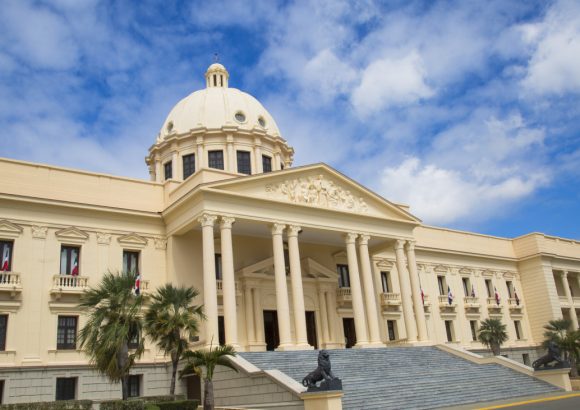
    Immediately after his arrival back in Santo Domingo, Abinader traveled directly to the National Palace to resume his daily presidential duties. Officials close to the president noted that the tour reflects the Dominican government’s sustained, strategic push to expand global partnerships, attract much-needed foreign capital, and unlock new growth opportunities across the energy, trade, and broader economic development sectors.

  • Indotel and Ministry of Defense sign agreement to strengthen cybersecurity

    Indotel and Ministry of Defense sign agreement to strengthen cybersecurity

    In a significant step to shore up the Dominican Republic’s national digital and strategic security, the Dominican Institute of Telecommunications (Indotel) and the nation’s Ministry of Defense have formalized a wide-ranging cooperation agreement focused on upgrading core telecommunications infrastructure, enhancing cyber defense capabilities, and modernizing national strategic security systems.

    The binding agreement was officially signed by Guido Gómez Mazara, president of the Indotel Board of Directors, and Carlos Fernández Onofre, the Dominican Republic’s Minister of Defense, during a formal ceremony in Santo Domingo. Under the terms of the new partnership, the two government bodies will collaborate across multiple critical domains, including advancing radio spectrum monitoring protocols, streamlining national frequency management practices, rolling out more robust proactive interference prevention measures, and coordinating unified responses to growing cyber and technology-based threats targeting the nation.

    A key deliverable of this inter-institutional alliance is the establishment of a new dedicated technical unit whose exclusive mandate will be advancing initiatives in telecommunications security and cyber defense. Beyond this specialized unit, the partners have also laid out plans to launch a Binational Border Monitoring Center, a purpose-built facility designed to detect unauthorized and illegal signal interference along the country’s border, track unauthorized drone activity, and streamline inter-agency coordination to respond quickly to emerging security risks in border regions.

    Additional provisions of the agreement outline shared use of existing institutional infrastructure to expand both telecommunications coverage and national surveillance reach across the country. The partnership also includes dedicated support for advancing digital transformation efforts and expanding access to virtual education programs within Dominican military academic institutions. Senior government officials involved in the agreement emphasized that this cross-agency alliance will do more than address immediate security gaps: it will consolidate the Dominican Republic’s technological sovereignty and deliver far-reaching improvements to the protection of the nation’s critical communications infrastructure, which serves as a backbone for all government and commercial activity across the country.

  • Xi Warns Trump on Taiwan as U.S.-China Talks Focus on Global Tensions

    Xi Warns Trump on Taiwan as U.S.-China Talks Focus on Global Tensions

    On May 14, 2026, the first day of high-level bilateral talks between Chinese President Xi Jinping and U.S. President Donald Trump concluded in Beijing, bringing the world’s two largest economies together to address a raft of pressing global and bilateral issues against a backdrop of longstanding geopolitical friction. The summit opened with formal ceremonial welcomes, followed by closed-door bilateral discussions, a state banquet held at Beijing’s iconic Great Hall of the People, and cultural excursions across the capital, with a second day of negotiations scheduled ahead of Trump’s departure on Friday.

    In his address at the state banquet, President Xi framed the bilateral relationship between China and the United States as the most consequential bilateral partnership for global stability and prosperity. He stressed that both nations bear a shared responsibility to manage ties responsibly, noting, “We must make it work and never mess it up.” Yet Xi also issued a firm, clear warning on the Taiwan issue, which has remained the single most sensitive flashpoint in U.S.-China relations for decades. Xi identified Taiwan as the most important core issue in bilateral ties, cautioning that any mismanagement of the question would trigger a “very dangerous situation” with far-reaching consequences for both countries and the broader Asia-Pacific region.

    The long-running dispute over Taiwan remains a persistent source of friction: Beijing views the self-governing island as an inalienable part of Chinese territory and has repeatedly pledged to achieve reunification, reserving the right to use military force if necessary. The United States, meanwhile, maintains unofficial diplomatic and security ties with Taipei, and continues to supply defensive military equipment to the island under its longstanding one-China policy framework. Following the first day of talks, U.S. Secretary of State Marco Rubio reaffirmed that Washington’s Taiwan policy remains unchanged, emphasizing that any unilateral, forced alteration to the status quo across the Taiwan Strait would damage the interests of both China and the United States.

    Beyond the Taiwan issue, the first day of talks focused heavily on the escalating regional conflict involving Iran and its cascading risks to global energy security. Senior White House officials confirmed that both leaders reached a shared agreement that the Strait of Hormuz, the strategic waterway through which roughly a fifth of global oil supplies pass each day, must remain open to commercial shipping and must not be militarized by any party.

    Rubio added that U.S. negotiators brought up longstanding American concerns over Iran’s nuclear development program during the discussions, though the U.S. side did not formally request direct intervention or assistance from China on the issue. Chinese representatives, for their part, reiterated Beijing’s longstanding public position that it opposes the development of nuclear weapons by Iran, aligning with the international community’s non-proliferation goals.

    A notable feature of President Trump’s visit is the delegation of top American business leaders accompanying him, including high-profile figures Tesla and SpaceX CEO Elon Musk, Apple CEO Tim Cook, and NVIDIA CEO Jensen Huang. Trump told reporters during the trip that the executives joined the visit to demonstrate respect for bilateral commercial ties and to work toward strengthening economic cooperation between U.S. firms and Chinese partners. The talks are expected to produce further clarity on bilateral economic and trade commitments when negotiations conclude on Friday.

  • Leacock defends decision to put police in schools

    Leacock defends decision to put police in schools

    The government of St. Vincent and the Grenadines is moving forward with a controversial plan to station full-time regular police officers at all schools across the country, defying growing public criticism from legal and community leaders who warn the policy will militarize the nation’s education system. Deputy Prime Minister and National Security Minister St. Clair Leacock confirmed the policy’s progression in an interview with local broadcaster NBC on Wednesday, announcing that two Assistant Commissioners of Police, Benzil Samuel and Hezron Ballantyne, will oversee the rollout and management of school security operations nationwide.

    Currently, only a subset of St. Vincent and the Grenadines’ schools have dedicated security personnel, Leacock explained. Larger campuses with 300 or more enrolled students currently rely on auxiliary police officers, but the minister argued these part-time and less trained personnel are stretched too thin to address rising safety concerns, and their authority is often not respected by students in the way that sworn regular police officers would be.

    The plan has drawn sharp pushback from prominent local voices, including Jomo Thomas, a well-known lawyer and social commentator. Thomas has argued that deploying uniformed police to school campuses does nothing to address the root causes of youth violence, and instead risks turning academic institutions into securitized spaces that mirror the punitive school environment seen in many United States public schools. He went so far as to label the proposal a “horrible suggestion” that erodes the foundations of a open, supportive learning environment.

    Leacock pushed back against these criticisms in his Wednesday remarks, emphasizing that the new police deployment is designed not just to crack down on student misbehavior, but to stabilize overall public safety across school campuses and their surrounding communities. While opponents argue that no police presence belongs in educational spaces, the minister made clear the government rejects this position, noting that the policy was developed through months of evidence-based engagement with education leaders and community stakeholders.

    Leacock explained that the national police high command has held extensive consultations with school principals, parent-teacher associations across the country, and completed independent site assessments to confirm the scope of safety challenges. He added that school leaders themselves have repeatedly requested law enforcement intervention to address ongoing issues that educators do not have the training or authority to resolve.

    The core goal of the new deployment, Leacock said, is to curb the unacceptable patterns of dangerous behavior that have plagued public spaces, including school campuses, in recent weeks. The minister declined to overstate the scale of the challenges facing the school system, but noted that the issues are already an open secret among the public, with principals regularly flagging growing concerns including weapons possession on campus, drug trafficking among students, and violent confrontations that put staff and peers at risk.

    Asked who should address these threats if not law enforcement, Leacock questioned why the public would expect untrained teachers to enter dangerous confrontations with students armed with weapons, or forgo routine searches to intercept contraband before it enters campus. Addressing these complex safety threats is the core responsibility of specialized, trained law enforcement, the minister concluded, reaffirming that the government will not abandon the plan despite continued opposition.

  • Government Warns Essential Workers Must Report on Public Holidays

    Government Warns Essential Workers Must Report on Public Holidays

    During a weekly meeting held Wednesday, the Cabinet of Antigua and Barbuda addressed two key administrative matters that touch on public sector operations and labor regulations, issuing clear guidance aligned with existing national legislation.

    First on the meeting agenda was a review of labor protocols governing employment obligations when public holidays fall on regular workdays. Cabinet members moved to reaffirm the long-standing provisions outlined in the Antigua and Barbuda Labour Code, placing specific emphasis on requirements for workers in critical essential service roles.

    The body stressed that any employee who has been formally rostered or scheduled to work on a recognized public holiday remains obligated to report to their post and fulfill their assigned job duties. Ministers underscored the outsized importance of essential services to the nation’s day-to-day function, noting that consistent, uninterrupted access to these services is a non-negotiable need for the general public. Without the steady operation of these critical roles, the government would be unable to meet basic public needs even during holiday periods, the meeting concluded.

    The government also emphasized that consistent adherence to pre-approved work schedules and operational standards is fundamental to upholding efficiency, service continuity, and broad public trust in the country’s core national services. Upholding these rules does not undermine worker protections, officials noted, but rather ensures that the public does not lose access to life-sustaining and community-critical services during holidays.

    In a second key decision coming out of the Wednesday meeting, Cabinet reviewed a detailed technical assessment submitted by the Ministry of Works, focused on the structural safety of the building that houses the Office of National Drug Control Policy (ONDCP). Following a comprehensive technical inspection of the structure’s systems, integrity, and compliance with safety codes, the Ministry of Works formally deemed the building safe for continued employee occupancy and regular daily operations.

    Acting on the findings of this assessment, Cabinet directed that all ONDCP employees will continue to carry out their regular daily functions and responsibilities from their current established work environment, with no immediate relocation or operational changes required.

    Beyond these two specific matters, the Antigua and Barbuda government used the meeting to reaffirm its overarching commitment to balancing two core priorities: upholding efficient, continuous operation of public services across both islands of the nation, while also guaranteeing safe, suitable working conditions for all public sector employees across all government departments and agencies.