分类: politics

  • Final Declaration of the 5th International Patria Colloquium

    Final Declaration of the 5th International Patria Colloquium

    Against the backdrop of escalating external pressure on Cuba, participants at the 5th International Patria Colloquium have issued a united condemnation of unilateral coercive measures and systemic exploitation of digital and economic power, while laying out a collective vision for a more just global information and political order. Held in Havana from April 16 to 18, 2026, the gathering brought together 154 international delegates and more than 3,000 Cuban participants, timed to honor two landmark milestones: the 100th birth anniversary of iconic Cuban revolutionary leader Fidel Castro, and the 65th anniversary of the Bay of Pigs Invasion, widely recognized as the first major defeat of U.S. imperialism in the Americas.

    Opening the official declaration, colloquium attendees emphasized the deep political, historical and strategic significance of their assembly, which reaffirms the ongoing relevance of the Cuban Revolution’s emancipatory ideals for communities across the globe.

    In an era defined by rapid digital transformation, the declaration frames digital communication as one of the central battlegrounds of modern political, cultural and geopolitical struggle. Contestation over this space, attendees argue, determines not just public narratives, but the future of global power dynamics, competing societal models, and divergent civilizational projects.

    A core point of criticism raised by the gathering is the extreme concentration of global informational and technological power in the hands of a tiny group of transnational corporations. These entities control nearly every critical layer of the digital ecosystem: from core infrastructure, global data flows, and advertising systems to cloud services, semiconductor supply chains, major digital platforms, recommendation algorithms, and an increasing share of cutting-edge artificial intelligence development and deployment.

    This monopolistic concentration poses grave risks to the global community, the declaration warns. It undermines national sovereignty, erodes global cultural diversity, weakens informational pluralism, and enables new forms of economic, cognitive and political subordination. The result is a cross-border architecture of digital domination that overrides the self-determination of nations, particularly those in the Global South.

    Attendees also expressed deep alarm over the weaponization of digital tools for political destabilization. Industrial-scale disinformation campaigns, targeted hate speech, covert foreign influence operations, and algorithmic manipulation have become systematic tools to fracture societies, disrupt domestic political processes, and undermine social cohesion in countries across the world, the declaration notes.

    Further, the gathering condemned the integration of digital technologies, AI, automated surveillance systems, and algorithmic frameworks into military aggression, occupation, economic blockades, and psychological warfare campaigns. Participants highlighted the particularly harmful combination of military operations and information domination strategies in ongoing conflicts affecting Palestine, Lebanon, and Iran as a dangerous violation of international norms.

    Against these threats, the colloquium affirmed the inalienable right of all peoples to build technological sovereignty, develop independent domestic communication capabilities, cultivate democratic digital ecosystems, and enact regulatory frameworks centered on public interest, social justice, and the protection of collective rights.

    To advance these goals, delegates agreed to strengthen the International Patria Colloquium as a permanent collaborative platform connecting journalists, independent media outlets, grassroots activists, social movements, researchers, technology developers, and public officials across the Global South. The platform will enable coordinated action and shared capacity building to counter systemic digital and economic coercion.

    Participants also committed to building out a global cooperation network focused on four key priorities: training for practitioners, applied research on digital coercion, coordinated production of independent content, and rapid response capabilities to counter disinformation, manipulation, and hate campaigns. The declaration emphasizes that the global battle for fair information requires organized collective intelligence and sustained, coordinated action.

    In line with its people-centered vision, the colloquium expressed support for the development of open, auditable, transparent, multilingual, and culturally adaptive technologies and AI systems. These tools should be oriented toward advancing public goods including education, health, scientific research, culture, and accessible public administration, and centered on empowering people-centered communication rather than private or geopolitical domination.

    The gathering closed with a formal call to action for all international organizations, academic networks, popular movements, and peace-aligned states to unite around a shared agenda for a new global information and communications order. This order, delegates argued, must center truth, justice, human dignity, and the fundamental right of peoples to self-determination.

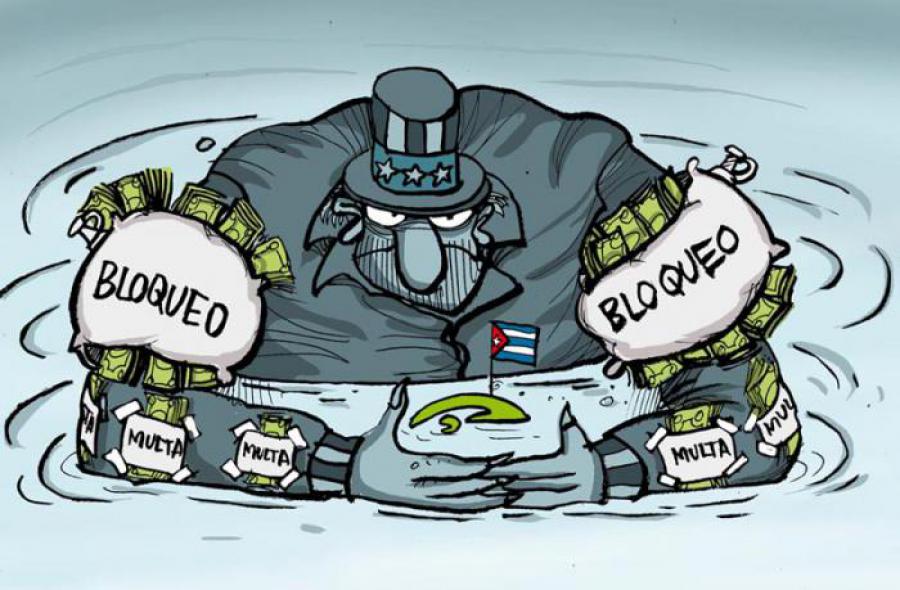
    In a dedicated rebuke of long-standing external pressure on Cuba, the 5th International Patria Colloquium issued a firm, categorical condemnation of the United States’ sustained policy of aggression against the island nation. Specifically, delegates condemned the intensification of the decades-long economic, commercial and financial blockade, as well as the imposition of a targeted energy embargo crafted to stifle Cuba’s development and inflict harm on the daily lives of ordinary Cuban people.

    These actions are clear violations of international law and the foundational principles of national sovereignty and self-determination, the declaration confirms. Attendees also drew attention to the extraterritorial reach of these coercive measures, which intentionally obstruct Cuba’s access to global fuel supplies, critical technology, and international markets.

    In closing, the collective of participants reaffirmed the full legitimacy of the Cuban people’s right to defend their independent social project. They demanded the immediate removal of all unilateral coercive measures imposed on Cuba, and urged the global community to reject all forms of economic warfare that weaponize access to energy and communication as tools of collective punishment against sovereign nations.

  • My signature for the Homeland

    My signature for the Homeland

    Cuba’s top leader, Miguel Díaz-Canel Bermúdez — who holds the positions of First Secretary of the Central Committee of the Communist Party of Cuba and President of the Republic of Cuba — has formally launched the nationwide and global outreach campaign “My Signature for the Homeland”, marking the start of the movement with his own official signature.

    The new initiative grows directly out of a call Diaz-Canel issued during recent ceremonies marking the 65th anniversary of Cuba’s declaration of its revolution’s socialist character. At that event, the president urged both domestic Cuban organizations and global ally groups to work together to spread accurate, unfiltered information about Cuba to every region of the world, pushing back against widespread misinformation that has circulated about the island nation in international discourse.

    Beyond amplifying accurate narratives about Cuba, the campaign also formalizes the Declaration of the Revolutionary Government, which was released on the same 65th anniversary date. This document outlines the Cuban people’s longstanding commitment to building and maintaining peace, while also reaffirming their unwavering determination to protect the nation’s hard-won national sovereignty against external interference.

    The launch was shared publicly via President Díaz-Canel’s official X account, with accompanying screenshots documenting the historic moment of the campaign’s kickoff.

  • Crisis bij Canawaima: beschuldigingen van belangenverstrengeling en machtsstrijd

    Crisis bij Canawaima: beschuldigingen van belangenverstrengeling en machtsstrijd

    A simmering power struggle between executive leadership and the newly appointed supervisory board at state-owned Canawaima Management Company (CMC) is on the brink of a major escalation, with the firm’s terminal manager calling for urgent intervention from the national government. In a formal letter addressed to Raymond Landveld, Suriname’s Minister of Transport, Communication and Tourism, terminal manager Lesley Daniël has laid out detailed allegations against the company’s Raad van Commissarissen (RvC, Supervisory Board), accusing the body of systematically overstepping its mandated oversight role and encroaching on day-to-day operational management.

    Internal documents reviewed by local media outlet Starnieuws corroborate Daniël’s claims that the new RvC has been making executive decisions that fall outside the scope of its supervisory mandate. These unauthorized actions include signing off on major investment commitments, approving new staff hires, and signing off on day-to-day operational expenditures, according to the documentation.

    What has sharply intensified the conflict are emerging allegations of widespread conflicts of interest within the RvC, with particular focus falling on Richenel Vrieze, the board’s president commissioner. These claims have been independently confirmed by the trade union representing workers at the state-owned enterprise, led by Dayanand Dwarka. The union has confirmed it is aware of the problematic actions, but has not yet finalized a decision on what collective action it may take. The union’s governing body is scheduled to hold a deliberative vote on the matter this coming Monday.

    Per the reviewed documentation, multiple service contracts have been awarded to firms linked to Vrieze. The companies, which operate in procurement and repair services for CMC, are currently registered under Vrieze’s wife’s name, though public records show Vrieze was the direct owner of the businesses in prior years.

    Further financial irregularities have also been uncovered: procurement records show goods were originally purchased from a third-party firm at a lower cost, but inflated invoices were submitted for reimbursement through Vrieze-linked entities to secure higher payments. Additional documentation also reveals that apartments have been rented to one sitting RvC member from a building owned by the son of another RvC board member, creating another unreported conflict of interest.

    In response to the allegations, the RvC has pushed back against Daniël, pushing for his immediate removal from his position. Board members claim Daniël has failed to deliver sufficient performance for the state-owned firm, which has faced severe long-term financial shortfalls despite generating substantial annual revenue. The RvC accuses Daniël of drawing a high executive salary without meeting performance expectations for the role.

    The combination of toxic institutional power struggles and serious potential integrity violations has created extreme pressure on CMC’s operations and governance. In his formal request to the minister, Daniël is calling for immediate government intervention to address the perceived dysfunction and rule-breaking on the part of the current RvC, requesting targeted measures to correct the board’s overreach and resolve the alleged conflicts of interest.

  • Haiti and the Dominican Republic to reopen airspace on May 1

    Haiti and the Dominican Republic to reopen airspace on May 1

    On April 17, 2026, senior diplomatic delegations from neighboring Haiti and the Dominican Republic gathered for high-stakes talks at the Codevi Industrial Park, a facility located directly along their shared border, to move forward critical negotiations on longstanding bilateral priorities.

    Leading the respective delegations were Haitian Foreign Minister Raina Forbin and Dominican Republic Foreign Minister Roberto Álvarez. The meeting was rooted in the framework established by the 2021 joint declaration signed by former Haitian President Jovenel Moïse and current Dominican President Luis Abinader, a foundational document that has shaped diplomatic engagement between the two Caribbean nations over the past five years.

    The most tangible breakthrough to emerge from the day’s discussions is a formal agreement to fully reopen shared airspace beginning May 1, 2026. Under the deal, commercial passenger flights will resume between Haiti’s Cap-Haïtien International Airport and multiple airports across the Dominican Republic. Officials from both sides project that the resumption of air connectivity will streamline cross-border travel for families, business people, and tourists, lay the groundwork for expanded economic collaboration, and strengthen people-to-people ties that have been strained by years of restricted access.

    Beyond the airspace agreement, delegations dedicated substantial time to addressing three core ongoing challenges: coordinated border security management, irregular migration flows, and expanded bilateral trade. Both sides emphasized that sustained, coordinated cooperation is the only path to improving regulatory control and bolstering long-term stability across the entire border region.

    In addition to their internal negotiations, the two delegations jointly expressed gratitude for ongoing international backing for efforts to stabilize Haiti, singling out support from the United Nations as critical to ongoing work to restore peace and functional institutional governance in the crisis-battered country.

    By the close of the meeting, both nations issued a joint reaffirmation of their commitment to keeping diplomatic channels open, framing consistent, constructive dialogue as the primary mechanism to address shared challenges. The statement closed with a reaffirmation of mutual respect for each nation’s sovereignty and a renewed commitment to upholding positive, good-neighborly relations moving forward.

  • Official visit to USA by Prime Minister of Haiti

    Official visit to USA by Prime Minister of Haiti

    Haitian Prime Minister Alix Didier Fils-Aimé launched a high-stakes official visit to the United States on April 19, 2026, with a scheduled end date of April 24, the Prime Minister’s Office of Haiti confirmed publicly. The trip, scheduled months in advance as part of Haiti’s ongoing diplomatic outreach, includes a small but senior delegation consisting of Foreign Minister Raina Forbin and Special Advisor Guerly Leriche, signaling the focused priority Haiti places on the engagements ahead.

    This top-level diplomatic mission comes at a critical juncture for the Caribbean nation, which has long grappled with persistent security instability, economic stagnation, and gaps in development progress. It forms a core part of Port-au-Prince’s sustained strategy to deepen strategic dialogue between Haiti and its key international partners, with the central goal of rallying enhanced financial, political, and security backing to shore up domestic stability, upgrade public safety infrastructure, and kickstart stalled national development initiatives.

    During the first leg of the visit, Fils-Aimé will be based in Washington, D.C., where he is set to convene a packed slate of high-level meetings with senior U.S. government officials, leadership from major international financial institutions, and representatives of key regional governance bodies. These discussions are expected to cover everything from debt restructuring support to security assistance for Haitian law enforcement.

    Following his time in the U.S. capital, the prime minister will travel north to New York City to continue his diplomatic consultations. The bulk of his New York engagements will center on talks with United Nations leadership, focusing on pressing, long-running issues that shape Haiti’s domestic and international standing.

    In a statement announcing the visit, the Haitian government reaffirmed its unwavering commitment to advancing the core national interests of the Haitian people, expanding and strengthening long-term strategic partnerships with global stakeholders, and fostering tangible, effective international cooperation that delivers real, on-the-ground benefits to communities across the country.

  • Waterschap Corantijn Project vraagt aandacht voor tekorten tijdens bezoek aan RO

    Waterschap Corantijn Project vraagt aandacht voor tekorten tijdens bezoek aan RO

    On Friday, the governing board of the Overliggend Waterschap Multipurpose Corantijn Project (OWMCP), a key water management agency supporting Suriname’s rice industry, held an introductory working visit to the country’s Ministry of Regional Development (RO). The meeting, centered on addressing operational challenges that have hampered the agency’s core functions, brought the most pressing bottlenecks facing OWMCP to the attention of senior ministry officials.

    According to statements from the OWMCP board, the organization is currently grappling with two major interconnected issues: a significant shortage of operational funding and critical gaps in essential equipment. Compounding these problems, a large portion of the agency’s heavy machinery fleet is in poor technical condition, creating major delays and complications for ongoing and planned water management work across its service area.

    In response to the concerns raised, RO officials announced plans to conduct an on-site assessment of OWMCP’s operations and infrastructure. Ministry representatives noted that an in-person visit to the project area will give officials a first-hand, clearer understanding of the full scope of the challenges, including the current condition of the machinery, unmet resource needs, and long-standing maintenance issues affecting the region’s irrigation canals.

    The Ministry of Regional Development confirmed in its post-meeting announcement that the OWMCP board has welcomed the on-site assessment initiative, and has committed to providing full cooperation to support the ministry’s review.

    As a subsidiary agency of the Ministry of Regional Development, OWMCP plays an indispensable role in Suriname’s agricultural economy, particularly the rice sector that forms a core part of the country’s food production and export market. The agency is tasked with two critical, farmer-focused responsibilities: delivering a reliable supply of irrigation water to agricultural polders in the Nickerie district, and managing the drainage of excess floodwater from these productive farmlands to prevent crop damage.

  • Minister Archer calls for greater role for small states in global development

    Minister Archer calls for greater role for small states in global development

    At the 2026 Economic and Social Council (ECOSOC) Youth Forum held at United Nations Headquarters in New York, Senator Shane Archer, Barbados’ Minister of State in the Prime Minister’s Office with oversight for Youth and Culture, has delivered a rousing call to reorient global sustainable development around the unique perspectives and needs of small and developing nations. Archer challenged the long-held assumption that smaller states must merely adapt to outdated development frameworks designed by larger, more industrialized economies, arguing instead that these nations deserve a central, defining role in building new, more inclusive models for industry, innovation, and infrastructure aligned with the UN Sustainable Development Goal 9 (SDG 9).

    In his address to the annual forum, which brings together young leaders, UN member states, global institutions, and partner organizations to advance youth participation in the 2030 Sustainable Development Agenda, Archer laid out a reimagined vision for SDG 9. He emphasized that true progress cannot be measured by the quantity of infrastructure or industrial output alone, but by how development tangibly improves people’s daily lives. “When youth, culture, technology and resilience come together, SDG 9 stops being a target on paper and starts becoming a platform for transformation,” Archer stated, delivering the official position of the Caribbean island nation.

    Archer broke down his tailored vision for how core development pillars must adapt to the realities of Small Island Developing States (SIDS). For SIDS like Barbados, he argued, industry must go beyond manufacturing goods to create new pathways for economic participation. Innovation should not just be a flashy achievement for wealthy nations, but a tool to solve the specific on-the-ground challenges that smaller states face. And infrastructure, he added, must do more than stand as a physical structure – it needs to connect marginalized and remote communities to opportunity, build climate resilience, and uphold human dignity.

    Central to Archer’s proposal is a commitment to equitable access that levels the global playing field for emerging creators and entrepreneurs. He outlined a future where global development frameworks prioritize digital connectivity, universal clean energy access, and modern public systems that empower small businesses and creative workers from Bridgetown, Barbados’ capital, to compete on equal terms with counterparts from large, industrialized economies.

    He rejected the longstanding framing of innovation as an exclusive privilege of powerful large nations, asserting that it is a universal right for any country willing to pursue bold thinking, strategic governance, and purpose-driven action. Furthermore, Archer called for a broader definition of industry, one that values the intellectual, cultural, and creative talent of a nation’s people as much as traditional output from assembly lines. “This is where Barbados has something real to say,” he noted, highlighting the unique perspective small island nations bring to global development conversations.

    The annual ECOSOC Youth Forum was created specifically to elevate youth voices in UN policy debates, giving young leaders a global platform to share collective ideas, showcase problem-solving innovations, and deepen cross-stakeholder collaboration to speed progress on all 17 SDGs. The 2026 iteration centered its agenda on driving transformative, fair, creative, and coordinated collective action to advance the 2030 Agenda for Sustainable Development, making Archer’s intervention on behalf of small states a timely addition to the forum’s core discussions.

  • Randy Baltimore denies debate planned with Alex Browne

    Randy Baltimore denies debate planned with Alex Browne

    A circulating promotional flyer claiming an upcoming political event featuring Antigua and Barbuda Labour Party candidate Randy Baltimore has been exposed as an unauthorized piece of misinformation, with the candidate issuing a formal denial and calling for an immediate end to the deceptive campaign. In an official statement, Baltimore emphasized that he has never given consent to the event described in the flyer, nor has he received any confirmation from any organizing body about such an engagement. The false advertising extends beyond the candidate himself: neither Baltimore’s personal campaign team nor leadership from the Antigua and Barbuda Labour Party have been contacted with any official communication regarding the purported gathering. Further investigations into the flyer’s claims, which list the Glanvilles Polyclinic as the event venue, found that even clinic management and on-site staff had no knowledge of any such event being booked for the date and time advertised on the distributed materials. These omissions and inconsistencies have sparked deep concerns over the source and underlying motives of the flyer, which experts and campaign officials suggest is deliberately crafted to spread misinformation and disinformation, sowing unnecessary political confusion among voters in the local constituency. In response to the fabricated event notice, Baltimore has issued a direct call to action, demanding that the individuals or groups responsible for creating and circulating the flyer immediately halt their deceptive tactics, which are designed to mislead members of the public and stoke political division ahead of upcoming political activities. Reaffirming the party’s core values, the Antigua and Barbuda Labour Party restated its long-standing commitment to engaging with citizens through open, honest and respectful dialogue, centered on a policy platform focused on advancing national development, maintaining long-term social and economic stability, and driving inclusive progress for all communities across Antigua and Barbuda.

  • Antigua and Barbuda faces economic collapse with UPP promises, PM warns

    Antigua and Barbuda faces economic collapse with UPP promises, PM warns

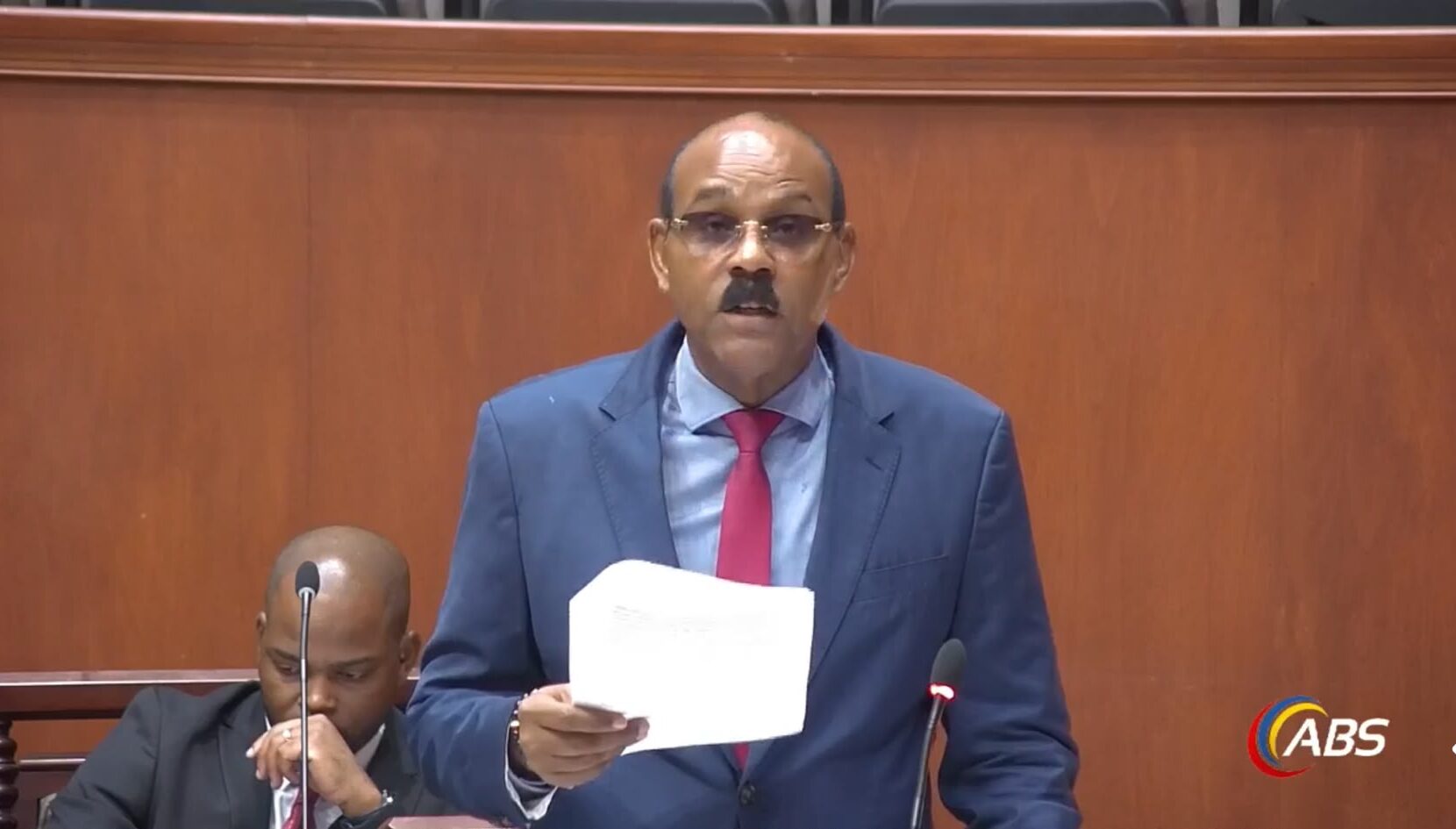
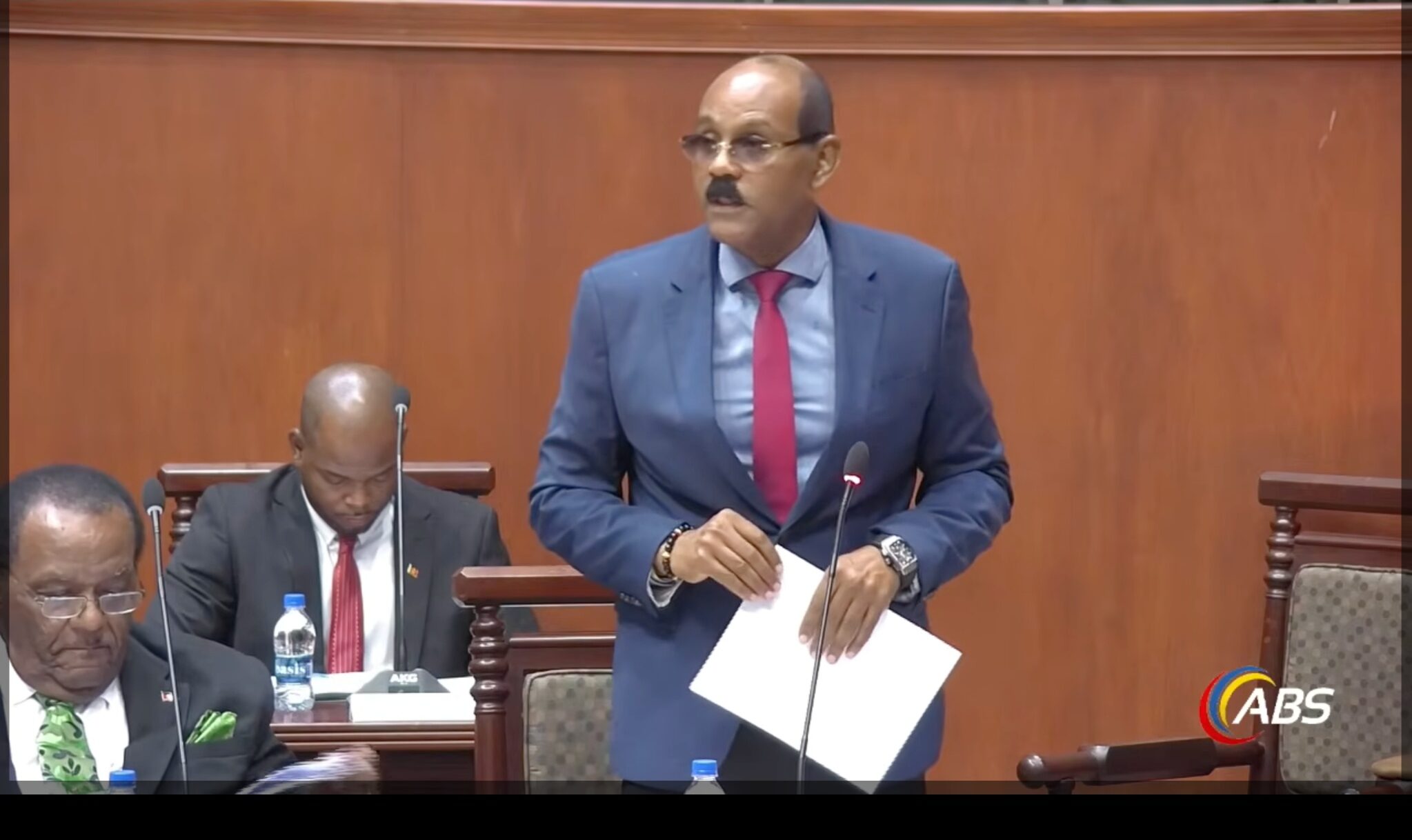
    As Antigua and Barbuda approaches a general election, sitting Prime Minister Gaston Browne has sounded a sharp alarm over the opposition United Progressive Party (UPP)’s flagship campaign pledges, arguing the unfunded policy slate threatens to collapse the nation’s public finances and trigger widespread economic disruption.

    Speaking during an appearance on the popular local Pointe FM’s Browne and Browne Show, Browne broke down the full cost of the opposition’s commitments, which combine targeted tax cuts and expansive public sector pay hikes to a staggering total of $250 million. The critical flaw, he emphasized, is the UPP’s complete failure to outline any matching revenue-generating measures to offset these massive expenditures.

    “Not a single revenue-raising initiative has been put forward by the UPP to cover these giveaways,” Browne told listeners. “If there’s no compensatory revenue stream, how can any government justify handing out even one cent in tax cuts or pay increases?”

    Two of the opposition’s most high-profile proposals sit at the center of Browne’s criticism: a broad cut to vehicle taxes, which he estimates would cost the public purse $50 million annually, and a pledged across-the-board salary increase for public servants that would add more than $100 million to annual government spending. Combined with other smaller commitments, the total hits the $250 million mark – a sum Browne says would blow a massive hole in the country’s existing fiscal balance sheet, worsening the current deficit far beyond sustainable levels.

    If implemented, Browne argued, these unfunded promises would leave the government with no option but to take on massive new levels of national debt to cover operating costs. Over time, that ballooning debt would erode the government’s ability to meet its core payroll obligations, ultimately leading to public sector layoffs even for the workers the UPP claims to support.

    “What you get is a larger deficit, and that means your debt explodes,” Browne said. “If revenues keep falling short of spending, at the end of the day public sector workers could face retrenchment. This isn’t a guess – we’ve seen what happens when UPP puts these unworkable policies in place.”

    Browne drew a direct parallel between the current UPP proposal and the party’s previous time in national office, claiming that tenure resulted in roughly 10,000 lost jobs across the country. “We have seen this movie before,” he said, warning that a repeat of that economic turmoil would follow if voters hand the UPP power again. He dismissed the entire opposition platform as an empty illusion designed only to win votes, with no plan to deliver on its promises long-term. “This is a mirage. You’re chasing something that is not real,” he added.

    In contrast to the opposition’s approach, Browne outlined his own administration’s deliberate, fiscally responsible strategy for raising worker pay centered on a gradual transition from a minimum wage to a full “livable wage” for all public sector employees. The government’s plan targets a minimum monthly earnings floor of roughly $2,200 for public servants, with adjusted roles and reclassified positions seeing pay rise to close to $2,500 per month.

    Browne confirmed that the Ministry of Finance is currently in active negotiations with public sector unions to finalize the size and timeline of these increases, stressing that the phased approach is fully achievable within the country’s current fiscal framework. “We believe that that type of adjustment is doable,” he said.

    Even so, he acknowledged that all wage adjustments require careful fiscal management, noting that any increase to the minimum wage triggers corresponding pay adjustments across every public sector pay scale to maintain internal parity, pushing the total cost well above $100 million. Without dedicated new revenue to cover that cost, Browne argued, even well-intentioned pay hikes become unaffordable and put economic stability at risk.

    Ahead of the upcoming general election, Browne urged voters to carefully evaluate the long-term fiscal impact of every party’s policy proposals, warning that short-term campaign giveaways that lack sustainable funding can ultimately leave the country and its workers far worse off.

  • Pringle Promises Urgent Action on U.S. Visa Restrictions, Blames Government for Crisis

    Pringle Promises Urgent Action on U.S. Visa Restrictions, Blames Government for Crisis

    As the April 30 general election in Antigua and Barbuda approaches, the nation has been roiled by newly implemented U.S. visa restrictions that target local passport holders, and opposition leader Jamale Pringle has seized on growing public frustration to ramp up criticism of the incumbent Gaston Browne administration. Pringle, who leads the United Progressive Party (UPP), has labeled the new travel rules a full-blown national crisis that touches ordinary families, local business operations, and the overall health of the national economy.

    The newly imposed measures, which include a mandatory surety bond requirement ranging from $5,000 to $15,000 for certain Antiguan and Barbudan travelers seeking U.S. entry, have sparked widespread anxiety across every segment of Antiguan and Barbudan society, Pringle noted in a recent public address. Many ordinary citizens are already trapped in uncertainty by the new rules: for low and middle-income travelers, the required bond is simply out of financial reach, while others have been forced to abandon their travel plans entirely after becoming ineligible to submit visa applications.

    Beyond the disruptions to individual travel, Pringle emphasized that the restrictions are already sending shockwaves through the local business community. Many importers and industry operators warn that the new requirements could block their access to critical goods, specialized equipment, and cross-border business services, creating cascading risks that could damage the national economy if the standoff remains unresolved.

    The opposition leader pinned full blame for the crisis on Prime Minister Gaston Browne’s ruling administration, framing the new visa restrictions as a direct result of the incumbent government’s mismanagement and diplomatic missteps. Pringle argued that the Browne administration created the conditions that prompted Washington to implement the restrictions, and now lacks the credibility and diplomatic capacity to reverse the policy. “Antiguans and Barbudans recognize that the same administration that created this problem can’t be trusted to fix it,” Pringle said, doubling down on criticism of the government’s diplomatic outreach strategy to date.

    If the UPP secures victory at the polls on April 30, Pringle pledged, resolving the visa restriction crisis would be the new government’s top immediate priority. He laid out a concrete timeline for action: on the UPP’s first official working day, May 5, the new administration would open formal diplomatic talks with the U.S. State Department to seek redress for Antiguan and Barbudan passport holders. Pringle also revealed that preliminary outreach has already been completed with members of the Antiguan and Barbudan diaspora based in the United States, who have agreed to lend their support to negotiations and help broker an outcome that serves the interests of both nations.

    Pringle framed a change in ruling party as the only viable path to repairing strained bilateral ties between Antigua and Barbuda and Washington. “Voters have a clear choice: electing the United Progressive Party is the first critical step to restoring positive, mutually respectful relations between our two nations,” he said, wrapping up his address with a direct appeal for voter support ahead of the general election.