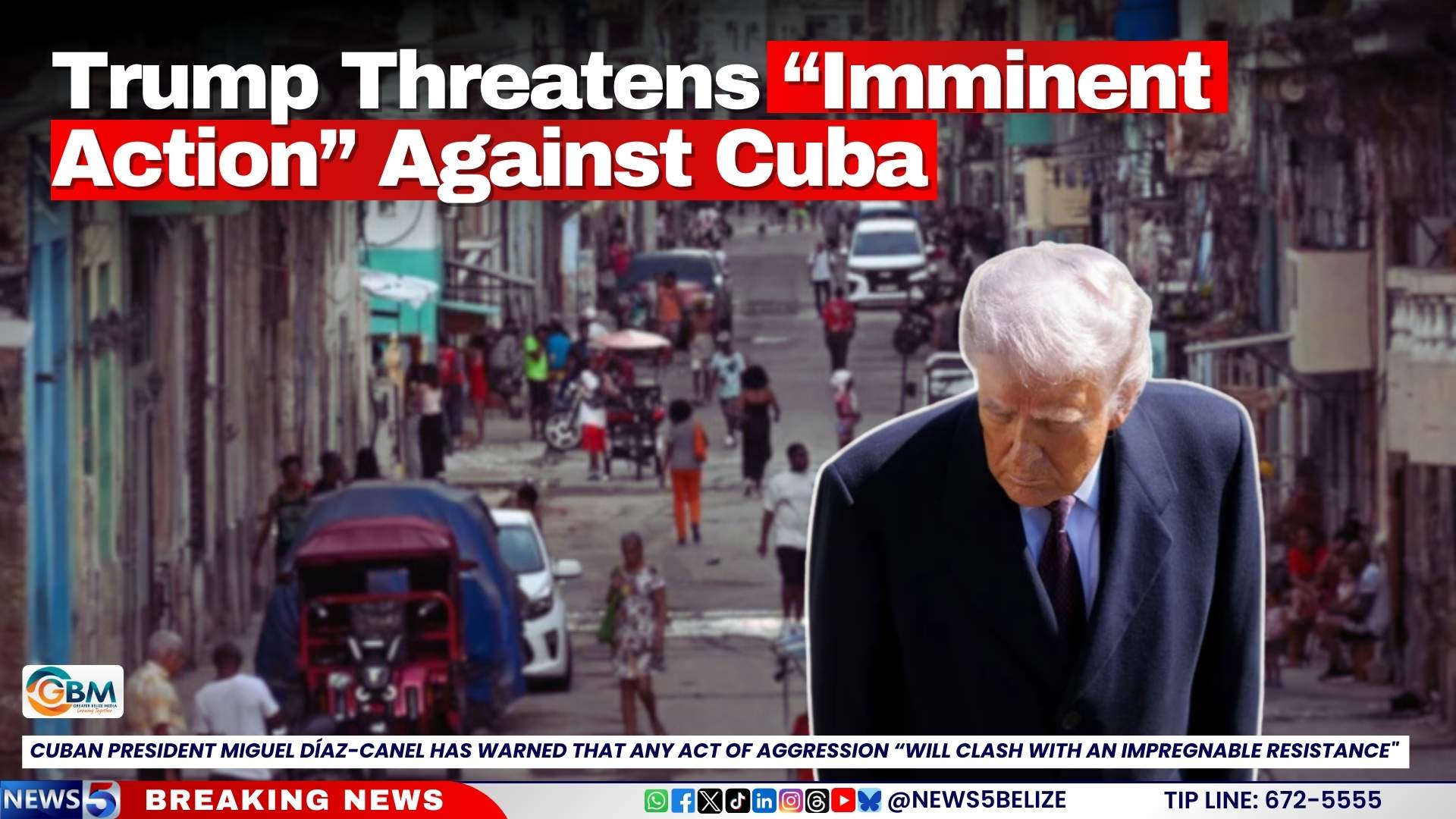
Diplomatic tensions between the United States and Cuba have reached a critical juncture following provocative statements from former U.S. President Donald Trump indicating potential “imminent action” against the Caribbean nation. Cuban President Miguel Díaz-Canel responded forcefully on social media platform X, characterizing the Trump administration’s rhetoric as daily public threats and vowing that any aggression would meet “impregnable resistance.”
The escalating situation occurs against the backdrop of Cuba’s severe economic crisis, marked by critical shortages of fuel, food, medicine, and recurring power blackouts. These hardships have been exacerbated by tightened U.S. sanctions that disrupted vital oil supplies from Venezuela, Cuba’s primary energy partner.
Trump’s controversial remarks, which included claims of unrestricted authority to act against Cuba, aligned with Secretary of State Marco Rubio’s calls for radical changes to Cuba’s government and economic systems. The statements have drawn international scrutiny and concern.
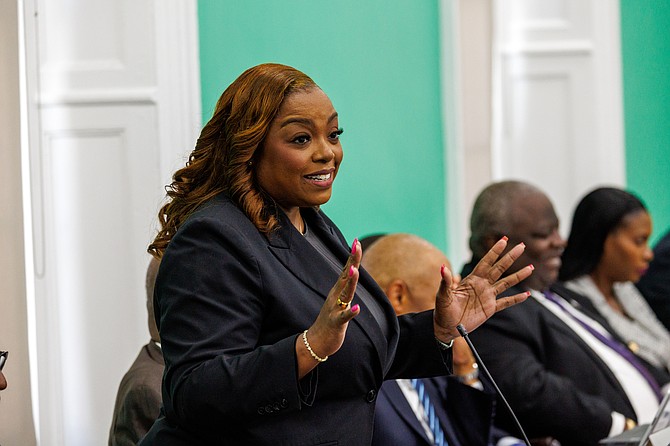
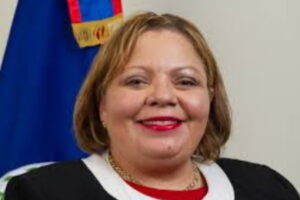
Meanwhile, the geopolitical pressure extends beyond bilateral relations. Throughout Latin America, U.S. influence has prompted several nations to reduce or terminate agreements with Cuban healthcare workers. Belize presents a contrasting case where Prime Minister John Briceño describes “delicate negotiations” regarding the Cuban Medical Brigade’s future. Opposition Leader Tracy Panton advocates maintaining the partnership, emphasizing Cuba’s historical support for Belize’s independence and warning that rural clinics depend critically on Cuban medical personnel. Panton insists Belize must resist external demands that jeopardize this essential healthcare collaboration.