分类: politics

  • CCJ’s First-Ever Referral Case from Belize Settled

    CCJ’s First-Ever Referral Case from Belize Settled

    In a milestone moment for Caribbean judicial history, the Caribbean Court of Justice (CCJ) has issued its first ever judgment on a referral case originating from Belize, upholding the legality of the Central American nation’s corporate registration requirements in a ruling delivered on July 3, 2026. The landmark virtual judgment resolves a legal dispute that originated in Belize’s national court system, responding to a targeted question of law submitted by the Belize High Court. The case stemmed from a constitutional challenge launched against Belize’s Financial Services Commission (FSC) and the country’s Attorney General by prominent Belizean businessman G. Anwar Barrow, alongside seven companies registered under Belizean law. The claimants brought forward a key argument: registration rules that require companies with shareholders or directors hailing from other Caribbean Community (CARICOM) member states to maintain a locally based registered agent, submit all official documentation exclusively through that agent, and pay regulatory fees denominated in U.S. dollars placed non-domestic CARICOM entities at an unfair competitive disadvantage. They contended that these regulatory requirements directly violated Article 177 of the Revised Treaty of Chaguaramas, a core regional legal provision that bans the application of unequal terms in equivalent commercial transactions across CARICOM member states. Rejecting the claimants’ legal position outright, the CCJ ruled that Article 177 was never intended to bar regional governments from implementing reasonable regulatory requirements for companies tied to other CARICOM jurisdictions, including the mandates for local registered agents and document submission through those representatives. The court clarified a critical boundary in regional law: Article 177 is designed to police anti-competitive business practices undertaken by private companies, not legitimate regulatory measures enacted by member state governments. This outcome clears the way for Belize to continue enforcing the FSC’s existing registered agent requirements for CARICOM-connected companies operating in the country, ending months of legal uncertainty over the policy’s compliance with regional trade rules. Following the CCJ’s landmark ruling, the case will now be sent back to the Belize High Court to proceed with remaining proceedings in line with the CCJ’s binding legal interpretation. As the first referral case to reach a final judgment in the CCJ’s history, this ruling sets a significant precedent for future cross-border legal questions across the CARICOM region, clarifying the division between national regulatory authority and regional competition obligations enshrined in the Chaguaramas Treaty.

  • Who Approved $1.1M in Payments to J&J Imports? ‘Not I’, Says Minister Cervantes

    Who Approved $1.1M in Payments to J&J Imports? ‘Not I’, Says Minister Cervantes

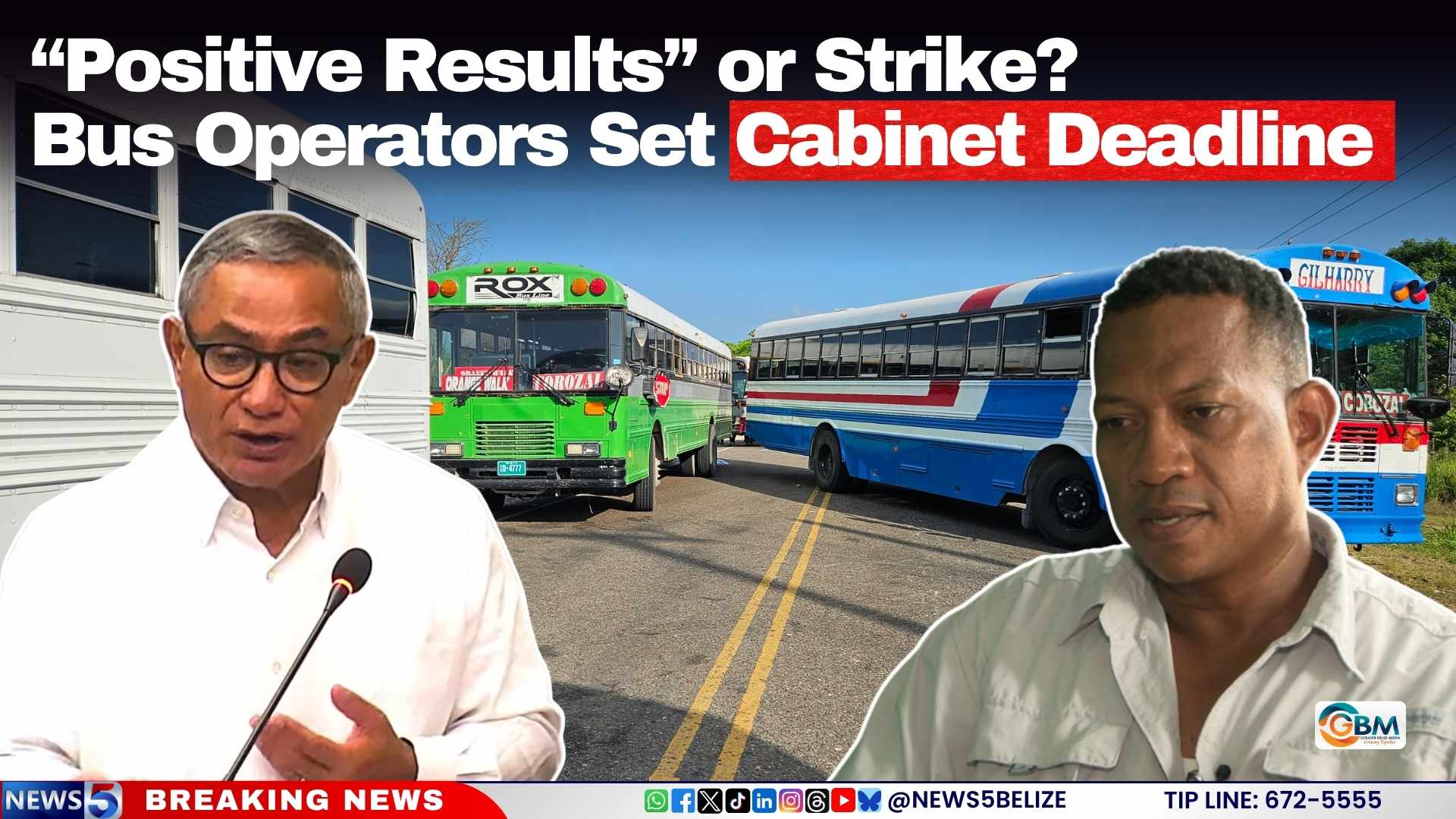
    In a developing political controversy rocking Belize’s governing administration, Orange Walk North Area Representative and Minister Ramon “Monchi” Cervantes has issued a categorical denial of any involvement in awarding more than $1.1 million in government procurement contracts to J&J Imports, a firm connected to his family, between 2022 and 2025.

    The controversy emerged after local outlet News Five obtained and reviewed leaked internal government financial records from the SmartStream system, which detailed the steady stream of payments from the Ministry of National Defence to the import business. Cervantes, who acknowledged a personal familial tie to one of the company’s lead owners, pushed back against any implication of improper influence in an interview, stating firmly: “I had nothing to do with it. I had no involvement in that, at all.”

    A deeper examination of the leaked documents reveals a notable pattern in the payment structure: the vast majority of the disbursements were split across dozens of individual invoices each valued below the $10,000 threshold. That same structure was used for more than $275,000 in separate payments to Enrique Javier Requena, another business associate linked to J&J Imports, between 2021 and 2022.

    Crucially, as of this reporting, News Five has not uncovered concrete evidence that the invoicing structure itself is illegal, nor that J&J Imports or its associates have committed any explicit wrongdoing. The documents are part of a broader ongoing audit of procurement practices across the entire Ministry of National Defence, launched to examine transparency and compliance in government contracting.

    Prime Minister John Briceño has moved quickly to reassure the public that political connections will not shield anyone found to have broken rules. “If there was any wrongdoing, be it public officers or politicians, they will have to answer,” Briceño stated, confirming that no political protection will be extended to individuals implicated in misconduct should the audit uncover violations.

  • Police Launch Public Awareness Campaign Ahead of CHOGM Security Lockdown Exercise

    Police Launch Public Awareness Campaign Ahead of CHOGM Security Lockdown Exercise

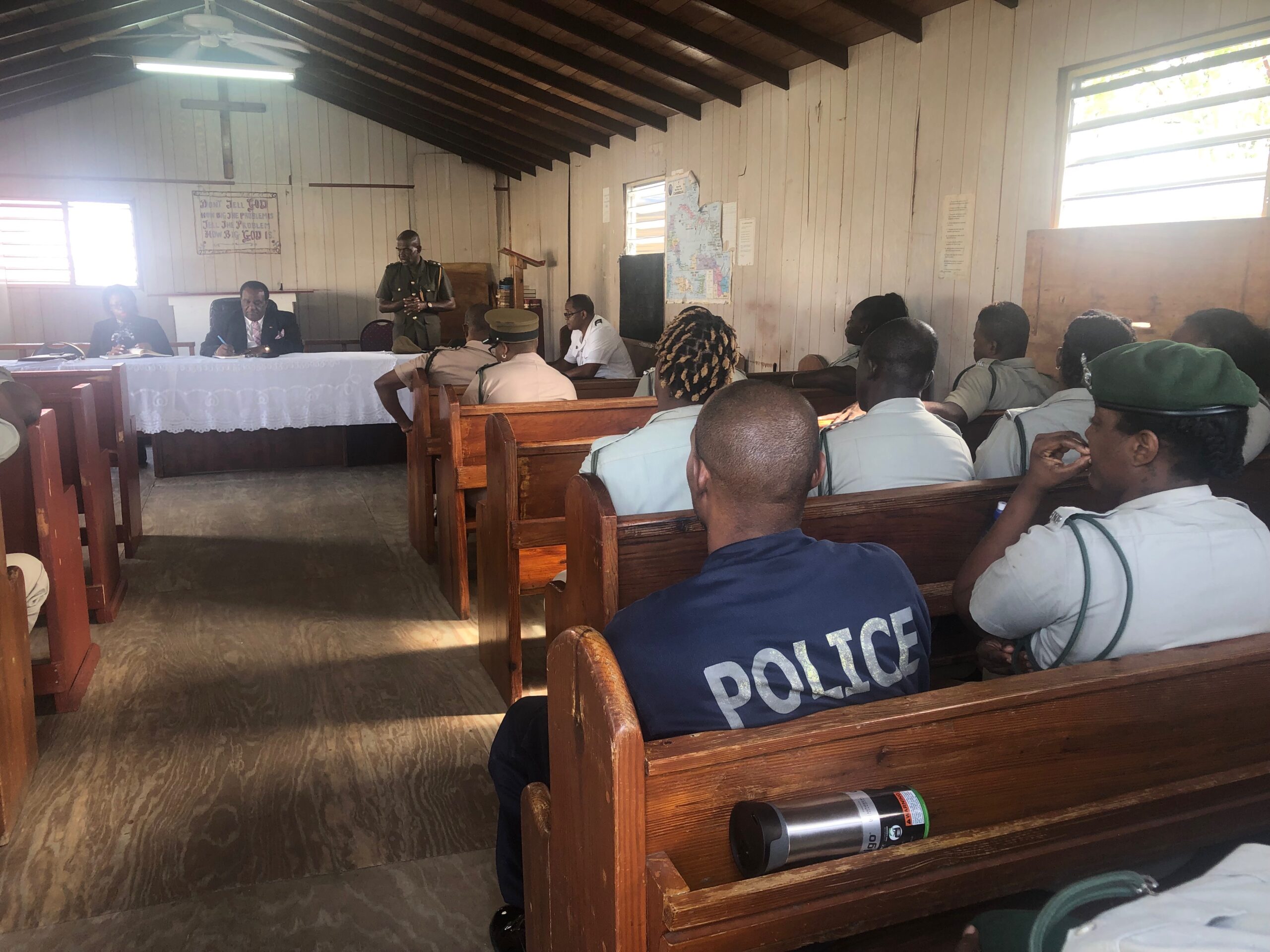
    As the Caribbean nation of Antigua and Barbuda gears up to host the 2026 Commonwealth Heads of Government Meeting (CHOGM), local law enforcement has kicked off a critical pre-event public engagement campaign to prepare communities for an upcoming major security test. Officers from the Royal Police Force of Antigua and Barbuda are currently holding face-to-face sessions with residents and local business owners to walk them through the details of next week’s Hard Lockdown Security Exercise, a key training milestone for the high-profile international summit.

    During these information sessions, police personnel have outlined all key operational arrangements that will be in place during the simulation drill. Attendees have been briefed on the temporary disruption to daily movement and access, including planned temporary road closures, controlled entry limitations to specially marked security zones, and alternate traffic routing arrangements designed to keep essential movement flowing while the exercise is underway.

    The primary goal of this proactive outreach campaign is to ensure that all community stakeholders have enough time to adjust their personal and professional plans ahead of the drill, minimizing avoidable disruption to local commerce and daily life while allowing security teams to run a full, unimpeded test of their protocols. Throughout the awareness drive, officers have also set aside time to address every query and concern raised by members of the public, ensuring clear and open communication between law enforcement and the communities they serve.

    The full-scale Hard Lockdown Security Exercise is set to take place next Friday. The simulation is crafted to push Antigua and Barbuda’s security infrastructure and emergency response systems to the test, allowing organizers to identify gaps, refine protocols, and ensure that all teams are fully prepared to deliver a safe and secure environment for the 2026 CHOGM. This kind of pre-event drill is a standard and critical part of planning for major international gatherings, helping host nations mitigate security risks ahead of the arrival of global heads of state and other high-level delegates.

    Police officials have publicly expressed their gratitude to Antigua and Barbuda’s residents and business community for their ongoing cooperation and support during the initial awareness phase of the project. They have also reiterated a call for all members of the public to stay updated on official announcements, adjust their upcoming plans accordingly, and work with law enforcement to ensure the exercise runs smoothly and delivers the data needed to successfully prepare for 2026’s major international event.

  • Guyana pushes for free and fair elections, economic reforms in Cuba

    Guyana pushes for free and fair elections, economic reforms in Cuba

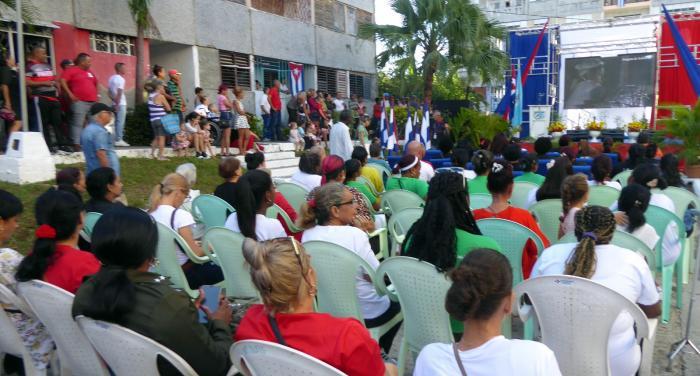
    As of Friday, July 3, 2026, Guyana has joined growing international discourse around Cuba’s political and economic future, issuing an official statement asserting that the Cuban people alone must determine their own path through free and fair elections while calling for diplomatic dialogue to de-escalate ongoing regional tensions. The declaration comes against a backdrop of sustained pressure from the United States pushing for democratic transitions and sweeping economic overhauls in Cuba.

    In its official release, Guyana’s Ministry of Foreign Affairs laid out its core position: any lasting resolution to Cuba’s current challenges must be rooted in the explicit will of the Cuban public, grounded in universal democratic norms, respect for the rule of law, international humanitarian standards, governmental transparency, and accountable governance. The ministry referenced the foundational text of the United Nations Declaration of Human Rights, which enshrines the principle that the authority of governing bodies derives from the will of the people, a will that must be expressed through regular, legitimate elections conducted via universal equal suffrage and secret, free voting processes.

    The Guyanese government emphasized that it stands in solidarity with the Cuban population amid the country’s ongoing economic and humanitarian struggles, and it remains open to supporting any sustainable solution that addresses these issues. The statement comes weeks after Cuba’s national government rolled out broad economic reforms designed to move the country away from its long-standing command-style economic model. The policy shift has unfolded alongside widespread concerns that the U.S. is planning military intervention to remove the current administration led by President Miguel Diaz-Canel from power.

    Against this volatile backdrop, Guyana reaffirmed its belief that inclusive dialogue is the only viable path forward to unlock long-term development for the Cuban people. “We encourage diplomatic dialogue that would promote stability and lead to the prosperity of the Cuban people, and the creation of opportunities that optimise the full potential of the Cuban people in an economic environment that guarantees the freedom of the Cuban people,” the ministry’s statement read.

    This position aligns with comments Guyana’s leader made in May 2026, on the sidelines of the inaugural Shield of the Americas Summit hosted by U.S. President Donald Trump. During an interview with Fox News, the Guyanese head of state called for a political transition that would open access to greater prosperity and democratic governance for Cubans. “There must be dialogue but those changes must lead to the improvement of the people of Cuba. It must lead to better conditions for the people of Cuba, must lead to a society in which the rule of law, in which democracy, in which freedom is celebrated,” he stated at the time.

    In addition to citing the UN Declaration of Human Rights, Guyana’s foreign ministry also referenced provisions from the United Nations Convention on Civil and Political Rights, which guarantees all citizens the right and opportunity to participate in public affairs—either directly or through freely elected representatives—and to vote and stand for office in regular, legitimate elections held via universal equal suffrage and secret ballot that protects the free expression of voters’ will.

    Guyana is not alone among Caribbean U.S. allies in taking this stance. Trinidad and Tobago Prime Minister Kamla Persad-Bissessar, who also attended the Shield of the Americas Summit, has previously issued her own call for democratic reform in Cuba, aligning the two neighboring Caribbean nations’ positions on the ongoing regional debate over Cuba’s future.

  • Rouwenden betuigen hun eer terwijl de gedode Iraanse leider Ali Khamenei opgebaard ligt

    Rouwenden betuigen hun eer terwijl de gedode Iraanse leider Ali Khamenei opgebaard ligt

    Seven days of official state funeral ceremonies for Iran’s former Supreme Leader Ayatollah Ali Khamenei have formally commenced in Tehran, drawing high-level foreign delegations from more than 100 nations to honor the leader who ruled the country for 37 years before his death in a US-Israeli airstrike earlier this year.

    Khamenei, 86, was killed alongside multiple family members — including his daughter, son-in-law, and three-year-old granddaughter — in a February 28 airstrike carried out on the opening day of a joint US-Israeli military campaign against Iran. His coffin was first unveiled to crowds of weeping supporters late on the Thursday preceding the public lying-in-state, before being moved alongside the caskets of his fallen family members to Tehran’s Grand Mosalla, a massive prayer complex built to honor Khamenei’s predecessor, Ayatollah Ruhollah Khomeini, where it lay in repose on Friday.

    The funeral had originally been scheduled for March, but the months of open conflict that followed Khamenei’s killing forced a delay until this week, following the conclusion of major combat operations. Weeks after Khamenei’s death, his son Mojtaba Khamenei formally succeeded him as Iran’s new Supreme Leader.

    According to official statements released via Khamenei’s X account, his coffin is draped in a historic flag that previously flew over the Imam Hussein Shrine in Karbala, Iraq. Iranian government officials described the red banner, emblazoned with white text, as a lasting symbol of resistance, sacrifice, and ideological commitment to the Islamic Republic.

    On Friday, Iranian President Masoud Pezeshkian was among the first senior domestic officials to pay his respects to Khamenei at the Grand Mosalla, alongside other top Iranian leaders including Parliament Speaker Mohammad Baqer Qalibaf, Expediency Council Chairman Ayatollah Sadeq Amoli Larijani, and Judiciary Chief Gholamhossein Mohseni Ejei.

    Al Jazeera correspondent Mahmoud Abdelwahed, reporting on the ground from Tehran, confirmed that Friday’s ceremony was reserved for invited foreign dignitaries, which included sitting heads of state, prime ministers, parliamentary speakers, and other senior envoys from roughly 100 participating countries. Notably, no invitations were extended to European nations that publicly supported the US-Israeli military campaign against Iran, Abdelwahed added. Among the confirmed high-profile foreign attendees were Pakistani Prime Minister Shehbaz Sharif, Iraqi President Nizar Amidi, and Tajik President Emomali Rahmon. The foreign delegation’s arrival followed a closed-door reception held at the Grand Mosalla complex the previous evening, which was also attended by family members of other Iranian citizens killed in the ongoing conflict, as well as victims of a 12-day June 2025 war between Iran and Israel.

    Security across the Iranian capital has been raised to the highest possible alert level ahead of the week of ceremonies, as authorities prepare for large crowds of public mourners when the public lying-in-state begins on Saturday morning, with a regional heatwave adding logistical challenges to crowd management.

    One of the most notable appearances at Friday’s ceremony came from General Ahmad Vahidi, the newly appointed commander-in-chief of the Islamic Revolutionary Guard Corps (IRGC), who made his first public appearance since February 8 alongside Khamenei’s casket. Vahidi took over the IRGC’s top role after his predecessor Mohammad Pakpour was killed in the same opening-day US-Israeli airstrike that killed Khamenei, and he had not been seen publicly in the months following the attack. A former head of the IRGC’s elite Quds Force, Vahidi has long been one of the Islamic Republic’s most prominent hardline military figures.

    Speaking on the sidelines of Friday’s ceremonies, Major General Amir Hatami, commander-in-chief of Iran’s regular armed forces, issued a public vow of revenge against the United States and Israel for Khamenei’s killing. “With even greater determination, we declare to the enemies of the Iranian nation — America and the criminal Zionist regime — that we will avenge the blood of our martyred leader Khamenei,” Hatami told reporters on Friday.

    After the public mourning period begins on Saturday, the funeral procession will travel through Tehran and the holy city of Qom before making a brief crossing into Iraq on July 8. The final burial ceremony is scheduled for July 9 at the Holy Shrine of Imam Ali Reza in the northeastern Iranian city of Mashhad.

  • BINI plaatst kanttekeningen bij opzet Nationaal Ontwikkelingsplatform

    BINI plaatst kanttekeningen bij opzet Nationaal Ontwikkelingsplatform

    A Surinamese civil society organization focused on participatory governance, the Burgerinitiatief voor Participatie en Goed Bestuur (BINI), has publicly raised critical concerns about the structure and approach of the country’s National Development Platform, a body tasked by President Jennifer Simons with drafting a long-term national development strategy through to 2050. BINI argues that the current composition of the platform falls short of inclusive standards, and that additional safeguards are required to deliver a development plan that enjoys broad public support and centers marginalized community voices.

    The organization acknowledges the enormous value of crafting a long-term national vision for Suriname, particularly as the country prepares to draw substantial new revenues from its emerging offshore oil and gas sector. BINI emphasizes that core principles of human rights, grassroots participation, and accountable governance must be embedded into the planning process from its earliest stages, rather than added as afterthoughts.

    Currently, BINI’s analysis finds, the National Development Platform is dominated by representatives from government, the private sector, and economic analysts. This overrepresentation of political and commercial interests risks skewing the entire planning process toward a narrow political-economic perspective, while civil society groups, ordinary citizens, and Indigenous and tribal communities are only slated to be consulted at a much later phase of the process. BINI stresses that lasting, sustainable development cannot be built on a framework that sidelined human rights in the initial stages of planning; these values must be the foundation that the entire 2050 strategy is built upon.

    To address these gaps, BINI has put forward four concrete recommendations to strengthen the inclusivity and accountability of the planning process:

    First, the organization calls for an independent assessment of the final draft development plan by outside experts specializing in human rights, sustainability, and gender equity. The full results of this assessment must be made publicly accessible to all Surinamese citizens.

    Second, BINI is demanding a formal, legally binding public participation protocol that outlines in advance exactly how citizens, civil society organizations, and local communities will be included in drafting the plan. Critically, the protocol must enshrine the principle of Free, Prior and Informed Consent (FPIC) for Indigenous and tribal communities, recognizing their inherent right to approve or reject projects that impact their traditional lands.

    Third, BINI insists that the final development plan must be explicitly aligned with all international human rights treaties that Suriname has ratified. The organization argues the plan should not prioritize economic growth alone; it must also center critical public priorities including education access, public health services, environmental protection, and the legal and social rights of vulnerable and marginalized population groups.

    Fourth and finally, BINI warns that the one-year timeline allotted for drafting the full 2050 development plan is far too short. A compressed timeline, the group says, carries a high risk that public consultations will be limited almost exclusively to populated coastal regions, leaving communities in inland areas excluded and preventing meaningful broad-based public participation across the country.

    In closing, BINI clarified that it is not seeking seats on the National Development Platform itself. The organization notes that an independent oversight and advisory role is far more consistent with its core mission, pointing to its long track record of policy monitoring reports, election manifesto analysis, alternative shadow reporting for UN treaty bodies, and legislative development contributions. The full text of BINI’s criticism and recommendations is available for public download as a documented report.

  • A Government response to the twisted distortions of the Observer concerning the  White Paper on U.S. proposals on Third Country Nationals

    A Government response to the twisted distortions of the Observer concerning the  White Paper on U.S. proposals on Third Country Nationals

    A recent opinion piece published by the online edition of *The Observer* on July 3, 2026, framing the Government of Antigua and Barbuda’s White Paper on U.S. third-country national proposals as a cause for national alarm has been called out by the administration as a deliberate, partisan campaign of misinformation designed to sow public distrust rather than advance constructive national dialogue.

    At the heart of the *Observer*’s misleading narrative, the government argues, is the false framing of Antigua and Barbuda’s willingness to enter diplomatic discussions with the U.S. as an implicit surrender of core national principles. This characterization could not be further from the reality of the government’s approach, officials contend: for small island nations like Antigua and Barbuda, national security and sovereignty are not protected by shutting down dialogue with key international partners. Instead, strength comes from deliberate, careful engagement: clearly stating national red lines, and refusing any terms that would compromise the country’s sovereignty, legal framework, or core national interests – exactly the approach the current administration has adopted throughout the process.

    Contrary to claims of a secret backroom deal, the White Paper explicitly confirms that the non-binding Memorandum of Understanding signed in December 2025 grants Antigua and Barbuda full discretionary authority to accept or reject any individual third-country national case, with no automatic or permanent arrangement for receiving migrants in place. Far from representing capitulation to U.S. pressure, this structure preserves full sovereign control over every decision, the government emphasizes.

    The *Observer* has also attempted to manufacture scandal by accusing the government of hiding the diplomatic process from the public, arguing that failure to announce every incremental step of sensitive negotiations amounts to deception. The administration pushes back on this claim, noting that high-stakes diplomacy is not public performance, and responsible governance requires testing proposals, rejecting unacceptable terms, and refining the government’s position before bringing a formal proposal to parliament and the public – exactly the outcome delivered through the published White Paper.

    In fact, the publication of the White Paper itself is concrete proof of the government’s commitment to transparency, the government says. The document lays out full contextual background, identifies inherent risks, outlines flaws in the original U.S. draft proposal, states the government’s core concerns, and details the strict conditions under which any cooperation could be considered. No government seeking to conceal its actions would publish a full public White Paper and table it before parliament – a step no other country that has signed a third-country national agreement has taken to date.

    Another manufactured accusation from the *Observer* is the claim of hypocrisy, arguing the government projected public firmness while holding private negotiations. In response, the government notes there is no contradiction between these two stances: uncompromising firmness without negotiation is empty political posturing, while negotiation without clear firmness is unforced weakness. Instead of either accepting the original U.S. proposal outright or walking away in a gesture of performative outrage, Antigua and Barbuda engaged in good-faith discussions, identified unacceptable terms, rejected inadequate provisions, and put forward a counter-proposal tailored to the country’s unique legal framework, geographic size, and institutional capacity – a demonstration of skilled statecraft, not weakness.

    The *Observer*’s fixation on the figure of 10 proposed third-country nationals for 2026 is equally misleading, the government argues. The outlet frames the number as a major concession, inviting the public to treat the issue as a simple arithmetic question, but the reality is far different. The government has repeatedly stressed there will be no permanent program, no automatic flow of migrants, and no open-ended obligation. The figure of 10 is a tightly constrained provision of the government’s counter-proposal, bound by strict conditions including full pre-approval of documentation, full upfront funding, the right to reject any individual case, and a mandatory full review in 2027. Framing this limited proposal as the government throwing open the country’s borders is not objective analysis – it is intentional political propaganda.

    The same misrepresentation applies to the *Observer*’s coverage of legal risks, where the outlet frames concerns around non-refoulement, asylum, statelessness, legal uncertainty, and long-term support obligations as damning revelations hidden by the government. In reality, the government itself identified and published these exact concerns in the White Paper. The administration has not hidden these risks; it has laid them out clearly for parliament and the public. It is precisely because these risks are tangible that the government has rejected any permanent program, and insisted that no arrangement can move forward without strict eligibility rules, clear legal status for all individuals, full financial coverage, and binding responsibility for the U.S. to retake any migrants if needed.

    While the dramatic questions the *Observer* raises – around housing, employment, monitoring, ministerial responsibility, and contingency plans for unforeseen problems – are legitimate on their face, they do not undermine the government’s position. Instead, they reinforce the need for the careful, cautious approach the administration has already adopted, which addresses each of these concerns through its proposed conditions.

    The *Observer* also feigns outrage over the White Paper’s discussion of reciprocal national benefits, suggesting the document opens the door to Antigua and Barbuda trading acceptance of migration risk for vague diplomatic favors. But the government counters that any responsible administration must ask a core question: why would Antigua and Barbuda take on the burdens, risks, and political costs of addressing another country’s domestic migration challenges without receiving clear, proportionate benefits for its own people? Strict conditions around full funding, thorough vetting, clear legal status, and U.S. return responsibility are basic safeguards, not inappropriate concessions. Asking for reciprocal benefits for the Antiguan and Barbudan public is not cynical transactionalism – it is the baseline of good governance.

    The most telling partisan tell in the *Observer*’s piece, the government says, is its complaint that parliament should not be turned into a rubber stamp for the deal. In reality, placing the matter before parliament is the correct constitutional step: the government is not avoiding scrutiny, it is actively inviting it, by laying out the White Paper, core principles, risks, and proposed terms for cooperation to elected representatives. Disagreement with the government’s position is legitimate, but it is intellectually dishonest to frame the decision to bring the matter to parliament as evidence of bad faith.

    Nor is the claim that the issue should have been taken first to public town halls rather than parliament credible. The government agrees that public discussion is critical, and the publication of the fact-based White Paper creates space for that discussion to happen on a foundation of accurate information rather than unsubstantiated rumor. But parliament remains the nation’s highest representative body. For an issue touching on core national priorities including sovereignty, immigration policy, public spending, national security, and international obligations, prioritizing parliamentary consideration is not avoiding the will of the people – it is respecting the democratic institutions through which the public exercises self-governance.

    At its core, the *Observer*’s article fails to address the actual central issue of the debate, the government emphasizes. The administration has never proposed that Antigua and Barbuda become a permanent destination for other countries’ deportees. It has taken the exact opposite position: as a small nation with limited land, limited resources, and limited capacity to absorb new migrants, and already handling the return of its own nationals from the U.S., Antigua and Barbuda cannot accept a permanent expectation of receiving non-citizen deportees unless arrangements are put in place that do not place an unsustainable burden on the country’s already overstretched systems.

    This is not a partisan position – it is a national position that prioritizes the shared interests of all Antiguan and Barbudan people. The White Paper does not surrender national sovereignty; it exercises that sovereignty actively. It does not hide risk; it identifies and addresses risk openly. It does not evade public and parliamentary scrutiny; it invites that scrutiny. It does not unconditionally accept the U.S. proposal; it makes clear that any cooperation must be lawful, limited, fully funded, carefully controlled, and aligned with Antigua and Barbuda’s national interest.

    What *The Observer* has produced is not a defense of national interests, the government concludes. It is a partisan attempt to reframe responsible prudence as reckless panic, and professional diplomacy as deliberate deception. On issues of this national importance, the country deserves far better: it deserves serious, honest debate grounded in the full set of facts the government has now openly laid out for parliament and the public.

  • PM Briceño: “We’re Not Going to Cover This Up”

    PM Briceño: “We’re Not Going to Cover This Up”

    On July 3, 2026, Belizean Prime Minister John Briceño made a public commitment that his administration will not conceal any findings from an ongoing investigation into procurement irregularities at the Ministry of National Defence and Border Security, framing the probe as a critical test of his government’s core campaign pledge of more accountable, transparent governance.

    In a live-streamed interview with CTV3 News hosted on Briceño’s personal Facebook page, the prime minister pushed back against growing public scrutiny surrounding what has become known as the ‘Mira Millions’ procurement controversy. He emphasized that he took immediate executive action as soon as allegations of misconduct emerged, rejecting any claims that his government would protect implicated officials.

    ‘We ran on a promise to govern differently, and as Prime Minister, it was my duty to act swiftly the moment these allegations came to light,’ Briceño stated. ‘I made no attempt to hide the issue, no attempt to sweep it under the rug. We have a binding commitment to the Belizean people that we would change how business is done in government, and that is exactly what we are doing now.’

    The full independent investigation is being led by the Office of the Auditor General, with full cooperation from the defense ministry. Ministry CEO Francis Usher has personally confirmed to Briceño that all relevant departmental staff are providing full access to documents and testimony required for the probe. Briceño stressed that any individual found to have engaged in wrongdoing – whether career public servants or elected political officials – will face full accountability for their actions.

    ‘If there is any misconduct, whoever is involved will have to answer for their choices,’ Briceño said. ‘We will not cover this up, because this kind of behavior has no place in any Belizean government.’

    Despite the prime minister’s public pledges of full transparency, growing skepticism has emerged around whether the auditor general’s office has the sufficient expertise and capacity to deliver the thorough, independent accountability that the public demands. Unnamed sources familiar with the internal operations of the auditor general’s office have told local outlet News 5 that concerns have been raised about the experience levels of auditors assigned to the high-stakes probe. While a special dedicated team has been assembled to lead the investigation, multiple team members have fewer than 10 years of professional auditing experience, and some have less than five years of on-the-job practice, sources confirmed.

  • Acting Corporal Steven Celestine completes international maritime security training

    Acting Corporal Steven Celestine completes international maritime security training

    A rising member of the Commonwealth of Dominica Police Force (CDPF) has marked a key milestone for the island nation’s maritime security capabilities, graduating from one of the world’s leading specialized training programs focused on the legal frameworks of maritime safety operations.

    Acting Corporal Steven Celestine successfully wrapped up the 2026 iteration of the Legal Aspect of Maritime Security Operations (LAMSO) course, an intensive four-week educational initiative run by the Defense Institute of International Legal Studies at the Defense Security Cooperation University. Held from May 22 through June 18 this year, the program brought together 23 national delegations, creating a collaborative space for maritime security professionals from across the globe to exchange knowledge and build cross-border partnerships.

    Unlike generic maritime training courses, the LAMSO program was intentionally designed to meet the needs of frontline practitioners and leaders working in the maritime security space: it caters specifically to military commanders, in-house legal advisors, active maritime law enforcement personnel, and civilian experts whose work touches on ocean governance and security. Over the course of the month, participants dove deep into the complex international legal architecture that regulates both military activities and civilian maritime law enforcement operations at sea. Trainees also analyzed U.S. maritime law enforcement regulations and procedural frameworks, exploring how these models could be adapted to strengthen operational capacity in their home jurisdictions.

    Core curriculum topics spanned critical areas of maritime governance, including the United Nations Convention on the Law of the Sea, standardized rules of engagement for security operations, the long-standing international law of armed conflict, and legal protocols for coordinating humanitarian assistance and disaster relief responses in maritime settings.

    In an official statement announcing Celestine’s completion of the program, CDPF leadership emphasized that the achievement reflects the force’s sustained, long-term investment in professional development for its ranks. The organization also noted that expanding training opportunities like this aligns with two core strategic priorities: growing collaborative international partnerships in the maritime security space, and upgrading Dominica’s overall ability to secure its territorial waters and coastal communities.

    Closing the statement, CDPF extended formal congratulations to Celestine, noting that his commitment to professional excellence brings significant pride to both the police force and the entire Commonwealth of Dominica.

  • BCCI Tells PM: ‘Fix the System’ Before the Next ‘Mira Millions’ Happens

    BCCI Tells PM: ‘Fix the System’ Before the Next ‘Mira Millions’ Happens

    As the Briceño administration grapples with growing public scrutiny over the ‘Mira Millions’ procurement irregularities scandal, Belize’s leading business advocacy body has stepped forward with a concrete 10-point reform blueprint, calling on Prime Minister John Briceño to enact structural changes to the country’s public financial management systems before another high-profile scandal can emerge.

    In an official letter dated June 29, 2026 addressed directly to the prime minister, BCCI President Giacomo Sanchez acknowledged the government’s move to launch a formal investigation into the ongoing controversy, framing that step as a visible demonstration of the administration’s commitment to accountability. However, Sanchez emphasized that the uncovered irregularities are more than an isolated incident: they serve as a urgent wake-up call that Belize’s existing financial oversight framework requires more than post-hoc enforcement – it needs foundational, systemic reform.

    At the top of the Chamber’s priority recommendations is an overhaul of the government’s current SmartStream accounting platform. If a full replacement is not immediately feasible, the BCCI proposes adding a complementary automated monitoring and compliance system that would flag irregularities before transactions are finalized, rather than only identifying misconduct after public funds have already been misallocated or misused.

    The 10-point reform plan lays out a series of specific, actionable safeguards to strengthen financial oversight. These include daily transaction limits for individual suppliers to cap the number of invoices that can be processed for a single vendor per business day, built-in automated anomaly detection to flag out-of-pattern cumulative payments, native duplicate payment tracking, and a mandatory maker-checker approval protocol that requires a second, independent public officer to sign off on all payments exceeding a pre-set threshold.

    Additional measures laid out in the proposal include requirements for immutable, comprehensive audit trails for all financial transactions, role-based access controls to restrict system access to authorized personnel only, and mandatory periodic independent third-party assessments of all government financial management systems.

    The BCCI stressed that most of these proposed improvements do not need to wait for the conclusion of the ongoing Mira Millions investigation or the completion of a Cabinet-approved comprehensive review of national procurement rules. “Many of these enhancements are capable of being implemented without delay,” the organization noted, making clear that reform can begin immediately to close existing oversight gaps.

    In a key statement reinforcing the need for structural change, the Chamber reminded Prime Minister Briceño that strong public governance cannot be achieved through new legislation alone. Instead, lasting accountability relies on robust, independent institutions, modern, securely designed financial systems, and a widespread culture of accountability embedded at every level of public administration.

    Shortly after the BCCI delivered its reform proposal, the prime minister addressed reporters on Wednesday, confirming that a large-scale overhaul of the government’s procurement system is already in progress, separate from the ongoing Mira Millions investigation. Briceño told reporters that his Cabinet will soon review plans for a new Central Procurement Unit, developed in collaboration with the Inter-American Development Bank.

    Under the new framework, the unit will manage all government procurement through a centralized electronic portal, which every government ministry will be legally required to use for all purchases – including small-value acquisitions under $10,000, which have often fallen outside centralized oversight in the past.

    “ There has to be openness and transparency and accountability. I think that that’s going to transform things,” Briceño said of the planned reform.

    The new portal will also host a centralized registry of pre-qualified vendors, allowing ministries to source goods and services directly from approved suppliers at pre-negotiated government discounted rates. Briceño explained that the centralized system will eliminate the fragmented, siloed purchasing practices currently used across separate ministries, allowing the government to access volume discounts it has not been able to secure under the current fragmented structure.

    The prime minister added that the new system will include three independent layers of oversight: a rule-setting committee to establish framework for procurement, a compliance monitoring committee to track adherence to rules, and a dedicated independent audit committee to review processes after transactions are completed.

    Briceño framed the reform as “a game changer in the way government procures its goods and services”, noting that it will also enforce a requirement that at least 20% of all government goods and services are sourced from local micro and small enterprises, supporting small business growth across Belize.

    The prime minister reiterated that the planned procurement overhaul “has nothing to do” with the ongoing investigation into the Mira Millions controversy, framing it as a long-planned improvement to public financial management.