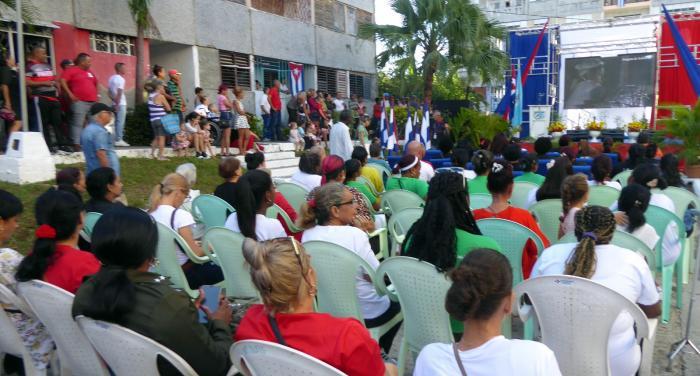
On August 23, 2026, at a landmark commemoration held in Cuba’s western province of Pinar del Río, top Cuban women’s movement leader Teresa Amarelle Boué marked six decades of transformative work by the Federation of Cuban Women (FMC), highlighting the organization’s indelible role in advancing gender equity and defending national sovereignty.
Amarelle Boué, who serves both as a member of Cuba’s Political Bureau and the FMC’s General Secretary, opened her address by grounding the organization’s legacy in the broader struggle for Cuban self-determination: the dignity, independence and sovereignty that define modern Cuba are not just achievements of the revolution — they are victories built and defended in equal part by Cuban women, she stressed. Over 66 years, what began as a grassroots movement has reshaped the place of women in Cuban society, shifting their role from passive observers of national life to central protagonists shaping their own history and the country’s future.
The FMC’s founding, which followed closely on the 1959 Cuban Revolution, unlocked unprecedented opportunities for millions of women across the island, Amarelle Boué recalled. Before the revolution, widespread exclusion barred most women from education, formal work and public leadership. Today, the tides have shifted dramatically: women now make up the majority of the workforce in key sectors including education, public health, scientific research and the national judicial system. Their presence is also growing rapidly in new areas of the economy, including the non-state business sector, agricultural production cooperatives, and senior leadership positions across all levels of government. As a striking example of this progress, Cuba currently holds the world’s second-highest share of female representation in its national parliament, a statistic that underscores the depth of women’s integration into Cuban governance.
Even as the organization celebrates these milestones, Amarelle Boué acknowledged the steep challenges that persist, most notably shaped by the decades-long U.S. economic blockade of Cuba, which has been intensified in recent years to severe effect on everyday Cuban households. Against this backdrop, the FMC is prioritizing targeted support for the most vulnerable segments of the population, she said. Key priorities include extending outreach and opportunity to young women who are currently neither enrolled in education nor employed, sustaining ongoing efforts to close remaining gender gaps, and expanding programming to prevent gender-based violence across the island. Amarelle Boué emphasized that the FMC will work in close coordination with other national institutions to identify actionable solutions to these pressing challenges.
The anniversary event, hosted at the Hermanos Cruz People’s Council, also included an awards ceremony to recognize outstanding work by regional FMC chapters across Cuba. Four provinces — Artemisa, Matanzas, Cienfuegos, and Villa Clara — received honors for their exceptional program delivery and community impact. Host province Pinar del Río was awarded the distinguished National Vanguard designation for its leadership in advancing the FMC’s mission.