分类: health

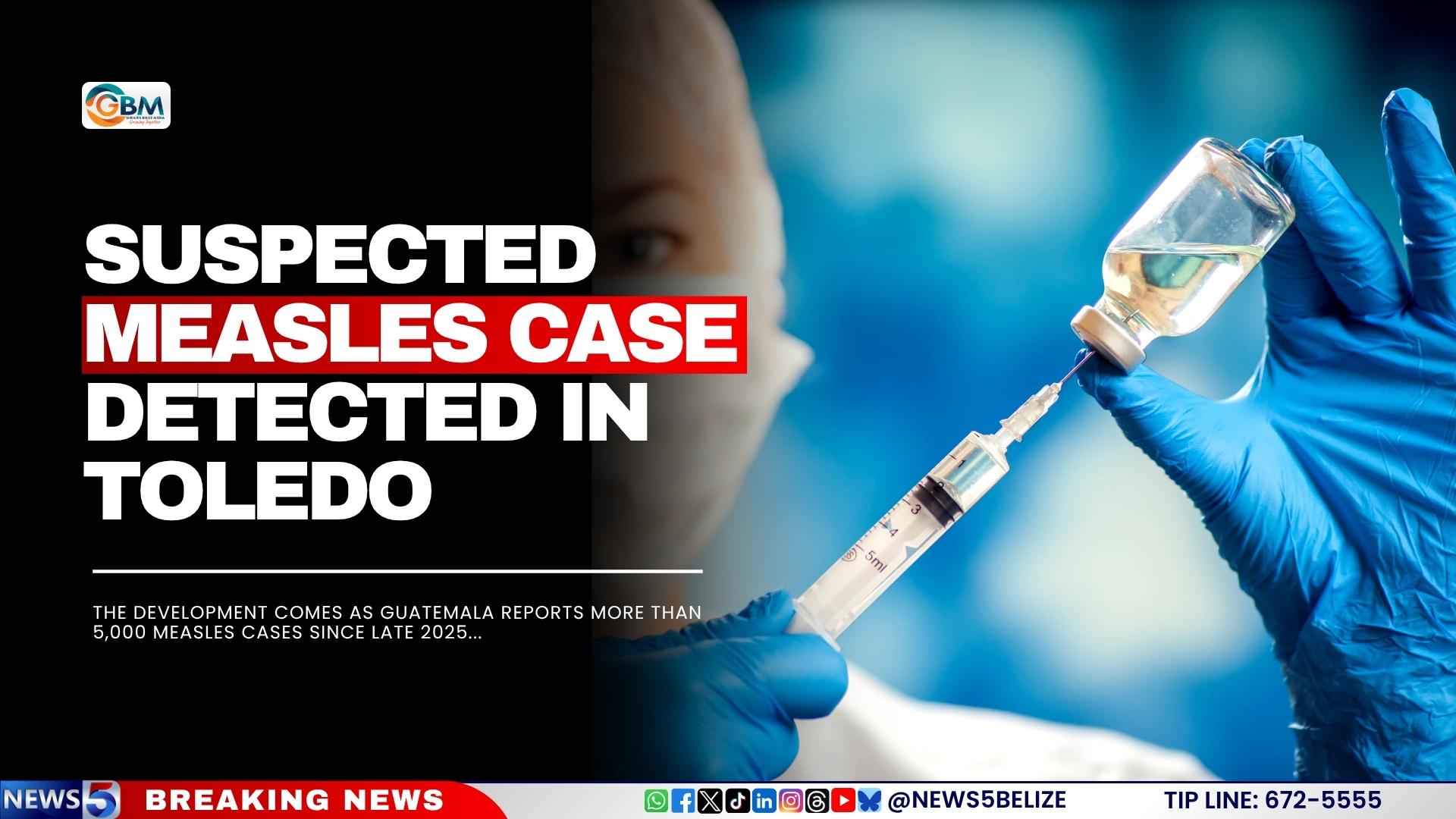
  • Suspected Measles Case Detected in Toledo

    Suspected Measles Case Detected in Toledo

    Public health authorities in the Toledo District have confirmed the detection of a suspected measles case, triggering an immediate coordinated response to stop potential spread of the highly contagious virus, according to an official announcement from the local Ministry of Health and Wellness.

    The patient in question is a 19-year-old individual who recently returned from travel to Guatemala, a country currently grappling with a large, sustained measles outbreak that has already been linked to more than 5,000 confirmed cases since the end of 2025. The preliminary diagnosis of the suspected case was completed on April 24, 2026, and public health protocols were activated within hours of the result.

    To mitigate the risk of secondary transmission, health officials have implemented strict isolation protocols for the affected patient and ordered mandatory quarantine for all identified close contacts of the individual. In addition to these control measures, specialized health response teams have already launched two key containment initiatives: a targeted ring vaccination campaign for anyone potentially exposed to the virus, and expanded community outreach programs to educate local residents on measles symptoms and prevention strategies.

    The detection of the imported suspected case has amplified existing concerns about cross-border spread of the virus, given the ongoing widespread transmission in neighboring Guatemala. In a public advisory, the Ministry of Health and Wellness has renewed its urgent call for all community members to check their vaccination status and ensure they are fully protected against measles. Authorities emphasized that while measles is one of the most contagious viral diseases that can spread through respiratory droplets, it is entirely preventable through safe, effective vaccination.

    As of April 27, 2026, public health agencies say they remain at a high level of alert, with ongoing active monitoring of the situation to quickly identify any additional cases and stop transmission chains before they can escalate into a larger local outbreak.
  • CARPHA and St George’s University sign landmark 5-year agreement

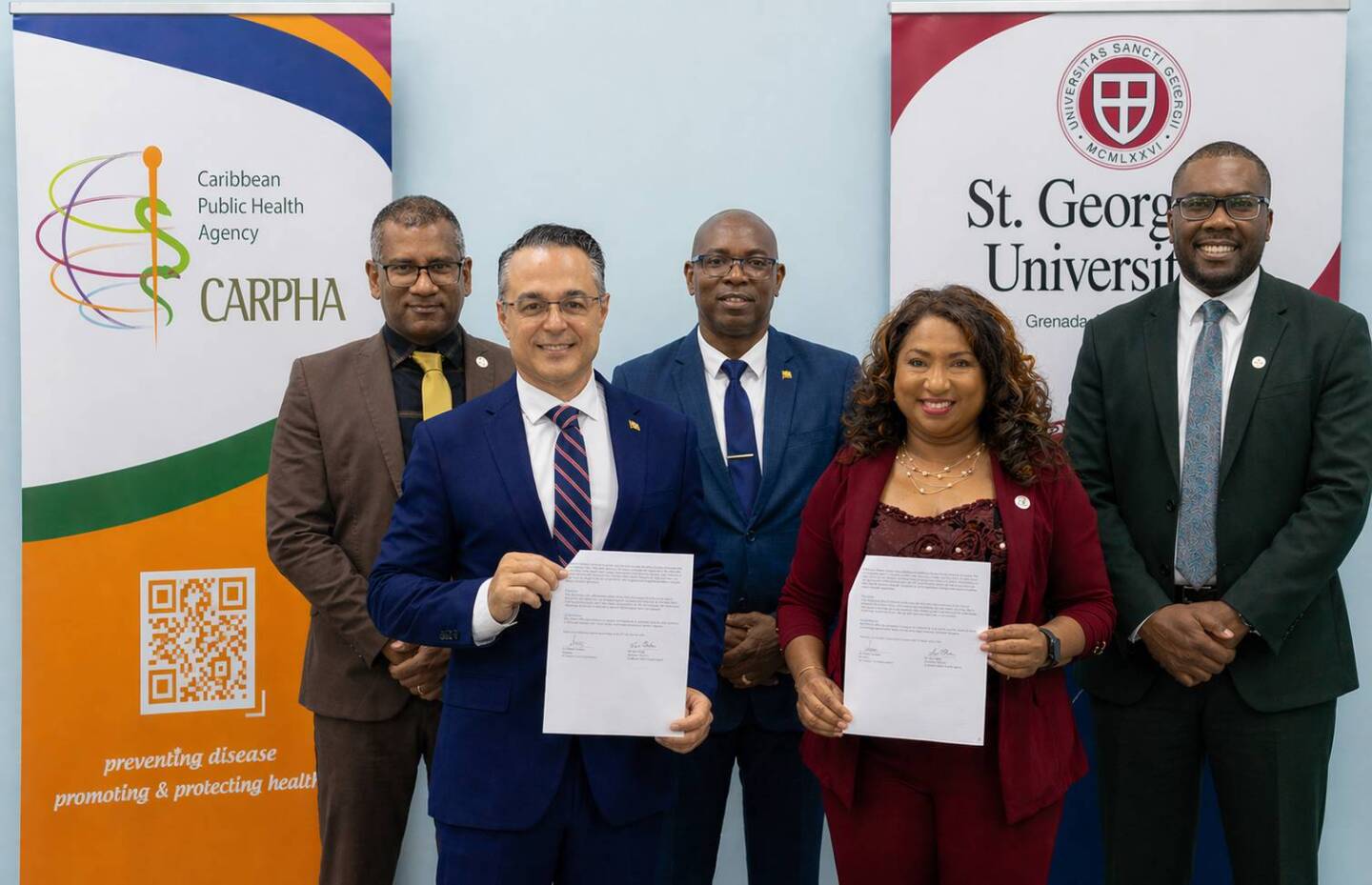
    CARPHA and St George’s University sign landmark 5-year agreement

    On April 21, 2026, two leading Caribbean health and academic institutions — the Caribbean Public Health Agency (CARPHA) and St George’s University (SGU) — formalized a transformative five-year strategic partnership via a signed Memorandum of Understanding (MoU), designed to strengthen regional public health systems across the Caribbean bloc through integrated research, specialized training, and data-backed policy development.

    This new agreement builds on decades of informal collaboration between the two organizations to create a structured framework for addressing the Caribbean’s most pressing public health priorities. Key focus areas of the partnership range from tackling rising rates of communicable and noncommunicable diseases (NCDs) to mitigating the public health impacts of environmental change, with targeted work planned across seven core domains. These include co-developing public health research and generating actionable evidence, expanding hands-on student training and public health workforce development, building specialized capacity in epidemiology, public health practice and data analytics, advancing digital innovation to strengthen regional health infrastructure, facilitating standardized data analysis and cross-institutional knowledge sharing, advancing integrated One Health initiatives including laboratory and technical cooperation, and jointly executing the 71st Annual Health Research Conference.

    At the official signing ceremony, Dr. Lisa Indar, Executive Director of CARPHA, emphasized that the new MoU codifies a long-standing, productive working relationship between the two institutions. “This agreement solidifies what we have already built over years of collaboration, and it will position both CARPHA and SGU as central regional leaders in public health research and practice across the Caribbean,” Indar explained. She added that the partnership will streamline the process of translating groundbreaking research findings into evidence-based policy recommendations for CARPHA’s member states, and serves as a model for innovative collaborative approaches to addressing shared regional public health challenges.

    Speaking on behalf of SGU, Professor Marios Loukas, President and Dean of the university’s School of Medicine, framed the partnership as a defining milestone for Caribbean public health. By combining SGU’s robust academic and research capabilities with CARPHA’s established regional public health leadership, the institutions will build a unified, cross-sector platform to accelerate innovation, expand regional research capacity, and speed the conversion of research evidence into tangible policy and on-the-ground practice. “This collaboration paves the way for a more resilient, equitable, and healthier Caribbean, and positions the region as a global leader in innovative public health action,” Loukas noted.

    The formal partnership is the outcome of more than a decade of incremental collaboration between the two organizations. For years, SGU has placed its students in internship placements at CARPHA, giving emerging public health professionals hands-on experience working on regional initiatives while contributing valuable support to CARPHA’s work across the bloc. SGU faculty have also partnered with CARPHA researchers on joint studies and represented the region in key stakeholder networks. One of the most high-profile past collaborations came in 2015, when SGU hosted CARPHA’s Annual Health Research Conference on its Grenada campus, demonstrating the university’s long-standing commitment to advancing regional health research agendas.

  • Sigh of relief!

    Sigh of relief!

    After weeks of widespread supply disruptions that forced many Jamaican women to either pay steep out-of-pocket costs for prescription birth control or switch to alternative contraceptive methods that caused unwanted side effects, the injectable contraceptive shortage in Jamaica’s public health system has finally eased, according to on-the-ground reporting from the Jamaica Observer.

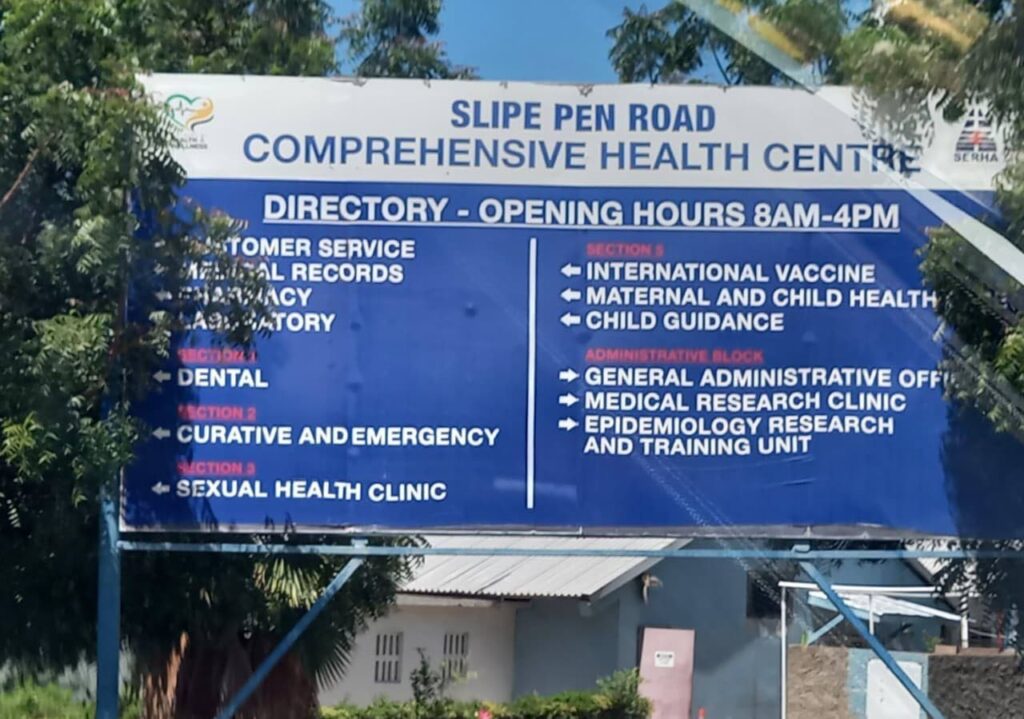
    During checks conducted Friday at two major public health facilities in Kingston’s Corporate Area — Maxfield Park Health Centre and Slipe Pen Road Comprehensive Health Centre — journalists confirmed that the contraceptive injections are once again available to patients who rely on the public system for free or low-cost reproductive care.

    One anonymous patient at Slipe Pen Road, who had been unable to access the injection during a prior visit, shared her experience with the Observer. She had been offered a choice between purchasing the contraceptive through a private pharmacy prescription or switching to oral birth control when stock ran out. Opting for the pill due to cost, she stopped using it after developing severe adverse side effects, and was relieved to finally receive her preferred injection during Friday’s visit. She added that women who chose to purchase the contraceptive privately reported paying roughly J$4,100 per dose — a major expense for many low-income households.

    The patient also echoed widespread public speculation about the cause of the shortage, linking it to comments from Health Minister Christopher Tufton that framed Jamaica’s declining birth rate as a policy concern. “When people have children they are not getting good care in hospitals or proper food,” she noted, pointing to inadequate postnatal support for new mothers as evidence that policy pushes for higher birth rates are out of step with on-the-ground needs. Her 10-month-old child recently received inadequate food assistance through the country’s new mother support program, she added.

    A second patient at the same facility confirmed she faced identical barriers to access last month. Unable to afford the private purchase option, she also switched to the pill, which caused unwanted side effects including increased appetite that led her to seek out the injectable form as soon as it became available again.

    A senior public health nurse at Slipe Pen Road confirmed the supply disruption lasted throughout the month of March, triggered by unexpected delays in a routine national order. She confirmed that supplies have been replenished, and patients have been able to access their regular injections for the past two weeks.

    At Maxfield Park Health Centre, multiple patients emphasized that financial need is the primary reason the vast majority of women seek contraceptive care through the public system rather than private markets. Teresa McKenzie, a mother who accessed the injection alongside her sister, explained that she relies on the public service because she is currently out of work, and her partner already struggles to cover basic household costs for their existing children. “Taking care of children is more manageable this way, when you can plan when you have another,” she said, noting that unplanned pregnancy would make covering food and school fees far more difficult for her family.

    Dr. Julia Rowe-Porter, director of the Ministry of Health and Wellness’ Family Health Unit (FHU), clarified the root causes of the facility-level shortages in a statement. While the National Health Fund (NHF), which manages national stockpiles of public health supplies, has confirmed there is no national shortage at its central storage facility, recent changes to national order management protocols created gaps that left local clinics without stock for several weeks. Rowe-Porter confirmed that the FHU is currently working alongside the NHF and regional health authorities to resolve the systemic issues that led to the disruptions and prevent future stock-outs.

  • World going too slow on eliminating hepatitis — WHO

    World going too slow on eliminating hepatitis — WHO

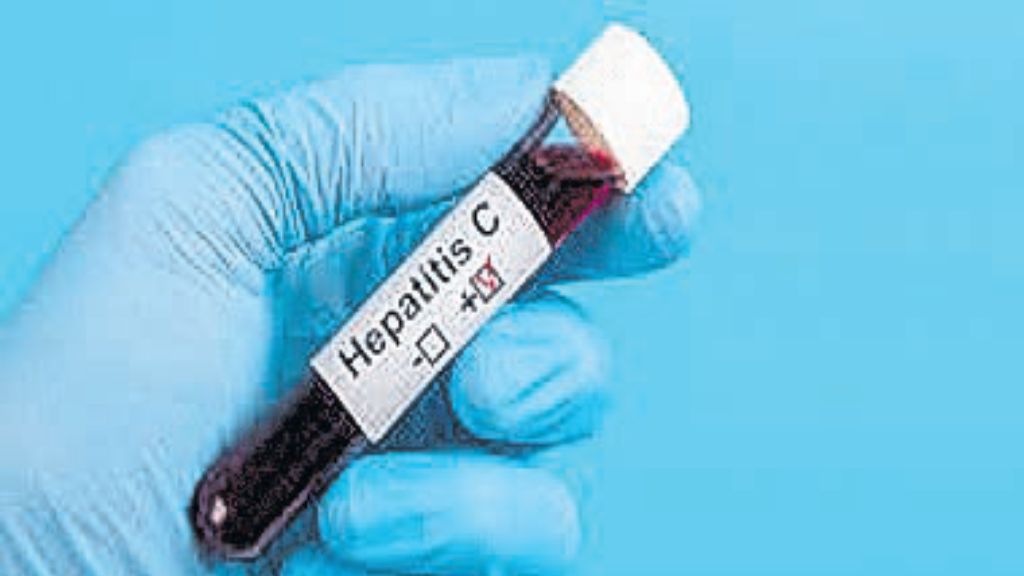
    GENEVA, Switzerland — The World Health Organization (WHO) has issued a stark public warning that the global campaign to eliminate viral hepatitis as a major public health threat is moving far too slowly to meet global targets, even as proven, effective prevention and treatment tools already exist to tackle the disease that claims over a million lives each year.

    In the newly released 2026 Global Hepatitis Report, the UN health agency documented that in 2024 alone, hepatitis B and C — the two deadliest strains of the virus responsible for 95 percent of all hepatitis-related fatalities globally — caused 1.34 million deaths. Each year, the world also records more than 1.8 million new cases of chronic hepatitis infection, the report confirmed.

    “Progress is too slow and uneven,” WHO Director-General Tedros Adhanom Ghebreyesus shared in an official statement accompanying the report release. “Many people remain undiagnosed and untreated due to stigma, weak health systems and inequitable access to care. While we have the tools to eliminate hepatitis as a public health threat, urgent scale-up of prevention, diagnosis and treatment is needed.”

    Viral hepatitis triggers progressive inflammation of the liver, which can lead to life-threatening complications including cirrhosis, liver failure, and primary liver cancer. There are five distinct primary strains of the virus, with B and C ranking among the world’s deadliest infectious diseases. The 2026 report estimates that as of 2024, 287 million people around the globe were living with chronic hepatitis B or C infection.

    Gaps in care access remain alarmingly wide across all regions: Of the 240 million people living with chronic hepatitis B in 2024, fewer than 5 percent were receiving life-saving antiviral treatment. For hepatitis C, only 20 percent of all people living with the infection have accessed curative treatment since 2015, when affordable, effective therapies became widely available. In sub-Saharan Africa, the region that carries the world’s heaviest burden of hepatitis B infection, only 17 percent of newborns received the recommended birth-dose hepatitis B vaccine in 2024 — a step that prevents nearly all lifelong transmission from infected mothers.

    Six low- and middle-income countries account for 10 of the world’s highest hepatitis-related death tolls: China, India, Indonesia, Nigeria, South Africa and Vietnam.

    “Every missed diagnosis and untreated infection due to chronic viral hepatitis represents a preventable death,” stressed Tereza Kasaeva, director of the WHO’s Global Hepatitis Programme. Kasaeva echoed the organization’s call for accelerated investment and action to close care gaps.

    Crucially, the WHO emphasizes that all the tools needed to end hepatitis as a public health threat are already available and proven effective. The hepatitis B vaccine protects more than 95 percent of recipients from both acute and chronic infection. Long-term antiviral therapy for hepatitis B can effectively manage chronic infection and stop progression to severe liver damage and cancer. For hepatitis C, short-course curative treatment lasting just 8 to 12 weeks cures more than 95 percent of all infections.

    The report also highlights that elimination is achievable with targeted investment and political will: the United Kingdom, Egypt, Georgia and Rwanda have already demonstrated that large-scale progress is possible, bringing their own domestic hepatitis rates down to levels below the threshold for classification as a public health threat.

    “Eliminating hepatitis is not a pipedream: it’s possible with sustained political commitment, backed by reliable domestic financing,” Tedros confirmed. While progress has been uneven, the report does note modest, important gains made since 2015, when the UN adopted global elimination targets: annual new hepatitis B infections have fallen by 32 percent, and hepatitis C-related deaths have dropped by 12 percent over the past nine years.

  • Jamaican mom turns to herbal remedies for autistic child, launches book on nutritional therapy

    Jamaican mom turns to herbal remedies for autistic child, launches book on nutritional therapy

    For Sushana Guthrie, raising two children on the autism spectrum was a years-long journey marked by frustration and uncertainty. After cycling through conventional therapies and medications that delivered only glacial, inconsistent progress, leaving her family caught in a constant cycle of emotional highs and crushing lows, Guthrie turned to a cultural heritage she had long overlooked: the traditional natural wellness knowledge of her Jamaican roots.

    What began as a personal experiment to improve her children’s well-being quickly turned into transformative change. Guthrie restructured her children’s diets entirely, cutting out all processed foods and eliminating hidden environmental toxins from their home. She replaced these with whole, nutrient-dense foods, and introduced a daily routine centered on natural herbal remedies and fresh-pressed juices, with a serving of green juice as a non-negotiable daily staple.

    The results far exceeded Guthrie’s expectations. Within time, her children showed profound, measurable improvements in cognitive, social, and behavioral functioning. Today, that personal journey has grown into a global mission: a new self-help book that blends generations-old Jamaican cultural wellness wisdom with Guthrie’s firsthand lived experience, offering a much-needed alternative resource for families who have not found relief through standard autism care pathways.

    In an interview with Observer Online, Guthrie explained what drove her to share her story publicly. “I’ve gone through my struggles. I’ve gone through my pain. I’ve gone through my heartache and I’ve done a lot of research. Whenever I implemented all of these changes, I saw my children’s behavior start improving,” she said. “That’s how I got involved with writing the book.”

    Titled *Holistic Nutritional Therapy for Autism ADHD, Epilepsy & Seizures: 20 Helpful Tips That May Improve Or Reverse Autism*, the book launched April 1 to coincide with Autism Awareness Month. Guthrie outlines eight key transformative changes she has witnessed in her autistic daughter since adopting the holistic routine outlined in the book: her daughter can now read and fully participate in a mainstream classroom setting; she consistently responds to her name, makes eye contact, and initiates social interactions; she now follows instructions after only one prompt, compared to the 20 prompts she required before the dietary changes; she no longer elopes from safe spaces and has developed a stable sense of personal security; disruptive outbursts of screaming and loud vocalizations have stopped; she no longer engages in self-harm or aggressive behavior toward others; her speech has become functional, and she can now clearly express her needs and feelings; and overall, her neurological function has become balanced and aligned.

    For Guthrie herself, the most life-changing benefit has been the end of constant stress and social stigma. Her home is now a space of peace, and public outings no longer bring the rude stares and discrimination she once faced from people who do not understand the complex challenges of autism and ADHD.

    Having experienced such profound, life-altering improvements for her family, Guthrie knew she could not keep this framework to herself. “I am happy that I wrote the book because it brought me a lot of peace, and I’m excited to share it with the world because I know that it’s going to be a very helpful source to a lot of parents who are going through so much,” she said.

    The book is currently available for purchase globally on Amazon in three formats: e-book, hardcover, and paperback, with an audiobook version currently in production. Guthrie announced that the title has already earned Amazon’s Top New Release distinction in its category, a milestone she calls a point of great pride as a Jamaican author.

    “As a Jamaican author, I feel good. I consider this to be a great accomplishment to be a number one new release book author in my category,” she said. “So it’s a big deal. I’m very, very excited about the prospect and how it’s going to impact others positively.”

  • Medical expert calls for regional action to tackle rising cancer rates

    Medical expert calls for regional action to tackle rising cancer rates

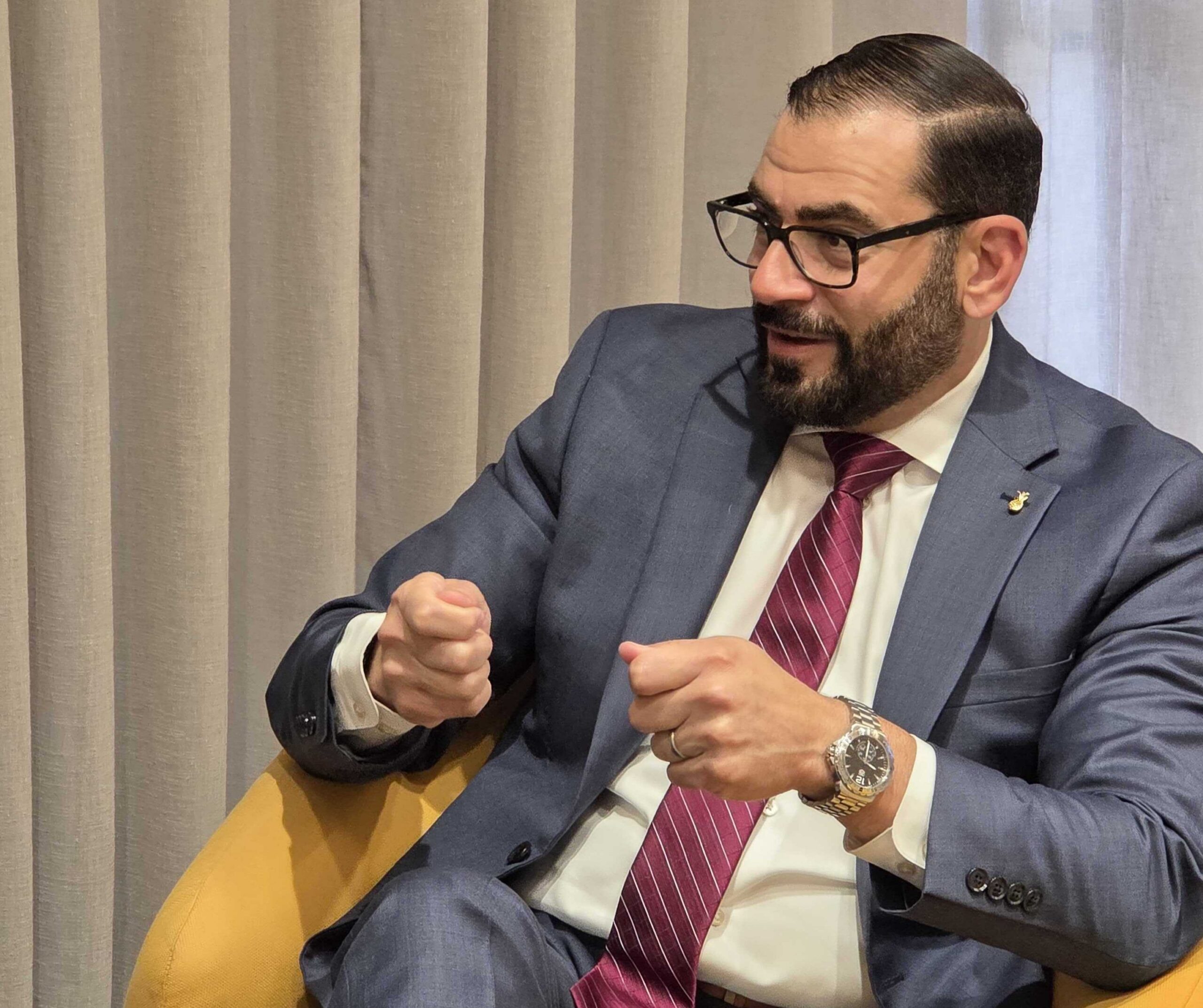
    Against a backdrop of steadily increasing cancer diagnoses across the Caribbean, a prominent international cancer specialist has sounded the alarm, calling for immediate cross-border cooperation to address the growing public health crisis. Dr. John Diaz, Medical Director of Robotic Surgery at Baptist Health Miami Cancer Institute, delivered this urgent call to action during his address at the Caribbean Gynecologic Cancer Society’s annual meeting held in Barbados on Saturday.

    During his speech, Dr. Diaz laid out a stark set of statistics that underscore the severity of the crisis in the host nation. With a total population of just 230,000 people, Barbados logs more than 1,000 new cancer diagnoses every year. This per-capita rate of new cases outpaces that of most regions across the globe, highlighting the disproportionate burden the disease places on small Caribbean nations.

    While upward trends in cancer incidence are a shared global challenge, Dr. Diaz emphasized that the Caribbean faces a set of unique obstacles that exacerbate the crisis. Two of the most pressing gaps are insufficient resource allocation and systemic failures in early detection programs, he explained. Many at-risk community members are missing critical opportunities for life-saving screening and preventive care. Catching cancer at its earliest stages drastically improves the effectiveness of medical intervention and dramatically boosts long-term cure rates, a benefit the region is currently failing to deliver for too many patients.

    Cervical cancer stands out as a particularly urgent concern for the Caribbean, where incidence rates remain far higher than those seen in most high-income developed countries. To reverse this trend, Dr. Diaz stressed two key priorities: expanding widespread access to routine Pap smear screenings, and increasing public uptake of the HPV vaccine, which has been scientifically proven to prevent multiple forms of cancer in both men and women. Despite these proven benefits, Dr. Diaz noted that widespread public reluctance to adopt HPV vaccination remains a persistent barrier to progress.

    Beyond cervical cancer, the region is also facing a sharp spike in cases of uterine and endometrial cancers. Dr. Diaz linked this surge to two key demographic and public health shifts: the region’s overall aging population, and a rapidly growing obesity epidemic that drives elevated cancer risk.

    To turn the tide against these worrying trends, Dr. Diaz is advocating for broader adoption of cutting-edge medical technologies across the region, most notably robotic-assisted cancer surgery. Unlike traditional open surgical procedures, robotic surgery allows clinicians to complete complex cancer interventions through only very small incisions. This minimally invasive approach delivers major benefits for patients: many are able to be discharged home the same day of their procedure, and can return to their normal daily routines in just a couple of weeks, compared to the months of recovery required after conventional surgery.

    Dr. Diaz argued that the single most effective step to address the Caribbean’s cancer gap is building intentional, collaborative partnerships between leading international cancer care centers and local oncology teams across the region. Through these cross-border alliances, the region can close the persistent equity gap in cancer care, ensuring that all women across the Caribbean have equal access to the latest life-saving medical innovations that can improve survival outcomes and quality of life.

  • Sir Molwyn Joseph Continues Public Service Ahead of Exit, Donates Specialized Wheelchair to Patient

    Sir Molwyn Joseph Continues Public Service Ahead of Exit, Donates Specialized Wheelchair to Patient

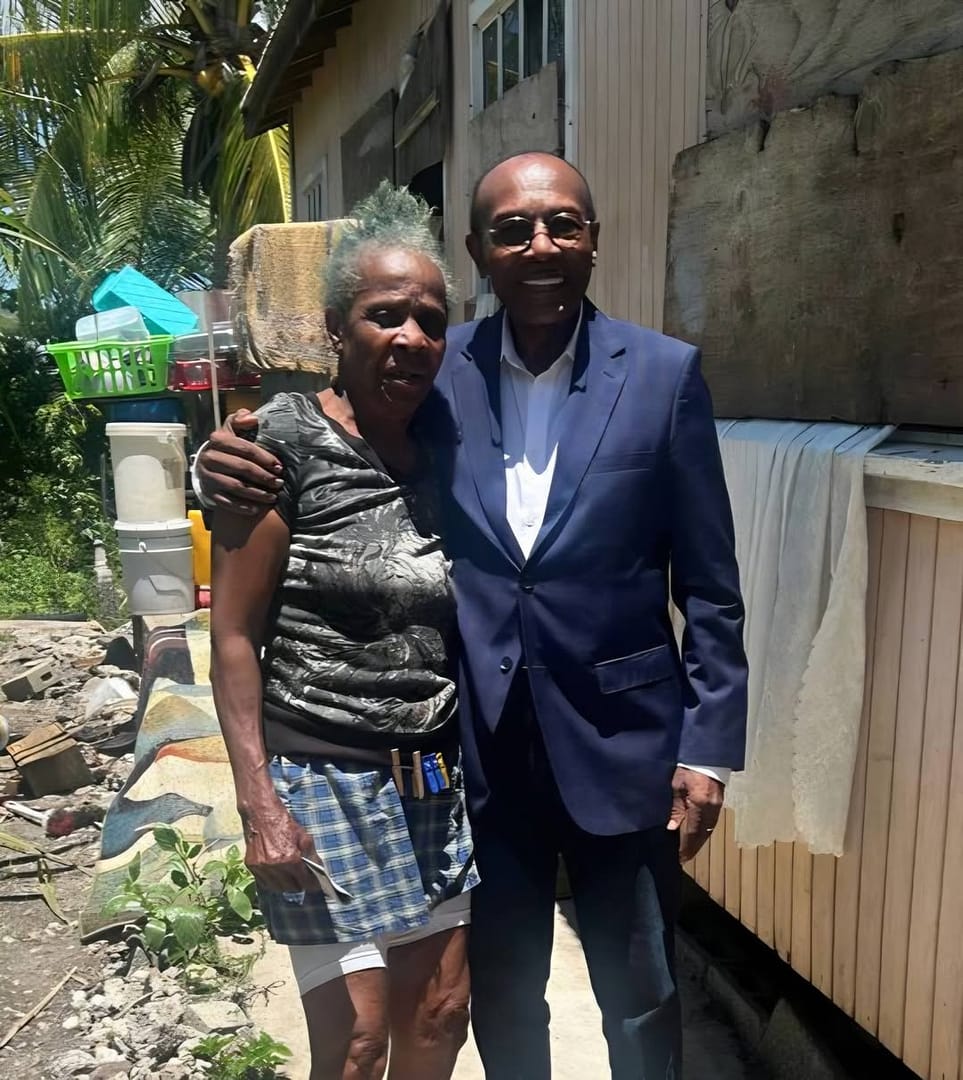
    As Antigua and Barbuda prepares for a political transition in the St. Mary’s North constituency, with outgoing Minister of Health Sir Molwyn Joseph set to retire and a new parliamentarian poised to take his oath of office, the veteran public servant has shown no signs of stepping back from his core responsibilities. Even in the final days of his tenure, Sir Molwyn remains fully dedicated to advancing the health and well-being of the communities he has served for decades.

    In a recent act that encapsulates his lifelong commitment to centering community care, Sir Molwyn organized and facilitated the donation of a cutting-edge, premium custom wheelchair to a local resident living with a physical disability. The specialized mobility device, which comes fitted with custom-engineered footrest attachments designed to accommodate the recipient’s specific needs, was officially received by the beneficiary’s mother, Gwendolyn King.

    This targeted donation is far more than an isolated act of kindness: it aligns directly with the core mandate of the Ministry of Health under Sir Molwyn’s leadership, which has long prioritized expanding support systems for vulnerable populations and delivering tangible interventions that boost overall quality of life for marginalized community members. The custom wheelchair is expected to dramatically improve the recipient’s ability to move independently and boost his daily comfort, addressing a critical unmet need for the family.

    Speaking on behalf of her son, King extended profound gratitude for the rapid, responsive support from the Ministry and Sir Molwyn personally, emphasizing that the new equipment will bring transformative change to her son’s daily routine.

    Sir Molwyn’s unwavering engagement with public needs, even as he wraps up his tenure and prepares to hand over power to his successor, stands as a powerful capstone to a decades-long career defined by relentless public service and intentional focus on lifting up the most vulnerable members of Antiguan and Barbudan society. As the St. Mary’s North transition moves forward, this final act in office reinforces his enduring legacy of commitment to advancing accessible healthcare and community support across the nation.

  • Blood donation urged amid trauma cases

    Blood donation urged amid trauma cases

    Facing growing strain on the national blood reserve triggered by a recent surge in severe trauma cases, the Queen Elizabeth Hospital (QEH) has issued an urgent public appeal for voluntary blood donations to shore up its critical supply.

    Even as hospital administrators implement careful, strategic stock management to avoid shortages, senior health officials emphasize that ongoing, consistent voluntary donations remain the only reliable foundation for guaranteeing life-saving blood products are accessible for patients needing emergency interventions, complex surgical procedures, and long-term routine medical care.

    Dr. TMH Corey Forde, QEH’s Director of Clinical and Diagnostic Services, highlighted that community blood donation represents one of the most immediate and impactful ways ordinary members of the public can contribute to advancing local patient care. “Every single day, people across our country rely on safe, prompt access to blood — whether they are recovering from a sudden accident, managing a chronic medical condition, or undergoing unforeseen emergency procedures,” Forde explained in a statement. “A single 10-minute donation has the power to save up to three separate lives, delivering critical hope and critical healing to patients and their families when they need it most.”

    Forde’s appeal extends to both returning donors who have given blood previously, and first-time donors who have never participated in the program. He confirmed that the hospital has recorded a notable recent decline in voluntary donation volumes, making the current call especially urgent.

    “We are asking people who have donated in the past to step forward again to help us replenish our stocks, and we also want to invite anyone who has been considering their first donation to reach out to our team to learn more about donor eligibility,” Forde added. “Giving blood ultimately saves a life — that life may belong to someone you have never met, but there is always the chance that one day, it could be you or a loved one who needs this same generosity.”

    Members of the public who wish to donate are advised to schedule an appointment in advance before visiting QEH’s Blood Collection Centre, located at Lady Meade Gardens in St Michael, adjacent to the Winston Scott Polyclinic. Appointments can be booked directly by calling the hospital’s dedicated line at 536-3792.

    In closing, the QEH extended sincere gratitude to all regular voluntary donors whose consistent support has helped maintain the nation’s blood supply and protect patient care access for vulnerable communities across the country.

  • Caribbean hits 95 per cent childhood vaccination target

    Caribbean hits 95 per cent childhood vaccination target

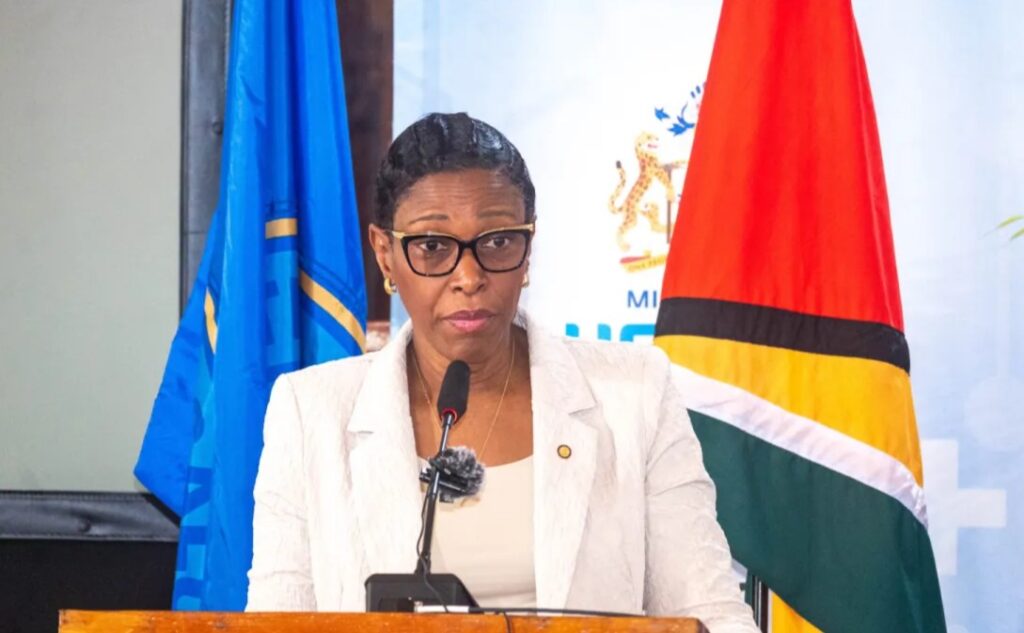
    GEORGETOWN, Guyana — Public health leaders announced a landmark public health achievement for the Caribbean region over the weekend, with overall childhood vaccination coverage climbing to the Pan American Health Organization’s (PAHO) 95% target, up three percentage points from 2022’s 92% rate. The milestone was unveiled during the official launch of Guyana and Caribbean Vaccination Week 2026 by Dr. Rhonda Sealey-Thomas, Assistant Director of PAHO.

    Dr. Sealey-Thomas emphasized that this breakthrough does not happen by accident: it is the direct outcome of long-term, consistent investment in regional public health infrastructure, unwavering political commitment to immunization priorities, and the tireless frontline work of healthcare workers across every Caribbean island and mainland territory. Several nations have already set a regional example, she noted, with Guyana, Montserrat, and St. Vincent and the Grenadines securing full 95%+ coverage across multiple categories of routine childhood immunizations.

    Despite the celebratory note of the announcement, Dr. Sealey-Thomas issued a urgent caution that retaining this hard-won progress will demand constant vigilance and ongoing commitment. “The progress we have made is meaningful, but much more remains to be done…Achieving and sustaining at least 95 per cent coverage for all antigens is essential,” she stated.

    The warning comes as the broader Americas region faces a growing public health threat: declining vaccination coverage in some areas has fueled a dramatic resurgence of measles, a highly contagious vaccine-preventable disease. PAHO data shows more than 15,000 confirmed measles cases were recorded in the first months of 2026 alone — a total that already exceeds the entire caseload reported across the region in 2025.

    This resurgence underscores four non-negotiable pillars of effective immunization programming, Dr. Sealey-Thomas explained: robust disease surveillance systems to track outbreaks early, sustained public confidence in vaccine safety and efficacy, equitable timely access to immunizations for all communities, and consistent long-term investment in immunization programming.

    Guyana’s Public Health Minister Frank Anthony echoed these remarks, sharing details of his nation’s successful strategy to maintain coverage above 95% for most routine vaccine antigens, even in hard-to-reach areas. To expand access to remote hinterland communities that have long faced barriers to healthcare, the Guyanese government has prioritized upgrading critical immunization infrastructure: investing in modern cold-chain storage facilities, solar-powered refrigeration units that work reliably in off-grid areas, improved cross-country vaccine transport networks, and specialized training for frontline healthcare workers delivering shots in isolated locations.

    Anthony stressed that infrastructure investment means nothing without tangible impact on community health. “It makes no sense if you have the vaccine and it is nicely stored in the fridge…You have to put it in somebody’s arm so that it can work to protect that person,” he said.

  • Allen calls for answers over conditions at Cornwall Regional Hospital

    Allen calls for answers over conditions at Cornwall Regional Hospital

    In St James, Jamaica, a senior opposition political figure has sounded the alarm over persistent dangerous shortcomings at one of western Jamaica’s largest public healthcare facilities, calling for immediate transparency and remedial action from the island’s public health leadership.

    Janice Allen, the People’s National Party (PNP) caretaker candidate for the St James Central constituency, labeled the ongoing crisis at Cornwall Regional Hospital a catastrophic systemic breakdown in a public statement released Saturday. The facility functions as a key regional medical hub, serving tens of thousands of residents across St James parish and the entire western corridor of Jamaica.

    Allen emphasized that the facility’s problems have festered for nearly a decade, with successive rounds of government promises to resolve the issues failing to deliver tangible improvements. At the core of the current disruption is an eight-year-long renovation project that has severely squeezed available capacity, upended routine medical services, and pushed both overstretched patients and under-resourced healthcare staff to their breaking point.

    The latest breaking point came following reports of a recent patient death, in which a local woman allegedly died waiting multiple days for care after hospital staff were unable to assign her an available inpatient bed. Allen stressed that if these allegations are confirmed, the tragedy is not merely an institutional failure—it is a profound moral failure on the part of the authorities tasked with protecting public health.

    She has issued a formal call for full clarification from three top health bodies: Jamaica’s chief medical officer, the national minister of health, and the Western Regional Health Authority. Allen is demanding clear answers on key details of the fatal incident: the exact length of the patient’s wait, what (if any) medical interventions she received before her death, and why no bed could be made available to her despite years of planned renovation work.

    Beyond the specific incident, Allen is pressing for public answers to broader longstanding questions about the facility: what is the current state of staffing shortages, what is the actual functional bed capacity at the hospital right now, how well can the facility’s emergency department respond to critical cases, and why have these problems remained unresolved long after the rehabilitation project was initiated?

    Allen closed by stating that the situation demands full transparency and urgent intervention from health leaders. She reiterated that the Jamaican public is owed meaningful improvement: better working conditions and support for frontline hospital staff, increased targeted resourcing to resolve capacity gaps, and tangible action to rebuild public trust in the national healthcare system.