分类: health

  • Clarification on the Temporary Closure of the Grays Farm Dental Clinic

    Clarification on the Temporary Closure of the Grays Farm Dental Clinic

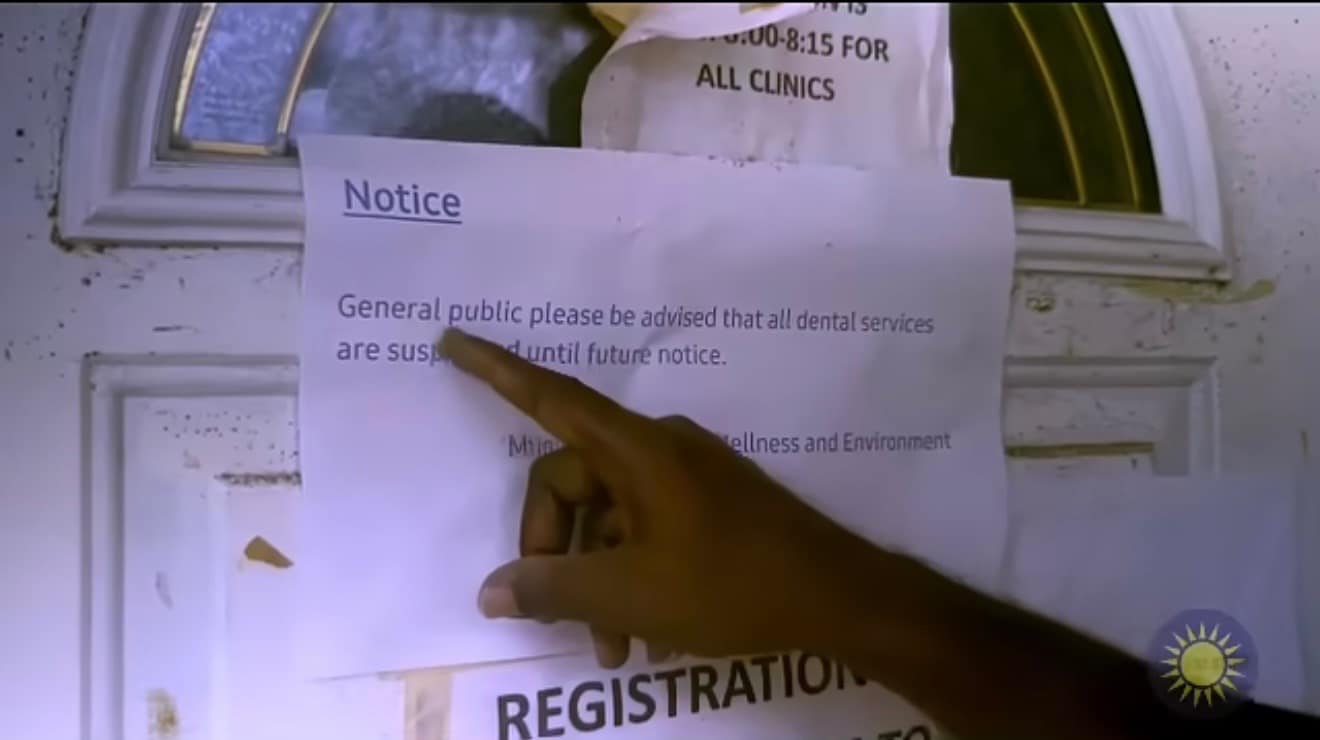
    Antigua’s Ministry of Health, Wellness, Environment and Civil Service Affairs has released an official statement to clear up public confusion surrounding the ongoing temporary shutdown of the Grays Farm Dental Clinic. The initial notice announcing the clinic’s temporary closure was first distributed publicly in October 2025, framed as a measure to carry out targeted facility upgrades requested by Dr. Derek Marshall, Head of the national Dental Department. These planned works were originally positioned as part of the government’s regular routine maintenance programs, designed to uphold rigorous service standards across all public healthcare facilities across the country.

    After joint preliminary inspections were carried out by specialists from the Ministry of Works and the Ministry of Health’s technical team, officials quickly determined that the range of required repairs and upgrades was far broader than initial projections had suggested. A series of unanticipated structural and operational deficiencies were uncovered during the assessment, requiring far more extensive intervention than planned to bring the clinic fully in line with national safety and quality benchmarks for patient care. As a result, the clinic has remained closed while authorities coordinate the expanded scope of work.

    In its statement, the ministry stressed that local residents who rely on the Grays Farm Dental Clinic for routine and emergency dental care have not been left without access to treatment. Administrative teams have already put in place alternative care arrangements to guarantee service continuity, advising all patients from the closed clinic to access equivalent services at the Villa Polyclinic, which has adjusted its scheduling and capacity to accommodate the additional patient load.

    While formal requests for the required upgrades have been submitted to the Ministry of Works, the health ministry confirmed that on-site construction has not yet gotten underway. The delay stems from competing national infrastructure priorities, as multiple other public facilities across the country require urgent major repairs that have taken precedence in resource allocation.

    The ministry was firm in pushing back against suggestions that the extended closure stems from government neglect of public healthcare. Officials emphasized that keeping the facility closed longer is a deliberate, patient-centered choice: the goal is to ensure that when Grays Farm Dental Clinic reopens, it not only meets the original required operational standards, but surpasses them. The ultimate objective of the project is to deliver a safer, more efficient, and more comfortable care environment for both patients receiving treatment and clinical staff delivering services.

    In closing, the ministry expressed its gratitude for the patience and understanding of the local public as it works to deliver long-term, sustainable upgrades to the nation’s public healthcare infrastructure.
  • Díaz-Canel Highlights Digital Transformation and AI Adoption at the Institute of Neurology and Neurosurgery

    Díaz-Canel Highlights Digital Transformation and AI Adoption at the Institute of Neurology and Neurosurgery

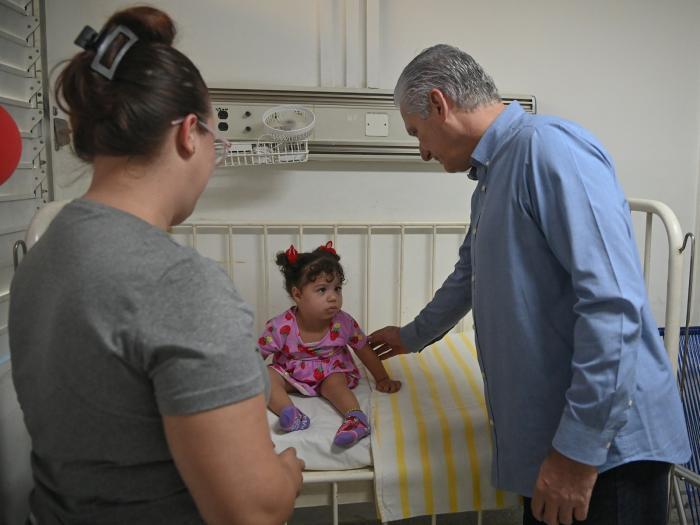
    Against the backdrop of decades of intensified economic and energy blockades that have strained resource access across every sector of Cuban society, one of the nation’s most prestigious medical institutions is emerging as a trailblazer for digital transformation in public health. On a working visit in April 2026, Cuban President Miguel Díaz-Canel Bermúdez—accompanied by senior government officials including Deputy Prime Minister Eduardo Martínez Díaz, Public Health Minister José Angel Portal Miranda, and Communications Minister Mayra Arevich Marín—highlighted the groundbreaking work of the Institute of Neurology and Neurosurgery, praising its team for turning resource constraints into a catalyst for innovation.

    Díaz-Canel’s institutional visits across Cuba are a core component of the national government’s digital transformation strategy, which prioritizes innovation in three critical public sectors: healthcare, K-12 education, and higher education. Since the close of 2025, the president has conducted monthly site visits to leading health centers, which have been designated as the vanguard of the country’s push to integrate digital tools into public services. During his tour of the 64-year-old neurology institute, Díaz-Canel emphasized that the team’s ability to advance ambitious digital projects despite severe external limitations is a powerful example of what Cuban officials term “creative resistance.” “On each of these visits, we see teams raise the bar higher, launch new initiatives, consolidate existing progress, and scale results to bring more institutions into these processes,” the president noted during discussions with facility leadership and clinical staff. He added that the institute’s longstanding national and international prestige made it a fitting leader for this national shift.

    Founded shortly after the Cuban Revolution, the Institute of Neurology and Neurosurgery stands as the nation’s leading hub for specialized neurological care and research, leading national working groups for both neurology and neurosurgery. While the facility is compact in terms of bed count and physical footprint, its leadership says it punches far above its weight in the scope of specialized care it delivers to patients across the country—from complex neurosurgeries on pediatric patients to specialized care for adults. During the recent 2025-2026 Chikungunya outbreak, the institute stepped in to manage all national cases of the virus presenting with neuropathic pain, a responsibility its team was able to take on due to pre-existing specialized training and preparedness, according to institute director general Dr. Orestes López Piloto.

    For the institute, the push into digital transformation and telemedicine did not begin overnight. Digital pilot programs first launched at the facility back in 2012, and work accelerated dramatically starting in 2018 when the Cuban government identified digital transformation as a core national priority. Dr. Duniel Abreu Casas, deputy director of Diagnostic Services at the institute, explained in an interview that while the country’s prolonged blockade has created steep barriers to accessing critical technology components and specialized software, the team’s collective commitment to advancing care has allowed the project to cross key milestones. “We’ve already won 50% of this battle,” Abreu Casas noted, pointing to persistent challenges such as accessing specific software application packages that are often blocked by international sanctions.

    Despite these obstacles, the institute has achieved widespread digitization across its core operations. All diagnostic laboratories have transitioned to digital record-keeping, feeding directly into a centralized national electronic health record system that clinicians can access remotely from any workstation on the facility’s internal network. Three dedicated high-definition teleconsultation stations have been established, enabling real-time collaborative care between the institute’s specialists and medical teams at regional facilities across Cuba, as well as partner clinicians abroad. Digital storage of medical imaging and patient documentation has also eliminated the space constraints and retrieval delays associated with physical paper records, giving clinicians instant, location-independent access to critical patient data.

    Abreu Casas emphasized that telemedicine is not just a technological upgrade for the Cuban healthcare system—it is a practical solution to the resource shortages imposed by the blockade. “While it is technically demanding, telemedicine delivers significant long-term savings across paper, printing, and clinical time, which is why the entire world is shifting toward this model,” he explained. “For us, it is a strategic way to address the tremendous shortages we face.”

    Following his tour, Díaz-Canel left a note of tribute in the institute’s guestbook celebrating the team’s achievements. “It is very heartening, in these difficult times we are living through—marked by severe shortages and the impact of the intensified blockade, compounded by the energy blockade—to witness the dedication, determination, professionalism, tenacity, and drive to excel demonstrated by the staff of the National Institute of Neurology and Neurosurgery,” he wrote. “The progress made in the development of the digital transformation process and the use of AI at this important institution is particularly noteworthy. If we can do it today, we can always do it.”

    Dr. López Piloto shared that the visit was a point of deep pride for the institute’s entire staff, from veteran clinicians with decades of experience to early-career researchers. For 2026, the institute’s core priorities are consistent: expanding access to high-quality neurological care for patients across Cuba, while continuing to scale up its work in telemedicine, digital transformation, and tele-education to share the institute’s expertise across the national healthcare system.

  • Public Urged to Get Moving as MBS Launches ‘Sneakers on the Move 2026’ Wellness Campaign

    Public Urged to Get Moving as MBS Launches ‘Sneakers on the Move 2026’ Wellness Campaign

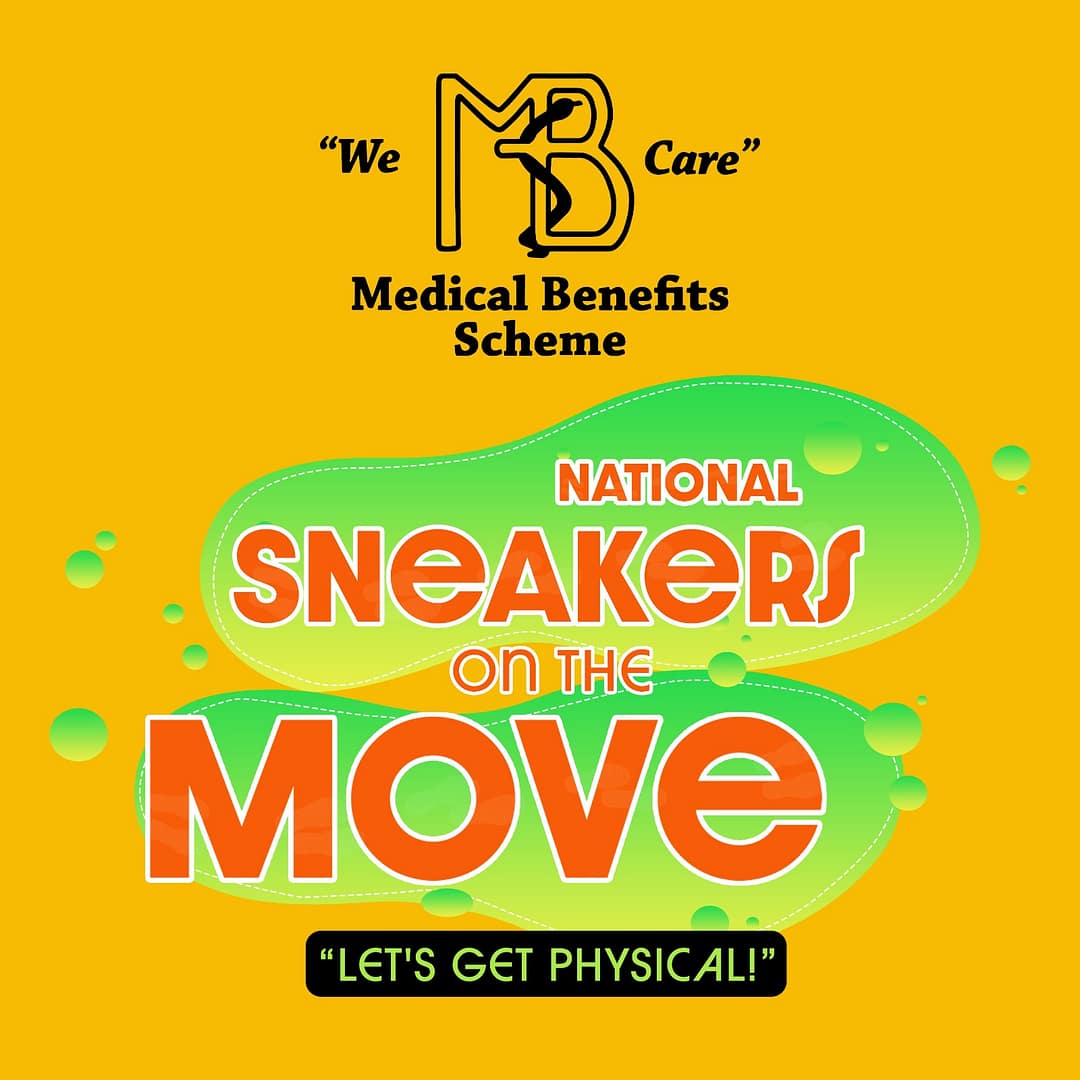
    Public health officials in Antigua and Barbuda have launched a new community-focused wellness initiative designed to get more people moving, boost mental well-being, and spread knowledge of healthy stress-coping practices. Organized by the island nation’s Medical Benefits Scheme (MBS), the ‘Sneakers on the Move 2026’ campaign centers on accessible, engaging activities that welcome people of all ages to prioritize their physical and emotional health.

    The campaign features three interconnected flagship events spread across April and May to cater to different segments of the population. First, the Move for Mental Wellness School Tour will visit educational institutions across the country across three windows: April 21 to 28, and an additional stop on May 11. The tour is designed to connect directly with students and school staff, introducing actionable habits that support long-term well-being in academic and daily life.

    Following the school tour, the nationwide Wear Your Sneakers Week will run from May 5 to 8, encouraging all members of the public to tie up their athletic shoes and incorporate extra movement into their daily routines, whether that means walking to work, taking a midday hike, or playing recreational sports with friends and family. The campaign will cap off its lineup with the Sweat to the Beat Street Jam on May 7, a community-centered open event that combines physical activity with live music to make exercise a fun, social experience for attendees.

    In a public statement announcing the initiative, MBS emphasized that the campaign was intentionally designed to engage students, education workers, and the broader Antigua and Barbuda public through visible, hands-on activities that make adopting healthier lifestyles feel approachable rather than intimidating. The scheme framed the initiative as a key part of its ongoing work to support population-wide physical and mental health outcomes, noting that regular physical activity is one of the most accessible tools for improving overall quality of life.

    Organizers are encouraging community members to share their participation in the campaign on social media using the official hashtags #SneakersOnTheMove and #MedicalBenefitsScheme to help spread the word about the initiative’s goals across Antigua and Barbuda.

  • PANCAP congratulates The Bahamas on achievement of elimination of mother-to-child transmission of HIV

    PANCAP congratulates The Bahamas on achievement of elimination of mother-to-child transmission of HIV

    In a landmark win for Caribbean public health, the Pan Caribbean Partnership against HIV and AIDS (PANCAP) has officially congratulated The Bahamas on securing formal certification from the Pan American Health Organization/World Health Organization (PAHO/WHO) for eliminating mother-to-child transmission (EMTCT) of HIV. The certification was presented during a formal ceremony held on April 22, 2026, marking a major step forward in the global fight to end AIDS by 2030.

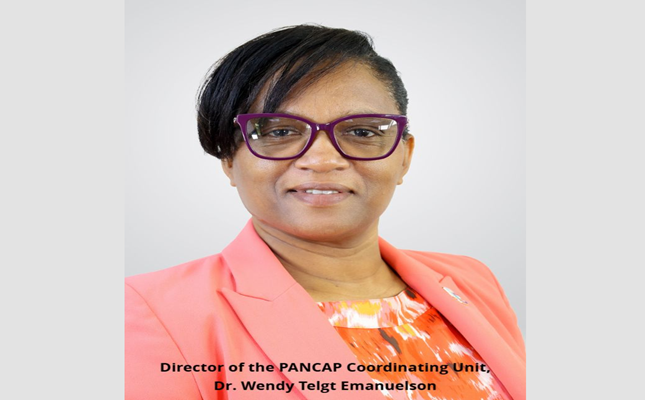
    Dr. Wendy Telgt Emanuelson, director of the PANCAP Coordinating Unit, framed the achievement as the outcome of coordinated, long-term investment and shared commitment across The Bahamas’ public health ecosystem. Speaking at the certification event, she emphasized that the milestone reflects strong national leadership, tireless work from frontline healthcare workers, collaborative partnerships with global and regional health bodies, and widespread trust between families and the national health system.

    “What this achievement proves is that with intentional coordination, strategic wisdom and sustained effort, even the most ambitious public health goals are within reach,” Telgt Emanuelson said. She added that The Bahamas’ success reinforces the Caribbean’s longstanding reputation as a global leader in HIV elimination efforts, demonstrating that small island states can deliver world-class public health outcomes through collaboration and determination. This win, she noted, sends a message of hope to countries across the region still working toward the same milestone.

    Globally, EMTCT certification is recognized as one of the most critical public health milestones in the fight against HIV/AIDS, and a core component of United Nations Sustainable Development Goal 3. SDG 3 aims to ensure universal healthy lives and well-being, with Target 3.3 specifically calling for ending AIDS as a public health threat by 2030. The elimination framework works by ensuring all HIV-positive pregnant people receive timely testing, continuous antiretroviral treatment, and targeted care that drastically reduces the risk of transmitting the virus to their children during pregnancy or childbirth, resulting in HIV-free infants.

    With this latest certification, The Bahamas becomes the 11th member state of the Caribbean Community (CARICOM) to reach the EMTCT milestone, joining a regional cohort that includes Anguilla, Antigua and Barbuda, Belize, Bermuda, the Cayman Islands, Dominica, Jamaica, Montserrat, Saint Kitts and Nevis, and Saint Vincent and the Grenadines. It also becomes only the third PAHO member country in the Americas to earn the distinction, following Cuba — the first country in the world to receive global EMTCT certification — and Brazil.

    Bahamas Minister of Health & Wellness Dr. Michael R. Darville called the certification a testament to the strength and equity of the country’s national health system. He attributed the success to a deliberate, disciplined, and well-executed public health strategy that prioritized maternal and child health across every level of care.

    “From our local antenatal clinics to hospital delivery wards, from community health centers to national reference laboratories, this outcome is a reflection of the consistency, discipline and professionalism of our entire healthcare workforce,” Darville said. “It is a national achievement that speaks both to the strength of our health system and to the vulnerable lives it protects every day.”

    According to PAHO/WHO assessments, The Bahamas reached the milestone by pioneering a comprehensive, inclusive public health model centered on universal access to antenatal care for all pregnant people. Key components of the strategy include a robust integrated laboratory network, a rigorous two-step testing protocol that screens patients at their first antenatal visit and again in the third trimester, and close coordination between the country’s national Maternal and Child Health programme and the National Infectious Disease Programme, which oversees HIV and sexually transmitted infection prevention and treatment.

    Telgt Emanuelson highlighted the outsized leadership of two key figures in the achievement: Dr. Nikkiah Forbes, director of The Bahamas’ National HIV/AIDS and Infectious Disease Programme and chair of PANCAP’s Advisory Coordinating Committee, who led both national and regional efforts to advance EMTCT, and Sandra Jones, technical advisor at the PAHO/WHO Caribbean Office, whose years of dedicated on-the-ground support to countries across the region was called “invaluable” to this progress. She also reiterated PANCAP’s gratitude for PAHO/WHO’s sustained leadership and cross-border partnership in supporting Caribbean countries to reach and maintain these critical public health gains.

    Even as stakeholders celebrated the landmark achievement, leaders emphasized that the work of ending AIDS is far from over. Telgt Emanuelson noted that continued, consistent investment in maternal and child health services, routine testing, accessible treatment, and prevention programming remains essential to protect current gains and ensure no mother or child is left behind in the elimination agenda.

    “While we celebrate today, we know the work must continue,” she said. PANCAP, she confirmed, remains fully committed to partnering with The Bahamas and all its member states to advance the shared global goal of ending AIDS as a public health threat by the 2030 target date.

  • $33M San Pedro Hospital Set to Transform Northern Healthcare

    $33M San Pedro Hospital Set to Transform Northern Healthcare

    After decades of unfulfilled promises and years of detailed preliminary planning, one of the most transformative infrastructure projects in Belize’s modern healthcare history is finally moving forward at full pace. The new San Pedro and Caye Caulker General Hospital, a $33 million development fully funded by the Republic of China (Taiwan), is set to reshape access to advanced medical care for tens of thousands of residents across northern Belize once completed.

    When it opens its doors, the facility will earn two key distinctions in Belize’s national healthcare network: it will become the country’s second-largest hospital, trailing only the capital’s Karl Heusner Memorial Hospital (KHMH), and only the second tertiary-level care center nationwide. This milestone fills a long-standing gap in advanced medical services for communities in the northern coastal region, where residents have long had to travel long distances for specialized treatment that was unavailable locally.

    On a recent inspection of the active construction site, Area Representative André Perez for Belize Rural South shared his optimistic assessment of the project’s progress. Perez, who has represented the region where the hospital is being built, noted that crews are making the most of the current dry season to accelerate work, after past plans for the facility never moved beyond the drawing board.

    “I’m pleased to see that it’s happening very rapidly. The building is coming along and of course we’re scheduled that if all goes well that we will be wrapping up by December,” Perez told reporters during the site tour. He acknowledged that unforeseen weather-related delays could push back the timeline slightly, but emphasized that current conditions have allowed contractors to move at an impressive pace. “Right now dry season so they’re moving swiftly as best as possible take advantage of it. So it’s a beautiful project. I’m very much excited.”

    Beyond expanding the country’s overall healthcare capacity, the new hospital will also serve as a critical regional referral center for communities along Belize’s northern coast, including the high-population tourist hubs of Ambergris Caye and Caye Caulker. For decades, residents and visitors on these islands have faced urgent medical challenges requiring evacuation to larger facilities on the mainland, a gap that the new tertiary center will eliminate.

    Perez highlighted that the project is the realization of a pledge that political leaders made to local communities more than a generation ago, one that never came to fruition until now. “This is something good for Ambergris Caye and Caye Caulker as well. Very important that this hospital is going to serve both communities,” he said, confirming that the facility’s scale puts it among the largest in the country. “According to the contractor, they’re sharing with me the size of the hospital makes it actually, if I’m not mistaken, it could be potentially the second largest hospital in the entire country next to KHMH. So very exciting. There’s so much work that is happening here for Caye Caulker and Ambergris Caye. It’s a promise that has been made decades ago and it never materializes.”

    If construction remains on its current trajectory, the hospital will welcome its first patients as early as December 2026, marking a historic shift in healthcare access for northern Belize.

  • PAHO waarschuwt voor stijging mazelengevallen en roept op tot vaccinatie

    PAHO waarschuwt voor stijging mazelengevallen en roept op tot vaccinatie

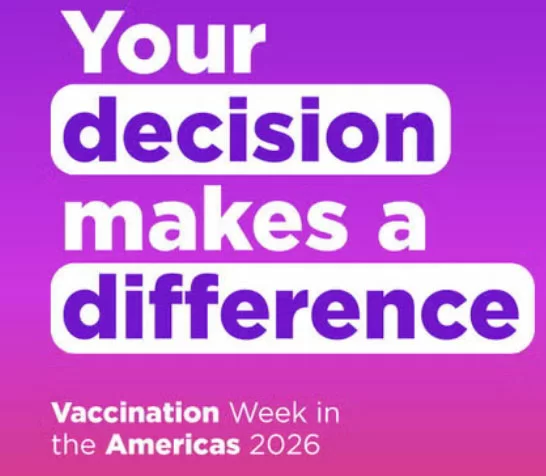
    A sharp, sustained surge in measles infections across the Americas has spurred the Pan-American Health Organization (PAHO) to issue an urgent call for regional governments to ramp up immunization campaigns, as 2026 case counts have already outpaced the total number recorded across the entire previous year. The public health warning comes just ahead of the upcoming Americas Vaccination Week, scheduled to run from April 25 through May 2, an initiative that aims to deliver nearly 90 million vaccine doses across the region, including catch-up inoculations for more than 7.2 million children who have missed routine vaccinations.

    PAHO Director Jarbas Barbosa acknowledged that the Americas has made landmark progress in public health immunization over recent decades: the region was the first in the world to successfully eliminate both polio and rubella, and overall routine vaccination coverage has now rebounded fully to pre-COVID-19 pandemic levels. Despite these wins, critical gaps in coverage leave the region vulnerable to preventable disease outbreaks. Data from 2024 shows that coverage for the first dose of the combined measles, mumps and rubella (MMR) vaccine stood at 89%, while coverage for the required second dose reached only 79%. Coverage for diphtheria, pertussis and tetanus (DPT) vaccines hit 87% in the same year, but more than 1.4 million children in the region remain completely unvaccinated against all routine preventable diseases.

    Measles represents the most pressing immediate public health threat, according to PAHO data. In 2025, nearly 14,800 confirmed measles cases were reported across 13 countries in the region—an over 30-fold increase compared to case counts recorded in 2024. This alarming upward trend has continued into 2026: by early April of this year, more than 15,300 cases had already been confirmed, surpassing the entire 2025 total before the year is even halfway over.

    While the majority of global measles cases still occur outside the Americas, the region’s share of the global caseload is rising rapidly. In the first three months of 2026, the Americas accounted for 21% of all measles cases reported worldwide.

    PAHO officials stress that measles is far from a harmless childhood illness. The viral infection can cause severe, life-altering complications including pneumonia, encephalitis, and permanent blindness, and can be fatal for vulnerable groups including young children and immunocompromised people. In 2025, roughly 13% of all confirmed measles patients in the region required hospital admission, and the overwhelming majority of these severe cases occurred among unvaccinated people.

    Contrary to common assumptions, PAHO says the root of the current measles resurgence is not a lack of available vaccines, but persistent barriers to reaching unvaccinated populations. Multiple obstacles contribute to the gap: widespread misinformation about vaccine safety, low public perception of measles risk, and limited access to routine healthcare services in marginalized and underserved communities all keep vaccination coverage below the required threshold.

    To stop ongoing outbreaks and prevent large-scale resurgence, PAHO emphasizes that regions need to maintain at least 95% coverage of two doses of measles-containing vaccine. Barbosa warned that even a single confirmed case can spark a widespread community outbreak if coverage falls below this critical threshold.

    To support regional governments in addressing the crisis, PAHO is providing practical assistance including improved disease surveillance systems, rapid response support for active outbreaks, and expanded access to vaccines through joint regional procurement mechanisms. Barbosa framed the effort to eliminate measles as a collective public responsibility, noting that “Vaccination is not just an individual choice, it is an act of solidarity. We brought measles under control before, and we can do it again.”

  • Bhoelai: Wie bewust leeft, kan langer en vitaler oud worden

    Bhoelai: Wie bewust leeft, kan langer en vitaler oud worden

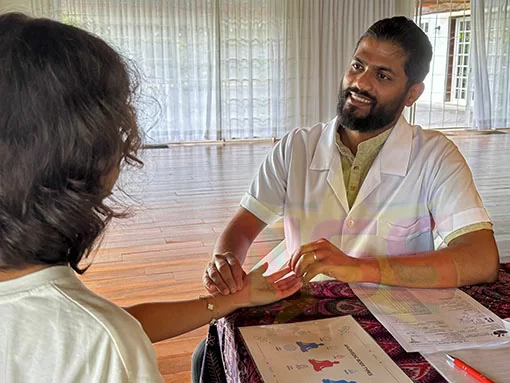
    Aging is an inevitable natural process that begins the moment we are born, but maintaining good health and vitality as we grow older is largely within individual control. That is the core message from Vaidya Shasvin Bhoelai, an Ayurvedic natural medicine practitioner, in an interview with local media. Bhoelai, who has Surinamese roots and trained in India and the Netherlands, specializes in research and practice around healthy, vital aging, and currently runs his own clinic called Asamanya Ayurveda Healing in Leiden.

    Against widespread cultural attitudes that only prioritize health once people reach older age, Bhoelai emphasizes that healthy aging is a lifelong journey, not a last-minute concern. “People often start taking health seriously only when they are already older, but it is a continuous process that starts at birth,” he explains. “People who live consciously can age longer and with far more vitality.”

    For Bhoelai, healthy aging centers on prevention rather than reversal of aging, and small consistent daily habits create meaningful long-term differences. He frames the human lifespan through the core Ayurvedic framework, dividing it into three distinct stages aligned with the practice’s core energies: growth aligned with kapha energy, middle adulthood activity aligned with pitta energy, and the aging phase aligned with vata energy. Transitional life stages such as menopause and andropause often mark the point when aging becomes more noticeable, prompting widespread reminders to pay attention to health. But Bhoelai argues that proactive care should begin much earlier.

    Rooted in this centuries-old Indian traditional health system, Ayurveda approaches health through personalized care that prioritizes prevention. Every person has a unique individual constitution, called prakriti, and may experience unique imbalances, called vikriti, so tailored adjustments are needed to restore and maintain long-term balance. One of the most critical factors Bhoelai highlights is diet, noting that many people routinely ignore early warning signals their body sends — from stomach cramps and acid reflux to headaches and persistent low energy. The human body has an innate self-regenerating ability, just as skin heals naturally after a cut, but diet plays a foundational role in supporting this capacity. As people age, digestive fire, or agni, naturally weakens, so what a person eats directly impacts their energy levels, immune resistance, and the rate at which they age.

    To support healthy digestion and sustained vitality, Bhoelai recommends eating warm, light, easily digestible foods. He stresses that healthy eating does not need to be expensive, noting that nutrient-dense, healing foods can be easily grown, referencing the fertile soil of his native Suriname where many beneficial plants grow readily. Even small adjustments to daily eating habits can lead to dramatic improvements in how people feel day to day, he adds.

    Alongside diet and regular movement, Bhoelai underlines the equal importance of mental and spiritual well-being. Chronic stress acts as a powerful accelerator of the aging process, he explains, noting that the body should be viewed as the “house of the soul” that requires care on every level, not just physical. “Balance between body and mind is essential for a vital life,” he says. A sedentary lifestyle also speeds up functional decline and increases the risk of chronic health conditions, he adds.

    To help people of all ages build accessible healthy habits, Bhoelai supports community-based initiatives like vitality clubs. These groups can gather multiple times a week in neighborhoods, streets, or even among family members to engage in outdoor activity, ranging from yoga and swimming to dancing. Bhoelai points out that group activities do more than boost physical and mental health: they also strengthen social connections and keep participants motivated to maintain activity, and can reduce loneliness among older adults.

    At its core, Ayurveda focuses on enabling self-healing and sustained health by balancing body, mind, and spirit. When conducting a diagnosis, Bhoelai assesses four core pillars of health: diet, movement, sleep, and sexual health. An imbalance in any of these areas can open the door to illness. Treatments range from dietary adjustments and essential oil massages to the use of medicinal herbs, including wild bitter gourd (wilde sopropo) for diabetes management and the moko-moko plant to support wound healing. The World Health Organization formally recognized Ayurveda as a traditional medical system back in 1978.

    Those seeking more information on healthy vital aging or how to set up a local vitality club can reach out at info@ayurveda-aah.com.

  • ‘Natural’ birth control risks unwanted pregnancy, experts warn

    ‘Natural’ birth control risks unwanted pregnancy, experts warn

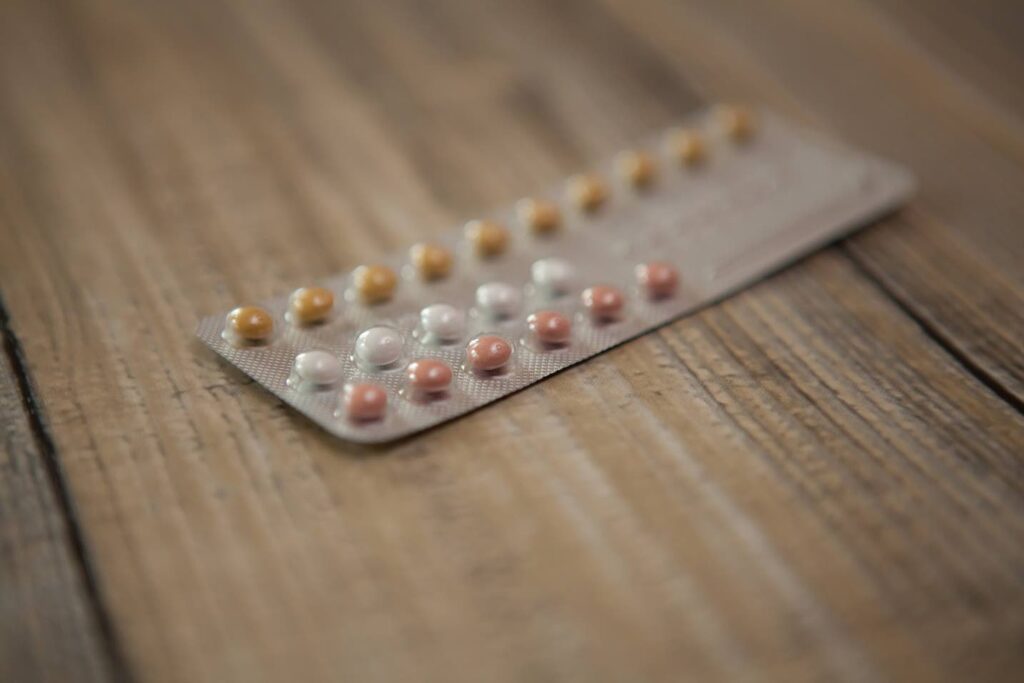
    Across Western Europe, a growing movement of women are stepping away from decades of reliance on hormonal contraception like the birth control pill, turning to so-called natural fertility tracking methods in search of a hormone-free approach to pregnancy prevention. But this growing trend, fueled in large part by social media influencer advocacy and the booming global wellness industry, carries significant underreported risks that have already led to devastating outcomes for some users, medical experts warn.

    Elodie Monnier Legrand, a 30-year-old small business owner based in France, was one of the many women drawn to the idea of natural birth control after a decade of using the pill. She sought to let her body return to its natural, hormone-free state, investing in a monthly subscription for a popular fertility tracking app and a 200-euro smart temperature-monitoring ring to follow her cycle. Just months after making the switch, however, Legrand experienced two unplanned pregnancies that ended in abortion within six months. She later discovered her go-to app had miscalculated her fertile window by a small margin, a mistake that had life-altering consequences. “It’s not an exact science,” Legrand told AFP in an interview, adding that after the incidents, the app’s customer service offered only cold, impersonal responses. While she still considers the conversation around natural contraception interesting, she now questions whether the trend is little more than a new profitable market for the wellness industry.

    Official data underscores just how quickly this trend is growing in France. According to France’s national health research institute INSERM, the share of women using natural contraceptive methods jumped from just 4.6% in 2016 to 7.5% in 2023. A similar decline in hormonal contraception use has been recorded across the English Channel: a 2023 study published in BMJ Sexual & Reproductive Health found that hormonal contraception use in England and Wales fell from 19% in 2018 to only 11% in 2023, mirroring the uptick in interest in natural fertility awareness methods.

    Social media influencers are a core driver of this shift, often framing natural birth control as a form of liberation from the unwanted hormonal side effects of the pill and other hormonal contraceptives. For many women, these claims resonate. Louise, a 26-year-old French woman who asked to keep her surname private, told AFP that hormonal contraception caused severe health issues for her: at 18, her body rejected a hormonal IUD, and a subsequent contraceptive implant left her struggling with unmanageable weight gain, severe mood swings and clinical depression. For six years, she has relied on the calendar method, one of the most common natural approaches, which involves calculating the monthly 10-day fertile window and abstaining from intercourse during that time.

    Other popular natural methods include the temperature method, which requires daily tracking of basal body temperature to detect the small increase that occurs during ovulation, the Billings method, which requires daily self-inspection of cervical mucus to identify fertile days, and the sympto-thermal method, which combines temperature and mucus tracking.

    But medical experts say much of the popular rhetoric around hormonal contraception and natural methods relies on misinformation, and that fertility tracking requires extreme, consistent discipline to deliver even partial effectiveness. Geoffroy Robin, a gynecologist at Lille University Hospital in France, told AFP that the current surge in interest in natural methods stems from a widespread “climate of hormone-phobia” that overlooks the pill’s decades-long role as a foundational tool for women’s emancipation, giving women control over their reproductive plans that enabled educational and professional advancement.

    Multiple independent studies confirm that natural contraceptive methods are far less effective than hormonal or barrier contraception. A 2022 INSERM review of roughly 100 popular fertility tracking apps found that fewer than 20% delivered accurate predictions of fertility cycles. The review also uncovered a major privacy risk: most apps shared users’ sensitive personal health data with third-party advertisers, often without explicit user consent. Robin added that natural methods are completely ineffective for the roughly one in five women who have irregular menstrual cycles, and many common everyday factors can skew tracking results: yeast infections and antihistamine medications can disrupt cervical mucus production, while paracetamol, antibiotics, or even a sudden shift in work schedule can alter basal body temperature, leading to incorrect fertile window calculations. The 2023 BMJ study also identified a correlation between the rise in natural contraception use and a recent increase in abortion rates across England and Wales.

    INSERM experts emphasize that natural contraception should only be considered by women who are fully willing and able to accept the risk of an unplanned pregnancy. For those with irregular cycles or preexisting health conditions that can disrupt tracking, these methods are not a safe alternative to traditional contraception, doctors stress, urging any woman considering a switch from hormonal contraception to consult a licensed gynecologist before making a change.

    French sociologist Cecile Thome points out that the trend is deeply tied to the growth of the global wellness industry, which markets natural contraception under the appealing banner of “taking control of one’s body”—a marketing message that has convinced millions of women to spend money on apps, wearables and other fertility tracking products. For Legrand, that promise of control ultimately ended in profound physical and psychological harm, leaving her to question whether the trend is as empowering as its advocates claim.

  • BOG ontvangt middelen uit Brazilië voor bestrijding chikungunya

    BOG ontvangt middelen uit Brazilië voor bestrijding chikungunya

    On Wednesday, Suriname’s Public Health Bureau (BOG) took delivery of a shipment of mosquito-control chemicals and spraying equipment donated by Brazil, a critical step forward in curbing a months-long chikungunya outbreak that has stretched local response capacity since the start of 2026. The first round of targeted spraying operations kicked off the same day at Sint Vincentius Hospital, with public health officials confirming the new shipment provides enough supplies to sustain anti-mosquito efforts for between six months and one year, with additional aid already en route to the country. The handover ceremony was hosted at BOG’s new headquarters, coming after widespread public criticism over earlier shortages of control materials that slowed the response to the outbreak that emerged around New Year’s.

    Addressing attendees at the ceremony, Health Minister André Misiekaba stressed that supply shortages will not be allowed to hamper future epidemic responses. Moving forward, the ministry will maintain a dedicated emergency stockpile of control materials to respond rapidly to chikungunya and other vector-borne disease outbreaks, he said.

    BOG Deputy Director Stephanie Cheuk Alam explained that the response is now leveraging an updated spraying protocol, after local public health staff completed specialized training led by Brazilian instructors on the use of new pumping equipment and donated chemical treatments. Operations launched first at major healthcare facilities, where mobile spraying units are treating high-traffic and high-risk areas including waiting rooms, basements, and hospital corridors.

    To scale up the response across populated areas, BOG is deploying specialized mobile spraying units nicknamed ‘dengue trucks’ for targeted neighborhood-level treatments. On the afternoon following the shipment handover, the first of these neighborhood operations was scheduled for the Nickerie district, covering two specific ressort areas: Ressort Nieuw Nickerie (Van Pettenpolder) bounded by Alvertstraat, Industrieweg, Baarstraat, Palingstraat, Aalstraat, Sadin Amatnohweg, Groentenweg, Botstraat, Bronforelstraat, Giebelstraat, Heilbotstraat, Karperstraat, Soekramsinghstraat and all connecting internal streets; and Ressort Westelijke Polder, bounded by Bastiweg, Gemaalweg, Ramadhar Rajaramweg, Haryanaweg, Pt. Bhailal Mahabierweg, Skoerkieweg, Awadhoesseinweg, Asamweg, Rambaran Mishreweg, Abdulghanie Madharweg, Saminweg, Johannes Lurah Bogorweg, all internal roads in that zone, as well as Delhiweg, Hiraweg, Jokhoeweg, Sidoredjoweg, Djakartaweg, Cassaveweg, Arnold Julenweg, Nabidjan Shardaweg, Van Idsingaweg, Margarethenburgstraat, Graderweg and all connecting internal roads.

    All scheduled neighborhood spraying operations will run between 5:00 PM and 9:00 PM local time, and will be canceled in the event of heavy rainfall to ensure effectiveness and public safety. BOG has issued a public advisory outlining key precautionary measures for residents in targeted areas to follow during spraying: keep windows and exterior doors open to allow pesticide flow, cover all food and drinking water supplies securely, shelter pet birds in enclosed areas, replace all pet food and drinking water after spraying is complete, keep infants and people with pre-existing respiratory conditions in fully enclosed spaces during treatment, and store all loose clothing indoors before spraying begins.

  • Haiti health : A first batch of about one hundred nomination letters already available

    Haiti health : A first batch of about one hundred nomination letters already available

    A critical milestone has been achieved in the ongoing effort to reinforce Haiti’s under-resourced healthcare infrastructure in the Nippes department, with the first group of roughly 100 staff appointment letters now available for distribution. This early progress serves as a clear demonstration of the Haitian national government’s commitment to delivering long-term, sustainable improvements in local healthcare access and quality for residents of the region.

    The appointment initiative is being spearheaded at the national level by Prime Minister Alix Didier Fils-Aimé and Public Health Minister Dr. Sinal Bertrand, who have framed the push to fill vacant healthcare roles as a core component of a broader national strategy to equip public health institutions across Haiti—particularly in underserved departments like Nippes—with skilled, qualified personnel.

    At the local level, the milestone is the product of consistent, targeted work led by Dr. Esther Ceus Dumont, Director of the Nippes Health Directorate (DSNI). Under her leadership, the DSNI team oversaw end-to-end management of candidate applications, from initial preparation and submission to the central government to rigorous ongoing follow-up to move the process forward.

    The 100 appointment letters released in this first round cover a full spectrum of roles critical to the daily operation of local healthcare facilities, including practicing physicians, registered nurses, nursing assistants, and administrative and support staff. Importantly, officials emphasize that this initial batch is only the first phase of a much larger hiring effort. All remaining applications from Nippes-based candidates are currently in late-stage processing at the national central level, with finalization expected in the near term.

    A top priority group of 40 nurses who successfully passed the national competitive hiring examination is receiving special attention in the process. Both the National Directorate of Nursing and Information and the Ministry of Public Health have flagged the integration of these qualified nurses as an urgent priority, and their appointment letters are expected to be issued imminently. Once hired, these new nursing staff will directly address critical staffing shortages that have hampered care delivery at multiple healthcare facilities across the department.

    In acknowledgement of the widespread public and candidate anticipation surrounding the hiring process, the DSNI has called on all applicants to maintain patience and confidence in the system. Departmental officials have implemented comprehensive safeguards to ensure all applications are reviewed thoroughly and fairly, with results set to be released in incremental phases as processing is completed.

    This first round of appointments has kicked off what many local health leaders describe as a promising new trajectory for healthcare in Nippes. The milestone confirms the department is moving steadily toward a stronger, more structured, and better-resourced public healthcare system designed to meet the full spectrum of health needs of its local population.