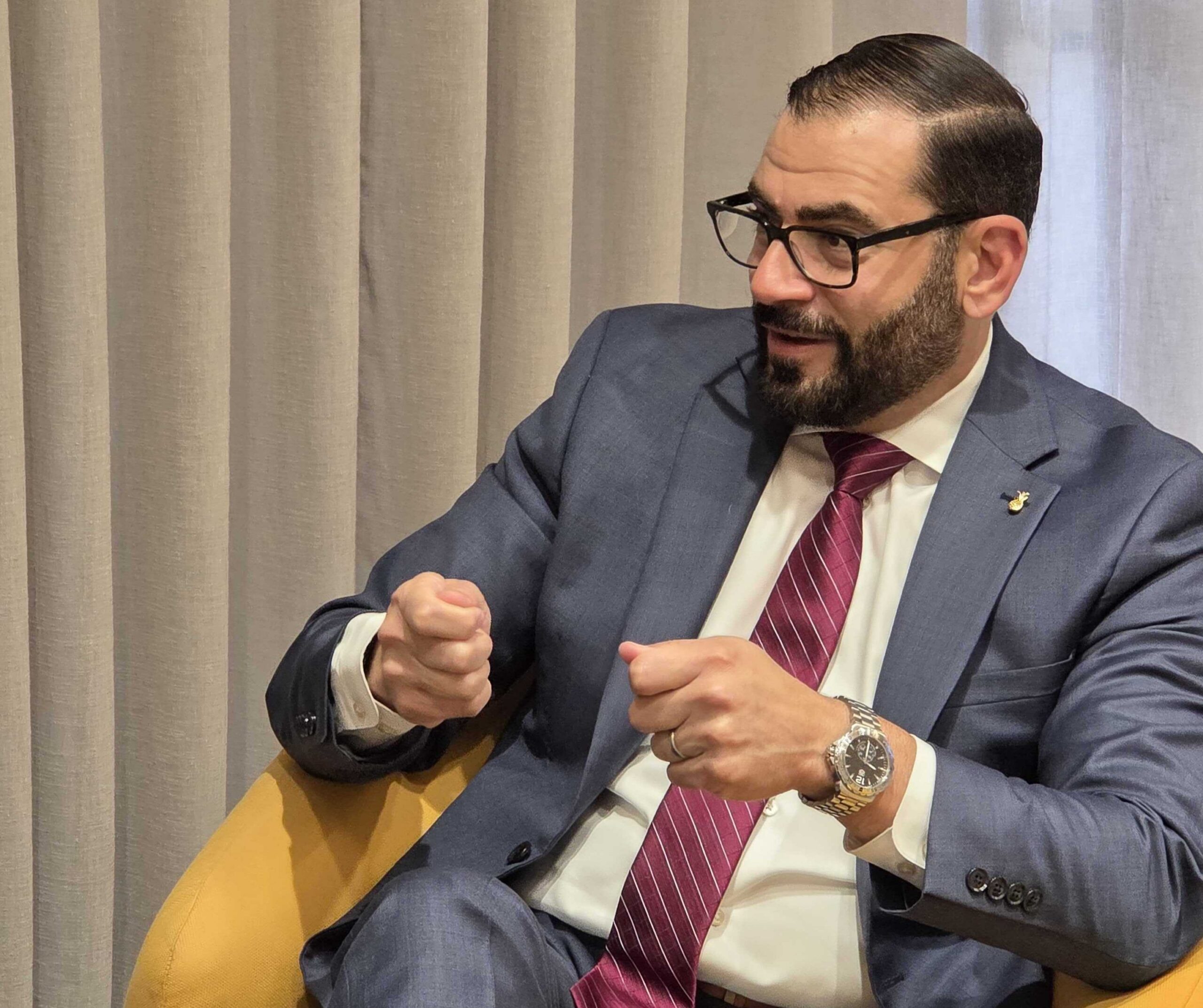
Against a backdrop of steadily increasing cancer diagnoses across the Caribbean, a prominent international cancer specialist has sounded the alarm, calling for immediate cross-border cooperation to address the growing public health crisis. Dr. John Diaz, Medical Director of Robotic Surgery at Baptist Health Miami Cancer Institute, delivered this urgent call to action during his address at the Caribbean Gynecologic Cancer Society’s annual meeting held in Barbados on Saturday.
During his speech, Dr. Diaz laid out a stark set of statistics that underscore the severity of the crisis in the host nation. With a total population of just 230,000 people, Barbados logs more than 1,000 new cancer diagnoses every year. This per-capita rate of new cases outpaces that of most regions across the globe, highlighting the disproportionate burden the disease places on small Caribbean nations.
While upward trends in cancer incidence are a shared global challenge, Dr. Diaz emphasized that the Caribbean faces a set of unique obstacles that exacerbate the crisis. Two of the most pressing gaps are insufficient resource allocation and systemic failures in early detection programs, he explained. Many at-risk community members are missing critical opportunities for life-saving screening and preventive care. Catching cancer at its earliest stages drastically improves the effectiveness of medical intervention and dramatically boosts long-term cure rates, a benefit the region is currently failing to deliver for too many patients.
Cervical cancer stands out as a particularly urgent concern for the Caribbean, where incidence rates remain far higher than those seen in most high-income developed countries. To reverse this trend, Dr. Diaz stressed two key priorities: expanding widespread access to routine Pap smear screenings, and increasing public uptake of the HPV vaccine, which has been scientifically proven to prevent multiple forms of cancer in both men and women. Despite these proven benefits, Dr. Diaz noted that widespread public reluctance to adopt HPV vaccination remains a persistent barrier to progress.
Beyond cervical cancer, the region is also facing a sharp spike in cases of uterine and endometrial cancers. Dr. Diaz linked this surge to two key demographic and public health shifts: the region’s overall aging population, and a rapidly growing obesity epidemic that drives elevated cancer risk.
To turn the tide against these worrying trends, Dr. Diaz is advocating for broader adoption of cutting-edge medical technologies across the region, most notably robotic-assisted cancer surgery. Unlike traditional open surgical procedures, robotic surgery allows clinicians to complete complex cancer interventions through only very small incisions. This minimally invasive approach delivers major benefits for patients: many are able to be discharged home the same day of their procedure, and can return to their normal daily routines in just a couple of weeks, compared to the months of recovery required after conventional surgery.
Dr. Diaz argued that the single most effective step to address the Caribbean’s cancer gap is building intentional, collaborative partnerships between leading international cancer care centers and local oncology teams across the region. Through these cross-border alliances, the region can close the persistent equity gap in cancer care, ensuring that all women across the Caribbean have equal access to the latest life-saving medical innovations that can improve survival outcomes and quality of life.