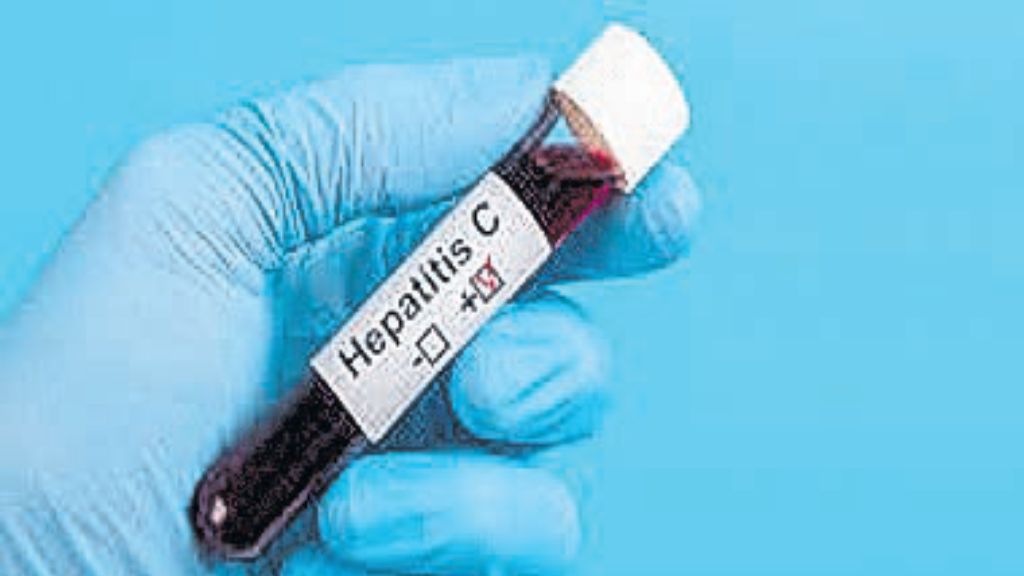
GENEVA, Switzerland — The World Health Organization (WHO) has issued a stark public warning that the global campaign to eliminate viral hepatitis as a major public health threat is moving far too slowly to meet global targets, even as proven, effective prevention and treatment tools already exist to tackle the disease that claims over a million lives each year.
In the newly released 2026 Global Hepatitis Report, the UN health agency documented that in 2024 alone, hepatitis B and C — the two deadliest strains of the virus responsible for 95 percent of all hepatitis-related fatalities globally — caused 1.34 million deaths. Each year, the world also records more than 1.8 million new cases of chronic hepatitis infection, the report confirmed.
“Progress is too slow and uneven,” WHO Director-General Tedros Adhanom Ghebreyesus shared in an official statement accompanying the report release. “Many people remain undiagnosed and untreated due to stigma, weak health systems and inequitable access to care. While we have the tools to eliminate hepatitis as a public health threat, urgent scale-up of prevention, diagnosis and treatment is needed.”
Viral hepatitis triggers progressive inflammation of the liver, which can lead to life-threatening complications including cirrhosis, liver failure, and primary liver cancer. There are five distinct primary strains of the virus, with B and C ranking among the world’s deadliest infectious diseases. The 2026 report estimates that as of 2024, 287 million people around the globe were living with chronic hepatitis B or C infection.
Gaps in care access remain alarmingly wide across all regions: Of the 240 million people living with chronic hepatitis B in 2024, fewer than 5 percent were receiving life-saving antiviral treatment. For hepatitis C, only 20 percent of all people living with the infection have accessed curative treatment since 2015, when affordable, effective therapies became widely available. In sub-Saharan Africa, the region that carries the world’s heaviest burden of hepatitis B infection, only 17 percent of newborns received the recommended birth-dose hepatitis B vaccine in 2024 — a step that prevents nearly all lifelong transmission from infected mothers.
Six low- and middle-income countries account for 10 of the world’s highest hepatitis-related death tolls: China, India, Indonesia, Nigeria, South Africa and Vietnam.
“Every missed diagnosis and untreated infection due to chronic viral hepatitis represents a preventable death,” stressed Tereza Kasaeva, director of the WHO’s Global Hepatitis Programme. Kasaeva echoed the organization’s call for accelerated investment and action to close care gaps.
Crucially, the WHO emphasizes that all the tools needed to end hepatitis as a public health threat are already available and proven effective. The hepatitis B vaccine protects more than 95 percent of recipients from both acute and chronic infection. Long-term antiviral therapy for hepatitis B can effectively manage chronic infection and stop progression to severe liver damage and cancer. For hepatitis C, short-course curative treatment lasting just 8 to 12 weeks cures more than 95 percent of all infections.
The report also highlights that elimination is achievable with targeted investment and political will: the United Kingdom, Egypt, Georgia and Rwanda have already demonstrated that large-scale progress is possible, bringing their own domestic hepatitis rates down to levels below the threshold for classification as a public health threat.
“Eliminating hepatitis is not a pipedream: it’s possible with sustained political commitment, backed by reliable domestic financing,” Tedros confirmed. While progress has been uneven, the report does note modest, important gains made since 2015, when the UN adopted global elimination targets: annual new hepatitis B infections have fallen by 32 percent, and hepatitis C-related deaths have dropped by 12 percent over the past nine years.