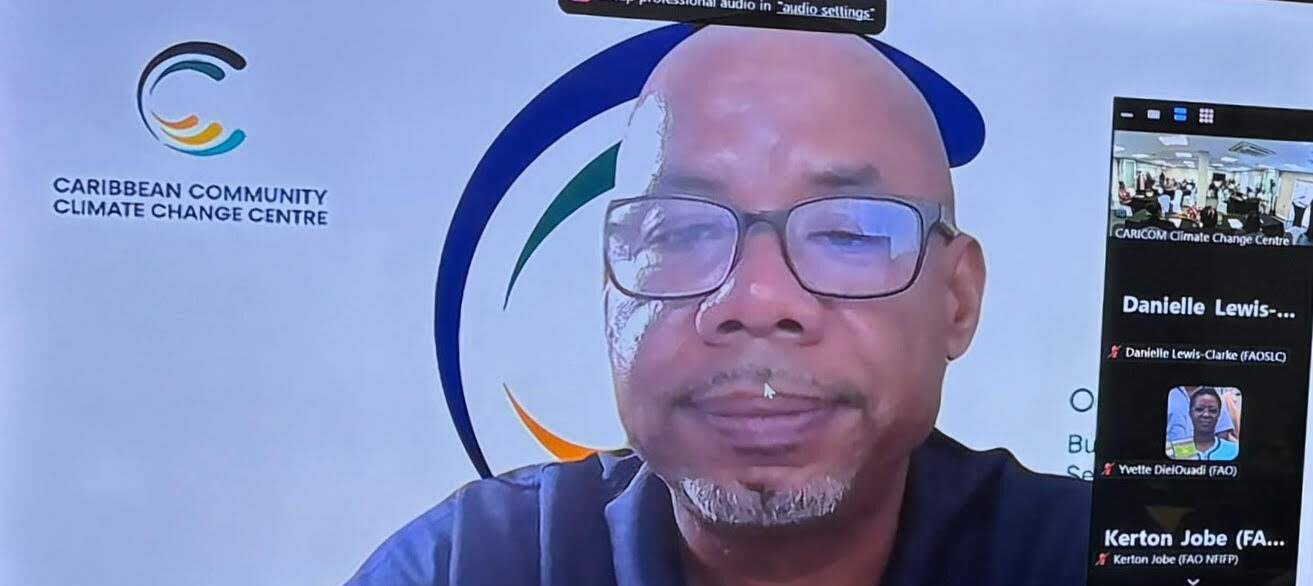
Five Eastern Caribbean nations are set to deliver transformative support to over 21,800 workers and communities dependent on fisheries, as a landmark regional climate adaptation initiative officially kicked off last week.
Launching at an inaugural inception meeting hosted in Dominica on September 15, 2026, the Climate Change Resilience in the Caribbean Fisheries Sector Project, known as CC4FISH-II, aims to shield small-scale fishing livelihoods from the growing threats of climate change and extreme weather events across Dominica, Grenada, St Kitts and Nevis, St Vincent and the Grenadines, and Trinidad and Tobago.
Backed by $12.55 million in grant financing from the Global Environment Facility (GEF), the five-year initiative is led by the Caribbean Community Climate Change Centre (CCCCC) and implemented in partnership with the United Nations Food and Agriculture Organization (FAO) alongside a network of regional and national stakeholder groups. CC4FISH-II builds on the foundational research of the first CC4FISH project, which operated between 2017 and 2022 to map climate vulnerability across seven Eastern Caribbean fishing industries.
The launch of this new program comes at a critical juncture for Caribbean Small Island Developing States, where rising ocean temperatures, collapsing fish populations, irreversible damage to critical marine habitats, and widespread biodiversity loss have pushed food security, local employment, and coastal economic development to the brink. Unlike many top-down climate projects, CC4FISH-II centers direct engagement with the people most dependent on healthy fisheries: small-scale fisherfolk, vessel owners, fish processors, market vendors, cross-border traders, and entire coastal settlements. The initiative also places intentional priority on expanding economic opportunity, leadership representation, and resilience support for women and youth working across the sector.
Speaking to attendees at the Fort Young Hotel Conference Room during the opening workshop, CCCCC Executive Director Dr. Colin Young emphasized that strengthening fishing community resilience is non-negotiable for long-term regional sustainable development. “Through improved infrastructure, expanded access to climate-smart fishing techniques, and built-out community-level capacity, we are working to protect and improve the livelihoods that millions in our region depend on,” Dr. Young said. He added that the project’s core mission goes beyond disaster risk reduction: it seeks to equip communities not only to withstand climate shocks when they hit, but to recover faster and adapt proactively to long-term climatic shifts that are reshaping Caribbean fisheries.
CC4FISH-II will deliver its goals through four interconnected streams of work. First, it will upgrade critical climate-resilient infrastructure, including fishing vessels, landing sites, processing facilities, and local market hubs, to reduce damage during extreme events. Second, it will focus on restoring and continuously monitoring key blue ecosystems that underpin healthy fish populations, including coral reefs, mangrove forests, and seagrass beds. Third, it will work with national governments to update fisheries management policies, improve cross-sector disaster preparedness planning, and expand access to fisheries insurance and affordable climate adaptation financing for small-scale operators. Finally, it will establish a regional Community of Practice to share actionable knowledge and scale successful climate adaptation models across the Caribbean.
By integrating proven traditional ecological knowledge held by long-time fishing communities with cutting-edge climate science and sustainable fishing technology, CC4FISH-II aims to lock in long-term gains: promoting resilient sustainable livelihoods, strengthening the social fabric of coastal communities, and boosting the adaptive capacity of the entire Caribbean fisheries sector through to 2030.