分类: environment

  • Turneffe Flats Sets the Standard for Sustainable Tourism

    Turneffe Flats Sets the Standard for Sustainable Tourism

    Nestled on the remote, unconnected Turneffe Atoll, 30 miles off the coast of Belize City, a luxury island resort is rewriting the rulebook for the global travel industry, proving that high-end hospitality and rigorous environmental stewardship do not have to be mutually exclusive. This week, Turneffe Flats earned the Caribbean Tourism Organization’s prestigious Excellence in Sustainable Tourism Award, a regional honor that highlights years of consistent, intentional work to embed eco-friendly practices into every layer of the resort’s operations.

    Unlike many properties that treat sustainability as a one-off marketing initiative, Turneffe Flats’ green commitments grew out of necessity born from its off-grid location. Cut off from Belize’s mainland power and water infrastructure, the resort was forced to innovate independent systems to meet its needs decades ago, a challenge that evolved into a core organizational culture. Over the past seven years, the resort has built out a comprehensive solar energy system that now meets 75% of its total electricity demand, drastically cutting carbon emissions that would otherwise come from fossil fuel-powered generators. For water, the resort relies entirely on rainwater harvesting, with on-site storage capacity holding more than 250,000 gallons to meet the needs of guests and staff year-round.

    But the award recognized more than just the resort’s large-scale renewable energy and water projects, according to General Manager Angel Marin. It also honored the small, daily operational choices that make sustainability a ubiquitous part of life on the atoll. The resort has eliminated nearly all single-use plastics, swapping disposable bottles and containers for reusable glass bottles and refillable pouches. It also operates a zero-waste-remaining policy on the island: all trash is sorted, compacted, and transported back to the mainland for proper disposal, with no waste buried or left behind to risk contaminating the atoll’s fragile marine ecosystem.

    For the Turneffe Flats leadership team, the regional award is far more than a personal accolade. The resort’s core long-term mission extends far beyond its own property lines, with managers working to inspire other tourism businesses across Belize and the broader Caribbean, as well as ordinary residents, to adopt small, accessible eco-friendly habits that add up to large, lasting positive change for the planet’s future. What began as a practical adaptation to an off-grid location has grown into a model for sustainable tourism that other coastal and remote destinations can learn from, demonstrating that environmental responsibility can coexist with a luxury guest experience.

  • Everyday citizens help document SVG’s unique biodiversity

    Everyday citizens help document SVG’s unique biodiversity

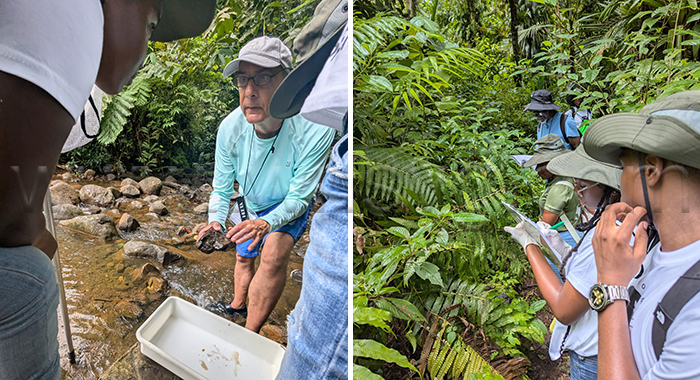
    To mark Earth Day 2026, hundreds of volunteer citizen scientists across St. Vincent ventured into the Montreal Watershed to map and document the small island nation’s extraordinary native biodiversity, kicking off the inaugural BioSleuths Challenge – a nationwide conservation initiative organized by the Sustainable Development Unit (SDU) under St. Vincent and the Grenadines’ Ministry of Tourism, Civil Aviation and Sustainable Development, in collaboration with the United Nations Development Programme (UNDP).

    The diverse group of participants ranged from local school students and classroom teachers to seasoned technical specialists and members of the general public, all armed with user-friendly smartphone observation tools to identify, photograph, and log a wide spectrum of native species. The survey covered all major taxonomic groups, from native plants and wild birds to terrestrial insects, reptiles, amphibians, and the aquatic life that sustains the Montreal Watershed ecosystem.

    Every observation collected during the field activity will be added to St. Vincent and the Grenadines’ official national environmental database, creating a more robust, comprehensive evidence base to guide evidence-based conservation planning and long-term environmental monitoring across the country.

    For small island developing states like St. Vincent and the Grenadines, where limited scientific funding and personnel often leave critical gaps in biodiversity data, citizen science programmes such as the BioSleuths Challenge fill a uniquely important role. By mobilizing everyday community members as trained environmental observers, the initiative not only generates large-scale, geographically broad ecological data that would be impossible for a small team of professional scientists to collect, but also boosts public environmental literacy and cultivates a widespread culture of environmental stewardship across the nation. This model turns passive public appreciation for nature into active, hands-on participation in conservation action.

    The SDU, which functions as the country’s national focal point for work on climate change, biodiversity protection, chemical and waste management, ocean conservation, and ozone layer protection, coordinated cross-sector collaboration between government agencies and civil society organizations to deliver the event. A team of highly experienced environmental professionals led on-the-ground field guidance and training for all participants: the group included fisheries biologist John Renton, veteran forestry specialist L. Fitzgerald Providence with more than 38 years of on-the-ground conservation experience, plant health expert Sylvester Lynch, and independent environmental consultant Amos Glasgow.

    According to an official press release from the organizing team, the expert squad delivered hands-on practical training covering core skills including species identification, standardized ecological observation techniques, and proper data documentation protocols to ensure all collected information meets national and international research standards. Participants also received guided training on how to use leading mobile species identification applications, including Seek by iNaturalist and Merlin Bird ID, to accurately log and verify their observations in the field.

    As a signatory party to the United Nations Convention on Biological Diversity, St. Vincent and the Grenadines has binding international obligations to systematically document its native biodiversity, monitor ongoing ecosystem health, and submit regular public reports on national conservation progress. The BioSleuths Challenge directly advances these commitments by expanding the country’s formal biodiversity observation network to include a growing cohort of trained citizen scientists, dramatically extending the reach of national monitoring efforts.

    The data collected through this initiative will directly inform updates to the country’s National Biodiversity Strategy and Action Plan, and will also contribute to regional biodiversity assessment efforts across the Caribbean, helping to guide cross-national conservation action in the region.

    This BioSleuths Challenge forms one component of the SDU’s expanding portfolio of national environmental programming. Upcoming initiatives include the Environmental Champions Programme, a national community stewardship scheme set to launch on World Environment Day, June 5, 2026, alongside ongoing work on climate transparency, chemical and waste management, and nationwide conservation education.

    A second BioSleuths Challenge field expedition is already scheduled for May 22 at the Vermont Nature Trail, to continue expanding the scope of the biodiversity survey. All data collected during the April Earth Day field activity will be fully analyzed and shared with participating citizen scientists at a dedicated follow-up event later this year. Moving forward, the SDU has announced plans to continue expanding citizen science and biodiversity initiatives across St. Vincent and the Grenadines, with the goal of strengthening the national environmental knowledge base and embedding communities as active, equal partners in ongoing conservation work.

  • Coastal Erosion Crisis Drives Action in Dangriga

    Coastal Erosion Crisis Drives Action in Dangriga

    Along the sun-baked Caribbean coastline of Dangriga District, Belize, the slow-moving crisis of climate-fueled coastal erosion has long stopped being a distant future threat — it is a daily reality reshaping community life and endangering local livelihoods. For decades, residents have watched as rising tides and increasingly intense storm surges have gradually claimed stretches of sandy beach that have anchored their traditions, recreation, and local economies for generations. On May 7, 2026, that long-simmering concern translated to tangible action, with the official launch of a landmark nationwide coastal resilience initiative that brings new hope to vulnerable coastal communities across the country.

    The project, backed by a $4 million U.S. investment from the Adaptation Fund, with local implementation led by Belize’s Protected Areas Conservation Trust (PACT) in partnership with the national government, targets 27 of the country’s most at-risk coastal settlements. In Dangriga, intervention efforts will center on the heavily eroded northern shoreline, a stretch that hosts critical community assets including public schools, neighborhood parks, and popular gathering spaces that have long drawn both locals and tourists.

    Longtime Dangriga resident Melvin Diego has been a firsthand witness to the accelerating pace of shoreline loss for years. Long before the official project launch, he has woken before dawn each day to volunteer his time clearing debris from the remaining shore, in a quiet, personal campaign to protect the stretch of coast that has shaped his life. For Diego, this beach was more than just recreational space: it was where he trained as a young track and field athlete, earning multiple gold medals that he still attributes to the unique resistance of the soft beach sand. It was also a quiet retreat where he processed the highs and lows of running his local business, watching sunrises and finding renewal in the coastal breeze.

    “This place is sacred to me,” Diego explained in an interview at the project launch. “Today, people who want to run on the beach have to dodge sudden drop-offs and incoming tide — the sea has already moved so far inland. I worry that in 10 or 25 years, our children won’t have any beach left at all.”

    Local representative Dr. Louis Zabaneh confirmed the scale of the erosion that has already altered Dangriga’s coastline, pointing to a massive U-shaped indentation that has formed between the town pier and Pelican Beach, where dozens of meters of sand have vanished entirely in just a few decades. “Where you see the stone pilings of the pier today, that used to be solid sandy beach,” Zabaneh noted. “The erosion stretches all the way from the town center to Commerce Bight, eating away at the shoreline year after year.”

    PACT Climate Finance Manager Eli Romero explained that the project’s intervention strategy for Dangriga is rooted in years of scientific analysis. Studies conducted several years ago confirmed that the vast majority of sand eroded from Dangriga’s beaches remains trapped just offshore, meaning targeted sand redistribution can restore much of the lost shoreline. The decision to focus on the northern stretch was made collectively by local residents and municipal leaders, who prioritized protecting the area’s most heavily used community assets.

    For Diego and other long-time residents, the launch of the formal project is more than just an infrastructure investment — it is a long-awaited signal that their community’s fight to save its coastline is being taken seriously. The initiative will not only restore lost beach habitat through sand replenishment: it will also update regional coastal management planning, expand long-term erosion monitoring, and install natural and built infrastructure designed to slow future shoreline loss.

    While the launch ceremony marked a major milestone for the project, local residents agree that the true measure of success will only come in decades, when future generations get to enjoy the sandy shoreline that current leaders and activists are fighting to preserve. For now, though, the initiative has turned long-running anxiety into cautious hope for a community on the front lines of climate change.

  • $4 Million to Save Dangriga’s Shrinking Beach

    $4 Million to Save Dangriga’s Shrinking Beach

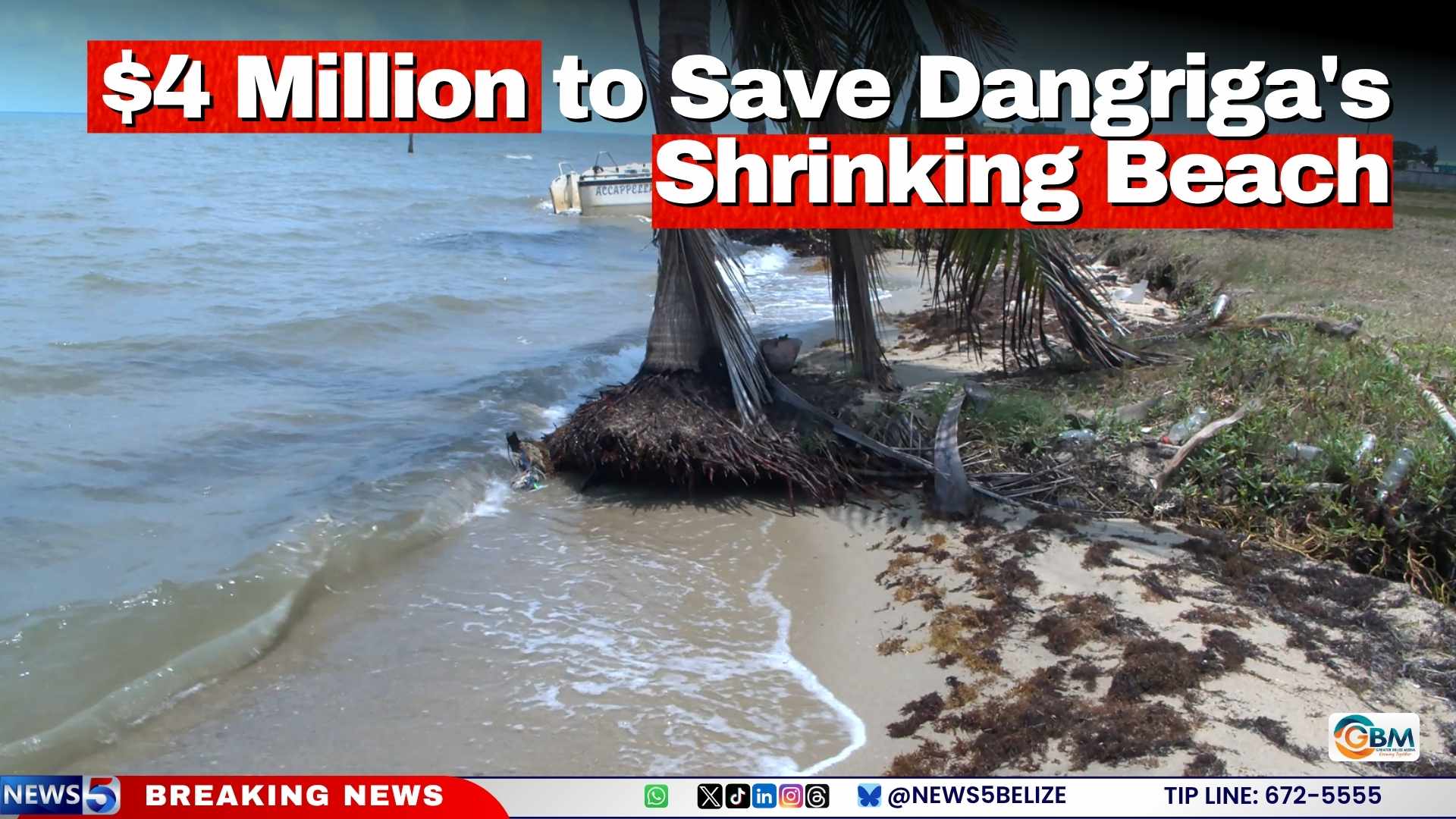
    For years, residents of Dangriga have watched in alarm as rising sea levels and persistent coastal erosion steadily gnaw away at their beloved shoreline. But this week, a transformative $4 million coastal conservation initiative has officially kicked off, bringing urgent intervention to save the disappearing beach before it is lost forever.

    The multi-community climate adaptation program, which targets 27 coastal settlements across Belize already grappling with the tangible impacts of a changing climate, has centered its immediate efforts on Dangriga’s vulnerable northern coastline. For generations, this stretch of sand has been a central part of local life – from casual recreation to daily exercise – but decades of relentless tidal action have steadily reduced its size.

    Local resident Melvin Diego shared his deep concern over the shoreline’s gradual disappearance, a spot he once frequented regularly for personal training. “Dangriga is a place where there is a lot of breeze and the sea comes drastically hard. So it worries me that we are not going to have any beach ten years, twenty-five years from now for our children,” Diego explained, echoing the fears of many long-time residents who have watched the beach shrink incrementally over time.

    Eli Romero, climate finance manager at the Protected Areas Conservation Trust (PACT), outlined the science behind the restoration strategy. Preliminary geological surveys have confirmed that the sand eroded from Dangriga’s shoreline has not been washed out to sea permanently; instead, it has accumulated offshore, directly in front of the town. The project’s core intervention will involve dredging this accumulated sand and redistributing it back onto the original beach to rebuild the shoreline.

    The ambitious restoration effort is a collaborative partnership between three key stakeholders: the Adaptation Fund, the Protected Areas Conservation Trust, and the Government of Belize, bringing together climate finance, local conservation expertise, and governmental support to address a pressing climate adaptation challenge. Local news outlet News 5 has announced it will air an in-depth on-location report from Dangriga in its upcoming broadcast, featuring interviews with a long-time local conservation advocate who has cleaned and protected the shoreline for decades, alongside exclusive footage of the eroding coastline ahead of restoration work.

  • $4 Million USD to Save Dangriga’s Shrinking Beach

    $4 Million USD to Save Dangriga’s Shrinking Beach

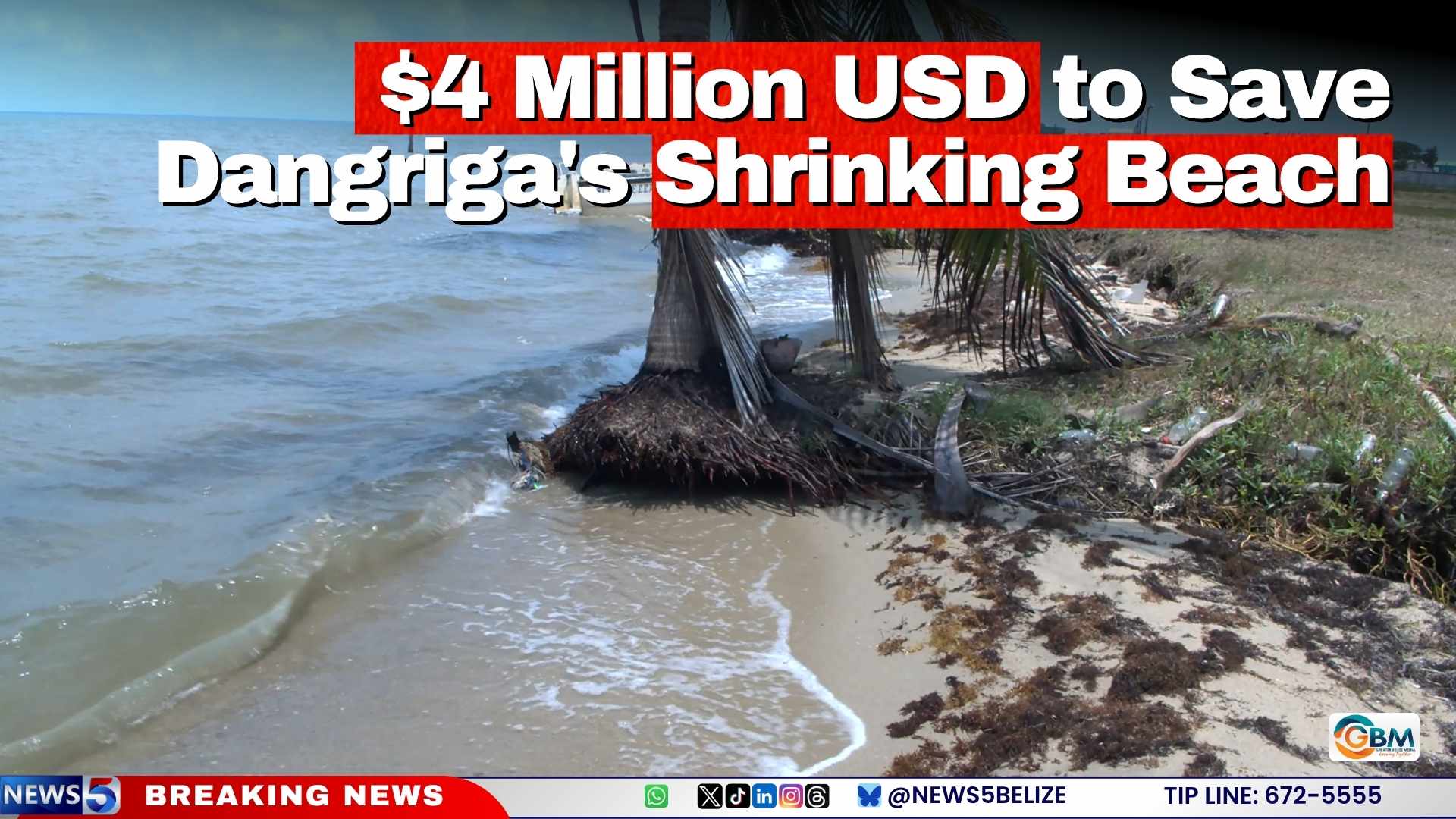
    For years, residents of Dangriga, Belize have stood by as rising seas and persistent coastal erosion have steadily gnawed away at their beloved local coastline, with chunks of the once-sprawling beach vanishing into the ocean year after year. Now, a transformative $4 million USD restoration initiative is kicking off to halt this damaging trend before the beach is lost entirely for future generations.

    Officially launched this week, the broad coastal resilience project targets 27 coastal communities across Belize that are already grappling with the tangible impacts of anthropogenic climate change, from extreme storm surges to chronic shoreline retreat. In Dangriga, all project focus is centered on the town’s vulnerable northern shoreline, the area hit hardest by erosion in recent decades.

    For long-time local resident Melvin Diego, the slow disappearance of the beach is a deeply personal loss. The stretch of sand that once served as his regular outdoor training space has shrunk dramatically, eaten away incrementally by rising sea levels and relentless coastal erosion. “Dangriga is a place where there is a lot of breeze and the sea comes drastically hard. So it worries me that we are not going to have any beach ten years, twenty-five years from now for our children,” Diego shared, voicing a concern shared by many long-time local residents who rely on the shore for recreation, cultural connection, and economic activity centered on tourism and fishing.

    Eli Romero, climate finance manager at the Protected Areas Conservation Trust (PACT), explained that preliminary geological surveys have revealed a key detail that makes restoration feasible: the sand eroded from Dangriga’s shoreline has not been swept out to the open ocean permanently, but instead settled in offshore deposits directly in front of the town. The core of the restoration project will center on dredging these offshore sand deposits and redistributing the sediment back onto the eroding shore, rebuilding the beach to its historic width and resilience.

    The ambitious initiative is supported by a partnership of three key stakeholders: the Protected Areas Conservation Trust, the global Adaptation Fund, and the Government of Belize, combining international climate finance, local conservation expertise, and national government support to deliver tangible climate adaptation action for vulnerable coastal communities. A follow-up on-site report from News 5 will air later this week, giving audiences an up-close look at the eroding shoreline and introducing a local activist who has spent decades cleaning and advocating for the protection of Dangriga’s coastline.

  • Antigua and Barbuda Eligible for Up to €80,000 in New Caribbean Plastic Waste Grants

    Antigua and Barbuda Eligible for Up to €80,000 in New Caribbean Plastic Waste Grants

    Small island developing states across the Caribbean are among the regions most vulnerable to the growing global plastic pollution crisis, with fragile coastal and marine ecosystems bearing the brunt of unmanaged plastic waste leakage. To address this urgent environmental challenge while advancing inclusive green economic growth, a new community-centered funding initiative, the Sustainable Small Grants Programme, has been launched to support locally led solutions that cut plastic pollution and build robust circular economy systems across five participating Eastern Caribbean nations.

    ### Core Mission and Strategic Objectives
    The initiative is designed to deliver both environmental and social impact, with six clear core goals guiding its work. First, it seeks to drastically cut the volume of plastic waste that leaks into Caribbean land, coastal and marine environments. Second, it aims to scale up circular economy systems centered on reuse, recycling and material recovery. Third, the programme prioritizes economic empowerment for marginalized groups including women, young people and micro, small and medium-sized enterprises (MSMEs) through green economic opportunities. Additional objectives include strengthening local waste management infrastructure, supporting scalable community-designed environmental solutions, and improving sustainable production and material recovery practices across the region.

    ### Thematic and Geographic Scope
    All projects funded through the programme must align with at least one of seven key thematic focus areas: plastic waste reduction and prevention at source, building formal recycling and reuse systems, developing sustainable circular economy business models, community-led waste collection and management, sustainable material recovery and processing, local green entrepreneurship, and the expansion of inclusive green value chains.

    Geographically, the initiative is open to projects based in five eligible Caribbean island states: Antigua and Barbuda, Grenada, Saint Lucia, St. Kitts and Nevis, and St. Vincent and the Grenadines. Funding allocations are distributed equally across each of the five participating nations to ensure equitable access to resources across the region.

    ### Funding Structure and Timeline
    The programme operates with a total combined budget of €400,000. Individual projects can apply for grants ranging from €30,000 to €80,000, depending on project scope and needs. All funded projects will have a maximum implementation period of 12 months, and all project activities must be fully completed no later than 1 August 2027.

    ### Eligibility Requirements for Applicants
    To qualify for funding, applicants must be legally registered entities based in one of the five eligible countries. Eligible entities include community-based organizations, civil society organizations (CSOs), MSMEs and small enterprises, and local implementation partners with a proven track record of relevant environmental or development work.

    Additional requirements for all applicants include a commitment to including women and youth in project leadership roles, the implementation of robust monitoring and evaluation frameworks to track impact, a limit of one application per organization, and a valid institutional bank account with multiple signatories for fund disbursement.

    ### Project Requirements and Priority Areas
    All funded projects are required to center their work on widely recyclable plastic types including polyethylene terephthalate (PET), high-density polyethylene (HDPE) and polypropylene (PP). Projects targeting complex composite plastics are only approved if viable local processing solutions already exist. All proposals must demonstrate compatibility with existing local waste management systems, outline clear and viable recycling or reuse pathways for collected materials, establish or strengthen local and regional markets for recycled plastic products, and prove long-term economic and operational sustainability.

    The programme prioritizes three broad categories of interventions. Upstream and midstream solutions including source reduction, reuse systems, product redesign and material circularity initiatives top the priority list. Downstream solutions including recycling infrastructure development, formal waste collection and sorting systems, and resource recovery processing are also heavily prioritized. Finally, community empowerment-focused projects, including women-led green enterprises, youth-led environmental action, and MSME participation in circular economy value chains, receive additional priority consideration during the review process.

    ### Expected Impact
    By the end of the implementation period, funded projects are expected to deliver measurable progress across six key outcome areas: reduced plastic pollution in targeted local communities, strengthened local recycling and reuse infrastructure, the creation of sustainable green livelihoods for local residents, increased adoption of circular economy practices across the region, improved public environmental awareness and community participation in waste management, and the development of replicable, scalable community-led waste management models that can be adopted across other small island states.

    ### Why This Initiative Fills a Critical Gap
    This programme responds to a unique set of challenges facing small island developing states in the Caribbean, where plastic pollution threatens critical tourism and fishing industries while damaging irreplaceable marine ecosystems that support local livelihoods. By centering community leadership rather than top-down external solutions, the programme builds local capacity while addressing pressing environmental needs. It also advances inclusive green growth by intentionally centering groups that are often excluded from economic opportunities in the environmental sector, strengthening local circular economy infrastructure, promoting sustainable resource use, and encouraging community-led innovation that can be scaled across the region and beyond.

    ### Common Application Pitfalls and Tips for Success
    Programme administrators have outlined common mistakes that applicants should avoid when drafting proposals, including submitting projects with no clear recycling pathways for collected plastic, focusing on non-recyclable or complex composite materials without existing local processing solutions, failing to demonstrate economic viability or clear market linkages for recycled products, excluding women and youth from leadership roles, lacking measurable environmental outcome targets, and proposing projects incompatible with existing local waste management systems.

    To build a competitive application, administrators advise applicants to focus on practical, locally appropriate plastic reduction or recycling systems, demonstrate clear existing local market demand for recycled materials, center community participation and local ownership of the project, explicitly highlight women and youth-led components, prove clear financial and operational feasibility, and align all project activities closely with core circular economy principles.

    ### Key Frequently Asked Questions
    – What is the Sustainable Small Grants Programme? It is a targeted funding initiative supporting community-led plastic waste reduction and circular economy projects across five participating Caribbean island states.
    – What is the range of funding available per project? Grants range from €30,000 to €80,000.
    – Which countries are eligible to participate? The five eligible nations are Antigua and Barbuda, Grenada, Saint Lucia, St. Kitts and Nevis, and St. Vincent and the Grenadines.
    – What is the maximum project duration? Projects can run up to 12 months, with all work required to be completed by 1 August 2027.
    – What types of plastic does the programme prioritize? Projects targeting PET, HDPE and PP plastics are prioritized.
    – Who is eligible to apply? Legally registered community groups, CSOs and MSMEs based in eligible countries can submit proposals.
    – Can an organization submit more than one application? No, only one application per organization is permitted.

  • Regarding quarry operations in Haiti, the Ministry requests assistance from the PNH and the FAd’H

    Regarding quarry operations in Haiti, the Ministry requests assistance from the PNH and the FAd’H

    Unregulated sand extraction has emerged as a growing environmental and public safety threat in Haiti’s western region, prompting local environmental authorities to formally request support from the country’s national police and armed forces to curb destructive illegal operations.

    In early May 2026, the West Departmental Directorate under Haiti’s Ministry of Environment (DDO-MdE), partnered with the Directorate of Environmental Inspection and Monitoring and deployed a team of trained environmental officials to conduct an on-site assessment of two heavily impacted zones: Pèlerin Laboule and Boutillier. Both areas have become hotspots for unregulated sand quarrying in recent years, a pattern that authorities have repeatedly tried and failed to address over the past decade.

    What the inspection team found on the ground confirmed longstanding concerns about noncompliance with national environmental rules. The delegation documented that nearly all ongoing extraction operations are being conducted outside the bounds of Haiti’s existing environmental protection standards, with extractors operating without permits and using reckless methods that clear vegetation and destabilize natural terrain.

    These unregulated practices have triggered a cascade of severe environmental and community harms. Geologically, the widespread removal of sand and topsoil has undermined the stability of hillside slopes, drastically increasing the risk of catastrophic landslides—an especially dangerous threat in a hurricane-prone tropical region like Haiti. The activity has also accelerated soil erosion across the region, degraded iconic natural landscapes, and created persistent quality-of-life nuisances for local residents, while also causing gradual damage to nearby roads, water infrastructure and residential properties.

    Following the assessment, David Cossy, head of the West Departmental Directorate of the Ministry of Environment, called for a unified, coordinated response from all branches of the Haitian state to reverse the damage and prevent future harm. Cossy formally requested the active involvement of the Haitian National Police (PNH), the Armed Forces of Haiti (FAd’H), judicial authorities, and local community stakeholders to strengthen oversight and enforcement of environmental regulations. Beyond state action, he also issued a public appeal for ordinary Haitians to remain vigilant and collaborate with regulatory bodies, specifically by reporting any observed illegal quarrying activity to the relevant authorities.

    The on-site inspection and subsequent request for support are part of a broader national initiative launched by Haiti’s current Minister of the Environment, Valéry Fils-Aimé. The initiative is designed to expand the Ministry’s regulatory capacity to protect Haiti’s fragile natural resources, and officials confirmed that new, more robust regulatory measures for the quarrying sector are currently in development. The updated rules are intended to clarify operational standards, strengthen penalties for noncompliance, and limit the ongoing environmental degradation that has plagued Haiti’s western department for years.

    Illegal sand quarrying is not a new issue in Haiti: a decade-long series of government crackdowns, temporary suspensions of operations, and quarry closures in high-risk zones across the west have failed to permanently resolve the problem. Past data has shown that as much as 89 percent of all quarry operations in Haiti’s western department operate without valid permits, highlighting the scale of the regulatory gap that authorities are now seeking to close.

  • Belize Turns a Childhood Game ‘Chalupa’ into a Climate Tool

    Belize Turns a Childhood Game ‘Chalupa’ into a Climate Tool

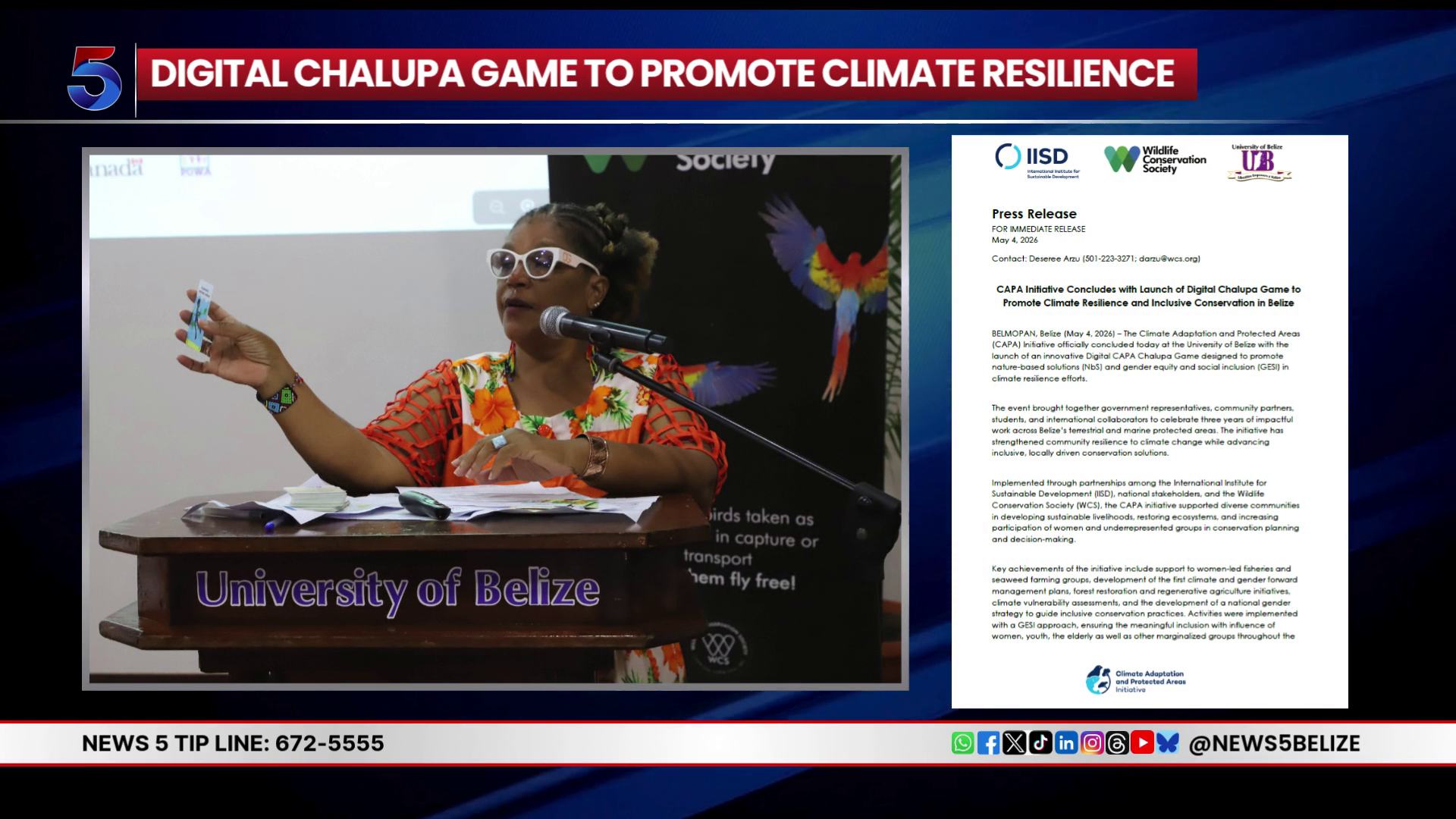
    When one thinks of pairing local cultural traditions with global climate action, few would imagine a centuries-old childhood game taking center stage. But that is exactly what Belize has accomplished, wrapping critical lessons about conservation and climate resilience in a familiar, accessible format that resonates with audiences from primary school classrooms to local community centers. This innovative project marks the culmination of three years of collaborative work under the Climate Adaptation and Protected Areas (CAPA) Initiative, which wrapped up its formal programming in May 2026 with the launch of the digital chalupa game at the University of Belize.

    Chalupa, a long-beloved traditional pastime across Belize, was not chosen at random. The initiative’s planners deliberately centered local culture to make complex, often intimidating climate topics approachable for people of all ages and backgrounds. What began as a community-focused adaptation effort has grown into a cross-generational educational tool that extends Belize’s climate messaging far beyond the borders of the country’s protected areas.

    Over its three years of operation, the CAPA Initiative prioritized inclusive, community-led climate action rather than top-down policy planning. Core to its mission was lifting underrepresented voices—including women, youth, and marginalized groups that have historically been excluded from conservation and climate decision-making processes. This commitment to inclusion yielded tangible, on-the-ground results across Belize’s protected area network: targeted support for women-led small-scale fisheries and sustainable seaweed farming operations, large-scale native forest restoration projects, training and resources for regenerative agricultural practices, and the development of groundbreaking new management frameworks that integrate both climate resilience and gender equity. Beyond these local projects, the initiative’s work has also shaped national conservation policy, building momentum for a nationwide shift toward more inclusive, community-centered environmental stewardship.

    Now, with the formal CAPA program coming to a close, organizers are ensuring its legacy endures through the digital chalupa game. Unlike dry academic textbooks or dense policy reports, the interactive digital tool turns lessons about climate adaptation and conservation into engaging play, making it accessible for students learning at home and educational groups across the globe. For the next generation of Belizean climate leaders, the game acts as both an entry point to environmental action and a celebration of local cultural identity.

    Though the three-year CAPA Initiative has concluded its formal programming, its impact will continue to ripple through Belize’s communities and ecosystems. Stronger, more inclusive local governance, restored natural habitats, and a simple cultural game turned powerful educational tool ensure that the initiative’s mission will live on for years to come, proving that creative, culture-centered approaches to climate action can deliver lasting change.

  • Trinidad & Tobago advances environmental rights with Escazú Agreement implementation, CANARI urges action

    Trinidad & Tobago advances environmental rights with Escazú Agreement implementation, CANARI urges action

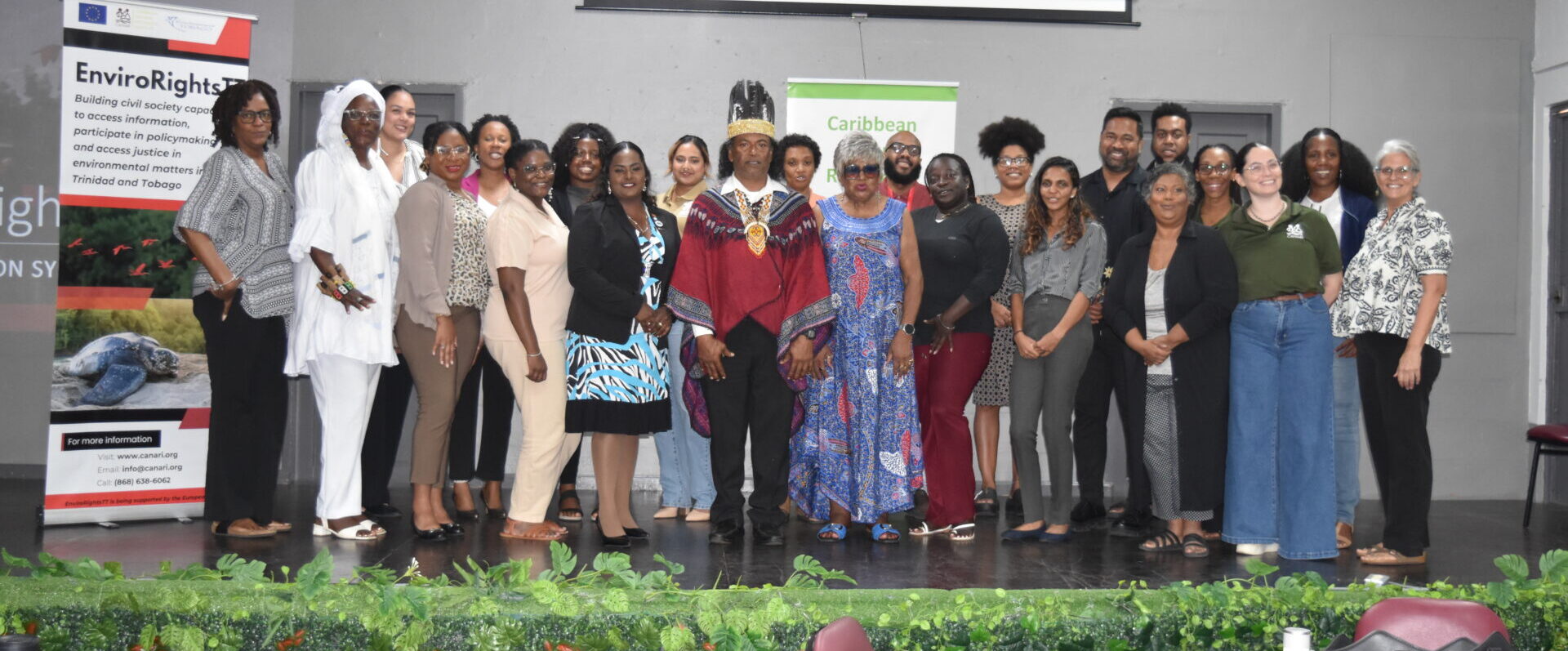
    On April 27, 2026, Trinidad and Tobago formally brought the landmark Escazú Agreement into force, drawing a measured, celebratory response from the Caribbean Natural Resources Institute (CANARI), one of the region’s leading organizations focused on equitable natural resource governance. The regional treaty, officially titled the Regional Agreement on Access to Information, Public Participation and Access to Justice in Environmental Matters in Latin America and the Caribbean, marks a turning point for environmental rights across the Caribbean, and CANARI has framed Trinidad and Tobago’s adoption as a major step forward for regional environmental democracy.

    In an official press statement, CANARI echoed the commitment laid out by Trinidad and Tobago’s Minister of Planning, Economic Affairs and Development, Dr. the Honourable Kennedy Swaratsingh. The minister framed the country’s accession to the agreement as a deliberate, clear promise to strengthen national environmental governance, boost institutional transparency, and guarantee that all citizens can contribute meaningfully to decisions that shape their local environments.

    While CANARI welcomed the government’s formal commitment and public stance, the organization emphasized that ratification alone is not enough. Moving forward, the country must turn these high-level pledges into concrete, measurable results that improve environmental outcomes for communities across the nation.

    The Escazú Agreement establishes binding legal obligations for member states across three core pillars: guaranteeing public access to government-held environmental information, opening formal environmental decision-making processes to public input, and ensuring accessible judicial pathways for communities harmed by environmental harm. A unique, critical provision of the treaty also requires nations to protect and support environmental human rights defenders, who often face disproportionate risk when advocating for vulnerable communities.

    CANARI’s analysis notes that effective implementation of these provisions requires far more than just adjusting national policy language to align with the treaty. It demands systemic reforms to how government agencies share environmental data with the public, how stakeholders are incorporated into planning processes, and how marginalized communities can access the justice system to address environmental harms.

    These systemic changes, the organization stresses, are foundational to upholding the fundamental human right to a safe, healthy environment. This is particularly urgent for frontline and vulnerable communities, which bear the brunt of environmental degradation and climate impacts across the Caribbean.

    CANARI also expressed approval for one key element of the government’s approach: Minister Swaratsingh’s public acknowledgment that full implementation cannot be achieved by the government alone, and the administration’s stated plan to partner with civil society organizations, community groups and regional bodies throughout the process.

    CANARI views this collaborative, multi-stakeholder framework as essential to ensuring the agreement delivers real, on-the-ground impact for Trinbagonian communities. The organization has reaffirmed its readiness to support the Trinidad and Tobago government in implementation, while continuing its close work with local civil society, community organizations and other stakeholders to center marginalized voices in the process.

    Ultimately, CANARI underscored that the true success of the Escazú Agreement in Trinidad and Tobago will be measured by tangible, visible improvements to everyday people’s lives. Achieving that outcome, the organization notes, will require sustained, consistent political commitment, adequate resourcing for implementation and ongoing, active public participation. Success will not be defined by the act of ratification alone, CANARI says, but by clear, verifiable improvements to national environmental governance and lasting, shared benefits for both citizens and the natural environment.

  • Placencia’s Sargassum Battle: ‘It Keeps Coming’

    Placencia’s Sargassum Battle: ‘It Keeps Coming’

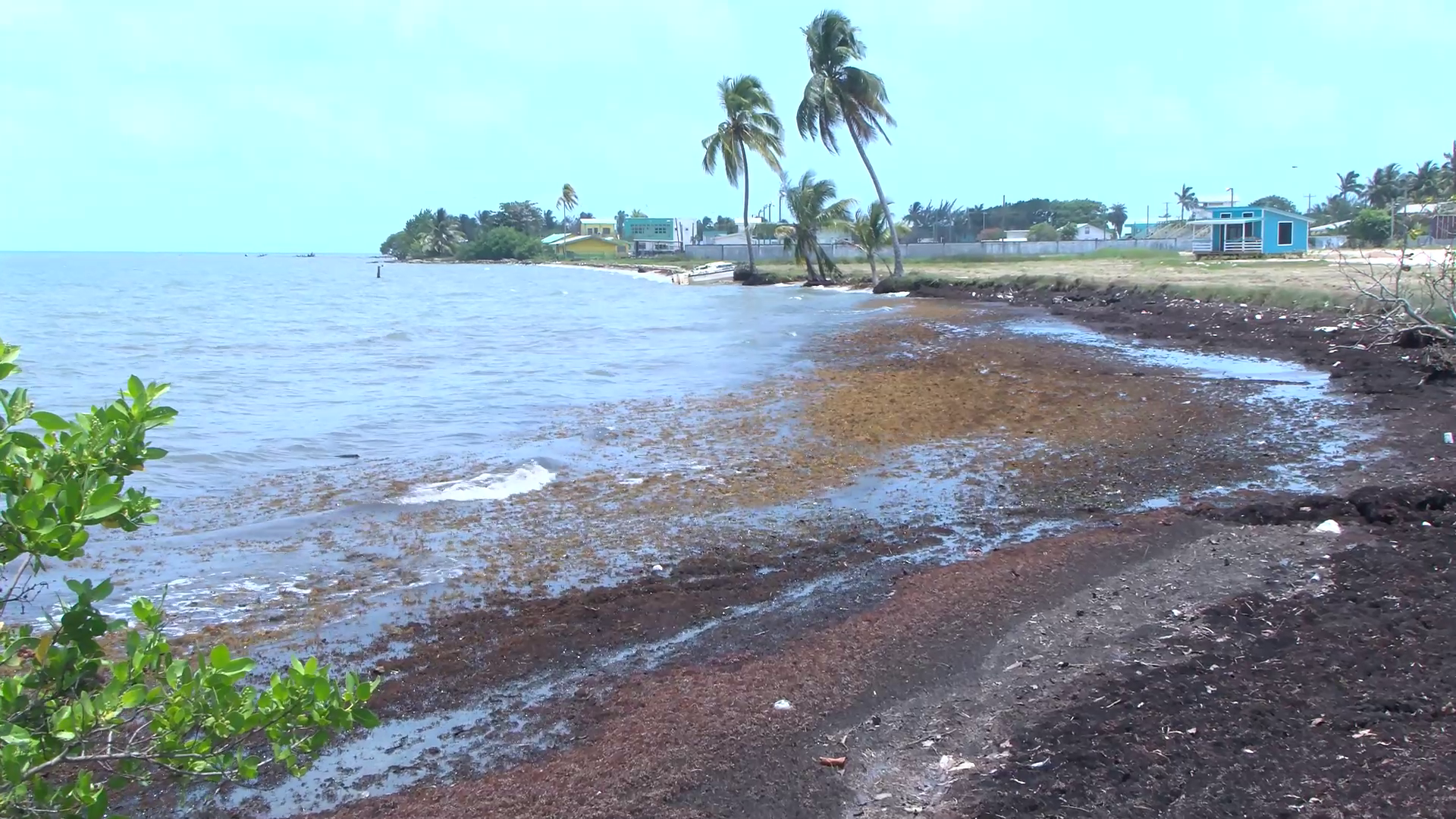
    As the 2026 Caribbean tourist season approaches, coastal communities across Belize are locked in a grueling, uneven battle against an unprecedented surge of sargassum that continues to roll in from open waters, overwhelming local cleanup efforts and threatening the region’s critical tourism industry.

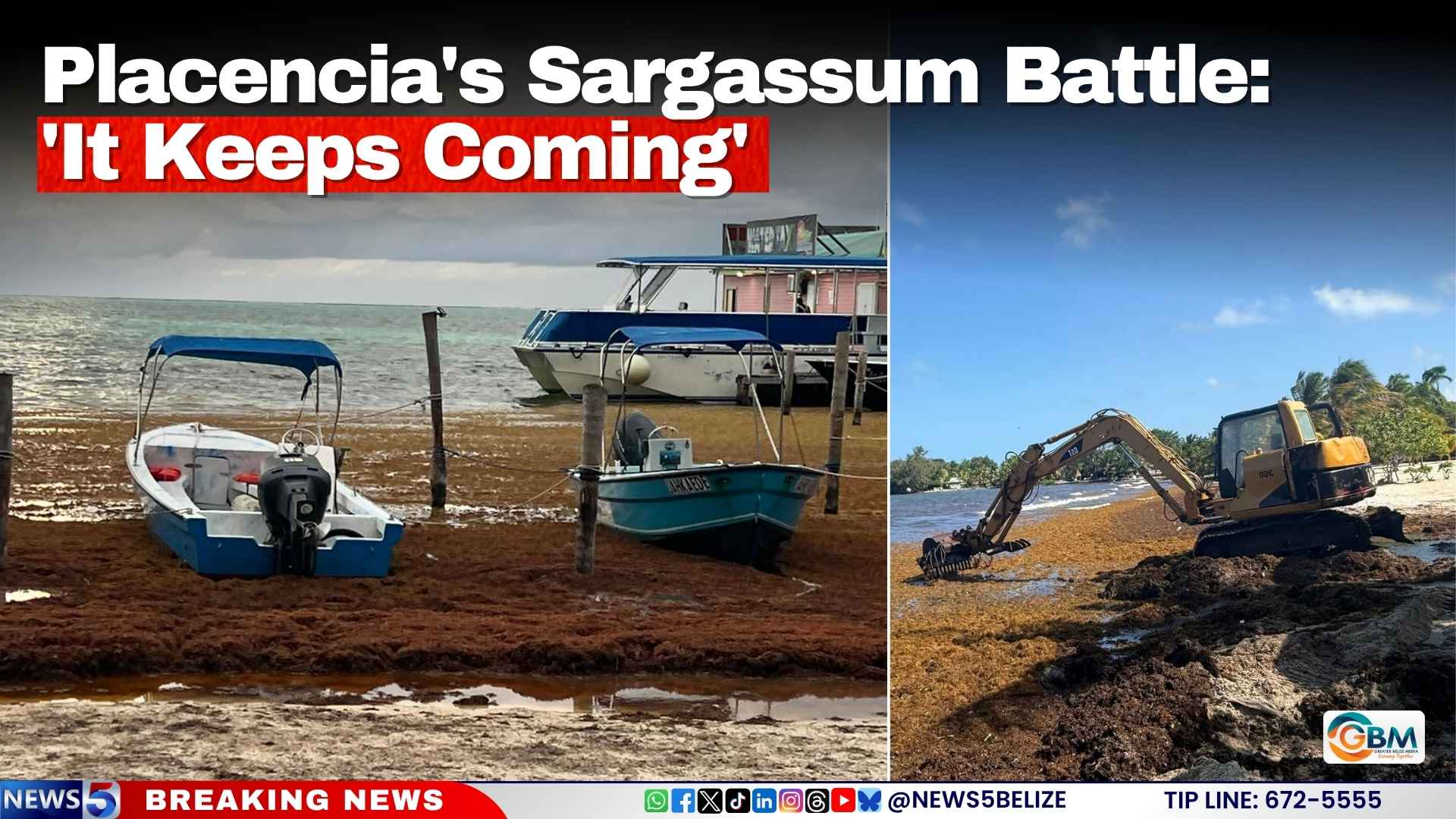
    By mid-April, crews working on Placencia Beach had already hauled away 15 full dump truck loads of the dense brown seaweed from the popular shoreline. Yet despite consistent daily cleanup work, vast mats of sargassum still cover nearly the entire stretch of beach, with new batches washing ashore with every high tide. Local municipal council officials confirmed that the influx shows no sign of slowing, stating that cleanup teams will continue working around the clock to remove as much of the seaweed as possible, even as the volume outpaces their capacity.

    Placencia is far from alone in facing this crisis. Neighboring Hopkins Village has also seen massive sargassum accumulations on its shores, while popular island destinations Ambergris Caye and Caye Caulker have reported entire shorelines blanketed by the invasive seaweed. The sargassum surge is not an isolated issue for Belize: the entire Caribbean basin is facing an extraordinary spread this season, with sargassum mats battering coastlines from Mexico’s Yucatan Peninsula all the way down to Belize’s 240-mile shoreline.

    For local residents, the constant influx has become a daily nuisance and public health concern. Many have taken to social media to vent their frustration, highlighting the putrid, rotten odor that lingers over coastal neighborhoods as decaying sargassum builds up on beaches. One Placencia resident noted that the smell has been unbearable, calling for long-term solutions to prevent the recurring crisis from devastating the community.

    The biggest impact of the sargassum invasion falls on Belize’s tourism sector, which drives a large share of the national economy and supports tens of thousands of local jobs. Tourists visiting high-traffic coastal destinations have cut back on water activities, with many reporting that dense mats of seaweed make swimming and snorkeling nearly impossible. A visitor to Placencia who traveled to the region last month shared that her party only managed to enter the ocean twice during their trip due to the severe sargassum bloom, though she added that the group still enjoyed their time in Belize despite the disruption.

    Local cleanup crews say they are fighting a losing battle against the seaweed. Daily manual removal efforts barely put a dent in the constant incoming volumes, and communities report they lack the specialized tools, trained staff, and heavy equipment needed to process the thousands of tons of sargassum washing ashore this season.

    Belize’s national government has already taken initial steps to address the crisis. Earlier this year, authorities allocated BZD$250,000 in emergency cleanup grants to coastal communities to support immediate removal efforts. Officials also launched an ambitious BZD$50 million long-term project that aims to convert collected sargassum into usable fuel, turning a costly environmental nuisance into an energy resource. Despite these interventions, climate and ocean scientists are forecasting record-breaking sargassum levels across the Caribbean by the height of summer 2026, leaving coastal communities bracing for even more severe inundation in the coming months.