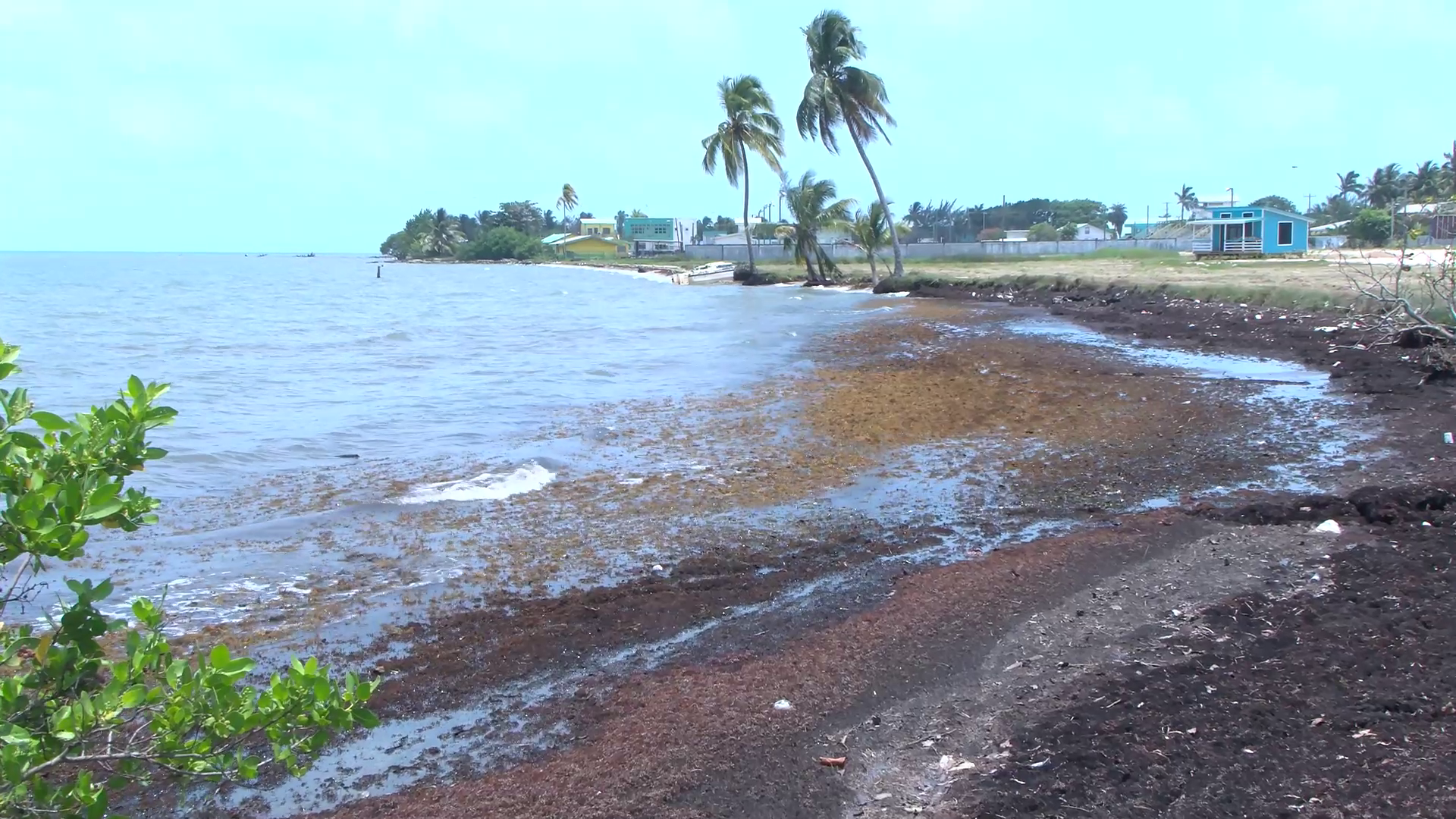
Along the sun-baked Caribbean coastline of Dangriga District, Belize, the slow-moving crisis of climate-fueled coastal erosion has long stopped being a distant future threat — it is a daily reality reshaping community life and endangering local livelihoods. For decades, residents have watched as rising tides and increasingly intense storm surges have gradually claimed stretches of sandy beach that have anchored their traditions, recreation, and local economies for generations. On May 7, 2026, that long-simmering concern translated to tangible action, with the official launch of a landmark nationwide coastal resilience initiative that brings new hope to vulnerable coastal communities across the country.
The project, backed by a $4 million U.S. investment from the Adaptation Fund, with local implementation led by Belize’s Protected Areas Conservation Trust (PACT) in partnership with the national government, targets 27 of the country’s most at-risk coastal settlements. In Dangriga, intervention efforts will center on the heavily eroded northern shoreline, a stretch that hosts critical community assets including public schools, neighborhood parks, and popular gathering spaces that have long drawn both locals and tourists.
Longtime Dangriga resident Melvin Diego has been a firsthand witness to the accelerating pace of shoreline loss for years. Long before the official project launch, he has woken before dawn each day to volunteer his time clearing debris from the remaining shore, in a quiet, personal campaign to protect the stretch of coast that has shaped his life. For Diego, this beach was more than just recreational space: it was where he trained as a young track and field athlete, earning multiple gold medals that he still attributes to the unique resistance of the soft beach sand. It was also a quiet retreat where he processed the highs and lows of running his local business, watching sunrises and finding renewal in the coastal breeze.
“This place is sacred to me,” Diego explained in an interview at the project launch. “Today, people who want to run on the beach have to dodge sudden drop-offs and incoming tide — the sea has already moved so far inland. I worry that in 10 or 25 years, our children won’t have any beach left at all.”
Local representative Dr. Louis Zabaneh confirmed the scale of the erosion that has already altered Dangriga’s coastline, pointing to a massive U-shaped indentation that has formed between the town pier and Pelican Beach, where dozens of meters of sand have vanished entirely in just a few decades. “Where you see the stone pilings of the pier today, that used to be solid sandy beach,” Zabaneh noted. “The erosion stretches all the way from the town center to Commerce Bight, eating away at the shoreline year after year.”
PACT Climate Finance Manager Eli Romero explained that the project’s intervention strategy for Dangriga is rooted in years of scientific analysis. Studies conducted several years ago confirmed that the vast majority of sand eroded from Dangriga’s beaches remains trapped just offshore, meaning targeted sand redistribution can restore much of the lost shoreline. The decision to focus on the northern stretch was made collectively by local residents and municipal leaders, who prioritized protecting the area’s most heavily used community assets.
For Diego and other long-time residents, the launch of the formal project is more than just an infrastructure investment — it is a long-awaited signal that their community’s fight to save its coastline is being taken seriously. The initiative will not only restore lost beach habitat through sand replenishment: it will also update regional coastal management planning, expand long-term erosion monitoring, and install natural and built infrastructure designed to slow future shoreline loss.
While the launch ceremony marked a major milestone for the project, local residents agree that the true measure of success will only come in decades, when future generations get to enjoy the sandy shoreline that current leaders and activists are fighting to preserve. For now, though, the initiative has turned long-running anxiety into cautious hope for a community on the front lines of climate change.