分类: environment

  • Sandals Foundation takes students on mindfulness nature trail for Earth Day

    Sandals Foundation takes students on mindfulness nature trail for Earth Day

    To mark Earth Day 2026, the Sandals Foundation has brought environmental education and mental wellness together through a groundbreaking region-wide initiative, bringing more than 300 schoolchildren out of traditional classrooms and into the natural landscapes of the Caribbean. Among the young participants were Grade 4 students from Buccament Government School in Dubois, St. Vincent and the Grenadines, who explored the Prospect Brighton Mangrove Conservation Park as part of the program.

    The immersive outdoor experience was designed to connect children directly to their local island ecosystems through a mix of guided activities: intentional breathing exercises, leisurely nature walks, sensory observation exercises, and group discussions focused on environmental stewardship. Unlike traditional in-class environmental lessons, the program centers on the dual goal of highlighting nature’s proven power to heal physical and mental stress, while empowering young people to take tangible, daily action to protect shared natural resources.

    Heidi Clarke, Executive Director of the Sandals Foundation, explained the unique philosophy behind the cross-regional initiative. “By combining mindfulness with environmental education, we wanted to encourage students to slow down, be present, reflect, and appreciate the beauty of nature which is around them,” Clarke said. “We also wanted to share with students that sense of responsibility and power they each have to protect their community’s natural resources and the services those resources support.”

    Beyond youth-focused outdoor activities, the Sandals Foundation extended Earth Day engagement to resort guests and team members, hosting a suite of complementary conservation-focused events. At Sandals Saint Vincent and the Grenadines, guests and the property’s professional dive team joined forces for an underwater cleanup, removing harmful debris including discarded plastic and old tires from the ocean floor. Guests also enjoyed a specially curated sustainable fashion show featuring garments entirely crafted from upcycled recyclable materials, alongside a nature-inspired food and beverage display, all designed to embed environmental awareness into leisure experiences.

    Aviar Charles, Public Relations Manager who led the local volunteer team, emphasized the deep interconnectedness between ecosystem health and human thriving across the Caribbean’s island communities. “The beauty of our islands and life as we know it are wrapped in the health of our environment,” Charles noted. “Days like Earth Day give us a moment to pause and reflect on the undeniable relationship we have as humans [to] its wellbeing. The Sandals Foundation is committed to protecting the resources that make our island unique and are always on the lookout for ways we can get our guests and students engaged.”

    Students across nine participating island nations – Antigua, Barbados, St. Vincent and the Grenadines, Grenada, The Bahamas, Turks and Caicos Islands, Curacao, and Jamaica – took part in site-specific activities at local protected spaces, ranging from national parks and mangrove forests to resort conservation gardens. The initiative also intentionally created space for young participants to step away from digital devices, decompress from daily academic and personal pressures, and build a personal connection to the natural world.

    This Earth Day program is just one component of the Sandals Foundation’s long-standing, broad-reaching conservation work across the Caribbean. To date, the organization has engaged more than 177,500 people in formal environmental education programming, planted over 28,000 native trees, outplanted more than 38,000 corals to support declining reef ecosystems, invested in monitoring programs that have supported the safe hatching of more than 221,000 sea turtles, and provided critical support to 23 marine and terrestrial protected areas across the region.
  • Gov’t developing master plan to restore world famous Hellshire beach, says Samuda

    Gov’t developing master plan to restore world famous Hellshire beach, says Samuda

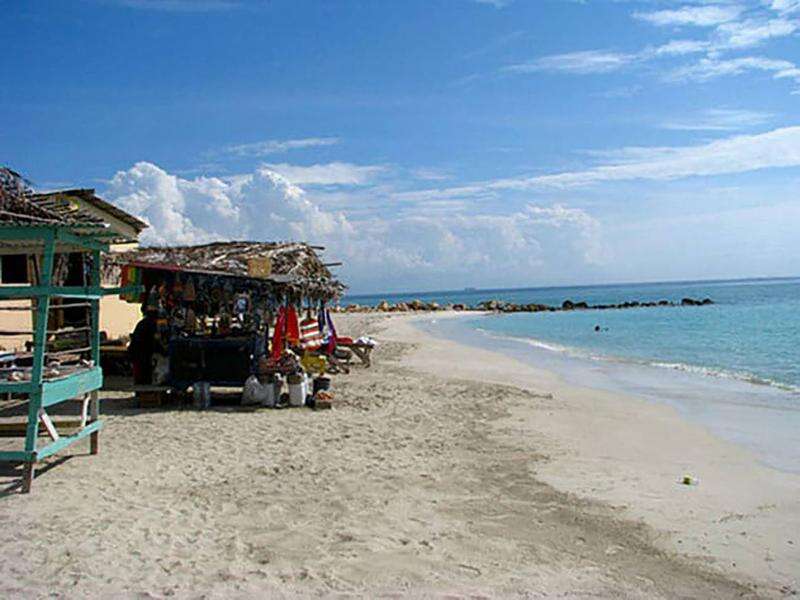
    One of Jamaica’s most beloved coastal destinations, Hellshire Beach in St Catherine, is set to undergo a landmark restoration effort, as the government advances a comprehensive master plan to reverse decades of climate-driven damage, with a final draft slated for completion by the end of the current fiscal year. The announcement was made by Minister of Water, Environment and Climate Change Matthew Samuda on April 28, during his address to the Sectoral Debate held at Gordon House, Jamaica’s seat of parliament. For over a decade, the iconic beach – which once drew thousands of local and international visitors annually – has been grappling with severe coastal erosion, a crisis amplified by the shifting impacts of a changing global climate. The natural degradation has already forced dozens of the beach’s famous shoreline food vendors out of business, with many of their small wooden shops tumbling into the encroaching sea as the shoreline retreats. These vendors are integral to Hellshire’s cultural identity, best known for serving the island’s iconic fried fish and festival meal that draws foodies from across the country. To reverse this damage and secure the beach’s future, the National Environment and Planning Agency (NEPA) is leading the development of a holistic master plan that balances competing priorities: supporting the coastal community’s livelihoods while protecting the fragile local ecosystem. Speaking to parliament, Samuda emphasized that the project is rooted in the principle that Hellshire must serve both people and the planet, rather than prioritizing one over the other. The plan outlines three core pillars of action. First, it calls for a full overhaul of the beach’s outdated sanitation and waste management infrastructure, putting an end to the dangerous practice of direct waste discharge into coastal waters and cutting down on pervasive littering that harms marine life. Second, it will formalize the shoreline vending sector through regulation, establishing clear environmental responsibilities for all operators to ensure commercial activity does not undermine conservation goals. Third, the initiative prioritizes the protection of adjacent mangrove forests and seagrass beds, critical natural habitats that support local fisheries and act as natural barriers to reduce coastal erosion and boost the shoreline’s resilience to storm surges and sea level rise. According to Samuda, the ultimate goal of the multi-year restoration project is to reimagine Hellshire as a global model for sustainable coastal development: a clean, welcoming space that retains its cultural and economic vibrancy while safeguarding the natural environment that sustains it. Preliminary technical and environmental studies are currently in their final stages, and the full detailed master plan will be released for public consultation with Jamaican citizens before the end of the year, kicking off what will be a years-long effort to restore the iconic beach for future generations.

  • Climate Summit Takes Aim at Fossil Fuel Future

    Climate Summit Takes Aim at Fossil Fuel Future

    In a landmark step for global climate action, the world’s first dedicated Fossil Fuel Phase-Out Summit wrapped up its proceedings on April 30, 2026, in Santa Marta, Colombia. Convened outside the formal United Nations climate negotiation framework, the unprecedented gathering brought nearly 60 national delegations together to tackle the complex challenge of phasing out global production and use of coal, oil, and natural gas, framed by organizers as a bold experiment in collaborative climate diplomacy.

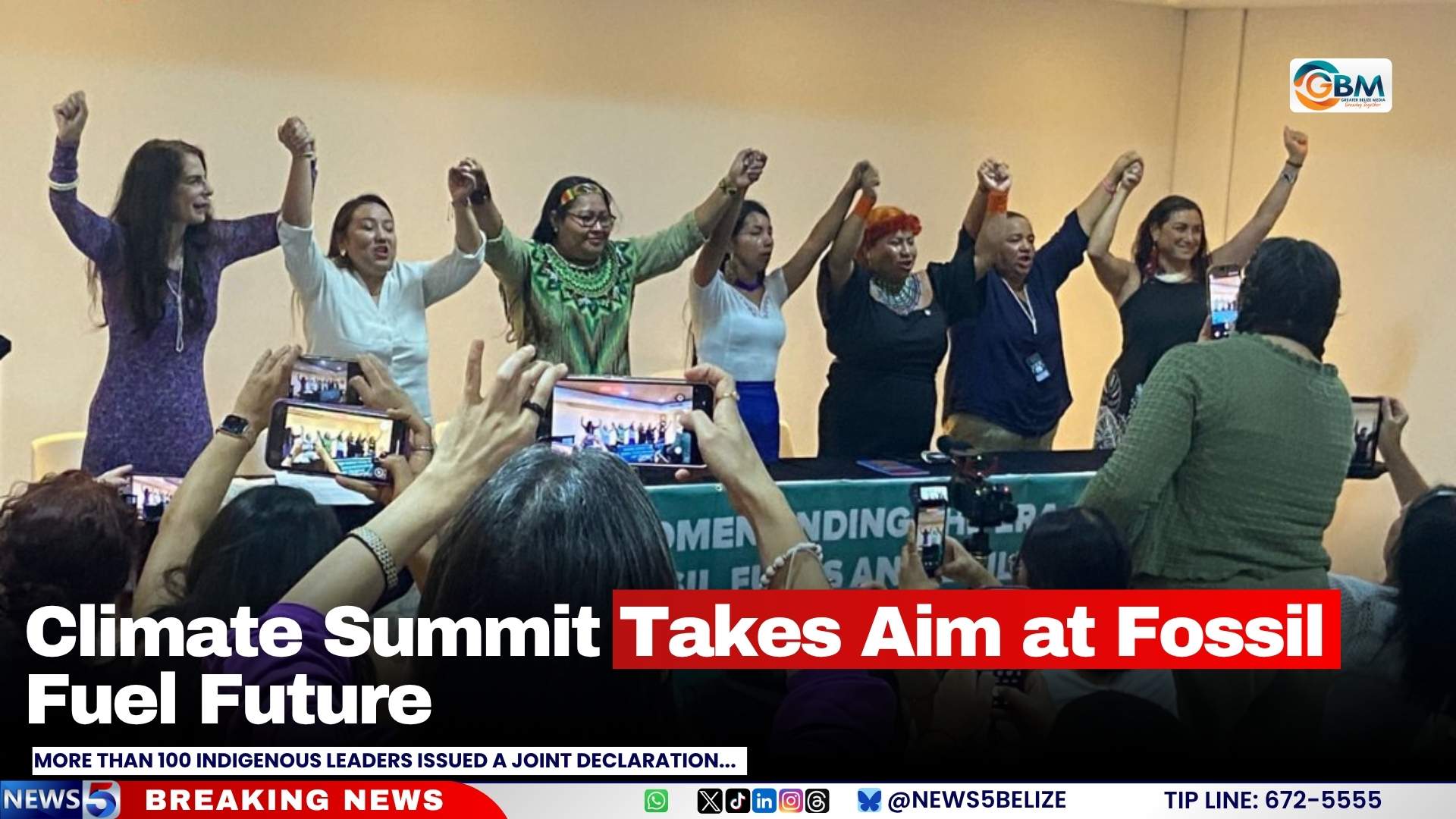
    While the summit did not produce any legally binding commitments for participating nations, it delivered a series of meaningful milestones that signal a shifting global conversation around fossil fuel dependency. A core highlight came from over 100 Indigenous leaders from around the world, who released a unified joint declaration positioning Indigenous territorial protection as a non-negotiable foundation for an equitable just transition away from fossil fuels.

    Patricia Suárez, a representative of the Organization of Indigenous Peoples of the Colombian Amazon (OPIAC), shared a measured assessment of the summit’s outcomes, noting that the event successfully elevated the urgency of rapid fossil fuel phase-out but left critical implementation questions unresolved. “The Santa Marta Conference has put the urgency of moving away from fossil fuels on the table, but still leaves unanswered how that will happen,” Suárez stated. “For Indigenous Peoples, the answer is clear: without the protection of our territories, and as long as energy models that plunder them persist, nothing will change.” She emphasized that a permanent ban on extractive activities within Indigenous lands must be a central component of any credible global climate strategy.

    Another key institutional outcome of the summit was the launch of a new global scientific transition panel, comprising more than 250 leading climate and energy experts from around the world. The panel will be co-chaired by prominent climate scientists Johan Rockström and Carlos Nobre, tasked with providing evidence-based guidance for transition planning. Martí Orta-Martínez, a researcher at the University of Barcelona, stressed that current climate science leaves no room for delayed action, arguing that to keep global warming within the internationally agreed 1.5°C threshold, nearly all existing oil and gas extraction contracts must be canceled immediately.

    Observers of the summit also highlighted critical gaps that must be addressed in future talks. Ana Carolina González, a policy analyst with the Natural Resource Governance Institute, noted that the event opened vital conversations about energy transition planning for fossil fuel-producing nations, but it lacked participation from national oil companies (NOCs) — actors that play an outsize role in global energy markets. “These are not peripheral players: they produce more than half of the world’s oil and gas, a share set to reach 62% by 2050, and are the economic backbone of countries like Colombia, Mexico and Nigeria,” González explained. “The next step must bring them in as essential partners in any credible transition roadmap.”

    Despite the gaps, many participants framed the summit as a long-awaited shift from the tone of past climate negotiations. Fatima Eisam Eldeen, also of the University of Barcelona, noted that for the first time in a major global climate gathering, the focus was not solely on sounding alarms about the climate crisis, but on exploring actionable pathways forward. “For the first time, it wasn’t only sounding the alarm on what is going wrong or how little time is left, it was shining a light on what is possible, it spoke the language of hope. Now the real work begins: taking this out of conference rooms and into people’s lives,” she said.

    The summit also drew input from key global energy and policy leaders. International Energy Agency executive director Fatih Birol, whose remarks were featured during the event, warned that global energy markets are undergoing irreversible structural change that is already accelerating the shift away from fossil fuels. Colombian Environment Minister Irene Vélez Torres echoed that urgency, arguing that continued reliance on fossil fuels can never deliver long-term, stable energy security for any nation.

    Private sector engagement was also present, with major clean energy and industrial firms including Chinese electric vehicle manufacturer BYD and Australian green industrial firm Fortescue participating in working sessions. The companies outlined their emerging “real zero” emission strategies, which prioritize eliminating greenhouse gas emissions at the source rather than relying on carbon offsetting schemes.

    In a final announcement, delegates confirmed that the second iteration of the Fossil Fuel Phase-Out Summit will be co-hosted by Tuvalu and Ireland in 2027, extending the new forum for collaborative climate action outside traditional UN processes.

  • Call for proposals: Closing the Caribbean Plastic Tap initiative

    Call for proposals: Closing the Caribbean Plastic Tap initiative

    A landmark new resourcing program to drive local action against the growing crisis of plastic pollution in the Eastern Caribbean has officially launched, developed as a core component of the broader “Closing the Caribbean Plastic Tap” initiative.

    The Sustainable Small Grants Programme (SSGP), administered by the International Union for Conservation of Nature’s Regional Office for Mexico, Central America and the Caribbean (ORMACC), delivers both targeted funding and technical assistance to entities working to cut single-use plastic waste and scale circular economy models across five Eastern Caribbean island nations: Antigua and Barbuda, Grenada, St Lucia, St Kitts and Nevis, and St Vincent and the Grenadines.

    Unlike large-scale international conservation projects that often prioritize top-down interventions, the SSGP is designed to center local leadership. Eligible applicants include micro, small and medium-sized enterprises (MSMEs), community-based organizations (CBOs), non-governmental organizations, cooperatives, community associations, local schools and informal community groups that can prove a track record of meaningful on-the-ground community engagement. Successful grantees will implement practical, replicable interventions aimed at cutting the amount of plastic waste that leaks into Caribbean oceans and terrestrial ecosystems.

    The program draws on 400,000 euros in total funding, secured through partnership with the Italian Agency for Development Cooperation (AICS) and the Italian Ministry of Foreign Affairs and International Cooperation (MAECI). Each of the five participating countries has been allocated a maximum of 80,000 euros, with individual awards ranging from 30,000 euros to 80,000 euros per project.

    Funding will prioritize projects that adopt upstream prevention strategies to cut plastic use at its source, paired with midstream circular economy approaches that extend the lifecycle of plastic materials already in circulation. This focus aligns with a growing regional push to address plastic pollution at its origin, rather than only managing waste after it enters the environment, through expanded reuse, recycling, and adoption of sustainable alternative materials.

    All supported projects are required to set clear, measurable targets for both environmental and socio-economic impact. Beyond cutting plastic leakage, grantees will advance national environmental priorities and contribute to global commitments including the UN Sustainable Development Goals (SDGs) and the Kunming-Montreal Global Biodiversity Framework (GBF).

    Applications for the first round of funding are open now, and interested eligible organizations have until 11:59 p.m. Atlantic Standard Time on May 31, 2026 to submit full proposals. Full program guidelines and additional application details are available through the official IUCN program portal.

    This report is published under partnership with NOW Grenada, which does not take responsibility for individual contributor perspectives or third-party content. Users may report inappropriate content through official NOW Grenada reporting channels.

  • Belize Fund Awards $643K to Boost Fisheries and Coastal Livelihoods

    Belize Fund Awards $643K to Boost Fisheries and Coastal Livelihoods

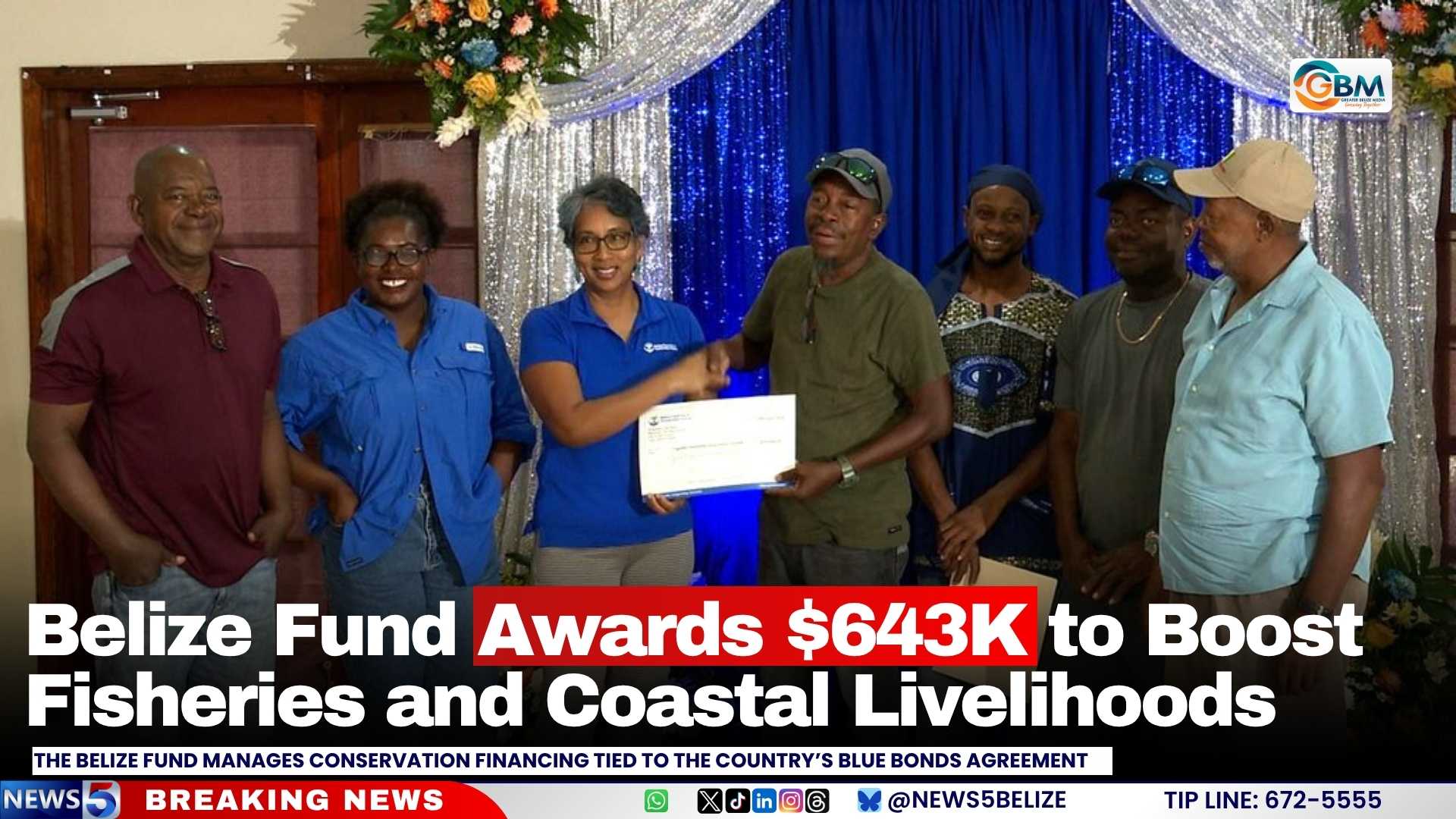
    Situated along Central America’s Caribbean coast, Belize has long built its identity and economic foundation around its rich marine ecosystems and vibrant coastal communities. In a major push to balance environmental stewardship with inclusive economic growth, the Belize Fund for a Sustainable Future has announced BZ$643,000 in grant funding for four local projects centered on strengthening sustainable fisheries, empowering coastal households, and expanding the nation’s growing blue economy.

    The single largest award, a BZ$500,000 grant, has been allocated to the Turneffe Atoll Sustainability Association. Turneffe Atoll, one of the most biologically significant coral atolls in the Caribbean, faces ongoing pressure from overfishing, unregulated activity, and climate change. The association will use the funding to upgrade fisheries management across the atoll through three core strategies: enhanced on-water enforcement of sustainable fishing rules, community-focused education for local fishers and stakeholders, and advanced data-driven planning that aligns catch limits with ecosystem health.

    Three smaller grants will direct support directly to community-led groups and local small enterprises, ensuring that benefits from conservation reach the people who rely on Belize’s marine resources most. Barranco Botanics, a local craft enterprise, will receive just over BZ$43,000 to scale up production of natural marine-based soaps crafted from locally harvested seaweed, creating new income streams that value sustainable marine extraction over industrial overexploitation.

    The Wabafu Fishermen Association will put its BZ$50,000 grant toward strengthening the organization’s internal governance and rolling out training programs to help members adopt verified sustainable fishing practices that qualify for premium market access. Meanwhile, Yugadan Fisherfolks Association Limited will use its nearly BZ$50,000 award to expand skills training and alternative livelihood opportunities for small-scale fishers based in the coastal community of Hopkins.

    Leandra Cho-Ricketts, executive director of the Belize Fund for a Sustainable Future, emphasized that targeted sustainable financing remains an indispensable tool for protecting Belize’s irreplaceable marine resources while lifting up the coastal communities that have stewarded these waters for generations. “Conservation cannot succeed if it leaves the people who depend on these oceans behind,” Cho-Ricketts noted. “These investments prove that environmental protection and economic opportunity can go hand in hand.”

    Founded in 2022, the Belize Fund operates as the national managing body for conservation financing tied to Belize’s landmark Blue Bonds agreement, a global model for debt-for-nature swaps that restructures national debt in exchange for binding commitments to marine protection and climate resilience. To date, the fund has directed hundreds of thousands of dollars to community-led projects that deliver both measurable environmental outcomes and long-term economic benefits for Belize’s coastal population, aligning with national goals to build a climate-resilient blue economy that works for all.

  • Antigua and Barbuda Groups Invited to Apply for Grants to Tackle Plastic Pollution

    Antigua and Barbuda Groups Invited to Apply for Grants to Tackle Plastic Pollution

    On April 30, 2026, the International Union for Conservation of Nature (IUCN) announced the launch of a landmark grant initiative from its Regional Office for Mexico, Central America and the Caribbean (ORMACC) based in San José, Costa Rica, aimed at tackling the Caribbean’s growing plastic pollution crisis through community-led circular economy action. Titled the Sustainable Small Grants Programme (SSGP) and operating under the broader “Closing the Caribbean Plastic Tap” umbrella, the initiative opens applications for eligible groups across five Eastern Caribbean nations: Antigua and Barbuda, Grenada, Saint Lucia, St. Kitts and Nevis, and St. Vincent and the Grenadines.

    Backed by funding from the Italian Agency for Development Cooperation (AICS) and the Italian Ministry of Foreign Affairs and International Cooperation (MAECI), the SSGP carries a total program budget of €400,000, or approximately $430,000. Funding is split evenly across the five participating countries, with a maximum €80,000 allocated per nation. Individual grants to successful applicants will range from €30,000 to €80,000, designed to support the full implementation of locally tailored projects.

    Unlike top-down environmental interventions, the SSGP centers local leadership by extending eligibility to a wide range of community-rooted entities: micro, small, and medium-sized enterprises (MSMEs), community-based organizations (CBOs), non-governmental organizations, cooperatives, community associations, local schools, and even informal community groups, so long as they can prove a track record of meaningful local engagement. Funded projects will prioritize two key approaches to plastic waste management: upstream prevention, which cuts plastic production and consumption at the source, and midstream circularity, which reimagines plastic materials as reusable resources rather than disposable waste.

    The program is a core component of a wider regional strategy to eliminate plastic pollution at its origin by scaling up systems for waste reduction, product reuse, material recycling, and the adoption of sustainable alternative materials. All funded projects will be required to track and deliver measurable outcomes, both for environmental health and local socio-economic development. These outcomes will align with participating nations’ national climate and environmental priorities, as well as global sustainability commitments including the United Nations Sustainable Development Goals (SDGs) and the Global Biodiversity Framework (GBF).

    Applications for the first round of grants are open now, and interested eligible organizations have until 11:59 p.m. Atlantic Standard Time on May 31, 2026 to submit full proposals. Full application guidelines and submission details are available via the IUCN’s official engagement portal at https://engage.iucn.org/topic/sustainable-small-grants-programme-closing-caribbean-plastic-tap.

  • Volunteers Remove Hundreds of Pounds of Debris from Wreck off Barbuda

    Volunteers Remove Hundreds of Pounds of Debris from Wreck off Barbuda

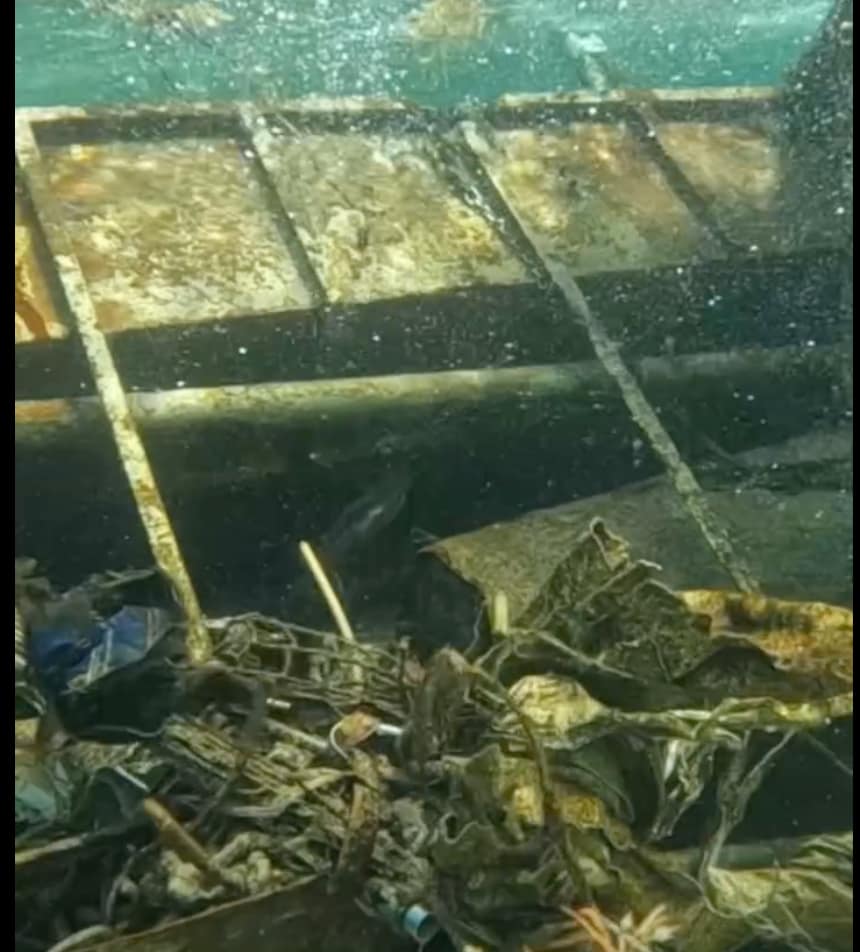
    Off the quiet shoreline of Barbuda, a coalition of volunteer divers has completed a targeted marine cleanup that pulled nearly 300 pounds of discarded debris from the sunken wreck of the yacht *Jonah*, in a critical push to safeguard the fragile coral reef system surrounding the site. For months, the wreck had accumulated all manner of waste, most dangerously abandoned fishing gear known as “ghost nets” – a pervasive marine pollutant that continues to entangle, injure, and kill fish, sea turtles, and other marine organisms long after they are discarded by fishing operations. These tangled nets had already wrapped around large sections of the nearby reef, putting additional stress on a ecosystem already grappling with global threats like rising ocean temperatures and acidification.

    The cleanup effort brought together 16 experienced free divers and snorkelers, who spent multiple hours navigating the wreck site to extract trapped waste. Divers ferried each bag of collected debris from the seabed up to waiting support boats on the surface, working carefully to avoid damaging living coral during the process. What made the initiative particularly notable was the heavy involvement of emerging local conservation leaders: nine young eco-divers from Antigua joined the expedition, alongside professional boat crew, rounding out the total 18-person team. Organizers have publicly highlighted the dedication and hard work of these young participants, noting that their presence signals a growing shift toward youth leadership in global marine conservation.

    The project was a community-led collaboration, with in-kind support from local tourism and marine conservation groups including Adventure Antigua and the Barbuda Ocean Club. Financial backing for the cleanup came from the Global Environment Facility Small Grants Programme (GEF SGP) operating in Antigua and Barbuda, which funds grassroots environmental initiatives across the region.

    Coral reefs, often called the “rainforests of the sea,” support more than 25% of all known marine biodiversity despite covering less than 1% of the ocean floor. Today, these critical ecosystems face unprecedented pressure from a range of threats: plastic and chemical pollution, manmade climate change that drives ocean warming and coral bleaching, and destructive overfishing practices. Local, small-scale cleanup projects like this one do not solve the systemic challenges facing coral reefs, but they do address immediate, localized hazards that prevent reef recovery, while building community momentum for larger, long-term restoration efforts. Video footage of the cleanup was provided by the Antigua Barbuda Ocean Trust.

  • Valle Nuevo National Park remains public, Environment Ministry clarifies

    Valle Nuevo National Park remains public, Environment Ministry clarifies

    SANTO DOMINGO – Recent circulating speculation around the privatization of the Dominican Republic’s iconic Valle Nuevo National Park has been formally debunked by the nation’s Ministry of Environment and Natural Resources, which confirmed the protected conservation area remains fully public and open to all visitors.

    Tourists and local outdoor enthusiasts can still access and explore the full expanse of the park by paying the standard RD$150 entry fee, the same rate that has been in place for general admission for years.

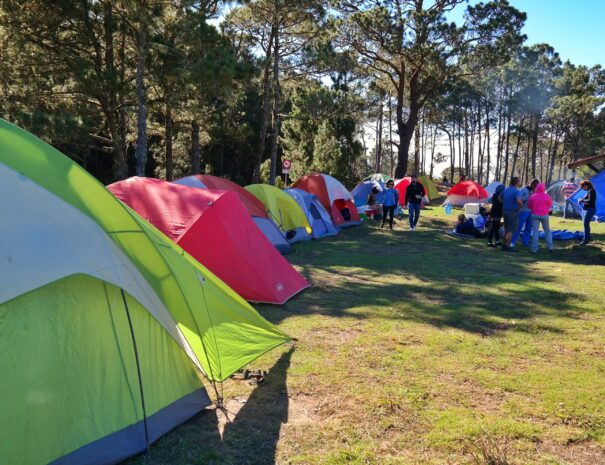
    The confusion stemmed from a newly implemented separate camping fee that applies exclusively to a newly zoned section of the park called the “Garden of Eden”, a purpose-built area designed specifically to organize and accommodate overnight camping stays. Ministry authorities explained that the new zoning and fee structure was created to address longstanding issues with unregulated camping, which had gone unmonitored for years and caused measurable harm to the park’s fragile native ecosystem.

    First launched in 2021, the zoned camping initiative was developed to advance the goal of sustainable recreation across the country’s protected areas. The Garden of Eden operates with low-impact infrastructure, integrated environmental education programming for visitors, and strictly controlled visitor capacity to limit ecological disruption.

    Officials emphasized that the site operates under an ecotourism concession model, a framework that permits licensed private operators to manage visitor services within the zone – but does not in any way transfer ownership of the public land to private entities. Valle Nuevo National Park remains fully public property under continuous government oversight, and the new camping model is just one part of a broader national strategy to improve conservation outcomes and visitor management across the Dominican Republic’s National System of Protected Areas.

    This concession model is not new to the country’s protected park network. Several other well-known Dominican conservation and recreation sites already operate under the same structure, including Cotubanamá National Park (which encompasses the popular tourist destination Saona Island), Catalina Island, and Damajagua Falls.

  • Regen brengt leven terug in de Irakese moerassen na jaren van droogte

    Regen brengt leven terug in de Irakese moerassen na jaren van droogte

    Tucked between the Tigris and Euphrates rivers in southern Iraq, the millennia-old Hawizeh Marshes — a unique wetland ecosystem long linked to the biblical Garden of Eden — is stirring back to life. This spring, after years of relentless drought that turned most of its landscape into cracked, barren earth, welcome winter rainfall has flooded vast stretches of the wetland, bringing renewed hope to local communities and conservationists alike.

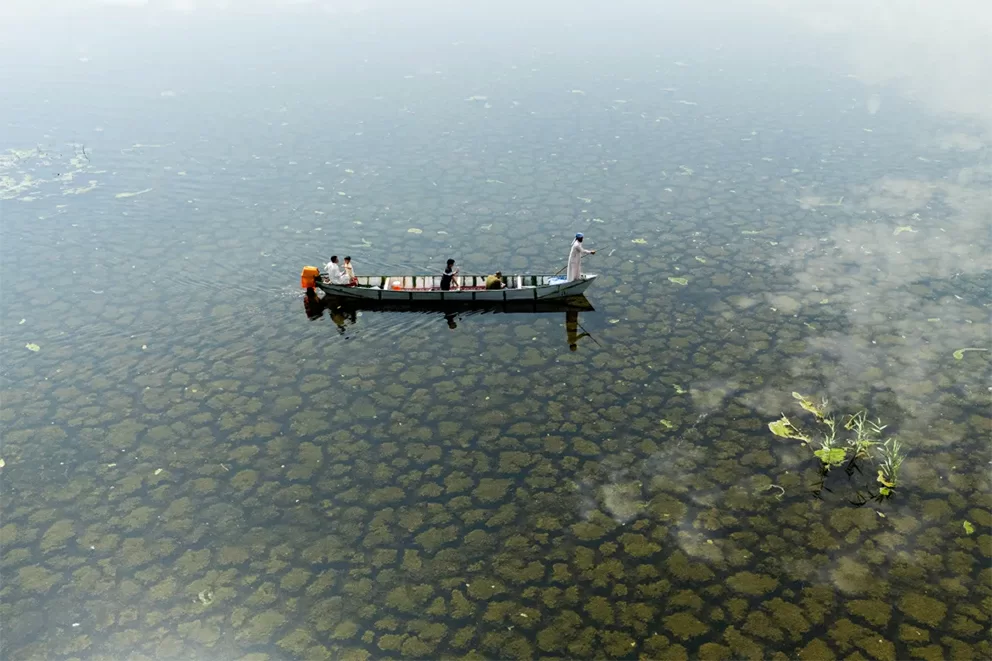
    Today, gliding across the marsh’s calm, sun-dappled waters in a wooden fishing boat reveals a landscape transformed. Lush green vegetation pokes through the spreading surface; water buffalo wallow in shallow pools or graze slowly on nearby thick, rich grass. Flocks of native and migratory bird species dart above the water, their silhouettes reflected clearly on the still surface, a quiet reminder of the biodiversity that this UNESCO-recognized ecosystem supports.

    For decades, the marshes have faced existential threat. Years of accelerating climate change have shrunk rainfall across the region, while upstream dam construction in neighboring Turkey, Syria and Iran cut off critical water flow that once fed the Tigris and Euphrates. By the last decade, more than 90% of the marshland had dried up, destroying fishing livelihoods, displacing thousands of Indigenous Marsh Arab communities, and driving countless native plant and animal species toward local extinction. Even the Hawizeh Marshes, the wettest and most resilient section of the greater Mesopotamian wetland system, had been reduced to a parched shadow of its former self by repeated dry seasons.

    But this year’s unusually heavy winter rainfall shifted the tide. Iraq’s Ministry of Water Resources reports that Tigris River reservoirs are now nearly full, and water levels on the Euphrates are expected to rise further in the coming days if neighboring Syria releases stored water from its upstream dams. Local environmental activist Ahmed Saleh Neema told reporters that the Hawizeh Marshes have not held this much water in more than a decade: approximately 85% of the protected wetland is now covered in water. While depths are still lower than historical averages, Neema notes that this level of water is already enough to guarantee the marsh will not dry out this summer, when regional temperatures regularly climb above 50 degrees Celsius — a threat that has doomed recovery efforts in past wet years.

    For local fishermen like Kazem Kasid, who has spent his life casting nets in the marsh, the return of water is more than an environmental win — it is the restoration of his community’s identity and future. Dressed in a traditional white abaya and keffiyeh as he navigates his wooden boat through newly flooded channels, Kasam told AFP, “Life will come back, along with the fish and the livestock, and people will feel that their homeland and their future have been restored.”

    The Mesopotamian Marshes hold enormous cultural, historical, and ecological value. As one of the largest wetland systems in the Middle East, it supports hundreds of species of fish, migratory birds, and megafauna that cannot survive anywhere else in the arid region. For centuries, Indigenous Marsh Arab communities have built their lives and culture around the marsh’s water and wildlife. While the current rebound is still fragile, and long-term threats from upstream development and climate change remain unresolved, the return of water to Hawizeh has given stakeholders a rare chance to protect and restore one of the world’s most unique cultural and natural landscapes.

  • Cross Border Effort Clears Tons of Garbage from Mopan River

    Cross Border Effort Clears Tons of Garbage from Mopan River

    In a landmark demonstration of transboundary environmental cooperation, community leaders and volunteers from Belize and Guatemala have joined forces to clear more than two tons of accumulated garbage from the Mopan River, a critical shared waterway that runs along the two countries’ shared border. The April 2026 initiative was organized quickly after viral social media footage exposed the severe pollution buildup along the riverbank just meters from the Belize-Guatemala dividing line, mobilizing nearly 40 local volunteers in less than a week. Spearheading the effort was Jorge Rosales, mayor of the Belizean town Benque Viejo del Carmen, who partnered directly with municipal counterparts from the adjacent Guatemalan town Melchor de Mencos to coordinate logistics and access for the cleanup team.

    Equipped with just two canoes and hand tools for waste retrieval, the joint volunteer crew worked along the polluted border stretch of the riverbank to collect 95 full bags of discarded waste, ultimately totaling approximately 2.35 tons of removed debris. Due to the site’s geography — the Guatemalan side’s public road is only 100 feet from the riverbank, compared to a much longer distance to the nearest road on the Belizean side — the team transported all collected waste to the Guatemalan side for proper disposal, a practical arrangement both municipalities agreed to streamline the effort. In an interview following the cleanup, Rosales emphasized the urgent need for action, noting that unaddressed waste would have been washed into the river and carried downstream to the Caribbean Ocean off the coast of Belize City during upcoming rainy seasons.

    Beyond the immediate removal of harmful debris, the project’s leaders say the cross-border collaboration sends a clear message: environmental stewardship does not stop at national borders. Rosales highlighted the fundamental importance of protecting shared water resources, closing his remarks with a simple, powerful reminder: “Water is life.” He extended gratitude to all participating volunteers and community members who contributed time and resources to the effort, and shared before-and-after photos of the cleanup site to the town’s official Facebook page to showcase the impact of the joint work and raise public awareness about ongoing pollution prevention. Local organizers on both sides of the border have already begun discussing plans to make the cross-border Mopan River cleanup an annual event, aiming to address ongoing waste accumulation and encourage long-term habits of proper waste disposal among communities along the river.