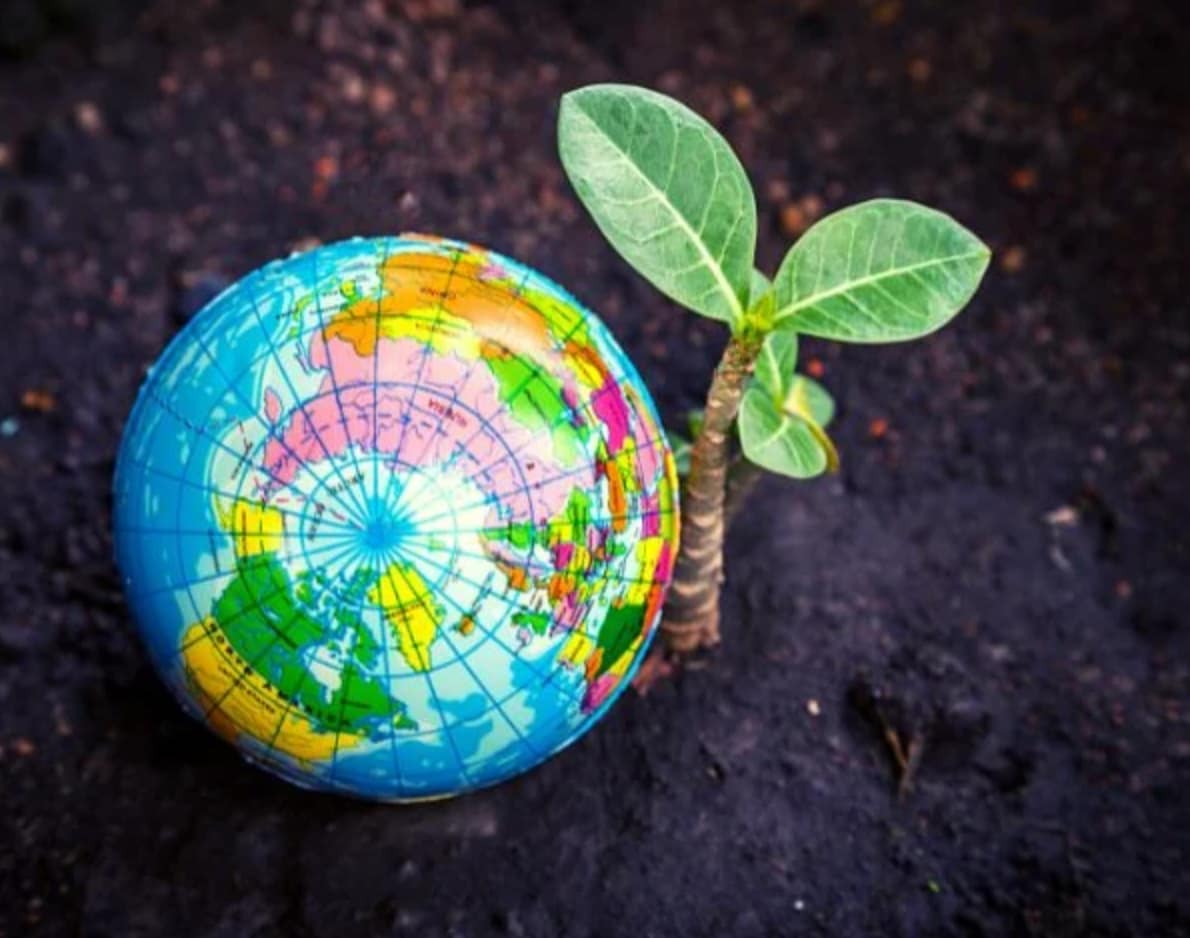
Small island developing states across the Caribbean are among the regions most vulnerable to the growing global plastic pollution crisis, with fragile coastal and marine ecosystems bearing the brunt of unmanaged plastic waste leakage. To address this urgent environmental challenge while advancing inclusive green economic growth, a new community-centered funding initiative, the Sustainable Small Grants Programme, has been launched to support locally led solutions that cut plastic pollution and build robust circular economy systems across five participating Eastern Caribbean nations.
### Core Mission and Strategic Objectives
The initiative is designed to deliver both environmental and social impact, with six clear core goals guiding its work. First, it seeks to drastically cut the volume of plastic waste that leaks into Caribbean land, coastal and marine environments. Second, it aims to scale up circular economy systems centered on reuse, recycling and material recovery. Third, the programme prioritizes economic empowerment for marginalized groups including women, young people and micro, small and medium-sized enterprises (MSMEs) through green economic opportunities. Additional objectives include strengthening local waste management infrastructure, supporting scalable community-designed environmental solutions, and improving sustainable production and material recovery practices across the region.
### Thematic and Geographic Scope
All projects funded through the programme must align with at least one of seven key thematic focus areas: plastic waste reduction and prevention at source, building formal recycling and reuse systems, developing sustainable circular economy business models, community-led waste collection and management, sustainable material recovery and processing, local green entrepreneurship, and the expansion of inclusive green value chains.
Geographically, the initiative is open to projects based in five eligible Caribbean island states: Antigua and Barbuda, Grenada, Saint Lucia, St. Kitts and Nevis, and St. Vincent and the Grenadines. Funding allocations are distributed equally across each of the five participating nations to ensure equitable access to resources across the region.
### Funding Structure and Timeline
The programme operates with a total combined budget of €400,000. Individual projects can apply for grants ranging from €30,000 to €80,000, depending on project scope and needs. All funded projects will have a maximum implementation period of 12 months, and all project activities must be fully completed no later than 1 August 2027.
### Eligibility Requirements for Applicants
To qualify for funding, applicants must be legally registered entities based in one of the five eligible countries. Eligible entities include community-based organizations, civil society organizations (CSOs), MSMEs and small enterprises, and local implementation partners with a proven track record of relevant environmental or development work.
Additional requirements for all applicants include a commitment to including women and youth in project leadership roles, the implementation of robust monitoring and evaluation frameworks to track impact, a limit of one application per organization, and a valid institutional bank account with multiple signatories for fund disbursement.
### Project Requirements and Priority Areas
All funded projects are required to center their work on widely recyclable plastic types including polyethylene terephthalate (PET), high-density polyethylene (HDPE) and polypropylene (PP). Projects targeting complex composite plastics are only approved if viable local processing solutions already exist. All proposals must demonstrate compatibility with existing local waste management systems, outline clear and viable recycling or reuse pathways for collected materials, establish or strengthen local and regional markets for recycled plastic products, and prove long-term economic and operational sustainability.
The programme prioritizes three broad categories of interventions. Upstream and midstream solutions including source reduction, reuse systems, product redesign and material circularity initiatives top the priority list. Downstream solutions including recycling infrastructure development, formal waste collection and sorting systems, and resource recovery processing are also heavily prioritized. Finally, community empowerment-focused projects, including women-led green enterprises, youth-led environmental action, and MSME participation in circular economy value chains, receive additional priority consideration during the review process.
### Expected Impact
By the end of the implementation period, funded projects are expected to deliver measurable progress across six key outcome areas: reduced plastic pollution in targeted local communities, strengthened local recycling and reuse infrastructure, the creation of sustainable green livelihoods for local residents, increased adoption of circular economy practices across the region, improved public environmental awareness and community participation in waste management, and the development of replicable, scalable community-led waste management models that can be adopted across other small island states.
### Why This Initiative Fills a Critical Gap
This programme responds to a unique set of challenges facing small island developing states in the Caribbean, where plastic pollution threatens critical tourism and fishing industries while damaging irreplaceable marine ecosystems that support local livelihoods. By centering community leadership rather than top-down external solutions, the programme builds local capacity while addressing pressing environmental needs. It also advances inclusive green growth by intentionally centering groups that are often excluded from economic opportunities in the environmental sector, strengthening local circular economy infrastructure, promoting sustainable resource use, and encouraging community-led innovation that can be scaled across the region and beyond.
### Common Application Pitfalls and Tips for Success
Programme administrators have outlined common mistakes that applicants should avoid when drafting proposals, including submitting projects with no clear recycling pathways for collected plastic, focusing on non-recyclable or complex composite materials without existing local processing solutions, failing to demonstrate economic viability or clear market linkages for recycled products, excluding women and youth from leadership roles, lacking measurable environmental outcome targets, and proposing projects incompatible with existing local waste management systems.
To build a competitive application, administrators advise applicants to focus on practical, locally appropriate plastic reduction or recycling systems, demonstrate clear existing local market demand for recycled materials, center community participation and local ownership of the project, explicitly highlight women and youth-led components, prove clear financial and operational feasibility, and align all project activities closely with core circular economy principles.
### Key Frequently Asked Questions
– What is the Sustainable Small Grants Programme? It is a targeted funding initiative supporting community-led plastic waste reduction and circular economy projects across five participating Caribbean island states.
– What is the range of funding available per project? Grants range from €30,000 to €80,000.
– Which countries are eligible to participate? The five eligible nations are Antigua and Barbuda, Grenada, Saint Lucia, St. Kitts and Nevis, and St. Vincent and the Grenadines.
– What is the maximum project duration? Projects can run up to 12 months, with all work required to be completed by 1 August 2027.
– What types of plastic does the programme prioritize? Projects targeting PET, HDPE and PP plastics are prioritized.
– Who is eligible to apply? Legally registered community groups, CSOs and MSMEs based in eligible countries can submit proposals.
– Can an organization submit more than one application? No, only one application per organization is permitted.