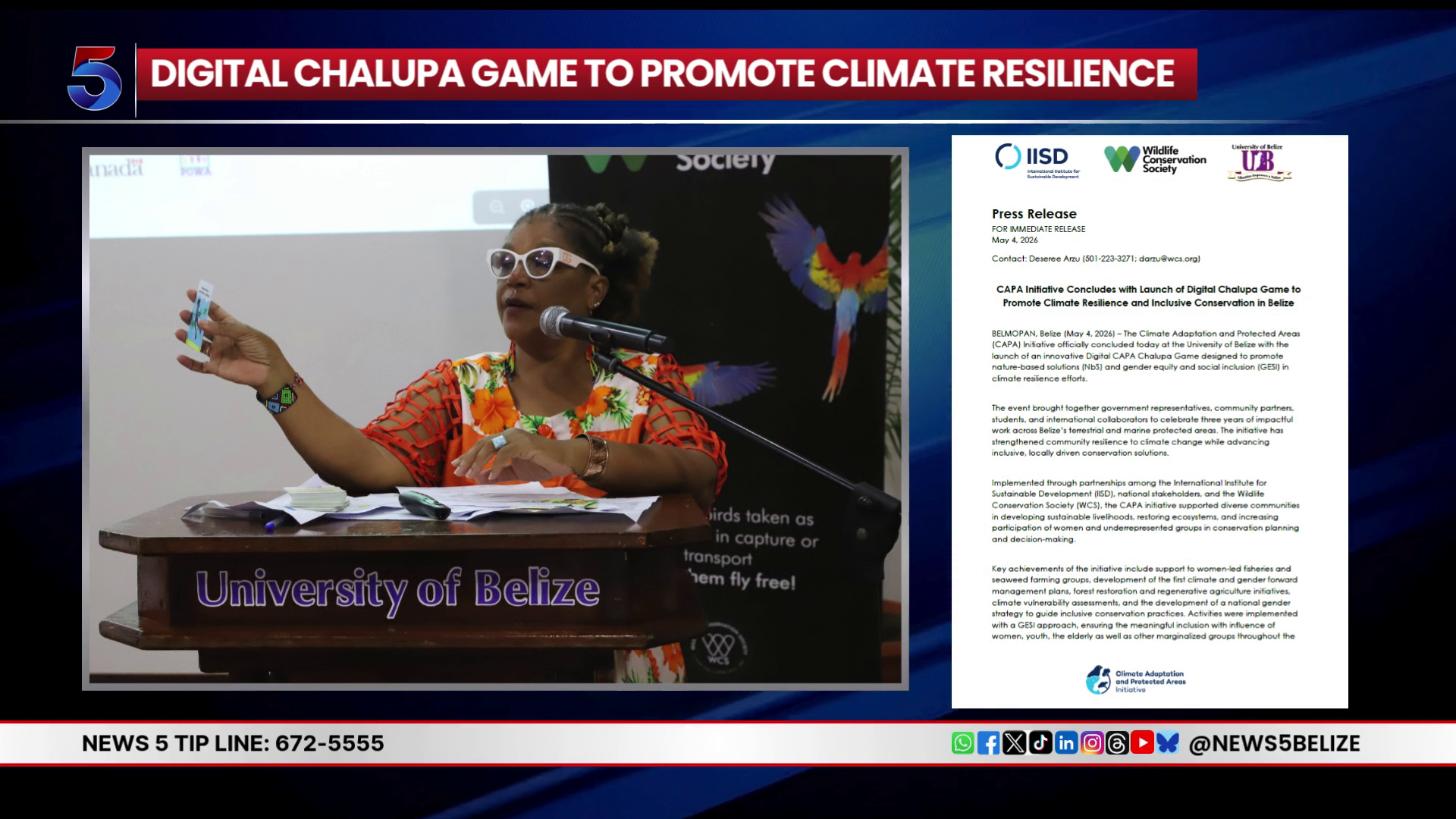
When one thinks of pairing local cultural traditions with global climate action, few would imagine a centuries-old childhood game taking center stage. But that is exactly what Belize has accomplished, wrapping critical lessons about conservation and climate resilience in a familiar, accessible format that resonates with audiences from primary school classrooms to local community centers. This innovative project marks the culmination of three years of collaborative work under the Climate Adaptation and Protected Areas (CAPA) Initiative, which wrapped up its formal programming in May 2026 with the launch of the digital chalupa game at the University of Belize.
Chalupa, a long-beloved traditional pastime across Belize, was not chosen at random. The initiative’s planners deliberately centered local culture to make complex, often intimidating climate topics approachable for people of all ages and backgrounds. What began as a community-focused adaptation effort has grown into a cross-generational educational tool that extends Belize’s climate messaging far beyond the borders of the country’s protected areas.
Over its three years of operation, the CAPA Initiative prioritized inclusive, community-led climate action rather than top-down policy planning. Core to its mission was lifting underrepresented voices—including women, youth, and marginalized groups that have historically been excluded from conservation and climate decision-making processes. This commitment to inclusion yielded tangible, on-the-ground results across Belize’s protected area network: targeted support for women-led small-scale fisheries and sustainable seaweed farming operations, large-scale native forest restoration projects, training and resources for regenerative agricultural practices, and the development of groundbreaking new management frameworks that integrate both climate resilience and gender equity. Beyond these local projects, the initiative’s work has also shaped national conservation policy, building momentum for a nationwide shift toward more inclusive, community-centered environmental stewardship.
Now, with the formal CAPA program coming to a close, organizers are ensuring its legacy endures through the digital chalupa game. Unlike dry academic textbooks or dense policy reports, the interactive digital tool turns lessons about climate adaptation and conservation into engaging play, making it accessible for students learning at home and educational groups across the globe. For the next generation of Belizean climate leaders, the game acts as both an entry point to environmental action and a celebration of local cultural identity.
Though the three-year CAPA Initiative has concluded its formal programming, its impact will continue to ripple through Belize’s communities and ecosystems. Stronger, more inclusive local governance, restored natural habitats, and a simple cultural game turned powerful educational tool ensure that the initiative’s mission will live on for years to come, proving that creative, culture-centered approaches to climate action can deliver lasting change.