分类: entertainment

  • ‘Calypso King of the World’ Mighty Sparrow Dies at 91

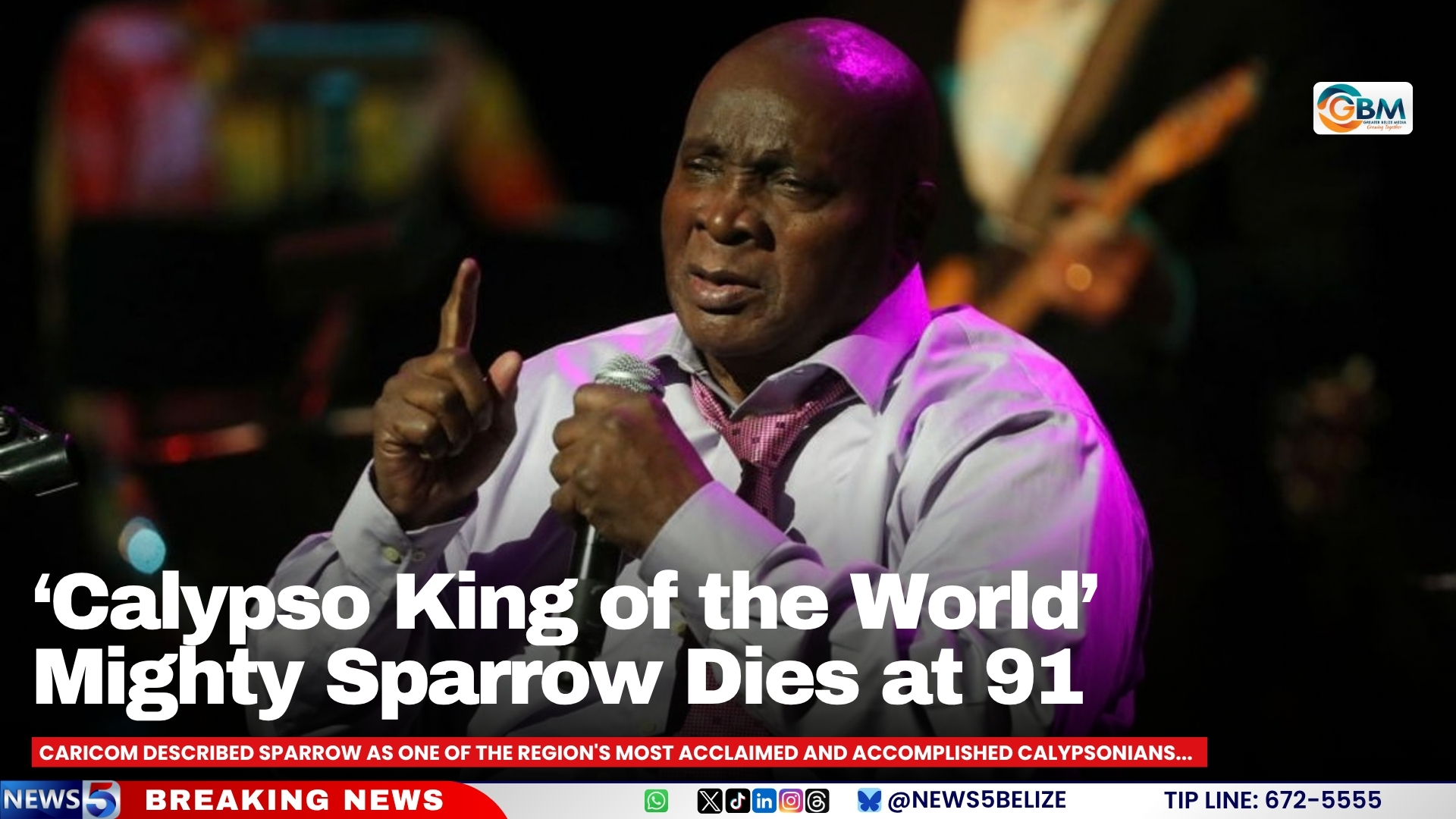
    ‘Calypso King of the World’ Mighty Sparrow Dies at 91

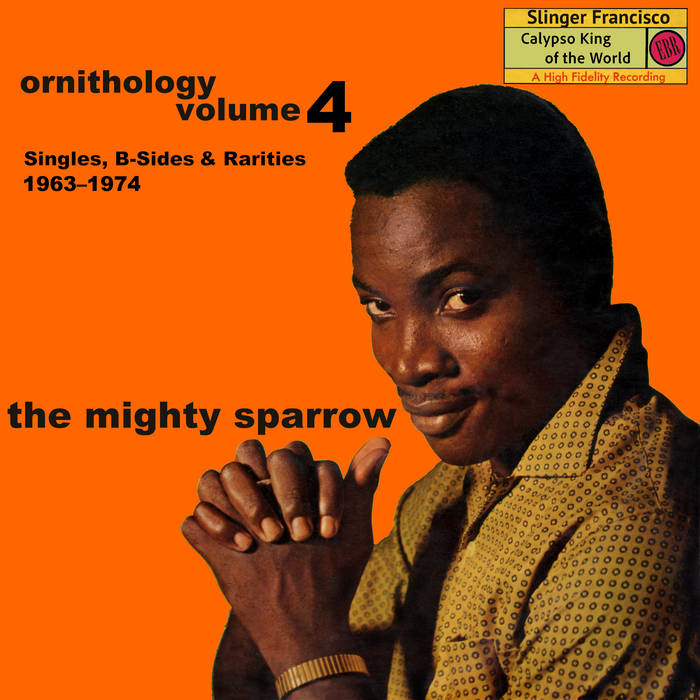
    The global entertainment and Caribbean cultural communities are mourning the loss of one of their most iconic figures: Slinger Francisco, the artist universally known by his stage name Mighty Sparrow and widely hailed as the ‘Calypso King of the World’, has died at the age of 91. His family confirmed the news in a public statement, sharing that he passed away peacefully on Sunday, September 27, at his home in New York following a short illness, with his loved ones by his side.

    In their tribute, Francisco’s family remembered him not just as a performer, but as a foundational institution of Caribbean entertainment, celebrated for his decades of contributions as a singer, songwriter, and mentor to emerging artists in the genre. Regional bloc CARICOM echoed that praise, recognizing Mighty Sparrow as one of the most decorated and influential calypsonians in the Caribbean’s history. In a formal statement, the organization noted that his work wove together the distinct rhythms and collective emotions of the Caribbean people, delivering sharp, thoughtful social and political commentary through an art form deeply tied to the region’s unique identity.

    Philip J. Pierre, Prime Minister of St. Lucia and current Chairman of CARICOM, emphasized that Mighty Sparrow gave the Caribbean a cultural voice that could not be mistaken for any other. Pierre added that his decades of music perfectly captured the struggles, victories, and everyday experiences of multiple generations of West Indians, cementing his place as a cultural storyteller for the entire region.

    Francisco’s story began in July 1935, when he was born in the small community of Grand Roy, Grenada. When he was just two years old, his family relocated to Trinidad and Tobago, the cultural hub where he would launch his legendary career. It was there that he adopted the stage name Mighty Sparrow, starting a professional journey that would stretch across more than six decades.

    His rise to regional fame began in 1956 with the hit calypso *Jean and Dinah*, the track that first established his reputation as a leading voice in the genre. Over the course of his career, he released hundreds of beloved tracks including fan favorites *Both of Them*, *Congo Man*, and *Mr. Walker*, each touching on topics ranging from everyday Caribbean life and personal relationships to pressing social issues.

    Beyond his regional impact, Mighty Sparrow is credited with bringing calypso to a global audience. He toured extensively, performing for packed audiences across the Caribbean, Europe, and the United States, including a landmark show at New York City’s iconic Madison Square Garden. By the end of his career, he had written more than 500 original calypsos and recorded over 70 full-length albums, according to CARICOM’s records. He also claimed multiple Calypso Monarch and Road March titles in his adopted home of Trinidad and Tobago, and was twice honored with the prestigious title of Calypso King of Kings.

  • Queen of Carnival Zainé Frederick Heads to St. Maarten for Second Regional Pageant

    Queen of Carnival Zainé Frederick Heads to St. Maarten for Second Regional Pageant

    After claiming the coveted national title of Antigua and Barbuda Queen of Carnival, 22-year-old pageant contender Zainé Frederick is gearing up for her next big challenge: stepping onto a regional competition stage in St. Maarten this weekend.

    Frederick will compete in the highly anticipated Essence & Mind Swimsuit Competition, an event that draws top pageant talent from across the Caribbean region. This marks the second regional pageant appearance for the reigning carnival queen since she took home the national crown earlier this year, extending her run as an ambassador for her twin-island nation beyond its borders.

    The official Antigua Barbuda Queen of Carnival organization confirmed Frederick’s upcoming participation in an official statement released to the public this past Tuesday, confirming the details of her travel and competition schedule. The pageant is scheduled to kick off at 8 p.m. local time on Saturday, October 3, where Frederick will go head-to-head with a cohort of skilled contestants from other Caribbean territories.

    Beyond individual competition, Frederick’s participation in the event carries broader meaning for her home country. As the sitting national carnival queen, her presence on the St. Maarten stage offers a high-profile opportunity to elevate Antigua and Barbuda’s profile across the regional entertainment and cultural space. In its statement, the organizing body issued a public call to action, urging all pageant supporters both within Antigua and Barbuda and among diaspora communities abroad to stand with Frederick as she competes, rallying behind her as she carries the nation’s flag in the regional circuit.

    For emerging Caribbean pageant talent, regional competitions like the Essence & Mind Swimsuit Competition serve as critical stepping stones to larger international opportunities, and Frederick’s run continues a long tradition of Antigua and Barbuda sending strong, dynamic representatives to showcase the nation’s cultural spirit on broader stages.

  • Mighty Pe’lay remembered on 15th anniversary of his death

    Mighty Pe’lay remembered on 15th anniversary of his death

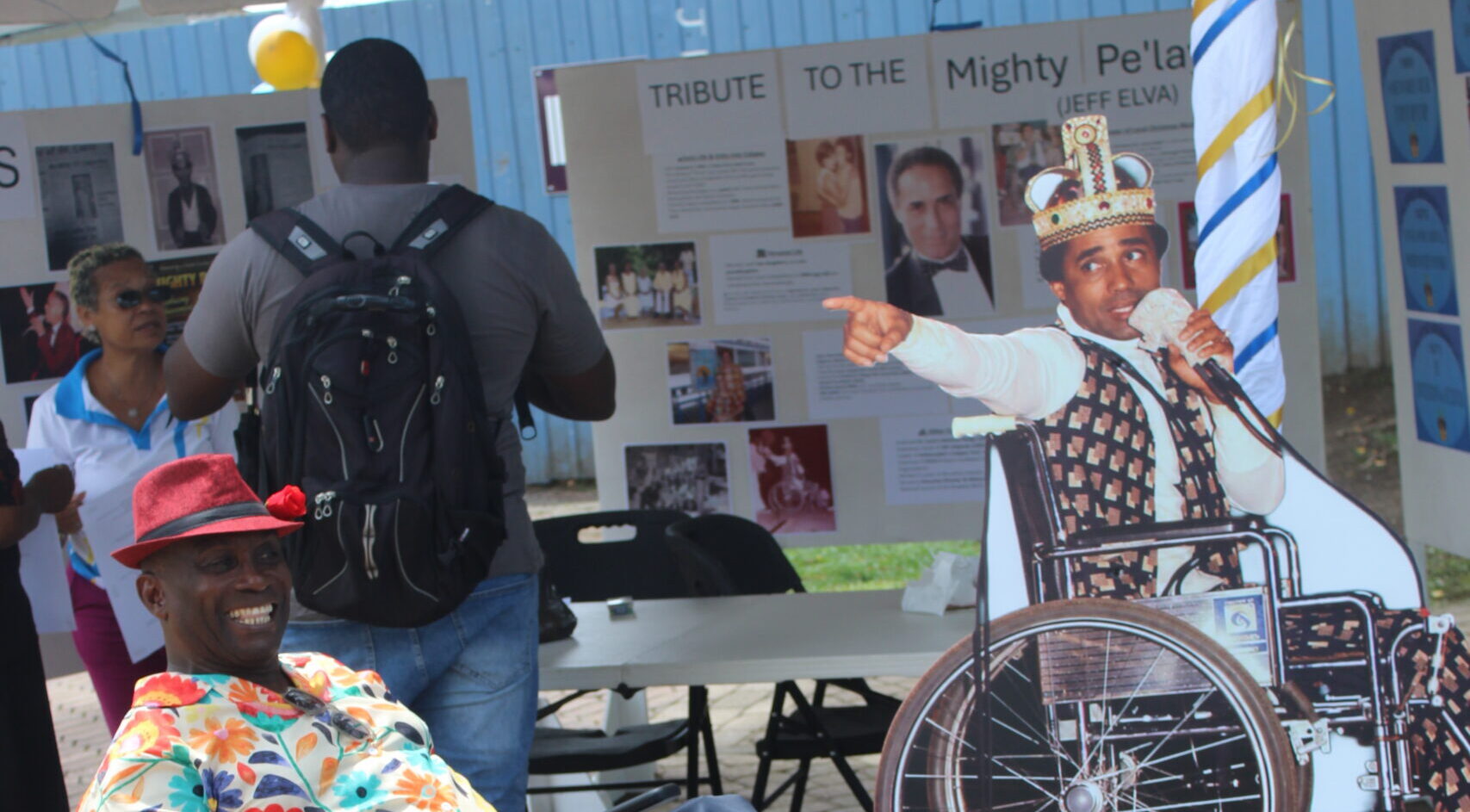
    Fifteen years following the death of one of Saint Lucia’s most celebrated cultural icons, legendary calypsonian The Mighty Pe’lay, the newly formed Calypso Review Committee (CRC) has honored his enduring legacy with a special curated exhibition and official commemoration ceremony at Castries’ Constitution Park this Monday.

    Born Jeff Pe’lay Elva and widely nicknamed “Mr. Consistency” for his consistent artistic excellence, the iconic performer passed away on September 28, 2011, at the age of 67, leaving behind a decades-long body of work that shaped Caribbean calypso and Saint Lucian national identity.

    Widely regarded as one of the most prolific songwriters in the island nation’s history, Pe’lay built his reputation on sharp, incisive social commentary, quick-witted political satire, and infectious party anthems that resonated with audiences across generations. His competitive career boasts an extraordinary list of achievements: he claimed the coveted Calypso Monarch title six times, won the Road March competition twice, and made history as Saint Lucia’s very first Soca Monarch when the inaugural competition launched in 1997.

    Beyond his performance accolades, Pe’lay’s creative output was staggering: he composed more than 300 original tracks for both his own performances and fellow artists, and broke new ground in Caribbean music when he released the region’s first full-length Christmas album in 1977. Perhaps his most lasting contribution to national life is penning Saint Lucia’s official National Pledge of Allegiance, a text that remains a core part of the country’s civic identity to this day.

    Pe’lay’s life story was marked by resilience in the face of devastating adversity. Born in Vieux Fort, he moved to the United States in the 1970s to pursue a degree in aeronautical engineering, a career path that was cut short when a serious car accident left him paralyzed from the waist down. Rather than abandoning his ambitions, he pivoted to the calypso stage, where he built a legendary career from his wheelchair, proving that his impact and determination far outstripped his physical limitations.

    Speaking at Monday’s event, CRC Chair Caron Tobiere framed the tribute exhibition as a small but meaningful celebration of Pe’lay’s life and work, noting that the event forms part of a much larger initiative to preserve and promote Saint Lucian calypso for future generations. “We saw this as a fitting tribute to celebrate him, but this is part of a bigger project,” Tobiere explained. “The CRC has come together to establish an organisation which will manage the music of carnival moving forward. We hope to do so pretty soon and this is one of the projects which we have undertaken.”

    That larger initiative will culminate in a comprehensive national calypso exhibition scheduled for November 22, which will trace the full history and evolution of the beloved genre across Saint Lucia. Lorna Lubron, a former president of the Saint Lucia Calypso Association, praised the CRC’s work organizing the Pe’lay tribute, emphasizing the late performer’s foundational role in building the island’s calypso community. “Pe’lay was certainly one of our leading calypsonians, and back in 1975 when the Saint Lucia Calypso Association was formed, he was an integral part of it along with Lord Jackson, Carro and others who made it happen,” Lubron said.

    Chris Norville, a relative of Pe’lay who addressed attendees at the ceremony, shared that his own Christmas Day birthday has created a special personal connection to Pe’lay’s pioneering Christmas album. “Although he is gone, that memory will always remain and I must say he carried our culture in his music,” Norville said.

    Ian Sanchez, a longtime music promoter and close friend of the late calypsonian, reflected on Pe’lay’s own prediction of his posthumous legacy. “I remember a few months before he died, he said … ‘when I die then you will all see how great I am,’” Sanchez recalled. “He was so right; although we became close, after he passed I learned so much more about him and the immense work he did. I am truly blessed to have known Jeff Elva and I will treasure those memories for the rest of my life.”

    Dozens of prominent current and former calypsonians attended the tribute, including Blaze, Invader and Jackson, with celebrated performer TC Brown delivering a moving special musical tribute to Pe’lay during the ceremony.

    In addition to his artistic contributions, Pe’lay was a revered advocate for people living with disabilities, and his lifetime of service and artistry earned him numerous national honors. He was appointed a Member of the Order of the British Empire (MBE) in 2009, awarded the Les Piton Medal and the Belgrave Medal for Lifetime Achievement, and was an early inductee into the Saint Lucia Music Hall of Fame.

  • EUROCINE 2026 to bring contemporary European cinema to Dominican audiences

    EUROCINE 2026 to bring contemporary European cinema to Dominican audiences

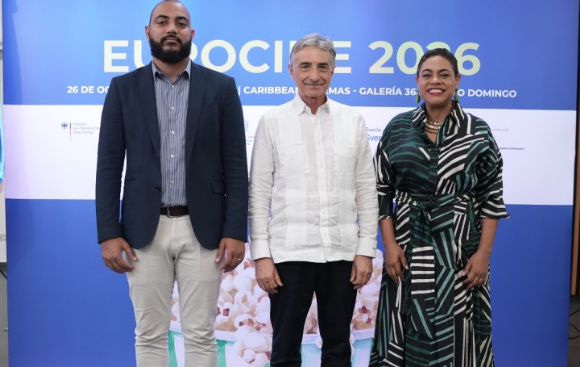
    A new chapter of cross-cultural cinematic exchange is set to launch in the Dominican Republic, with organizers officially unveiling plans for EUROCINE 2026, a curated festival celebrating the breadth of contemporary European film. The event, a collaborative effort between the European Union Delegation to the Dominican Republic, EU member states, Caribbean Cinemas, the Dominican Film Institute (DGCINE), and local production group Ebribari Audiovisual, aims to broaden Dominican film lovers’ access to underrepresented international cinematic voices.

    The 10-day festival will kick off on the evening of October 26 with the opening night selection *Gloria!*, a 2024 co-production between Italy and Switzerland. Marking the feature directorial debut of Italian creative Margherita Vicario, the period drama is set against the backdrop of an 18th-century Venetian girls’ boarding school, centering a talented young composer who dares to push back against the rigid gender and artistic conventions of her era.

    Closing the festival will be *Pepe*, a multi-national 2024 co-production between the Dominican Republic, Germany, France, and Namibia. The film is led by Dominican director Nelson Carlos de los Santos Arias, who earned global critical acclaim and the prestigious Silver Bear for Best Director at the 2024 Berlin International Film Festival for his work on the project.

    Overall, the 2026 festival lineup brings together 14 feature films from 11 European nations, including Italy, France, Germany, Spain, Sweden, Romania, Ireland, Hungary, Greece, Finland, and the Netherlands. Curators have prioritized highlighting diverse storytelling perspectives, supporting international co-productions, and sharing work from independent filmmakers whose projects rarely receive commercial screenings in Dominican theater chains.

    Representatives from the European Union and partner local cultural organizations emphasized that the festival fills a key gap in the Dominican cultural landscape, creating sustained space for cross-cultural dialogue between European and Caribbean creative communities while giving local audiences greater opportunity to engage with global cinematic work outside of mainstream Hollywood releases.

    Film enthusiasts interested in attending can access the full festival schedule, venue information, and ticketing details through the official social media channels of the EU Delegation in the Dominican Republic, which can be found under the handle @unioneuropeard.

  • Condolences on the passing of Slinger Francisco, the Mighty Sparrow

    Condolences on the passing of Slinger Francisco, the Mighty Sparrow

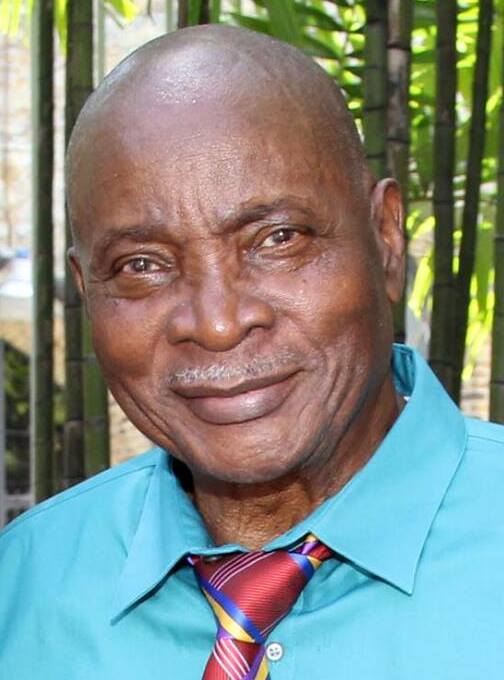
    The Caribbean cultural community is in mourning this week following the death of Slinger Francisco, the globally celebrated calypso icon better known by his stage name The Mighty Sparrow. The Grenada-born performer, who built his legendary career across the Caribbean and the world, leaves behind an unmatched legacy that reshaped calypso music and defined regional cultural identity for generations.

    In an official statement of condolence, Senator the Honourable Adrian Thomas, Grenada’s Minister for Tourism, the Creative Economy and Culture, joined the people of Grenada, Carriacou, Petite Martinique, and cultural communities across the Caribbean in honoring Sparrow’s life and work.

    Born in the rural coastal community of Grand Roy, St. John, Grenada, Sparrow spent the bulk of his career and made his permanent home in Trinidad and Tobago. Despite his relocation early in his career, his Grenadian origins have remained a point of enduring national pride for the island nation.

    More than just a musical performer, Sparrow was a multi-faceted artist: a gifted storyteller, incisive social commentator, and globally recognized cultural ambassador for the Caribbean. His songwriting drew directly from the lived experiences of Caribbean people, weaving together stories of struggle, triumph, everyday humor, and collective hope into every composition. Through his commanding vocal delivery, sharp one-of-a-kind wit, and masterful command of language, he elevated calypso from a popular musical genre to a dynamic platform for public education, political critique, social awareness, and communal celebration.

    Many of his best-known works – including the iconic tracks *Jean and Dinah*, *Dan Is the Man*, *Education*, and *Slave* – have long outgrown their status as popular music to become foundational pieces of Caribbean cultural heritage. These compositions preserve the voices, histories and collective memories of generations of Caribbean people, remaining culturally relevant decades after they were first recorded.

    For Grenada, Sparrow’s life and career carry particular symbolic weight. His trajectory from a humble rural upbringing on a small Caribbean island to international stardom that redefined regional culture is a testament to the extraordinary artistic talent nurtured in the Caribbean’s small island nations, and the outsized, lasting impact that artists from the region can leave on the global cultural landscape.

    Minister Thomas emphasized that Sparrow’s enduring legacy underscores the critical importance of three core priorities for Caribbean cultural policy: preserving the region’s unique musical heritage, investing in working local artists, and educating younger generations about the pioneering creators who laid the foundation for modern Caribbean culture.

    On behalf of Grenada’s Ministry of Tourism, Creative Economy and Culture, as well as the government and people of Grenada, Minister Thomas extended sincere condolences to Sparrow’s immediate family, close friends, fellow calypso artists, the government and people of Trinidad and Tobago, and the broader Caribbean cultural community.

    “May we all find comfort in the cherished memories of a son of the Caribbean whose life and artistry enriched our collective cultural heritage and whose contributions will continue to resonate across generations,” Thomas wrote in his statement. “The Mighty Sparrow may have sung his final song, but his voice will forever echo in the hearts of Caribbean people. His music, his message and his remarkable legacy will continue to inspire generations yet to come. May his soul rest in eternal peace.”

    This statement was published via contributor platform to NOW Grenada, which notes that it does not take responsibility for the content or opinions shared by contributing authors.

  • St. Kitts and Nevis: Minister mourns death of cultural icon Larry Lucien “Alamoulou” Armony – WIC News

    St. Kitts and Nevis: Minister mourns death of cultural icon Larry Lucien “Alamoulou” Armony – WIC News

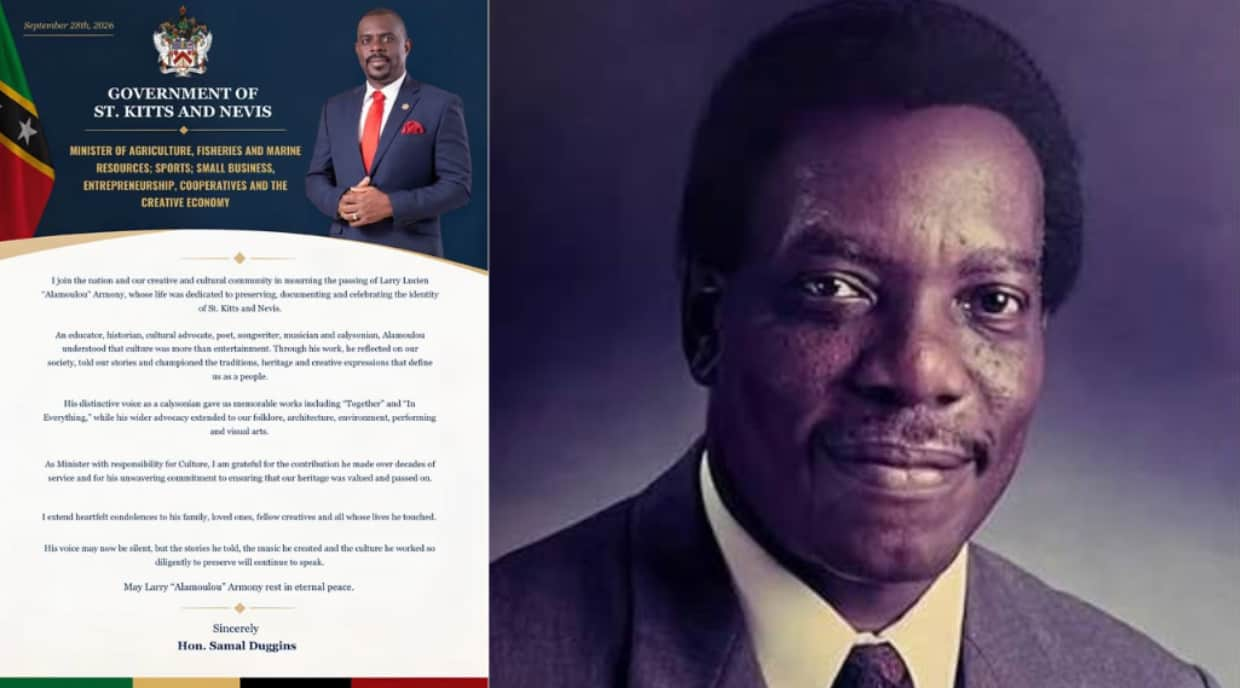
    The small Caribbean nation of St. Kitts and Nevis is united in grief this week following the death of one of its most influential cultural stewards, Larry Lucien “Alamoulou” Armony, who passed away on September 22, 2026, at the age of 80. Samal Duggins, the country’s Minister of Agriculture and the official responsible for cultural policy, has released a formal statement honoring Armony’s decades of transformative contributions to the nation’s artistic and heritage landscape, extending deep condolences to the icon’s family, friends, and the broader Caribbean creative community.

    In his tribute, Duggins emphasized that Armony’s life’s work extended far beyond the realm of performance, framing his legacy as one of deliberate dedication to protecting, codifying, and amplifying the unique national identity of St. Kitts and Nevis. A multi-hyphenate creative and thinker, Armony built a career spanning six core roles: educator, historian, cultural advocate, poet, songwriter, musician, and celebrated calypsonian – a tradition of folk musical commentary central to Caribbean culture. Unlike many who reduce culture to mere leisure entertainment, Duggins noted, Armony always understood its foundational power to shape collective identity and bind communities across generations.

    Through every project he undertook, Armony held up a mirror to St. Kitts and Nevis society, centered untold local stories, and championed the folk traditions, shared heritage, and original creative expressions that define the nation’s people, Duggins added. As a calypsonian, Armony’s singular voice produced enduring works that remain staples of local cultural life, most notably the beloved pieces *Together* and *In Everything*. His advocacy reached far beyond calypso, however, encompassing nearly every corner of St. Kitts and Nevis’ cultural ecosystem: he worked to protect national folklore, preserve historic local architecture, advance environmental conservation tied to cultural heritage, and lift up both performing and visual arts across the islands.

    “As Minister with responsibility for Culture, I am grateful for the contribution he made over decades of service and for his unwavering commitment to ensuring that our heritage was valued and passed on,” Duggins wrote in the statement. The minister closed his tribute by noting that while Armony’s physical voice has been silenced by death, the stories he shared, the music he composed, and the cultural legacy he spent a lifetime safeguarding will continue to resonate with the people of St. Kitts and Nevis for generations to come. He ended with a final wish: “May Larry ‘Alamoulou’ Armony rest in eternal peace.”

  • Antigua And Barbuda Art Week 2026 Student Art Competition Launches

    Antigua And Barbuda Art Week 2026 Student Art Competition Launches

    The Antigua and Barbuda Tourism Authority has officially opened submissions for the 2026 Antigua and Barbuda Art Week Schools’ Art Competition, an annual initiative designed to uplift young creative talent across the twin-island nation. Now marking its fourth iteration, the 2026 Art Week celebration will run from November 11 to 18, centered on elevating the creative voices, cultural perspectives, and artistic potential of the country’s next generation of creators. This year’s student competition carries the evocative theme “The Rhythm of the Islands”, which invites participants to dig into the unique energy and character that defines daily life across Antigua and Barbuda.

    Unlike generic art contests, this competition is framed as more than a prize-driven event. It offers young local artists a dedicated public platform to showcase their original work, while encouraging them to reflect on the distinctive elements that make their home one-of-a-kind. The open-ended theme encourages a wide range of interpretations: students are invited to draw inspiration from everything that makes up the island’s rhythmic identity, from iconic local music and vibrant annual festivals to long-held cultural traditions, quiet daily moments, the stunning natural landscape, tight-knit community bonds, and the people who call the islands home. Each participant is encouraged to translate their personal experience of “The Rhythm of the Islands” into a unique visual artwork.

    Mauricia Frith, lead organizer of the Art Week Student Art Competition, shared her perspective on the initiative’s core mission. “We want this competition to be more than just a chance to win a prize,” Frith explained. “It is an opportunity for our students to express themselves, celebrate where they live and show us Antigua and Barbuda, as they experience it. I am especially excited to see how each student interprets ‘The Rhythm of the Islands’ in a way that is uniquely their own.”

    The competition is open to all primary and secondary school students between the ages of 7 and 17, with entries split into three age-based categories to ensure fair judging: 7 to 9 years old, 10 to 12 years old, and 13 to 17 years old. First, second, and third place winners will be selected in every division, with specialized industry-related prizes awarded to each top finisher. Following the competition, all winning artworks will be displayed as part of the official Antigua and Barbuda Art Week exhibition at V. C. Bird International Airport, giving the young creators’ work exposure to thousands of local and international visitors.

    To be eligible, students may only submit one original piece that aligns with the competition theme. All artworks must meet specific size requirements, falling between 14 inches by 14 inches and 14 inches by 16 inches. Accepted mediums include a range of accessible materials: quick-drying paint, watercolor, acrylic, pencil crayons, wax crayons, and collage. Works must be created on approved supports: Manila paper, watercolor paper, or Bristol board. All completed entries must be submitted to the Antigua and Barbuda Tourism Authority’s office at the 1st Floor, John E. St. Luce Building on Factory Road by 12:00 p.m. local time on Friday, November 6, 2026.

  • Mighty Sparrow: The professor who never held a chair

    Mighty Sparrow: The professor who never held a chair

    It was around 4 p.m. on Sunday, September 27, that Slinger Francisco — better known to the world as the Mighty Sparrow — was reported to have passed away. For Professor C. Justin Robinson, Pro Vice-Chancellor and Principal of The UWI Five Islands Campus, the news gave him pause: this was far from the first time rumors of the legendary calypsonian’s death had circulated, a pattern the artist himself leaned into repeatedly over his decades-long career.

    Back in 1959, Sparrow first pushed back against early false death rumors with his track *Simpson*, and a decade later, he doubled down with the iconic 1969 calypso *Sparrow Dead*, a sharp, playful rebuke that mocked the gossip mongers and challenged unfounded claims about his failing health. For Robinson, who grew up in St. Vincent, Sparrow’s music was the constant soundtrack of his childhood, blasting from family radios and becoming the unofficial anthems of a generation. Tracks like *Capitalism Gone Mad*, *Where the Lizard*, *Education, Dan is Man*, and *Wanted Man* were memorized line for line, and even the author’s religious relatives couldn’t resist singing along to the famously cheeky line “all saltfish sweet” — an inside joke only West Indian audiences can fully appreciate.

    Robinson, a trained economist, recalls that while he learned formal economic and political theory in lecture halls across the Caribbean, the United States, and the United Kingdom, his earliest and most lasting lessons in political economy came from Sparrow: a Grenada-born, Trinidad-bred calypsonian whose music reached every corner of the Caribbean diaspora. Unlike many academic analysts, Sparrow broke down complex social, political, and economic issues in the everyday language of Caribbean people, wrapping sharp critique in catchy, danceable melodies that stuck with listeners long after the song ended. For that reason, Robinson counts him among the most incisive and effective social thinkers the Caribbean has ever produced.

    Take *Jean and Dinah*, the 1956 track that launched Sparrow’s legendary career and still ranks as the greatest calypso ever written in Robinson’s estimation. On its surface, the song is a lighthearted, humorous story about sex workers in Port of Spain losing their steady client base after American soldiers withdrew from the Chaguaramas military base. But beneath the playful lyrics lies a cutting analysis of post-colonial sovereignty and the economic fragility that comes when a local economy becomes entirely dependent on foreign spending. Decades later, that analysis still holds weight.

    Another standout, 1962’s *Federation!*, was released as the West Indies Federation collapsed. Sparrow’s diagnosis — that small regional states were divided by oversized egos and a failure to recognize that collective strength outweighed individual gain — remains just as accurate 64 years later, when regional integration still struggles to take root. For schoolchildren of the mid-20th century, *Dan is the Man* hit especially close to home, as the track pulled apart the absurdities of a colonial-era curriculum line by line, a critique that still resonates with modern observers debating the future of the Caribbean Examinations Council (CXC). When Trinidad and Tobago swung from a 1970s oil boom to a crippling 1980s bust that forced an IMF bailout, Sparrow responded with *Capitalism Gone Mad* — a musical breakdown of import cost-push inflation that remains clearer and more accessible than most textbook explanations of the concept.

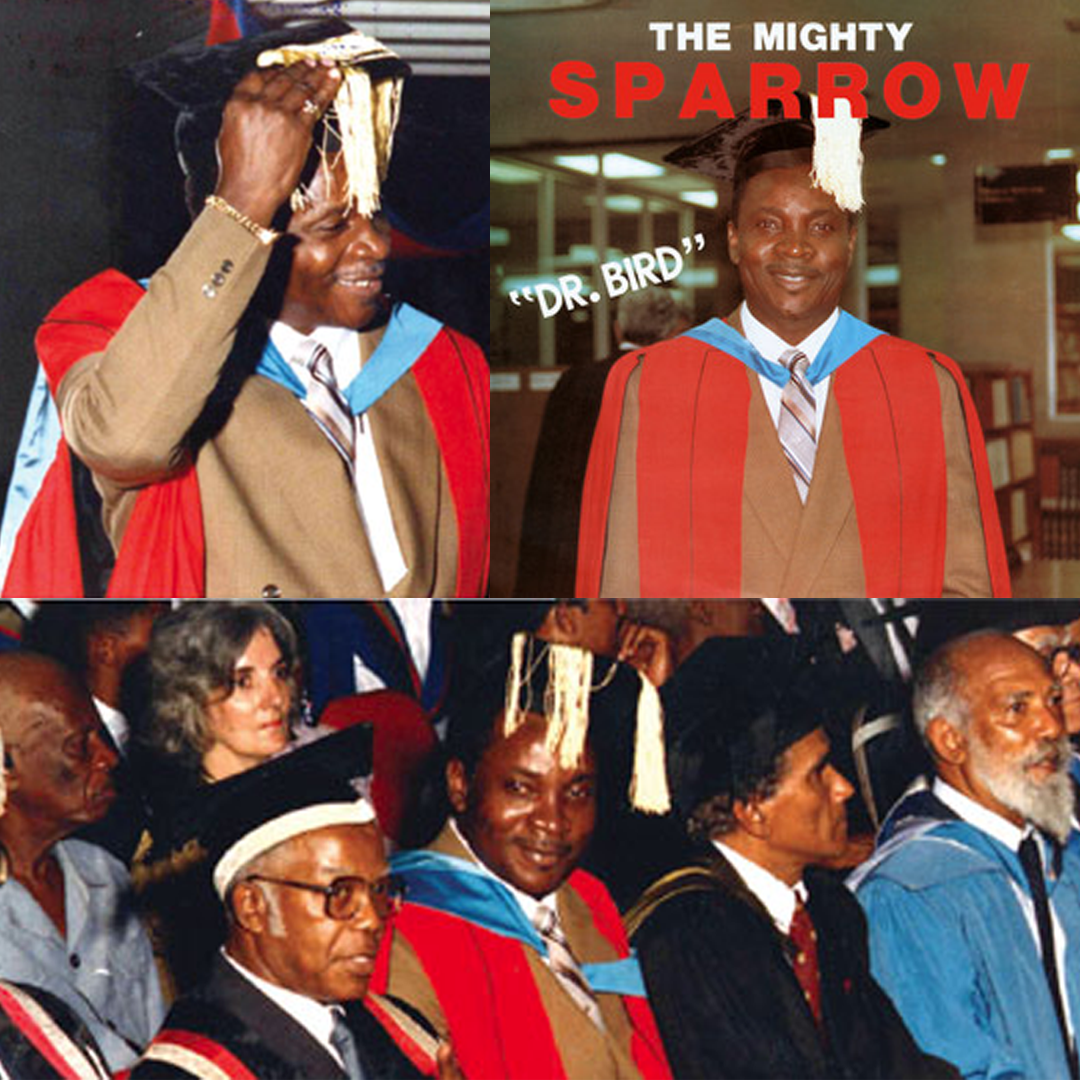
    Celebrated by the region’s most prominent thinkers, Sparrow’s legacy has long been validated by Caribbean academic circles. The iconic Trinidadian intellectual CLR James described him as a genuinely West Indian artist, unapologetically rooted in the lived experience of ordinary people. UWI scholar Professor Gordon Rohlehr dedicated decades of research to documenting Sparrow’s impact, titling his essay collection on the artist *My Whole Life is Calypso*, a line that perfectly sums up Sparrow’s identity and legacy. In 1987, The University of the West Indies recognized his contributions by awarding him an Honorary Doctor of Letters (DLitt) — a decision Robinson calls one of the institution’s finest.

    For a Caribbean region that still often relies on external validation, funding, and leadership, Robinson argues that Sparrow’s career is a critical case study for the modern global order. Sparrow built his craft locally, owned his work fully, and exported his talent to the world with unshakable confidence, proving that Caribbean excellence could stand on its own without outside approval.

    Sparrow never pretended to be a perfect saint, and Robinson is quick to acknowledge that. As one Vincentian calypsonian once put it to him: “Sparrow sings too much smut.” His work was often racy as often as it was profound, and he would have laughed off any tribute that tried to sanitize his legacy for polite society. A core part of his genius was his refusal to choose between being respectable and being real — he gave audiences both, often in the same verse.

    Even late in his career, Sparrow continued to defy expectations. Robinson recalls being amazed when the calypsonian returned to win the Carnival crown in 1992 with the tracks *Both of Them* and *Survival*. As Robinson puts it, Sparrow was a public intellectual through and through — he just never held an academic chair.

    As one of Robinson’s friends wrote after the news of his 2024 passing broke: “Well boys, Kitch gone, Melody gone and now the Birdie gone too. They have left us with a wonderful legacy.” For the Caribbean and the global calypso community, the legend’s final lecture has ended — but the lessons he left behind will continue to resonate for generations.

    (Disclaimer: This content reflects the personal perspective of the contributor, not the official stance of NOW Grenada.)

  • FILSD 2026 brings live Dominican music to the Oasis Lúdico every night

    FILSD 2026 brings live Dominican music to the Oasis Lúdico every night

    SANTO DOMINGO — The 28th edition of the Santo Domingo International Book Fair (FILSD 2026) is breaking traditional boundaries between literary and artistic expression, placing Dominican music front and center as a core attraction of this year’s event. For six straight evenings, local musicians and ensembles will take the stage at the Oasis Lúdico cultural space, located within the iconic Plaza de la Cultura Juan Pablo Duarte, to showcase the depth and diversity of the Dominican Republic’s rich musical heritage.

    All nightly performances kick off at 8:00 p.m. at the Juan Lockward Bar, situated within the Eduardo Brito National Theater. The curated lineup spans nearly every corner of Dominican musical tradition, spanning everything from intimate singer-songwriter storytelling and lush romantic ballads to time-honored folkloric pieces, smooth jazz, and the country’s world-famous merengue and bachata styles, alongside innovative cross-genre fusion projects.

    The concert series launched on Monday, September 28, opening with a dynamic set from Emmanuel Bretón and his full ensemble. Tuesday’s evening featured a performance from Marakandé, the genre-bending group led by celebrated percussionist David Almengod.

    The midweek lineup continues Wednesday with Patricio Bonilla & Boni Jazz, who will bring their signature blend of Latin jazz, upbeat merengue, and infectious tropical rhythms to the stage. Thursday evening will be dedicated to romantic repertoire, with vocalist Rose Mateo and her group delivering a soulful, intimate set of love songs.

    Friday’s headlining slot goes to pioneering singer-songwriter Xiomara Fortuna, an artist widely recognized for her creative fusion of traditional Dominican folk sounds with jazz, rock, and contemporary tropical rhythms. The six-night concert series will wrap up on Saturday, when Samuel González and his ensemble will close out the program with a curated set of boleros, classic bachatas, and original reimaginings of iconic jazz standards.

    Organizers note that this integrated musical program adds an entirely new, immersive layer to the book fair’s experience, creating a dynamic shared space where literature, local audiences, and diverse Dominican artistic expressions converge to celebrate the country’s cultural identity.

  • Prof. Justin Robinson Remembers the Mighty Sparrow: ‘The Professor Who Never Held a Chair’

    Prof. Justin Robinson Remembers the Mighty Sparrow: ‘The Professor Who Never Held a Chair’

    When news broke of Mighty Sparrow’s passing at around 4 p.m. on Sunday, September 27, I paused before accepting it. After all, this was not the first time rumors of the legendary calypsonian’s death had circulated – and he had turned those false reports into art decades earlier. Back in 1969, Sparrow recorded the iconic calypso *Sparrow Dead*, a sharp, playful rebuke that mocked the false gossip about his failing health and turned death hoaxes into one of his most memorable tracks.

    Growing up in St. Vincent, Sparrow’s music was a constant backdrop to my childhood, streaming from every radio and woven into the fabric of daily community life. His tracks were more than songs – they were our collective anthems. From *Capitalism Gone Mad* to *Where the Lizard*, *Education*, *Dan is Man*, *Wanted Man* and dozens more, his work was the soundtrack of our youth. Even my deeply religious relatives could not resist singing along to his line “all saltfish sweet” – a joke that only a West Indian can fully appreciate. I still recall celebrating with Chrys Ralph when he returned home and took the road march title with *Don’t Back Back on me*, and to this day, the sharp, cutting wit of *Lying Excuses Parts 1 and 2* remains unmatched in calypso.

    I have never had a trained ear for music, which is why I always gravitated toward Sparrow’s brilliant lyrics. He had an unmatched gift for wrapping complex social and political issues in witty, catchy, accessible verse that resonated with everyday people. As I grew older and entered academia, I came to a clear conclusion: Sparrow was one of the sharpest social analysts the Caribbean region has ever produced. He was far more effective at communicating hard truths to the public than any trained academic, because he shared his analysis in public spaces, in the everyday language of Caribbean people, backed by a infectious chorus that stuck in your head for days.

    I studied economics in lecture halls across the Caribbean, the United States, and the United Kingdom, but some of my earliest and most lasting lessons in political economy came from this Grenada-born, Trinidad-raised calypsonian, whose music reached every corner of the world where West Indians gathered with a radio. His 1956 breakout hit *Jean and Dinah*, which launched his legendary career, is still the greatest calypso ever written in my view. On the surface, it is a humorous story about American soldiers withdrawing from the Chaguaramas military base, leaving Port of Spain’s sex workers without their main source of income. But beneath the lighthearted tone, it offers a searing analysis of national sovereignty reclamation and the economic impact of losing the foreign spending that a dependent local economy has come to rely on.

    Three years after that breakout hit, he released *Simpson* to push back against early death hoaxes, a pattern that would repeat through his career. As the West Indies Federation teetered and collapsed in 1962, Sparrow released *Federation!*, his diagnosis of the union’s failure. He called out the toxic combination of small states with oversized egos, and the collective failure to recognize that the region was far stronger united than divided. That analysis remains just as accurate 64 years later, as Caribbean nations still grapple with the same question of regional integration.

    For those of us who were students in the mid-20th century, *Dan is the Man* remains endlessly relatable. It follows a working-class young man who systematically dismantles the absurdity of the colonial education curriculum, line by line. Today, as many call for the Caribbean Examinations Council (CXC) to be scrapped entirely, Sparrow’s song holds a key lesson: while CXC must be held accountable for its shortcomings, destroying the institution entirely is not the answer.

    In the 1980s, when Trinidad and Tobago – long the Caribbean’s oil-rich economic powerhouse – went from a crippling oil boom to a devastating bust and was forced into an IMF restructuring program, Sparrow released *Capitalism Gone Mad*. You will not find a clearer, more accessible explanation of import cost-push inflation anywhere in academic textbooks, and it is set to one of the catchiest melodies Sparrow ever wrote.

    Legendary Caribbean thinker CLR James once described Sparrow as a genuinely West Indian artist: rooted in working people, unapologetically speaking for their experiences and concerns. University of the West Indies scholar Gordon Rohlehr spent decades documenting this truth in his academic work, and titled his collection of essays on Sparrow *My Whole Life is Calypso* – a phrase that perfectly sums up the singer’s life and legacy. In 1987, UWI awarded Sparrow an honorary Doctor of Letters, a decision that remains one of the wisest the institution has ever made.

    Even today, the Caribbean too often waits for outside validation, funding, and salvation from foreign powers. In that context, Sparrow’s decades-long career is a critical case study for what the region needs to thrive in the new global order. Sparrow built his excellence locally, owned his work locally, and exported it to the world with unshakable confidence.

    Sparrow was no saint, and he never pretended to be. A Vincentian calypsonian once told me that Sparrow sang too much raunchy material, and it is true: his songs were just as often racy as they were profound. He would have laughed at any tribute that tried to sanitize his legacy or smooth over his rough edges. A core part of his genius was that he refused to be forced into a false choice between being respectable and being real – he gave us both, often in the same verse.

    I still remember the shock and joy when, at an age when most performers have long retired, Sparrow came back to win the calypso crown in 1992 with *Both of Them* and *Survival*. For all his insight and impact, Sparrow was a public intellectual who never held an endowed academic chair at a university.

    As a friend of mine wrote after his passing: “Well boys, Kitch gone, Melody gone and now the Birdie gone too. They have left us with a wonderful legacy.” Now, the great Birdie’s lecture has come to an end, but the lessons he left us will never fade. Rest well, Mighty Sparrow.