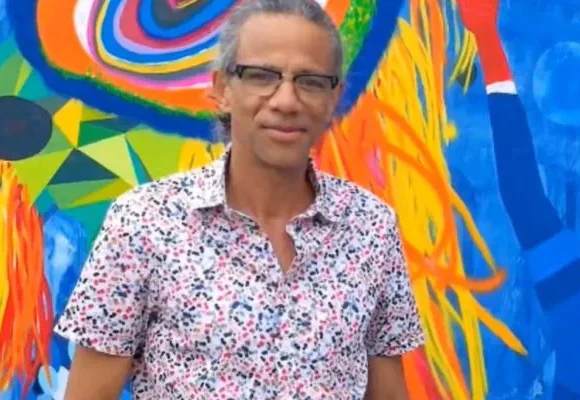
Santo Domingo – The Dominican College of Visual Artists (CODAP) officially announced the passing of Héctor Ledesma, one of the Dominican Republic’s most influential painters, interdisciplinary visual creators and dedicated art educators, whose decades-long career reshaped and elevated the nation’s contemporary art landscape for generations of emerging creators.
Born in 1967, Ledesma launched his formal artistic journey in the late 1980s, receiving foundational hands-on training between 1988 and 1989 under the tutelage of legendary Dominican art masters Pedro Pablo Méndez and Albertos Bass. He went on to pursue structured advanced studies across some of the region’s most prestigious art institutions, including the Altos de Chavón School of Art and Design, APEC University, the National School of Fine Arts, and the progressive PROPUESTA art school, honing a technical skill set that would soon evolve into a one-of-a-kind creative voice.
Ledesma carved out a singular, instantly recognizable artistic style that reimagined core facets of Caribbean cultural identity through sharp, intentional geometric compositions and a bold, unapologetic palette of saturated, warm hues. He wove intimate, familiar threads of everyday Dominican life into every piece, from the quiet communal ritual of domino games in neighborhood streets to the explosive, vivid pageantry of national carnival celebrations, grounding his abstract formal experiments in deeply relatable local cultural context.
His creative footprint stretched far beyond the borders of his home country: during an extended residency in Madrid, Spain, he mastered the specialized craft of artistic screen printing, and later held creative stints in Boston and New York, where he connected with global contemporary art circuits. His works were featured in curated exhibitions at leading museums and galleries across Europe, the United States, and Latin America, earning spots in both major public institutional collections and prominent private art holdings worldwide.
As of official announcements, Ledesma’s remains are being laid in repose at the Blandino Funeral Home in Sabana Larga, located near the intersection of Puerto Rico street in the Ensanche Ozama neighborhood of Santo Domingo.
Leadership at CODAP and countless peers across the Dominican artistic community have released public statements extending heartfelt condolences to Ledesma’s surviving family members, honoring the late creator as a towering figure whose pioneering contributions left an enduring, unmatched mark on the trajectory of modern Dominican art.
This report is part of DominicanScope’s ongoing series highlighting impactful personal stories from across the Dominican cultural sphere.
分类: entertainment
-
Dominican art community mourns death of visual artist Héctor Ledesma
-
12 Calypsonians survive elimination and advance to the quarter finals
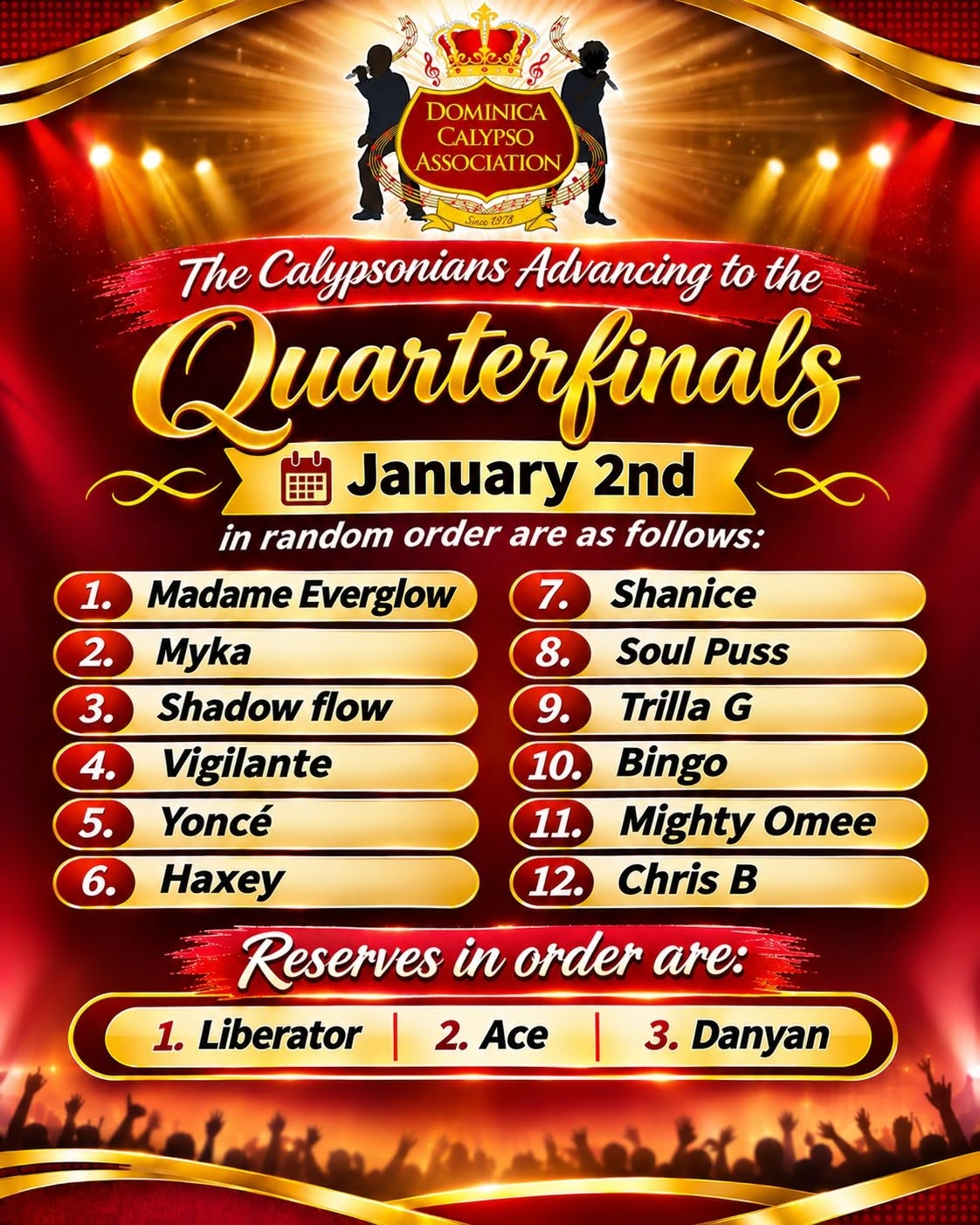
Dominica’s vibrant calypso cultural circuit has officially unveiled the full roster of performers set to compete in the highly anticipated 2027 Calypso Quarter Finals, locked in for January 2, 2027, following a rigorous preliminary selection process that evaluated lyrical creativity, stage presence, and connection to the island’s beloved calypso heritage. Organizers confirmed 12 standout calypsonians have earned their coveted spots in the upcoming quarterfinal round, listed in no ranked order: Madame Everglow, Myka, Shadow Flow, Vigilante, Yoncé, Haxey, Shanice, Soul Puss, Trilla G, Bingo, Mighty Omee, and Chris B. To ensure the event runs seamlessly in the event of unforeseen performer cancellations, a tiered list of three reserve artists has also been announced, ordered by priority: first reserve Liberator, second reserve Ace, and third reserve Danyan. Each qualifier brings a unique performance style and personal narrative rooted in Dominica’s decades-long calypso tradition, building massive local excitement for the January 2 showcase that will serve as a key milestone in the island’s 2027 carnival season entertainment lineup.
-
Grenada in Bloom to showcase 29 local artists
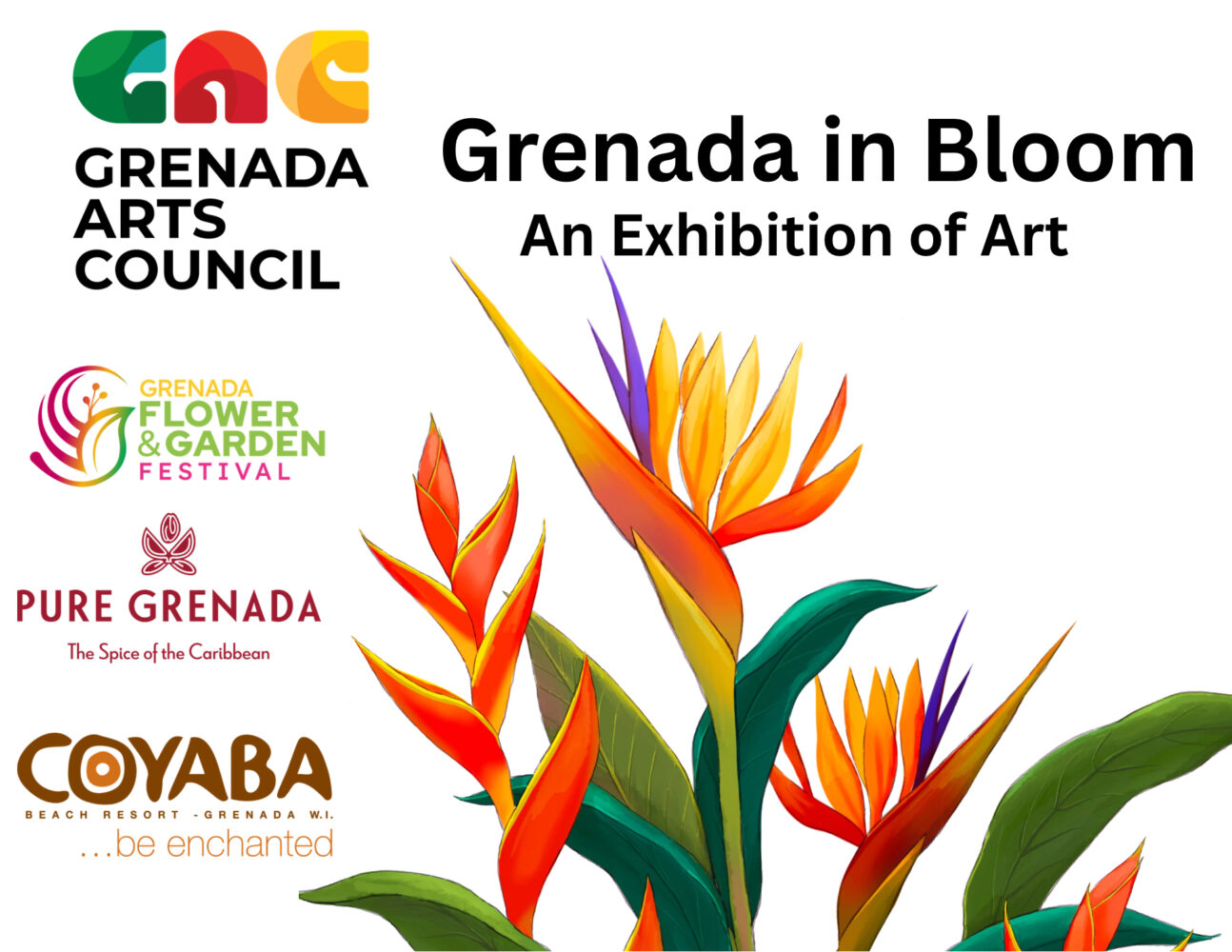
A vibrant new community art showcase titled “Grenada in Bloom” will make its debut on November 14 and 15, 2026, hosted jointly by the Grenada Arts Council and the organizing team of the Grenada Flower & Garden Festival. The two-day public event will unfold within the conference facilities of the scenic Coyaba Beach Resort, running from 5 p.m. to 9 p.m. on both evenings, with zero entry fees for all members of the public and visiting tourists. Curated specifically to align with the island’s beloved annual floral celebration, the exhibition will feature one-of-a-kind original pieces from 29 distinct Grenadian creators, each offering their unique artistic perspective on the island’s lush native plant life, cultivated garden spaces, and iconic natural landscapes. The diverse collection spans vivid, hyper-realistic depictions of tropical flora and coastal scenery to bold, experimental abstract interpretations that reimagine Grenada’s natural beauty through innovative color and form. Beyond viewing the curated artworks, attendees will have the rare opportunity to engage in direct, casual conversations with the participating local artists to learn about their creative processes, personal inspirations, and the stories behind each displayed piece. All original works on show will also be available for direct purchase, offering visitors a chance to support local creative talent while taking home a meaningful piece of Grenadian cultural heritage. For guests looking to extend their evening experience, the on-site Coyaba Beach Bar will offer a curated selection of local refreshments and beverages available for sale throughout the duration of the exhibition. This collaborative initiative represents a deliberate effort by the Grenada Arts Council to integrate local visual arts into the wider island-wide Flower & Garden Festival programming, bridging the horticultural and creative communities to celebrate Grenada’s dual reputation as the “Isle of Spice” and a growing hub for Caribbean artistic innovation. The event notice is distributed via the NOW Grenada platform, with the platform noting it bears no responsibility for the opinions, statements or media content presented by external contributors, and providing a dedicated reporting channel for users to flag any instances of inappropriate content.
-

COMMENTARY: International African Writer’s Day
African literary heritage stands as a sprawling, multifaceted tapestry woven across hundreds of linguistic groups, distinct cultural landscapes, and successive generations of creators, whose landmark works have grappled with enduring themes of colonial aftermath, post-independence identity, political accountability, feminist liberation, and unyielding human resilience. The global canon has long been shaped by these trailblazing figures, none more iconic than Chinua Achebe, widely celebrated as the foundational father of modern African literature. His 1958 magnum opus *Things Fall Apart* remains the most widely read work in 20th and 21st century African literary circles, offering an unflinching portrait of how European colonial incursion upended the social, cultural, and moral fabric of traditional Igbo communities. Achebe’s enduring adage, “Until the lions have their own historians, the history of the hunt will always glorify the hunter,” has served as a rallying cry for generations of creators fighting to reclaim control over narratives of the continent.
Other towering figures in this pantheon include Wole Soyinka, the Nigerian playwright, poet, and essayist who made history in 1986 as the first Black African recipient of the Nobel Prize in Literature. His seminal work *Death and the King’s Horseman* masterfully fuses traditional Yoruba mythos with searing critiques of authoritarian rule and colonial overreach across the continent. Kenyan novelist and radical social critic Ngũgĩ wa Thiong’o, celebrated for landmark works *Weep Not, Child* and *A Grain of Wheat*, has spent decades advocating for full decolonization of African creative expression, famously abandoning English as his primary language for creative work to publish exclusively in his native Gĩkũyu. Zimbabwean novelist, playwright, and filmmaker Tsitsi Dangarembga cemented her own legacy with her 1988 debut *Nervous Conditions* — the first full-length novel published in English by a Black Zimbabwean woman — which the BBC named one of the 100 most influential books shaping global society in 2018.
To honor these extraordinary contributions and the broader collective of African literary creators across the continent and its global diaspora, November 7 is marked annually as International African Writers’ Day. The observance was formally established in 1991 by the Conference of African Ministers of Education and Culture, convened by the Organization of African Unity — the predecessor body to the modern African Union — in Cotonou, Benin, following a formal proposal from the Pan-African Writers’ Association (PAWA). Founded in Accra, Ghana, in November 1989, PAWA was conceived as a cross-continental cultural alliance uniting national writers’ associations from every corner of Africa and its global diaspora, with a core mission to leverage literature as a tool for pan-African integration and intellectual emancipation. The organization’s early transformative years were guided by its first Secretary-General, distinguished Ghanaian poet and academic Professor Atukwei Okai, who led its vision from its founding until his passing in 2018.
For the 2026 global iteration of International African Writers’ Day, Rwanda has been selected as the official host nation, with all flagship events centered in its capital city of Kigali. The official program, hosted at the Kigali Serena Hotel, is a collaborative effort between the Rwanda Books Industry Association, the Rwanda Writers Federation, and PAWA. This year’s official theme, “African Writers at the Heart of Africa’s Transformation: Writing Our Stories, Preserving Our Heritage and Building a Knowledge-Based Continent,” frames the celebrations around three interconnected pillars that position literary creation as a core driver of both cultural pride and tangible socioeconomic progress across the continent.
The first pillar, “Writing Our Stories: Reclaiming the Narrative,” centers on full narrative sovereignty, ensuring that Africa’s past, present, and future trajectories are articulated first and foremost by African creators, rather than filtered through the biased lenses of external observers. This framework moves far beyond reactionary critiques of colonial harm to explore the full nuance of contemporary African life, addressing fast-shifting realities of urbanization, cross-border migration, evolving gender dynamics, and rapid technological advancement from lived, on-the-ground local perspectives, while prioritizing the amplification of marginalized voices, indigenous language creators, and underrepresented communities to embody the pan-African ethos of “Africa: One Voice, Many Stories.”
The second core pillar focuses on safeguarding the continent’s intellectual wealth by positioning literature as a living, intergenerational archive. This component calls on the broader literary community to document and preserve fragile oral histories, traditional folklore, and indigenous knowledge systems, translating these intangible cultural assets into accessible, enduring formats that can be passed down to future generations. In an era of accelerating global homogenization, this work ensures that young Africans remain anchored to their ancestral values and historical truths even as they navigate the complexities of 21st century global interconnectedness. The observance further honors the generations of creators who have rejected the lingering legacy of colonial linguistic imposition, building world-class literary works rooted in indigenous vocabularies, traditional idioms, and local cultural rhythms that preserve otherwise eroding oral histories, spiritual philosophies, and generational wisdom.
Ultimately, International African Writers’ Day frames literature as far more than a form of entertainment: it is the living heartbeat, collective voice, and shared intergenerational memory of the African continent. By reclaiming their own narratives, safeguarding their unique cultural heritage, and laying the groundwork for a knowledge-driven continental future, African writers are not only driving transformation within their own national borders, but permanently reshaping the entire global literary landscape. As Ngũgĩ wa Thiong’o has famously articulated, “You can only understand the world through your own language, through your own cultural experience, and from that base, look out onto the world.” -

Traffic accident Melissa Núñez: What is Miss Universe’s condition?
Ahead of her highly anticipated departure to Puerto Rico to compete in the 75th Miss Universe pageant, Dominican Republic’s official 2026 contestant Melissa Núñez was involved in a multi-occupant car crash late Friday evening along Núñez de Cáceres Avenue, in the capital’s El Millón neighborhood of the National District. The 28-year-old psychology graduate and established international model was traveling in the same vehicle as Magali Febles, the long-serving national director of the Miss Universe Dominican Republic franchise, when the collision took place. In an official public statement released by Febles’ administrative team the following Saturday, representatives confirmed that every individual who was riding in the impacted vehicle remains under medical observation at a local health facility in stable, non-life-threatening condition, though the statement did not release granular details on the specific types or severity of injuries sustained by any of the passengers. Prior to the accident, Núñez had a confirmed itinerary to fly to Puerto Rico on Sunday to join the full cohort of international delegates for the official start of the 2026 Miss Universe competition programming, but franchise leadership noted that her ability to make the trip will be entirely contingent on ongoing medical assessments and her rate of recovery in the coming days. The Dominican Republic boasts a storied history in the global Miss Universe circuit, having claimed the prestigious crown once in 2003, when 18-year-old Amelia Vega took home the title at the pageant hosted in Panama. This year’s host territory Puerto Rico is gearing up for its turn to stage the landmark 75th edition of the global beauty competition, an event that Governor Jennifer González projected last year will create over 1,100 direct and indirect temporary jobs for local residents across hospitality, event production, tourism and related sectors, delivering a measurable economic boost to the island’s post-pandemic events industry.
-
CUB Celebrates Hell’s Gate Steel Orchestra on the World Stage
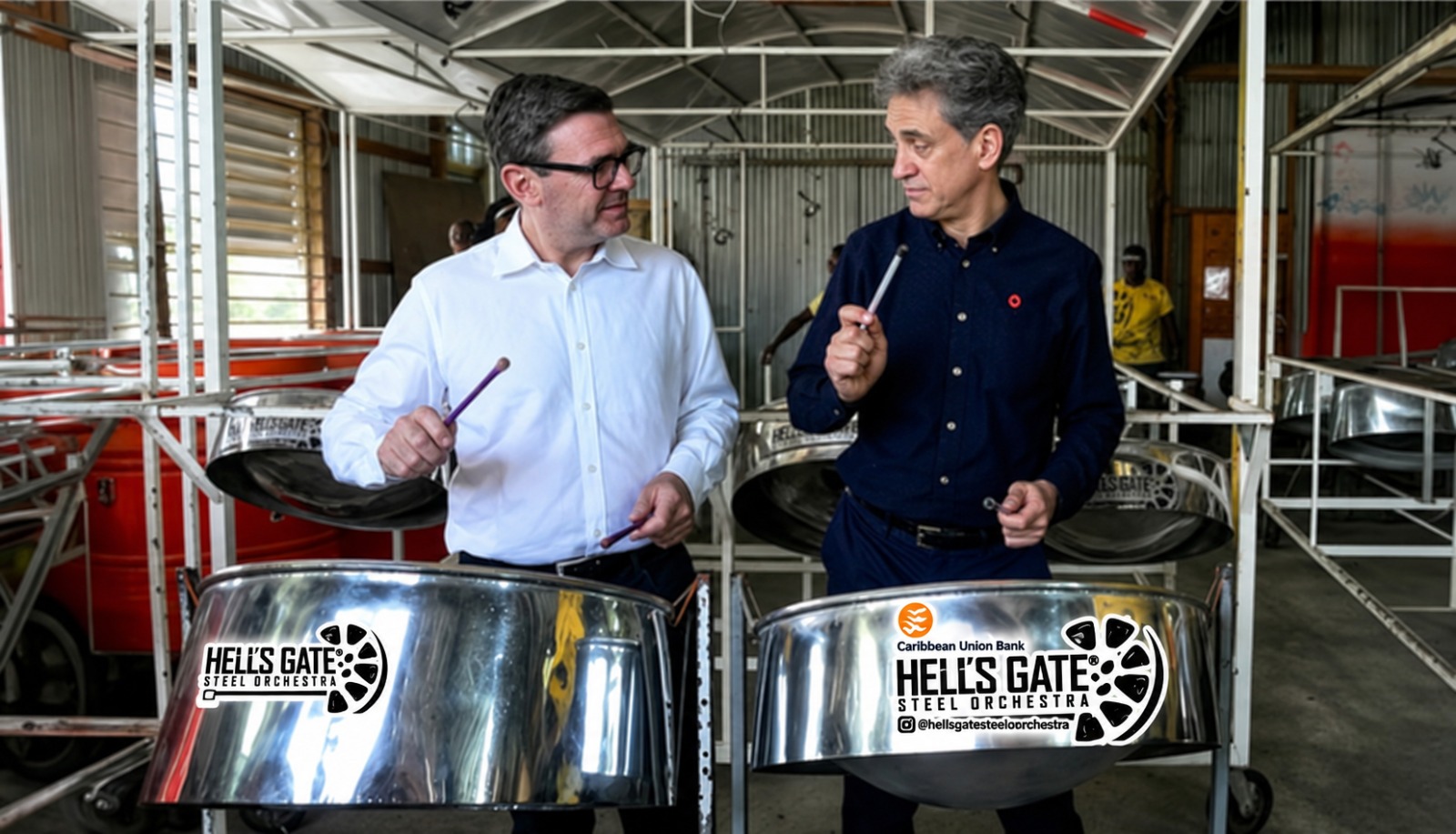
A landmark cross-cultural musical encounter has placed Antigua and Barbuda’s iconic CUB Hell’s Gate Steel Orchestra on the global radar, after UK Prime Minister Sir Keir Starmer and top British diplomat Foreign Secretary David Lammy joined the ensemble’s members for an impromptu steelpan playing session that has since garnered widespread international attention. The heartwarming, viral clip of the collaborative performance, first published by the London Evening Standard, spotlights the deeply rooted, vibrant musical legacy of the twin-island Caribbean nation, and underscores how homegrown creative talent continues to elevate Antigua and Barbuda’s profile on the world stage. Longtime sponsor Caribbean Union Bank (CUB), which has backed the steel orchestra as a core community cultural initiative, is marking the milestone as a resounding validation of the unifying force of grassroots culture, tight-knit community bonds, and underrecognized local creative excellence. “Interactions like this drive home a simple, powerful truth: our cultural heritage has the unique ability to bridge geographic divides, connect disparate communities, and foster mutual respect across national borders,” shared Karen Richardson, General Manager of CUB. “We hold immense pride for every member of the CUB Hell’s Gate Steel Orchestra, who have spent years serving as informal global ambassadors showcasing the very best of what Antigua and Barbuda has to offer. For our institution, meaningful community investment means prioritizing the people, time-honored traditions, and local cultural institutions that make our nation one of a kind.” Richardson confirmed that CUB will continue to prioritize targeted support for programming that safeguards Antigua and Barbuda’s intangible cultural heritage, elevates emerging and established local creative talent, and nurtures widespread national pride across all segments of the population.
-
Emeli Sandé, Chicago in line-up for 2027 jazz festival
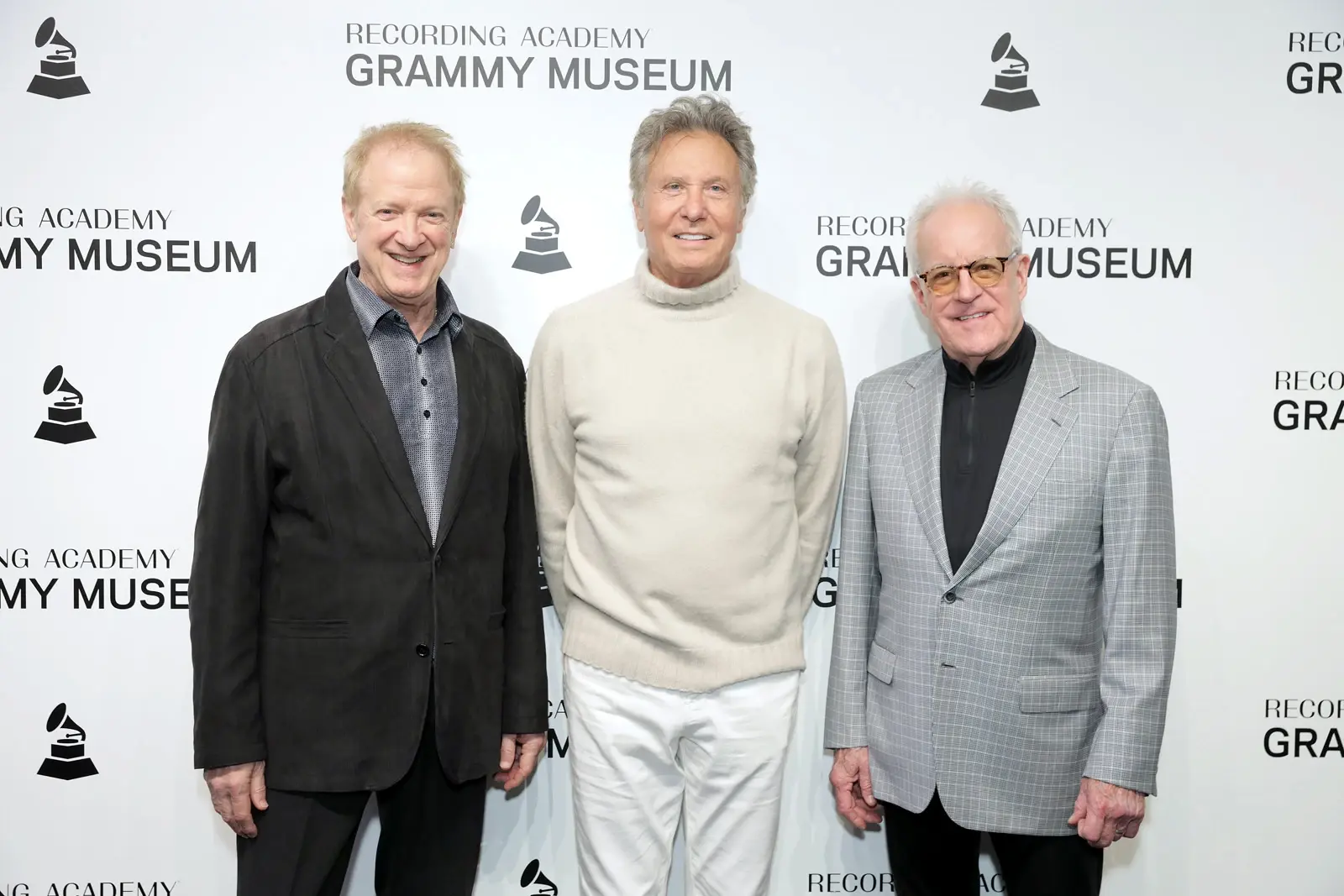
At the 2026 annual World Travel Market gathering in London, a major global travel industry convention, representatives from the Saint Lucia Tourism Authority (SLTA) took the stage on a Thursday to reveal the first batch of confirmed performers for the highly anticipated 2027 Saint Lucia Jazz & Arts Festival. The landmark announcement comes months after the iconic Caribbean cultural showcase earned the prestigious Festival of the Year title at this year’s Caribbean Music Awards, cementing its status as one of the region’s most sought-after annual entertainment and tourism draws. Headlining the initial reveal is globally celebrated British soul and pop singer-songwriter Emeli Sandé, whose chart-topping discography includes ubiquitous hits “Next To Me” and the multi-platinum collaborative track “Beneath Your Beautiful” alongside award-winning producer and artist Labrinth. Joining Sandé in the top tier of the 2027 billing is legendary American rock group Chicago, whose 60-year career has spawned enduring classic tracks such as “Hard to Say I’m Sorry” and “You’re the Inspiration” that remain staples on global radio playlists decades after their release. The lineup also spotlights homegrown Saint Lucian talent: rising R&B fusion star Michael Robinson, who recently earned local acclaim after headlining a fully sold-out solo concert on the island, will take the festival’s main stage to represent the nation’s thriving domestic creative scene. Event organizers confirmed that additional high-profile international and regional performers will be unveiled in successive promotional announcements in the coming months, as preparations ramp up for the 10-day festival running from April 30 through May 9, 2027. Industry analysts note that the early reveal of A-list musical talent at a major global travel expo is a strategic move to drive advanced international tourist bookings to the Caribbean island for the event period, blending world-class live entertainment with Saint Lucia’s signature luxury tropical tourism offerings.
-
Baracoa, a global film success, reaches Cuban movie theaters
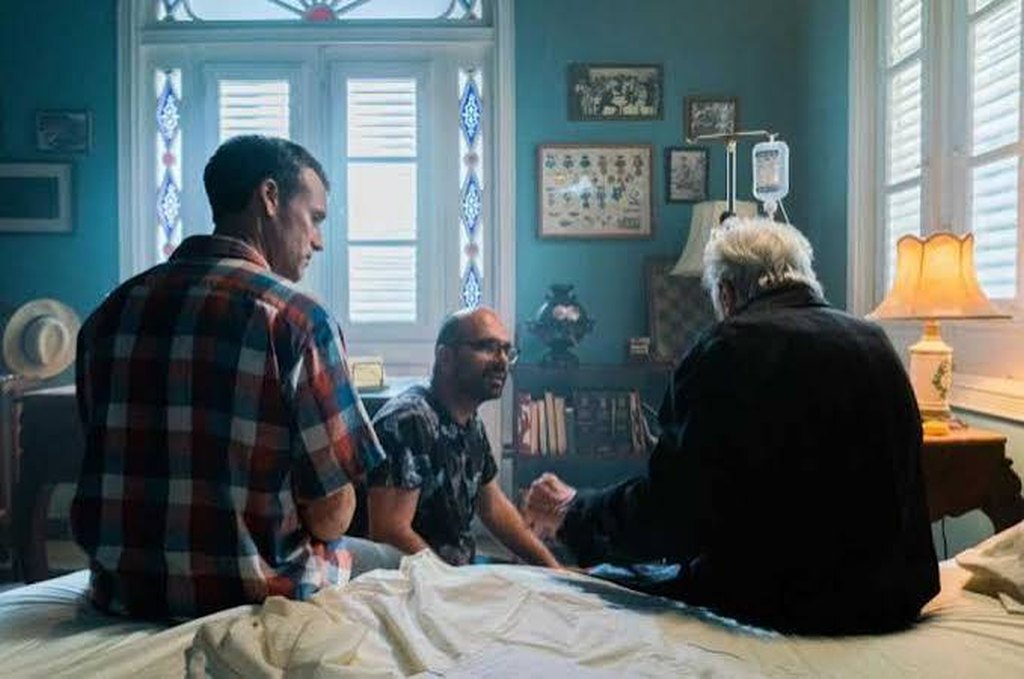
The Cuban Institute of Cinematographic Art and Industry (ICAIC) has officially confirmed that the entire core creative ensemble behind the celebrated feature film *Baracoa* — including its director, producing team, production crew members, and full cast lineup — will be present for the film’s upcoming public screening. This heartfelt dramedy road picture marks the first narrative fiction feature from its director Doñas, and weaves a layered, emotionally resonant narrative centered on the complicated intergenerational bond between two men: Felipe, a veteran Italian revolutionary and close personal associate of historic Cuban Revolution leader Fidel Castro, portrayed by globally acclaimed Italian screen star Giancarlo Giannini, and his son Pepe, brought to life by Cuban actor Carlos Luis Gonzalez, whose life and identity have long been constrained by pervasive local homophobic social prejudices. The story unfolds in the aftermath of Felipe’s passing, when Pepe joins a physician named Jimmy, played by Yadier Fernandez, on a meandering cross-island road journey that starts in the capital city of Havana and stretches all the way to Baracoa, the easternmost urban hub on the Cuban archipelago. What begins as a physical trip across the island evolves into a deeply intimate, transformative voyage of self-discovery for both central characters. In a recent interview with state-run Cuban news outlet Prensa Latina, director Doñas explained that the core thematic pillars of the film are universal, focused on unfiltered depictions of romantic love, loyal friendship, and inherent human kindness. He emphasized that the unadulterated, genuine emotional purity that radiates through every frame of the production is the exact element that allows it to strike a deeply personal chord with viewers across vastly different cultural backgrounds. Prior to its upcoming local screening in Cuba, *Baracoa* already earned widespread critical acclaim on the international film festival circuit, taking home two top honors at the 41st iteration of the Ibero-Latin American Film Festival held in Trieste, Italy: the highly competitive Audience Award within the event’s official competition section, and the Best Screenplay distinction, which was co-written by director Doñas and collaborator Filippo Ascione.
-
Leroy ‘Wadix’ Charles urges students to champion creole language and culture
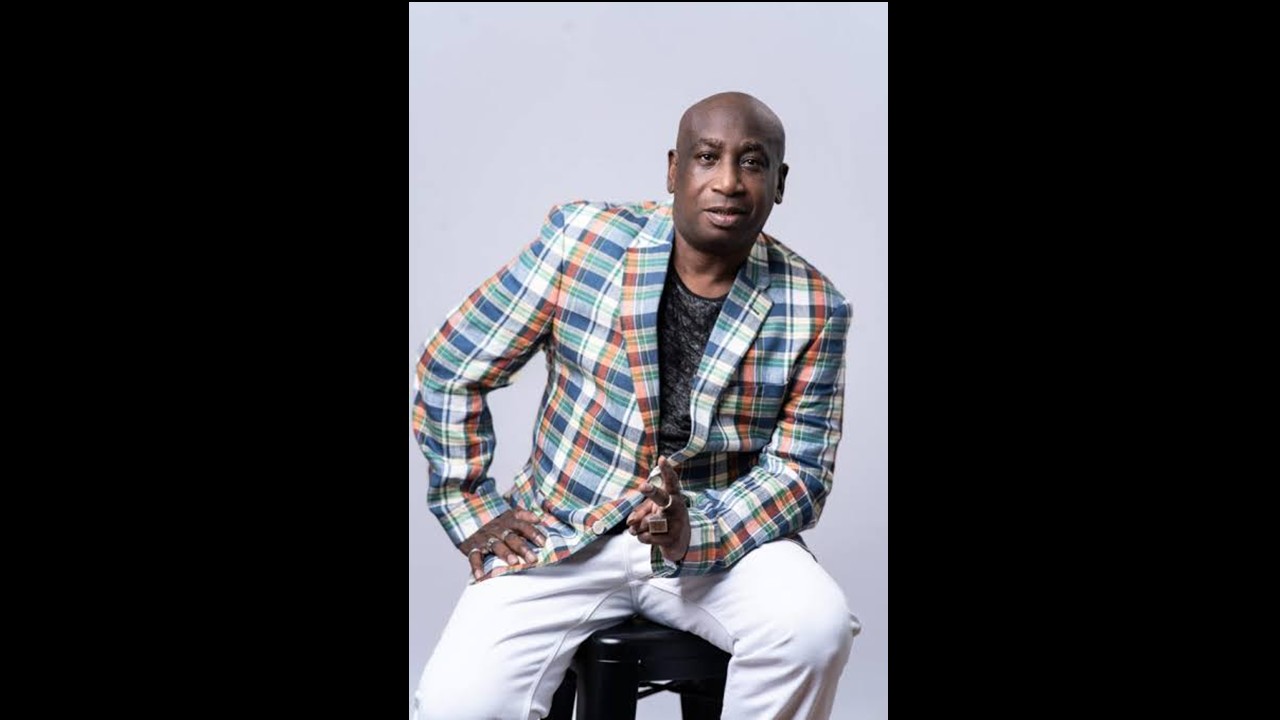
At the recent official press launch for Dominica’s highly anticipated 2026 Creole Spelling Bee, held on the upper floor of Prevost Cinemall, beloved local cultural figure Leroy “Wadix” Charles delivered a rousing address to registered student competitors that extended far beyond simple pre-event well-wishes. Scheduled to take place on November 13, 2026, at the Alliance Française Building, the national competition is framed as far more than a linguistic contest: it is designed to deepen young Dominicans’ bonds to their native Creole tongue, and elevate Dominica’s global profile as a leading hub for Creole cultural preservation and scholarship. Charles opened his remarks by grounding the language in daily Dominican life, noting that Creole pulses through casual market conversations, the lyrics of local bouyon and traditional folk music, and every form of grassroots cultural expression, making it a living, breathing pillar of national heritage rather than a static relic of the past. He emphasized that learning the full historical origins of Creole is non-negotiable for young people to grasp its immense cultural weight, especially given generations of harmful stigma that once shamed Dominicans for speaking the language in formal settings. While acknowledging that English remains Dominica’s official primary language, Charles pushed back against the myth that Creole is a “lesser” form of communication, comparing the process of building fluency to a toddler learning to take their first steps: stumbles and mispronunciations are not failures, but necessary, expected steps toward full confidence and joyful mastery. To move practice beyond classroom drills, he laid out actionable steps for participants: speaking Creole regularly with parents and elder community members who hold decades of unrecorded linguistic knowledge, writing original Creole short stories and poetry, and integrating the language into every part of their daily routines. He challenged the students to see themselves not just as spelling bee contestants, but as official cultural ambassadors, pointing out that many Dominicans already slip Creole phrases and idioms into casual English conversations without even noticing, a subtle marker of how deeply the language is woven into national identity. The long-term goals of the spelling bee initiative extend well beyond the 2026 competition, Charles shared: organizers are laying the groundwork for new youth leadership pathways, targeted Creole-focused scholarships, and international educational travel opportunities for top participants. He urged every student to launch official Creole clubs at their home schools after the event, to draw in peers who might not have signed up for the spelling bee but want to engage with the language. In a major upcoming expansion, Charles confirmed that preliminary discussions are already underway with cultural and education stakeholders in Guadeloupe and Martinique to launch cross-territory Creole cultural exchange programs, which would let Dominican students immerse themselves in other Creole-speaking Caribbean communities, refine their linguistic skills, and host visiting peers from the two French overseas departments in return. Organizers are also exploring inter-school Creole debate tournaments as a follow-up activity to push students to engage more critically with the language’s history and contemporary uses. Leaning into young Dominicans’ natural fluency with digital tools, Charles made a special call for participants to bring Creole fully into 21st century digital spaces, by creating Creole-language podcasts, vlogs, animated short films, lighthearted cultural memes, and viral TikTok challenges to spread the language to younger demographics and global online audiences. He noted that higher education pathways already exist for advanced Creole study, with universities in Guadeloupe and Martinique offering fully accredited master’s degree programs in Creole studies that could prepare Dominican graduates to serve as certified Creole language teachers in local schools. Closing his address, Charles stressed that Creole is the very core of Dominican national identity, a unifying cultural thread that matters far more than national dress or local cuisine. He pushed the younger generation to reject outdated, harmful attitudes that once framed Creole as a source of embarrassment, arguing that embracing the language is a critical step toward honoring the nation’s full, complex history and building a more inclusive, culturally rooted future. He added that widespread Creole fluency could unlock tangible, practical benefits for Dominica, from improved early childhood cognitive development to new niche cultural tourism products and expanded economic opportunities tied to regional Creole cultural industries.
-
Come Taste and See: The World’s Flavours Meet at Barbados’ International Chef Demos
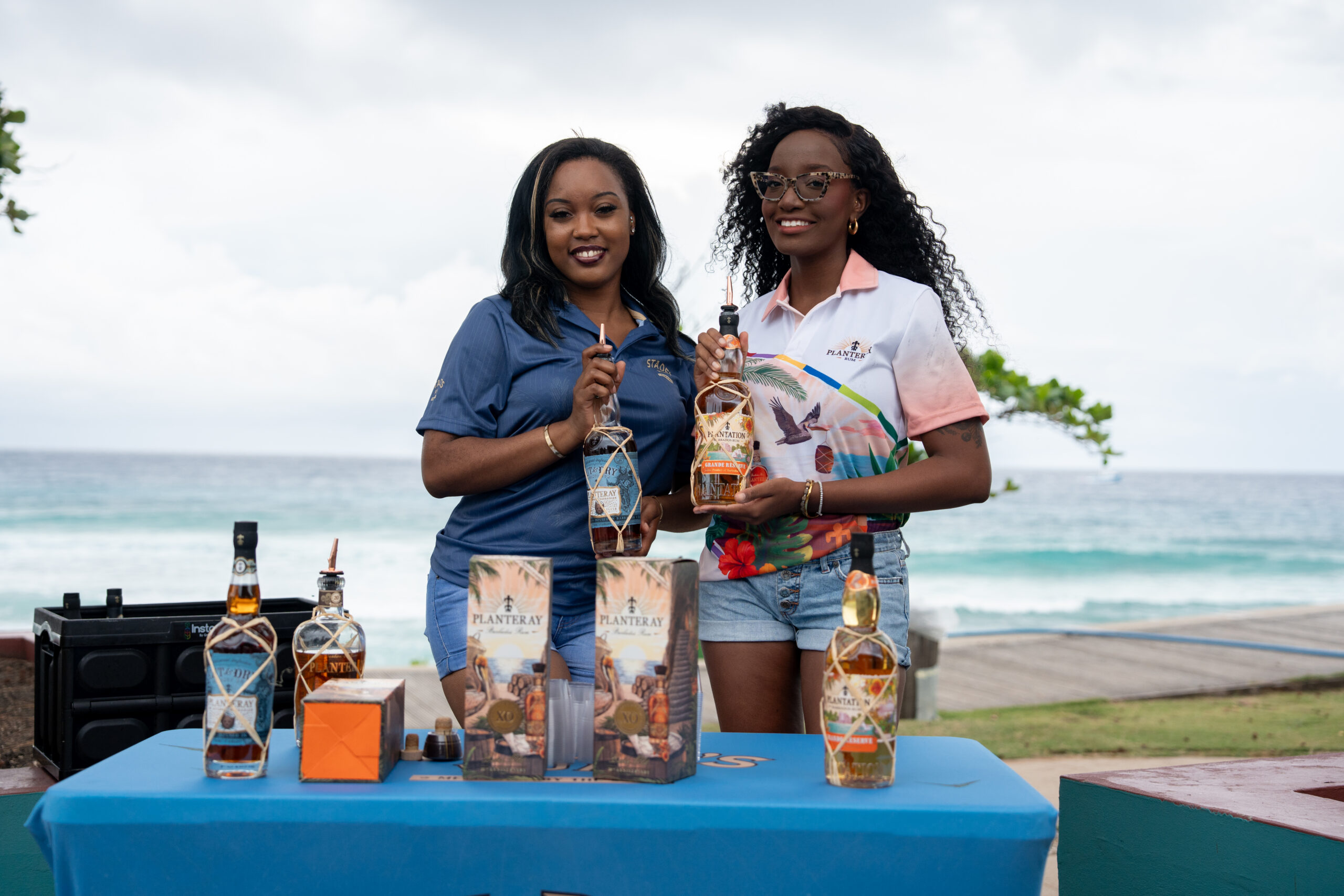
There is an unmatched, magnetic charm to observing a skilled chef move through their station: the rich, heady aroma that rises the moment fresh ingredients hit a sizzling pan, the seamless, almost effortless way a complex sauce comes together into perfect balance, or that one tiny, game-changing tip you immediately know you will test out during your next home cooking session. This November 6, Friday, attendees of the Barbados Food and Rum Festival get full access to that immersive, joyful experience through its much-anticipated International Chef Demonstrations series. Spread across three distinct coastal locations, six award-winning, globally experienced culinary talents will bring their unique professional journeys, vibrant personal identities, and deeply rooted regional culinary traditions to a full day of no-cost live cooking showcases, complete with complimentary sample tastings for all guests. Marketed under the warm, inviting tagline “Come Taste and See”, these interactive sessions pull back the curtain on the meticulous, creative craft that goes into every thoughtfully plated dish. Both local Barbadian and visiting international chefs will walk audiences through specialized techniques honed over generations of shared culinary knowledge, covering a vast range of skills from artisanal fermentation and intentional, flavour-building charring, to strategic flavour layering and precision fine-dining plating. Beyond technical lessons, every session weaves in the personal, cultural stories that give each flavour profile its deeper, meaningful context. The event is designed to welcome every type of attendee, from passionate home cooks who spend weekends testing new recipes, to formal culinary students building their professional skill sets, to casual visitors who simply love stumbling on a delicious new food discovery. At Speightstown Esplanade in St. Peter, the day’s programming kicks off promptly at 10 a.m. with South African chef Wandile Mabaso. Raised in Soweto, Mabaso built his international career working in top-tier kitchens across New York and Paris, including the iconic Le Meurice Alain Ducasse. His signature culinary style creates a dynamic dialogue between age-old African food traditions and refined classical French technique, all driven by his longstanding commitment to preserving underdocumented culinary heritage. Later that day at 4 p.m., Chef Jae-Anthony Dougan-Holder takes the Speightstown stage with his playful, boundary-pushing take on modern Caribbean cuisine. A fan favourite known for viral creations like jerk chicken poutine and his appearances on Top Chef Canada and Food Network’s Wall of Chefs, he brings a curious, experimental energy to reimagining the potential of familiar, beloved regional flavours. Across the island at Pile Bay, Spring Garden in St. Michael, the 10 a.m. opening slot belongs to Trinidadian culinary icon Debra Sardinha, affectionately known across the industry as Chef Debbie. Over her decades-long career, she has dedicated herself to sharing the richness of Caribbean cuisine with global audiences, and made history as the first female Executive Chef for Hilton across the entire Americas and Caribbean region, bringing unmatched professional expertise and a rare gift for telling vivid Caribbean cultural stories through food. The 4 p.m. session at Pile Bay features Kareen “Chef Coco” Linton, a Barbados-born, Brooklyn-raised Le Cordon Bleu graduate and celebrated culinary educator whose work centres creativity, accessible education, and tight-knit community connection. Her entire culinary philosophy is built around the belief that food is one of the most powerful tools to bridge divides and bring diverse groups of people together. At the third location, Hastings Rocks in Christ Church, the 10 a.m. demonstration is led by Barbadian-born Chef Jason Howard. Trained in classical British and French culinary techniques, he seamlessly integrates those formal skills with native Caribbean ingredients and local cultural narratives. Currently serving as Chef in Residence at Local & Co. Barbados, his hyper-local culinary approach centres and celebrates the small-scale local farmers, fishers, and independent producers who form the backbone of every exceptional meal. The 4 p.m. slot at Hastings Rocks goes to Chef Aiko “Chef Aiks” Rudder-Jones, the founder of Toronto’s wildly popular Bim Street Eats. She built her entire culinary brand around authentic Bajan flavours, warm Caribbean hospitality, and intentional cultural storytelling, working tirelessly to introduce global new audiences to Barbadian cuisine while maintaining deep, unbroken ties to her home island. Taken together, these six chefs offer six distinct, thoughtful perspectives on how food carries collective and personal memory, travels across national borders, and evolves into fresh, exciting new forms. For members of the public, the event offers a rare, up-close chance to witness that culinary creativity in action, pick up actionable new inspiration for their own home kitchens, and get a tangible taste of what makes the Barbados Food and Rum Festival such a beloved regional event. Organizers invite all attendees to bring a friend, bring their curiosity, and arrive ready to stumble on a delicious new discovery. Admission is 100% free, and the invitation is extended equally to local Barbadian residents and international visitors. The full day of demonstrations will run on Friday, November 6, across all three locations: Speightstown Esplanade, Pile Bay, and Hastings Rocks, with a 10 a.m. morning demonstration and a 4 p.m. afternoon demonstration scheduled at every site. For real-time updates, sneak peeks of chef menus, and additional event details, the public can follow the official festival Instagram account @foodandrumbarbados. The event’s core promise is simple: come for the unforgettable flavours, stay for the unforgettable stories. Come taste and see.