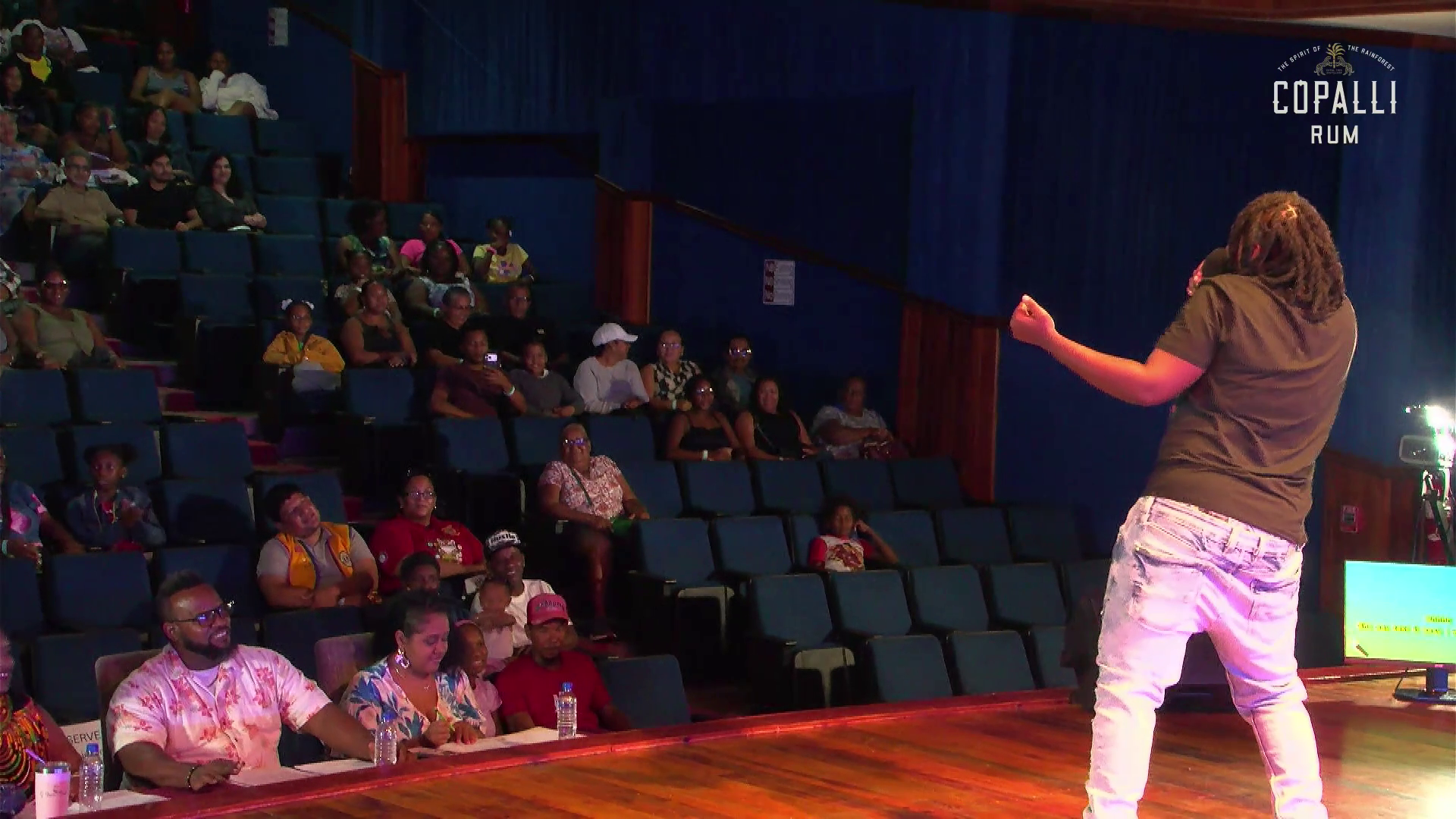
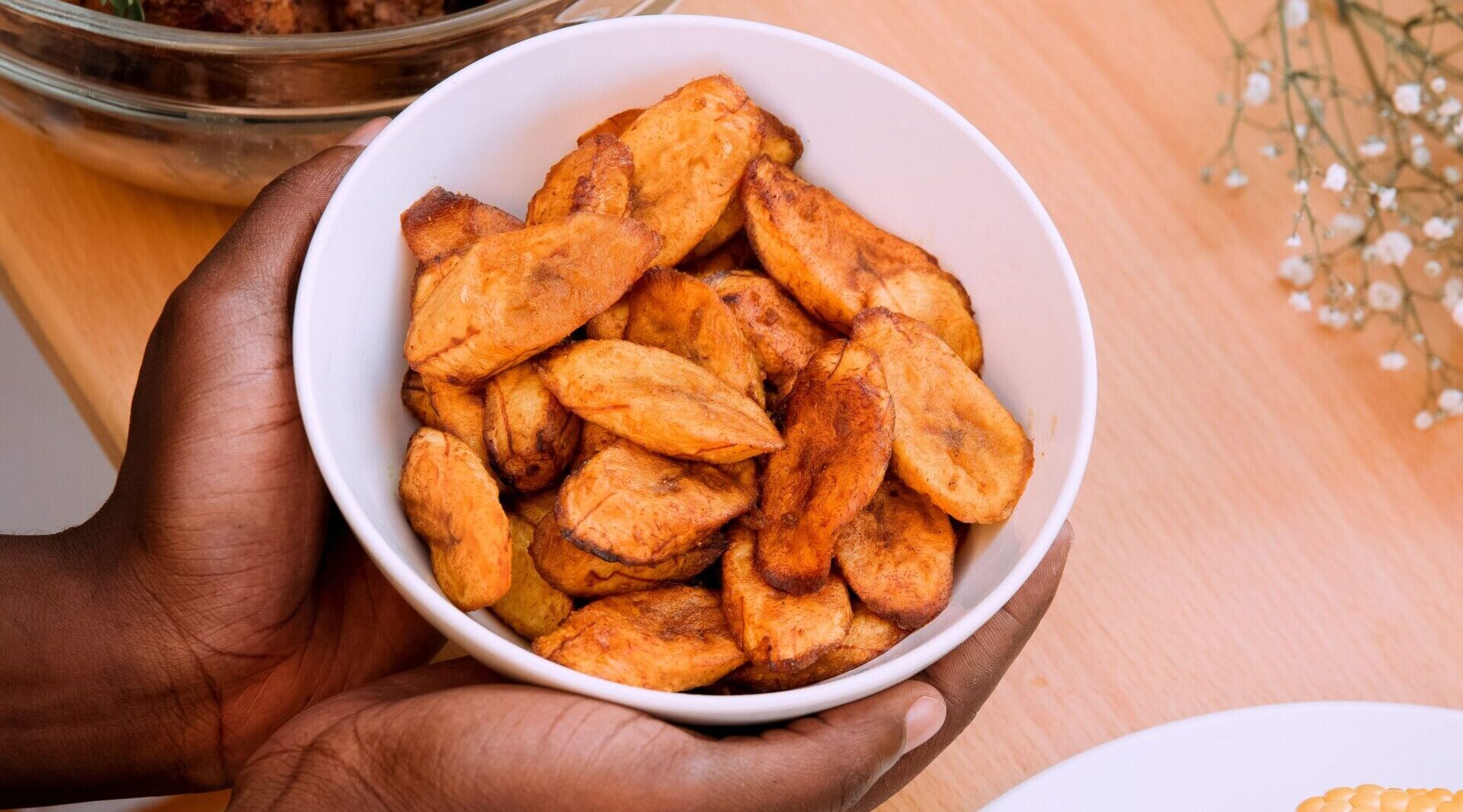
The Caribbean island of Dominica is set to unveil its first-ever celebration of local food culture, the Gouté Domnik culinary festival, with a public kickoff event scheduled for the evening of July 15 in the capital city of Roseau. Hosted at the In De Yard community space on Cork Street, the launch opening at 5:00 p.m. welcomes both local residents and visiting travelers to get an early look at the week-long festival’s full lineup, sample preview bites of local cuisine, enjoy live local performances, and connect with organizers and participating chefs ahead of the main event.
Organized jointly by Dominica’s Ministry of Tourism and the Discover Dominica Authority (DDA), the first iteration of Gouté Domnik will run from July 19 to 26, anchored by the overarching theme “Where Flavour Meets Nature” that ties the island’s famous pristine natural landscapes to its homegrown culinary identity. In a public press statement, event organizers framed the new festival as a strategic response to shifting global travel trends that have positioned culinary tourism as one of the fastest-growing segments of the international tourism industry.
Recent global travel data underscores this shift: research shows 77 percent of international travelers now prioritize food and dining experiences when selecting a travel destination, while Hilton’s 2025 Global Travel Trends Report found that nearly 20 percent of travelers plan entire trips specifically to explore new regional cuisines. For Dominica, a small island nation already known for its eco-tourism offerings, these trends open a new pathway to highlight its unique local ingredients, centuries-old distinctive flavor profiles, and talented local culinary community to the world.
The 2026 inaugural festival centers on two flagship events that cater to both diners and competitive cooking enthusiasts: a week-long Restaurant Week and the one-day Friendly One Pot Challenge. Restaurant Week will run throughout the entire festival, from July 19 to 26, with 18 participating restaurants across the island creating custom, limited-edition menus that highlight local produce and traditional recipes to deliver one-of-a-kind dining experiences for guests. The full list of participating venues includes Calabash Restaurant at Jungle Bay Dominica, Leather Back Restaurant at Rosalie Bay Eco Resort & Spa, Pride de la Dominique, The Pallet, Palisades Restaurant at Fort Young Hotel, Bwa Denn at Secret Bay, Steakhouse Restaurant, Soursop Bar & Grill, Manoe’s Cornerstone Restaurant, Le Petit Paradis, Banana Tree, Nets of Reef, Harbour Bites, Chez Wen, Petit Bistro, The Vibe, Belle Hall, and Hi Rise.
To encourage diners to explore as many local culinary spots as possible, the DDA has introduced the official Gouté Domnik Food Guide. Diners can use the guide to collect an official stamp from each participating restaurant they visit during Restaurant Week. At the end of the promotion, the guest who collects the highest number of valid stamps will win a special prize sponsored by the DDA.
The festival’s second signature event, the Friendly One Pot Challenge, will take place on July 19 in the coastal town of Layou. The competition brings together teams of local cooks to create creative, flavorful one-pot dishes using only ingredients sourced from local Dominican producers, giving teams a chance to showcase their skills and creativity to attendees and judges.
Marva Williams, Chief Executive Officer and Director of Tourism for Dominica, emphasized that the new festival does more than celebrate local food: it creates tangible economic opportunities for local restaurants, chefs, small food businesses, and producers across the island. “Food has become an important part of how travellers experience a destination,” Williams explained. “Gouté Domnik gives us an opportunity to celebrate the people, flavours and stories behind Dominican cuisine while creating new opportunities for our restaurants, chefs and local businesses. We invite everyone to join us as we launch this exciting new initiative and celebrate the rich culinary experiences that make Dominica unique.”
Organizers are encouraging all guests planning to take part in Restaurant Week to download the official Gouté Domnik Food Guide ahead of time from the Discover Dominica official website. Additional updates, full event schedules, and behind-the-scenes content are posted to the official Discover Dominica and Dominica Festivities Facebook and Instagram social media pages for anyone seeking more information.