Barbados is taking a bold step to reorient its secondary education system around the fast-growing blue economy and climate action, with the Ministry of Transformation and Education developing a globally accredited high school certification for students graduating from its new specialized ocean and climate schools. Education Minister Chad Blackman recently announced the initiative, revealing that officials are already in partnership talks with leading international organizations, including entities within the United Nations system, to validate the new credential.
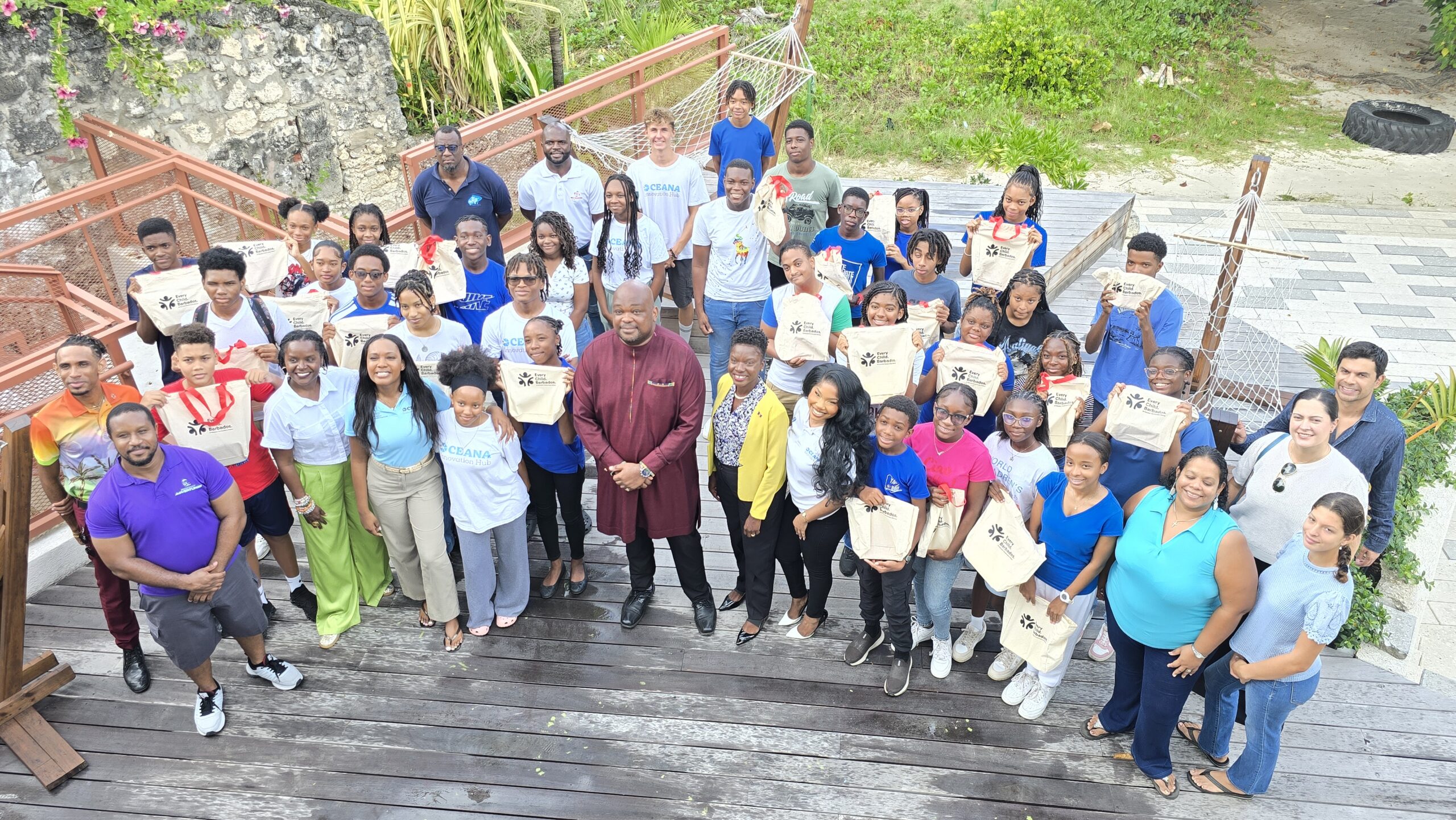
The announcement came alongside the official launch of the second edition of the Blue X Accelerator programme at the Oceania Innovation Hub, Barbados’ purpose-built marine and coastal education center. Construction is currently underway on the country’s complementary Barbados Climate School, making this certification push the next key milestone in the government’s broader education transformation agenda.
Minister Blackman framed the globally recognized certification as a strategic investment to equip young Barbadians with the specialized skills needed to capitalize on emerging global opportunities in ocean sustainability and climate resilience. “This is a very bold and deliberate strategy of the Government of Barbados, to help young people lead the world they must inherit, and part of that leadership is giving them the tools to understand climate and ocean diplomacy,” Blackman said, noting that future international decision-making on ocean governance, climate policy and sustainable business will require a new generation of leaders trained in negotiation and cross-border collaboration.
Unlike many traditional secondary education credentials, this certification will be completed before students graduate from high school, giving Barbadian graduates a competitive edge globally. “Students will be able to go any corner of the earth and say, ‘I did my programming and studies in Barbados, but it is globally recognized, and here is the skill set that I bring to you,‘” Blackman explained. Over time, he added, the initiative will reposition Barbados’ education system as a global leader in climate and ocean-focused learning, maximizing the country’s natural and human resource advantages.
The four-week Blue X Accelerator 2.0 programme, which brings together secondary students from 14 Barbadian schools, serves as a pilot for this new skills-focused learning model. Participants will gain hands-on exposure to a diverse range of blue economy sectors, including marine technology, robotics, sustainable blue tourism, aquaponics, sargassum management, climate advocacy and ocean innovation. The programme will conclude with a competitive Blue X Innovation Challenge, where students will develop and pitch their own solutions to pressing ocean and climate challenges.
Blackman emphasized that the experiential learning model of the Accelerator reflects the core of the government’s education transformation. “If we are to prepare our students for the world that not only exists but that will exist in the future, we have to give them the skills and exposure necessary to be able to not just navigate that space but to dominate it and to lead it, and that’s really the story of what we’re doing in education in Barbados,” he said.
As a large ocean state, Barbados has a unique stake in unlocking sustainable economic opportunity from its marine territories, he added, encouraging students to build the expertise needed to tap into the full potential of the country’s ocean resources. The ultimate goal of the Oceania Innovation Hub and its programming is to turn Barbados into a global knowledge hub that develops solutions to pressing global ocean and climate challenges rooted in local expertise, building a knowledge-based economy centered on the country’s greatest natural asset.
A key innovation of both the Oceania Innovation Hub and the upcoming Barbados Climate School is their cross-school, project-based learning model, which brings together students from different institutions to collaborate on real-world solutions. Rather than only teaching students about the causes and impacts of the climate crisis, the curricula focus on solution-building, giving young people practical experience developing actionable responses to environmental challenges. Minister Blackman also encouraged participants to leverage digital tools and social media to amplify their work, acting as global ambassadors for ocean and climate education.
Looking ahead, Blackman plans to present the Barbados model to regional leaders next week at the CARICOM Council for Human and Social Development (COHSOD) meeting in Guyana, with the goal of creating a regional collaboration framework that allows students across the Caribbean to work together on shared ocean and climate challenges. “As a region collectively we all face a singular threat but equally it means that there’s a singular opportunity for all of us, and we cannot simply focus on us alone in Barbados,” Blackman said. “If this region is to be viable and continues to be viable and competitive, these young people must now be given tools to think globally, even while they are still in school.”
Oceania Innovation Hub Director Ché Greenidge noted in his welcome remarks that this year’s Blue X Accelerator aligns with the hub’s core mission of helping Barbados generate sustainable economic value from its ocean resources while protecting fragile marine ecosystems. The work directly advances national development goals by linking education to climate resilience, food and water security, digital transformation, workforce development and inclusive sustainable economic growth, Greenidge added.
The Barbados Climate School, officially named Chelston Academy and located at Chelston Park in Collymore Rock, is being developed in partnership with the U.S.-based XQ Institute. The school will focus on climate resilience, sustainability and 21st-century learning, serving senior secondary and sixth-form students with hands-on training in climate science, environmental protection and green technology to prepare the next generation for climate challenges and green economy opportunities.