分类: education

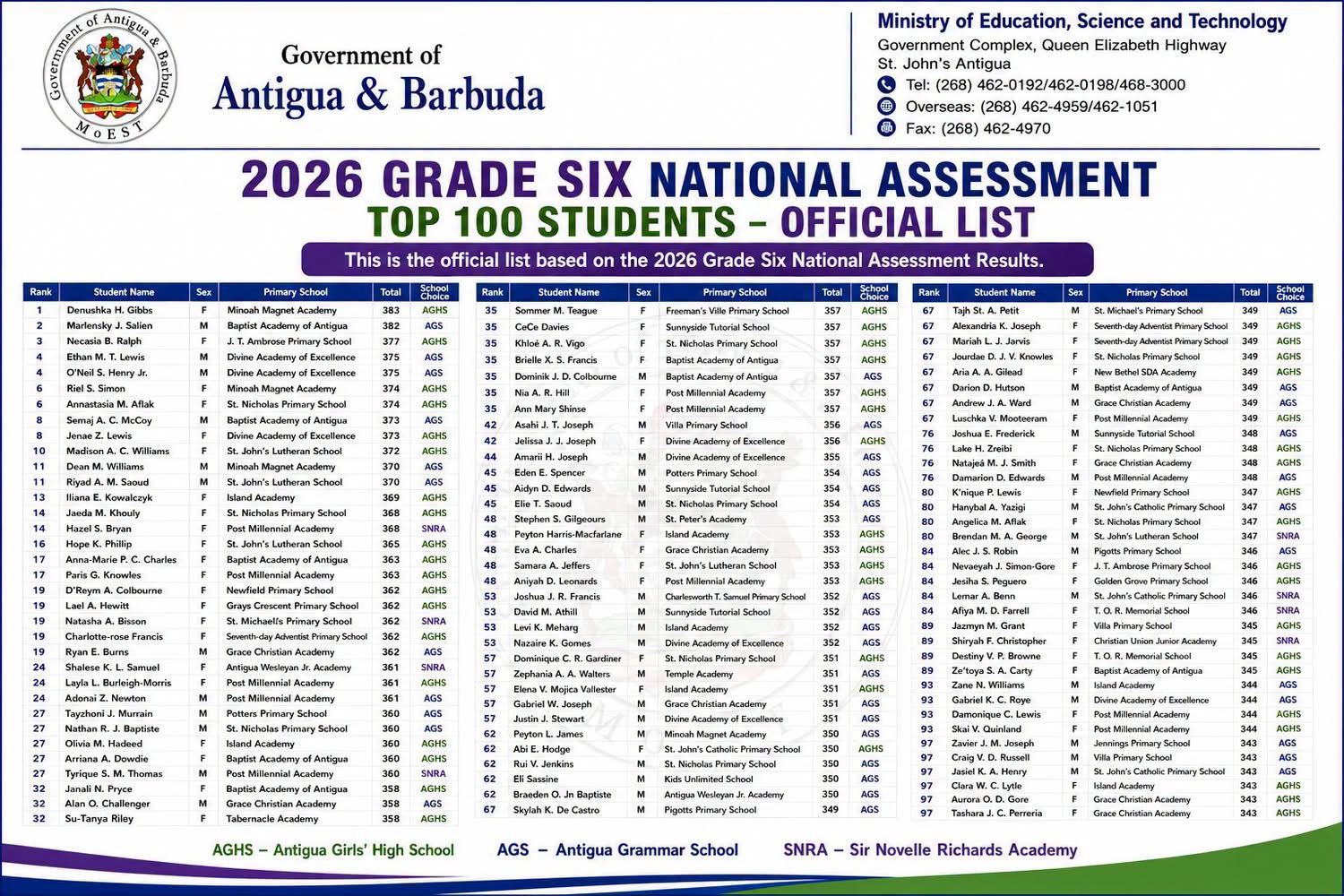
  • Ministry of Education Announces Top 100 Students in 2026 Grade Six National Assessment

    Ministry of Education Announces Top 100 Students in 2026 Grade Six National Assessment

    The long-awaited results of the 2026 Grade Six National Assessment are finally official, with the Ministry of Education, Science and Technology unveiling the roster of the nation’s 100 highest-performing sixth-grade students this week. Leading the pack of standout learners is Denushka H. Gibbs, a student at Minoah Magnet Academy, who secured first place nationwide with an impressive total score of 383.

    Following closely behind Gibbs is Marlenky J. Salien from Antigua Baptist Academy, who earned second place overall with a score of 382, a performance that also earned Salien the title of the top-ranking male student across the country. Claiming the third position on the national leaderboard is Necasia B. Ralph of J.T. Ambrose Primary School, with a solid score of 377. Ralph’s third-place finish also marks her as the highest-scoring student from a public government-run primary institution in this year’s assessment.

    In his official remarks following the results release, Education Minister Daryll S. Matthew extended warm congratulations to all the ranked students, as well as the parents, teachers, principals and school communities that supported them throughout the preparation period. Minister Matthew framed the achievement of placing among the Top 100 as a defining milestone in each student’s academic journey, celebrating the hard work that brought each learner to this point.

    Beyond individual accomplishments, the minister also highlighted the institutional success of Post Millennial Academy, which outperformed all other schools in the country this year by placing 12 of its students on the national Top 100 list – the highest number of entries from any single school.

    In an official congratulatory statement published alongside the results, the Ministry of Education, Science and Technology reaffirmed its pride in the cohort, saying: “We congratulate the Top 100 Students in the 2026 Grade Six National Assessment. Keep aiming high and continue to excel!”

    Matthew also took the opportunity to encourage all participating students, not just those who earned a spot in the Top 100. He reminded learners that regardless of their final ranking, they should take pride in the effort they put into the assessment, and continue pursuing academic excellence as they transition into secondary school in the coming year.

    Alongside student rankings, the official results list also records each learner’s preferred secondary school for the next stage of their education. The vast majority of the Top 100 students selected either Antigua Grammar School or Antigua Girls’ High School as their first choice, with a smaller group opting to attend Sir Novelle Richards Academy.

  • The UWI announces fourth OneUWI postgraduate student conference

    The UWI announces fourth OneUWI postgraduate student conference

    As a leading higher education institution focused on addressing regional challenges through cutting-edge scholarship, The University of the West Indies (UWI) has announced plans to host its fourth annual OneUWI Postgraduate Student Conference from November 18 to 21, 2026. This long-running event is designed to showcase high-impact postgraduate research that targets the most pressing social, economic, environmental and public health issues facing the Caribbean region.

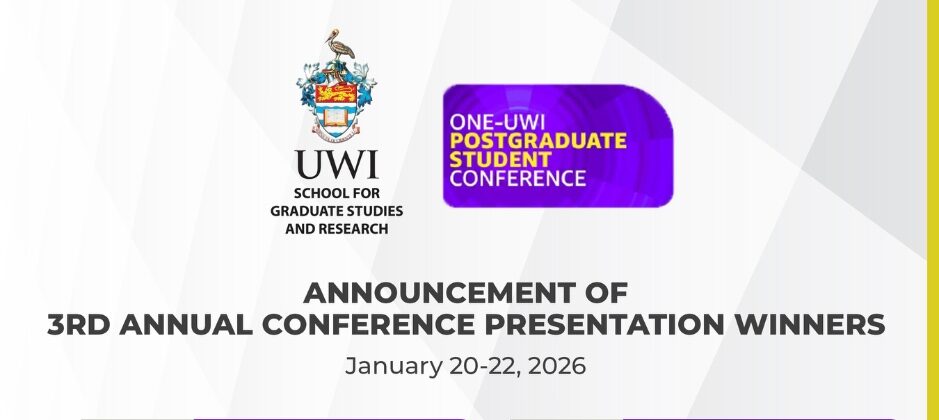
    The upcoming 2026 conference will carry the central theme “Advancing Knowledge, Shaping Futures: Research, Innovation, and Impact Across the Caribbean and Beyond.” The announcement of the fourth conference coincides with the university recognizing 14 outstanding postgraduate students whose research presentations were selected as the top entries from the event’s third iteration.

    The third annual conference faced scheduling delays, having originally been slated for November 2025 before being postponed to a virtual format held January 20 to 22, 2026. Despite the shift to an online setting, the event drew more than 600 registered participants from across the region and beyond, and featured 51 individual research presentations spanning a diverse array of topic areas critical to Caribbean development: public healthcare, climate change resilience, governance systems, educational access and improvement, and cross-sector sustainable development.

    The 14 award-winning presenters, selected based on their work’s originality, academic rigor, and direct alignment with the Caribbean’s core development priorities, recently received their awards, including electronic gift vouchers and other commemorative prizes. The honorees and their research topics span multiple UWI campuses and academic faculties, covering everything from clinical public health to economic policy, climate vulnerability, and cultural education:
    – Dr. Li-Shann Paul Mullings, Faculty of Medical Sciences, Mona Campus: *Prevalence and Clinical Characteristics of Infants with Urinary Tract Infections and Concomitant Cerebrospinal Fluid Pleocytosis: A Single-centre Retrospective Study*
    – Dr. Griffin Benjamin Jr., Faculty of Medical Sciences, Cave Hill Campus: *Primary Care Patients Awareness Toward Medicinal Cannabis in Barbados*
    – Rhonda Rattansingh, Faculty of Social Sciences, St. Augustine Campus: *The Impact of Uni Sensory and Multi Sensory Semantic Cue Congruence on Online Consumer Product Attitude*
    – Dr. Gabrielle Boyce, Faculty of Medical Sciences, Cave Hill Campus: *Sociodemographic and Health Characteristics of Elderly People Referred to Public Long Term Health Care Facilities in Barbados*
    – Shara Williams Lue, Faculty of Social Sciences, Mona Campus: *Workplace Support for Retirement in Jamaica: A Resource Based Dynamic Perspective*
    – Gopiechand Boodhan, Faculty of Social Sciences, St. Augustine Campus: *A Proximity Analysis of Communities at Risk from Landfill Air Pollutants – A Study of the Beetham, Forres Park and Guanapo Landfill Sites*
    – René Henry, Faculty of Social Sciences, Global Campus: *An Exploration of Perspectives on Programme Diversification in a Tertiary Institution in Anguilla, 2019–2023*
    – Dhanielle Smith, Faculty of Social Sciences, St. Augustine Campus: *A Living Wage for Trinidad and Tobago*
    – Dr. Deepak Ramsingh, Faculty of Medical Sciences, St. Augustine Campus: *The Role of Ki 67 in the Prognosis of Oral Squamous Cell Carcinoma: A Systematic Review*
    – Mrs. Cynanie Sawyers Haylett, Faculty of Social Sciences, Mona Campus: *An Investigation of the Learning Organisation and Psycho Socio Cultural Predictors of Institutional Effectiveness in Three Jamaican Higher Education Institutions*
    – Mrs. Meera Mahase Forgonie, Faculty of Food and Agriculture, St. Augustine Campus: *Household Dietary Diversity and Associated Socioeconomic Factors: The Case of Three Rural Communities in Southeast Trinidad During COVID 19*
    – Mr. Jody Brown, Faculty of Humanities and Education, Mona Campus: *Promoting Nutritional Wellbeing through Indigenous Food Systems in Caribbean Households (Home Economics Focus)*
    – Ms. Kendria Ferguson, Faculty of Social Sciences, Mona Campus: *Intersecting Vulnerabilities and Socio-Economic Drivers of Household Impact in Post Hurricane Dorian Bahamas*
    – Mr. Noor ud din Mohammed, Faculty of Humanities and Education, St. Augustine Campus: *Translanguaging for Creole Education: A Caribbean Centered Approach*

    The January 2026 virtual conference opened with formal remarks from UWI’s Professor Sir Hilary Beckles, and featured guest presentations from an international cohort of experts: Nadine Bushell of Lions Clubs International, Rodolpho Gonçalves da Silva of Brazil’s UNESP, and Indian sustainability entrepreneur Ishaan Sudan. Collectively, their talks centered on resilience, cross-border innovation, youth leadership, and community service as foundational pillars for tackling shared global and regional challenges.

    Reflecting on the exceptional quality of research showcased at the third conference, Professor Aldrie Henry-Lee, Pro Vice-Chancellor for Graduate Studies and Research (SGSR), emphasized that the presentations showcased the high caliber of postgraduate work across all UWI campuses, and highlighted the clear, direct applicability of this research to real-world regional challenges. “These presentations demonstrate the exceptional quality of postgraduate research across The UWI and direct application to real-world challenges. They reflect a strong commitment to producing knowledge that matters to the Caribbean,” she noted.

    Professor Henry-Lee also extended gratitude to the full network of contributors that made the third conference a success, saying: “SGSR extends sincere appreciation to the Session Chairs, Session Discussants, Directors of Graduate Studies and Research, Postgraduate Student Representatives, Guild representatives, presenters, attendees, and organising team whose collective efforts contributed to the success of the conference.”

    Beyond academic programming, the third conference included a hands-on community outreach component held January 23, 2026, in Hanover, Jamaica. Postgraduate students partnered with local organizations to deliver emergency relief assistance to more than 200 families impacted by Hurricane Melissa. Organized in collaboration with the Lions Clubs of Jamaica and the Kiwanis Club of New Kingston, the relief effort underscored UWI’s longstanding commitment to community engagement, and will serve as a pilot program for the proposed UWI Give Back Day, scheduled to coincide with the fourth conference in November 2026.

    As the OneUWI Postgraduate Student Conference enters its fourth year, university officials confirm the event has cemented its role as a leading regional platform for early-career researchers to share work with both regional and global audiences. Preparations for the November 2026 conference are already well underway, with organizers anticipating the event will further strengthen postgraduate scholarship and cross-institutional collaboration across all five UWI campuses and their global partner institutions.
  • ‘The work paid off’: Montessori Centre celebrates five students in CPEA top ten

    ‘The work paid off’: Montessori Centre celebrates five students in CPEA top ten

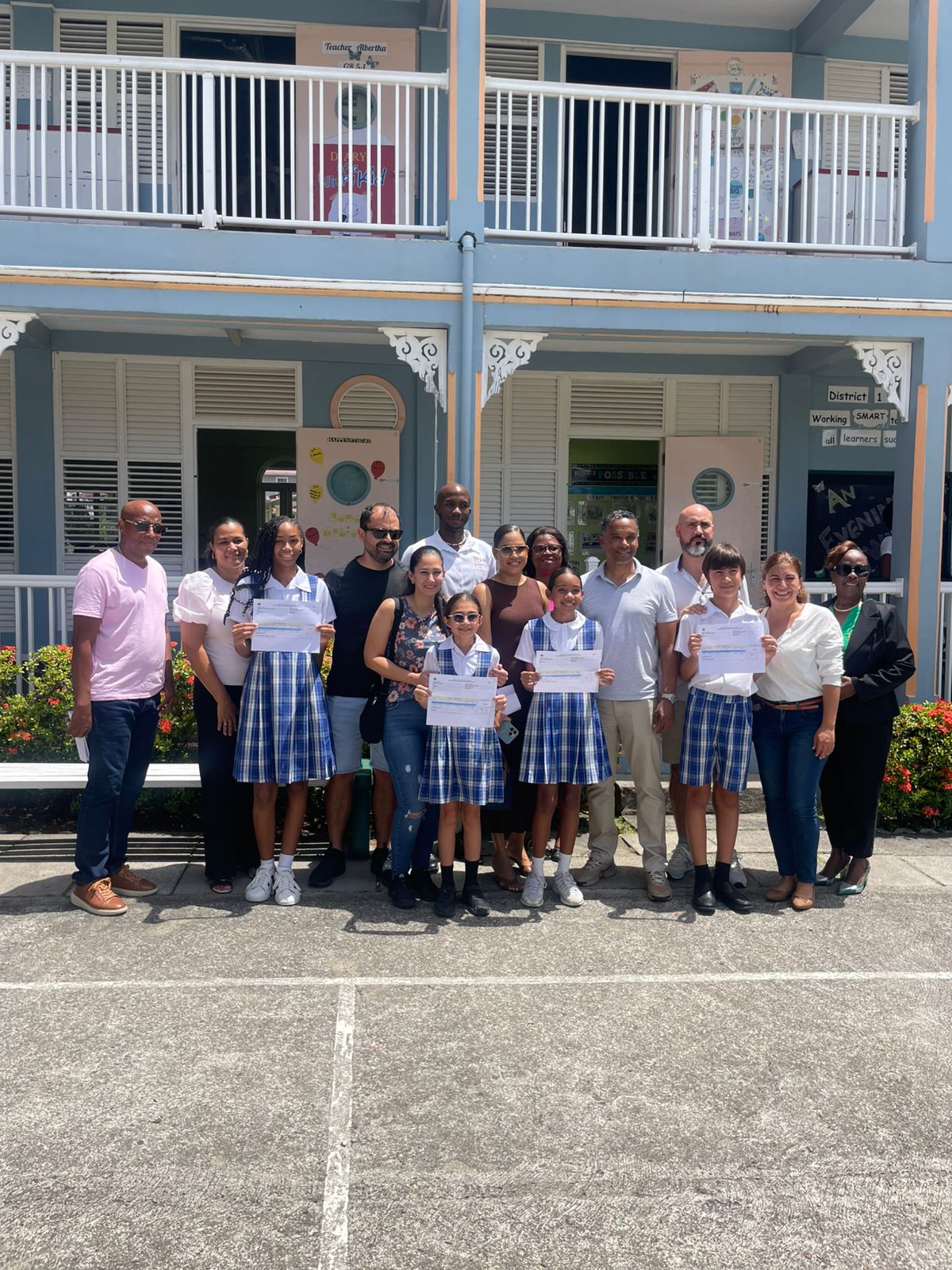
    St. Lucia’s The Montessori Centre has once again lived up to its founding motto “We strive to be the best we can be,” turning in a historic performance on the 2026 Caribbean Primary Exit Assessment (CPEA) that cements its reputation as one of the region’s leading primary education institutions. Five students from the school secured spots in Saint Lucia’s overall top ten rankings, with 12-year-old Emerald Alfred claiming the highest score across the entire Caribbean region.

    Alfred posted a staggering 99.2 percent on the high-stakes exit exam, outperforming thousands of test-takers across multiple island nations to claim the top regional and national title. Behind her, fellow Montessori student Angelina Chreiki earned third place nationally with a score of 98.8 percent, while Zuri Boodhoo, Danielle Farida and Newt Leonce tied for ninth place nationwide, each scoring 97.8 percent. In a remarkable coincidence, Alfred sat for her final exam on her birthday. Rather than distracting her from the test, she says the special occasion gave her an unexpected sense of calm. In an interview with St Lucia Times following the release of results, Alfred shared that she plans to build on this success as she pursues her long-term career goal: becoming a member of the National Aeronautics and Space Administration (NASA).

    For school principal Myrtle Murray, the extraordinary results were far from a surprise. Murray credits the institution’s long-standing, progressive approach to CPEA preparation, which introduces core test-aligned concepts to students as early as first and second grade, rather than cramming instruction in the final year of primary school. The school was an early adopter of this integrated preparation model, launching it years before the COVID-19 pandemic. “We do not start CPEA in Grade Six. We start at the Grade One and Grade Two levels with simple components of the CPEA, and as the children get older, we include all the components,” Murray explained, adding that she was overjoyed by the cohort’s performance. “The children were very prepared.”

    Grade Six lead teacher Ivan echoed the principal’s excitement, emphasizing that the results reflect the school’s commitment to personalized, student-centric learning. “Words can’t describe it. It’s an amazing feeling. I feel elated… I feel super, super proud of my students,” Peters said. He explained that the teaching team tailored instruction to match each of the 19 students in the cohort, recognizing that every learner has unique strengths, weaknesses, and preferred learning styles, and adapting instruction to nurture each student accordingly.

    Parents of the high-performing students shared in the celebration. Jodi Boodhoo, father of ninth-place finisher Zuri Boodhoo, said he always expected his daughter would earn a spot at her chosen secondary school after two years of consistent hard work. “I was not nervous. She put in the work over the past two years and the averages held up. Based on the marks she was getting throughout the term, I expected her to get into the school of her choice. Tying for ninth overall, I’m excited, but there’s still a lot of work to be done when she gets to SJC,” he said.

    Beyond the standout success of its five top-ranked students, the entire Grade Six cohort at The Montessori Centre outperformed the national average on the 2026 CPEA, and every student earned a placement at their first-choice secondary school. This most recent high-profile win adds to a long track record of academic excellence for the institution, which has repeatedly produced top-performing students across Saint Lucia and the broader Caribbean region. For Murray and her team, the 2026 results serve as further validation that early, consistent preparation and tailored, student-first education deliver meaningful, long-lasting results.

  • NIA Announces Moroccan Scholarship Program 2026-2027

    NIA Announces Moroccan Scholarship Program 2026-2027

    CHARLESTOWN, Nevis – July 2, 2026 – The Nevis Island Administration (NIA) Ministry of Human Resources has officially announced a new fully-funded higher education scholarship opportunity for qualifying citizens of St. Kitts and Nevis, extended by the Embassy of the Kingdom of Morocco for the 2026-2027 academic year.

    This diplomatic scholarship initiative covers all core academic and living costs for successful applicants, including full tuition coverage, mandatory university registration fees, student health insurance, course materials and academic supplies, on-campus or university-arranged accommodation, a consistent monthly stipend to cover daily personal expenses, and round-trip international airfare between St. Kitts and Nevis and Morocco. Per the program agreement between the two nations, St. Kitts and Nevis may nominate one candidate to fill the available scholarship slot for this cycle.

    The scholarship is open to students seeking both undergraduate and graduate degrees across a diverse range of in-demand fields. For bachelor’s degree seekers, available programs include Business Administration, International Studies, Communication Studies, Computer Science, Engineering and Management Science, General Engineering, and Renewable Energy Systems Engineering. At the master’s level, eligible programs cover Business Administration, International Studies & Diplomacy, Big Data Analysis, and Sustainable Energy Management.

    Strict eligibility criteria have been outlined to streamline the selection process. Candidates applying to bachelor’s programs must be under 21 years of age, hold or be scheduled to receive a CAPE or Associate’s Degree in 2025 or 2026, and maintain a minimum cumulative academic average of 95%. For master’s program applicants, candidates must hold an accredited bachelor’s degree with a minimum cumulative average of 95%.

    All applicants are required to submit a complete set of documentation for review, including a cover letter clearly stating the applicant’s desired field of study, certified copies of relevant academic credentials (CAPE/Associate’s Degree for bachelor’s candidates, bachelor’s degree for master’s candidates), certified academic transcripts, a certified birth certificate, a valid copy of a government-issued passport, an official recent criminal record check, two recent colored passport-sized photographs, and a medical certificate confirming the applicant’s full mental and physical fitness, up-to-date vaccination status, and the absence of any contagious or acute health conditions.

    Prospective applicants can access additional program details through Al Akhawayn University’s official website at https://aui.ma/. All completed application packages must be submitted to the NIA Ministry of Human Resources no later than Wednesday, July 8, 2026, to be considered for the nomination. For further questions regarding eligibility requirements, selection criteria, the application process, or document submission, interested candidates may contact any of the following Ministry personnel: Ms. Hardai Beephat, Ms. Corissa Griffin, Mrs. Shelly Liburd, or Mrs. Shanola Murrey-Gill via the published email addresses or phone extensions.

    This press release was distributed by the NIA and published as received by SKNVibes.com, which notes it does not edit for spelling or grammatical errors in received press content, and views expressed do not necessarily reflect those of the outlet, its sponsors, or advertisers.

  • Report card: Education ministry details school repairs

    Report card: Education ministry details school repairs

    Barbados’ Ministry of Education Transformation has released its first official progress update on a sweeping national primary school refurbishment initiative, confirming that most upgrade projects are moving forward steadily after schools closed early for construction last month — but one major campus will see work extend into 2027 due to unexpected foundation challenges.

    The multi-school improvement program forms the cornerstone of the government’s broader education transformation agenda, which aims to replace aging, outdated infrastructure across the island to create safer, more accessible, and modern learning spaces that meet the current needs of both students and teaching staff. When the initiative was first announced, authorities moved up the end of the school year by four weeks for 13 participating campuses, giving contractors an extended window to carry out disruptive construction work during the summer break, avoiding disruptions to future classes.

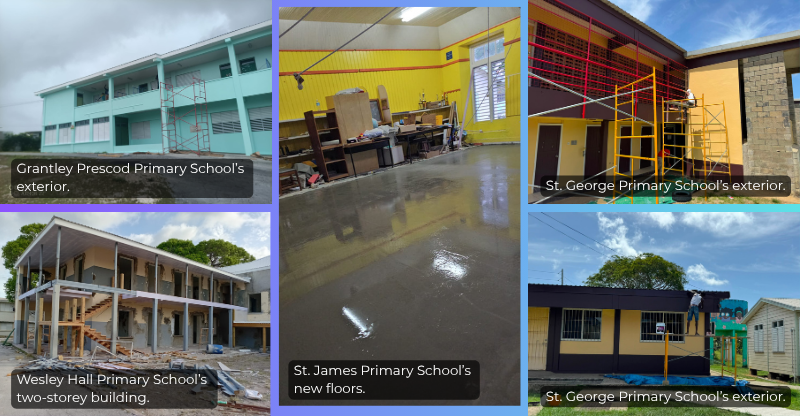
    As of the latest update, most participating schools have hit key construction milestones, with several projects well past the halfway completion mark. At Grantley Prescod Primary School, overall refurbishment work is moving ahead rapidly: interior and exterior painting is 85% finished, while ceiling replacement across the campus is 70% complete. Nearby at Wesley Hall Primary School, progress is even further along, with the project hitting 80% completion. Upgrades at Wesley Hall include the addition of new internal classroom partitions in the campus’ single-story building, full replacement of aging roofing and ceilings in the two-story wing, and the construction of new external staircases designed to boost accessibility for students with mobility needs and improve overall campus safety.

    St. George Primary School is also on track, with overall renovation work sitting at 70% completion. Contractors on site are currently focused on completing exterior painting and replacing old, worn roof sheeting across campus. Two schools, Blackman and Gollop Primary and St. James Primary, are both 40% finished with their respective upgrades. At Blackman and Gollop, painting and structural repairs are ongoing in one core classroom, while at St. James, repairs to the campus’ prefabricated classroom building are progressing as scheduled, with new flooring already installed in many areas.

    The only outlier in the progress report is the refurbishment project at Wilkie Cumberbatch Primary School, which has hit unforeseen delays that will push final completion all the way to 2027. Wayne Baker, Director of the Education Technical Management Unit (ETMU), explained that contractors encountered unexpected geotechnical challenges during the initial foundation phase of the project, which is required to support new reinforced concrete structures for the campus’ expanded facilities. After consultations between project managers, government officials, and the contracted construction team, a revised safety-compliant work schedule was finalized.

    “The contractors overseeing the critical foundation work have identified all solutions needed to address the challenges they encountered, and have submitted a revised timeline that guarantees the structure will be completed safely,” Baker said in an official statement. Once foundation work is finalized, the project will move into the main construction phase, which includes a raft of major upgrades for Wilkie Cumberbatch: new dedicated staff rooms, modernized restroom facilities, upgraded nutrition and food service rooms, a purpose-built information technology laboratory, and an expanded physical education department to support extracurricular programming.

    Despite the delay at one campus, Ministry officials say they remain pleased with the overall pace and quality of work across all participating schools. In the update, the ministry commended contractors, project managers, school administration teams, and all other stakeholders for their cooperation to keep the program on track, noting that the early school closure has already helped create breathing room for construction teams to work through key phases without time pressure. The ministry also pledged to release regular public progress updates as projects move toward completion, reaffirming that the national school refurbishment initiative is a core part of the government’s long-term vision to deliver modern, sustainable, future-ready learning environments for every child across Barbados.

    A full breakdown of current project completion rates is as follows: Grantley Prescod Primary at 85% complete, Wesley Hall Primary at 80% complete, St. George Primary at 70% complete, Blackman & Gollop Primary at 40% complete, St. James Primary at 40% complete, and Wilkie Cumberbatch Primary with a revised completion date of 2027.

  • OECS celebrates 172 graduates of regional digital skills scholarship programme

    OECS celebrates 172 graduates of regional digital skills scholarship programme

    In a landmark virtual ceremony held on May 20, 2026, the Organisation of Eastern Caribbean States (OECS) Commission formally celebrated the achievements of 172 professionals who successfully completed its year-long Advanced Digital Skills Scholarship Programme, a World Bank-backed initiative aimed at boosting regional digital competitiveness. All graduates walked away with internationally recognized industry certifications, marking a major milestone in the Caribbean’s push to build a tech-ready workforce.

    The scholarship program, a core component of the $150 million World Bank-funded Caribbean Digital Transformation Project (CARDTP), is coordinated by the OECS Commission and delivered in partnership with The University of the West Indies (UWI) Global Campus. Designed to bridge the regional digital skills gap and prepare local workers for roles in the fast-growing global digital economy, the initiative brought together recipients, program partners and stakeholders from across the region for the virtual recognition event.

    Speaking in her opening remarks at the ceremony, Sisera Simon, Head of the Human and Social Division at the OECS Commission, emphasized that strengthening regional digital capacity is no longer a discretionary goal but a non-negotiable foundation for long-term sustainable development. “In a world defined by rapid technological change, ensuring our citizens are equipped to thrive in the digital economy is not a matter of choice but a necessity for sustainable development,” Simon stated. She added that the program reflects the OECS’s long-standing vision to empower every citizen and institution across member states to compete on the global stage, highlighting the success of cross-regional collaboration, strategic multi-stakeholder partnerships and targeted human capital investment in driving impact. “When we provide our citizens with access to quality training, mentorship and emerging digital opportunities, they are fully capable of excelling in highly competitive global spaces,” she noted.

    Dr. Francis Severin, Pro Vice-Chancellor and Principal of the UWI Global Campus, echoed Simon’s remarks, praising graduates for their dedication and proving that Caribbean professionals can compete and lead in technology-focused sectors. “Through your dedication, discipline and resilience, you have demonstrated that Caribbean citizens are prepared to lead in areas such as digital innovation, technology-enabled entrepreneurship, data literacy and emerging digital industries,” Severin said. He stressed that advanced digital expertise has become a fundamental requirement for economic growth, noting that “We cannot risk becoming overwhelmed by rapid change in these areas. We believe strongly that education must not only respond to change but must also empower our people to shape the future of the Caribbean.”

    One of the most anticipated moments of the ceremony came from graduate Shazelle Isaacs Burke, who shared her personal and professional transformation through the program. Burke highlighted that the curriculum went far beyond theoretical learning, pushing participants to apply new skills to their careers and daily lives. “What stood out most is that the programme was not solely focused on theory. The assignments and reading materials challenged us to apply what we learnt not only in our careers but also in our daily life and personal development,” Burke explained. She applauded organizers for launching the initiative, noting that “every one of us is leaving this programme with valuable lessons, new skills and greater confidence in ourselves. I hope the seeds planted through this programme continue to grow, producing opportunities, success and personal advancement for years to come.”

    Dr. Karin Rosemin, Scholarship Management Team Lead at UWI Global Campus, later walked attendees through the program’s structure, noting that beyond core coursework, participants gained access to one-on-one mentorship, collaborative group projects, and for students in relevant fields, professional memberships with leading global industry bodies including the Project Management Institute.

    In a major announcement during the ceremony, organizers unveiled the new OECS Digital Skills Bank, a centralized online platform that will host profiles of all certified program graduates. The repository is designed to connect trained digital professionals with regional and international employers seeking verified digital expertise, with the broader goal of strengthening the Caribbean’s overall digital talent pool and reducing mismatches between skilled workers and open employment opportunities.

    The OECS Commission reaffirmed its ongoing commitment to advancing digital workforce development through the Caribbean Digital Transformation Project, noting that the initiative will continue to support the upskilling of regional workers to meet the evolving demands of the global digital economy. To expand this impact, the commission also announced that applications for the second cohort of the Advanced Digital Skills Scholarship Programme will open in summer 2026, with full program details to be published on the OECS online pressroom in the coming months.

  • 2026–2027 Moroccan Government Scholarship for Undergraduate and Graduate Studies

    2026–2027 Moroccan Government Scholarship for Undergraduate and Graduate Studies

    In a collaborative initiative between the Kingdom of Morocco and the Government of Grenada, Moroccan authorities have opened applications for fully funded undergraduate and graduate scholarship opportunities for Grenadian citizens to study at Al Akhawayn University in Ifrane (AUI) for the 2026–2027 academic year. Administered through Morocco’s official national agency, the program covers nearly all student expenses, removing financial barriers for qualified Grenadian applicants seeking high-quality English-medium higher education.

  • Hilda Skeene staff: Children’s education depends on parents, resources

    Hilda Skeene staff: Children’s education depends on parents, resources

    Amidst an ongoing national debate over whether private primary schools in Barbados consistently outperform public institutions, educators from one standout public school are drawing a clear line: unfair contextual comparisons do a disservice to both sectors, and student success grows from a mix of engaged parent participation, dedicated educator work and accessible resources.

    The conversation reignited earlier this month after the Barbados Union of Teachers (BUT) formally requested the Ministry of Education Transformation to release data explaining why private schools posted seemingly stronger results in this year’s Common Entrance Examination. Just days after that call, faculty and staff at St Philip’s Hilda Skeene Primary School celebrated their students’ exceptional performance during a graduation ceremony hosted at The Crane Resort, where they pushed back against direct cross-sector comparisons.

    Hilda Skeene Primary’s 2024 exam results tell a compelling story: student Josiah Gibson secured second place across the entire island, earning a perfect 100% score in Mathematics, while several other classmates hit scores in the 90th percentile. For Kara Allsopp, a Class Four teacher at the school, these achievements are more than just individual wins—they prove public school students can compete at the highest academic level when schools and families collaborate effectively.

    “Once parents get involved, we have public school students that can perform just as well, if not better, than their peers in private schools,” Allsopp explained during the ceremony. She attributed this year’s success to consistent family buy-in: parents prioritized their children’s learning, committed to extra support, and even arranged for students to attend extra study sessions on school holidays. The real driver of strong outcomes, she added, is not institutional status but intrinsic motivation. “We worked for months toward these exams. The children gave up their free time on bank holidays to come in and practice. That motivation is the actual secret to success. My job as an educator is first and foremost to spark that desire to do well—once that clicks, students will rise to the challenge.”

    Principal Wayne Bryan echoed Allsopp’s rejection of direct public-private comparisons, noting the two sectors operate under fundamentally different conditions that make head-to-head ranking meaningless. “Comparing public schools to private schools is comparing apples to oranges,” Bryan said. “There are dozens of variables that shape how each sector operates, from the student populations they serve to how they are managed and staffed. They both provide a core public good, but they operate in totally separate contexts.”

    Even as he celebrated his students’ wins, Bryan did not shy away from naming the persistent structural challenges holding many public schools back: limited funding and a widespread lack of adequate material, human and financial resources. “You can have the highest goals and biggest dreams for your students, but without the right resources, reaching those goals becomes far harder,” he noted. For many public school principals, the burden of funding gaps pulls focus away from core educational leadership: Bryan himself spends significant time lobbying private sector partners and organizing parent-led fundraising campaigns to cover gaps in public funding.

    Looking ahead, Bryan called for broader cross-sector collaboration to lift public education outcomes across the country, arguing that private sector investment in public schools is an investment in Barbados’ future workforce. “The next generation of employees, leaders and innovators for Barbados’ private businesses come from our public schools. If business leaders want a strong workforce down the line, they need to invest today. Improving public education is not a job for one group—it takes all of us working together to deliver the outcomes our children deserve.”

  • Corporate Sponsors Boost Entrepreneurship Training for Barbuda Students

    Corporate Sponsors Boost Entrepreneurship Training for Barbuda Students

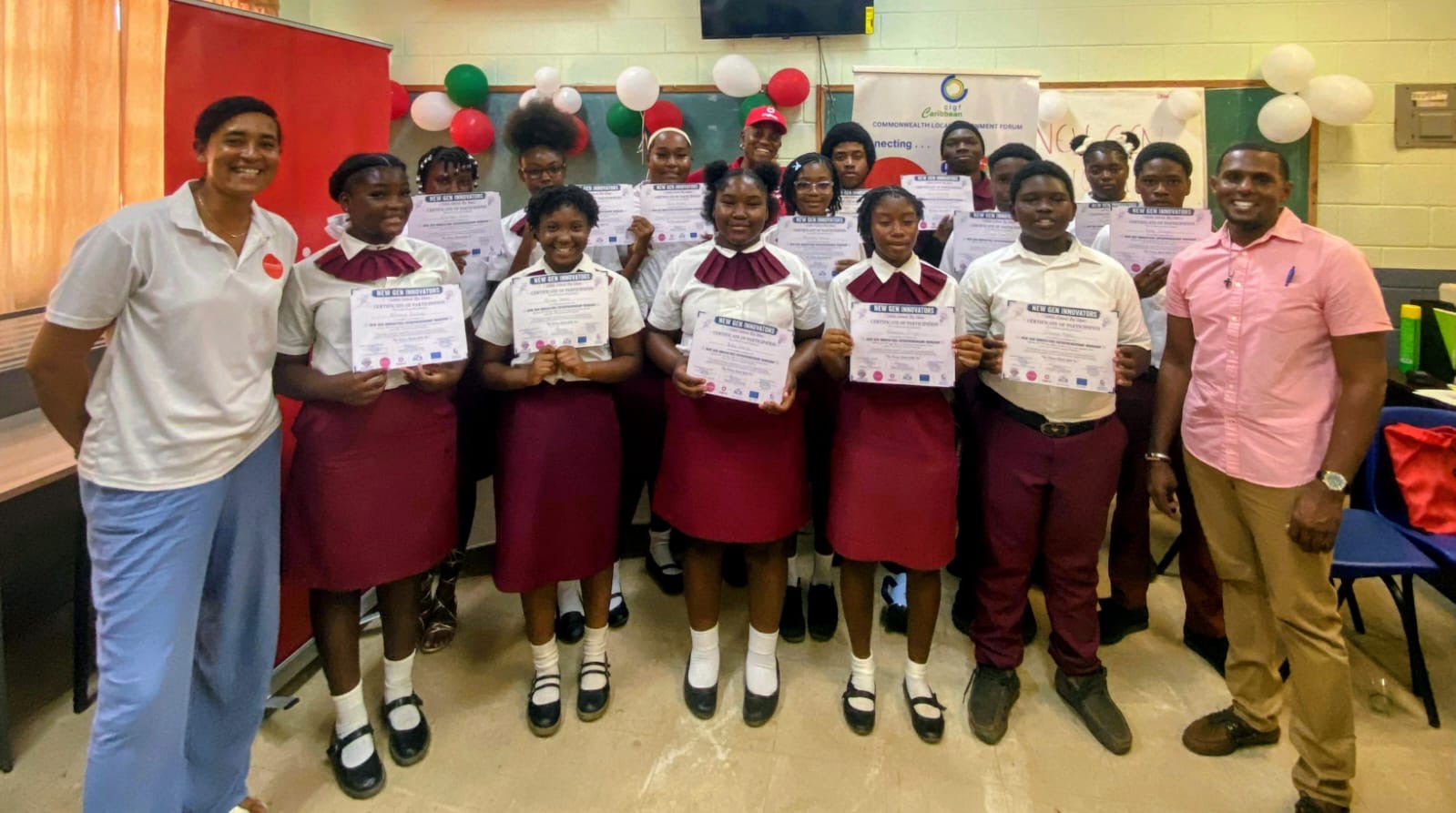
    Barbuda’s next generation of young innovators is gaining unprecedented access to practical business skills, thanks to a growing wave of corporate sponsorships investing in local entrepreneurship training programs. For years, students on the small Caribbean island faced limited opportunities to explore self-employment and business creation, with most secondary and post-secondary institutions focusing on traditional career pathways that left little room for innovative, homegrown business ideas. Today, that narrative is shifting as local and international companies step in to fund curriculum development, bring industry mentors into the classroom, and provide small seed grants for student-led prototype projects.

    The programs, embedded in both secondary schools and the island’s community training centers, cover core skills ranging from business plan development and digital marketing to financial management and supply chain logistics. Unlike generic classroom lectures, the training is designed around Barbuda’s unique economic context, encouraging students to build businesses that leverage local assets such as sustainable tourism, artisanal crafts, blue economy initiatives, and local agriculture. Corporate partners not only provide funding, but also send active business leaders to work one-on-one with students, offering real-world insights that cannot be found in textbooks.

    Program organizers report that early outcomes have exceeded expectations, with more than 60% of participating students reporting increased interest in starting their own ventures after graduation, compared to just 15% before the expanded programs launched. For the island of Barbuda, which has worked to rebuild its local economy following major climate disasters in recent years, developing a new cohort of young entrepreneurs is seen as a critical step toward building more resilient, self-sufficient economic growth. Local education officials note that the corporate sponsorship model has created a sustainable partnership that aligns the private sector’s goal of nurturing future talent with the community’s goal of expanding economic opportunity for young people. Moving forward, partners plan to expand the program to reach every secondary school on the island by 2026, and add a annual student business pitch competition that will connect top ventures with additional regional investment opportunities.

  • Jeremi Wright scores 100 in Maths, earns place at first-choice school

    Jeremi Wright scores 100 in Maths, earns place at first-choice school

    Eleven-year-old Jeremi Wright, a graduating student from St Cyprian’s Boys’ School, has closed out his primary education on a historic high note, securing a perfect score in mathematics and an acceptance to his first-choice institution: Harrison College.

    The young achiever received his Barbados Secondary Schools’ Entrance Examination results this Monday, and he said he could not contain his joy when he saw he had claimed a place at the campus he had set his sights on months earlier. “I felt excited that I would be going to my first choice,” Jeremi shared.

    As a Class Four student who spent months gearing up for the high-stakes entrance exam, he entered the test center feeling grounded and prepared. Months of consistent practice, including nearly daily practice exams, left him confident that the official test would feel familiar. “I was confident knowing that I did exams almost every day that it would basically be the same thing,” he explained. Beyond his regular school coursework, Jeremi also committed to two extra tutoring sessions each week – a commitment he admitted was not always easy, since “I wanted to stay home, though.”

    His mother, Shamelia Wright, says she never felt overwhelming stress during Jeremi’s exam preparation period, because her son has always been a consistently dedicated learner. “It was not nerve-wracking or anything like that. He is generally a good student,” she noted. Shamelia credited St Cyprian’s structured preparation program and frequent regular testing, particularly in mathematics, as key contributors to her son’s standout performance.

    Even as he prioritized exam preparation, Jeremi never stepped back from his extracurricular passion: badminton. He remained an active member of both the Attackk Badminton Club and the country’s national youth badminton team. When asked how Jeremi managed to balance the heavy academic load and his sports commitments, Shamelia explained the family’s simple, effective rule: “Homework first, sports after.”

    The perfect mathematics score came as an unexpected, joyful surprise for the entire family. “I was happy because I was happy for him. He got to the school he wanted to go to. He’s going to Harrison College,” Shamelia said. “I was shocked because he got 100 in math.”

    A pre-examination campus tour of Harrison College played a key role in solidifying Jeremi’s desire to attend the institution. When asked about the visit, Jeremi said the sheer scale of the campus left a lasting positive impression: “I was surprised at the size.” That visit confirmed for the young student that Harrison College was where he wanted to continue his education, a feeling he shared clearly with his mother.

    Jeremi’s father, Jared Wright, shares his wife’s pride in his son’s achievement, but he is quick to emphasize that all credit belongs to Jeremi himself. “I can’t take any of the credit from Jeremi,” Jared said. “He’s a child that knows what he wants and is willing to put in the work to go after what he wants. My job was just really in helping him remember who he was and what he was capable of.” While the 11-year-old’s perfect score was a surprise, Jared says the strong result was not out of line with what he knows his son can achieve. “I wasn’t surprised. I was very, very happy,” he said. “I know what my son is capable of.” The family celebrated the milestone with a special dinner at Jeremi’s favorite restaurant.

    At St Cyprian’s Boys’ School, deputy principal and Jeremi’s Class Four teacher Kevin Hurdle said school staff went into results day quietly confident that this cohort of students would deliver strong performance. “We were quietly confident that our boys would perform at a high level,” Hurdle shared. “Not only were they well prepared, this particular year group was one that has been monitored for a number of years producing a very high standard of results.”

    Hurdle explained that the school uses a tailored, multi-tiered preparation strategy for the entrance examination, blending traditional instruction methods with modern multimedia resources and engaging learning activities designed specifically to meet the learning needs of boys. He said the staff was overjoyed by the results, particularly Jeremi’s historic achievement. “I was elated,” he said. “Very proud to be part of the process whereby these boys can begin to show the potential that they have academically.”

    Hurdle also highlighted that most students in Jeremi’s graduating class balanced their academic preparation with participation in school sports teams. This ability to juggle multiple commitments, he said, is a promising sign for the students’ long-term success. “The fact that our boys could show that they could balance these things along with their academics, I think, bodes very well for the future,” he added.

    As Jeremi prepares to start classes at Harrison College in the upcoming academic year, his parents are sharing guidance with other families who will soon navigate the entrance examination process, urging caregivers to prioritize encouragement over high pressure. “Do not pressure the children,” Shamelia advised. “They will do what they need to do. Just encourage them.”

    J echoed his wife’s perspective, encouraging parents to trust their children’s abilities. “Remember who your children are and help them remember who they are and what they’re capable of,” he said. “Children are resilient. They’re amazing, and they have capabilities beyond what we often give them credit for.”