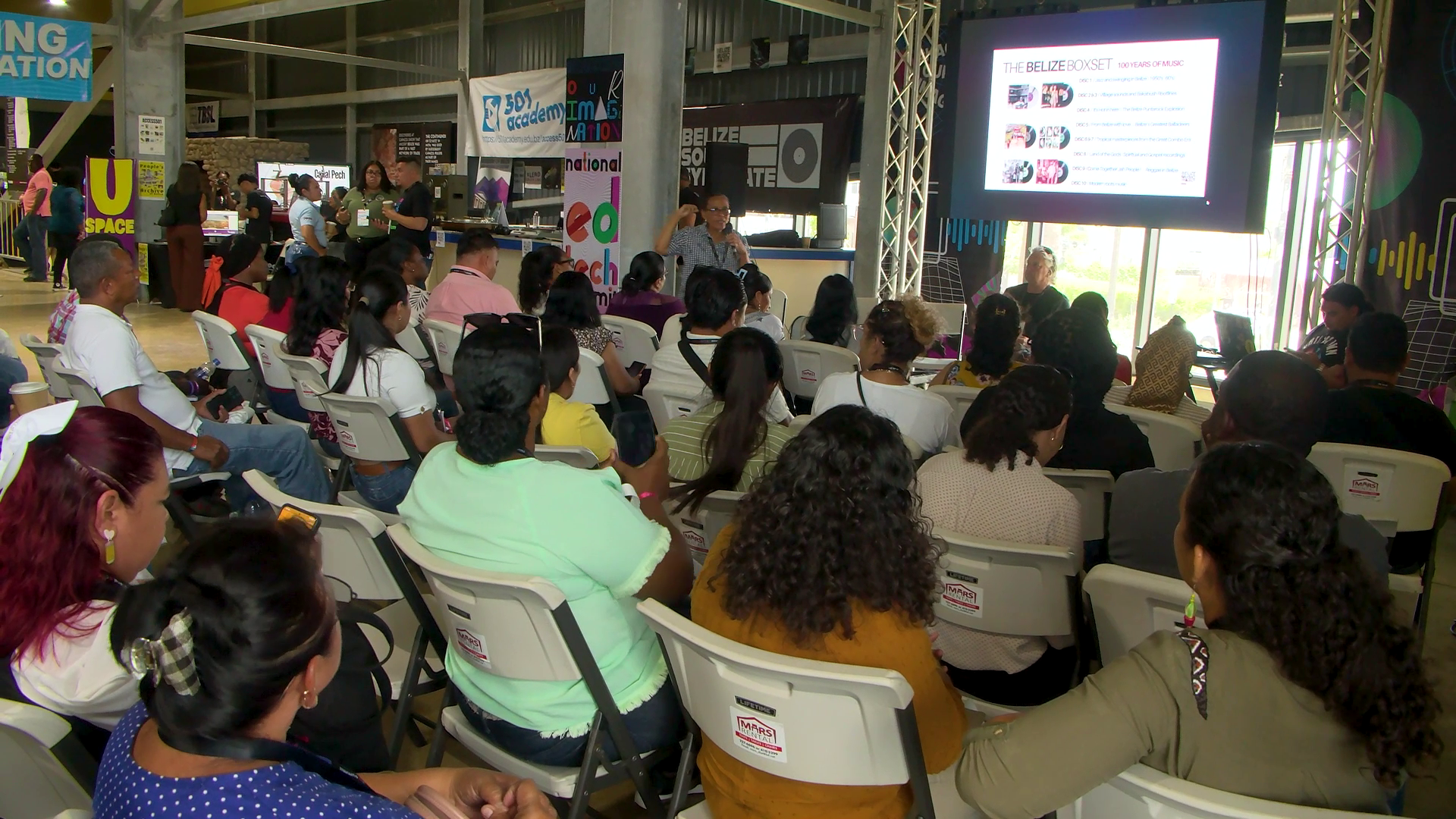
On August 4, 2026, over 500 educators from every region of Belize convened at the Belize City Civic Center for the Ministry of Education’s second annual Education Technology (EdTech) Summit. Centered on the engaging theme “Teaching Hacks,” this two-day collaborative gathering brings together classroom teachers, school administrators, and private sector technology partners to co-explore how emerging digital tools and artificial intelligence can reimagine traditional teaching and learning frameworks, while exchanging actionable, innovative strategies to boost student lesson engagement and outcomes.
Dian Maheia, Chief Executive Officer of Belize’s Ministry of Education, spoke with reporters on-site about the core mission of this year’s event. She framed the summit as the largest collective brainstorming session for educators in the country, designed to expose teachers to new resources, spark inspiration for creative instruction, and facilitate peer-to-peer sharing of context-specific practical strategies that educators have developed to streamline their daily work.
This year’s programming is organized around four focused tracks: hacking time, hacking space, hacking the curriculum, and hacking the imagination. Each track addresses common pain points for Belizean educators: time-saving workflows to reduce administrative burden, creative solutions for limited classroom space, adaptable approaches to align tech tools with national curriculum standards, and activities that stretch student creative thinking. “This is really about bringing everybody together to talk about solutions that help us all do our jobs better,” Maheia explained.
The summit covers the full spectrum of technology and education intersections, from hands-on workshops demonstrating how to leverage popular generative AI tools for lesson planning and differentiated instruction to deep dives into accessible, low-cost digital resources already available to schools. While many attending educators already integrate basic technology into their teaching, the event creates space for both experienced tech-users to share their best practices and for all participants to discover entirely new tools and instructional approaches.
Unlike many one-off professional development events, the learning initiated at the summit is designed to continue long after the closing session. Maheia outlined that a custom dedicated mobile app will extend the impact of the gathering: participating educators will earn digital certificates for their attendance, receive recognized professional development credits that count toward career advancement, and gain ongoing access to future training opportunities and a shared community of practice for EdTech innovation.