分类: education

  • “Schools Shouldn’t Be Billboards for Junk Food”

    “Schools Shouldn’t Be Billboards for Junk Food”

    Across communities worldwide, a fierce public debate has emerged over the role of junk food marketing within primary and secondary school campuses, with public health advocates and education leaders arguing that learning institutions should never function as unpaid advertising billboards for processed, high-sugar, high-fat food brands.

    For decades, many cash-strapped school districts have struck partnership deals with snack and soda companies, allowing branded vending machines, logo displays on sports equipment, sponsored event materials, and even in-classroom advertising in exchange for much-needed funding for extracurricular programs, facility upgrades, and student resources. These agreements have provided critical financial relief for districts struggling with underfunding from local and state governments, but critics warn they come at a steep cost to public health, particularly for children and adolescents who are still developing their eating habits.

    Childhood nutrition researchers note that young people are far more susceptible to food marketing than adults, with repeated exposure to junk food branding in trusted environments like schools normalizing unhealthy food choices and contributing to rising rates of childhood obesity, type 2 diabetes, and dental health issues. Unlike advertising targeted at adults, marketing in schools is uniquely unregulated in many regions, and students are a captive audience – they cannot opt out of seeing these ads while attending classes, using gym facilities, or eating in cafeterias.

    In recent years, a growing number of national and local governments have moved to ban all forms of junk food advertising in schools, responding to pressure from public health groups. Proponents of these bans argue that schools have a core responsibility to prioritize student well-being over short-term financial gains, and that other sources of funding – such as increased public investment or partnerships with health-focused food brands – can replace the revenue lost from junk food sponsorships. Opponents of the bans, however, point to the ongoing crisis of school underfunding, arguing that without alternative revenue streams, many districts will be forced to cut beloved student programs that have nothing to do with nutrition.

    As the conversation evolves, the core question remains: how can education institutions balance their financial needs with their legal and ethical obligation to protect the long-term health of the students they serve? For campaigners leading the charge against junk food in schools, the answer is clear: learning spaces are designed to nurture healthy, growing minds and bodies, not to push products that harm student health.
  • How are Belize’s Youngest Coders Building Coastal Clean-Up Robots?

    How are Belize’s Youngest Coders Building Coastal Clean-Up Robots?

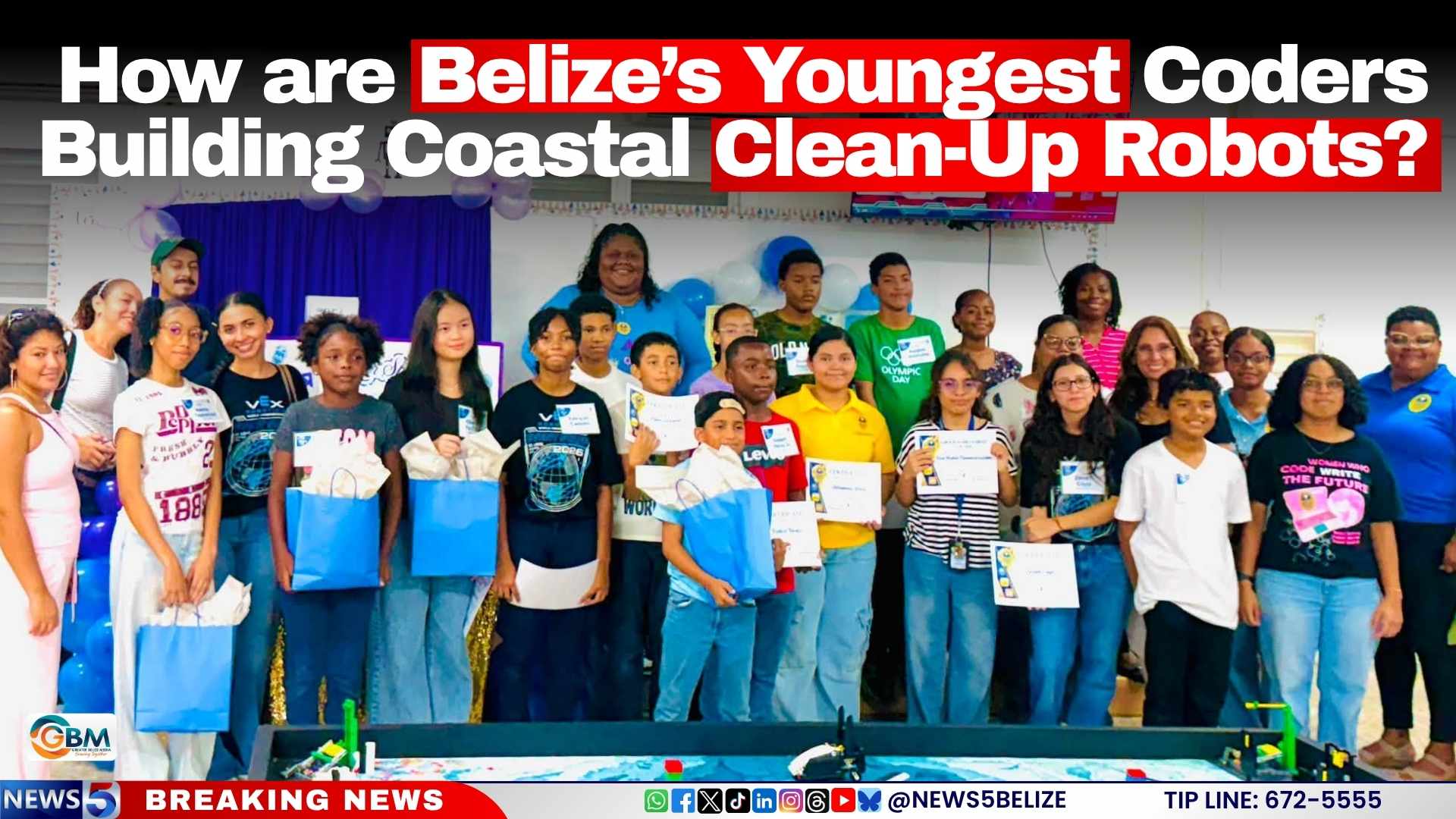
    On a promising July afternoon in 2026, 16 students from St. Catherine’s Academy in Belize brought their week of intensive learning to a celebratory close with a public live showcase, where they unveiled custom-built, coded robots designed to simulate the cleanup of marine and coastal debris plaguing Belize’s precious shorelines.

    The annual robotics summer camp welcomed participants across a wide range of ages and coding skill levels, all starting from the very basics of robot construction and programming. Over five days, attendees worked with LEGO SPIKE Prime kits, learning to assemble hardware, write functional code, and troubleshoot their designs from the ground up. The camp’s final challenge tied their new technical skills directly to a pressing local issue: tasking each team with programming their robots to collect simulated marine litter, turning a classroom learning exercise into a tangible exploration of real-world solutions.

    A crowd of proud parents, school faculty, and local community members gathered to watch the students demonstrate their creations in action. In an official public statement posted online after the event, camp organizers shared their enthusiasm for the students’ work: “What an incredible end to our Robotics Summer Camp! Our campers proudly showcased their knowledge about robots, their coding solutions, and their undeniable creativity.”

    This integration of hands-on technical training and environmental problem-solving is not an isolated initiative. It mirrors a growing, national movement in Belize that aligns K-12 STEM (science, technology, engineering, and mathematics) education with local community and environmental challenges, encouraging young people to use innovation to address issues that directly impact their home.

    For young coders and environmental enthusiasts eager to take part in the next iteration of the program, organizers confirmed that registration details for the 2027 summer robotics camp will be released publicly in the coming months, opening the opportunity to any interested participants across the country.

  • O.S. Reebergproject neemt nieuw zorgcoördinatielokaal en schoolomheining in gebruik

    O.S. Reebergproject neemt nieuw zorgcoördinatielokaal en schoolomheining in gebruik

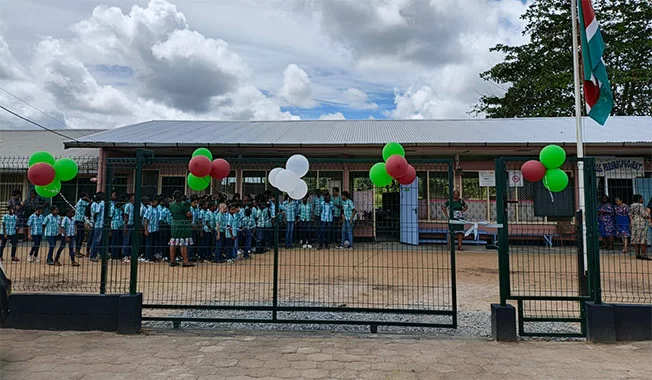
    After nine months of collaborative planning and construction, O.S. Reebergproject, a primary and secondary education institution, has officially launched two key campus upgrades: a purpose-built office for its care coordination (ZOCO) team and a fully replaced campus perimeter fence. The new infrastructure investments are designed to foster a safer, more modern, and engaging learning environment that supports the holistic growth of all enrolled students. A formal plaque unveiling ceremony was held to mark the completion of the project, which was made possible by full funding from the Stichting Staatsolie Foundation for Community Development Fund, a community-focused grant-making organization.

    Thanks to the foundation’s financial support, the school now has a dedicated, contemporary care coordination space designed specifically to support students who require extra academic, social, or emotional assistance. The newly installed perimeter fence is built for long-term durability, and has already delivered marked improvements to both campus security and the overall visual appeal of the school grounds. Dakaya Lens oversaw overall project coordination, while Charissa Jong A Pin and her team from local contractor Torque Line N.V. handled all on-site construction and installation work.

    Bernice Renfrum, the school’s principal, emphasized that the successful delivery of the upgrades is the product of cross-stakeholder collaboration between the school administration, the parent-teacher committee, and external funding and construction partners. “This project is far more than just an investment in our school’s physical infrastructure,” Renfrum explained during the opening ceremony. “Above all, it is an investment in the future of our children. From the very first planning meeting, the parent committee stood by me with full support. This project would have been far more difficult to complete without their relentless effort, active engagement, and consistent motivation. Through our combined work, we were able to secure the support of the Stichting Staatsolie Foundation and deliver this incredible outcome, and I am deeply grateful to the parent committee for their commitment.”

    With the new care coordination office and upgraded perimeter fence now in active use, O.S. Reebergproject has marked a major milestone in its ongoing work to build a secure, inspiring, and forward-looking education ecosystem where every student can reach their full potential. School leadership has extended formal thanks to the Stichting Staatsolie Foundation for Community Development Fund for its critical financial backing, as well as to every individual and organization that contributed time, expertise, and effort to bring the project to completion.

  • AUA Freezes Tuition, Offers Free Housing, expands scholarships for New Medical Students

    AUA Freezes Tuition, Offers Free Housing, expands scholarships for New Medical Students

    Against a backdrop of growing financial strain pushing prospective and current medical students and their families to the brink, the American University of Antigua (AUA) has announced three targeted affordability measures designed to expand access to medical training and ease long-term budget uncertainty. In a formal statement unveiling the new policies, AUA President Dr. Peter Bell outlined the changes, which go into effect immediately for qualifying enrollees.

  • Ministry Agriculture Interns Gain Hands-On Poultry Farming Experience

    Ministry Agriculture Interns Gain Hands-On Poultry Farming Experience

    Antigua and Barbuda’s Ministry of Agriculture is pressing forward with its annual Summer Internship Programme this week, delivering hands-on, immersive learning for young participants through guided educational visits to two distinct local farming operations. The 11th day of the program was dedicated entirely to building practical expertise in poultry rearing and avian management, taking interns first to privately owned Pelle Farm, followed by the educational farm facility of All Saints Secondary School.

    Owned by Kelvin Pelle, a former Agricultural Science educator, Pelle Farm introduced interns to a diverse roster of avian species far beyond the common commercial chicken, including rheas, domestic ducks, and rare black chicken breeds. Experienced farm staff walked the group through species-specific protocols for daily care, nutritional needs, and population management, breaking down the unique requirements of raising each type of bird for commercial or small-scale production.

    After concluding their tour of Pelle Farm, the intern cohort traveled to All Saints Secondary School’s on-site farm, where the school’s specialized agricultural education team led an interactive workshop focused on core poultry production concepts and the critical role of pure breed conservation. During this session, participants examined a wide range of poultry, from quail, pheasants, and partridges to commercial layer hens and broiler chickens. They gained clear insight into the key functional differences between lines bred specifically for consistent egg output and those developed for meat production.

    The workshop also covered advanced foundational topics, including selective breeding practices designed to preserve and enhance desirable genetic traits in poultry flocks. Farm instructors demonstrated a simple, longstanding industry technique that allows producers to assess whether a hen is actively laying eggs by measuring the spacing between the bird’s pelvic bones—wider spacing indicates consistent egg production. Interns also learned a key biological fact about layer chickens: the species is photoperiodic, meaning the length of daily daylight directly impacts laying rates, with longer daylight hours typically driving higher egg output.

    Food safety, a critical component of successful poultry production, was another core focus of the day’s learning. The agricultural team clarified a common industry misconception, explaining that washing raw eggs with tap water actually compromises food safety by stripping away the cuticle, the natural protective coating on the egg shell that blocks bacterial infiltration. Instead, producers and handlers should only gently wipe eggs with a dry cloth when dirt needs to be removed, to preserve the shell’s natural defenses.

    Many participants got the rare chance to safely interact with and handle different poultry birds, allowing them to directly observe avian behavior and temperaments first-hand—an opportunity few entry-level learners get in traditional classroom settings.

    In a statement following the day’s visits, the Ministry of Agriculture outlined the core mission of the Summer Internship Programme: to give emerging agricultural professionals exposure to the full breadth of the sector through experiential, practical learning that builds in-demand technical skills and fosters long-term interest in agricultural careers. The program will continue in the coming weeks with additional on-site field visits and targeted training sessions, all aimed at expanding participants’ understanding of agriculture’s outsize role in supporting Antigua and Barbuda’s national economy and strengthening the country’s domestic food security.

  • FLASH : D-2, more than 118,000 candidates expected for the 2025-2026 baccalaureate

    FLASH : D-2, more than 118,000 candidates expected for the 2025-2026 baccalaureate

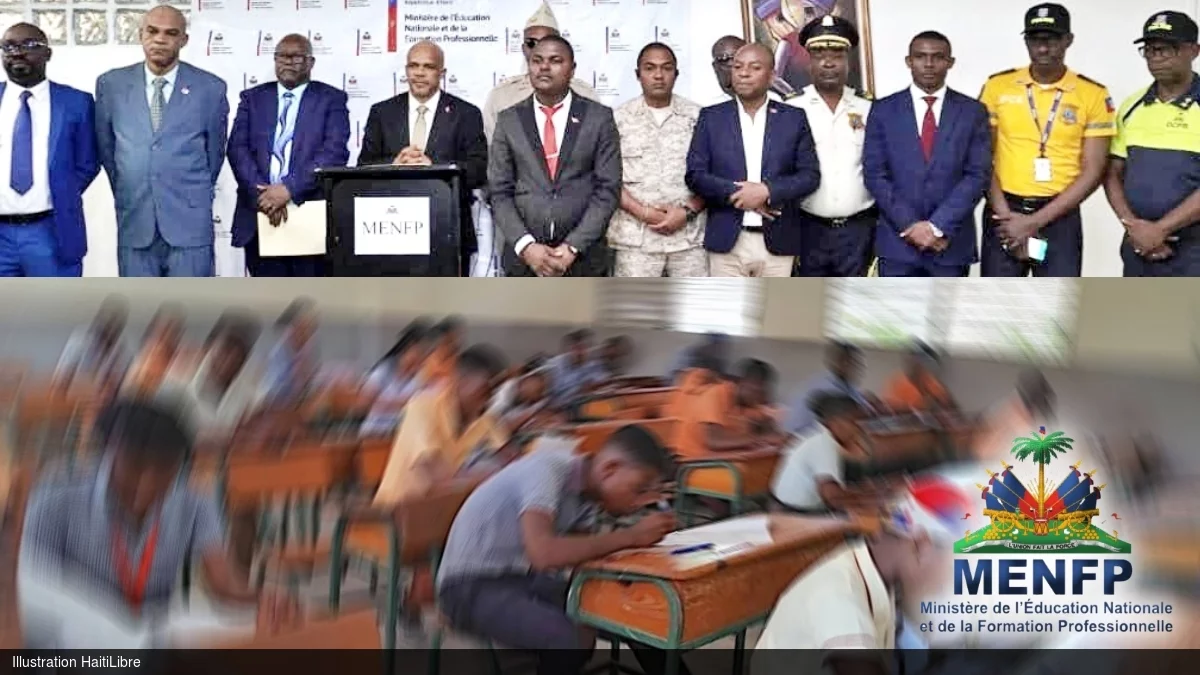
    With just two days remaining until the start of Haiti’s 2025-2026 national baccalaureate exams, education authorities have finalized last-minute preparations and confirmed the high-stakes assessment will proceed as originally scheduled. The four-day exam series, which will serve as a critical academic milestone for more than 118,000 secondary students across the country, will run from July 13 to July 16, 2026. National Education Minister Vijonet Déméro made this official announcement during a press conference held on July 10, 2026.

    Breaking down the candidate pool, Déméro shared that a total of 118,090 examinees are registered to take part in the exams. This cohort includes 102,878 first-time candidates from Secondary 4, 14,338 repeat candidates who did not pass their previous Secondary 4 attempt, and 874 candidates retaking the traditional philosophy examination. In a notable first for the country’s technical education pathway, 23 candidates are set to complete the technological baccalaureate this cycle. All 23 of these technical candidates hail from the Cance Agricultural Technical High School, located in Haiti’s southern region.

    Addressing widespread concerns over exam security amid ongoing instability in Haiti, Minister Déméro confirmed that top national security bodies have committed to comprehensive safeguards to support a smooth testing process. He stated that the Department of Justice, the Armed Forces of Haiti (FAd’H), and the Haitian National Police (PNH) have already put all required security measures in place to protect exam centers, candidates, and supervisory staff throughout the exam period.

    The minister extended public gratitude to every stakeholder that contributed to months of pre-exam preparation, including family members of candidates, school administrators, and education staff across all levels of government. Looking ahead to the four testing days, Déméro emphasized that he is counting on the unwavering commitment of every person involved in the exam operation to uphold established protocols and ensure the assessment proceeds without disruption.

    Osny Jean Marie, Director General of Haiti’s Ministry of National Education, shared details of completed logistical preparations. All candidate admission forms for exam rooms have already been printed and distributed to the country’s 10 Departmental Directorates of Education, which will in turn deliver the documents to registered examinees. Every exam center has been selected, inspected, and fully prepared to welcome candidates ahead of Monday’s opening test.

    Jean Marie also reminded all participants and supporters of strictly enforced exam rules. Prohibited items inside exam rooms include weapons, personal cell phones, and programmable calculators, and any confirmed cases of cheating will face severe disciplinary penalties. He closed by calling on the more than 118,000 registered candidates to remain calm and focused as they approach this key academic assessment, and urged the broader public to show understanding and support for examinees throughout the exam week.

  • NGSA pass rates improve across all four subject areas, including Math at the highest level

    NGSA pass rates improve across all four subject areas, including Math at the highest level

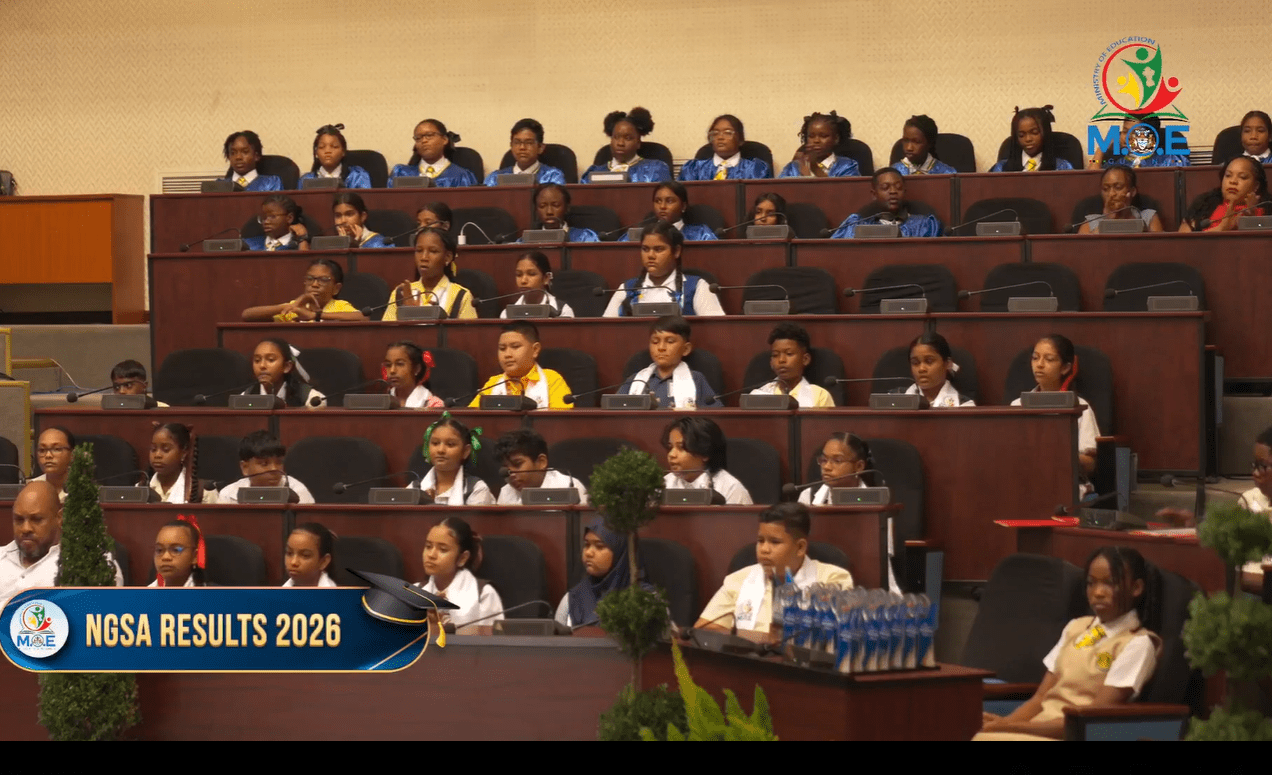
    On Friday, 10 July 2026, officials from Guyana’s Ministry of Education and the Caribbean Examinations Council (CXC) officially released the results of the 2026 National Grade Six Assessment (NGSA) at the Arthur Chung Conference Centre in Liliendaal, Greater Georgetown, announcing a historic milestone in the country’s primary education outcomes.

    Education Minister Sonia Parag confirmed that 15,706 Grade Six students sat this year’s assessment, and the 2026 results mark the strongest performance in Guyana’s national history. Not only do the results outperform all outcomes recorded over the past five years, they also meet the regional benchmark for comparable primary school assessments across the Caribbean, Parag said. She credited the landmark achievement to decades of consistent, targeted education investment by the People’s Progressive Party Civic-led government, and highlighted the foundational work laid by former education minister Priya Manickchand for building the framework that enabled this transformation of Guyana’s education system.

    CXC Director of Operations Dr Nicole Manning echoed Parag’s optimism, noting that steady year-over-year improvement in pass rates confirms the positive impact of ongoing education interventions across the country. Official data from Guyana’s Department of Public Information shows that the share of students scoring 50 percent or higher grew across all four core NGSA subject areas between 2025 and 2026. English Language posted the highest overall pass rate at 73.08 percent, rising from 69.25 percent in 2025; Social Studies saw a modest increase from 64.77 percent to 65.28 percent; Science improved from 63.70 percent to 65.38 percent; and Mathematics recorded the largest single gain, jumping from 55.51 percent of students hitting the 50 percent threshold in 2025 to 59.80 percent in 2026.

    Beyond improved pass rates, Manning highlighted additional positive trends: a marked increase in the number of students earning full marks across all four core subjects, and a historic drop in zero-score outcomes. No students received a zero mark in English Language or Social Studies this year, while Mathematics recorded its lowest number of zero scores in five years. Dr Manning emphasized that these gains were achieved even as CXC strengthened quality assurance protocols to protect the integrity of the results. Approximately 350 trained examiners were contracted to mark the 2026 assessments, with a multi-layered monitoring process including standardisation training for markers, a three-tiered system of independent review, targeted remarking for questionable scores, and forensic post-marking audits before final results were confirmed.

    The 2026 NGSA results are publicly available for access via the Guyana Ministry of Education’s official portal at https://exams.moegy.org/. Officials have also announced key dates for the 2027 assessment cycle, with the next NGSA scheduled to be held 14–15 April 2027 and results set for release on 25 June 2027. Top-performing students from each of Guyana’s administrative regions were also recognised, with dozens of highest-scoring students earning placement at the country’s most prestigious secondary institutions, including Queen’s College, The Bishops’ High School, and St. Stanislaus College.

  • SAO-training Automontage past Micro Credentials-concept toe

    SAO-training Automontage past Micro Credentials-concept toe

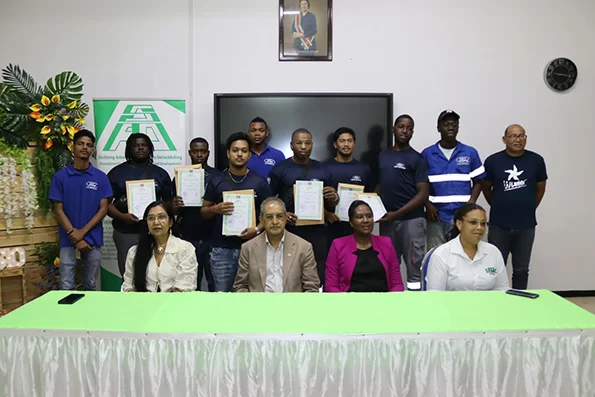
    A landmark skills training initiative has launched in Suriname, marking the country’s first vocational auto mechanics training program delivered under the formal Micro Credentials framework. On Wednesday, six employees of Suriname Earth Moving Contractors N.V. (SEMC) received their official Auto Mechanics certification from the Suriname Foundation for Labor Mobilization and Development (Stichting Arbeidsmobilisatie en Ontwikkeling, SAO), capping off the successful pilot cohort of the innovative program. A second cohort of six SEMC staff members is scheduled to begin the same training on Saturday, July 11.

    Micro Credentials are nationally recognized, compact qualifications that verify learners have mastered specific, job-relevant knowledge, skills and professional competencies. Unlike traditional full-length vocational programs, this framework breaks a complete occupational training curriculum into standalone, bite-sized modules, each completed with its own formal certification. For the auto mechanics pilot, participating SEMC employees gained hands-on and theoretical expertise across critical areas of the trade, including routine vehicle maintenance and service, chassis repair and modification work, and brake system installation and preventative maintenance.

    According to SAO leadership, the adoption of the Micro Credentials framework represents a major milestone in the advancement of competency-focused vocational education in Suriname. The model shifts focus beyond simply earning certificates to prioritizing demonstrable, workforce-aligned skills that match current labor market demand. This approach directly advances the core goal of Suriname’s Directorate of Welfare and Labor to reduce mismatches between employer needs and worker qualifications, creating a more efficient and inclusive labor market.

    The certification ceremony was attended by key public and private sector stakeholders, including Raj Jadnanansing, Deputy Minister of Health, Welfare and Labor; Joyce Lapar, SAO Director; Naomi Esajas-Friperson, Chair of the SAO Board of Directors; and Avriëlle Cicilson, Commercial Operations Manager of SEMC Labor. All speakers addressed the graduating participants, highlighting the critical value of continuous upskilling in today’s evolving labor market. They emphasized that the partnership between SAO, a public labor development body, and SEMC, a major private sector employer, serves as a strong model for cross-sector collaboration to develop a skilled national workforce.

    Deputy Minister Jadnanansing noted that the Micro Credentials model is built around the principle of “learn while working,” a structure that creates tight, seamless integration between theoretical knowledge and on-the-job practical application. He congratulated the six new certification holders and encouraged them to leverage the professional development opportunities provided by their employer to advance their careers. Jadnanansing added that beyond technical trade expertise, soft social competencies are also essential for long-term career success, and that investing in a skilled workforce directly supports broad-based economic development across Suriname.

  • GHTA concludes successful Discover Hospitality Camp

    GHTA concludes successful Discover Hospitality Camp

    Grenada’s key tourism industry body has wrapped up a landmark youth outreach initiative, closing out a seven-day immersive program that opened the door to local secondary school students to explore the island’s thriving tourism sector, its commitment to sustainable operations, and the wide range of long-term career opportunities available within it.

    Organized by the Grenada Hotel and Tourism Association (GHTA), the Discover Hospitality Camp welcomed 22 third- and fourth-form students from schools across the country. Designed as a practical, hands-on learning experience rather than a traditional classroom program, the initiative gave young participants direct access to every corner of Grenada’s $tourism and hospitality economy, blending interactive training, on-site industry exposure and one-on-one mentorship from seasoned professionals.

    Throughout the week, students took part in a packed schedule of activities tailored to build both hard and soft skills. They joined targeted skill-building workshops focused on guest experience management and food and beverage operations, toured leading local hotels and popular tourist attractions to see daily industry operations firsthand, and participated in hands-on activities focused on sustainable hospitality and marine conservation. Each participant also had the opportunity to connect with and learn from industry veterans who provided guidance on career trajectories and professional growth.

    The official closing ceremony brought together a range of stakeholders to celebrate the program’s success. Remarks were delivered by Leslie Ann Johnson, Communications Director of Grenada’s Ministry of Tourism, Mandoo Seales, GHTA Director and co-founder of the Grenada Green Group, youth ambassador Ella-Rose Charles, and other special invited guests. GHTA Hospitality Ambassador Ethan Edwards delivered the formal vote of thanks to attendees, organizers and partners.

    Arlene Friday, Chief Executive Officer of GHTA, emphasized the transformative impact of the initiative in her comments. “Watching our young people engage with such enthusiasm for both hospitality and sustainable stewardship has been incredibly inspiring,” Friday said. “This camp confirms what we have long understood: investing in hands-on education and real-world experience doesn’t just strengthen the future of our industry—it also reinforces our commitment to protecting our beaches, coastlines and local communities. By the end of the week, every participant left with new practical skills, expanded professional networks, and a much clearer picture of the diverse career pathways that tourism has to offer.”

    Ella-Rose Charles, the youth ambassador who supported the planning and execution of camp activities, shared her own perspective on the program’s value. “This week opened my eyes to just how exciting and varied careers in tourism can be—everything from protecting our natural coastal ecosystems to welcoming visitors from all corners of the globe,” Charles said. “I’m incredibly proud to have been part of an initiative that empowers young Grenadians to care for our island and pursue meaningful, rewarding careers right here at home.”

    GHTA extended formal gratitude to the wide network of partners that made the camp possible, including major industry players Sandals Resorts, La Luna Hotel, True Blue Bay Resort and Point Salines Hotel, as well as public and community collaborators: the Solid Waste Management Agency, T’s Eco Farms, TAMCC, NEWLO, and St George’s University. The association also recognized the hard work and dedication of the Hospitality Camp Committee, chaperones, volunteers and in-house GHTA staff who contributed to the program’s success.

    The Discover Hospitality Camp was fully funded through the GHTA Tourism Enhancement Fund. Looking ahead, GHTA has confirmed it will continue expanding investments in youth development programs that strengthen Grenada’s tourism workforce and embed a culture of long-term environmental stewardship across the sector.

  • Holy Trinity Primary Graduates Urged to Aim High as Community Pledges Continued Support

    Holy Trinity Primary Graduates Urged to Aim High as Community Pledges Continued Support

    Barbuda’s Holy Trinity Primary School has marked a milestone for its 2026 Grade 6 cohort, gathering students, families, educators and community leaders to celebrate the completion of primary education and send graduates off to secondary school with messages of purpose, collaboration, and self-belief. Under the event’s theme “Be the Best You Can Be: Learning Today, Leading Tomorrow,” the ceremony didn’t only honor academic excellence — it also shined a spotlight on exceptional leadership, strong citizenship, and remarkable personal growth across the graduating class.

    Guest speaker Ezekiel Francois, who holds dual roles as President of the Antigua and Barbuda Youth Parliament and President of the Barbuda Youth Council, delivered the keynote charge to graduates, drawing on his own experience as an alumnus of Holy Trinity Primary to frame his message. Francois emphasized that sustained student success is never the work of a single group: it relies on three interconnected pillars — the drive of graduates themselves, the dedication of parents, and the commitment of the wider community. To nurture the next generation of leaders, he argued, local stakeholders must set aside their differences and align around a shared goal of helping every student reach their full potential. Addressing the widespread imposter syndrome that can affect small-island students moving into larger secondary education systems, Francois reminded the cohort that their Barbuda roots do not make them less capable than peers anywhere in the world, urging them to carry unshakable confidence into every new opportunity.

    Before the keynote, school administration reflected on the 2025-2026 academic year, highlighting a diverse range of extracurricular and developmental opportunities that shaped the cohort’s experience. Students took part in meaningful Black History Month programming, competitive interschool sports events, structured youth leadership programs, and immersive educational field trips that extended learning beyond classroom walls. Administrators praised the hard work of the school’s teaching team, support staff, and parent body for helping students navigate the unique challenges of the final year of primary education, and encouraged graduates to hold fast to their values, maintain a strong work ethic, and embrace confidence as they transition to the next stage of their academic careers.

    Grade 6 lead teacher Karianna Baltimore echoed that praise, highlighting the cohort’s consistent determination throughout the academic year. She reported that the vast majority of graduates earned Level One or Level Two scores on the national Grade 6 assessment, a testament to their consistent effort. Baltimore also recognized one exceptional Spanish-speaking graduate who entered Grade 6 with limited English proficiency but refused to let language barriers slow his progress. Honoring the student with a special award for perseverance, she noted that his grit throughout the year set a powerful example for his entire class.

    Student speakers also shared heartfelt perspectives on their journey. Valedictorian Seth Jacobs, named the cohort’s most outstanding overall student, opened his address by thanking God, his family, and his teachers for the steady support that allowed him to thrive. He left his classmates with a clear mantra: even when faced with obstacles, hard work, consistent determination, and unwavering self-belief are the keys to unlocking long-term success. Salutatorian Akari Thomas delivered the ceremony’s vote of thanks, extending gratitude to school staff, local sponsors, donors, and community members whose contributions made both the academic year and the graduation celebration possible. She encouraged her peers to stay focused on their goals as they adjust to the demands of secondary school.

    Beyond the speeches, the ceremony featured a full awards program recognizing a wide range of achievements. In addition to naming Jacobs as valedictorian and Thomas as salutatorian, organizers awarded academic subject prizes, leadership honors, and citizenship awards to standout students. Liani Burton received the coveted Citizenship Award, Tyrese Joyce was recognized as the cohort’s Most Improved Student, and Azara John took home the Leadership Award. The event closed with a formal prayer for the graduates, asking for guidance and protection as they prepare to begin their secondary education journeys.