分类: education

  • Wetenschapper Ine Apapoe benoemd op prestigieuze Prins Claus-leerstoel

    Wetenschapper Ine Apapoe benoemd op prestigieuze Prins Claus-leerstoel

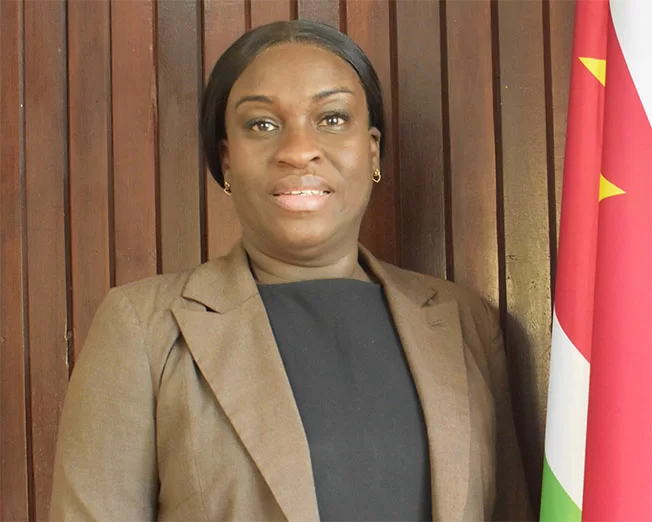
    A historic milestone in international academia has been announced: Dr. Ine Apapoe, a leading public administration scholar from Suriname, will become the first person of Surinamese origin to hold the prestigious Prince Claus Chair for Equality and Development at Utrecht University starting September 1, 2026. Her two-year appointment will run through August 31, 2028, marking a significant breakthrough for representation of Global South scholars in high-profile European academic roles.

    Established as a joint initiative between multiple academic institutions, the Prince Claus Chair is awarded annually to distinguished researchers from Asia, Africa, Latin America, the Caribbean, and Oceania. The chair is a collaborative effort between Anton de Kom University of Suriname, Utrecht University’s Institutions for Open Societies strategic research theme, and Utrecht University’s Department of Governance and Organization Studies, in partnership with the International Institute of Social Studies of Erasmus University Rotterdam. Its core mission is to advance cutting-edge research and education focused on global development, justice, and equity, and it ranks among the most respected academic appointments in this field. The chair’s patron is Queen Máxima of the Netherlands, and its curatorium is led by former Dutch minister Bert Koenders.

    During her tenure, Dr. Apapoe will center her research on inclusive governance and tribal societies, with a specific focus on Suriname’s Maroon communities, descendants of formerly enslaved Africans who escaped to form independent settlements in the country’s interior. Her work will explore a critical policy and social question: how can traditional Indigenous and tribal communities be more meaningfully included in decision-making processes that shape their own development and the governance of their traditional lands and living territories? Even after taking up the chair at Utrecht University, Dr. Apapoe will maintain her academic affiliation with Anton de Kom University of Suriname, where she will continue her existing work in teaching, research, and public service.

    Dr. Apapoe is a veteran expert in governance studies with more than 15 years of academic experience. She has been affiliated with the Faculty of Social Sciences at Anton de Kom University since 2010, where she teaches in the public administration program. She earned her PhD from Vrije Universiteit Amsterdam in 2024, completing her doctoral dissertation on the interaction between modern state governance and traditional governing structures within Suriname’s Maroon communities. Her broader research agenda covers core themes including local governance, traditional authority, land rights, livelihood security, and good governance. Most recently, she secured research funding to study the under-examined role of female Maroon captains in community decision-making processes.

  • Cooper defends foreign teacher push, says Bahamians get priority

    Cooper defends foreign teacher push, says Bahamians get priority

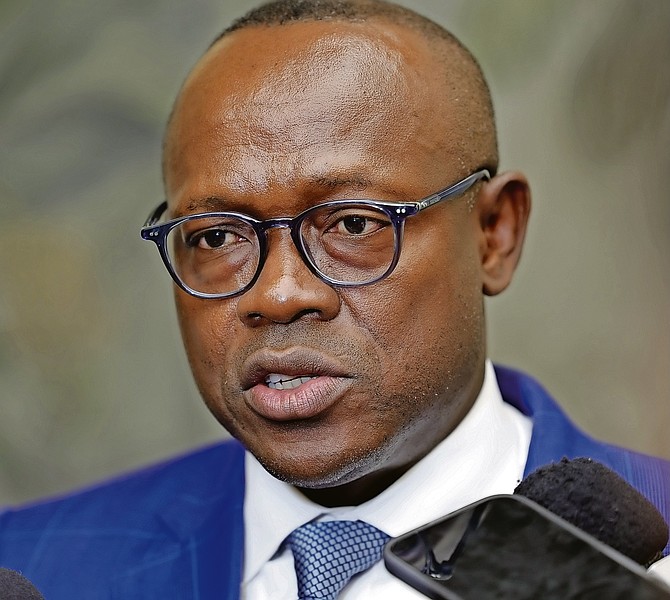
    The Bahamas’ worsening teacher shortage, a long-running crisis labeled as an urgent priority by the nation’s leading education unions, has sparked a public debate over the government’s new plan to recruit hundreds of international educators to fill empty classroom seats. Deputy Prime Minister Chester Cooper, who recently took oversight of the Ministry of Education, has stepped forward to defend the administration’s policy, pushing back against criticism and clarifying that Bahamian educators will remain the first candidates considered for every open vacancy.

    Cooper rejected claims that turning to overseas recruitment represents a break from long-standing Bahamian education practice, noting international educators have been part of the country’s public school system for generations. “This concept that there’s something wrong with bringing foreign teachers is really foreign to me,” he explained in a recent press briefing. “Since as a child 40 years ago I recall having teachers from Nigeria, Jamaica, Barbados, USA, Scotland, UK, Canada, so this is not a new concept for the schools in the Bahamas.”

    The government’s current recruitment drive launched earlier this week, after the Ministry of Education confirmed it had accepted an offer from Ghana to help source up to 300 qualified educators to fill vacancies across the archipelago. To coordinate the effort, officials have established a new multi-agency task force tasked with overseeing candidate vetting, hiring and placement. The announcement drew immediate pushback from Belinda Wilson, president of the Bahamas Union of Teachers (BUT), who argued the union had not been consulted on the plan. Wilson also raised questions about the timing of the recruitment drive, noting negotiations over a new collective industrial agreement with the government remain unresolved, and called for full transparency around the qualifications, vetting protocols, employment benefits and placement plans for any incoming foreign teachers.

    Cooper countered that the task force’s very first mandate is to conduct a comprehensive outreach effort to identify all qualified Bahamian educators who are willing to enter or rejoin the public school system. That search includes retired teachers, educators whose previous contracts have expired, and other trained education professionals who have left the profession but may be open to returning. All eligible local candidates will be reviewed and placed before any foreign educators are hired, he confirmed.

    The Deputy Prime Minister added that he took on leadership of the Education Ministry specifically to address the teacher shortage, which both the BUT and the Bahamas Educators, Counsellors and Allied Workers Union (BECAWU) have flagged as one of the most critical challenges facing the country’s education system. “We are focused on solutions, we are focused on results, we are focused on supporting Bahamian teachers,” he said.

    Cooper also clarified the status of ongoing collective bargaining with education unions, noting the government has already finalized a full industrial agreement with BECAWU, and negotiations with the BUT are nearly complete. “We’ve already agreed for the most part financial terms of pay, etc. with the BUT, and that negotiation is progressing,” he said. “Sometime last week, in fact, we reached out to the BUT to continue those discussions.” He added that the government and the union already align on most outstanding issues, and the administration will continue collaborating with all education stakeholders to address deep-rooted challenges in the public education system.

    Any foreign educators hired through the recruitment drive will follow the government’s standard hiring process and be employed under the same standard contracts offered to local teachers, Cooper confirmed. Incoming educators will receive the same benefits and compensation as equivalent Bahamian hires, and will only remain employed in the public system for as long as their services are required. Emphasizing that the government would not cut corners on candidate screening, Cooper noted the shortage has been building for decades, and the ministry is pursuing a methodical approach even as it works to place qualified staff in classrooms ahead of the new academic year. “I assure Bahamian people that the vetting process is going to be robust,” he said. “We are going to ensure that any teacher we hire is qualified in terms of their credentials, but also in terms of their character. They will go through the full vetting process of the Bahamas police force, Interpol, Public Service Commission, and Department of Labor, etc.”

    Beyond teacher recruitment, the ministry is also accelerating infrastructure repairs to public school campuses across the country ahead of the September start of the new academic year. Contracts for repair work have already been issued for schools in New Providence, Grand Bahama, and most of the country’s Family Islands, as the government races to complete all work before students return to classes.

  • Demand grows for boys’ reading clinic amid literacy concerns

    Demand grows for boys’ reading clinic amid literacy concerns

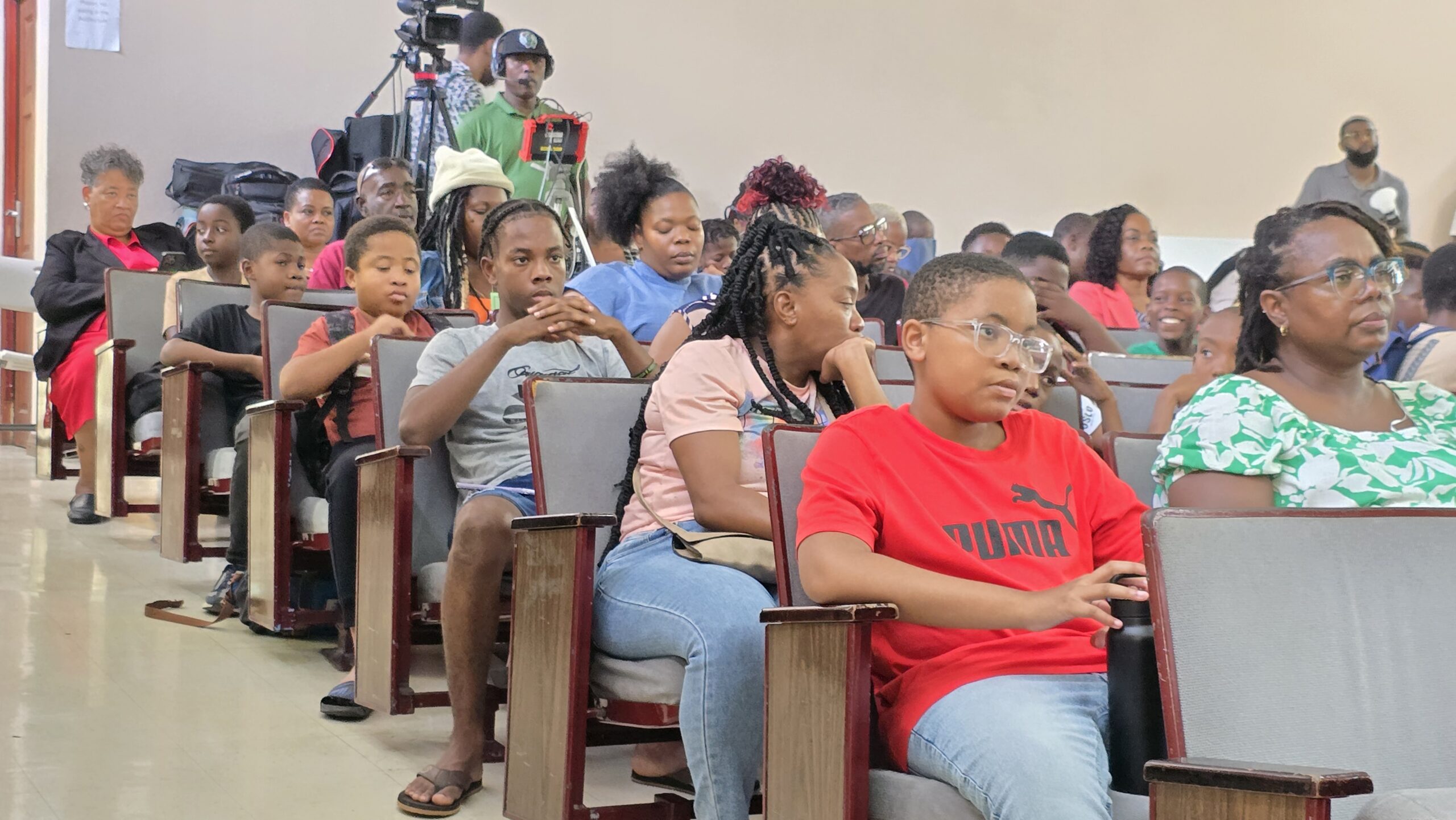
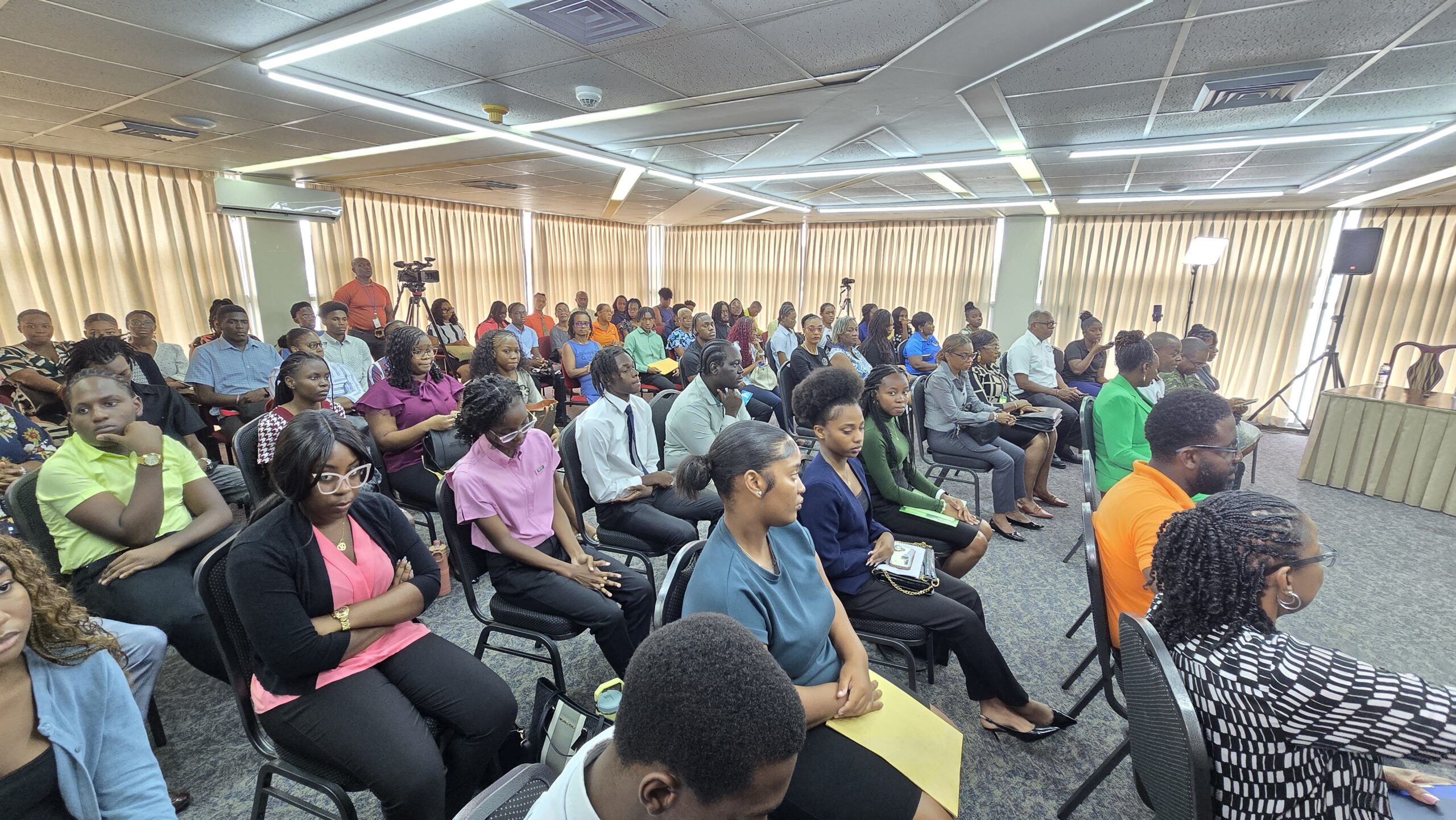
    Against a backdrop of mounting concern over widespread literacy gaps disproportionately affecting young male students across Barbados, more than 130 boys have started a five-week intensive summer reading initiative hosted by Barbados Community College, with organizers urging participants to leverage the opportunity to build foundational reading and comprehension skills.

    Founded nine years ago to directly address the systemic literacy challenges facing boys in Barbados, the Babb’s Reading Clinic has seen consistent year-over-year growth in demand that now far outstrips the program’s capacity. Originally capped at 100 participants, organizers continued to receive registration requests from anxious parents long after the limit was reached, a trend that Dr. Astra Babb, founder of the clinic, calls a clear warning sign of a growing national crisis.

    Opening the summer programme at the college’s auditorium Monday, Dr. Babb opened up about the acute desperation driving many parents to seek out the clinic’s services. She shared heartbreaking stories of families facing the prospect of their sons repeating first form for a second consecutive year, and of older students preparing to graduate secondary school after 12 years of public education who still cannot read at a functional level. Questioning how Barbados — once held up as a regional education leader across the Caribbean — arrived at this point, Dr. Babb has called for a nationwide, inclusive conversation to examine the root causes of the literacy gap, particularly the overrepresentation of boys among struggling readers. “I believe all taxpayers, all parents and all government educational institutions need to engage in serious introspection. What is it that some of us are not doing correctly?” she asked. “Barbados was placed on a pedestal by all other Caribbean nations, an icon for all to emulate. Why are so many of our children unable to read? And why are most of them boys?”

    Dr. Babb explained that the majority of enrolled boys struggle with two core, addressable issues: basic reading comprehension and connecting the relationship between graphemes (the smallest written units of language) and phonemes (the corresponding sound units). Despite the scale of the challenge, she expressed confidence that most participants would leave the five-week programme with demonstrable improvement in their skills, framing the clinic’s work as unlocking a barrier that has held students back academically. “I know that some children registered here simply need some assistance with comprehending text; they just want that lock unlocked,” she said. “I promise you, parents, that we will change that by the end of the programme.” Dr. Babb also acknowledged ongoing efforts by the Barbados Ministry of Education to improve national literacy outcomes, and noted additional support for the programme: members of the Barbados Defence Force will volunteer to mentor boys without positive male role models at home, and all participants will receive free daily meals for the duration of the initiative.

    Featured speaker Ryan Straughn, Barbados’ Minister of Finance, praised the clinic’s critical work, framing literacy as both an educational priority and an economic issue that will shape the country’s long-term future. He highlighted recent declining national English assessment scores — which fell from an average of 72.5 percent last year to 64 percent this year — as evidence of how urgent initiatives like this clinic have become. “It is important that we understand how critical it is for all of our citizens, but especially our boys, to not fall further behind with respect to literacy,” Straughn said. “Because a boy who struggles to read today may struggle to seize opportunities tomorrow. The boy who cannot confidently read a job offer, a lease, or a business arrangement is not simply lacking ambition. He might grow into a man lacking access, and access is something that we all can change.”

    Straughn encouraged participating boys to set aside any shame around seeking extra help, emphasizing that reading is a learned skill, not an inborn talent. “Reading is not a talent you’re born with. It is a skill. A skill that you build, one page, one chapter, one book at a time,” he told the group. He also urged parents to continue supporting their children’s reading practice after the programme ends, sharing a personal anecdote: his grandmother required him to read the daily newspaper each morning before school and summarize stories for her, a routine that built his comprehension skills and expanded his understanding of current events. He encouraged parents to adopt similar daily reading habits with their children to sustain long-term progress.

    The finance minister also warned of the far-reaching social and economic consequences of unaddressed low literacy, noting that research has established a clear link between low literacy rates in youth and involvement with the criminal justice system later in life. “Reading is not just a single subject sitting all by itself. It allows you to connect the dots, as we would say in economics. Connecting the dots is important. It is a subject that others are built on. You can’t solve a mathematics problem if you can’t read the problem. You can’t hold up your end of the bargain if you don’t know what you’re agreeing to,” he said. Closing his remarks, Straughn reminded participants that while literacy opens new life doors, consistent discipline is what allows people to hold onto those opportunities: “Reading will open doors, but it is discipline that will keep those doors open.”

  • AUA Opens Transfer Pathway for Medical Students Seeking to Complete MD Degrees

    AUA Opens Transfer Pathway for Medical Students Seeking to Complete MD Degrees

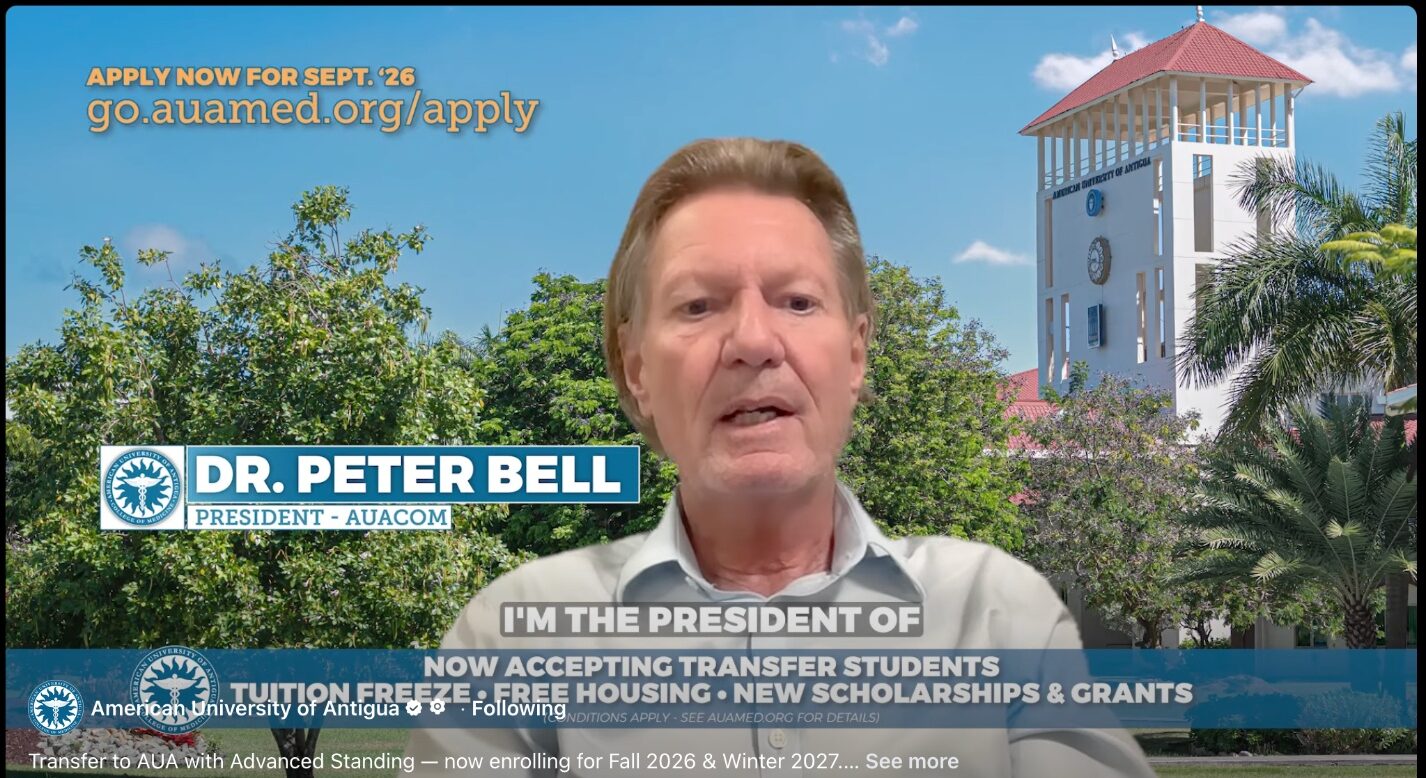
    In a move designed to address growing disruptions in medical education and support students facing unexpected academic transitions, the American University of Antigua (AUA) College of Medicine has launched a structured transfer pathway that allows eligible preclinical medical students from other institutions to complete their Doctor of Medicine (MD) degrees at AUA.

    The new program comes amid a period of widespread uncertainty for medical students across the United States and beyond, where a number of small medical schools have closed, suspended operations, or faced accreditation issues in recent years, leaving hundreds of enrolled learners scrambling to find alternative paths to complete their training.

    AUA officials note that the transfer pathway is tailored to accommodate students who have completed at least one year of preclinical medical coursework at a recognized institution, with a streamlined application and credit evaluation process designed to cut down on unnecessary delays. Eligible students will be able to transition directly into AUA’s existing curriculum, with the opportunity to complete their remaining preclinical training before moving on to clinical rotations at affiliated teaching hospitals across the United States.

    Unlike many other medical programs that place strict limits on transfer credits, AUA says it will conduct a comprehensive, individual review of each applicant’s prior academic work to ensure that relevant coursework counts toward their MD requirement, reducing both the time and financial investment students need to complete their degrees. The institution also notes that all graduates of AUA are eligible to apply for residency and medical licensing in all 50 U.S. states, matching the pathway available to students who began their training at the university.

    “Too many promising medical students have had their career goals derailed by circumstances outside of their control, from institutional closures to accreditation setbacks,” said AUA’s Dean of Medicine in a statement announcing the pathway. “This program is built to remove barriers for these learners, giving them a clear, supported path to becoming practicing physicians and meeting the growing demand for new clinicians across the United States.”

    Industry observers point out that the new transfer pathway also responds to a broader national need: the U.S. is projected to face a shortage of up to 124,000 physicians by 2034, according to recent data from the Association of American Medical Colleges. Creating flexible pathways for students who have already started their medical training helps retain talented individuals who would otherwise leave the profession, helping to ease that projected gap over time.

    Interested applicants can access detailed program guidelines and application materials through AUA’s official website, with rolling admissions for transfer students to match the timing of unexpected academic disruptions.

  • ‘Building Titans’ Launches Accessible 1-Week Youth Leadership Summer Programme

    ‘Building Titans’ Launches Accessible 1-Week Youth Leadership Summer Programme

    Registration is now open for a brand-new youth leadership development summer program designed to nurture critical thinking, polished public communication, and ethical leadership among young people, ahead of welcoming its first group of participants this coming August. Titled Building Titans: Young Leaders Summer Academy 2026 (BTYLSA 2026), this intensive one-week training program is open to two groups: adolescents aged 12 to 17, and young adults between 18 and 24 years old. Throughout the program, attendees will engage in rigorous intellectual exercises that challenge conventional thinking, analyze pressing contemporary global and local issues, refine their oral communication capabilities, and unpack the core characteristics that define an effective, responsible leader.

    BTYLSA 2026 will be hosted on the Eustace Hill Campus of the Antigua and Barbuda College of Advanced Studies (ABCAS) — previously known as ABIIT — located in Coolidge, running from Monday, August 17, 2026, through Friday, August 21, 2026.

    Kieron Murdoch, program director of BTYLSA 2026, shared that the initiative was originally structured as a two-week event scheduled for mid-August. However, organizers restructured it into a condensed five-day intensive, timed just before the start of the new school year, to accommodate existing summer events for young people including the popular Carnival season, which draws widespread youth participation.

    “Our team has curated a high-impact, five-day intensive curriculum built around three non-negotiable core pillars: leadership, public speaking, and debate,” Murdoch explained. “Outstanding leaders must be able to articulate their vision and ideas clearly to mobilize others, which makes public speaking an inherent, foundational part of our program. While many young people feel intimidated by the idea of formal debate, mastering this skill is more essential today than ever before. Debate builds rapid analytical reasoning, sharp research abilities, active listening habits, and the rare, invaluable ability to think critically under pressure in real time.”

    Murdoch went on to highlight the program’s core guiding philosophy, pushing back against common misconceptions about what leadership entails. “Far too often, young people are taught that leadership is just about climbing social hierarchies or padding a resume for college or future jobs,” he noted. “We want to help our participants understand that true leadership is not about holding a title or a position. It is about ethical leadership. It means having the moral courage to stand up for marginalized community members, defend the causes you believe in, and choose what is right over what is popular or convenient.”

    To meet the needs of different age groups, organizers will split participants into separate cohorts by age range, ensuring activities and discussions are tailored to each group’s developmental stage. For participants traveling from St. John’s, daily round-trip shuttle service will be available for those who need it, and the program will run daily from 8:45 a.m. to 3:00 p.m. Every attendee who successfully completes the full 5-day program will receive an official BTYLSA 2026 certificate of participation to recognize their work.

    For meals, participants have the choice to bring their own snacks and lunches, or purchase affordable meal options that will be offered on campus each day. Registration rules require that all participants under the age of 18 must be signed up by a parent or legal guardian, while young adults aged 18 and older may complete their own registration. To sign up for the academy, interested applicants can access the registration form via the program’s link and complete enrollment by submitting the form and paying the required enrollment fee.

  • UWI Global Campus marks 10 years of youth skills programme, celebrates 149 student graduates

    UWI Global Campus marks 10 years of youth skills programme, celebrates 149 student graduates

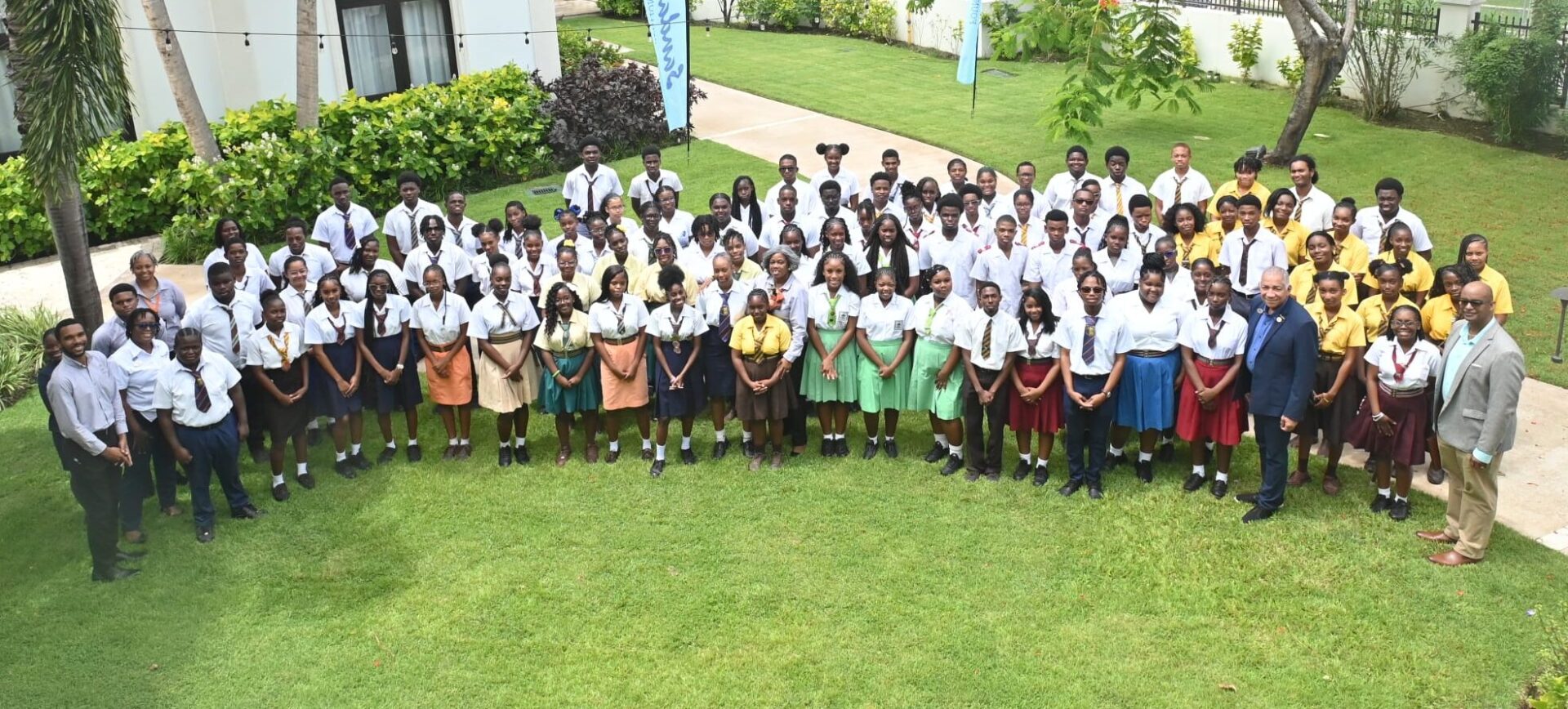
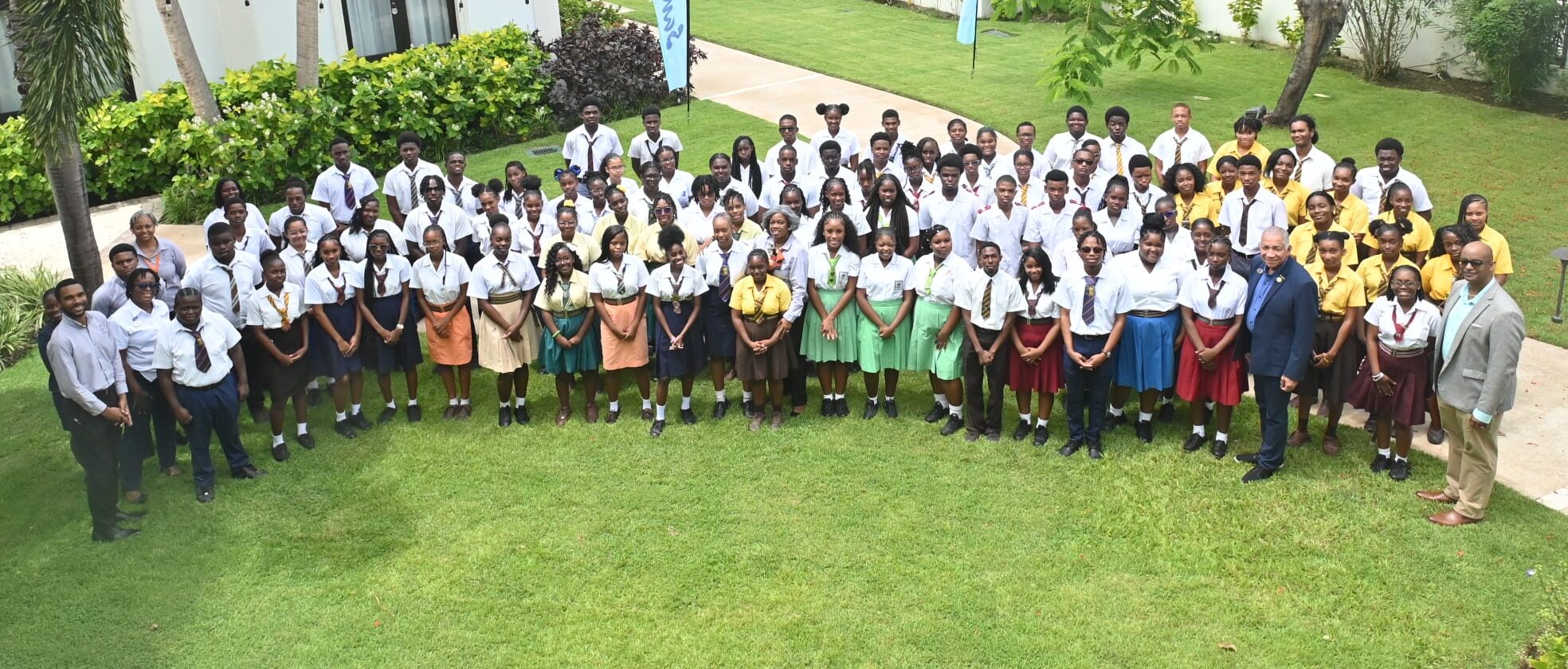
    Ten years after launching to address a critical gap in youth employability, The University of the West Indies (UWI) Global Campus has marked its milestone by honoring 149 recent graduates of its signature Preparing Today for Tomorrow’s Challenges – Transforming Children’s Lives (PTFTC-TCL) Alumni Outreach Programme at a recognition ceremony in Barbados.

    Hosted by the UWI Global Campus Alumni Office in partnership with the Sandals Foundation at the Sandals Royal Ballroom, the 10th annual Recognition Ceremony brought together graduates, educators, government partners and corporate sponsors to celebrate a decade of impact that has now served more than 1,800 secondary school students across the island nation.

    The origins of the programme trace back to 2015, when veteran educator Faith Richards noticed a widespread gap: many Barbadian secondary school students lacked the foundational soft skills, professional know-how and life competencies needed to make a smooth transition from the classroom to the workforce. In response to Richards’ observation, education specialist Sandra Griffith-Carrington developed the original six-month curriculum, which covered core practical topics ranging from professional communication and resume writing to interview preparation, conflict resolution, digital meeting etiquette and professional presentation standards.

    Over its first decade, the programme has evolved to match changing workplace demands, adding new, relevant modules on social media professionalism, professional wardrobe planning and personal financial literacy to equip students with a more comprehensive skill set for modern work and life. With formal backing from Barbados’ Ministry of Educational Transformation and Chief Education Officer Dr. Ramona Archer-Bradshaw, the initiative has expanded from a small pilot to reach 16 of the country’s 22 secondary schools, with four new institutions—Daryll Jordan Secondary School, Deighton Griffith School, St. Leonard’s Boys’ School and The Lodge School—joining the programme during the just-concluded 2025/2026 academic year.

    During the ceremony, graduates from earlier cohorts shared firsthand accounts of the programme’s lasting impact. Breanne Nanton, a member of the very first 2015 cohort who now works as a Financial Services Representative at the Barbados Public Workers’ Co-operative Credit Union while pursuing a Bachelor of Science in Banking and Finance at UWI’s Cave Hill Campus, credited the programme with giving her a critical head start for both higher education and professional work. Joshua Harewood, a 2016/2017 graduate, added that the confidence, communication skills and adaptability he built through the programme still support his professional growth nearly a decade after he completed it.

    The programme’s sustained growth and expansion have been made possible by a network of regional and private partners. Initial supporter Dr. Arvat McClaine continues to fund stipends for high-performing students completing month-long internships at the UWI Global Campus. In recent years, the Sandals Foundation and Rock-Hard Cement have collectively contributed more than US$65,000 to scale the programme across Barbados, and this year, 39 graduates will secure internship placements with partner organizations.

    Patrick Drake, Resort Manager at Sandals Barbados Resort and Spa and representative of the Sandals Foundation, urged graduates to continue refining their communication and negotiation skills as they enter the workforce, and reaffirmed the foundation’s long-term commitment to nurturing the next generation of regional leaders. During the ceremony, Drake also presented the Sandals Foundation Challenge Trophy for Best Michaelmas Assignment to The St. Michael School, whose student team delivered the top group presentation analyzing the pros and cons of artificial intelligence integration in K-12 education.

    In his keynote address, Dr. Francis O. Severin, Pro Vice-Chancellor and Principal of UWI Global Campus, encouraged graduates to prioritize personal dignity and professional integrity, framing dignity as a long-term investment comparable to saving for the future. “Dignity must be earned, like honest money,” he told the graduating class, urging graduates to uphold ethical standards throughout their careers.

    Acting Chief Education Officer Julia Beckles, speaking on behalf of Minister of Educational Transformation Chad Blackman, praised the programme for aligning with the government’s goal of cultivating well-rounded, work-ready young people. “Academic qualifications alone are no longer enough,” she reminded graduates. “The skills you have developed through this programme will enable you to navigate challenges with confidence and contribute meaningfully to your workplaces and communities.”

    The ceremony also brought an exciting announcement for future participants: Akil Thompson, Senior Technical Officer at Barbados’ Technical and Vocational Education and Training (TVET) Council, revealed that starting from the 2026/2027 academic year, all programme completers will be eligible to earn official Core Skills certifications recognized across the Caribbean, a credential expected to significantly boost graduates’ competitiveness in the regional job market.

    Awards were also presented to standout students and schools during the event. Nathan Sealy from Deighton Griffith Secondary School received the first-ever Sinnette-Nguyen Challenge Trophy for the Most Outstanding Student with Exceptionalities, sponsored by Tisha Sinnette-Nguyen and John Nguyen of Massachusetts. Princess Margaret Secondary School claimed the event’s top overall honours: Tenisha David took home the Arvat McClaine Challenge Trophy for Most Outstanding Student Overall, while Dashaun Bynoe was recognized as the Most Outstanding Male graduate. School principal Veronica Annel-Agard expressed pride in the students’ achievements, noting their success reflected their talent, dedication and resilience, as well as the hard work of school facilitator Major Len Cummins.

    Closing the milestone ceremony, Griffith-Carrington, the programme’s original curriculum designer, reflected on the achievement of securing formal recognition as a Caribbean Vocational Qualification (CVQ), a designation that standardizes the programme’s curriculum across the region. “I stand humbled today, knowing that what I carefully designed and crafted ten years ago will now be recognised as a Caribbean Vocational Qualification,” she said. “This is more than a certificate; it is a bridge across our islands, a standard that validates skills and opens doors for our people.”

  • The UWI Global Campus Alumni Office Marks a Decade of Excellence in Youth Development

    The UWI Global Campus Alumni Office Marks a Decade of Excellence in Youth Development

    Over the past ten years, the Alumni Office of The University of the West Indies (UWI) Global Campus has built a decades-long legacy of empowering young people across the Caribbean and beyond, marking a major milestone of sustained excellence in youth-focused development work.

    Founded a decade ago with a clear mission to bridge the gap between graduating students and professional opportunities, the office has evolved far beyond its initial scope. What began as a small team focused on basic networking has grown into a comprehensive support system that nurtures young talent from their first year of study through their early career trajectories. Leveraging the vast network of over 50,000 UWI Global Campus alumni spread across 60+ countries, the office has designed a suite of targeted programs that address the most pressing barriers young people face in entering today’s competitive workforce.

    Key initiatives include structured mentorship pairings that connect early-career young graduates with seasoned industry professionals, annual youth leadership summits that bring together emerging changemakers from across the region, and seed grant programs that support young entrepreneurs turning their innovative ideas into sustainable businesses. To date, the office has facilitated more than 3,000 mentorship matches, distributed over $2 million in startup funding for youth-led ventures, and helped more than 12,000 young people secure full-time employment or advance their academic journeys.

    Regional education leaders note that the office’s work fills a critical gap in Caribbean higher education. Many small island developing states in the region struggle with high youth unemployment and brain drain, as young talent often leaves for opportunities in North America and Europe. By creating tangible local opportunities and fostering a culture of alumni giving back, the UWI Global Campus Alumni Office has helped retain thousands of young professionals in the region, contributing to local economic growth and community development.

    In a statement marking the 10th anniversary, Director of the UWI Global Campus Alumni Office highlighted that the milestone is as much a tribute to the alumni community as it is a celebration of the office’s work. “Our success has always depended on the willingness of graduates to lift the next generation up,” she said. “For ten years, alumni have given their time, their resources, and their expertise to help young people navigate the transition from education to career. That culture of support is what has made our work so impactful.”

    Looking ahead, the office has announced an expanded five-year strategy that will introduce new digital mentorship platforms to reach remote young learners across smaller island territories, expand the seed grant program to focus on climate tech and sustainable development ventures, and partner with regional governments to develop national youth employment frameworks. The goal, leaders say, is to double the number of young people served over the next decade and solidify the program as a model for alumni-led youth development across the global higher education landscape.

  • Rootz Herbal launches children’s educational book celebrating Caribbean nature and heritage

    Rootz Herbal launches children’s educational book celebrating Caribbean nature and heritage

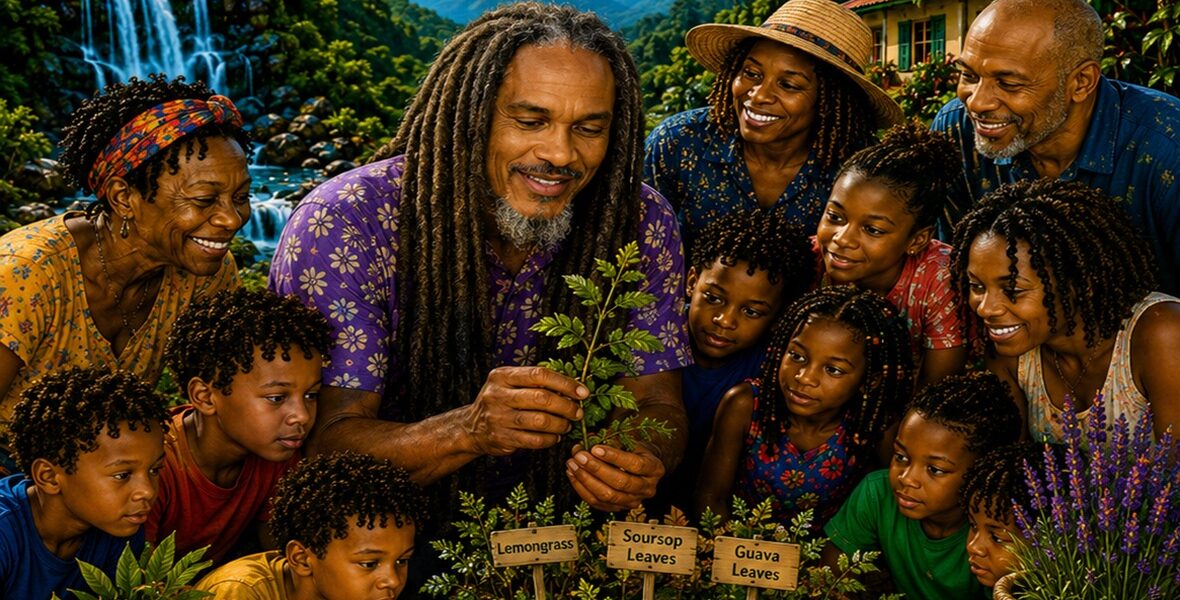
    Caribbean-based wellness brand Rootz Herbal has launched an ambitious new educational project this summer, rolling out the first title in a groundbreaking children’s series designed to connect young readers to the region’s extraordinary natural landscapes and centuries-old cultural traditions. Titled *Nature’s Treasure: Herbs, Fruits, Forests & Heritage*, the debut volume combines hands-on learning with cultural celebration to foster a lifelong appreciation for the Caribbean environment among youth.

    The project is the collaborative work of two seasoned experts: Renauld Deschamps, a practicing herbal physician and founder of Rootz Herbal, and Dr. Paula Lockhart, a respected academic with deep expertise in Caribbean cultural and environmental studies. Unlike standard children’s activity books, the publication integrates a wide range of interactive content tailored to engage curious young minds: detailed coloring pages, logic puzzles, hands-on educational activities and group learning prompts. Each section is curated to explore key themes, from the properties of local medicinal plants and biodiversity of tropical rainforest ecosystems to the nutritional value of native tropical fruits and the importance of environmental stewardship. The book also weaves in lessons about the Caribbean’s distinct cultural heritage and the link between natural ecosystems and healthy community lifestyles.

    In a recent press statement, Rootz Herbal emphasized that the work is far more than a simple activity or coloring book. It is framed as a bridge across generations, designed to encourage families, educators and local community members to share traditional indigenous and local knowledge with younger audiences while teaching children to recognize how the natural world shapes health, culture and daily life across the Caribbean.

    “Our core hope is that this book helps children look at the herbs, forests and wildlife right outside their doors and see them as irreplaceable treasures that deserve our attention, our protection, and our effort to preserve for the generations that come after us,” Deschamps explained in the announcement.

    *Nature’s Treasure* marks the opening installment of a multi-volume planned educational series, which will roll out additional creative learning resources tailored for use in schools, public libraries, youth organizations and home learning settings. Each upcoming title will continue the mission of introducing children to the Caribbean’s one-of-a-kind plant life, unique ecosystems, traditional wellness practices and cultural legacy.

    Dr. Lockhart noted that the entire series is built around the goal of nurturing intentional environmental awareness from an early age. “Our long-term vision is to grow a generation of young people who deeply value their natural surroundings, celebrate their unique cultural heritage, and understand that strong, healthy communities start with knowledge, responsible stewardship, and genuine respect for nature,” she said.

    The debut book is currently available for purchase directly by individuals, and bulk orders are open for schools, libraries and community groups across the region. To expand access to the resource, Rootz Herbal has also launched a complementary outreach program called the “Adopt a School” initiative. The program invites local businesses, non-profit organizations and community partners to sponsor book copies for under-resourced schools and students, with a particular focus on lifting up Dominica’s efforts to celebrate and protect its rich natural and cultural endowment.

    For those interested in ordering copies or learning more about the initiative or the series, inquiries can be directed directly to the book’s co-authors.

  • LVV wil basisscholieren warm maken voor landbouw en voedselzekerheid

    LVV wil basisscholieren warm maken voor landbouw en voedselzekerheid

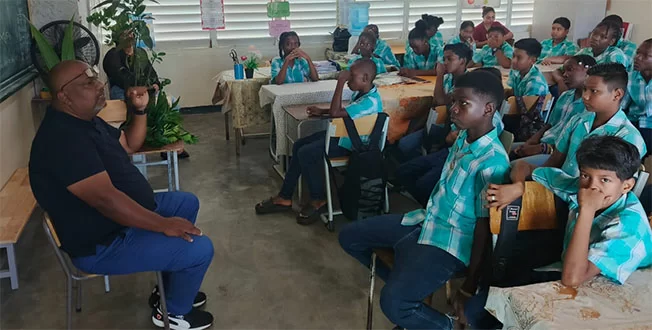
    In a proactive effort to embed agricultural literacy and national food security awareness among young people from an early age, Suriname’s Ministry of Agriculture, Livestock and Fisheries (LVV) has launched targeted educational outreach programs for primary school students across the country. The latest session of this initiative took place recently, bringing hands-on agricultural learning to 36 eighth-grade students at O.S. Mijnzorgweg, a local primary school in Suriname.

    Organized and led by the ministry’s Wanica D/Lelydorp district office, the interactive information session brought together district head Ruben Piroe, section leader Nicolette Kasandikromo and a team of agricultural educators to introduce students to the core mandate of the ministry and the critical role the agricultural sector plays in Suriname’s national economy and livelihoods.

    Unlike traditional classroom lectures, the session centered on actionable, youth-focused learning, with the core theme of national food security taking center stage. Educators walked students through key concepts including environmentally sustainable food production practices, the fundamentals of healthy nutrition, and the meaningful contribution that young people can make toward Suriname’s goal of increasing domestic food production and reducing reliance on imported goods.

    To bridge the gap between classroom learning and real-world experience, every participating student and several attending teachers received free vegetable seedlings to take home or cultivate at school. According to LVV, this hands-on component is designed to actively engage young people in the process of growing their own food, fostering a deeper personal appreciation for the work of farmers and the agricultural sector as a whole.

    The school’s principal Panalie-Atida and teacher Anoeradha Jhabboe supported the session and guided students throughout the activity. At the conclusion of the program, school leadership presented a token of appreciation to district head Ruben Piroe to recognize the ministry’s effort in bringing this valuable learning opportunity to their students.

    LVV officials emphasized that this school outreach session is just one part of a broader, long-term national strategy. By introducing agricultural and food security concepts to children during their primary school years, the ministry aims to build a foundation of understanding that will support Suriname’s sustainable agricultural development and food sovereignty goals for decades to come.

  • Govt opens doors for 92 young interns

    Govt opens doors for 92 young interns

    Starting this Monday, 92 young Barbadians will step out of the classroom and into real-world public service workplaces as participants in a newly relaunched Summer Internship Programme, a collaborative initiative led by the country’s Ministry of Home Affairs and Information and the Office of the Attorney General.

    The incoming cohort was officially welcomed during a press briefing held Friday at the Barbados Postal Service, where current Home Affairs and Information Minister Gregory Nicholls opened up about the origins of the programme, noting it was first launched by former Home Affairs Minister Wilfred Abrahams, who now serves as Attorney General. When Nicholls took over his ministerial role, Abrahams prioritized continuing the youth-focused initiative, and the pair worked across teams to expand placements across all relevant government departments. With 15 to 16 separate agencies falling under the Ministry of Home Affairs alone, the programme now offers diverse placement opportunities across multiple sectors of public service.

    Designed to bridge the gap between academic learning and professional work, the summer internship positions participants across more than a dozen government departments and public agencies, including the Probation Department, Immigration Department, Barbados Postal Service, Government Printery, Caribbean Broadcasting Corporation, Government Information Service, National Council on Substance Abuse, Barbados Meteorological Services, Department of Emergency Management, Barbados Prison Service, Government Industrial Schools and the Barbados Broadcasting Authority.

    In his address to the new intern cohort, Nicholls framed the programme as far more than a temporary summer job, positioning it as a foundational stepping stone for the next generation of national leaders. He encouraged participants to approach their placements with curiosity, humility and a commitment to learning, advising: “Do not see yourselves as summer workers; see yourselves as learners, as explorers, and as future leaders. Be curious, ask questions respectfully, of course. Observe, seek to understand not only what is done, but why it is done. Every task, no matter how small it may be, offers a valuable lesson.”

    Nicholls also highlighted three core traits he said would help interns get the most out of their experience: resilience, strength of character and respect. Acknowledging that new roles often come with uncertainty and unforeseen challenges, he noted that growth only happens when people push past their comfort zones. “There are moments when you encounter challenges. You’ll be asked to perform tasks that you have never done before, you may make mistakes and you may feel uncertain at times, that is perfectly normal. Growth often occurs when we step outside of our comfort zones,” he said. He added that robustness – defined as discipline, professionalism, punctuality and initiative – is key to building trust with supervisors and making a lasting positive impression. Nicholls closed by reminding participants that regardless of their future career paths, Barbados needs the energy, creativity, integrity and vision of its young people to move forward.

    Attorney General Abrahams, who founded the programme, explained that it fills a critical gap in youth development: it teaches unwritten professional skills that are rarely covered in formal education, including workplace dress codes, professional etiquette, communication norms and workplace professionalism. He also shared that the programme has a proven track record of creating long-term employment pathways, noting that many past participants have been hired as full-time staff by the departments where they interned.

    Abrahams pointed to the impact of the 2023 cohort’s placement during Hurricane Beryl, where interns at the Department of Emergency Management gained hands-on experience in disaster response, from processing emergency calls to coordinating public safety shutdowns. “This is not just something to spend the time on in the summer. We want to teach you about life, we want to teach you about work,” he said, adding that parents are encouraged to engage with their children about their experiences to fully integrate the learning.

    The attorney general added that the internship also drives transformative personal growth, helping young people shift from a student mindset to that of a working young adult. Sharing an example from his own constituency, he said many past participants entered the programme raw, undisciplined and unfocused, but left with clear direction and professional maturity that changed the trajectory of their lives.

    Participant feedback on the programme has been overwhelmingly positive, with many young people saying it addresses a critical gap in youth employment preparedness. Amiah Padmore, an aspiring psychology professional, called the opportunity “a great chance” to build foundational experience ahead of her planned career. “I feel very good. I feel like this is a great opportunity for me and I will definitely have experience doing things like this because I want to go into psychology. And I like to talk to people,” she said. While she has no preference for her department placement, she plans to make the most of every experience, noting that many young people like herself lack exposure to how professional workplaces operate. “It’s important because people like me are very misguided. They don’t have much knowledge about the work and how it operates or what to do, so it’s just for them to practice or get into it to know what to do,” Padmore explained.

    Seventeen-year-old Davidson Griffith, a participant with experience in the Barbados National Youth Parliament and a past youth ambassador advocating for students with disabilities, echoed that excitement. Griffith, who has dyslexia, said the programme gives young people a rare chance to build interpersonal skills while contributing directly to national development. “I feel extremely great it’s an opportunity for young people to come together and to develop their interpersonal skills as it pertains to serving the public of Barbados and contributing to the development of Barbados,” he said. Prepared to serve in any assigned department, Griffith said he hopes to set an example for other young Barbadians, encouraging them to take advantage of the opportunities the government provides. “My interest in this internship is to serve. If it’s serving in whatever department that the internship offers, I just want to be there to serve the people of Barbados and to be an example for young people of Barbados, especially young men in Barbados, that the government is providing these opportunities and don’t take them for granted,” he said.