
Thousands of secondary and post-secondary students across Barbados and the wider Caribbean region are preparing to access their long-awaited 2026 CXC May-June examination results starting at noon local time today. The release process is being formalized by the Caribbean Examinations Council (CXC) during an official launch ceremony hosted in Anguilla on the same morning. At the public event, Dr. Nicole Manning, CXC’s Director of Operations, is scheduled to deliver a comprehensive overview of overall candidate performance across all participating territories, breaking down trends in subject proficiency and overall pass rates for the 2026 exam cycle. Following the official ceremony, individual results will be unlocked for candidates through the CXC’s dedicated online results portal, allowing students to view their personal scores and qualification outcomes immediately from noon onwards. This annual results release is a key milestone for Caribbean students, as CXC qualifications determine eligibility for tertiary education placements and future employment opportunities across the region.
分类: education
-

BNCPTA supports delay in new secondary school placement model
A major education reform shift in Barbados has taken a pragmatic turn, after the Ministry of Education Transformation announced a delay to the rollout of a new continuous assessment model for secondary school placement — a decision that has earned public support from the Barbados National Council of Parent-Teacher Associations (BNCPTA).
The reform itself forms a core part of the government’s broader agenda to reshape primary to secondary school transition, replacing the decades-old high-stakes Common Entrance Examination, a one-off test that has long drawn criticism for placing undue pressure on young students and failing to capture a holistic picture of learner ability. The planned new framework would have seen continuous assessment phased in, with this year’s incoming Class Three students becoming the first cohort to complete a two-year pre-secondary assessment cycle for placement, a rollout originally announced earlier in 2024.
However, widespread concerns from parents, teachers and education stakeholders quickly emerged over the lack of adequate preparation for the systemic change. A petition organized by concerned families gathered more than 400 signatures from parents and guardians, calling for the reform to be restarted with incoming Class One students instead. The petition argued that a phased introduction starting with the earliest primary year would give education authorities, school leaders, teachers and families enough time to refine processes, deliver necessary training, roll out required resources and iron out operational gaps before the assessment became high-stakes for secondary placement.
Heeding these calls, Education Minister Chad Blackman announced the postponement on Friday. Under the revised timeline, continuous assessment will still be integrated into primary school teaching and learning during the current academic year, but it will not count toward official secondary school placement for any cohort for the time being.
The BNCPTA has publicly endorsed the ministry’s decision, framing the delay not as a retreat from much-needed education reform, but as a prudent, child-centered step to get the implementation right. In an official statement, the council emphasized that it fully supports the government’s broader goal of building a more holistic and equitable assessment system for Barbados’ students, but noted that large-scale systemic transformation can only deliver benefits if the entire education ecosystem is fully prepared to support it.
“Our message is simple: we support the transformation, but we must make sure that the transformation is ready for our children,” the statement read. The BNCPTA explained that after the ministry consulted with parents, teachers and other stakeholders, it became clear that extra time was required to properly roll out this critical transition phase. The additional window, the council argued, should be used strategically to train teachers, prepare school infrastructure, inform families, pilot the new system, strengthen assessment and moderation protocols, and address any unforeseen gaps before students enter the new placement framework.
The council stressed that adequate pre-implementation preparation is non-negotiable to ensure the new system delivers on its core promises of fairness, transparency and the intended outcomes of the national education transformation program. It also highlighted that parents must remain active, informed partners throughout the process, noting that families require clear, accessible information about how the new model will impact their children, while educators and schools need targeted training, sufficient resources and functional support systems to implement the model effectively.
In line with this, the BNCPTA called on the Ministry of Education Transformation to use the postponement period purposefully: to continue ongoing engagement with all stakeholders, strengthen implementation logistics, and ensure that every group — from school leaders to classroom teachers to parents to students — is fully prepared before the transition moves forward. The representative body reaffirmed its commitment to maintaining a constructive partnership with the ministry, educators, families, students and all other stakeholders as Barbados works toward its goal of building an education system that is equitable, relevant, inclusive and responsive to the unique needs of every child.
-
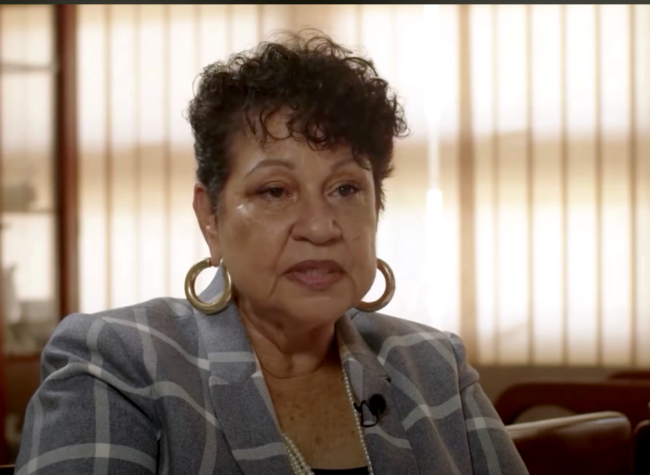
Teachers, parents welcome continuous assessment delay
A major planned shift in how Barbados assigns students to secondary schools has been delayed, drawing widespread approval from the island’s secondary teachers’ union and an advocacy group of concerned parents. The change at the center of the debate is the transition from the long-standing traditional one-off 11-plus examination to a continuous assessment model, which evaluates students through a range of in-class activities rather than a single high-stakes test.
During an official ministerial address delivered Friday, Minister of Education Transformation Chad Blackman confirmed that while the use of continuous assessment as the sole determining factor for secondary school placement will be postponed, the core framework of the model will still be integrated into primary school teaching and learning for the 2024-2025 academic year.
Mary-Anne Redman, president of the Barbados Secondary Teachers’ Union (BSTU), says the union fully backs the postponement, even as it remains committed to continuous assessment as the future of primary-to-secondary transition evaluation. Unlike the traditional high-stakes exam, Redman explained, continuous assessment incorporates a diverse set of evaluation tools including oral presentations, structured student portfolios, reflective writing assignments, and collaborative group projects. This approach, she argued, creates space for students to demonstrate the full breadth of their creative and developmental learning journey, rather than only measuring their performance on a single high-pressure test day.
The BSTU leader noted that the traditional examination model fulfilled a necessary role in Barbados’ education history, but has outlived its relevance in the 21st century. “It’s our belief that that type of exam has served its purpose historically, and it no longer has any place in our 21st-century society and one that has had universal access to secondary education for decades now,” Redman said.
She emphasized that the delay will give education authorities critical extra time to properly upskill the primary school teaching workforce ahead of full implementation. The extra window will enable more comprehensive, widespread training for a broader cohort of teachers, rather than rushing preparation that would pull too many educators out of their classrooms at once. This approach, Redman argued, will ensure training is more strategic, reaches more educators, and avoids disrupting daily learning for students.
Beyond pre-service training for teachers currently working with upper primary classes, Redman called for training to be extended to all primary school educators. Given regular teacher rotation across grade levels, she explained, no teacher stays assigned to Classes 3 and 4 – the final two years of primary school that feed into secondary placement – permanently. To avoid putting students at a disadvantage due to un-trained staff in future years, all primary educators need to build proficiency in continuous assessment practices, she said. The extra time granted by the delay will also allow the Ministry of Education to deploy all necessary infrastructure and resources to support both students and teachers through the transition, Redman added.
Paula-Ann Moore, spokesperson and coordinator for the Group of Concerned Parents of Barbados, also welcomed the ministry’s decision, and highlighted what she called a landmark win for parent engagement in national education reform. Moore noted that nearly 400 Barbadian parents have already signed a petition calling for a slower, more consultative rollout of the assessment change, crediting growing collective advocacy for prompting the ministry’s reconsideration.
“A hallmark of a modern democracy is that regular citizens feel empowered to advocate constructively for the best interests of their family and to hold our leaders to account…it is wonderful to see other parents also having the courage to come forward in greater numbers, including last week, to represent their children’s best interests,” Moore said.
Moore commended Blackman and his ministerial team for adjusting the timeline of the 11-plus replacement, and expressed the group’s desire to maintain ongoing collaborative partnership with the ministry and other education stakeholders to resolve remaining concerns and develop a full transformation plan with clear accountability metrics.
She stressed that such a sweeping overhaul of the national education system must align with established best practices for educational change management. This includes centering parents as core stakeholders and co-designers of the reform, allocating adequate time and resources for rollout, maintaining consistent two-way communication between authorities and families, and rolling out the change in carefully phased stages.
Building and maintaining parent trust in the new process is non-negotiable, Moore added: once public confidence is lost, it is extremely difficult to recover, so rushed implementation is not an option. Trust can only be cultivated over time, through full transparency and clear, detailed information about how the new system will work.
Moore warned against cutting corners on the reform, noting that education transformation is too critical to both Barbadian families and the country’s long-term national development to implement incorrectly. “We have one chance to get it right. Too much is at stake,” she said, adding that the group is particularly concerned that a rushed rollout could accidentally widen socioeconomic achievement gaps between the nation’s most and least advantaged students.
-

Education Ministry to Hold Annual Thanksgiving Service on October 1
As the 2026-27 academic year approaches, the nation’s Ministry of Education, Science and Technology has outlined a key ceremonial opening event: an Annual Thanksgiving Service scheduled for Thursday, October 1. This interfaith gathering is designed to set a reflective, intentional tone for the year ahead, bringing together stakeholders from across the education ecosystem to mark the official start of the new academic cycle.
The service will commence promptly at 10:00 a.m. at the S.J.P.C. House of Restoration Ministries, a community venue located on Lauchland Benjamin Drive. Organizers have extended an open invitation to a broad cross-section of the education community, including enrolled students at all levels, classroom teachers, school administrators, support staff, family members of learners, and other professionals working in education-related roles.
At its core, the event will center on two core objectives: celebrating collective achievements from the previous academic year through gratitude, and seeking collective guidance for the challenges and opportunities that lie ahead in the 2026-27 term. The timeline for the new academic year places the official administrative start date on August 31, with K-12 and post-secondary students scheduled to return to in-person classroom instruction on September 7, more than three weeks ahead of the ceremonial thanksgiving gathering.
-
UNITECH : Creation of its first laboratory dedicated to cybersecurity and AI
In a landmark step for technological advancement in Haiti and the wider Caribbean, the University of Technology of Haiti (UNITECH) has officially unveiled the country’s first dedicated research and training laboratory focused on cybersecurity and artificial intelligence (AI). Announced on 18 August 2026, the new facility is designed to expand cutting-edge research, upskill the regional workforce, and foster cross-sector collaboration in fast-growing digital fields, addressing unmet local and regional demand for specialized digital expertise.
The groundbreaking initiative is not an independent domestic project, but a product of multi-national academic cooperation that brings together leading technical experts from three continents. Partner institutions include the University of Quebec at Chicoutimi in Canada, the National Advanced School of Engineering of Yaoundé in Cameroon, and academic specialists from Tunisia, creating a global knowledge-sharing network to support the lab’s long-term development.
UNITECH Rector Josselin Val highlighted that the new lab directly advances the institution’s core mission: preparing a skilled workforce equipped to navigate and lead rapid global technological transformation. Val stressed that cybersecurity and AI are no longer niche sectors, but strategic pillars for sustainable economic and institutional growth for developing nations. This perspective was echoed by cybersecurity specialist Valentin Bromont, who noted that rising cyber threats targeting Haitian financial systems—including data theft and unauthorized system intrusions—have created an urgent need for local capacity to monitor, defend, and protect critical national digital infrastructure.
Open to partner universities, government agencies, and private sector organizations across the region, the lab will center its core work on four key focus areas: robust data protection protocols, securing critical digital infrastructure, developing responsible and context-appropriate AI applications, and providing targeted support for public and private organizations adapting to widespread digital change. By centering the unique needs of Haiti and the Caribbean, UNITECH aims to not only advance applied research in these critical fields but also close the regional skills gap for digital security and AI expertise.
The Agence Universitaire de la Francophonie (AUF-Caraïbe) has praised the project as a model for academic leadership in addressing 21st-century challenges. In a statement, the regional body noted that UNITECH’s initiative perfectly embodies the role of higher education in driving societal and economic transformation by prioritizing research, training, and innovation on high-stakes strategic topics. The project aligns directly with AUF’s core strategic priorities for the coming years: accelerating inclusive digital transformation, advancing responsible research into generative AI, and expanding impact-focused research that addresses local and regional needs.
For context, UNITECH has grown rapidly since its founding in 2007 as a private public service institution, joining the AUF network in 2023. From an initial cohort served by three faculties, the university now operates eight faculties offering 13 undergraduate programs and two graduate master’s degrees, serving a student body of nearly 3,000 with a teaching staff of 178. The institution has earned a strong reputation for high graduate employment outcomes across Haiti’s public and private sectors, and its Faculty of Nursing is widely recognized for its rigorous clinical training programs that offer placements across Haiti and international institutions.
-

Education : Jefnie Toussaint appointed as Director General of the National Education Fund
On August 17, 2026, a formal leadership transition took place at Haiti’s National Education Fund (FNE), as outgoing director Élysé Colagène handed over oversight of the institution to newly appointed Director General Jefnie Toussaint, a finance and development economics specialist with deep academic and professional ties to Haiti’s education sector. The official installation ceremony was led by Vijonet Déméro, Haiti’s Minister of National Education and chair of the FNE Board of Directors, and drew dozens of senior government officials from across multiple portfolios, including Planning Minister Sandra Paulémon, Diaspora Minister Kathia Verdier, Women’s Affairs Minister Pédrica Saint-Jean, and Secretary of State for Literacy Adelson Lorgeat. Senior leadership from the Ministry of National Education and the FNE also attended the event to mark the leadership change.
In his closing remarks at the ceremony, outgoing director Colagène, who led the institution for 11 months, extended his gratitude to Haiti’s executive leadership and fellow staff members for their support during his tenure. He delivered a positive assessment of his time in office and offered a warm vote of confidence for Toussaint’s upcoming term.
For Toussaint, a professor at Haiti’s Notre-Dame University of Gonaïves, the appointment represents a profound national commitment. In her first public address after taking office, she framed public service as a dual responsibility: meeting the needs of current Haitian generations while laying stable foundations for future ones. She opened by praising the progress achieved by her predecessor, emphasizing that strong public institutions depend on intentional leadership continuity. “Institutions are built on continuity. Each leader contributes, in their own way, to their consolidation,” she noted, adding that her tenure will center on protecting existing progress while driving a new dynamic of modernization and improved performance for the FNE.
Toussaint outlined a clear governance vision that places rigor, integrity, transparency, efficiency, and innovation at the center of the FNE’s core operations. The fund’s core mission is to expand financing for Haiti’s education sector, and Toussaint called on all FNE managers and staff to unite to strengthen the institution’s ability to deliver on that mission. She stressed that every Haitian child who gains access to quality education is a victory for the entire country and an investment in Haiti’s long-term future.
Acknowledging the widespread systemic challenges Haiti currently faces and the persistent constraints on available public resources, Toussaint outlined key priorities for her term: strengthening accountability frameworks, upgrading internal governance mechanisms, optimizing the use of limited allocated resources, and building new strategic partnerships to expand the FNE’s reach. Her overarching goal is to increase the impact of the FNE’s education financing interventions across every region of Haiti. She closed by reaffirming her commitment to close, trust-based collaboration with the FNE’s key stakeholders, particularly the Ministry of National Education, rooted in shared responsibility and a focus on delivering tangible results for Haitian communities.
-

Medical students to benefit from $3.6m rescue plan
On Monday, education officials announced a transformative $1.8 million US endowment initiative designed to ease the crippling tuition and living cost burdens facing medical students at the University of the West Indies (UWI). Spearheaded by the newly revived Barbados chapter of the University of the West Indies Medical Alumni Association (UWIMAA) in partnership with the organization’s central executive committee, the fund will deliver targeted scholarship support to students who cannot cover the full cost of their medical training at UWI’s Cave Hill Faculty of Medical Sciences and other regional UWI campuses.
-
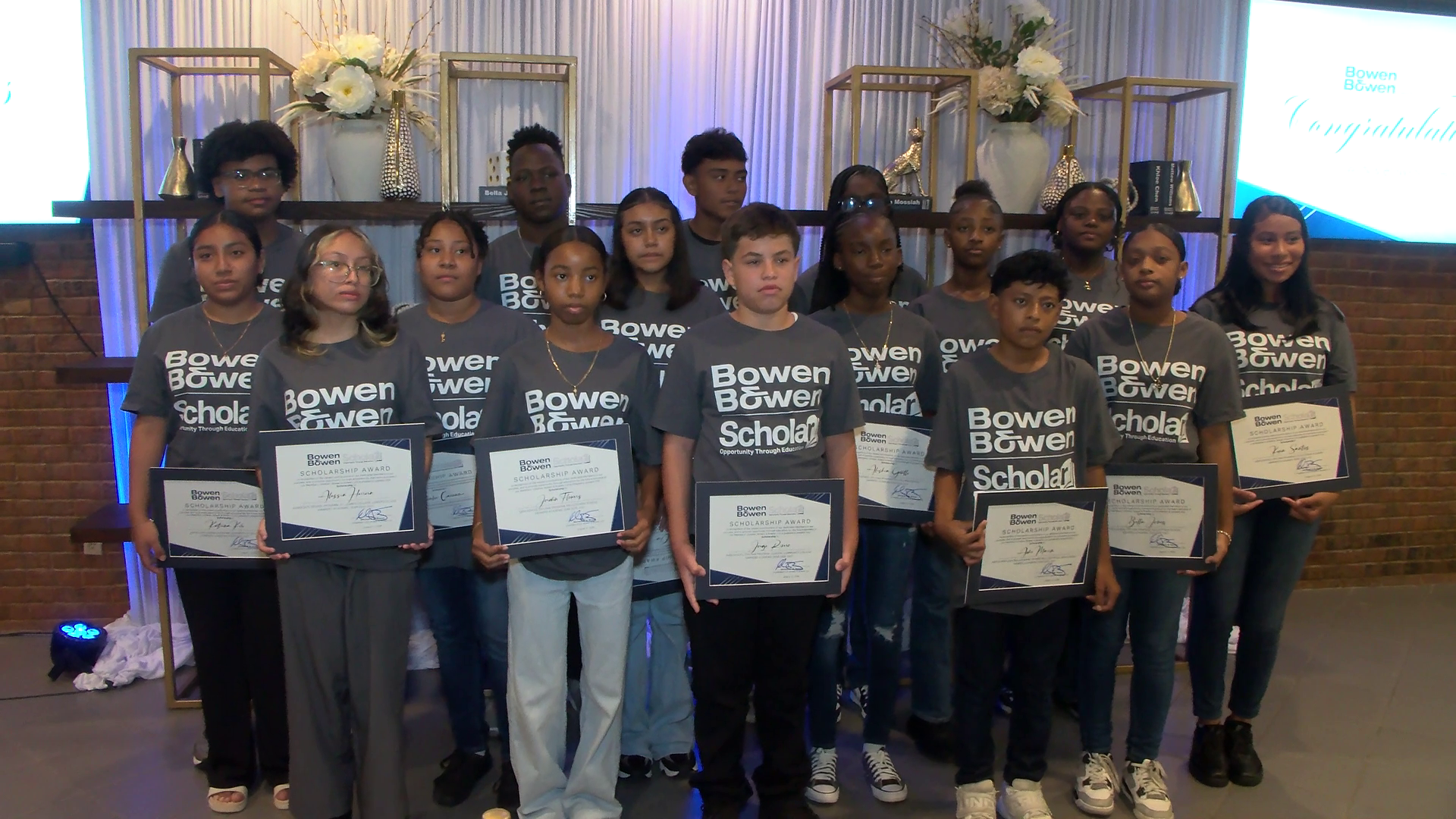
Bowen and Bowen Builds Futures Through Education
On a recent weekend in Belize, 16 young scholars from employee families at one of the country’s most established companies, Bowen and Bowen Limited, took a transformative step toward their academic ambitions, as the firm distributed its annual cohort of educational scholarships through its long-running community initiative. Now entering its 13th year, the program has grown from a small employee support project to one of the country’s most consistent private-sector investments in youth education, with total contributions surpassing the $1 million mark to date. Unlike many general scholarship funds, this program is tailored explicitly to the children of Bowen and Bowen’s workforce, designed to lift financial pressure from the families that drive the company’s daily operations while unlocking new opportunities for the next generation of Belizean leaders.
Michael Bowen, Chief Executive Officer of Bowen and Bowen, framed the program as a core part of the company’s commitment to national and community growth, rather than a discretionary corporate charity. “We’re all part of a community, whether you’re inside Bowen & Bowen or just inside Belize. And we all have to support each other, but we all have to invest in Belize,” Bowen explained at the recent award ceremony. “Education is a great resource to do that. It gives you this opportunity to learn and question and ask good questions. And again, like I said, it creates choice: choice of your career, choice of where you work, and choices overall.”
Beyond covering core educational costs including tuition, required textbooks, and institutional school fees, the program also adds a structured mentorship component delivered by the company’s Human Resources team, providing scholars with ongoing guidance as they navigate their academic paths. Eligibility is open to all children of active employees, with selection based on demonstrated academic potential and a documented family commitment to supporting the student’s educational goals.
This year’s highest-performing recipient was 16-year-old Dwayne Belgrave, who graduated from St. John’s College with a 4.25 grade point average. Belgrave will move on to St. John’s College Junior College this fall to pursue a pre-medical science degree, with the goal of building a career as a radiologist. For Belgrave, the scholarship eliminates more than just direct costs – it removes the persistent mental stress of financing advanced science education. “Sixth form is very expensive at times. I’m taking science so it’s even more expensive. So it just gets rid of the mental stress for finances,” he said, noting he also has a passion for animal science and is open to where his academic journey may lead him.
Another standout recipient is 13-year-old Kyra Santos, who will attend the Itz’at STEAM Academy this coming school year. Santos, who dreams of becoming a female leader in the science, technology, engineering, arts, and math fields, called the news of her award life-changing. “My mom was at work and she called me and she said I have to tell you something. And I said okay and she tell me and I started screaming and I started crying,” Santos recalled. “I don’t know what I want to study yet but I don’t know what the future holds for me but one thing I know I want to be a girl in STEAM.”
Her mother Kisha Cal, who has worked as an employee of Bowen and Bowen for nearly five years, shared that she sees the scholarship as both a recognition of her daughter’s hard work and a tangible support for the family’s commitment to education. “I’m really really proud for my daughter. I know that she has worked hard for this. I have seen how hard she studies and to me it’s a very good opportunity getting this scholarship for her because I know it can help her both economically and educationally,” Cal said. “I know that she wants to be someone in life. I look forward to these four years ahead and I know she is going to accomplish whatever her dream is.”
For Bowen, the greatest return on the company’s investment comes when former scholars return to join the company’s workforce after graduating, strengthening the organization’s talent pipeline while reinforcing the cycle of opportunity the program aims to create. This story was reported by Britney Gordon for News Five, Belize.
-

New preschool facility marks fresh start for Soufriere children
On August 11, 2026, a milestone for early childhood education in Dominica’s Soufriere community was formally marked as the newly completed Dominique Marchand Pre-School was officially transferred to the country’s Ministry of Education. The occasion has been met with widespread celebration among local children and families, who have waited years for a permanent, fit-for-purpose learning facility after decades-old damage from Hurricane Maria upended the community’s educational infrastructure.
For years following the 2017 hurricane, young early learners in Soufriere were forced to attend classes in makeshift temporary spaces that offered little in the way of comfort, safety, or an environment tailored to early childhood development. The new facility changes that entirely: designed specifically to support children through their critical formative educational years, the pre-school provides a secure, comfortable setting that fosters focused learning, playful recreation, and holistic social and physical development.
The successful completion of the project would not have been possible without cross-sector collaboration and philanthropic support, Ministry of Education officials confirmed. The government body has publicly recognized the leading contributions of Jungle Bay Dominica, its owner Sam Raphael, the resort’s staff, its guests, and a host of independent volunteers who backed the initiative from its early planning stages. Significant financial backing from the Redekop Family Endowment was also highlighted as a critical catalyst that pushed the project across the finish line after years of development.
For local leaders and community members, the new pre-school is far more than just a new building. It stands as a tangible example of what can be achieved when public institutions, private enterprises, and charitable partners work in lockstep to address unmet needs at the local level. Most importantly, it gives Soufriere’s youngest residents a dedicated space to build the foundational academic and social skills they need to thrive in future schooling, while restoring a collective sense of forward progress for the community years after it weathered the devastating impact of Hurricane Maria.
-
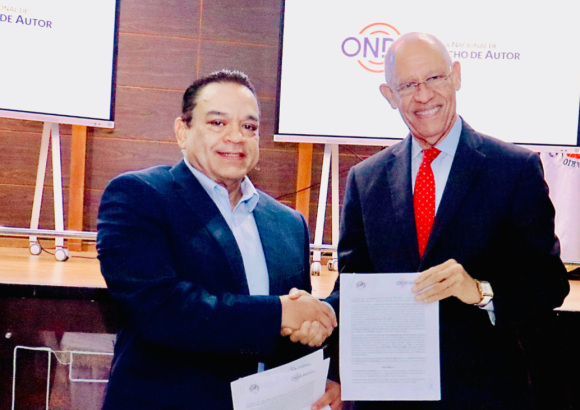
ITSC and ONDA partner to strengthen copyright and intellectual property education
In a formal ceremony held at the Santo Domingo campus of the Higher Technical Community Institute (Instituto Técnico Superior Comunitario, ITSC), two leading Dominican institutions have launched a new collaborative effort to embed intellectual property and copyright education across academic communities. The inter-institutional cooperation agreement, signed by ITSC rector José Ramón Holguín Brito and National Copyright Office (Oficina Nacional de Derecho de Autor, ONDA) director general José Rubén Gonell Cosme, marks a coordinated push to build literacy around intellectual property protection among students, teaching staff and institutional employees.
Beyond a symbolic signing, the agreement lays out a concrete roadmap for joint action over the coming years. The two institutions will partner to deliver a full slate of public educational programming, including industry conferences, hands-on skills workshops, academic seminars and national awareness campaigns. All initiatives will center on three core themes: upholding copyright protections, nurturing creative output, and fostering a culture of innovation across Dominican society. Additional pillars of the partnership include cross-institutional knowledge sharing, co-development of impact-driven projects, and coordinated outreach to promote the responsible, legal use of copyrighted and intellectual assets across all sectors.
Speaking at the event, Rector Holguín Brito framed the partnership as a critical step to align Dominican higher technical education with the evolving needs of the national economy. He emphasized that creativity and innovation are not abstract academic values, but core drivers of sustainable national development, and that integrating intellectual property training into technical education will better prepare graduates to contribute to that growth. For his part, ONDA director Gonell Cosme noted that early, accessible education is the most effective tool to build long-term respect for creators’ rights. This initiative, he explained, will introduce copyright concepts to young Dominicans early in their academic careers, laying the groundwork for a more ethical and innovative creative economy.
The signing ceremony concluded with an inaugural academic conference titled “Copyright, Creativity and Innovation,” delivered by Wilkins Santana Abreu, the official leading ONDA’s academic coordination and planning division. The opening talk set the tone for the partnership’s upcoming programming, highlighting the interconnected relationship between strong copyright frameworks, increased creative output, and broad-based innovation across national economies.