分类: education

  • Free Uniforms to 147 Stella Maris Students

    Free Uniforms to 147 Stella Maris Students

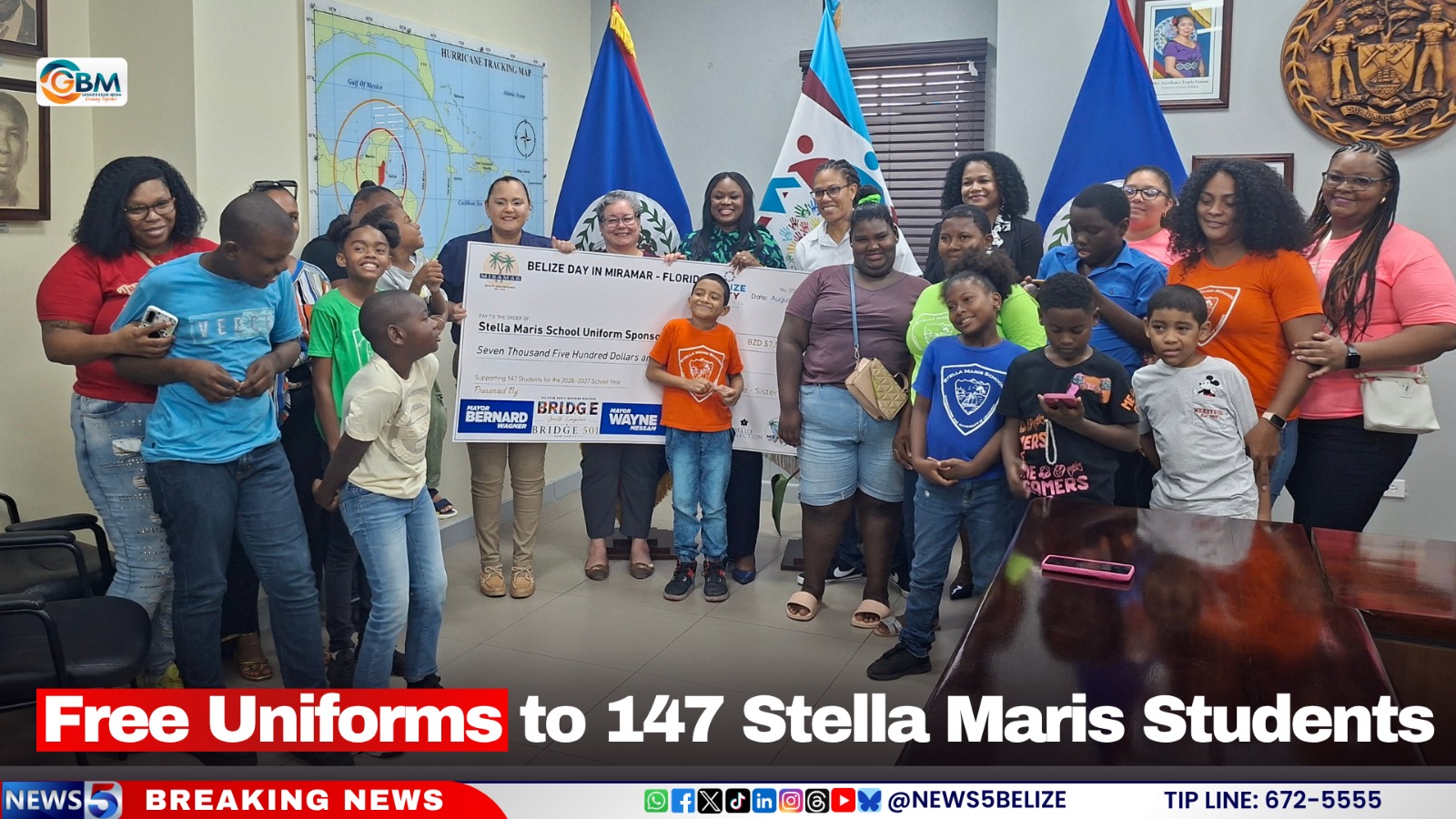
    As the 2026 back-to-school season approaches, hundreds of students at Belize’s Stella Maris School are set to start the new academic year with unexpected support: every one of the campus’s 147 enrolled students will receive two brand-new school uniforms at no cost to their families. This generous donation is the product of a newly established sister-city collaboration between Belize City Council and the city of Miramar, Florida, organized and led by Bridge 501, a Belizean diaspora community organization based in the U.S.

    The initiative grew out of a recent Belize Day cultural event hosted in Miramar, where partners identified the acute financial burden that school uniform costs place on low-income families preparing for the new school year. Belize City Councillor Kaya Cattouse explained that uniform purchases consistently rank among the most expensive line items for households during back-to-school season, making targeted support for this need a high priority for the partnership.

    What makes this donation even more notable is that it exceeded the organizing group’s original goals. Bridge 501 initially set out to provide just one free uniform per student, but overwhelming additional contributions from community members across the diaspora and partner networks allowed the organization to double its commitment, bringing the total donation to two uniforms for every child on campus.

    Parents of students at Stella Maris have described the donation as life-changing for their household budgets. Jeslyn Bennett, a parent of a Stella Maris student, shared that she was moved to tears when she learned of the support. “It’s really generous, because it’s not easy being a parent trying to look for uniforms for our kids,” Bennett said. “It made me cry when I heard about it. I still kinda get goosebumps, because it’s a generous donation.”

    For school leadership, the impact of the donation extends far beyond financial relief. Stella Maris Principal Doreth Pascasio-Griffith emphasized that proper, well-fitting uniforms play a critical role in shaping students’ sense of belonging and self-worth when they arrive on campus. “I wanted my kids to come to school properly dressed,” she said. “I wanted them to feel valued. I wanted them to feel love and to feel confidence when coming to Stella Maris School.”

    The donation marks one of the first tangible community projects to come out of the new sister-city partnership, highlighting how cross-border collaboration and diaspora engagement can directly improve quality of life for communities in Belize, particularly in the education sector.

  • CXC says More Than 32,000 CSEC Candidates Missed Examinations

    CXC says More Than 32,000 CSEC Candidates Missed Examinations

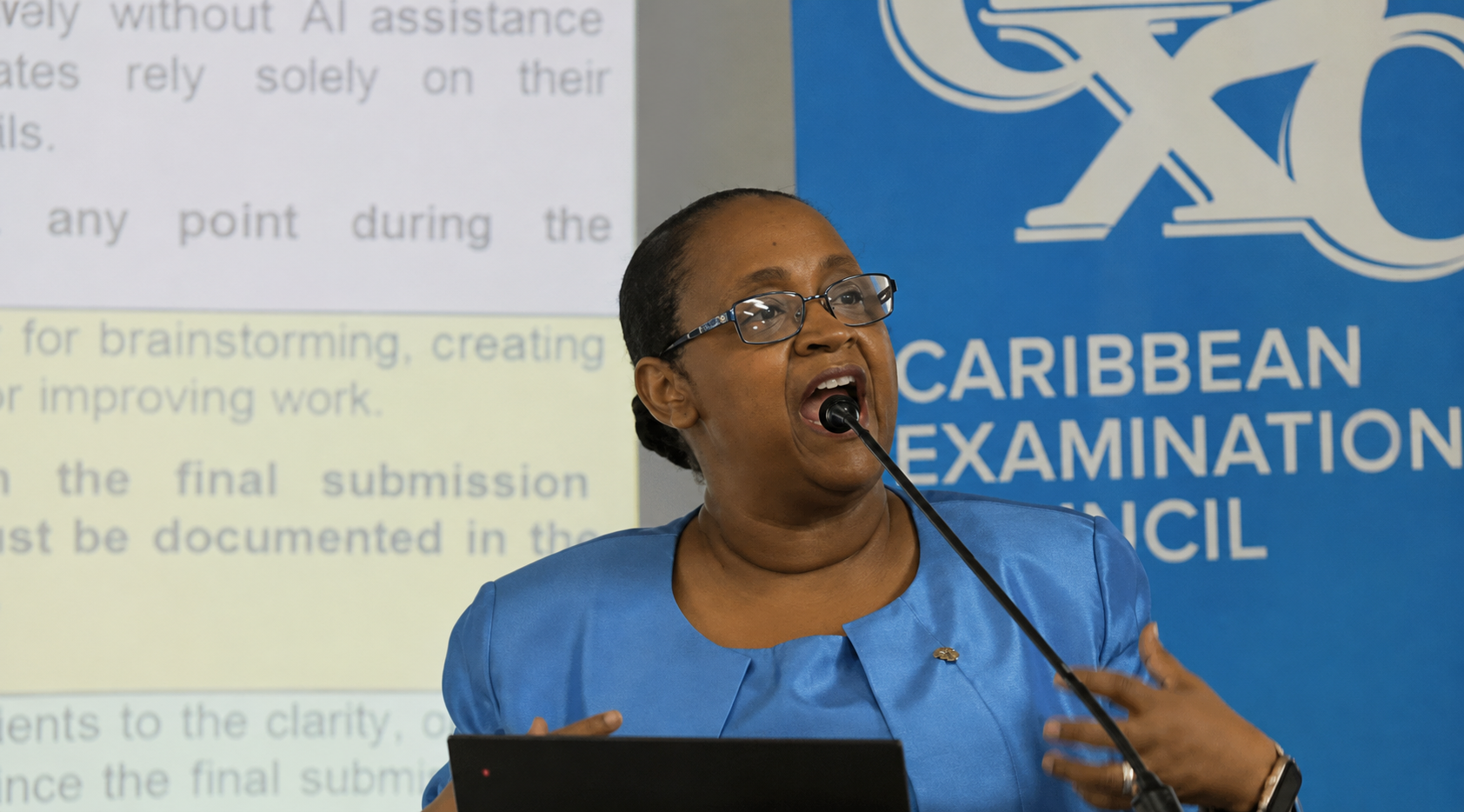
    The Caribbean Examinations Council (CXC) has raised urgent concerns after more than 35,000 registered candidates across multiple regional assessment programs skipped their scheduled exams during the May-June 2026 testing window, leaving thousands of students ineligible for official grading. Data released by the council shows that 32,403 candidates registered for the Caribbean Secondary Education Certificate (CSEC) failed to show up for their examinations, while an additional 3,534 candidates registered for the Caribbean Advanced Proficiency Examination (CAPE) also were absent. Even beyond these two major assessments, absenteeism at the Caribbean Certificate of Secondary Level Competence (CCSLC) level remains a persistent and growing concern when calculated as a share of total registered candidates. During the official launch of 2026 regional exam results held in Anguilla on Tuesday, CXC Director of Operations Dr. Nicole Manning outlined key findings from the council’s post-examination surveys, which identified one of the most common drivers of absenteeism: many students chose to skip their tests because they felt they were not sufficiently prepared to pass. Dr. Manning emphasized that lack of confidence in preparation is never a valid reason to miss an exam, urging even uncertain candidates to attend and make their best effort. She explained that any candidate who misses a required exam component forfeits their chance to receive a final grade entirely, meaning all the time, work and energy they invested in studying for the subject goes to waste. In addition to widespread absenteeism, CXC has also flagged a growing problem of unsubmitted or incomplete school-based assessments (SBAs) — a mandatory grading component for most CXC subjects. Dr. Manning noted that non-submission can stem from two different scenarios: either the candidate fails to complete the required assignment themselves, or the local examination center fails to forward completed SBA work to the CXC headquarters for grading. Regardless of the cause, candidates who do not have a valid SBA on file also cannot receive a final grade for their subject. The council confirmed that the rate of unsubmitted SBAs has risen steadily in recent testing cycles, and is calling on regional education ministries to launch investigations into the root causes of this trend. To address both rising absenteeism and incomplete assessments, CXC is appealing to a broad network of stakeholders including parents, guardians, teachers, school administrators and regional education officials to step in and encourage students. The council stresses that it is critical for all community leaders to help students understand that attending every scheduled exam and completing all required assessment components is mandatory to earn a final, recognized certification. Without full participation in all parts of the assessment process, students sacrifice their academic progress and the effort they have already put into their studies.

  • Canadian university names academic centre after former GBSS teacher

    Canadian university names academic centre after former GBSS teacher

    Years after the passing of pioneering Grenadian-born scholar, educator and anti-racism advocate Dr. Agnes Calliste, St. Francis Xavier University (StFX) in Nova Scotia, Canada has cemented her legacy through a purpose-built space dedicated to supporting Black students on campus: the Dr. Agnes Calliste Academic and Cultural Centre.

    Conceived as a safe, dedicated hub where Black students can study, build community, and exist without barriers, the centre is rooted in four core guiding principles: academic achievement, a sense of belonging, collective healing, and connected community. For students who come to the small town of Antigonish from elsewhere, the space has quickly become more than just a study spot—it functions as a home away from home.

    “Students drop in for advising, but also just to sit and talk, to spend quiet time in a space that feels safe,” explained Akua Amankwah-Poku, StFX’s Black Student Advisor, whose team supports students through every stage of university life, from navigating bursary applications to connecting them with academic and mental health resources. Centre manager Lorraine Reddick echoed that sentiment, noting the warm, welcoming atmosphere that lets students relax and connect like family. The centre even includes a small kitchen stocked with snacks and staple groceries, removing small everyday barriers for students building new lives off campus. Beyond student support, the space also fosters connection between learners and campus staff, with faculty, library teams and academic support professionals regularly dropping in to engage with students.

    To understand the significance of the centre, it is necessary to look back at Calliste’s extraordinary trailblazing career. Calliste began her journey as an educator in her home country of Grenada, teaching English Literature at Grenada Boys’ Secondary School before moving to Canada to join StFX’s sociology department in 1984. Over nearly 30 years at the undergraduate liberal arts institution, she built an international reputation as both a groundbreaking scholar and a relentless advocate for Black students on campus.

    Her research redefined understandings of Canadian social history, centering the intersecting impacts of race, ethnicity, gender, and class that had long been erased from mainstream academia. Her landmark work on African-Canadian railway porters and Caribbean-Canadian nurses shed new light on both systemic oppression against marginalized communities and the powerful organized resistance these communities built. Alongside Dr. George Dei of the University of Toronto, Calliste co-edited two widely cited academic collections: *Power, Knowledge and Anti-Racism Education* and *Anti-Racist Feminism*. Today, her work remains a foundational reference in sociology, Black Canadian studies, and anti-racist education. She earned dozens of awards for her contributions to research, education and social justice activism before retiring from StFX in 2010, and passed away in August 2018 at the age of 74, leaving behind a legacy that continues to shape the field.

    In addition to the new cultural centre, StFX continues to honor Calliste through the Dr. Agnes Calliste African Heritage Lecture Series, hosted by the university’s sociology department. The series brings leading scholars and activists to campus to continue the work Calliste started, fostering critical conversations about race, resistance, and social justice. Since opening 18 months ago, the academic and cultural centre has already made a measurable difference in the daily lives of Black students at StFX. For Reddick, who was a close friend of Calliste, the space perfectly reflects her life’s work. “She was so supportive of students. She was a believer and a fighter, and this is a great legacy for her,” Reddick said. For Amankwah-Poku, the reward of the work comes in watching students thrive. “And to see them cross the stage at the end and think of all the good things they will do, it makes it worthwhile, it makes it enjoyable, knowing you can support someone’s success.”

  • CXC Mathematics Pass Rate Rises to 42% Across the Caribbean

    CXC Mathematics Pass Rate Rises to 42% Across the Caribbean

    Newly released 2026 examination results from the Caribbean Examinations Council (CXC) show a promising four percentage point uptick in the regional pass rate for Caribbean Secondary Education Certificate (CSEC) mathematics, bringing the overall acceptable pass rate to 42%. While this improvement marks measurable progress for the region’s secondary education system, mathematics still remains one of the lowest-performing subjects across all CSEC offerings. Dr. Nicole Manning, CXC’s Director of Operations, emphasized that even incremental gains in mathematics proficiency deserve recognition as a sign of forward momentum for the education sector. “This is a four percent increase over the previous year, and this is a good story,” Manning stated. “Any improvement in math is a good improvement.”

    Disaggregated data from the results shows uneven performance across the region’s 21 participating territories. Fourteen jurisdictions posted pass rates between 43% and 77%, all landing above the newly updated regional average, while the remaining seven territories recorded pass rates ranging from 30% to 38%, falling below the regional benchmark. The official results were formally presented at a public event held Tuesday in Anguilla, marking the official release of all May-June 2026 CSEC examination outcomes.

    Alongside the release of the annual results, CXC has unveiled a bold new intervention strategy designed to tackle decades of persistent underperformance in secondary-level mathematics. The organization formally launched the Caribbean Targeted Education Certificate (CTEC), a modular alternative pathway to CSEC mathematics certification, following a year-long regional pilot program that included 2,535 test candidates across 42 test centers in 15 Caribbean territories.

    Unlike the traditional single-examination CSEC mathematics assessment, CTEC splits the full existing CSEC mathematics syllabus into three smaller, skill-focused modules. This structure allows students to earn formal credentials for completed modules and bank these achievements as they work incrementally toward the full CSEC qualification. Early outcomes from the pilot program are encouraging: 88% of participants who completed the first CTEC module earned an acceptable passing grade. CXC officials have clarified that passing a single module does not equate to completing the full CSEC mathematics certification, but noted that the modular framework provides critical formal recognition for skills that students have already mastered, a motivation boost that has been missing from traditional assessment structures.

    Pilot participants will retain access to the full program, with the remaining two modules offered at no additional cost, and candidates will have up to four years to complete all three required modules. Once all three modules are successfully finished, students receive the full standard CSEC mathematics certificate, identical to the credential earned through the traditional assessment pathway. CXC leadership anticipates that this incremental, skills-based approach will help more students stay motivated and engaged in mathematics study, all while upholding the rigorous academic standards that the CSEC qualification is known for across the Caribbean.

  • COMMENTARY: Cronyism in education

    COMMENTARY: Cronyism in education

    Cronyism remains one of the most understudied yet pervasive flaws embedded in education systems across the globe. Unlike more visible inequities in education, this harmful practice cuts across political boundaries, economic systems, and cultural contexts, operating as a deeply ingrained systemic issue rather than an isolated local problem. For decades, societies have gradually normalized this dysfunction, creating lasting harm that falls disproportionately on marginalized and low-income students.

    To understand the scope of the problem, it is critical to first define cronyism in education. At its core, it describes the distribution of educational opportunities, institutional resources, leadership positions, and competitive advantages through personal connections, family ties, political patronage, and social status – not through demonstrated merit or fair, open competition. This practice is present at every level of learning, from primary school placements through to university faculty hiring and administrative promotions. Qualified, hardworking educators are routinely passed over for advancement in favor of candidates with influential connections, eroding institutional trust and creating widespread academic chaos. When personal loyalty and social ties outrank skill and effort, education institutions abandon their core mandate of delivering high-quality learning, leaving students to bear the brunt of the damage. For many qualified young people locked out of opportunity by favoritism, there is no second chance to access a quality education.

    Beyond harm to individual students, cronyism inflicts lasting institutional damage that shapes public perception of entire education systems. Jamaica, where this practice has been a normalized part of the education landscape for generations, offers a clear case study: decades of favoritism have cemented a rigid public hierarchy of “good” and “bad” schools that no public relations campaign can reverse. Where cronyism thrives, empathy for marginalized groups and commitments to inclusive diversity are the first casualties. Classrooms are designed to bring together learners from varied backgrounds, requiring skilled, open-minded educators to meet diverse student needs – but when institutions are run through favor networks, out-of-favor teachers are left to fend for themselves, undermining the entire learning environment. Jamaica’s education system, built on an elitist colonial foundation of structural inequality, has normalized what the author terms “education theatrics”: a culture that prioritizes performative displays of success and symbolic gestures over genuine, substantive learning. This shift from real learning to performance erodes educational quality, breaks trust between institutional stakeholders, and blocks the transformational instructional leadership that drives positive student outcomes.

    What allows cronyism to persist decade after decade, even in education systems that publicly espouse meritocracy? The primary driver is fear: speaking out against favoritism carries severe professional and personal costs for educators and administrators. When unqualified leaders are installed through connections rather than merit, institutional governance becomes compromised, and students suffer long-term harm. School principals often place unspoken barriers in the path of out-of-favor staff, a covert practice that rarely draws scrutiny but leaves students with less effective instruction. Beyond fear, cronyism survives due to fundamental gaps in accountability and transparency. Weak, ineffective school boards that act as nothing more than “paper tigers” fail to enforce fair policies, allowing the practice to continue unchallenged. When hiring, promotion, and school placement processes are not governed by clear, open, public rules, personal influence easily manipulates outcomes. Over time, this culture becomes normalized, pushing educators to participate in favoritism just to remain competitive in their careers. Instead of rewarding competence, the system rewards incompetence and blind loyalty, creating a systemic imbalance that extends beyond education into broader society. The hypocrisy of the status quo is stark: many leaders publicly urge marginalized students to “bloom where you are planted,” while securing elite, resource-rich placements for their own children and the children of their connected associates.

    Sociologists have long documented how structural advantage shapes educational outcomes, and cronyism amplifies these pre-existing gaps. Pierre Bourdieu’s foundational work demonstrates that students from privileged backgrounds inherit social and cultural capital that gives them an inherent head start in education, even before accounting for cronyism. Wealthier families can access better tutoring, private schooling, technology, extracurricular opportunities, and other advantages that lift academic performance, meaning educational outcomes often reflect social privilege as much as individual effort. This dynamic plays out publicly every year in Jamaica’s Primary Exit Profile (PEP) exams: 2026’s top-performing students both attended Creative Kids Learning Academy, an elite private institution, while low-income students are disproportionately funneled into stigmatized, under-resourced public schools. Even after placements are assigned, wealthy parents routinely use personal connections to secure transfers for their children to higher-ranked schools, normalizing yet another layer of favor-based access that locks less privileged students out of opportunity.

    The ripple effects of systemic cronyism extend far beyond school walls, weakening national workforces and undermining core democratic values. When education systems reward loyalty over competence, students graduate less prepared for the demands of the modern workforce, dragging down long-term economic productivity. Cronyism also undermines the core principle of equal opportunity, which education is supposed to advance. When access to success depends on connections rather than effort, many students turn to alternative, often high-risk pathways to advancement – a trend that has contributed to significantly higher dropout rates for boys, who are statistically more likely to take risks when formal pathways are closed to them.

    Addressing a systemic problem as deeply embedded as educational cronyism requires more than incremental change or increased education budgets. While funding is important, meaningful reform requires centering equity of access, closing gaps between wealthy urban and disadvantaged rural communities, and rewriting institutional rules and incentives that allow personal connections to outweigh merit. Reforms must apply to every stage of educational governance: hiring and promotion of teachers and administrators, allocation of scholarships, public procurement for school services, student school placements, and distribution of institutional resources. Cronyism is not just a problem of individual corruption; it is a symptom of broader societal dysfunction that becomes embedded in institutional practices and social norms, meaning reform requires systemic change, not just punishing bad actors. The author argues that the first step toward meaningful change is national research to quantify the full economic and social cost of cronyism to society, building public pressure for reform. Ultimately, dismantling cronyism requires bold, intentional action that prioritizes transparency, merit-based decision-making, and full accountability across all levels of the education system. As Adam Smith famously noted, in a modern commercial society, the education of the working class requires more deliberate public attention than the education of the wealthy and privileged – a reminder that equitable, fair education is a foundation of a functional, just society.

  • CXC results out: Gains recorded, but challenges remain

    CXC results out: Gains recorded, but challenges remain

    Thousands of secondary and post-secondary students across Saint Lucia and the entire Caribbean region gained access to their 2026 May-June Caribbean Examinations Council (CXC) exam results starting at noon local time on Tuesday, marking the annual reveal of one of the region’s most widely watched education benchmarks.

    The official results release was accompanied by a performance breakdown presented by CXC Director of Operations Dr. Nicole Manning during a public ceremony hosted in Anguilla, where she outlined both gains made across the region and persistent challenges facing the regional examination system.

    At the Caribbean Advanced Proficiency Examination (CAPE) level, the highest tier of CXC assessment for students preparing for tertiary education, the latest results delivered a notable positive shift. A total of 93.52% of all CAPE candidates earned acceptable passing grades, representing a measurable improvement over previous cycles. Dr. Manning celebrated the upward trajectory, noting that overall regional performance had “gone up a notch again” in this year’s sitting.

    Several subject areas stood out for particularly strong performance at the CAPE level. Caribbean Studies, a core regional subject, earned top marks among candidates, while the Information Technology (IT) discipline posted exceptionally high acceptable-grade rates: 95% for Unit One and 99% for Unit Two. Environmental Science followed close behind with a 97% acceptable rate for Unit One and 96% for Unit Two, and Physics delivered similarly strong results, with 97% of Unit One candidates and 98% of Unit Two candidates earning passing grades.

    Performance at the Caribbean Secondary Education Certificate (CSEC) level, the main assessment for secondary school students completing secondary education, painted a more mixed picture, even as the region recorded a slight uptick in overall outcomes. The regional average acceptable-grade rate for CSEC hit 72.18% this year, up from the 2025 sitting.

    Consistent with CAPE trends, Information Technology was the highest-performing CSEC subject, with 83% of candidates securing acceptable grades. Principles of Business followed with an 81% acceptable rate, and English A posted an 80% passing rate. However, some subjects proved far more challenging for candidates this cycle. Principles of Accounts recorded a 72% regional acceptable rate, while Physics stood at 69% and Chemistry at 68%.

    One subject saw a measurable drop in performance compared to previous years: Social Studies. Dr. Manning openly acknowledged that the subject had “taken a hit this year, generally” in her breakdown.

    Mathematics, long one of the lowest-performing subjects across the region, also showed incremental progress in 2026. The acceptable-grade rate for mathematics rose four percentage points to 42% this year. Dr. Manning pushed back against potential criticism of the still-low overall figure, emphasizing that the small gain should not be overlooked. “Any improvement in Math is a good improvement,” she said, adding “improvement is improvement.”

    Beyond performance outcomes, CXC also reported 106 confirmed examination irregularities during the 2026 CSEC sitting, a statistic that highlights growing challenges for exam security amid expanding access to personal technology. The vast majority of irregularities involved students using unauthorized electronic devices during exams, with additional cases including collusion between candidates and possession of unauthorized study materials.

    Notably, CXC recorded its first cases of AI misuse as a distinct category of exam irregularity, marking a new front in the council’s efforts to maintain assessment integrity as generative artificial intelligence becomes increasingly accessible to students across the region.

  • Application deadline for School Uniform Assistance Programme

    Application deadline for School Uniform Assistance Programme

    Grenada’s Ministry of Education and Human Resources Development has officially issued updated key deadlines for its popular School Uniform Assistance Programme, a public initiative designed to ease financial burdens for families covering school clothing costs for student populations across the country.

    The ministry confirmed that all eligible applicants and involved stakeholders must submit their completed applications for the programme no later than Friday, 21 August 2026. Following the close of the application window, the final date for authorized QR code distribution to approved applicants has been set for Friday, 25 September 2026. All participants in the programme are encouraged to mark these dates and complete required steps well in advance to avoid missing out on the financial support offered.

    In a statement accompanying the deadline announcement, the ministry extended formal recognition to the collective collaborative work of all parties that have contributed to the programme’s ongoing success. This includes government program staff, participating school officials, parents, legal guardians of student beneficiaries, and registered program vendors, all of whom continue to provide consistent support that keeps the initiative running smoothly for eligible families.

    This public notice was published via NOW Grenada, which includes a standard disclaimer: the platform does not take responsibility for opinions, statements, or third-party contributed media content shared through its channels, and provides a reporting pathway for users flagging content that violates platform abuse policies.

  • Dinorah García Romero assumes Isfodosu leadership to drive critical and ethical pedagogy

    Dinorah García Romero assumes Isfodosu leadership to drive critical and ethical pedagogy

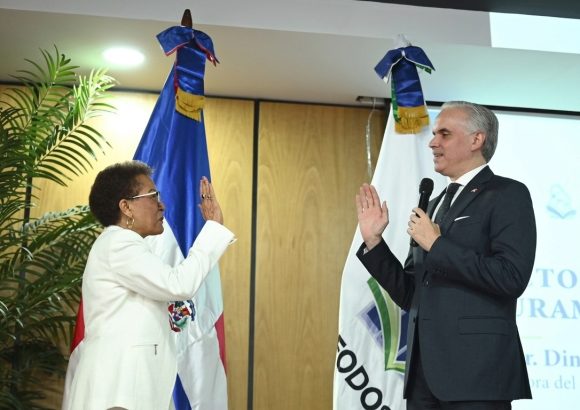
    A new era has begun for the Salomé Ureña Higher Teacher Training Institute (Isfodosu) in the Dominican Republic, as Dr. Dinorah García Romero officially took office as rector during a public inauguration ceremony centered on advancing quality teacher preparation and systemic educational transformation across the nation.

    García Romero’s ascent to the institution’s top leadership followed a rigorous, transparent competitive selection process that drew 91 initial candidates, with independent external observers monitoring every stage to ensure fairness. After the selection committee narrowed the field to a final shortlist submitted to the Dominican Executive Branch, her appointment was formalized via presidential decree.

    Bringing more than 40 years of extensive experience across education practice, academic administration, research, and curriculum design, García Romero succeeds outgoing rector Dr. Nurys del Carmen González. Speaking at the inauguration, Dominican Education Minister Luis Miguel De Camps, who also serves as president of Isfodosu’s Board of Directors, praised the new rector’s decades-long professional trajectory and underscored the weight of the responsibility she assumes.

    De Camps emphasized that high-quality teacher preparation is the backbone of any successful national education transformation, noting that no policy reform, technological upgrade, or infrastructure investment can replace the impact of a well-prepared educator standing in front of students. He called for teacher training programs to stay rooted in the real-world realities of Dominican classrooms, centered on evidence-based learning outcomes and the core competencies students must develop to thrive. De Camps also urged Isfodosu to deepen collaborative ties with local K-12 schools, expand educational research, and scale innovative practices to help the national system identify what works in classrooms and what requires targeted improvement.

    In her first keynote address as rector, García Romero laid out a transformative vision for teacher education rooted in what she calls a “pedagogy of meaning” that centers the whole person of the teacher, moving beyond outdated, purely instrumental training models.

    “The pedagogy of meaning pays special attention to the person of the teacher, to their learning, their values, and their problems,” García Romero explained. This approach, she noted, strengthens teacher professional identity, helps teacher candidates clarify their vocational calling, and deepens their sense of ethical mission as educators. Unlike traditional training frameworks that focus exclusively on technical skills to replicate in the classroom — ignoring the personal, social and institutional contexts that shape teaching practice — García Romero’s model calls for preparing educators who see themselves as whole people, skilled professionals, and engaged social citizens.

    To deliver on this vision, the new rector outlined key structural changes, including more rigorous admissions standards, enhanced personalized support throughout the teacher training journey, integration of critical context analysis, expanded interdisciplinary collaboration, systematic research investment, and intentional development of teachers’ intellectual capacities. She also stressed the importance of equipping future educators with strong foundational skills in science, cultural competence, ethics, and instructional methodology, while granting greater institutional autonomy to educators to pursue creative and innovative teaching practices.

    Boosting Isfodosu’s scientific research output is another central priority for García Romero’s administration. She proposed building collaborative research teams that bring together experienced teacher educators and final-year students, fostering shared learning, intellectual diversity, and cross-generational knowledge exchange. The new administration will also prioritize expanding democratic participation within the institution, ensuring all members of the Isfodosu community receive timely access to information to contribute to reflective decision-making and institutional projects.

    To build a more inclusive collaborative governance model, García Romero announced plans to deepen strategic partnerships with the Dominican ministries of Education, Higher Education, Science and Technology, and Public Administration, as well as with local and international higher education institutions. She highlighted the value of peer learning and called for stronger mutually beneficial connections between K-12 school systems and Isfodosu’s academic community. The administration will also work to build closer ties with academic associations, civil society organizations, and local communities where Isfodosu operates, while rolling out new collaborative models for institutional operations and engagement.

    One flagship initiative of the new administration is the creation of a regional sociopolitical observatory tasked with providing ongoing critical analysis and monitoring of socioeducational trends across the Dominican Republic and the broader Caribbean region. The observatory will expand Isfodosu’s impact beyond its own campus walls, strengthening the institution’s social, scientific, and technological leadership in the education space. García Romero framed this initiative as part of a broader commitment to sustained engagement with local, national and global social, political, economic and cultural contexts, helping the institution avoid short-term thinking and develop long-term, context-aware solutions for educational improvement.

    García Romero also addressed the growing impact of digital transformation and artificial intelligence on education, framing these shifts as both significant challenges and unique opportunities. She confirmed that Isfodosu will deepen its integration of digital tools and AI into training programs, while equipping students and faculty with the guidance to use these technologies with maturity, ethical awareness, responsibility, and critical thinking.

    Institutional strengthening and ethical governance will be defining priorities for her term, García Romero pledged. She committed to reinforcing institutional structures across all of Isfodosu’s operations, maintaining an uncompromising culture of ethics and transparency, and embedding accountability into all administrative and academic processes. Her policy agenda also includes targeted investment in faculty professional development, mission-aligned institutional initiatives, graduate outcome tracking, and internal community cohesion. The new rector stated her goal to strengthen Isfodosu’s collective intelligence, drive comprehensive institutional development, improve academic quality, diversify program offerings, and expand the institution’s capacity for innovation.

    The core principles guiding García Romero’s administration are: meaning-centered, humanizing teacher education; institutional integrity and ethics; public accountability; open scientific production focused on continuous improvement; and a critical, proactive perspective on national and global educational, social, political, economic and cultural realities.

    Closing her address, García Romero paid tribute to her predecessor, Dr. Nurys González, thanking her for her leadership, professionalism, and enduring commitment to teacher education in the Dominican Republic. She also expressed gratitude to the Teresian Association, an international educational organization of which she is a member that has worked to advance quality transformative education in the Dominican Republic since 1954. Citing Pedro Poveda, the inspiration behind the Teresian Association’s work, García Romero noted that the triad of “virtue, science, and justice” will remain central to her leadership. She concluded by affirming her commitment to delivering on the public trust placed in her administration, working alongside her team to advance Isfodosu’s mission, declaring: “Thank you, and not one step backward.”

  • Sandals Foundation and Department of Youth Affairs Celebrate Completion of Entrepreneurship Edge Programme With 58 Young Entrepreneurs

    Sandals Foundation and Department of Youth Affairs Celebrate Completion of Entrepreneurship Edge Programme With 58 Young Entrepreneurs

    ST. JOHN’S, Antigua — For the second consecutive year, the Sandals Foundation and Antigua and Barbuda’s Department of Youth Affairs have wrapped up a collaborative initiative designed to uplift the nation’s next generation of business leaders: the Entrepreneurship Edge Programme. This year’s six-week intensive training cycle closed with 58 aspiring and established young entrepreneurs crossing the finish line, marking a notable jump in participation from earlier iterations of the project.

    Rooted in a shared mission to drive youth empowerment and inclusive economic growth, the partnership has poured EC$38,000 in funding from the Sandals Foundation into designing and delivering a curriculum tailored to address the real-world needs of early-stage entrepreneurs. Over the course of the program, participants engaged in targeted training sessions covering a forward-thinking mix of topics, from creativity and artificial intelligence integration for small businesses to core fundamentals including financial management, ethical leadership, project management, business plan development, and public speaking and pitching.

    The program culminated in a public Entrepreneurship Expo held on International Youth Day, which offered graduates a rare opportunity to translate their classroom learning into tangible market experience. The showcase brought together young entrepreneurs from a wide cross-section of sectors, ranging from custom apparel printing and after-school tutoring services to refrigeration repair and other local small businesses. Attendees and potential customers explored the diverse range of products and services on offer, giving founders space to promote their ventures, connect with new clients, build professional networks, and gain hands-on experience presenting their businesses to the public.

    Dr. Jrucilla Samuel, Director of the Department of Youth Affairs, emphasized that the program’s growing popularity and 100% completion rate speak to both rising youth interest in entrepreneurship and the value of the training itself. “At a time when youth unemployment remains a persistent concern across our region, we have to prioritize creating pathways for young people to become job creators, not just job seekers,” Samuel explained. “Entrepreneurship is a core part of the solution. By equipping our young people with practical business skills, mentorship, and a supportive community, we reduce the pressure on the public sector to absorb our growing young workforce.” She also extended gratitude to the program’s network of volunteer facilitators, seasoned entrepreneur mentors, and the Sandals Foundation for their sustained investment in the initiative.

    David Latchimy, General Manager of Sandals Grande Antigua, noted that the foundation’s ongoing commitment to the Entrepreneurship Edge Programme stems from a core belief that youth empowerment is the foundation of long-term national development. “When we invest in young entrepreneurs, we are not just investing in individual businesses — we are investing in people who have the potential to create ripple effects of opportunity across our entire country,” Latchimy said. “Young people today bring the creativity to see opportunity where others see challenges, the resilience to navigate setbacks, and the courage to turn an idea into tangible action. They are not just the leaders of tomorrow — they are driving economic change right now.”

    As part of the closing ceremony, top performing participants Phebe Salmon, Honora Thomas, and Avanti Gardner received special recognition in the form of complimentary evening passes for two at Sandals Grande Antigua Resort and Spa. Dr. Samuel was also honored with the same award for her outstanding leadership and coordination of the 2026 program.

    This partnership forms part of the Sandals Foundation’s broader regional mandate to strengthen Caribbean communities through access to education, skills training, leadership development, and economic empowerment. The foundation frames support for young entrepreneurship as more than an individual benefit: it is a catalyst for more connected, prosperous communities, higher rates of economic participation, broad-based job creation, and a more resilient national economy for Antigua and Barbuda.

    For the 58 graduates of the 2026 cohort, the program’s conclusion marks not an end, but a new beginning. Beyond their completion certificates, participants leave with actionable business knowledge, expanded professional networks, increased confidence, and the practical tools needed to grow their ideas into sustainable, long-term ventures.

  • Former Students Donate to St. Joseph’s Academy

    Former Students Donate to St. Joseph’s Academy

    A collective of former St. Joseph’s Academy students has stepped forward to deliver a generous donation earmarked for critical campus upgrades, reaffirming the lasting bond graduates share with their alma mater. Five representatives — Shae Francis, Cody Nedd, Junior Reid, Cordell Croal, and Adrian Richardson — formally presented the gift on behalf of 54 participating alumni from across different graduating cohorts.

    Rudolf Davis, the principal of St. Joseph’s Academy, accepted the donation on behalf of the entire school community, and extended sincere gratitude to the contributing former students for their ongoing commitment to the institution’s growth. Davis outlined the clear plan for the contributed funds: the full sum will be allocated to purchasing and installing new air conditioning units throughout school facilities, a much-needed improvement that will directly enhance the learning and working environment for both current students and instructional staff.

    This charitable act shines a spotlight on the enduring engagement of St. Joseph’s Academy’s graduate network, demonstrating how former students continue to play an active role in advancing the school’s development and supporting new generations of learners. Beyond the tangible infrastructure upgrade, the donation serves as a reminder of the impact that connected alumni communities can have on strengthening educational institutions over time.