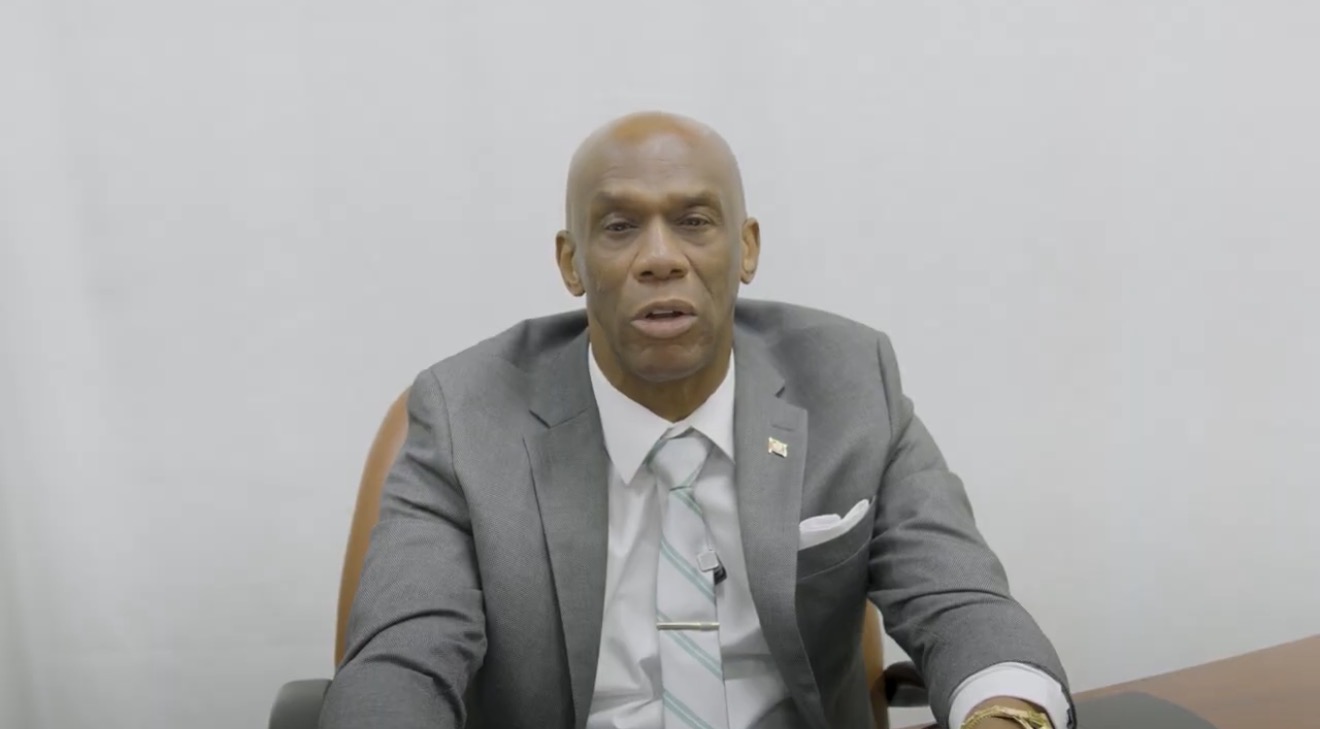
As Antigua and Barbuda launches the 2026-27 academic year, education leaders across the nation have extended a warm welcome to every stakeholder in the country’s education ecosystem – from students and classroom teachers to school principals, support staff, parents, and community partners. This new academic term begins amid growing national excitement for the upcoming Commonwealth Heads of Government Meeting, which the island nation will host. It also comes on the heels of a series of shifting national, regional, and global events that have pushed education leaders to re-evaluate core priorities and strengthen collective commitment to building an accessible, high-quality future for all learners.
While the education sector has secured significant progress to celebrate in recent years, it also faces a series of persistent, daunting challenges that cut across every level of learning. Rather than being deterred by these barriers, sector leaders are entering the new school year with sharper strategic vision, renewed collective purpose, and a firm commitment to innovative, out-of-the-box thinking. The end goal: boosting student engagement, driving more measurable learning outcomes, delivering targeted effective instruction, advancing equity and inclusion, and strengthening educational leadership across the board. By collaborating creatively and combining diverse expertise, stakeholders can turn traditional school days into periods of sustained inspiration, collaborative problem-solving, and transformative innovation. The 2026-27 academic year already stands out for a slate of ambitious new developments, which education officials have outlined below.
First, the nation is expanding access to early childhood education, the foundational level of the entire education system. Two additional communities will gain access to free public early childhood learning programs this year, advancing the Ministry of Education’s core commitment to guaranteeing every child across Antigua and Barbuda a strong educational starting point. The new Jennings Early Childhood Centre is scheduled to open its doors to learners in January 2027, followed by a second new early childhood facility in New Winthorpes later that year. The national government has also assumed full operational control of the Sir Luther Winter Child Development Centre to secure its long-term stability. Alongside expanding program access, the ministry is streamlining administrative and instructional leadership across all public early childhood development centers, a reform officials frame as urgent and critical to delivering consistent quality.
Second, the 2026-27 term will bring stronger curriculum alignment with other member states of the Organization of Eastern Caribbean States (OECS). All public and private primary schools will roll out the new D-OHPC Curriculum for students from Kindergarten through Grade Two. Education leaders acknowledge that this systemic transition has sparked natural concerns among educators and families, but emphasize that the new curriculum includes embedded resources designed to engage both students and teachers in dynamic, innovative learning experiences. The Ministry of Education has committed to providing full support to ease anxiety and facilitate a smooth transition for all stakeholders.
Third, hundreds of students and educators across the country will return to upgraded learning environments, thanks to investments from the national Board of Education and the Education Enhancement and Quality Improvement Project (EEQuIP). Over the 2026 summer break, construction teams completed expansion and renovation projects at dozens of public schools across both islands. These infrastructure upgrades reflect the sector’s core goal of making educational excellence tangible and creating learning spaces that inspire curiosity and growth.
One of the most groundbreaking policy changes for this academic year is the government’s elimination of tuition barriers for post-secondary learners. Moving forward, no student will be blocked from enrolling in post-secondary programs at the Antigua and Barbuda College of Advanced Studies or the University of the West Indies Five Islands Campus due to inability to pay. All first-time Antiguan and Barbudan students at these two institutions will qualify for full free tuition.
Education leaders also confirmed that ongoing priorities for the 2026-27 term include maintaining safe learning environments across all schools, expanding support for students learning English as a second language, and strengthening institutional frameworks to advance Spanish as the nation’s official second language.
In closing the address, the Ministry of Education extended gratitude to all educators across every level of the system for their commitment to launching the new academic year. Officials emphasized that the daily work of educators directly shapes the long-term future of the nation, and urged teachers to approach their work with creativity and passion, while prioritizing both their own psycho-social well-being and that of their students. A special welcome was extended to all ancillary education staff, including national school bus drivers and school meal program workers, whose daily interactions with students have an outsize impact on learner success. Officials reminded these staff members that their small, consistent acts of service shape student experiences, and encouraged them to bring their best effort to each school day.
For school principals, the address noted that their leadership defines the culture and quality of each learning community. Education leaders applauded the ongoing commitment of principals across the country, called for continued collaborative partnership, and challenged school leaders to cultivate learning environments that reflect the power of thoughtful, firm, and intentional guidance. With committed service from principals, the nation’s future can grow stronger and brighter, and aligned collective effort will inspire the next generation of Antiguan and Barbudan leaders. Finally, the address called on parents and all community education stakeholders to continue investing their time, energy, and resources to support student success, noting that the support caregivers provide today lays the foundation for the future the nation’s youth will build tomorrow.