分类: education

  • Calliaqua students place 2nd among regional environmentalists

    Calliaqua students place 2nd among regional environmentalists

    A team of fifth-grade innovators from Calliaqua Anglican Primary School has secured second place in the prestigious Macmillan Education Young Environmental Scientist Regional Competition 2025-2026 (Primary Category), bringing national pride to St. Vincent and the Grenadines. The student group, operating under the dynamic moniker SVG Wildlife Warriors, comprises Vedant Shetty, Khristan Da Santos, Kareem Ashton, and Tajiri Layne.

    Their award-winning submission featured a comprehensive five-minute video presentation demonstrating both scientific rigor and creative problem-solving. The annual Macmillan Education competition provides a critical platform for Caribbean students to develop practical solutions to pressing environmental issues, with this year’s theme aligning with UN Sustainable Development Goal 15: Life on Land.

    The young conservationists focused their research on raising awareness about endangered species native to their archipelago. Their project involved meticulous data collection and analysis on threatened wildlife including the iconic St. Vincent parrot, the elusive whistling warbler, the critically endangered Union Island Gecko, and majestic hawksbill turtles.

    Demonstrating exceptional educational innovation, the team designed an interactive board game that transforms environmental education into an engaging experience. This creative tool aims to inspire younger generations to actively participate in biodiversity conservation efforts while learning about ecological preservation.

    The award was formally presented by Deborah Brearley from the United Kingdom, alongside Denise Gaymes representing Macmillan Education. Brearley commended the students’ exceptional ability to merge scientific inquiry with imaginative environmental advocacy.

    Principal Roslyn Marshall expressed profound institutional pride in the achievement, highlighting how this recognition reflects the school’s dedicated emphasis on holistic education and advanced STEM learning methodologies. The first-place honors were awarded to a competing institution from Trinidad and Tobago.

  • UWI outreach programme ends on polished note

    UWI outreach programme ends on polished note

    Students from Parkinson Memorial Secondary School concluded their transformative journey in the Global Alumni Outreach Programme with a comprehensive professional development session at the University of the West Indies, Cave Hill Campus. The final module, dedicated to interview preparedness and corporate etiquette, provided crucial career skills ahead of the students’ examinations.

    The program, officially titled ‘Preparing Today for Tomorrow’s Challenges – Transforming Children’s Lives’ (PTFTC-TCL), hosted its culminating dining etiquette session at the Campus Solutions Centre on Monday. This served as an intensive review for Parkinson Upper Fifth students before their practical examination the following day.

    Aisha Estwick, Assistant Registrar of the Employee Success Division in Human Resources for UWI Global Campus, initiated the session with critical insights into job application protocols. She detailed common CV pitfalls that lead to immediate rejection, highlighting inappropriate email addresses, grammatical inaccuracies, and exaggerated skill claims as primary disqualifiers. Estwick specifically cautioned against excessive document length, noting that CVs extending to ‘ten pages’ typically fail to advance in selection processes.

    The HR expert outlined essential CV components, emphasizing that Information Technology proficiency should extend beyond basic Microsoft Office knowledge to include social media platform familiarity. Regarding cover letters, Estwick stressed the necessity of customizing each application to demonstrate clear alignment between candidate qualifications and specific job requirements.

    Drawing from her extensive experience reviewing hundreds of applications, Estwick revealed that typically only five candidates progress to the interview stage from each pool of applicants—a statistic underscoring the competitive nature of job markets.

    Students gained additional perspective through a recorded address from Antigua and Barbuda’s Governor General, Rodney Williams, who advocated for developing core interpersonal competencies including communication, problem-solving, time management, and emotional intelligence as foundational career preparation.

    The practical segment, led by Campus Officer of Alumni Relations Sandra Griffith-Carrington, encompassed comprehensive business and dining etiquette training. Students underwent meticulous grooming checks (fingernails and shoes), received instruction on professional handshake techniques, and learned sophisticated napkin folding designs including the bow, rose, and candle configurations.

    Following theoretical instruction, students implemented their acquired knowledge during a practical exercise at Mount Restaurant, demonstrating full proficiency in formal dining protocols.

    Now celebrating its tenth anniversary, the PTFTC-TCL program operates across 16 secondary schools throughout Barbados with support from alumni volunteers and sponsors including the Sandals Foundation. The initiative aims to instill social graces and professional ethics—including accountability, dedication, and courtesy—as students transition toward their future careers.

    Griffith-Carrington concluded the session with enduring advice for the students: ‘Gratitude is the attitude that determines your altitude’—a principle applicable to both professional interviews and life pursuits.

  • Winston Jones High triumphs in regional NSLIP Mathematics Competition

    Winston Jones High triumphs in regional NSLIP Mathematics Competition

    MANCHESTER, Jamaica — Winston Jones High School has achieved remarkable academic distinction by securing top honors in Jamaica’s Regional National School Learning and Intervention Plan (NSLIP) Mathematics Competition. The institution’s mathematics team demonstrated extraordinary proficiency in numerical reasoning, analytical thinking, and complex problem-solving, earning them the championship title.

    School administrators highlighted that the victory was made possible through the concerted efforts of dedicated educators and the unwavering determination of the students. The NSLIP program, an initiative spearheaded by the Ministry of Education, Youth and Information, is designed to enhance student outcomes in fundamental academic disciplines, with mathematics being a primary focus.

    Acting Principal Shane Henry emphasized that this accomplishment underscores the resilience of the student body and the effectiveness of structured educational support systems. The competition itself serves as an avenue for students to engage with rigorous academic challenges in an environment that promotes scholarly achievement and intellectual growth.

    Winston Jones High also acknowledged the valuable participation of competing schools, noting that their involvement elevated the event’s competitive spirit and emphasized the significance of collaboration and perseverance in education. This achievement arrives at an opportune moment, providing both inspiration and validation to students as they prepare for upcoming external examinations.

    Guided by the school’s motto, ‘Prayer and Work Conquer All,’ educators reaffirm their commitment to fostering academic excellence and enabling students to realize their fullest potential.

  • Ciceron Secondary dominates at Schools’ Science and Technology Fair

    Ciceron Secondary dominates at Schools’ Science and Technology Fair

    Saint Lucia’s educational landscape witnessed an extraordinary display of youthful ingenuity as the National Schools’ Science and Technology Fair concluded with remarkable projects spanning environmental sustainability, technological innovation, and scientific discovery. Under the thematic banner “Igniting Young Minds to Power the Future,” the event showcased groundbreaking student-led initiatives that demonstrated practical applications of scientific principles across multiple disciplines.

    Ciceron Secondary School emerged as the fair’s most decorated institution, capturing the prestigious Best Overall Project award for their “Mathematics Disaster Management Online Program.” This comprehensive digital solution additionally secured top honors in the Secondary School Science and Technology category while earning both the Award for Innovation Excellence and the Motiellal Singh Award for Best Science and Technology Project.

    The competition revealed exceptional talent across all educational levels. At the primary division, Aux Lyons Combined School achieved dual recognition, winning both the Science and Technology category and Best Primary Project for their innovative “Crystal Palace: Glue Berry Hair Gel.” Environmental category distinctions went to Saint Lucia Sports Academy for their greywater sustainability research at the secondary level, while Bouton RC Combined School claimed top environmental honors among primary schools with their ornithological study “Birds of Bouton,” which also received the Outstanding Research Award.

    Post-secondary participants demonstrated advanced technological prowess with Vieux Fort Comprehensive Secondary School dominating their category by securing both first and second places. Their projects included “Biocup Seaweed” and a sophisticated “Hand Gesture Controlled Wheelchair” system.

    Special recognition awards highlighted diverse scientific applications, with Micoud Secondary School winning the Food Science Award for their “Ripe Banana Gummies” and Lady Gordon Opportunity Center receiving commendation for their kombucha-based “Jupiter’s Drink.” Additional honors included Grand Riviere Primary School’s Outstanding Experiment Award for “Uniform Rescue” and Aux Lyons Combined School’s Allan Gabriel Award for Best Environmental Project.

    Chief Education Officer Beverly Dieudonne characterized the exhibition as profoundly uplifting, noting that participants from infant to post-secondary levels demonstrated exceptional ability to apply scientific thinking to real-world challenges. She emphasized that the fair represented more than symbolic aspiration but rather a tangible demonstration of student capability, stating: “This fair has truly demonstrated that the future is already in capable hands.” Dieudonne praised the students’ resilience and innovative spirit, declaring all participants champions while encouraging continued boundary-pushing experimentation.

  • The UWI Five Islands Campus and T.A. Marryshow Community College Strengthen Regional Educational Ties

    The UWI Five Islands Campus and T.A. Marryshow Community College Strengthen Regional Educational Ties

    In a landmark move set to reshape the Caribbean educational landscape, The University of the West Indies (UWI) Five Islands Campus and T.A. Marryshow Community College (TAMCC) have formalized a comprehensive partnership agreement. This strategic alliance represents a significant advancement in regional academic cooperation, designed to create seamless educational pathways and enhance resource sharing between Grenada and Antigua’s premier institutions.

    The collaboration establishes an articulated framework allowing TAMCC graduates direct entry into specialized degree programs at UWI Five Islands, effectively eliminating academic transition barriers. The partnership extends beyond student mobility to include joint research initiatives, faculty exchange programs, and shared utilization of laboratory facilities and digital learning resources.

    This institutional synergy addresses critical regional challenges including educational accessibility, curriculum standardization, and the development of workforce-ready graduates equipped with 21st-century skills. By leveraging their combined academic strengths, the institutions aim to create a more integrated Eastern Caribbean educational ecosystem that promotes sustainable development and regional competitiveness.

    The initiative has garnered strong support from government education ministries and regional organizations, recognizing its potential to transform higher education delivery throughout the Organization of Eastern Caribbean States (OECS). This model of inter-institutional cooperation establishes a new benchmark for academic partnerships across the Caribbean basin, potentially inspiring similar collaborations throughout the region.

  • Antigua and Barbuda Professionals Invited to Apply for 2026 ISA Solar Fellowship

    Antigua and Barbuda Professionals Invited to Apply for 2026 ISA Solar Fellowship

    The International Solar Alliance (ISA) has officially announced the opening of applications for its prestigious Solar Fellowship Scheme for the 2026-2028 academic cycle. This initiative targets mid-career professionals from ISA member nations seeking advanced training in renewable energy technologies.

    Since its inception in 2019, the program has successfully graduated five cohorts, with two additional batches currently undergoing specialized training at the Indian Institute of Technology Delhi. The fellowship is specifically designed for government policymakers, administrators, and development leaders who demonstrate exceptional commitment to public service and sustainable development in their home countries.

    For the eighth cohort, ISA will sponsor 20 selected candidates for a comprehensive two-year Master of Technology program in Renewable Energy Technologies and Management. The curriculum, designated as Programme Code: ESR, is scheduled to commence on July 23, 2026, at IIT Delhi’s Department of Energy Science and Engineering.

    Prospective applicants must submit their applications through the PG International Admission Portal (https://ecampus.iitd.ac.in/IPGADM/login) before the March 30, 2026 deadline (4:00 PM IST). The selection process will prioritize ISA member countries, with an International Fellowship Committee conducting the final candidate selection based on established eligibility criteria set by IIT Delhi.

    Professor Snehasish Panigrahi, the M.Tech Coordinator for the ESR program, will provide application assistance to interested candidates throughout the submission process.

  • Programme driving down school suspensions, says education ministry

    Programme driving down school suspensions, says education ministry

    Barbados’ education transformation efforts have yielded dramatic results with school suspensions plummeting 60% this term following the implementation of a comprehensive values-based learning framework. The Ministry of Education’s revitalized VIBES program (Values-driven, Inclusive, Behavioural Excellence, Empowering Learning Environment) has mobilized secondary school principals, guidance counselors, social workers, and school officers in a coordinated approach to student behavior management.

    The government has quadrupled student support staffing from 10 to 40 professionals, implementing a multi-tiered support system that combines proactive behavioral interventions with academic enhancements. Senior Psychologist Juanita Brathwaite-Wharton explained the dual approach: “We’re enhancing universal interventions for all students while simultaneously strengthening math instruction and literacy programming from the academic perspective.”

    A cornerstone of the strategy is the Health and Family Life Education (HFLE) curriculum, which emphasizes social-emotional learning components including anger management, emotional regulation, and self-esteem building as preventative measures. The ministry has further expanded capabilities through a partnership with the University of the West Indies Cave Hill Campus, establishing the Educational and Psychological Assessment Unit (EPAU) to support students with learning challenges through psycho-educational screening, assessments, and professional workshops.

    The initiative employs targeted interventions to identify at-risk students requiring multi-agency support addressing housing, parenting, mental health, juvenile justice, and substance use issues. Education Officer Cyrilene Willoughby highlighted collaborations with community organizations like Echo Nation to address youth needs through tailored programs across secondary schools.

    Chief Education Officer Dr. Ramona Archer-Bradshaw confirmed the dramatic reduction in suspensions, attributing the success to system-wide efforts. “When we compare last term to this term, suspensions have significantly decreased by 60% due to the work of principals, teachers, and support staff across the system,” she stated, expressing ambition to eliminate suspensions entirely.

    Dr. Archer-Bradshaw emphasized the broader educational mission: “I want children who have values, good attitudes, and self-awareness—not just academic excellence.” She encouraged educators to adopt the FIRM methodology (Fair, Inclusive, Relevant, Modern) in pursuing the ministry’s mission to ensure every Barbadian child has opportunity.

  • UWI Five Islands Campus officials strengthen educational ties with Grenada’s T.A. Marryshow Community College

    UWI Five Islands Campus officials strengthen educational ties with Grenada’s T.A. Marryshow Community College

    In a significant development for Caribbean higher education, the University of the West Indies Five Islands Campus (UWI FIC) and T.A. Marryshow Community College (TAMCC) have embarked on a transformative partnership aimed at creating seamless academic transitions for students throughout Grenada, Carriacou, and Petite Martinique.

    The groundbreaking discussions, held on March 11-12, brought together leadership teams from both institutions to establish frameworks that would eliminate educational barriers and enhance academic mobility. UWI FIC’s delegation was spearheaded by Campus Principal Professor Justin Robinson, accompanied by key administrators including Admissions Assistant Registrar Jenifer Hughes, Criminology program coordinator Dr. Kamecia Blake, Health Sciences coordinator Samantha Marshall, and Marketing Manager Shavar Maloney.

    TAMCC’s representation was led by Principal Andrew Abraham, alongside Dr. Philomena Cato and Access Studies coordinator Moricia Japal-Ledlow, demonstrating the college’s commitment to expanding educational opportunities.

    The central focus of the negotiations centered on developing structured articulation agreements, particularly 2+2 programs that would enable students to complete associate degrees at TAMCC before seamlessly transitioning to UWI FIC for bachelor’s degree completion. Both institutions extensively discussed credit transfer policies, exemption frameworks, and institutional alignment strategies to ensure academic coherence and quality standards.

    The productive deliberations culminated in a mutual commitment to formalize the collaboration through a Memorandum of Understanding, marking a milestone in inter-institutional cooperation within the Organization of Eastern Caribbean States (OECS) region.

    Professor Robinson emphasized the strategic importance of this initiative, stating, ‘This partnership embodies our dedication to creating accessible higher education pathways throughout the OECS. By building these institutional bridges, we’re not only removing academic barriers but fundamentally strengthening the human capital development across our sub-region.’

    Principal Abraham highlighted the local impact, noting, ‘This collaboration will empower TAMCC students with the qualifications and skills necessary to drive Grenada’s development while positioning them competitively in the global landscape. We’re committed to ensuring our youth can effectively contribute to national progress.’

    This alliance represents a concrete implementation of UWI FIC’s strategic objective to expand quality higher education access throughout the Eastern Caribbean, directly supporting the developmental goals of OECS member states by creating sustainable educational ecosystems and enhancing regional human resource capabilities.

  • The UWI FIC and TAMCC strengthen regional educational ties

    The UWI FIC and TAMCC strengthen regional educational ties

    In a significant move to enhance higher education accessibility, the University of the West Indies Five Islands Campus (UWI FIC) and T.A. Marryshow Community College (TAMCC) have initiated formal discussions to establish streamlined academic pathways for students in Grenada, Carriacou, and Petite Martinique. The high-level meetings held on March 11-12 brought together educational leaders to formulate strategic collaboration frameworks.

    The UWI FIC delegation, led by Campus Principal Professor Justin Robinson, included key administrative and academic personnel: Assistant Registrar of Admissions and Graduate Studies Jenifer Hughes, BSc Criminology and Criminal Justice programme coordinator Dr. Kamecia Blake, School of Health and Behavioural Sciences coordinator Samantha Marshall, and Marketing Manager Shavar Maloney. The TAMCC representation was headed by Principal Andrew Abraham, accompanied by Dr. Philomena Cato and Access/Professional Studies Coordinator Moricia Japal-Ledlow.

    Central to the discussions was the development of structured articulation agreements that would enable TAMCC students to seamlessly transition into UWI FIC degree programmes. The proposed 2+2 pathway model would allow students to complete associate degrees at TAMCC before advancing to bachelor’s programmes at UWI FIC, with appropriate credit exemptions. Both institutions committed to negotiating a formal Memorandum of Understanding to institutionalize the partnership.

    Professor Robinson emphasized the regional significance of the collaboration: ‘This partnership demonstrates our commitment to creating educational pathways for OECS students. By building institutional bridges, we’re removing barriers to advanced degrees while strengthening human capital development across the sub-region.’

    Principal Abraham highlighted the local impact: ‘This initiative will equip TAMCC students with qualifications and skills necessary to drive Grenada’s development and compete effectively in the global environment. We’re ensuring our youth can access programmes that position them as contributors to national progress.’

    The collaboration aligns with UWI FIC’s strategic mission to expand quality tertiary education access throughout the Eastern Caribbean while supporting the development objectives of OECS member states.

  • Regional education conference celebrates Caribbean progress and calls for action

    Regional education conference celebrates Caribbean progress and calls for action

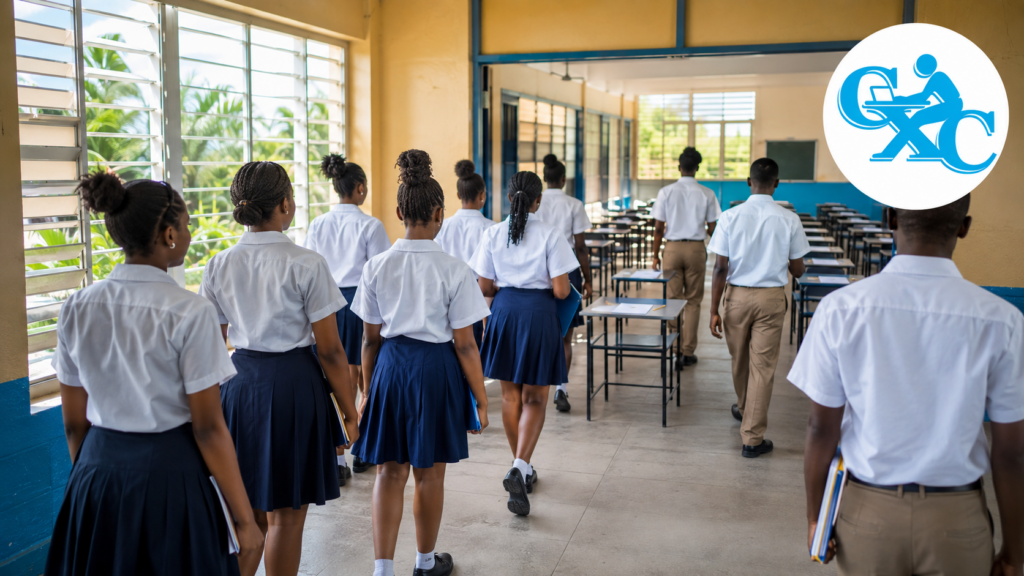
    JAMAICA — Against a backdrop of post-hurricane resilience, the Caribbean Examinations Council (CXC) successfully convened its inaugural Regional Education Conference and Ministerial Forum, bringing together nearly 400 education leaders from 27 Caribbean nations and international delegations. Originally scheduled for October 2025 but delayed by Hurricane Melissa, the four-day gathering demonstrated unwavering commitment to transforming regional education systems.

    Dr. Wayne Wesley, CXC’s Registrar and CEO, set the visionary tone by declaring knowledge the region’s most powerful compounding resource. “Every other resource—wealth, land, technology—can be hoarded or hacked, bombed or destroyed,” he stated. “But knowledge, once transmitted, multiplies. A teacher reaches 30 students. Those students reach thousands more. The compounding never stops.”

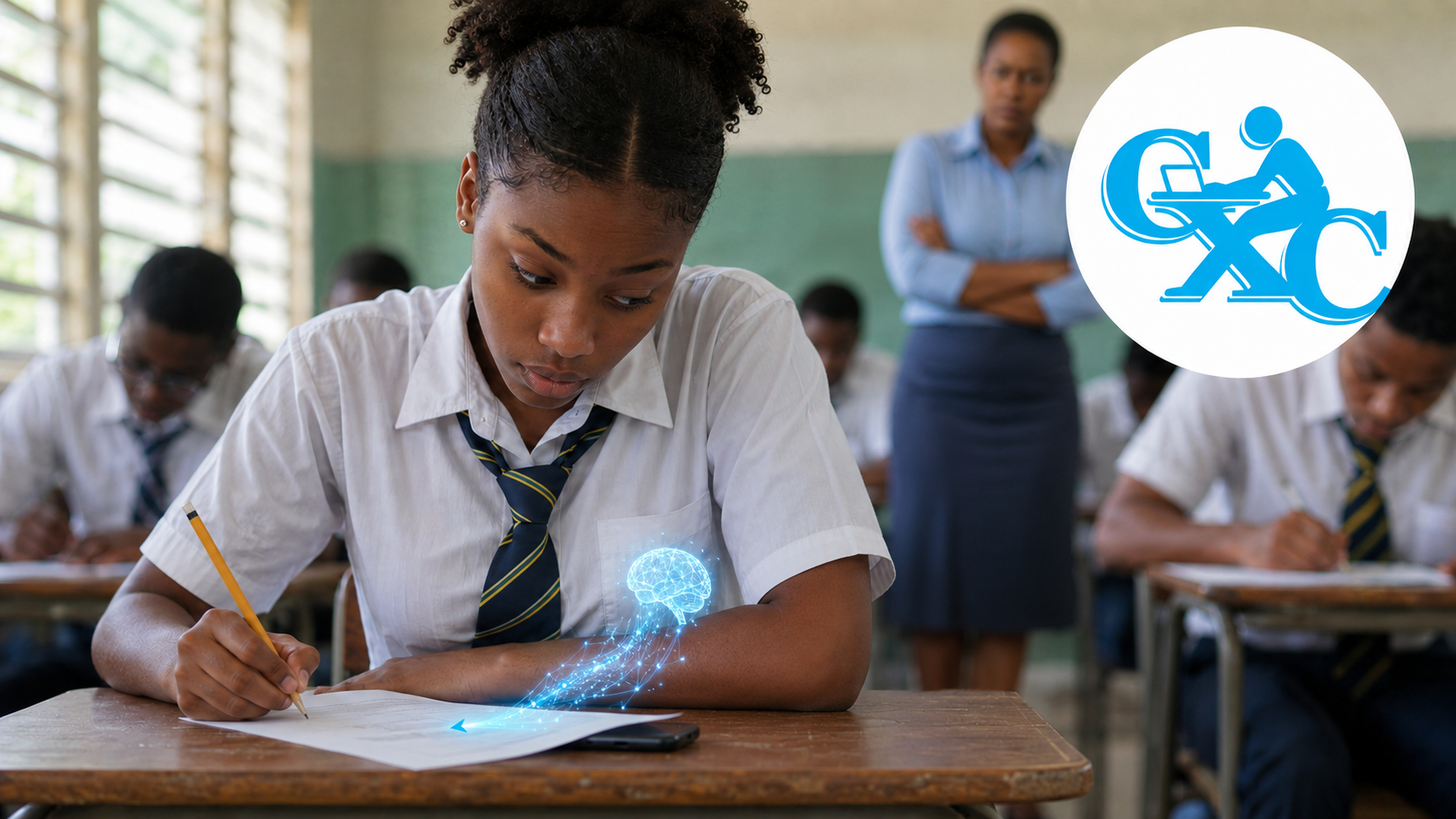
    The conference agenda addressed pressing contemporary challenges, including generative AI integration in classrooms, persistent literacy and numeracy gaps, and creating flexible certification pathways. A landmark Partnership Engagement Agreement with Caribbean employer groups signaled recognition that workforce preparation extends beyond traditional academic boundaries.

    Jamaica’s Education Minister Dr. Dana Morris Dixon highlighted the tension between technological advancement and educational fundamentals. “In the midst of this AI whirlwind,” she cautioned, “we must preserve what is most human and essential in education—curiosity, character, critical thinking, creativity, empathy, and purpose.”

    Guyana’s Education Minister Sonia Parag reinforced this balanced approach, warning against sacrificing foundational skills for digital transformation. “Digitization must not distract us from these fundamentals; it must strengthen and promote them,” she asserted, urging closer collaboration with CXC to align assessments with regional needs.

    The gathering coincided with a significant technological milestone: the successful administration of fully electronic and hybrid examinations across 17 Caribbean states in January 2026. With over 10,000 candidates completing nearly 18,000 subject entries, the results demonstrated Caribbean students’ readiness for digital assessment formats.

    Dr. Wesley emphasized the generational imperative: “Our Gen Z and Alpha learners are digital natives. Learning and assessment systems must be congruent with how they process knowledge.” He reframed CXC’s identity as an “activist” organization championing educational equity across the region.

    The conference concluded with what organizers described as “a covenant with our children”—a commitment to transform dialogue into actionable policies that ensure educational excellence becomes a fundamental right rather than a privilege for select few.