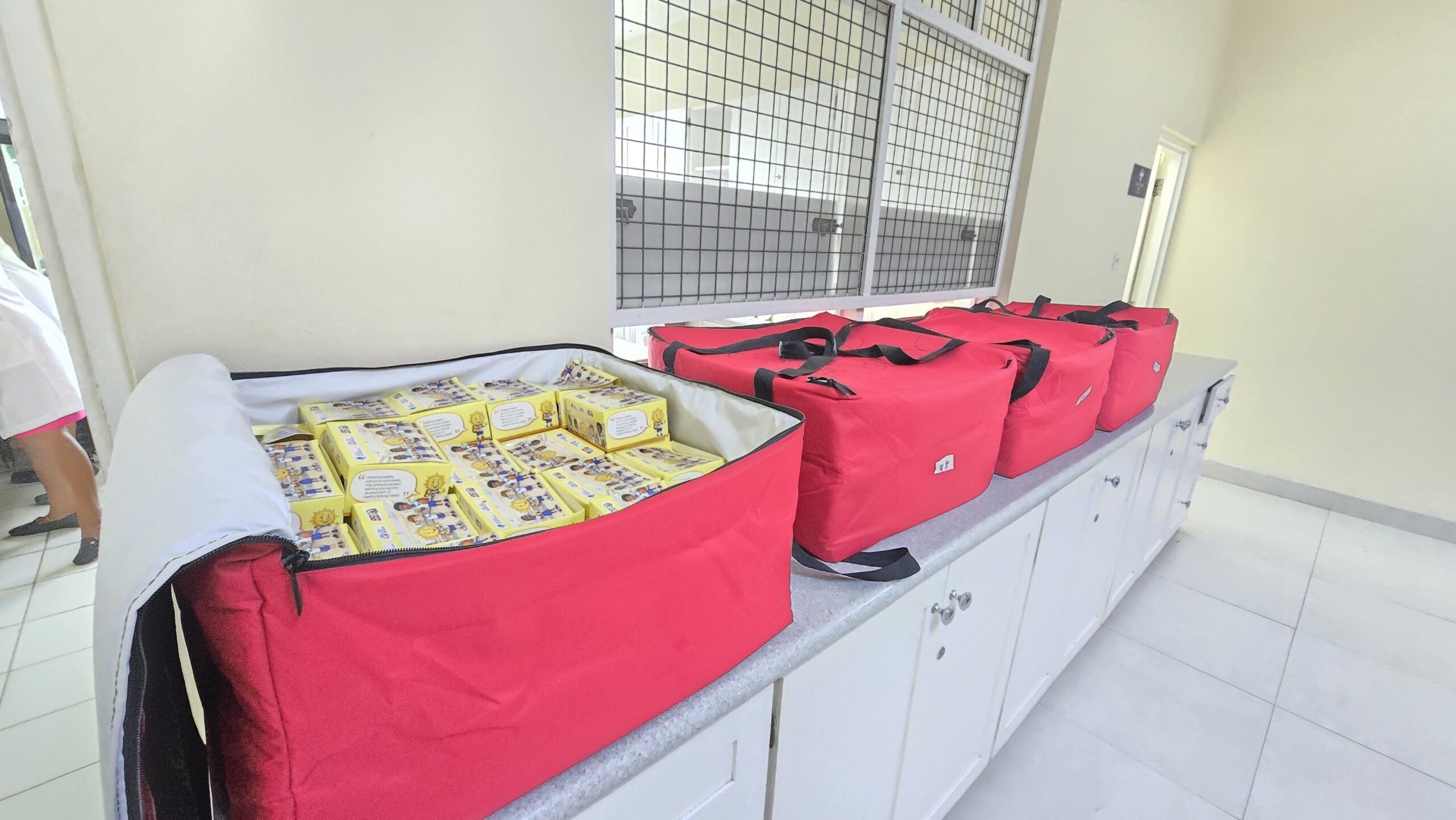
As the new academic year kicks off across Barbados, a long-awaited national school breakfast programme has rolled out to all public nursery and primary institutions, providing free morning meals to approximately 17,000 young students. Education Transformation Minister Chad Blackman confirmed the launch during a first-day school tour of St Mary’s Primary, framing the initiative as a targeted government intervention to reduce financial and logistical strain on households. The core mission of the programme, Blackman explained, is to guarantee every primary-aged child who wants a breakfast can access one, giving working parents or caregivers peace of mind regardless of their morning schedule or financial circumstances. Many parents face barriers to preparing morning meals, from tight commute timelines that require leaving home before dawn to limited financial resources, and the new programme is designed to address both of these challenges. Behind the timely launch, Blackman highlighted the intensive work of government teams, particularly the existing School Meals Department which already manages national school lunch provision. “The team and the permanent secretary have worked tirelessly to hit this launch deadline, while maintaining strict quality standards for every meal served,” he noted. Blackman added that the programme’s rotating menu has been curated to offer a diverse range of flavorful, nutritionally balanced options, with the full menu published on the ministry’s official website and social media channels for public transparency. School leaders across the island have broadly welcomed the expansion of the National Nutrition Policy to include the breakfast programme. Paula Toppin, principal of Charles F Broomes Primary, emphasized that the programme fills a critical gap for students who travel to school early and arrive hungry, ensuring they get a nutritious start to their school day. At Bay Primary School, principal Stacey Blunte echoed that enthusiasm, pointing out that proper morning nutrition directly boosts students’ ability to focus and engage in learning. “Without the right fuel from breakfast, many of our students struggle to focus throughout the morning. This initiative removes that barrier entirely,” Blunte told local outlet Barbados TODAY, adding that school staff were on site early to receive meal deliveries and ensure smooth service ahead of the first class. For the current academic year, Bay Primary is also hosting St Paul’s Primary School’s Kindergarten through Grade 2 cohorts while St Paul’s campus undergoes full infrastructure upgrades, meaning the programme benefits displaced students as well. Many parents have echoed school leaders’ praise, sharing personal stories of how the initiative has already simplified their daily routines. One mother from St Thomas, who travels long distances to get her child to school and often leaves home before 7 a.m., explained that the programme eliminates the daily rush to prepare breakfast before heading out. “For us, this is a huge relief. There are some mornings I just don’t have time to sit down and make breakfast before we leave, so knowing my son can get a meal here makes everything easier,” she said, as her son ate his breakfast at school. Another parent noted that the programme fills a critical safety net for low-income children who cannot afford morning meals at home, a sentiment shared by many other caregivers. One elderly Barbadian resident who attended primary school nearly 90 years ago recalled a historic school milk and biscuit programme that operated decades ago, saying she was thrilled to see a similar nutritious meal initiative return to local schools. Janelle Reid, president of Bay Primary’s Parent-Teacher Association (PTA), also endorsed the programme, urging parents to encourage their children to take advantage of the free daily meal. However, the programme’s launch was not without criticism. Some parents voiced disappointment with inconsistencies between the published menu and the meals served on the first day. Multiple parents reported that items listed on the menu, such as bananas and hot tea, were not included in first-day servings. One parent raised concerns about portion size, arguing that a single slice of bread was not enough to sustain a 10-year-old child through the morning. Other parents claimed that meal offerings varied between schools, suggesting some institutions might receive preferential treatment with more substantial portions or additional items not available at other campuses. A small number of critics also argued that too much of the programme’s budget was going toward packaging rather than the food itself. In response to these early concerns, Minister Blackman committed to ongoing monitoring and adjustments to the programme. He emphasized that authorities will track not only meal quality and consistency but also delivery times to ensure breakfast service does not disrupt scheduled teaching and learning. “We are committed to continuously improving this initiative as we deliver enhanced educational support across Barbados,” Blackman said. “Our goal is to make sure this programme delivers real, lasting benefit for students and families across the country,” he added.