分类: education

  • COMMENTARY: Skills for a shared future

    COMMENTARY: Skills for a shared future

    As the global community marks World Youth Skills Day on July 15 this year, United Nations Secretary-General António Guterres has issued a stark reminder that unlocking the full potential of younger generations depends on large-scale investment in inclusive, high-quality education and skills training. Closing the growing global skills gap, Guterres emphasizes, is the key to generating widespread decent employment opportunities and building sustainable livelihoods for billions of young people around the world.

    Established by the UN General Assembly in 2014, World Youth Skills Day was created to draw global attention to the critical strategic role of equipping young people with the competencies they need for gainful employment, dignified work, and entrepreneurial success. This year’s observance centers on the theme “Skills for a Shared Future,” with a core focus on empowering youth with the full range of technical, artificial intelligence, digital, green, and social-emotional skills required to succeed in a fast-evolving global labor market and drive inclusive sustainable development. The annual event also spotlights young people’s unique role as agents of change in building more inclusive and resilient societies worldwide.

    The UN stresses that the global world of work is undergoing unprecedented transformation, driven by three major forces: the rise of artificial intelligence, the urgent global transition to green economies, and growing social complexity. These shifts are fundamentally reshaping how people learn, work, and engage with their communities. To navigate this changing landscape successfully, young people need far more than narrow technical training: they require a balanced mix of competencies that combines technical, digital, AI, green, social-emotional, and civic skills with irreplaceable human qualities that no technology can replicate.

    Even as global youth unemployment has seen a modest decline in recent years, youth joblessness and exclusion remain one of the world’s most pressing economic and social challenges. Data from the International Labour Organization’s (ILO) 2024 Global Employment Trends for Youth report shows that the global youth unemployment rate dropped to 13% in 2023 — a 15-year low that sits below the pre-pandemic 2019 rate of 13.8%. But this recovery has been deeply uneven across regions: youth unemployment rates in the Arab States, East Asia, and South-East Asia remained higher in 2023 than they were before the COVID-19 pandemic.

    Worse, one in five young people globally — and more than one quarter of all young women — fall into the NEET category, meaning they are not engaged in employment, education, or skills training of any kind. The global NEET rate for young women stands at 28.1%, more than double the 13.1% rate recorded for young men. Local data from Jamaica’s Statistical Institute, for example, puts the country’s youth unemployment rate at 11.7% as of April 2026, with young women carrying a disproportionately heavy share of that burden. Even for young people who do find work, decent, formal employment remains out of reach for most: more than half of all young workers are stuck in informal employment, and in low-income countries, three out of four young workers only hold self-employment or temporary positions with little to no job security or benefits.

    While targeted investment in green and blue economic sectors has the potential to create 8.4 million new jobs for young people by 2030, the UN emphasizes that these new roles must guarantee core labor standards, including equal pay, collective bargaining rights, and protection from workplace harassment.

    At the center of global efforts to close the youth skills gap is Technical and Vocational Education and Training (TVET), a sector that has long been unfairly stigmatized in many education systems around the world. A common but myopic narrative has framed TVET as a track only for less academically inclined students, but global education leaders say this outdated perspective must be completely reworked to meet 21st-century labor demands. As part of the UN’s 2030 Agenda for Sustainable Development, SDG 4 — which calls for inclusive and equitable quality education and lifelong learning for all — prioritizes expanding access to affordable, high-quality TVET, helping all people acquire the vocational skills needed for employment, closing gender skill gaps, and ensuring vulnerable groups can access training opportunities.

    Far from being a second-choice education track, TVET is uniquely positioned to address the overlapping economic, social, and environmental challenges facing the world today. It equips young people with the practical skills needed to enter the workforce, including skills for self-employment and entrepreneurship. It also makes education systems more responsive to shifting skill demands from employers and communities, boosts overall productivity, and increases wage levels for workers. By expanding work-based learning opportunities and ensuring skills gained are officially recognized and certified, TVET also reduces barriers to employment for marginalized groups, including low-skilled underemployed and unemployed workers, out-of-school youth, and NEETs.

    In the Caribbean region, the Caribbean Community (CARICOM) uses annual World Youth Skills Day observances to highlight the urgent need to equip Caribbean youth with 21st-century skills to drive employment and regional sustainable development. CARICOM partners with regional entities such as Jamaica’s HEART/NSTA Trust to expand and improve TVET programs across the region, with the goal of building a resilient, future-ready workforce. The annual day serves as a strategic platform to advance key regional priorities, including reducing regional import dependency through strengthening agricultural sectors, closing the digital divide, and supporting youth entrepreneurship across all member states. Even with these efforts, however, systemic barriers remain: global education systems are still marked by deep inequities that leave many young people — especially those living in rural and low-income communities — disadvantaged and excluded from quality training opportunities. This exclusion has contributed to widespread hopelessness among many young people globally.

    Disturbing UN data underscores the scale of the crisis: 86% of current students report they do not feel prepared to succeed in an AI-driven workplace. Some 450 million young people — 70% of the global youth population — are economically disengaged, due entirely to a lack of the skills demanded by the modern labor market. In many low- and middle-income countries, fewer than 1% of poor rural women complete secondary education, locking them into cycles of exclusion and poverty.

    Skills are far more than just a pathway to individual employment: they are transformative tools that can empower entire generations and build collective long-term wealth. Global leaders and education advocates are calling for a coordinated global movement to rekindle hope among marginalized young people. On this World Youth Skills Day, organizers stress that young people can only become a powerful positive force for global development when they have access to the knowledge and opportunities they need to thrive. In particular, young people need the targeted education and skill training required to contribute to productive, sustainable economies — and they need inclusive labor markets that can absorb them into meaningful work.

    This commentary was written by Wayne Campbell, an educator and social commentator focused on how development policies intersect with culture and gender equity.
  • MIST summer camp sparks science-tech curiosity

    MIST summer camp sparks science-tech curiosity

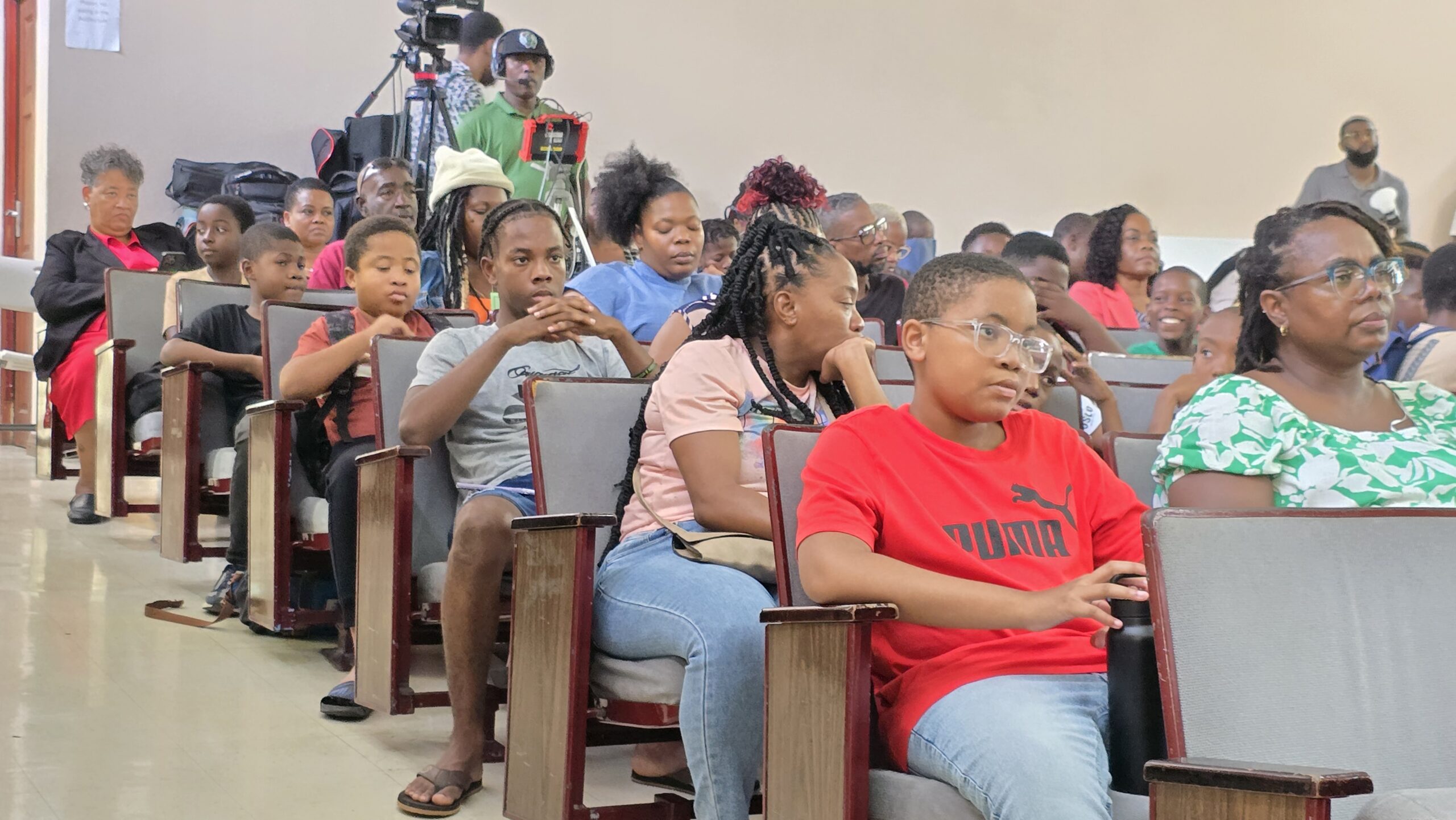
    Barbados’ Ministry of Innovation, Industry, Science and Technology (MIST) has kicked off its 2026 iteration of the long-running Science and Technology Summer Camp, retooling the popular five-week program to prioritize immersive, hands-on learning that helps young participants connect scientific concepts to the world around them. Now in its nearly two-decade history after first launching in 2008, the 2026 camp opened its doors this week at Queen’s College in St James, welcoming children between the ages of 6 and 11 to explore a diverse range of STEM (science, technology, engineering and mathematics) disciplines.

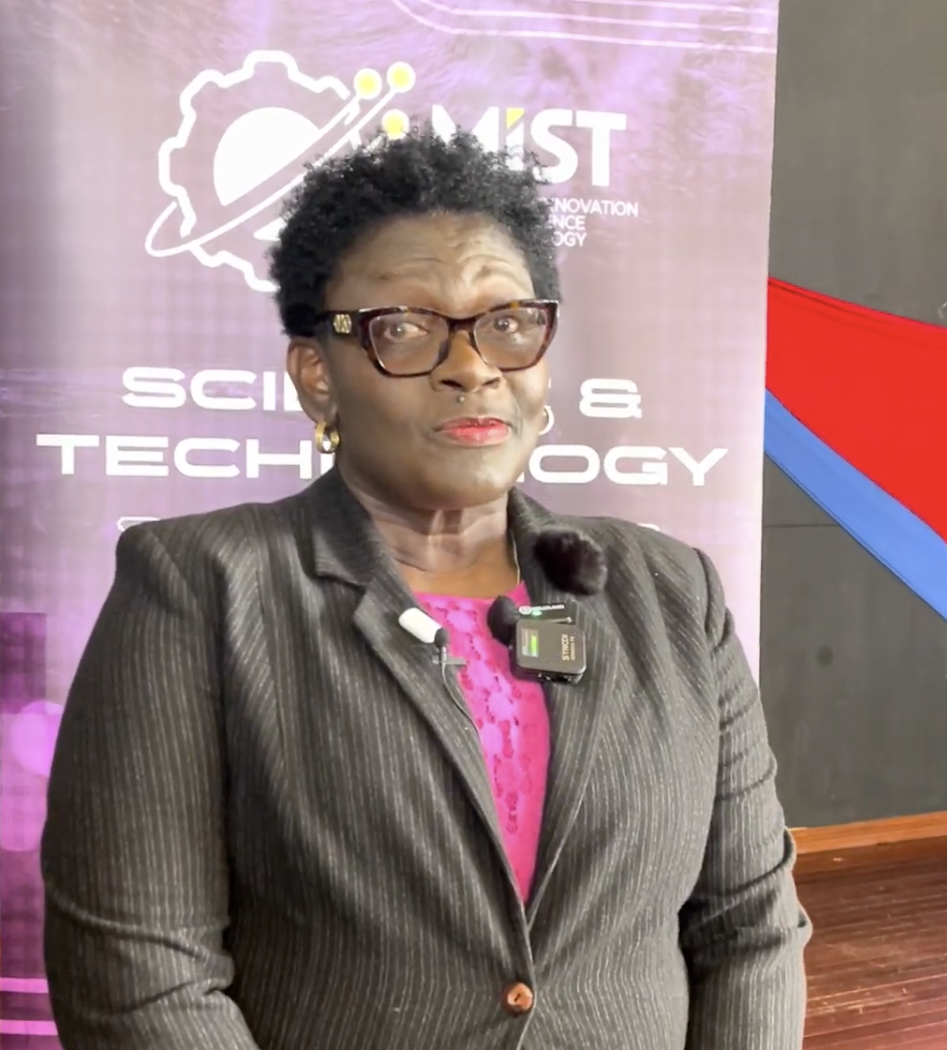
    Arlene Weekes, acting director of MIST’s Science, Market Research and Innovation Unit, highlighted how the program has transformed dramatically over its 18 years to match rapid global advancements in science and technology. Unlike early iterations that balanced general activities with STEM learning, today’s camp is built entirely around inquiry-driven tech and science exploration. “Over the years as technology has improved, we’ve come to include things such as robotics where we use the mBot and introduce coding to these young children,” Weekes explained. “We’ve introduced artificial intelligence and other forms of technology as the years have gone on.” For 2026, camp organizers have added an entirely new module focused on microbiology, joining longstanding core topics including electricity and magnetism, and acid-base chemistry.

    At the conclusion of the five-week program, every participating child will receive an official certificate naming them a certified junior scientist to recognize their engagement and learning. Extra honors will be awarded to the top-performing boy and girl in the camp’s oldest age group, who will take home the titles of Mr. and Miss Science and Technology.

    Paulita Benjamin, innovation officer and lead coordinator for the 2026 camp, shared that this year’s theme – “Curious Adventurers: Exploring Our World” – was selected to help young learners recognize that science is not just an abstract school subject, but a force that shapes every part of daily life. “We wanted this camp to have a lasting and memorable experience and show how science impacts our daily lives to understand the world that we live in,” Benjamin said. She framed the camp space as a multi-purpose hub for young learners, telling attendees: “For the next few weeks, this space is your laboratory, your invention workshop, your playground. You are about to experience and do the things that you only read about and see in books.”

    Beyond new microbiology training, 2026 camp activities will also explore robotics, electrical engineering, general chemistry, and critical digital online safety. Describing the new microbiology module to participants, Benjamin called microorganisms “those microscopic detectives that are hidden somewhere and you can only see them with a microscope.”

    Speaking to parents who enrolled their children, Benjamin expressed gratitude for the opportunity to nurture young curious minds, saying: “Thank you for giving us your children and… providing them with the opportunity to fuel their curiosity to become problem solvers, critical thinkers, investigators, discoverers. We promise to return your children with bigger smiles, and incredible stories.”

    Tamisha Eytle Harvey, director of Future Barbados, attended the official opening on behalf of Innovation Minister Jonathan Reid, and issued a playful yet meaningful challenge to young campers: referencing the minister’s absence, she joked “The minister could have been here, but we haven’t figured out teleportation. So that is your challenge from me for the next few weeks because each of you are the future of Barbados.”

    Harvey emphasized that STEM skills open doors across nearly every career path, regardless of what children choose to pursue as they grow. “You are the next electrical engineer… I know there are future researchers… You are future farmers because there’s agriculture in science. You are future designers because design, science, fashion, they’re all connected,” she explained. She encouraged campers to embrace curiosity over the coming weeks, urging them not to shy away from complex questions: “I want to challenge you all this week to not be scared, to ask the hard questions… We want to make sure that you keep asking questions and questioning the whys, the hows, and the whats because that will make it more fun.”

    She also called on parents to continue nurturing their children’s scientific curiosity after the camp concludes each day, saying: “When they come home hopefully exhausted and tired… we need to figure out ways to continue this excitement and joy and freedom to learn and ask why.” Closing her remarks, Harvey reaffirmed the critical role of STEM education for the island nation’s future: “The future of Barbados is science. It is technology. It is making sure we are building the solutions that will not only shape our futures but shape the futures of the rest of the world.”

    The 2026 camp’s opening ceremony wrapped up with interactive live science demonstrations designed to give attendees an early taste of hands-on learning. A crowd favorite was the plasma ball experiment, which let children safely interact with and observe visible electrical energy, including the unexpected effect of an unpowered fluorescent bulb lighting up when held near the plasma sphere. The demonstration gave campers a tangible introduction to core electrical concepts ahead of their five weeks of exploration and discovery.

  • Rising demand for accommodations puts focus on teacher training

    Rising demand for accommodations puts focus on teacher training

    Across Barbados, as national initiatives to boost youth literacy gain momentum, experienced education professionals are sounding the alarm over a critical gap in support for students with neurodiverse and learning difficulties, calling for targeted investments in specialized teacher training to meet growing community need.

    Dr. Astra Babb, a long-serving educator and founder of the respected Astra Babb Reading Clinic, made the case for expanded support Monday as she officially opened a five-week summer literacy intervention program at Barbados Community College. In an interview with Barbados TODAY, Dr. Babb explained that while most pre-service teacher training programs prepare educators to work with neurotypical learners, they rarely provide the deep, specialized instruction required to support students with learning differences and exceptionalities, including autism spectrum disorder.

    “Most teachers do not receive comprehensive training on how to adapt instruction for autistic children,” Dr. Babb noted. “Historically, teacher training programs have centered almost entirely on the needs of the typical learner, though I have received promising reports that the government is now rolling out new programs to help educators build these critical skills.”

    The growing urgency for expanded specialized support is underscored by rising demand for formal examination accommodations across Barbados’ education system. Data from the recent Barbados Secondary School Entrance Examination shows 240 requests for special consideration this year alone, a marked increase from 194 requests in 2023 and 183 the year prior.

    Juanita Brathwaite-Wharton, a senior psychologist with the Ministry of Education’s Student Support Services Division, previously told Barbados TODAY that this upward trend is not a sign of more learning difficulties overall, but rather reflects growing awareness among parents and educators of the needs of neurodiverse students. More families are now seeking formal psychological assessments to clarify their child’s learning profile and identify targeted supports that help them thrive academically and socially, Brathwaite-Wharton explained. Following those assessments, parents are increasingly advocating for accommodations both during high-stakes examinations and in daily classroom instruction.

    Brathwaite-Wharton has also echoed calls for expanded ongoing professional development for teachers, pointing out that every classroom in the country serves students with a wide range of diverse learning needs that require flexible, specialized approaches.

    Dr. Babb emphasized that students with learning differences process information differently than their neurotypical peers, requiring specialized instructional strategies and trained educators to unlock their full potential. “These children need tutors who understand how their brains learn, because cognitive function works differently than it does for the typical child, so educators must be equipped with specific skills to meet them where they are,” she said.

    She welcomed the government’s reported plans to expand specialized training opportunities for current and future teachers, noting that these investments will directly strengthen the entire education system’s ability to serve every student, regardless of their learning needs.

    The unmet demand for targeted learning support is clearly visible in the overwhelming response to Dr. Babb’s annual summer reading program. Originally designed to cap enrollment at 100 students, the clinic was forced to expand the cohort to 130 to accommodate last-minute requests, with parents still reaching out Monday morning to secure spots even after the program hit its new capacity limit. “I originally set the cut-off at 100, but right now we are at 130, and that’s all we can take,” Dr. Babb said.

  • DSC graduates urged to embrace lifelong learning as world rapidly changes

    DSC graduates urged to embrace lifelong learning as world rapidly changes

    Last week, more than 300 students crossed the commencement stage at Dominica State College (DSC), marking a major milestone in their academic journeys while receiving bold guidance on what comes next from environmental lawyer and keynote speaker Annika Bellot.

    Bellot challenged the 2026 graduating class to reframe their hard-earned degrees: instead of seeing the credential as the final destination of their education, she argued it is tangible proof that they have already mastered the most critical skill for a fast-shifting modern world: the ability to learn new things.

    In a stirring address that redefined common ideas of leadership and success, Bellot pushed back against the narrow focus on immediate employment that often shapes new graduates’ priorities. “Leadership itself is not just a title, it’s not a position, it’s not just standing on a podium or being placed on a program; leadership is the decision to live in a way that expands what other people believe is possible in this life,” she told the crowd of graduates, family, and faculty.

    She went on to urge graduates to look beyond the question of what job they can secure immediately after graduation, encouraging them to instead reflect on deeper questions: what kind of person they want to become, what spaces they need to enter to grow into that person, and what new skills, perspectives and conversations they need to pursue along the way.

    Bellot emphasized that the rapidly changing global landscape makes lifelong adaptability far more valuable than static knowledge. Industries shift, climate change reshape economies, technology redefines daily life, and artificial intelligence is already transforming the very nature of work, she noted. In this new world, she said, success will not go to those who only know how to complete a fixed set of tasks. Instead, the future will reward continuous learners: people who can adapt, think across disciplinary lines, communicate clearly, solve complex problems, and approach challenges with creative, unconventional thinking.

    Beyond professional preparedness, Bellot added that the emerging generation of Dominican nurses, teachers, entrepreneurs, public servants and community leaders must cultivate a lasting curiosity about the world around them to drive meaningful change across the island nation.

    Following Bellot’s keynote, DSC Interim President Trudy Christian reflected on the institution’s 23-year history of expanding access to education across Dominica. Though the college is still in what Christian called its “fledgling stage of adulthood,” she noted that it has already made extraordinary contributions to building human capital for every sector of the Dominican local economy.

    Unlike many specialized post-secondary institutions, DSC has structured its offerings to meet the diverse needs of Dominican learners: it currently delivers more than 30 distinct academic programs that combine technical and vocational education and training (TVET) with nursing education, teacher training, and a broad range of arts and science disciplines all under one institutional umbrella. Christian explained that beyond the annual cohort of full degree graduates, the college also boosts the employability of hundreds more community members each year through short courses and professional development training programs, all delivered by a team of roughly 140 full-time dedicated faculty and staff.

    Christian highlighted that the college’s work would not be possible without consistent investment and support from the Dominican government, private sector partners and a network of community collaborators, expressing deep gratitude for that ongoing backing. She also addressed public policymakers and institutional leaders who may grow frustrated by the slow pace of incremental progress when large long-term goals remain unmet. When policymakers ask what return they get on their investment in DSC, Christian said the impact of the institution cannot be measured in immediate, short-term gains. The work of the college is rooted in generational transformation and long-term national transformation – outcomes that will deliver lasting, meaningful glory for the entire nation, she emphasized.

    As a testament to DSC’s outsize impact on Dominican society, Christian noted that in 2026 alone, DSC alumni were selected as featured commencement speakers at nearly every secondary school graduation across the country. These invitations were extended to alumni specifically because of their proven contributions to Dominican society and their ability to inspire the next wave of young learners, Christian added, offering clear evidence that the college’s investment in students is rippling across generations.

  • Macmillan Education Caribbean Launches Second Edition of “New Branches” Regional Poetry Competition

    Macmillan Education Caribbean Launches Second Edition of “New Branches” Regional Poetry Competition

    Caribbean-based educational publisher Macmillan Education Caribbean has kicked off the second iteration of its signature regional New Branches Poetry Competition, with the contest opening officially to entries on June 8, 2026. Launched first in 2025, the popular creative initiative has returned this year with a revamped, expanded structure designed to draw broader participation from young learners and educators across the Caribbean region. Beyond providing a dedicated space for emerging creators to share their original work, organizers say the competition remains focused on advancing literacy, strengthening regional cultural identity, and nurturing a lasting passion for language arts across Caribbean educational communities.

    The most significant update to the 2026 contest is the introduction of a new Upper Secondary division, extending eligibility beyond the three categories offered during the inaugural 2025 competition: Primary, Lower Secondary, and Teacher. This addition opens new creative opportunities for older secondary students who previously did not have a dedicated division to enter.

    This year, competitors are invited to submit original poetry centered on a curated selection of Caribbean-focused themes, ranging from coastal life, local festivals, and regional cuisine to personal connections to one’s island or community, collective Caribbean voices, and personal explorations of journeys, ancestral roots, and belonging.

    Revised submission guidelines have also been rolled out for the second edition. Primary school participants are required to submit poems between 8 and 20 lines long, while entries from Lower Secondary, Upper Secondary, and teacher participants must fall between 10 and 25 lines to meet eligibility requirements.

    All 2026 entries will be evaluated by a panel of two respected regional literary figures: returning judge Julia Sander, a published author and educational trainer, and Mansha Hunte-Baptiste, a Saint Lucian author and educator who recently took part in Macmillan Education’s Caribbean Author Academy.

    Beyond recognition, top-performing entries will earn a permanent spot in the 2026 New Branches poetry anthology, and all winning creators will receive complimentary printed copies of the collection to celebrate their achievement. The competition is scheduled to close for submissions on September 8, 2026, a date intentionally chosen to align with the observance of World Literacy Day.

    Full contest rules, entry requirements, and submission portals are available for download via a dedicated blog post on the Macmillan Education Caribbean official website. The organization has also shared direct access links through SharePoint with schools and educational stakeholders across the region to simplify entry for interested participants.

    Looking back to the 2025 inaugural competition, top honors went to three creators across the original divisions: Celine Rolle from St. Andrew’s Anglican Primary School in Exuma, The Bahamas took home the Primary prize; Shakeir Thomas of Antigua Grammar School in Antigua & Barbuda won the Secondary division; and Sasha Maynard, a teacher at Charles E. Mills Secondary School in St. Kitts & Nevis, claimed first place in the Teacher category.

  • Minister announces end to secondary school registration fees

    Minister announces end to secondary school registration fees

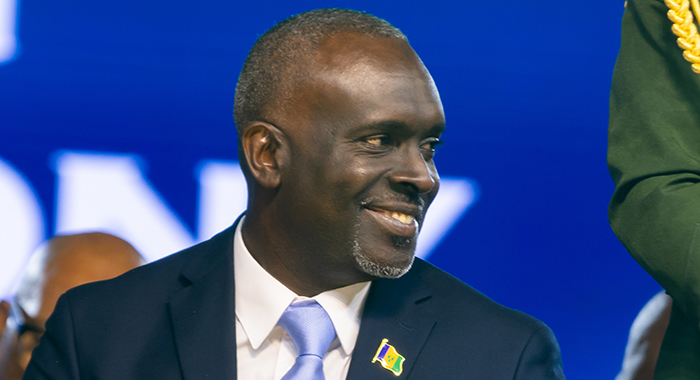
    In a policy announcement released Tuesday via NBC Radio, St. Vincent and the Grenadines’ Minister of Education and Vocational Training Phillip Jackson has introduced a major cost-cutting reform for secondary education: the full elimination of all registration-related fees for incoming Form 1 students at public and government-assisted private secondary schools across the nation.

    Jackson, who also holds ministerial portfolios for innovation, digital transformation and information, framed the fee removal as a core component of the ruling New Democratic Party (NDP) government’s wider initiative to reduce financial burdens on Vincentian households amid ongoing cost of living pressures. The decision came after months of research and internal deliberation by the Ministry of Education, and was crafted to align with both the national Education Act and the NDP administration’s stated commitment to expanding accessible education, he explained.

    “This new policy reflects the ambitions of the Education Act, the broader vision Prime Minister Godwin Friday has laid out for equitable education access across St. Vincent and the Grenadines, and our party’s promise to ease cost of living burdens for local families,” Jackson stated in his pre-recorded address to parents, guardians and the general public.

    Under the terms of the new policy, all fees categorized as registration, application processing, and admission fees are scrapped entirely for first-year secondary students attending eligible institutions. While the overarching policy mandate has been finalized at the ministerial level, Jackson noted that individual secondary schools will issue customized, updated registration packets with specific implementation details tailored to their own processes. He urged families to wait for direct communication from their child’s assigned school before moving forward with registration paperwork or payments.

    Addressing the fact that some schools had already opened registration cycles and collected fees from early applicants under the old fee structure, Jackson confirmed that all affected households will receive full refunds. Individual institutions will publish clear timelines and instructions for processing these refunds, he added.

    The minister took full accountability for the late timing of the policy shift, acknowledging that the change may cause temporary administrative disruptions for schools and confusion for families. However, he emphasized that the decision to move forward with the reform now was driven by a commitment to delivering on the government’s campaign promises as quickly as possible, and prioritizing the long-term financial well-being of students and their families.

    “Please be assured that we are acting in the best interests of our students and their families as our administration and the ministry implements its commitment to ensuring that every child has equitable access to quality and affordable education,” Jackson said, calling on parents and guardians to extend patience to school administrators as they adapt their processes to the new policy framework.

  • School Leavers Empowered with Essential Money Management Skills at ASPIRE Financial Symposium

    School Leavers Empowered with Essential Money Management Skills at ASPIRE Financial Symposium

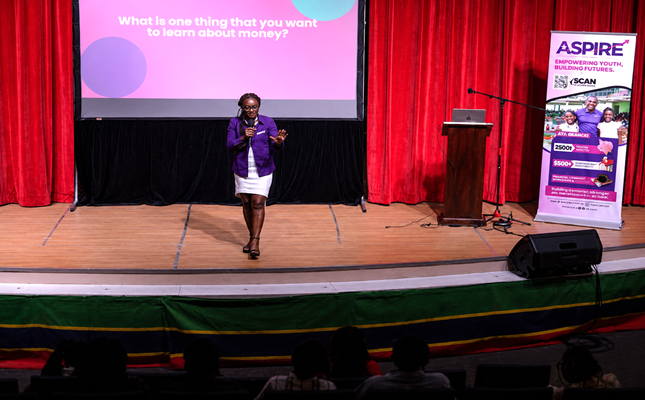
    In a proactive push to strengthen youth financial literacy ahead of their transition into adulthood, dozens of final-year high school students from across Nevis gathered this week for the ASPIRE Financial Symposium, an interactive skills-building event focused on equipping young people with practical money management knowledge.

    Held at the Nevis Performing Arts Centre (NEPAC) and led by stakeholders including the Eastern Caribbean Central Bank, the half-day event forms a key component of the St. Kitts and Nevis national financial education initiative branded ASPIRE, short for Achieving Success through Personal Investment, Resources and Education. The overarching program was developed to arm young citizens across the federation with the foundational knowledge, practical skills and self-assurance required to build stable, long-term financial futures.

    Speaking at the symposium’s opening ceremony, Honourable Troy Liburd, Minister of Education and Youth within the Nevis Island Administration (NIA), praised the federal government for launching the impactful initiative, emphasizing the lifelong value of early financial discipline.

    “Learning how to manage resources intentionally and put money to productive use is a discipline that serves people for their entire lives,” Liburd said. “I want to commend our Federal Government for putting this initiative in place. It’s a wonderful project, and I hope all young people embrace what ASPIRE has to offer. It will set the younger generation of the federation on strong footing for saving and investing for their future.”

    Unlike traditional classroom-based financial lectures that rely heavily on theory, the ASPIRE Symposium centered on hands-on, engaging activities that let students apply core financial concepts to real-world scenarios. Curriculum covered all the critical topics new adults need to navigate independent finances: opening and maintaining a personal bank account, monthly budgeting basics, core strategies for saving and investing, how credit works and the responsibilities that come with borrowing, and frameworks for setting aligned financial and career goals.

    The event kicked off with icebreaker exercises that prompted students to reflect on their own existing attitudes toward money. One of the most popular interactive activities, “Sort That Expense,” challenged participants to categorize spending items into needs and wants, a core skill for building realistic budgets. Another simulation, “Living on a 20 Green Leaves Income,” asked teams to manage a fixed monthly household income, make spending tradeoffs aligned with their priorities, and balance competing demands on a limited budget.

    A dedicated guest presentation from the Eastern Caribbean Central Bank introduced attendees to the ECCU First Step Savings Account, a specialized product designed to help new savers build their first financial safety net. Additional activities covered smart consumer shopping strategies, step-by-step financial goal-setting, and vision boarding exercises to encourage students to visualize and plan for their long-term financial aspirations. Through collaborative group work and a spoken word competition, participants also explored the interconnected relationship between their career goals, expected future income, regular budgeting, and consistent saving.

    To reinforce core concepts, organizers integrated quizzes and guided discussions on foundational economic and financial principles including compound interest, the impact of inflation on purchasing power, and long-term saving strategies. These activities helped students understand how small, everyday financial choices can accumulate to shape their long-term financial well-being.

    The ASPIRE program is rooted in the core vision of embedding responsible financial management habits in young people from an early age, before they face the independent financial responsibilities of post-school life. By combining structured education, interactive entertainment, and hands-on practical experience, the initiative makes financial literacy accessible and relevant to young learners, while building positive habits that create ripple benefits for students, their families, and entire communities.

    Following the conclusion of the symposium, event organizers shared that they are confident the program provided participating school leavers with the actionable tools they need to navigate new financial responsibilities, pursue their personal and professional ambitions, and make informed, sound financial choices as they move into the next phase of their lives.

  • Wetenschapper Ine Apapoe benoemd op prestigieuze Prins Claus-leerstoel

    Wetenschapper Ine Apapoe benoemd op prestigieuze Prins Claus-leerstoel

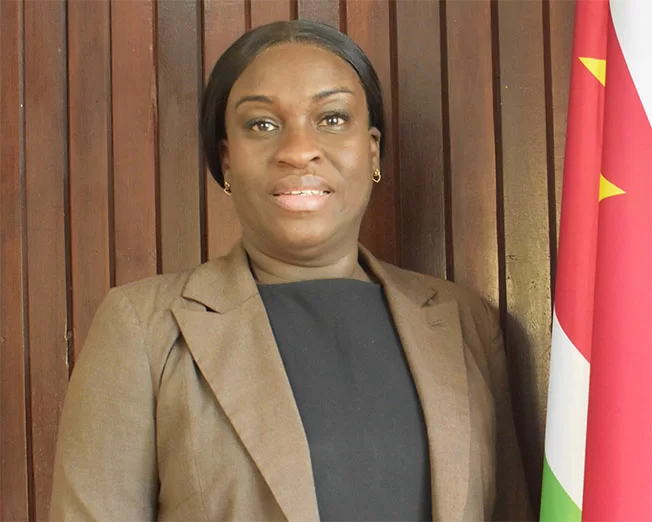
    A historic milestone in international academia has been announced: Dr. Ine Apapoe, a leading public administration scholar from Suriname, will become the first person of Surinamese origin to hold the prestigious Prince Claus Chair for Equality and Development at Utrecht University starting September 1, 2026. Her two-year appointment will run through August 31, 2028, marking a significant breakthrough for representation of Global South scholars in high-profile European academic roles.

    Established as a joint initiative between multiple academic institutions, the Prince Claus Chair is awarded annually to distinguished researchers from Asia, Africa, Latin America, the Caribbean, and Oceania. The chair is a collaborative effort between Anton de Kom University of Suriname, Utrecht University’s Institutions for Open Societies strategic research theme, and Utrecht University’s Department of Governance and Organization Studies, in partnership with the International Institute of Social Studies of Erasmus University Rotterdam. Its core mission is to advance cutting-edge research and education focused on global development, justice, and equity, and it ranks among the most respected academic appointments in this field. The chair’s patron is Queen Máxima of the Netherlands, and its curatorium is led by former Dutch minister Bert Koenders.

    During her tenure, Dr. Apapoe will center her research on inclusive governance and tribal societies, with a specific focus on Suriname’s Maroon communities, descendants of formerly enslaved Africans who escaped to form independent settlements in the country’s interior. Her work will explore a critical policy and social question: how can traditional Indigenous and tribal communities be more meaningfully included in decision-making processes that shape their own development and the governance of their traditional lands and living territories? Even after taking up the chair at Utrecht University, Dr. Apapoe will maintain her academic affiliation with Anton de Kom University of Suriname, where she will continue her existing work in teaching, research, and public service.

    Dr. Apapoe is a veteran expert in governance studies with more than 15 years of academic experience. She has been affiliated with the Faculty of Social Sciences at Anton de Kom University since 2010, where she teaches in the public administration program. She earned her PhD from Vrije Universiteit Amsterdam in 2024, completing her doctoral dissertation on the interaction between modern state governance and traditional governing structures within Suriname’s Maroon communities. Her broader research agenda covers core themes including local governance, traditional authority, land rights, livelihood security, and good governance. Most recently, she secured research funding to study the under-examined role of female Maroon captains in community decision-making processes.

  • Cooper defends foreign teacher push, says Bahamians get priority

    Cooper defends foreign teacher push, says Bahamians get priority

    The Bahamas’ worsening teacher shortage, a long-running crisis labeled as an urgent priority by the nation’s leading education unions, has sparked a public debate over the government’s new plan to recruit hundreds of international educators to fill empty classroom seats. Deputy Prime Minister Chester Cooper, who recently took oversight of the Ministry of Education, has stepped forward to defend the administration’s policy, pushing back against criticism and clarifying that Bahamian educators will remain the first candidates considered for every open vacancy.

    Cooper rejected claims that turning to overseas recruitment represents a break from long-standing Bahamian education practice, noting international educators have been part of the country’s public school system for generations. “This concept that there’s something wrong with bringing foreign teachers is really foreign to me,” he explained in a recent press briefing. “Since as a child 40 years ago I recall having teachers from Nigeria, Jamaica, Barbados, USA, Scotland, UK, Canada, so this is not a new concept for the schools in the Bahamas.”

    The government’s current recruitment drive launched earlier this week, after the Ministry of Education confirmed it had accepted an offer from Ghana to help source up to 300 qualified educators to fill vacancies across the archipelago. To coordinate the effort, officials have established a new multi-agency task force tasked with overseeing candidate vetting, hiring and placement. The announcement drew immediate pushback from Belinda Wilson, president of the Bahamas Union of Teachers (BUT), who argued the union had not been consulted on the plan. Wilson also raised questions about the timing of the recruitment drive, noting negotiations over a new collective industrial agreement with the government remain unresolved, and called for full transparency around the qualifications, vetting protocols, employment benefits and placement plans for any incoming foreign teachers.

    Cooper countered that the task force’s very first mandate is to conduct a comprehensive outreach effort to identify all qualified Bahamian educators who are willing to enter or rejoin the public school system. That search includes retired teachers, educators whose previous contracts have expired, and other trained education professionals who have left the profession but may be open to returning. All eligible local candidates will be reviewed and placed before any foreign educators are hired, he confirmed.

    The Deputy Prime Minister added that he took on leadership of the Education Ministry specifically to address the teacher shortage, which both the BUT and the Bahamas Educators, Counsellors and Allied Workers Union (BECAWU) have flagged as one of the most critical challenges facing the country’s education system. “We are focused on solutions, we are focused on results, we are focused on supporting Bahamian teachers,” he said.

    Cooper also clarified the status of ongoing collective bargaining with education unions, noting the government has already finalized a full industrial agreement with BECAWU, and negotiations with the BUT are nearly complete. “We’ve already agreed for the most part financial terms of pay, etc. with the BUT, and that negotiation is progressing,” he said. “Sometime last week, in fact, we reached out to the BUT to continue those discussions.” He added that the government and the union already align on most outstanding issues, and the administration will continue collaborating with all education stakeholders to address deep-rooted challenges in the public education system.

    Any foreign educators hired through the recruitment drive will follow the government’s standard hiring process and be employed under the same standard contracts offered to local teachers, Cooper confirmed. Incoming educators will receive the same benefits and compensation as equivalent Bahamian hires, and will only remain employed in the public system for as long as their services are required. Emphasizing that the government would not cut corners on candidate screening, Cooper noted the shortage has been building for decades, and the ministry is pursuing a methodical approach even as it works to place qualified staff in classrooms ahead of the new academic year. “I assure Bahamian people that the vetting process is going to be robust,” he said. “We are going to ensure that any teacher we hire is qualified in terms of their credentials, but also in terms of their character. They will go through the full vetting process of the Bahamas police force, Interpol, Public Service Commission, and Department of Labor, etc.”

    Beyond teacher recruitment, the ministry is also accelerating infrastructure repairs to public school campuses across the country ahead of the September start of the new academic year. Contracts for repair work have already been issued for schools in New Providence, Grand Bahama, and most of the country’s Family Islands, as the government races to complete all work before students return to classes.

  • Demand grows for boys’ reading clinic amid literacy concerns

    Demand grows for boys’ reading clinic amid literacy concerns

    Against a backdrop of mounting concern over widespread literacy gaps disproportionately affecting young male students across Barbados, more than 130 boys have started a five-week intensive summer reading initiative hosted by Barbados Community College, with organizers urging participants to leverage the opportunity to build foundational reading and comprehension skills.

    Founded nine years ago to directly address the systemic literacy challenges facing boys in Barbados, the Babb’s Reading Clinic has seen consistent year-over-year growth in demand that now far outstrips the program’s capacity. Originally capped at 100 participants, organizers continued to receive registration requests from anxious parents long after the limit was reached, a trend that Dr. Astra Babb, founder of the clinic, calls a clear warning sign of a growing national crisis.

    Opening the summer programme at the college’s auditorium Monday, Dr. Babb opened up about the acute desperation driving many parents to seek out the clinic’s services. She shared heartbreaking stories of families facing the prospect of their sons repeating first form for a second consecutive year, and of older students preparing to graduate secondary school after 12 years of public education who still cannot read at a functional level. Questioning how Barbados — once held up as a regional education leader across the Caribbean — arrived at this point, Dr. Babb has called for a nationwide, inclusive conversation to examine the root causes of the literacy gap, particularly the overrepresentation of boys among struggling readers. “I believe all taxpayers, all parents and all government educational institutions need to engage in serious introspection. What is it that some of us are not doing correctly?” she asked. “Barbados was placed on a pedestal by all other Caribbean nations, an icon for all to emulate. Why are so many of our children unable to read? And why are most of them boys?”

    Dr. Babb explained that the majority of enrolled boys struggle with two core, addressable issues: basic reading comprehension and connecting the relationship between graphemes (the smallest written units of language) and phonemes (the corresponding sound units). Despite the scale of the challenge, she expressed confidence that most participants would leave the five-week programme with demonstrable improvement in their skills, framing the clinic’s work as unlocking a barrier that has held students back academically. “I know that some children registered here simply need some assistance with comprehending text; they just want that lock unlocked,” she said. “I promise you, parents, that we will change that by the end of the programme.” Dr. Babb also acknowledged ongoing efforts by the Barbados Ministry of Education to improve national literacy outcomes, and noted additional support for the programme: members of the Barbados Defence Force will volunteer to mentor boys without positive male role models at home, and all participants will receive free daily meals for the duration of the initiative.

    Featured speaker Ryan Straughn, Barbados’ Minister of Finance, praised the clinic’s critical work, framing literacy as both an educational priority and an economic issue that will shape the country’s long-term future. He highlighted recent declining national English assessment scores — which fell from an average of 72.5 percent last year to 64 percent this year — as evidence of how urgent initiatives like this clinic have become. “It is important that we understand how critical it is for all of our citizens, but especially our boys, to not fall further behind with respect to literacy,” Straughn said. “Because a boy who struggles to read today may struggle to seize opportunities tomorrow. The boy who cannot confidently read a job offer, a lease, or a business arrangement is not simply lacking ambition. He might grow into a man lacking access, and access is something that we all can change.”

    Straughn encouraged participating boys to set aside any shame around seeking extra help, emphasizing that reading is a learned skill, not an inborn talent. “Reading is not a talent you’re born with. It is a skill. A skill that you build, one page, one chapter, one book at a time,” he told the group. He also urged parents to continue supporting their children’s reading practice after the programme ends, sharing a personal anecdote: his grandmother required him to read the daily newspaper each morning before school and summarize stories for her, a routine that built his comprehension skills and expanded his understanding of current events. He encouraged parents to adopt similar daily reading habits with their children to sustain long-term progress.

    The finance minister also warned of the far-reaching social and economic consequences of unaddressed low literacy, noting that research has established a clear link between low literacy rates in youth and involvement with the criminal justice system later in life. “Reading is not just a single subject sitting all by itself. It allows you to connect the dots, as we would say in economics. Connecting the dots is important. It is a subject that others are built on. You can’t solve a mathematics problem if you can’t read the problem. You can’t hold up your end of the bargain if you don’t know what you’re agreeing to,” he said. Closing his remarks, Straughn reminded participants that while literacy opens new life doors, consistent discipline is what allows people to hold onto those opportunities: “Reading will open doors, but it is discipline that will keep those doors open.”