分类: education

  • BNTU Explains Policy After Family Questions Denied Benefits

    BNTU Explains Policy After Family Questions Denied Benefits

    In a public debate that has rocked Belize’s teaching community, a grieving daughter’s viral social media post has thrown a harsh spotlight on outdated death benefit rules at the Belize National Teachers’ Union (BNTU), prompting the union’s leadership to confirm long-planned policy overhauls to better protect retired educators.

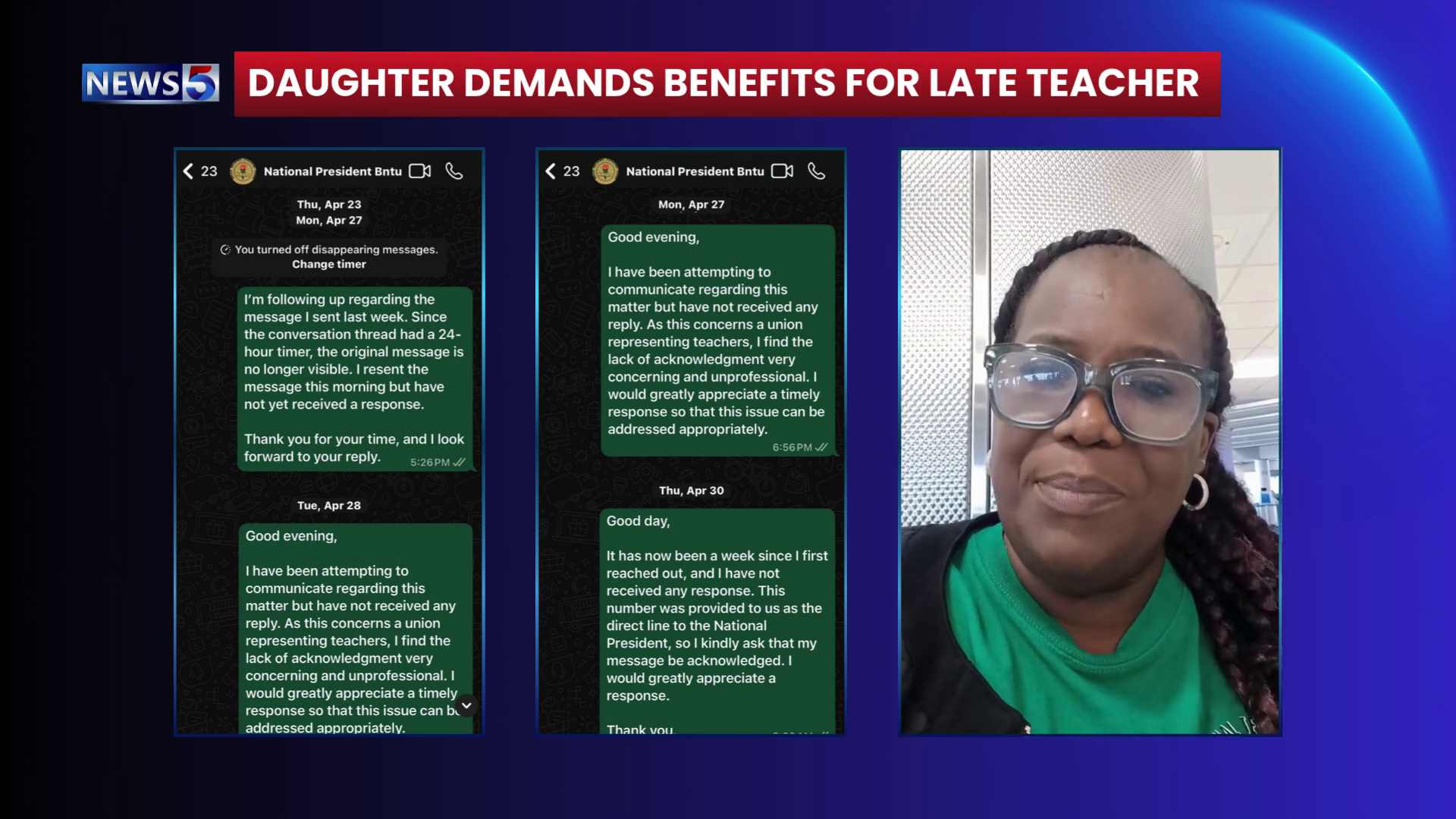
    The controversy began when Odalisa Alonzo shared her family’s heartbreaking story: her mother, Eda Carballo, a veteran retired educator who paid union contributions for 25 years, was posthumously denied death benefits after falling behind on small annual dues while battling a long-term illness in retirement. Carballo had allowed her payments to lapse as she focused on medical care, a decision that ultimately cost her family the benefits she spent decades contributing toward.

    BNTU President Nadia Caliz acknowledged the family’s pain in a public address, confirming that the union’s current constitution explicitly requires members to maintain up-to-date dues to qualify for any benefits, and she lacks the legal authority to override this longstanding rule. Caliz also pushed back against any suggestion of miscommunication between union branches and the Alonzo family, noting that branch representatives have already produced documented proof of their conversations with the family, which will remain private to avoid escalating conflict.

    Despite standing by the existing legal framework, Caliz emphasized that the high-profile case has amplified a reform push she has led for years, long before she took the union’s top leadership role. For decades, the BNTU has required retired members to pay just $2 a month ($24 annually) in addition to a $30 annual fee, totaling $54 a year, to retain eligibility for death benefits. If payments stop, all benefits are permanently forfeited – a rule that has impacted dozens of retired teachers who contributed to the union for most of their careers.

    Caliz highlighted that the current contribution model actually works in members’ favor: over a 33-year teaching career, a union member pays roughly $724 in dues, but qualifies for a $3,000 death benefit, far outpacing their total contributions. But the rule that strips benefits for lapsed payments remains a point of deep injustice for many retired members facing illness or financial hardship after leaving the classroom.

    Caliz recalled that even before she became president, she repeatedly introduced resolutions at BNTU conventions to create a one-time payout for retiring members who choose to end their union membership, a reform that was voted down every time. Now, as union president, she has advanced a new proposal that already secured member approval: a modest increase in active member dues will fund two key changes to benefits: an increase in the total death benefit payout, and a multi-year benefits guarantee (three to five years) for all retired members after they leave the classroom. Under the new framework, retired members will not need to keep paying monthly dues to retain benefits during this guarantee period, eliminating the gap that led to Carballo’s denied claim.

    In addition to policy reform, the BNTU is also updating its administrative systems: a new centralized member database is being rolled out to track dues payments more closely and automatically flag retirees who are at risk of falling behind on payments, allowing union representatives to reach out proactively before benefits are forfeited.

    While Caliz reaffirmed that the current rule barring benefits for out-of-date members remains in place for the time being, the controversy sparked by Alonzo’s post has created new momentum for the reform package, which is already moving through the union’s approval process.
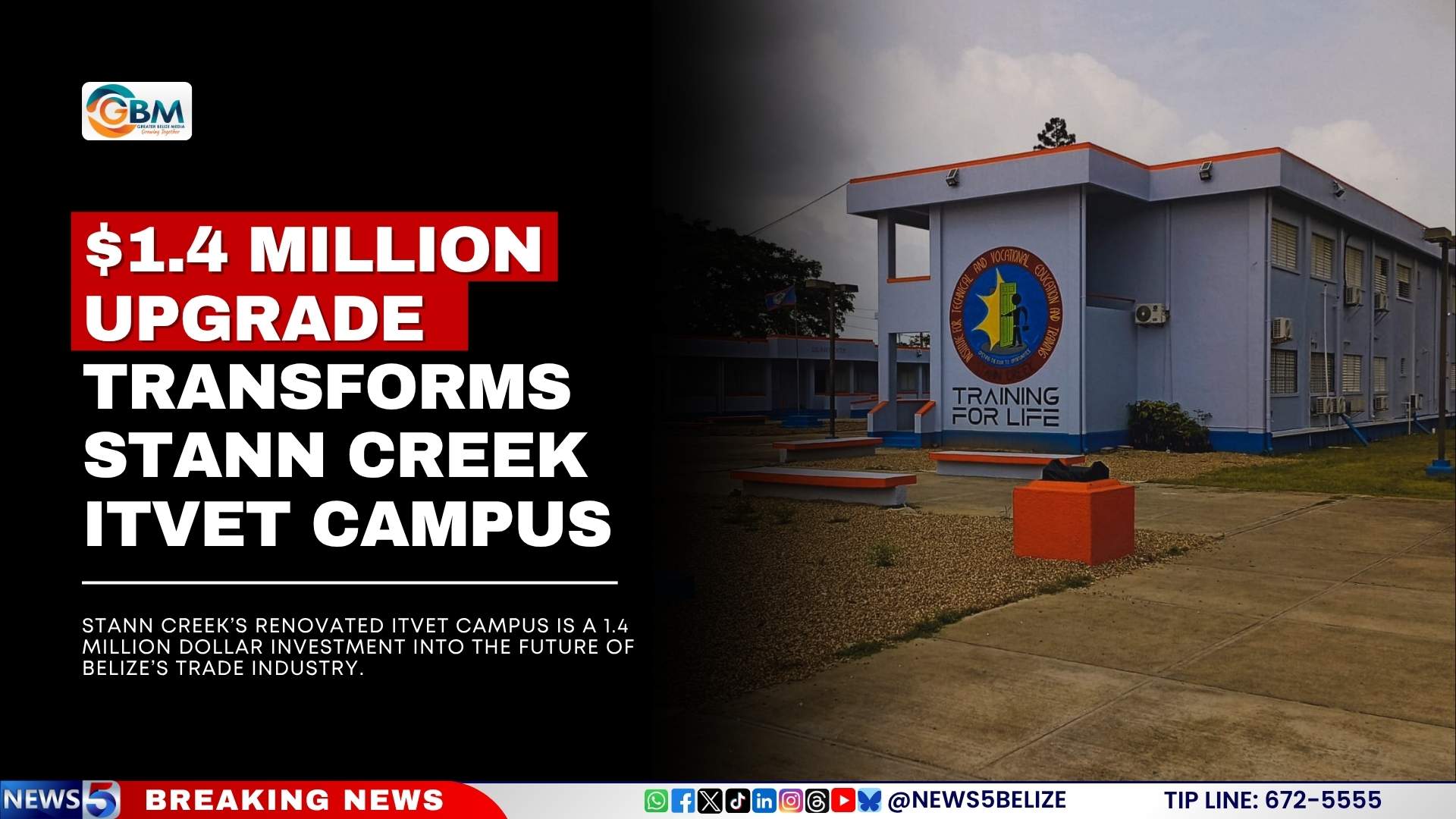

  • $1.4 Million Upgrade Transforms Stann Creek ITVET Campus

    $1.4 Million Upgrade Transforms Stann Creek ITVET Campus

    In a major milestone for technical and vocational education in southern Belize, the Stann Creek Institute for Technical and Vocational Education and Training (ITVET) has formally opened the doors to its fully renovated campus this week. The $1.4 million infrastructure upgrade, entirely funded by the Basic Needs Trust Fund (BNTF), was celebrated with an official ribbon-cutting ceremony that brought together education leaders, government representatives, and community stakeholders to mark the completion of the project.

    The rehabilitation work addressed longstanding structural issues across multiple campus facilities, bringing critical improvements to building foundations, exterior and interior surfaces, and roofing systems. BNTF Project Manager Dorett Tennyson explained that persistent roof leakage had been one of the most disruptive problems plaguing the campus for years, disrupting classes and creating unsafe learning conditions for both students and staff. “A big part was the leaks; we had leaks on the roof. So you know, we cleared it, we sealed it, and we repainted it, so we shouldn’t have leaking roofs again,” Tennyson said in comments following the ceremony.

    After the official cutting of the ribbon, attending guests toured the refreshed campus spaces, where institution leaders outlined the far-reaching impacts of the upgrade beyond just structural repairs. For Stann Creek ITVET, the renovated facilities create the infrastructure needed to expand access to technical skills training for both enrolled students and community members across the region.

    Gwendolyn Garcia Martinez, manager of the Stann Creek ITVET campus, emphasized that the upgrade removes long-standing capacity barriers that have limited the institution’s ability to meet growing demand for skilled workers in southern Belize. The improved facilities will allow the institute to grow its student intake and deepen collaborative partnerships with local businesses and industry organizations that rely on ITVET to train a qualified workforce. Garcia Martinez noted that local tourism industry employers have already reached out to establish new training partnerships to upskill current and future employees, and the institution is also exploring new programming to serve marginalized groups including people seeking asylum. “It has given us another level whereby we will be able to better serve more persons within this area,” Garcia Martinez said.

    Dr. Louis Zabaneh, Acting Area Representative for the districts of Dangriga, Hope Creek, and Sarawee, reflected on the challenges the institution faced prior to the renovation. For years, underinvestment in campus infrastructure contributed to low enrollment numbers and left a gap in technical skills training access for communities in southern Belize. The completed upgrade is expected to reverse these trends, positioning the campus as a key driver of economic development and workforce preparation across the region.

  • Currie: geen examens in vakken waarin leerlingen geen les hebben gehad

    Currie: geen examens in vakken waarin leerlingen geen les hebben gehad

    A ongoing teacher shortage crisis across Suriname, particularly affecting schools in inland and southern districts, has prompted the country’s education minister to announce targeted policy adjustments to protect students from being penalized for systemic failures. The announcement came in response to pressing questions raised by National Assembly member Silvana Afonsoewa of the NDP party during a Thursday parliamentary sitting, where she highlighted the severe disruptions to learning caused by prolonged teacher vacancies at multiple schools.

    Afonsoewa emphasized that many students have been forced to cram months of missed curriculum content into far shorter timeframes than official education guidelines require, creating an inherently unfair testing environment. “This is not a level playing field,” she told the assembly. “It is not the students’ fault that there were no teachers to stand in front of their classrooms, and they should not have to pay the price for systemic shortcomings.” Afonsoewa pushed the government to outline clear measures to prevent students from being punished for circumstances completely outside of their control.

    In his official response, Education, Science and Culture Minister Dirk Currie confirmed that students who received no formal instruction in specific subjects due to teacher shortages will not be required to sit final exams in those untaught courses. He added that the ministry has completed a school-by-school assessment of the shortage impact, and has already rolled out a series of interim mitigation measures to reduce learning gaps as much as possible. These interventions include bringing in retired teachers and part-time educators to fill vacancies, and extending instruction to Saturdays at affected schools to give students extra time to cover missed content.

    “No student will be forced into a disadvantageous situation that they had no power to prevent,” Currie stressed, adding that fairness and equity are the core guiding principles of the new policy. “We will not place any child in a situation they did not choose. Fairness and justice come first.”

    The minister’s announcement prompted further clarifying questions from fellow parliamentarians. NPS lawmaker Poetini Atompai asked whether students would automatically receive their diplomas without completing credits for untaught subjects, referencing a previous policy adjustment for geography exams. Currie clarified that automatic exemptions are not the default approach. Instead, students who missed significant instruction will be given extended time to catch up on coursework and take a delayed resit exam, rather than sitting the standard scheduled exam alongside their peers.

    “They will not participate in the regular exam session, but will get enough time to complete the required curriculum before taking the resit exam,” Currie explained.

    A20 party leader Steven Reyme then raised the case of a second affected group: students who received partial instruction in a subject, only attending classes for part of the school year due to late teacher appointments or mid-term vacancies. Currie confirmed that the ministry will apply individualized, customized solutions for this group as well. Each affected school will conduct its own assessment of student progress to determine the most fair evaluation approach, ensuring that no student suffers consequences for a staffing crisis they did not create.

    “We review every school that has experienced teacher shortages and find tailored solutions for each context,” Currie said. “No child should be made a victim of a situation for which they are not responsible.”

  • Two Young Women Empowered Through 2026 MUA/NIA Scholarships

    Two Young Women Empowered Through 2026 MUA/NIA Scholarships

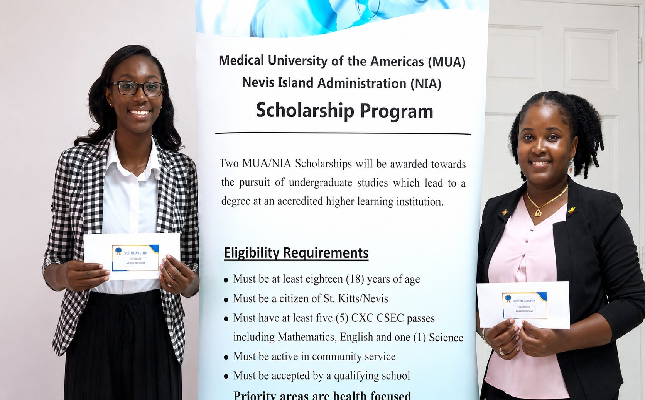
    CHARLESTOWN, Nevis – July 16, 2026 – A long-standing partnership between the Medical University of the Americas (MUA) and the Nevis Island Administration (NIA) has opened new doors for higher education on the Caribbean island, with two emerging local educators selected as the 2026 recipients of the joint full-tuition scholarship program.

    Chosen from a competitive pool of eight applicants, Michaela Maynard and Aliyah Sampson will receive full funding to complete up to four years of undergraduate study anywhere in the world, covering all core expenses including tuition, accommodation, meal plans, and additional academic costs. Unlike common misconceptions about the program, the scholarship is not restricted to medical studies at MUA; it is designed to support Nevisian students pursuing any undergraduate degree, with priority given to fields that address critical local workforce gaps.

    At the July 13 award ceremony, Honourable Senator Jahnel Nisbett, Nevis’ Minister of Health, formally congratulated the two recipients, highlighting the program’s unique value for young island residents. “Too many people misunderstand this scholarship as only for those wanting to study medicine at MUA, but this is a true collaboration between our administration and the university,” Nisbett explained. “We fund degrees in any field, as long as those fields meet Nevis’ most pressing development needs. What we ask in return is that recipients commit to returning to Nevis after graduation to use their skills to lift our community up.”

    Both scholars have selected degree programs directly aligned with local needs: Sampson will enroll in a Bachelor of Psychology program at Midwestern University, while Maynard will pursue a Bachelor of Science in Family and Child Development at Liberty University.

    Nisbett emphasized that the flexible structure of the scholarship makes it an unparalleled opportunity for Nevisian youth, noting that students can choose to study in any country and select a program that matches their career goals. She encouraged more young residents to apply for future cycles of the program, noting that the opportunity removes the financial barriers that often prevent local students from pursuing higher education abroad.

    Dr. Brenda Roman, Associate Dean at MUA, shared that the university has prioritized investing in Nevis’ local workforce through this partnership for years. To date, the program has awarded more than 30 full scholarships to eligible Nevisian students, expanding access to tertiary education for residents who might otherwise lack the financial means to attend university. “As a psychiatrist, I am especially delighted that this year’s recipients chose to study psychology and family and child development – two fields that are so critical to the long-term well-being of our island community,” Dr. Roman said. “Nevis has become a home to me, and I know these young women will return to make it an even better place to live and work.”

    Speaking after accepting the award, Maynard expressed deep gratitude for the opportunity, crediting the MUA, NIA, her family, and her friends for their unwavering support. She shared that her passion for supporting children developed at a young age, when she began mentoring younger peers in her community, and that this opportunity will allow her to turn that lifelong passion into a career supporting Nevis’ families.

    Sampson echoed that gratitude, saying she was deeply honored to be selected and committed to upholding the standards of the scholarship throughout her academic career.

    Cindy McLoud, CEO of GUS North America, also offered formal congratulations on behalf of the entire MUA institutional community, wishing the two recipients every success as they begin their studies.

    The ceremony drew a wide audience of stakeholders, including members of the joint scholarship review committee, representatives from Nevis’ Ministry of Health and Department of Education, MUA leadership, family and friends of the recipients, and other community well-wishers. As a collaborative investment in Nevis’ future, the scholarship program continues to build a pipeline of skilled local professionals to address the island’s long-term social and economic development goals.

  • ASPIRE Banking Exercise Gives Students a Practical Head Start on Their Financial Future

    ASPIRE Banking Exercise Gives Students a Practical Head Start on Their Financial Future

    BASSETERRE, St. Kitts – July 16, 2026 – A groundbreaking hands-on financial education initiative is giving young people across St. Kitts and Nevis an early foundation for long-term financial stability, as participants in the national ASPIRE Program completed an interactive banking exercise Wednesday at the St. Kitts-Nevis-Anguilla National Bank.

    Organized to bridge the gap between classroom financial literacy and real-world banking practice, the exercise gave participating ASPIRE students direct, practical experience with core banking processes. Under the supervision of bank staff and accompanied by their parents and guardians, students filled out official deposit slips, interacted one-on-one with bank tellers, completed deposits into their personal ASPIRE savings accounts, and reviewed their current account balances. The presence of family members throughout the activity underscored the critical role that households play in fostering healthy money management habits from childhood.

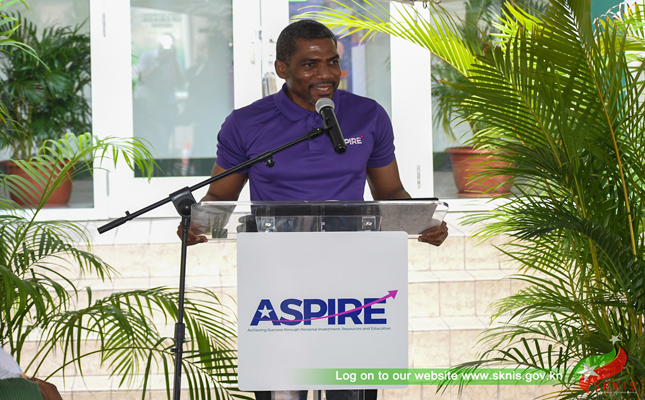
    Hon. Dr. Terrance Drew, Prime Minister of St. Kitts and Nevis and the nation’s Minister of Finance, spearheaded the initiative, which frames financial literacy as a hands-on skill rather than a purely theoretical lesson. Drew explained that the exercise was designed to let young people put core concepts of saving, strategic investing, and responsible money management into practice outside of school textbooks.

    “You may not grasp the full impact of this moment right now,” Drew told participating students. “But as you grow into adulthood, you will come to recognize how this early opportunity sets you on course for a strong, stable financial future.”

    To further amplify the impact of the exercise, Drew personally matched every deposit made by participating students, with matching contributions capped at EC$200 per student. The matching deposit initiative not only gave an immediate boost to students’ personal savings balances but also incentivized parents and guardians to continue making regular contributions to their children’s accounts as the students grow.

    Drew encouraged participating students to build ongoing positive financial habits: monitoring their account activity regularly, setting aside a portion of all funds they receive as savings, and developing the critical discipline of distinguishing between immediate discretionary wants and long-term financial needs. He also urged parents to help their children set up and access online account portals, so young savers can watch their savings grow over time and develop a tangible understanding of compound growth and long-term saving.

    The Wednesday banking exercise is a core component of the broader national ASPIRE Program, a government-led initiative designed to build intergenerational wealth and financial capability for young citizens. Under the program, every eligible citizen between the ages of 5 and 18 receives a total EC$1,000 contribution from the Government of St. Kitts and Nevis. Half of this contribution – EC$500 – is deposited into a dedicated personal savings account for the child, while the remaining EC$500 is invested in shares of locally based companies, giving young people an early stake in the nation’s economy. The program also integrates age-appropriate financial literacy education into the national school curriculum to reinforce key concepts long-term.

    To date, more than 4,000 ASPIRE savings accounts have been opened for young citizens across the country, with more than EC$4 million total invested in the future financial security of the next generation. Program organizers note that the ASPIRE initiative reflects the St. Kitts and Nevis government’s broader commitment to equipping young people with the knowledge, financial assets, and personal confidence needed to build secure, prosperous lives as adults.

  • All Saints West Career Fair to Connect Youth With Training and Job Opportunities

    All Saints West Career Fair to Connect Youth With Training and Job Opportunities

    Young people across All Saints West are set to gain unmatched access to personalized career guidance and diverse training opportunities at a no-cost community career fair scheduled for this Sunday, July 19. Organized to address growing youth interest in clear professional development pathways, the event will operate from 10 a.m. to 6 p.m. at the open-air parking lot directly opposite the All Saints West Branch Office in the heart of All Saints Village, offering ample space for one-on-one networking and interactive demonstrations.

    Unlike generic job events, this fair brings together a cross-border roster of experienced guest presenters hailing from Antigua and Barbuda, the United States, and Canada. This international lineup ensures attendees can connect with professionals from a wide range of industry backgrounds, gaining insights that go beyond local market perspectives. For participants, the day will include opportunities to hold direct conversations with established industry experts, get tailored advice aligned with their personal skills and interests, and map out long-term education and training plans that fit their career goals.

    The event is designed to highlight both skilled trades and white-collar professional pathways, ensuring there is relevant information for every young person regardless of their interests. Skilled technical sectors that will be featured include plumbing, electrical installation and maintenance, heavy machinery operation, barbering, cosmetology, fashion design, custom dressmaking, and construction design – all fields with consistent demand for new trained workers across the region. For those leaning toward academic professional paths, representatives will also be on hand to share details about careers in accounting, law, general medicine, and nursing. To further support attendees as they enter the job market, the fair will also include dedicated sessions and one-on-one guidance on crafting competitive résumés and building confidence for job interviews.

    Harold Lovell, the lead organizer of the fair, emphasized that the event fills a critical gap in local youth development. “This is a great mentorship opportunity for the youth in All Saints West,” Lovell noted, highlighting that the free access removes financial barriers that often prevent young people from accessing these valuable resources. Both registration for the event and general admission are completely free for all attendees, making the opportunity open to any young person looking to explore their next step. For those seeking additional details ahead of the event, organizers can be reached directly: Barbara Coates is available at 727-8617, and Collie Stevenson can be contacted at 774-6513.

  • CXC announces SBA reforms amid AI concerns

    CXC announces SBA reforms amid AI concerns

    Facing the growing challenge of generative AI disrupting traditional academic assessment integrity, the Caribbean Examinations Council (CXC) has unveiled a sweeping overhaul of its decades-old School-Based Assessment (SBA) system, confirming plans to phase out traditional in-course SBAs for all non-practical academic subjects by 2028. The restructuring follows year-long consultations with education stakeholders across 21 Caribbean states and territories, and is set to roll out gradually starting from the 2027 academic year, balancing the need to adapt to evolving technology while preserving the value and credibility of CXC qualifications across the region.

  • CXC Overhauls School-Based Assessments, Phases Out SBAs for Many Subjects

    CXC Overhauls School-Based Assessments, Phases Out SBAs for Many Subjects

    As generative artificial intelligence reshapes learning landscapes globally, the Caribbean Examinations Council (CXC) has unveiled a sweeping overhaul of its long-standing School-Based Assessment (SBA) programme, introducing a revised assessment framework built to safeguard the credibility of regional qualifications amid growing AI-driven academic integrity challenges. The reforms, which will impact both the Caribbean Secondary Education Certificate (CSEC) and Caribbean Advanced Proficiency Examination (CAPE) programmes, are set to begin phased implementation starting in the 2027 academic year.

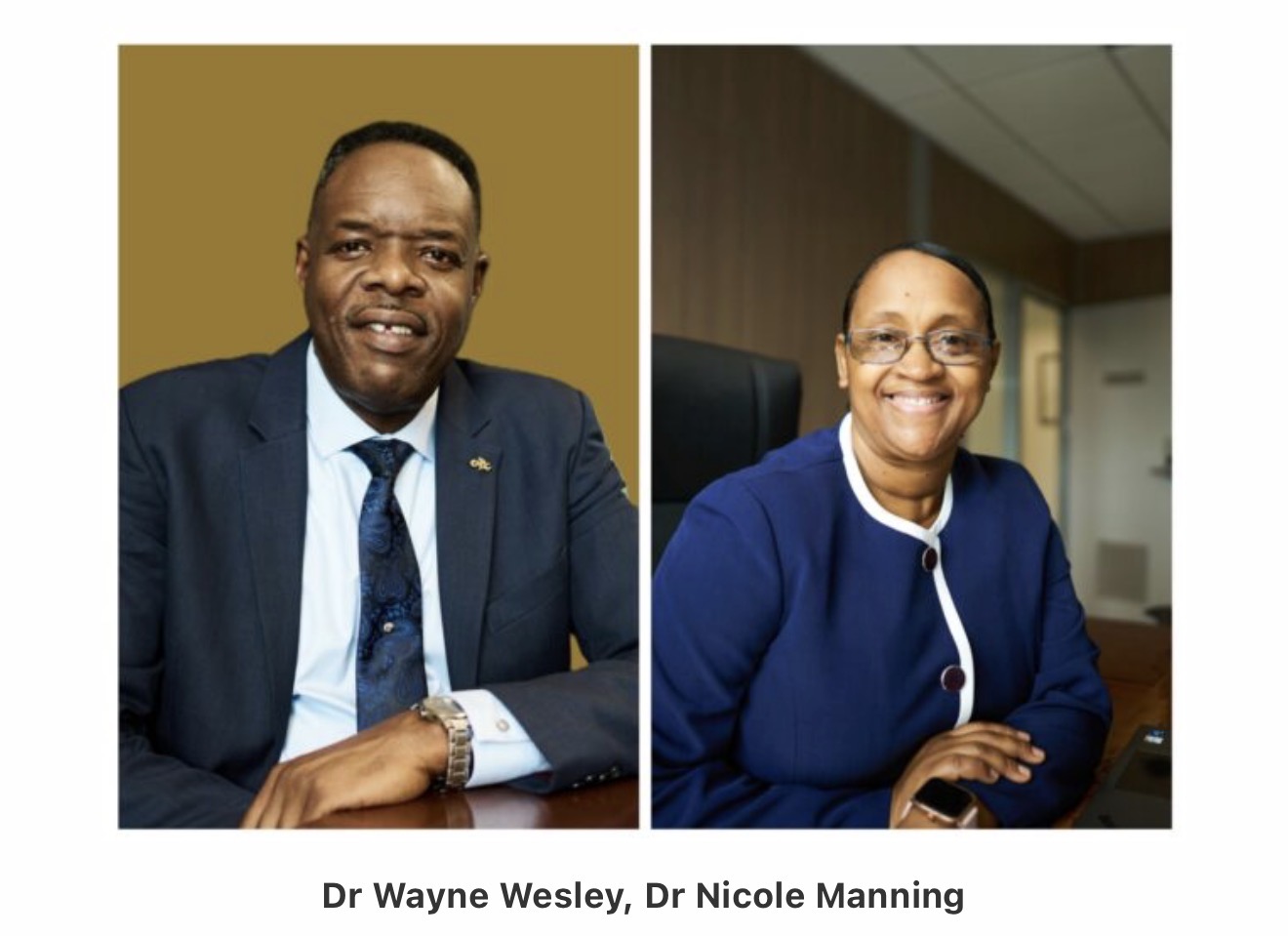
    The updated framework is the product of years of extensive consultation with education stakeholders across 21 Caribbean nations and territories, developed with the core goal of ensuring exam results continue to accurately reflect students’ independent knowledge and individual abilities. In a public statement from the council, Registrar and Chief Executive Officer Dr. Wayne Wesley emphasized that the reforms do not signal a ban on generative AI for student learning. Instead, he framed the changes as a proactive response to technological disruption that is necessary to preserve public trust in the regional assessment system.

    “CXC® will always act in the best interest of the region, even when that requires difficult decisions. The SBA has served Caribbean students well for nearly half a century, and we do not reform it lightly,” Dr. Wesley noted. “But the integrity of our qualifications is not negotiable. When the system that was designed to assess a student’s work can no longer reliably do so, we have an obligation to act, and to act decisively. That is precisely what this reformed framework represents. CXC® is cleareyed about the challenges of our time, and we are resolute in our commitment to the standard that Caribbean families, educators, and employers have come to trust.”

    Under the restructured model, the SBA will remain in place for subjects that depend on hands-on practical demonstration and project-based work to accurately measure student competency. This group includes Agricultural Science, Visual Arts, Music, Physical Education, Technical Drawing, and Food, Nutrition and Health. The council also confirmed that moderation processes for these remaining SBA programmes will be strengthened to further boost accountability.

    For primarily theory-based subjects, however, the traditional SBA model will be gradually phased out entirely. Subjects affected by this shift include core academic areas such as Mathematics, English, Caribbean History, Social Studies, Principles of Business and Information Technology. In place of the traditional out-of-classroom school-based assessment, students in these subjects will complete Paper 032, an assessment format currently used as an alternative for specific candidate groups.

    The revised Paper 032 will retain the extended learning focus of the original SBA, but will be administered under formal, supervised examination conditions to confirm work authenticity. To support this adjusted approach, students will receive their assessment topics four weeks in advance of the exam, will be granted extra time to complete the assessment, and will be permitted to bring personal reference notes into the testing room.

    CXC Director of Operations Dr. Nicole Manning explained that the redesigned assessment structure strikes a careful balance between supporting meaningful, extended learning and restoring certainty that student work is authentic. “The new, deliberate and necessary design of the SBA, preserves the spirit of extended, reflective assessment while restoring CXC’s confidence in authorship and authenticity,” Dr. Manning said. She went on to call on students, parents, and teaching staff across the region to collaborate in upholding the value of CXC qualifications, noting that the high standards of regional certification have been built through decades of collective effort and benefit all stakeholders.

    “A CXC® qualification means something. It means something to employers, to universities, to parents, families and guardians, who have invested years of commitment and sacrifice into a child’s education,” Dr. Manning said. “It is in our collective interest that we hold to this standard, which we have all worked so hard to build.”

    The council has outlined a clear phased timetable for the rollout of the new model. For CAPE candidates enrolled in non-practical theory-based subjects, Paper 032 will fully replace the traditional SBA starting with the May-June 2027 examination cycle. For CSEC candidates, a multi-year transition period has been scheduled: in 2027, individual schools will retain the option to choose between the traditional SBA and the new Paper 032 for their non-practical subject candidates. Starting with the May-June 2028 CSEC examinations, however, all non-practical subject candidates will be required to complete Paper 032.

    CXC also confirmed that existing policies around score transfer will remain consistent. Under the council’s long-standing two-year rule, previously earned SBA marks will continue to be transferable for eligible candidates, and starting in 2027, Paper 032 scores will also follow the same two-year transfer policy.

  • CXC announces major changes to school-based assessments as AI reshapes education

    CXC announces major changes to school-based assessments as AI reshapes education

    As generative artificial intelligence becomes increasingly integrated into classroom learning across the globe, regional education assessment bodies are moving quickly to adapt their systems to protect the credibility of qualifications. The Caribbean Examinations Council (CXC) has become one of the first major regional assessment organizations to announce sweeping reforms to its decades-old School-Based Assessment (SBA) program, rolling out a restructured framework set to launch in 2027 that directly addresses the risks of AI-generated student work.

    The changes, which will impact both the Caribbean Secondary Education Certificate (CSEC) and Caribbean Advanced Proficiency Examination (CAPE) programs, follow more than a year of extensive consultations with education stakeholders across 21 Caribbean countries and territories. CXC leadership emphasized that the reforms are not intended to ban student use of generative AI, but rather to ensure that exam results continue to accurately measure individual student knowledge and skills amid a shifting educational landscape.

    “The SBA has served Caribbean students well for nearly half a century, and we do not reform it lightly,” said Dr. Wayne Wesley, CXC Registrar and Chief Executive Officer. “But the integrity of our qualifications is not negotiable. When the system that was designed to assess a student’s work can no longer reliably do so, we have an obligation to act, and to act decisively.” Wesley added that the council recognizes generative AI can function as a valuable learning tool, and the reforms only seek to preserve public trust in the assessment process that Caribbean families, educators, and employers have relied on for generations.

    The new framework adopts a targeted, subject-specific approach to assessment. For programs that rely heavily on hands-on, practical, or project-based work where in-person skill demonstration is critical, the traditional SBA model will remain in place. These subjects include Agricultural Science, Visual Arts, Music, Physical Education, Technical Drawing, and Food, Nutrition and Health. CXC has also announced it will strengthen moderation processes for these practical SBA programs to add an additional layer of integrity oversight.

    For primarily theory-based subjects including Mathematics, English, Caribbean History, Social Studies, Principles of Business, and Information Technology, the traditional SBA will be phased out entirely over the next two years. In place of take-home, out-of-examination SBA projects, students in these subjects will complete Paper 032, an in-exam assessment that was previously used only as an alternative option for select candidates.

    Under the revised Paper 032 model, students will receive their assessment topics one month in advance of the exam date to allow for extended research and preparation, will be granted extra time to complete the assessment, and will be permitted to bring approved reference notes into the exam room. This structure retains the original SBA’s focus on extended, reflective learning while ensuring all work submitted is completed by the student under supervised conditions, eliminating the risk of undetectable AI-generated content.

    Dr. Nicole Manning, CXC Director of Operations, explained that the redesigned assessment strikes a careful balance between supporting meaningful learning and protecting the authenticity of student work. “The new, deliberate and necessary design of the SBA, preserves the spirit of extended, reflective assessment while restoring CXC’s confidence in authorship and authenticity,” Manning said. She emphasized that the value of CXC qualifications matters to every stakeholder in the region, from employers and universities to families that have invested years of time and resources into students’ education, making collective commitment to high assessment standards a shared priority.

    CXC has outlined a clear implementation timeline for the transition. For CAPE candidates enrolled in non-practical, theory-based subjects, Paper 032 will replace the traditional SBA starting with the May-June 2027 exam session. For CSEC, the council will allow a one-year transition period, where schools can choose between the traditional SBA and the new Paper 032 model for their 2027 candidates. Starting with the May-June 2028 CSEC exam session, all non-practical subject candidates will be required to complete Paper 032. The council also confirmed that its existing two-year mark transfer policy will remain in place for both remaining SBA programs and the new Paper 032 assessment, allowing students to carry over valid scores from previous exam sittings under the same terms that have applied to SBA marks for decades.

  • University of Toronto Students Take Part in Caribbean Study Program at UWI Five Islands

    University of Toronto Students Take Part in Caribbean Study Program at UWI Five Islands

    In a landmark educational collaboration that marks a new chapter for international exchange in the Caribbean, a cohort of University of Toronto students has embarked on a three-week immersive learning program in Antigua, the first ever Summer Abroad Program hosted in the region through a partnership with The University of the West Indies (UWI) Five Islands Campus.

    The cross-institutional partnership, which brings North American students directly into the Caribbean’s unique social and legal context, was facilitated by Harold Lovell, a senior lecturer who connected the University of Toronto’s Centre for Criminology and Sociolegal Studies with the Antigua-based UWI campus to turn the initiative into a reality.

    At the core of the exchange is the specialized course *Rethinking Crime, Law and Power in the Caribbean*, a curriculum designed to move beyond traditional classroom learning and give students hands-on insight into the region’s interconnected legal frameworks, social dynamics and cultural heritage. The learning experience blends interactive lectures, expert-led panel discussions and structured educational field trips to key sites across Antigua and Barbuda, offering students unrivaled on-the-ground perspective that cannot be gained from textbooks alone.

    Over the course of the program, students are touring a range of institutions and cultural landmarks, including Antigua’s Parliament building, the local High Court, His Majesty’s Prison, the Dennis Bowers Rehabilitation Centre, the historic Betty’s Hope sugar plantation site, the neighboring island of Barbuda, the Ras Freeman community site, and the world-famous Hell’s Gate Steel Orchestra, one of the oldest and most iconic steelpan groups in the Caribbean. Lovell has also led three dedicated lectures for the visiting cohort, walking students through context-specific perspectives on Caribbean legal and criminological issues.

    Reflecting on the historic collaboration, Lovell described the opportunity to host and teach the University of Toronto students as a distinct professional honor. He emphasized that he remains optimistic that this first Caribbean-based Summer Abroad Program will leave a lasting, positive impact on both the visiting students and the broader educational partnership between the two institutions, opening the door for future cross-cultural exchange initiatives in the region.