分类: education

  • St George Secondary toasts student success, calls for improved transport

    St George Secondary toasts student success, calls for improved transport

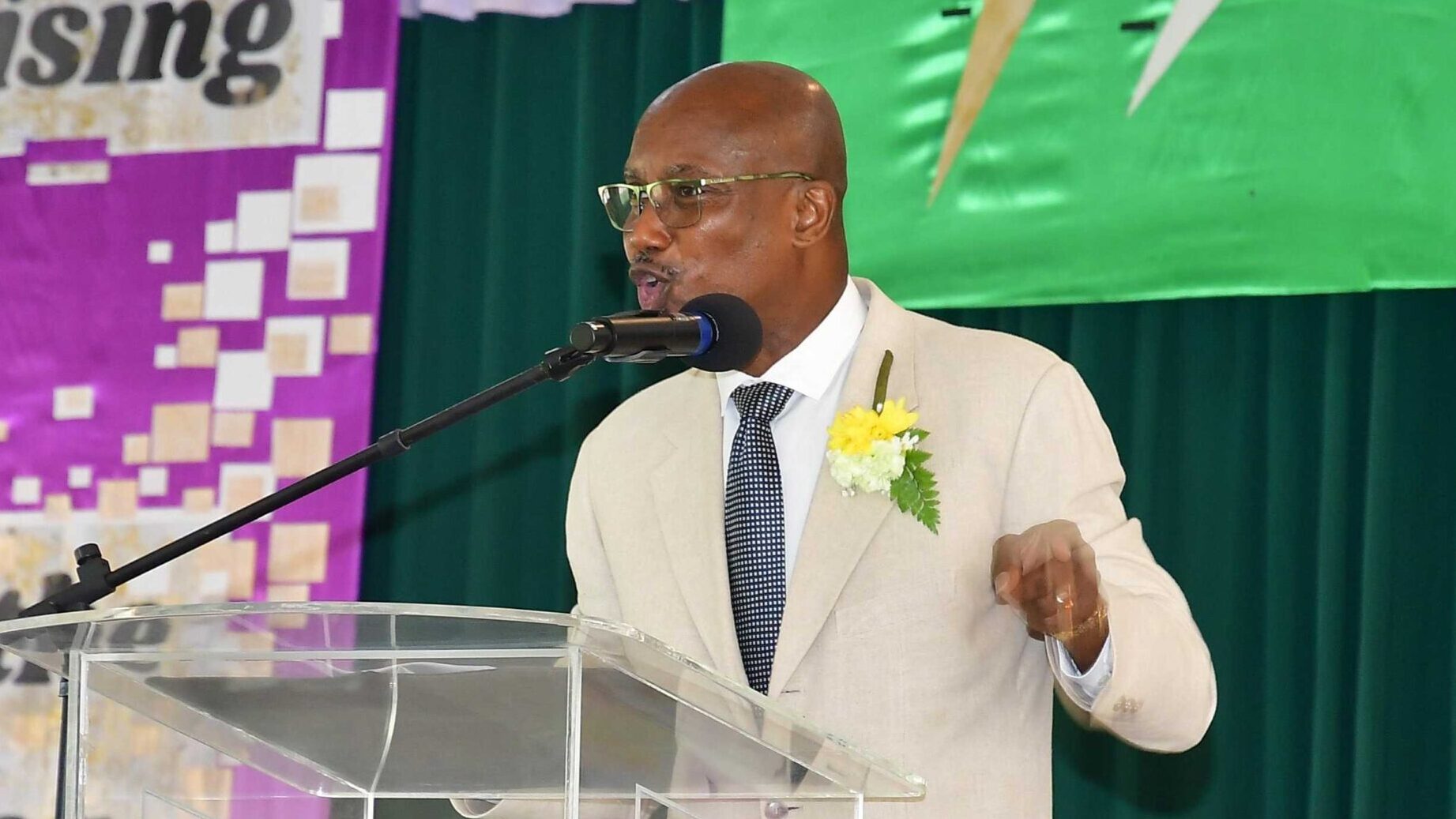
    St George Secondary School is revolutionizing educational approaches through a comprehensive strategy emphasizing student wellbeing, practical skills development, and community integration. Principal Dennis Browne unveiled these transformative initiatives during the institution’s annual speech day and prize-giving ceremony, signaling a paradigm shift in educational methodology.

    The school has implemented an innovative alternative uniform system specifically for skills-training days, designed to foster student pride and recognition. This sartorial approach allows learners to visibly identify with technical and vocational programs while promoting the school’s commitment to hands-on education within the Barbadian community.

    Addressing behavioral development, the administration has rebranded its positive behavior management program with a values-driven framework. This is complemented by strengthened partnerships with key agencies including the Edna Nicholls Centre, Juvenile Liaison Scheme, and National Task Force on Crime Prevention, creating a supportive ecosystem for student development.

    A standout initiative involves scheduled mental health days each term, where students engage in unconventional activities including equine grooming, canine interaction, and various non-academic exercises. These experiences are carefully designed to promote emotional wellbeing, joy, and behavioral maturation beyond traditional classroom boundaries.

    Principal Browne highlighted transportation challenges as a significant barrier to extracurricular participation, advocating for improved transport solutions to support student engagement.

    Minister of Educational Transformation Chad Blackman commended the school’s leadership and comprehensive vision, recognizing St George Secondary as “a beacon of excellence in Barbados.” He particularly praised the practical-learning initiatives and encouraged students to embrace their role as “architects of the transformation of this country.”

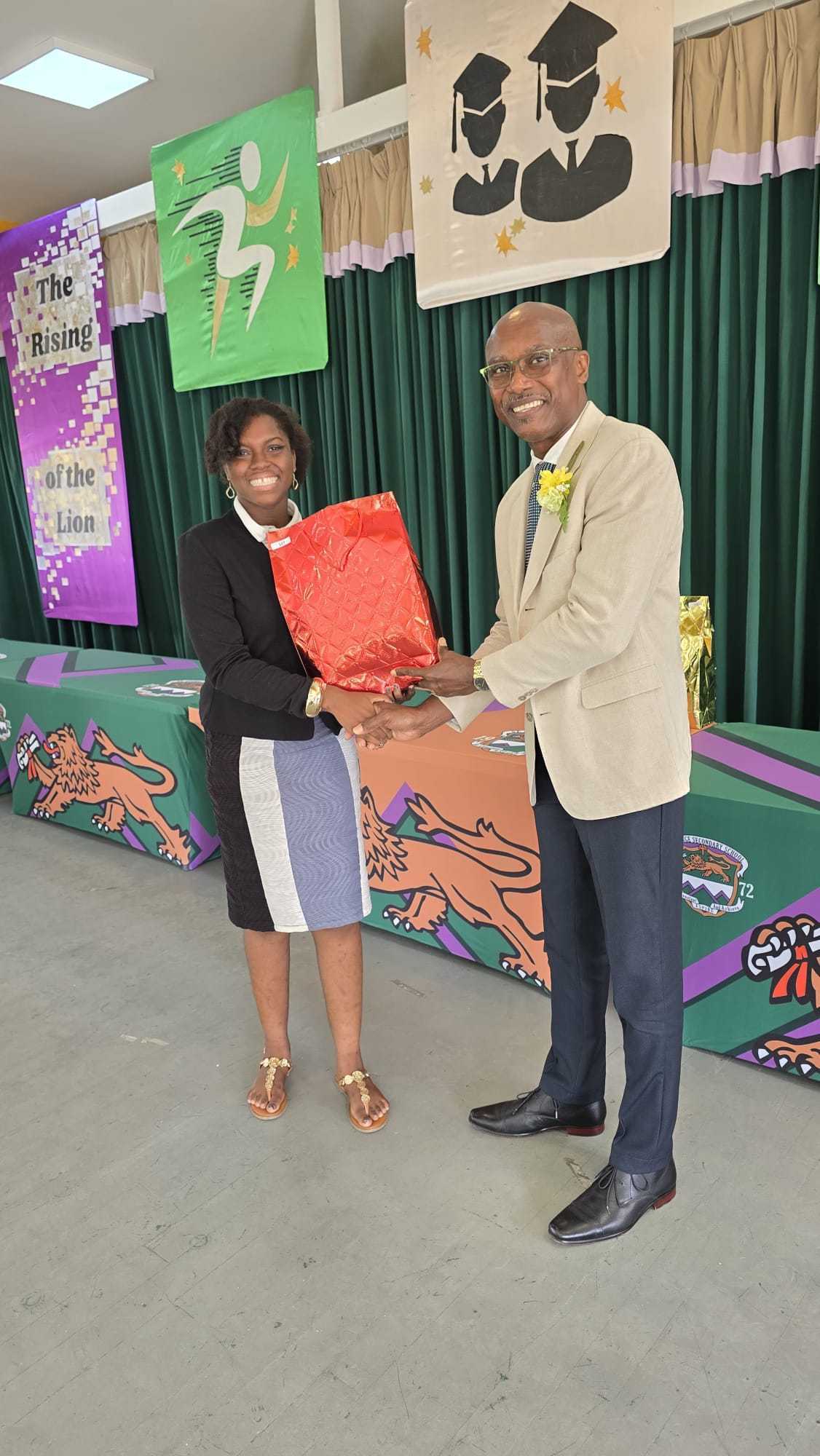
    The ceremony, themed “The Rising of the Lion: Celebrating Strength, Spirit and Success,” honored outstanding scholars including Asia Edwards, recipient of the Chairman’s Prize, and Jahsmyne Taitt, who received multiple accolades including Most Outstanding Student and Principal’s Prize.
  • School proposes ‘technical sixth’, adult education pilot

    School proposes ‘technical sixth’, adult education pilot

    In an innovative educational move, St George Secondary School has announced groundbreaking plans to launch Barbados’ first technical and vocational sixth form programme outside traditional polytechnic institutions. Principal Dennis Browne unveiled the ambitious initiative during the school’s annual speech day and prize-giving ceremony, presenting a comprehensive blueprint for educational transformation.

    The pioneering programme represents a significant departure from conventional academically-focused sixth forms, offering a two-year curriculum structured around technical skill development. Students will progress through Level 1 training in their first year followed by Level 2 advancement in their second year, while simultaneously completing compulsory courses in computation, communication, digital literacy, and entrepreneurship.

    A distinctive feature of the initiative involves establishing on-campus business incubators for graduates. The school plans to convert three prefabricated buildings into twelve individual workstations, providing each graduate with their own operational shop space to launch their trade with continued institutional support.

    Principal Browne emphasized the programme’s collaborative nature, revealing partnerships with the Youth Entrepreneurship Scheme for expert guidance and internship opportunities. The initiative specifically targets students excluded from technical education due to capacity constraints at established institutions like the Samuel Jackman Prescod Institute of Technology, which turns away 3,500 applicants annually despite its 2,500-student capacity.

    During his address, Browne directly appealed to the attending Minister of Educational Transformation for governmental support, expressing confidence in the programme’s potential to reduce youth unemployment by creating alternative educational pathways that combine skill acquisition with immediate entrepreneurial opportunities.

  • Education Ministry Modernizes Recruitment with Landmark Agreement

    Education Ministry Modernizes Recruitment with Landmark Agreement

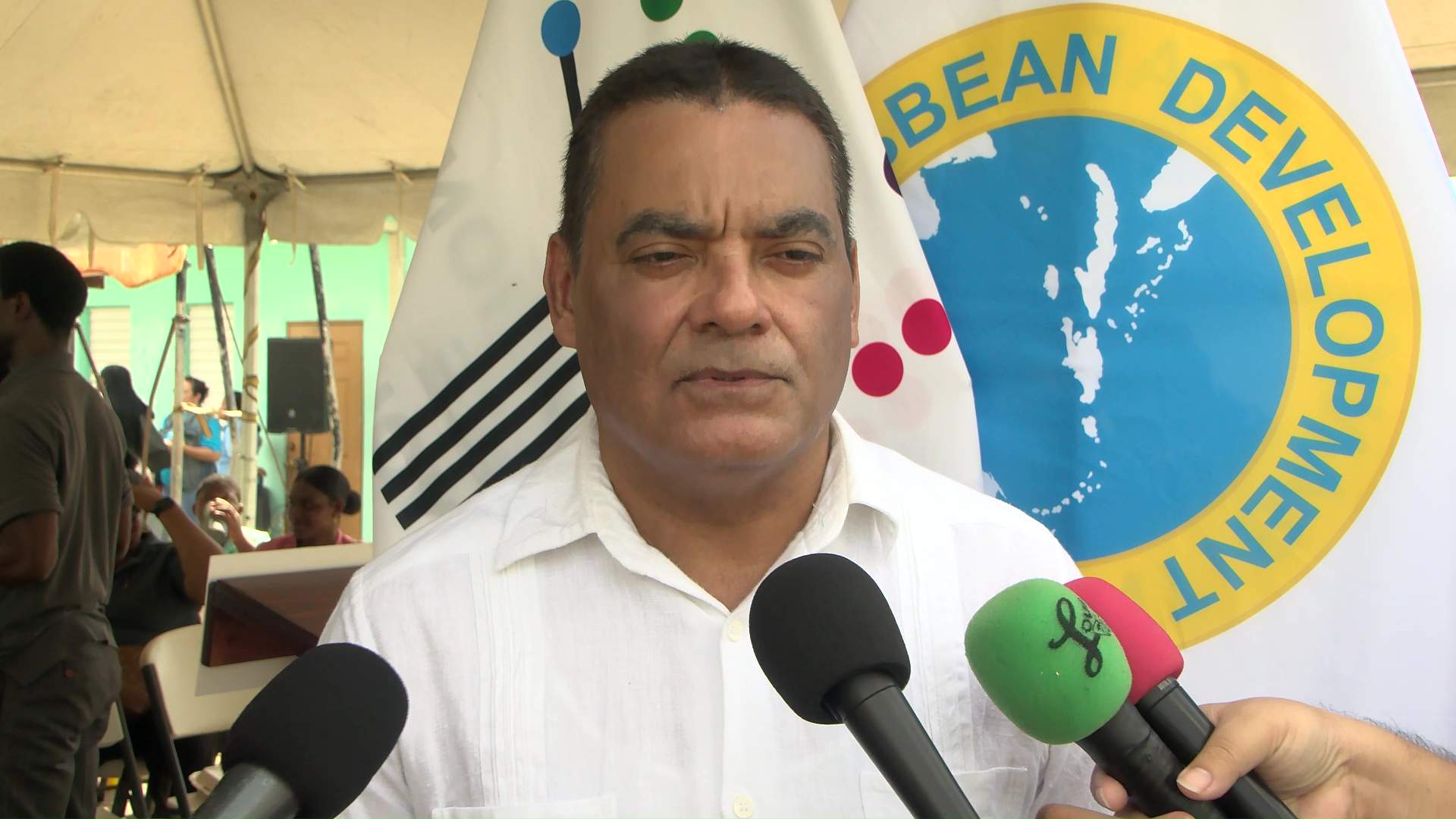
    In a significant move to overhaul its education infrastructure, Belize’s Ministry of Education has forged a groundbreaking partnership with school managing authorities through a newly signed Memorandum of Understanding. The agreement, finalized this week, represents a comprehensive digital transformation initiative targeting the modernization of teacher recruitment and onboarding systems that have long been hampered by bureaucratic delays and paper-based inefficiencies.

    Education Minister Francis Fonseca emphasized the agreement’s core objectives of enhancing operational efficiency, strengthening accountability measures, and providing improved support structures for educators nationwide. The digital overhaul specifically addresses longstanding issues with allowance processing—including rural hardship, commuting, and responsibility allowances for principals—that have consistently caused payment delays and administrative frustrations.

    Central to the modernization effort is the development of specialized digital forms designed to streamline submission processes, coupled with comprehensive training programs for administrative personnel within managing authorities. This dual approach aims to eliminate incomplete submissions that previously resulted in delayed compensation for educators.

    The initiative marks a pivotal shift in the Ministry’s operational philosophy, transitioning from traditional paper-heavy procedures to integrated digital solutions that promise accelerated processing times and reduced administrative burdens for all stakeholders involved in Belize’s education system.

  • Thousands of Guyanese, Caribbean students already ‘attending’ Guyana Digital School

    Thousands of Guyanese, Caribbean students already ‘attending’ Guyana Digital School

    In a landmark initiative for Caribbean education, Guyana has officially launched the Guyana Digital School with over 20,000 students already enrolled from across the region. The platform, inaugurated on December 5, 2025, represents a significant step toward equitable educational access throughout the Caribbean Community (CARICOM).

    Education Minister Sonia Parag revealed that 20,368 students from Grades 10 and 11 throughout Guyana and CARICOM member states have registered on the digital platform. The program is scheduled to expand to include Grades 7 through 9 by early 2026, creating a comprehensive digital learning ecosystem.

    President Irfaan Ali emphasized the platform’s strategic importance for disaster resilience in a region frequently impacted by natural disasters. ‘For a region that is susceptible to so many natural disasters… once electricity and communication services are restored, education is back up with the digital school,’ President Ali stated, highlighting the system’s capacity to minimize educational disruption during crises.

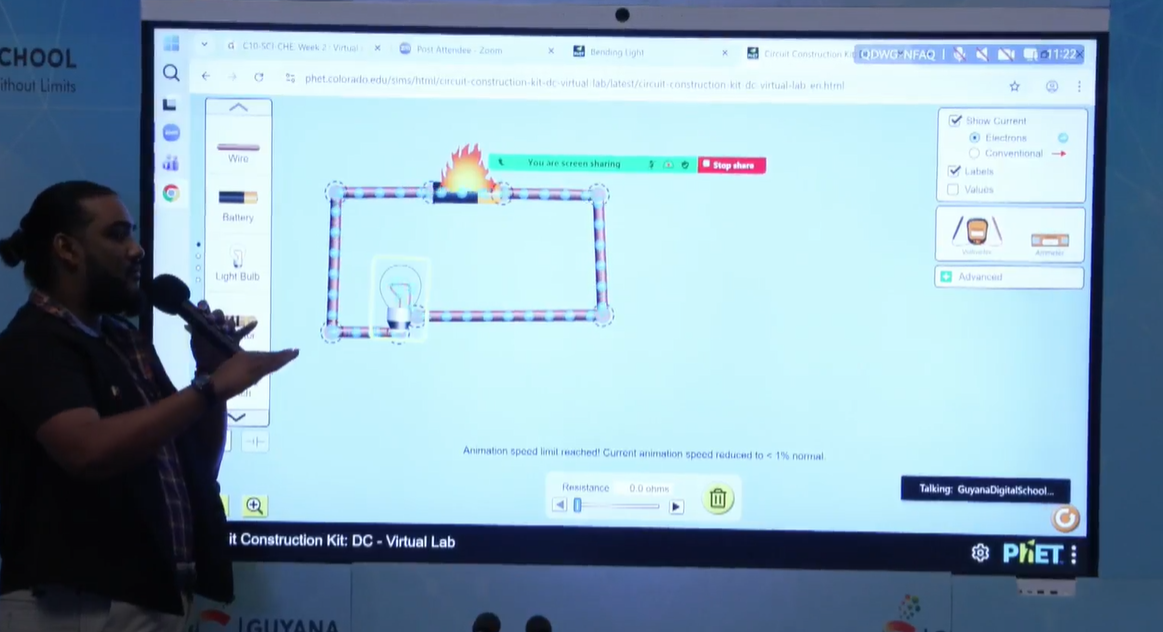
    The digital school employs a sophisticated four-quadrant approach that integrates technology, content, engagement, and hands-on experience into a cohesive learning model. The platform incorporates artificial intelligence elements and features an extensive library of on-demand digital resources, including textbooks for CXC and CSEC subjects. Minister Parag clarified that the initiative enhances rather than replaces traditional education: ‘This is not an abandonment of the traditional school methodology. It introduces new avenues for learning so that no child falls behind because of distance, circumstance or pace.’

    The initiative has received regional endorsement from Caribbean leaders. Barbados Prime Minister Mia Amor Mottley praised President Ali’s ‘bold and innovative vision,’ while Belize expressed interest in connecting their national digital system with the Guyana Digital School. Grenada’s Prime Minister Dickon Mitchell has directed his education minister to ensure active participation, expressing optimism about the platform’s potential to transform educational delivery throughout CARICOM.

    Beyond academic instruction, the digital school aims to bridge cultural divides and prepare students for the digital era across multiple sectors including transportation, finance, public services, and healthcare. President Ali noted the platform will enable students from across the region to conduct experiments and share experiences, ultimately working to break down cultural barriers.

    The initiative also addresses persistent challenges revealed during the COVID-19 pandemic, when educational systems struggled with digital transition due to untrained teachers, uncomfortable parents, and limited internet access. The Guyana Digital School now stands as a resilient partner for parents and educators during times of uncertainty, helping to mitigate learning losses that continue to affect educational systems across Guyana.

  • Dowlath pledges support for Islamic-run schools

    Dowlath pledges support for Islamic-run schools

    In a significant address at the Islamic Development Bank’s Caribbean and Latin American Regional Partnership consultation, Trinidad and Tobago’s Education Minister Dr. Michael Dowlath committed to including Islamic educational institutions in the government’s comprehensive plan to transform the nation’s education landscape. The December 4th gathering at Trinidad Hilton, St. Ann’s brought together regional Islamic leaders to address critical educational challenges and opportunities.

    Minister Dowlath emphasized the vital role of partnerships with longstanding organizations like the Islamic Missionaries Guild, which has delivered educational services since the 1960s. “This approach isn’t about labeling our children—it’s about lifting them up,” Dowlath stated, outlining the ministry’s enhanced intervention strategies that identify learning challenges from preschool level and provide targeted, wrap-around support involving teachers, families, and specialists.

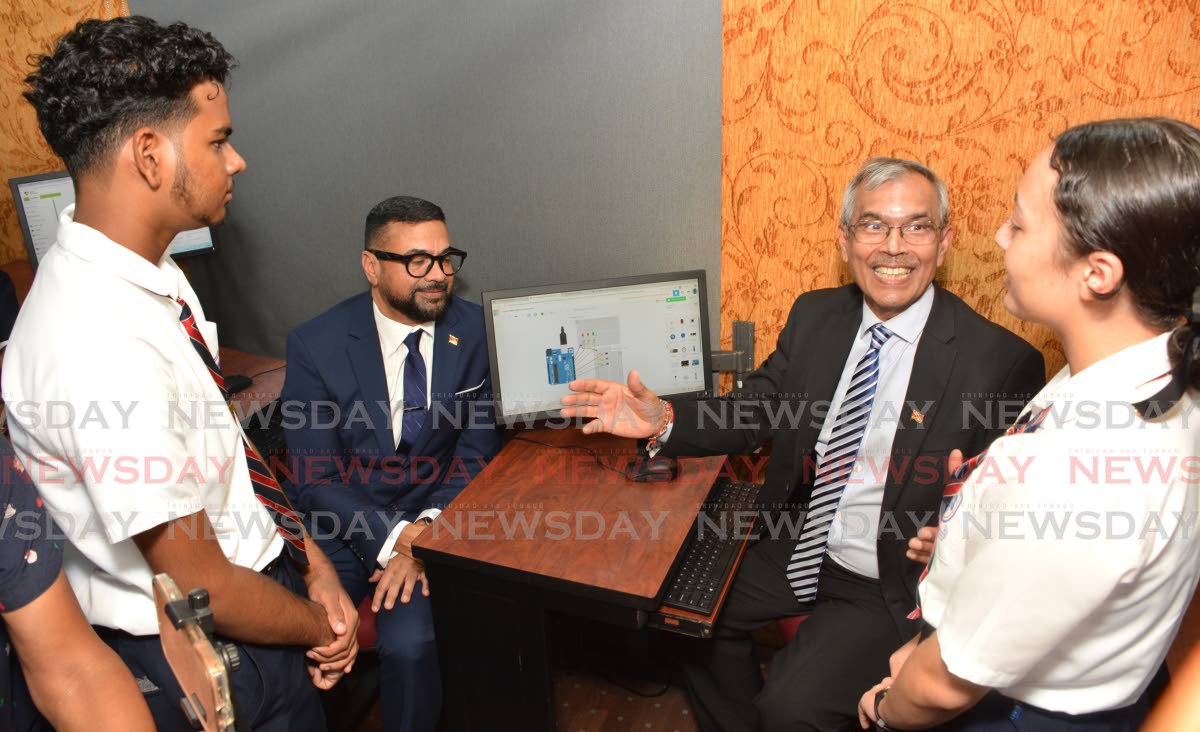
    The minister highlighted the government’s recent laptop distribution initiative, which received particular appreciation from consultation participants who noted technology access challenges in Islamic-run schools throughout the region. The three-day conference serves as a platform for Islamic organization leaders from across the Caribbean and South America to discuss both challenges facing the faith and opportunities for transformative change.

    Delegates were scheduled to visit local Islamic-operated schools on December 5th, with announcements expected regarding beneficiaries of a Schools and Scholarship Programme. Suleiman Bulbulia, regional director of the Organisation for Islam in Latin America and the Caribbean, noted the growing establishment of Muslim-run schools across the region for both religious and secular learning, describing the consultation as “timely and critical” for developing these institutions into centers of excellence and building capacity for future Muslim generations.

  • Tertiary education minister: Skilled workers still in demand

    Tertiary education minister: Skilled workers still in demand

    In a significant stride toward digital inclusion, Trinidad and Tobago’s Ministry of Tertiary Education and Skills Training has unveiled a refurbished Mobile Computer Training Unit—dubbed the ICT Bus—to deliver technology education directly to underserved communities. The initiative, launched December 5 at Marabella North Secondary School, represents a national commitment to equitable skills development in an increasingly digital economy.

    Minister Prof Prakash Persad, the keynote speaker, highlighted a crucial paradox in global technological advancement: while artificial intelligence dominates headlines and investments, the actual surge in demand is for skilled tradespeople who build and maintain digital infrastructure. “Without the technicians who put up the buildings and maintain the computers, there could be no AI,” Persad stated. “New skills must not replace the old ones; they must coexist.”

    He emphasized that despite massive global investments in data centers—exceeding US$50 billion in the United States alone—the pressing need remains for plumbers, electricians, and carpenters. Persad urged citizens to value all forms of honest work, reminding youth that every profession contributing to digital infrastructure is “honorable and essential.”

    The ICT Bus, operated by the Youth Training and Employment Partnership Programme (YTEPP), symbolizes mobility, inclusion, and national readiness. Equipped with computers, internet access, and learning software, it will offer digital literacy, mobile app development, web design, AI workflow training, CAD, and graphic design to diverse beneficiaries including youth, adults seeking retraining, and community organizations.

    YTEPP Chairman Dr. Maurice Jones described the vehicle as “more than the unveiling of a vehicle; it is hope, opportunity, and proof that no citizen should be left behind.” He committed that the bus would actively travel to communities where digital training needs are most urgent.

    Claxton Bay MP Hansen Narinesingh, who recently attended a Commonwealth parliamentary conference on responsible AI in Malaysia, emphasized the economic imperative of workforce recalibration. “The recalibration of our national workforce is not optional; it is an economic imperative,” he stated, urging students to maximize the program’s benefits.

    The launch event featured guided tours of the mobile unit where students will develop skills prioritized by modern labor markets: adaptability, analytical acuity, and digital fluency. Across all addresses, a unified message emerged: as Trinidad and Tobago advances toward a knowledge-driven future, no community or learner should be excluded from the digital transformation.

  • Northeast : €3 million from the EU to strengthen community schools

    Northeast : €3 million from the EU to strengthen community schools

    In a significant move to bolster education systems in crisis-affected regions, UNESCO has unveiled two major programs supported by €7.7 million in funding from the European Union. The initiatives specifically target Haiti and Afghanistan, where educational infrastructure faces severe challenges due to ongoing instability.

    The Haitian component, receiving €3 million in EU support, will focus on strengthening community schools in the country’s northeastern region. These institutions serve tens of thousands of students in rural areas where educational access remains particularly vulnerable. The comprehensive program aims to integrate these community schools into the national education system while enhancing adherence to quality teaching standards.

    UNESCO Director General Khaled El-Enany emphasized the critical nature of educational continuity during crises, stating: “In times of crisis, school is a refuge that must never falter, and access to education is a right that must be guaranteed. These initiatives reflect UNESCO’s determination to provide people with opportunities to learn, to work, and to thrive – including in the most fragile and crisis-affected contexts.”

    Haiti’s education system faces unprecedented challenges amid one of the most unstable periods in the nation’s recent history. Escalating violence and deepening socio-economic turmoil have severely undermined public institutions, strained social cohesion, and placed essential services – particularly education – at serious risk.

    The UNESCO program will foster community participation and facilitate dialogue between families, teachers, and educational leaders, recognizing schools as vital spaces that support social cohesion and trust. Additionally, UNESCO will collaborate closely with national authorities to enhance the collection and utilization of education data, thereby strengthening the overall governance and management of Haiti’s education system.

  • Blue Horizon College sets ambitious path for healthcare education

    Blue Horizon College sets ambitious path for healthcare education

    In response to critical healthcare workforce shortages plaguing the Caribbean region, Blue Horizon College has emerged as a transformative educational institution dedicated to rebuilding clinical capacity. Founded by registered nurse and public health practitioner Ambika Joseph, the college addresses a severe regional deficit where only 44.3 nurses serve every 10,000 residents—far below the Pan American Health Organization’s recommended threshold of 70.6 per 10,000 for universal healthcare access by 2030.

    The institution originated in 2024 as the Care-Transition Clinic School of Nursing before rebranding in 2025 to expand its mission. Now located at Woodlands Commercial Complex in St. George, Grenada, the college has developed targeted programs including a BSc in Nursing, Certificate in Phlebotomy, Associate Degree in Medical Assisting, and specialized degrees in Sonography and Radiology. These offerings were created specifically to meet escalating demands across Grenada’s healthcare facilities.

    Joseph’s vision stems from firsthand experience with systemic gaps in clinical training and academic preparation. “I witnessed the gaps in clinical training, academic preparation, and the ongoing workforce shortages that strain our health system,” she explained. The crisis is exacerbated by nurse migration that has left 40% of nursing positions vacant throughout the Caribbean.

    The college’s BSc in Nursing program employs a hybrid learning model with specialization tracks in Public Health Nursing or Nursing Administration. The curriculum incorporates simulation labs, virtual modules, and problem-based learning to develop clinical judgment and critical thinking. Students gain practical experience through structured clinical rotations and interdisciplinary collaboration with partner hospitals and clinics.

    Admission criteria emphasize compassion, resilience, and community commitment alongside academic capability. The college provides mentorship, workshops, and partial scholarships to support Grenadians pursuing healthcare careers. Looking forward, Joseph plans to integrate digital simulations, virtual clinical experiences, and electronic learning platforms to prepare graduates for evolving healthcare technologies.

    Despite challenges including regulatory compliance and faculty recruitment—requiring international instructor sourcing—Joseph remains confident in the institution’s mission. Her five-year vision involves expanding into a university offering advanced degrees in healthcare administration while establishing Grenada as a regional leader in healthcare education.

  • Tobago students told: Make maximum use of laptops

    Tobago students told: Make maximum use of laptops

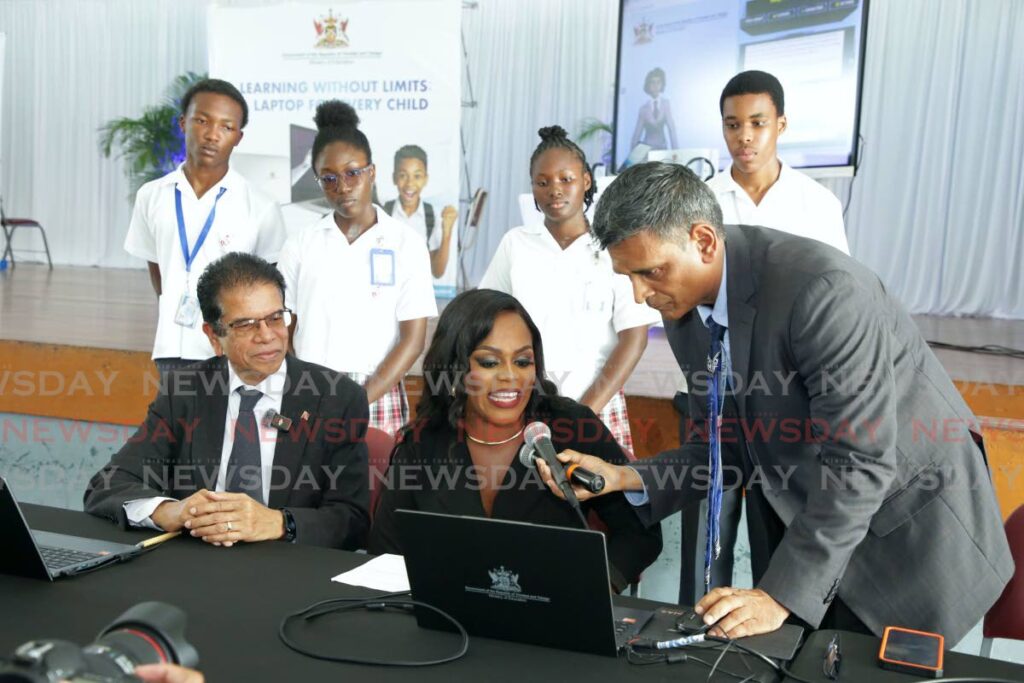
    Tobago has embarked on a significant digital education transformation with the commencement of laptop distributions to first-year secondary students across three institutions: Mason Hall Secondary, Roxborough Secondary, and Harmon’s School of Seventh Day Adventists. The initiative, dubbed ‘Learning Without Limits – A Laptop for Every Child,’ represents a major step in modernizing the island’s educational landscape.

    Education Minister Dr. Michael Dowlath confirmed during the December 1st distribution ceremony at Mason Hall Secondary that all Tobago first-form students would receive their specialized learning devices by the end of the week. These laptops feature integrated artificial intelligence capabilities specifically designed for educational purposes.

    The program, which originated from Prime Minister Kamla Persad-Bissessar’s vision in 2010, marks one of the Caribbean’s pioneering efforts to digitize education systems. Minister Dowlath highlighted the collaborative effort involving multiple government ministries and AI specialists that enabled the procurement and distribution of 18,000 laptops nationwide.

    THA Education Secretary Zorisha Hackett emphasized the transformative potential of the devices, stating they represent ‘possibility for discovery, curiosity, and ambition’ that extends learning beyond traditional classroom boundaries. The laptops are intended to provide equal learning opportunities and prepare students for navigating an increasingly digital world.

    The AI functionality, demonstrated during the ceremony, operates under strict protocols limited exclusively to teaching Mathematics and English Language, ensuring focused educational application without external distractions. Tobago MPs Joel Sampson (West) and David Thomas (East) attended the event, underscoring the initiative’s significance for the island’s educational development.

  • Five Jamaicans receive Fulbright Scholarships

    Five Jamaicans receive Fulbright Scholarships

    KINGSTON, Jamaica—Five exceptional Jamaican professionals have been selected as Fulbright Scholars, earning the opportunity to pursue advanced academic programs at prestigious United States institutions. The cohort comprising Daniel Jennings, Elton Johnson, Dr. Shennae Miller, Brandon Stewart, and Abigail Williams will engage in specialized studies aligned with both US and Jamaican strategic priorities, including environmental sustainability, cultural studies, health policy, public finance, and creative industries.

    The US Embassy in Kingston’s Public Affairs Attaché, Mike Lavallee, emphasized the program’s significance, stating, “The Fulbright scholarship represents our shared belief that education, innovation, and merit are the engines of national progress.” He highlighted the mutual benefits of this academic exchange, noting that while Jamaica gains advanced training and innovative ideas, the United States benefits from the diverse perspectives and expertise that Jamaican scholars contribute to American campuses and communities.

    Daniel Jennings will pursue a professional science master’s in environmental analysis at Rice University, focusing on developing Jamaica’s resilience against environmental challenges. “I want to make sure Jamaica has the best tools to understand and adapt to our changing environment,” Jennings stated, expressing his commitment to enhancing the nation’s disaster preparedness and environmental data systems.

    Elton Johnson, an educator and social activist, will undertake PhD studies in comparative studies at Florida Atlantic University, challenging conventional perceptions of dancehall music through academic research. “I believe there are elements within it that promote resilience, creativity, and community,” Johnson explained, aiming to redefine how Jamaica’s influential art form is understood globally.

    Dr. Shennae Miller, a physician and public health advocate, will pursue a Doctor of Public Health degree with concentrations in health policy and management. Her goal is to transform Jamaica’s healthcare system into one that serves all citizens equitably. “My vision is a health system that is equitable, resilient, and truly reflective of our people,” Dr. Miller affirmed.

    Abigail Williams, dedicated to preserving Jamaica’s cultural legacy, will embark on PhD research in Caribbean history and cultures, focusing on the dynamic creative industries sector. She aims to strengthen Jamaica’s cultural resource management framework while exploring global cultural connections.

    Brandon Stewart, a Fulbright–Humphrey Fellow, will specialize in public policy and administration with emphasis on tax policy as a development tool. His objective is to modernize Jamaica’s tax administration systems through technology and policy innovation, ensuring fairness and efficiency.

    The Fulbright Program, as the US government’s flagship international educational exchange initiative, continues to foster global collaboration and mutual understanding through academic excellence, strengthening institutional capacity and workforce development while deepening economic and cultural ties between participating nations.