分类: business

  • Seiveright leads week-long Jamaica Trade and Investment Mission to Ireland and UK

    Seiveright leads week-long Jamaica Trade and Investment Mission to Ireland and UK

    KINGSTON, Jamaica — A high-profile Jamaican trade and investment delegation led by Delano Seiveright, State Minister for the Ministry of Industry, Investment and Commerce and Member of Parliament for St Andrew North Central, departed the island on Saturday for a seven-day mission across Ireland and the United Kingdom. The initiative is built around three core goals: unlocking new export pathways for Jamaican goods and services, deepening existing cross-border business partnerships, and moving forward high-stakes investment discussions that support long-term economic growth for the Caribbean nation.

    Organized by JAMPRO, Jamaica’s national investment and export promotion agency operating under the Ministry of Industry, Investment and Commerce, the mission includes official representation from the Jamaica Special Economic Zone Authority (JSEZA) — another body under the industry ministry — alongside a diverse group of private sector firms from across Jamaica’s key economic segments. These participating companies span manufacturing, agro-processing, health and wellness, education services, legal services, and digital innovation, representing some of Jamaica’s most competitive growing industries. Notable names in the delegation include Wisynco Group Limited, Grace Foods UK, and Optimity Group, among other leading domestic businesses.

    Over the course of the mission, the Jamaican delegation will take part in two major regional trade summits: the Ireland–Latin America & Caribbean Trade Horizons Forum hosted in Dublin, Ireland, and the UK-Caribbean Trade & Investment Forum held at London’s iconic Lancaster House. Beyond these large-scale forums, the schedule also includes tailored one-on-one investor meetings, targeted business roundtables, and networking sessions designed to connect Jamaican delegates with top industry and government stakeholders from both Ireland and the UK. Seiveright has planned bilateral meetings with several senior government officials, including Ireland’s Minister for Enterprise, Tourism and Employment Peter Burke, and UK Minister of State at the Department for Business and Trade Sir Chris Bryant, as well as discussions with leading British and Irish business leaders.

    In comments ahead of the departure, Seiveright emphasized that the mission represents a deliberate, collaborative public-private sector strategy. The approach is designed to deliver tangible, actionable commercial openings for Jamaican enterprises while simultaneously cementing Jamaica’s reputation as a competitive global destination for foreign direct investment across logistics, digital services, manufacturing, and other high-growth sectors.

    “This is a highly targeted, content-driven mission that brings JAMPRO’s global business development strategy directly to the ground, pairing Jamaican companies face-to-face with investors, distributors, and potential new partners across Ireland and the UK,” Seiveright explained. “At its core, this mission is about opening new doors for Jamaican businesses, strengthening long-standing commercial relationships, and positioning Jamaica strategically to thrive amid a rapidly shifting global economic landscape,” he added.

    Seiveright also publicly recognized the ongoing strategic guidance and support provided by Senator Aubyn Hill, Jamaica’s portfolio minister for industry, investment and commerce, for advancing the nation’s international trade, investment, and business development agenda. He went on to outline Jamaica’s current strong economic fundamentals, noting that the country continues to see consistent gains from improving macroeconomic stability, historically low national unemployment rates, growing investor confidence, and rapidly expanding logistics and infrastructure capabilities that make it an attractive partner for global businesses and investors.

  • IMF Warns Skills Shortages Could Slow Antigua and Barbuda’s Economic Growth

    IMF Warns Skills Shortages Could Slow Antigua and Barbuda’s Economic Growth

    The International Monetary Fund (IMF) has issued a cautious assessment of Antigua and Barbuda’s economic trajectory, flagging persistent labor and skills gaps alongside limited domestic capacity as key headwinds that could dampen long-term growth even as the nation continues to record solid near-term expansion.

    In its concluding statement following the latest Article IV consultation — the IMF’s regular annual economic health check — the organization emphasized that risks to the Caribbean nation’s outlook remain skewed toward the downside. These risks stem from a mix of persistent global economic uncertainty and domestic structural bottlenecks that limit the country’s ability to capitalize on growth opportunities.

    Among the most pressing domestic challenges identified by IMF executive directors are widespread labor and skills shortages. The organization warned that if these gaps are left unaddressed, they will act as a persistent drag on sustainable development. Directors urged Antigua and Barbuda’s government to prioritize tackling these shortages as a core component of broader policy reforms designed to boost national competitiveness and lay the groundwork for robust long-term economic expansion.

    Beyond addressing workforce gaps, the IMF called for targeted structural reforms to lift overall productivity and improve transportation and digital connectivity, two pillars that underpin the country’s vital trade and tourism sectors. Key policy recommendations put forward by the organization include streamlining inefficient port and customs clearance procedures to reduce trade frictions, and adopting a more disciplined, prioritization-focused approach to public infrastructure investment to ensure resources deliver maximum economic impact.

    The IMF’s warning comes amid positive near-term economic data for the dual-island nation. The organization projects that Antigua and Barbuda will record a 3% real GDP growth rate in 2025, with expansion largely driven by sustained strength in the construction sector even as tourism output grows at a slower pace than previously expected.

    The report also noted encouraging near-term macroeconomic trends: total employment has now fully recovered to pre-COVID-19 pandemic levels, while headline inflation has cooled dramatically to 1.4% in 2025, a sharp decline from the elevated levels seen in recent years.

    While the IMF highlighted multiple downside risks to the outlook, it also emphasized that upside potential remains available. If authorities implement the recommended productivity-enhancing reforms, strengthen connectivity, and see a rebound in global tourism demand, Antigua and Barbuda can build a more resilient and faster-growing economy over the medium term.

  • Nevis Intensifies Push to Expand Financial Services Sector as Key Pillar of Economic Diversification

    Nevis Intensifies Push to Expand Financial Services Sector as Key Pillar of Economic Diversification

    The small Caribbean island of Nevis is stepping up targeted efforts to cement its position as a leading global international financial services hub, anchoring a broader economic diversification strategy designed to strengthen long-term growth and resilience. Nevis Premier Mark Brantley, who also holds the portfolios of Minister of Finance and Economic Planning, outlined the administration’s ambitious plans during his appearance at the 2026 Southpac Offshore Planning Institute (SOPI) International Conference, held April 14–16 in Vancouver, Canada.

    This year’s SOPI conference, themed “No Longer Optional,” gathered top-tier professionals across offshore planning, global wealth management, estate planning, private banking, citizenship-by-investment programs, and cross-border financial services — a timely gathering at a moment when global wealth structuring strategies are shifting rapidly in response to changing international regulatory and economic conditions. Brantley noted that his participation in the event was a core component of the Nevis Island Administration (NIA)’s proactive global outreach campaign to raise the jurisdiction’s profile among key industry decision-makers.

    Brantley called the intimate, industry-focused conference an exceptional platform for direct engagement with leading practitioners and intermediaries, many of whom already had existing working relationships with Nevis’s financial services ecosystem. “I attended the conference as a special guest of the Southpac group, which ranks among the top trust service providers operating both in the Cook Islands and here in Nevis,” Brantley explained in remarks following the event. “What made this gathering so valuable was that it brought together a small, focused group of industry leaders, and almost all discussion centered on Nevis and the Cook Islands. Nevis was top of mind for every attendee, and we found that dozens of intermediaries were already working with our jurisdiction. My message was simply to encourage them to deepen their partnerships and grow their business with Nevis — that was an easy sell.”

    The premier extended gratitude to Southpac for creating the opportunity to connect directly with global industry stakeholders, emphasizing that the NIA has pursued a deliberate, long-term strategy to strengthen Nevis’s financial services regulatory and operational framework while expanding its international market reach. Key recent moves to modernize and advance the sector include two strategic leadership appointments: Rita Hawkins was tapped to lead Nevis Finance, the newly created entity tasked with global marketing of the jurisdiction, while Andre Cadogan was named head regulator of the Nevis Branch of the Financial Services Regulatory Commission (FSRC), the island’s top financial services oversight body.

    “We are putting all the building blocks in place to lift Nevis’s financial services sector to the next level, with the goal of making it one of the most significant contributors to our national economy,” Brantley said. He added that the sector is already showing strong positive momentum heading into 2026, driven in part by the launch of innovative new service offerings including gaming financial services and expanded limited partnership structuring options. In a key milestone for the sector, 2025 full-year revenue from financial services surpassed EC$20 million for the first time in the island’s history.

    “Last year was an extraordinary year for our sector, with revenue crossing the $20 million threshold for the first time ever. If we execute our strategy correctly, attract the right global partners, and foster a welcoming environment for industry leaders, we have the potential to double or even triple that revenue in the coming years,” Brantley noted.

    Brantley also shared that a growing number of top financial services firms from Panama are establishing a foothold in Nevis through a structured “nesting” process, where newly licensed entities initially operate within established local Nevisian firms before launching independent local offices. The long-term goal of this initiative is to drive direct investment into Nevis’s local economy, generating new opportunities in commercial real estate through office space demand, business expansion, and local job creation for Nevisian workers.

    “Growing financial services is a core pillar of our broader economic diversification plan, and to date, that plan has delivered far better results than we anticipated,” Brantley said. He also thanked local private sector stakeholders for their ongoing partnership in advancing the sector’s growth, adding, “I am confident this sector will continue its upward trajectory, and I would be remiss not to recognize the critical role private sector partners have played in that success. We look forward to continuing to build on that momentum.”

    Brantly emphasized that Nevis’s greatest competitive advantage in the global financial services space remains its longstanding reputation as a stable, mature, and trusted jurisdiction. With more than four decades of experience in the international financial services sector, paired with a long history of stable democratic governance, respect for the rule of law, and an independent judicial system, Nevis continues to earn the confidence of international clients and investors across the globe.

  • St. Kitts and Nevis Citizenship Programme Named “Programme of the Year” at CIS 2026

    St. Kitts and Nevis Citizenship Programme Named “Programme of the Year” at CIS 2026

    The 2026 Caribbean Investment Summit, hosted this week in Saint Lucia, has crowned St. Kitts and Nevis’ revamped Citizenship by Investment Programme as the global industry leader, awarding the federation four distinguished honors including the summit’s most prestigious accolade: Programme of the Year.

    Alongside the top title, the federation claimed three additional awards recognizing excellence across core pillars of its programme: the Sustainable Development Impact Award, the Time to Citizenship Efficiency Award (won for the second consecutive year), and the Caribbean Impact Award. The sweep of awards marks a major milestone for the programme, which underwent a full structural overhaul less than two years ago to transition to a statutory-led governance model. The reform was designed to strengthen regulatory oversight, insulate day-to-day operations from political interference, and bring the programme in line with evolving global security standards.

    Accepting the awards on behalf of the St. Kitts and Nevis Citizenship Unit, Executive Chairman H.E. Calvin St. Juste called the honors a powerful validation of the two-year reform journey. “When we transitioned to a statutory body, our mission was clear: to take the world’s first citizenship by investment programme and make it the world’s most secure and efficient,” St. Juste said. “These accolades belong to a team that has worked tirelessly to prove that rigorous due diligence and operational excellence are not mutually exclusive.”

    Each award highlights a distinct strength of the transformed programme. The Sustainable Development Impact Award recognizes the unit’s consistent alignment with the federation’s national vision to build a “Sustainable Island State,” channeling programme proceeds into long-term green and social development projects. The back-to-back Time to Citizenship Efficiency Award affirms that the team has cut processing timelines without loosening strict vetting standards, a balance many regional programmes struggle to maintain. The Caribbean Impact Award, meanwhile, acknowledges St. Kitts and Nevis’ leadership in setting high industry benchmarks that lift standards across the entire Caribbean region, at a time when regional citizenship programmes face growing international scrutiny.

    In 2026 alone, the Citizenship Unit rolled out further upgrades to its operations, including strengthened multi-layered due diligence protocols, advanced biometric identity verification systems, and updated compliance frameworks that exceed international requirements. St. Juste noted that the reforms have moved the programme from a period of necessary restructuring to an era of undisputed industry leadership. “By integrating advanced biometrics and strengthening our governance, we haven’t just met international expectations—we have set the new benchmark for the entire Caribbean,” he said. “St. Kitts and Nevis is no longer just the oldest citizenship programme; we are once again the vanguard of the industry.”

    The recognition comes amid increased global oversight of Caribbean citizenship by investment programmes, with the European Union and United States raising ongoing concerns over potential risks of financial crime, tax evasion, and inadequate vetting. St. Kitts and Nevis’ aggressive reform agenda has positioned the federation as a proactive leader addressing these concerns ahead of regulatory changes.

    In a secondary announcement that underscores the federation’s growing regional influence, the summit confirmed that St. Kitts and Nevis will host the 2027 Caribbean Investment Summit (CIS27) next year.

    Looking ahead, the St. Kitts and Nevis Citizenship Unit will host its own investor-focused event, the Investment Gateway Summit, from June 17 to 20 in St. Kitts. The gathering, themed “Connect, Collaborate, and Celebrate,” will bring together existing citizens and prospective investors to showcase the programme’s new framework and explore future collaboration opportunities.

    This report is based on a press release distributed via SKNVibes.com, with editorial restructuring for clarity.

  • LVV wil citrussector versterken vanwege groeiende vraag

    LVV wil citrussector versterken vanwege groeiende vraag

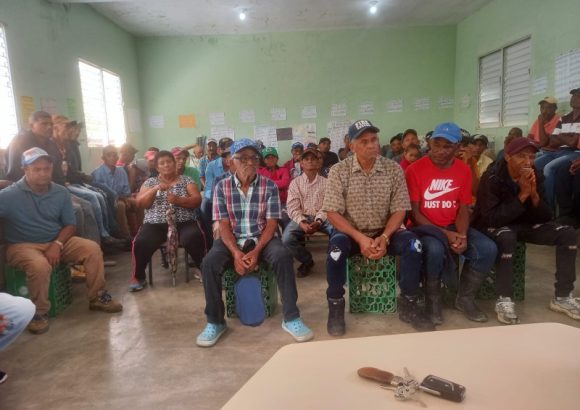
    Growing consumer demand for citrus fruits has pushed Suriname’s Ministry of Agriculture, Livestock and Fisheries (LVV) to strengthen regional agricultural support offices and launch a targeted capacity-building initiative aimed at upgrading the country’s citrus sector. The new Citrus Cultivation Training, launched as part of the IDB-funded ‘Strengthening of Citrus Production in Suriname’ project and implemented by the Fruit Tree Research Department (VBO), comes as persistent import dependence for oranges and orange juice highlights gaps in local output despite years of distributed citrus sapling sales.

    LVV Minister Mike Noersalim emphasized that the training program aligns with the ministry’s core goals: raising citrus output, improving fruit quality, and building a more sustainable local citrus industry. Unlike many short agricultural workshops, this comprehensive program runs between 12 and 18 months, matching the full growth cycle required to cultivate market-ready citrus saplings from seed. “When we successfully grow a sufficient supply of healthy saplings, we can make them available for sale to the public,” Noersalim explained, noting that while thousands of saplings have been sold in recent years, the impact on overall local production has not matched rising consumer demand. Today, Suriname still relies heavily on imported oranges and processed orange juice to meet domestic consumption needs.

    Many participants in the program are already small-scale citrus growers who have chosen to upskill to address evolving industry challenges. Noersalim pointed out that emerging crop diseases, invasive pests, and the growing impacts of climate change have created an urgent need for updated growing knowledge. “It is very encouraging that existing small-scale producers are proactively seeking out new information and techniques to adapt to these changes,” the minister added. The high turnout for the training also underscores the strong level of interest across Suriname’s agricultural community in expanding citrus production.

    Acting Director of the Directorate of Agricultural Research, Marketing and Processing Rayen Toekoen confirmed that citrus is a strategically important crop in Suriname, valued for both large-scale commercial production and small-scale household cultivation. However, the sector currently faces a range of persistent barriers, including low overall productivity, frequent disease and pest outbreaks, and limited adoption of modern, climate-adapted cultivation techniques. The training program is designed to directly address these gaps by delivering both practical skills and evidence-based technical knowledge to participating farmers and agricultural extension officers.

    The curriculum combines structured classroom learning with hands-on field training to ensure participants gain actionable skills. Theoretical modules cover topics including citrus variety identification, climate-adapted cultivation methods, and proven strategies to boost output. Practical sessions allow trainees to apply new techniques directly in growing fields, with guided practice in pruning, crop maintenance, pest and disease identification, and soil nutrient management. By equipping local producers with updated skills, LVV aims to grow domestic citrus output, reduce long-term import dependence, and build a more resilient, sustainable citrus sector for Suriname.

  • Belizean Company Eyes Sargassum as Economic Gold

    Belizean Company Eyes Sargassum as Economic Gold

    For years, thick, foul-smelling mounds of sargassum seaweed have plagued Belize’s tropical coastline, turning postcard-perfect beaches into unpleasant, unusable expanses. The invasive algae has frustrated local residents, driven away beach-going tourists, and created a persistent, costly environmental headache that has left officials and communities scrambling for long-term solutions. Now, one homegrown Belizean company is flipping the script on this persistent problem, reimagining the abundant seaweed not as hazardous waste, but as an untapped economic resource that could drive local development and solve two pressing challenges at once.

    Building Belize Better Manufacturing Co., a local startup co-founded by Gregory Lavalley, is developing innovative processes to convert harvested sargassum into two high-demand, eco-friendly products: sustainable construction blocks and nutrient-rich livestock feed. The venture addresses a gaping unmet need in Belize’s domestic construction market, Lavalley explains: currently, no local manufacturer produces eco-construction blocks at the mass scale needed to meet projected infrastructure demand across the country’s northern development corridor over the next five years. Lavalley estimates the current supply gap for construction blocks in the region ranges from 2 million to 7 million units, a shortfall that currently forces developers to rely on more expensive, carbon-heavy imported materials.

    By using locally harvested sargassum as a core input for these blocks, the company can cut production costs, reduce reliance on foreign imports, and create much-needed employment in rural coastal communities that have been hit hard by struggling fisheries this year. “This is a way for us to turn this crisis or environmental issue into a great opportunity to help with the community, build out local infrastructure, and support economic growth without having to bring in imported products,” Lavalley explained in an interview. “It’s going to bring steady labor to the rural villages, which rely heavily on the fisheries, which they’ve been kind of cut short this year. So we’re hoping that this is a great opportunity for the government as well as the community and our company to partner up and kind of figure out the best solution to how we can help with the problem.”

    If the initiative scales successfully, it will deliver widespread benefits beyond job creation and infrastructure development: it will also slash the millions of dollars Belize spends annually on sargassum cleanup operations, while turning a pollutant that damages coastal ecosystems into a revenue-generating resource. The project remains in its early stages, Lavalley notes: initial product testing is set to launch later this month, and full commercial production could be up and running within six to 12 months pending all necessary regulatory approvals. For a country grappling with a growing sargassum crisis and uneven rural economic development, the venture offers a groundbreaking, circular economy model that turns a pressing environmental problem into a catalyst for local growth.

  • Food entrepreneur opens Kira’s Cuisine in St James

    Food entrepreneur opens Kira’s Cuisine in St James

    After nearly a decade honing her skills across Barbados’ top culinary venues, veteran chef Shakira Drakes has opened her first independent food business, Kira’s Cuisine, at St. James’ Husbands Heights Park. The milestone launch of her entrepreneurial dream carried extra personal significance: it fell exactly on her daughter’s 21st birthday, a date Drakes intentionally chose to mark her own resilience and professional journey.

  • Surge in scam calls prompts CIBC customer warning

    Surge in scam calls prompts CIBC customer warning

    CIBC Caribbean, one of the leading regional financial institutions, has issued a public warning to its customer base after a sharp uptick in coordinated fraudulent schemes designed to steal sensitive personal banking information. In an official public statement released recently, the bank confirmed that multiple customers have come forward in recent days to report suspicious unsolicited communications that impersonate bank representatives.

    These fraudulent attempts have taken multiple digital and telecommunication forms, the bank confirmed. Many victims have reported receiving deceptive phone calls that display CIBC Caribbean’s official branding to appear legitimate, with callers pressuring recipients to disclose or confirm confidential account details. A number of the fake calls have been hosted through mainstream platforms including Google Meet and other popular social media apps, expanding the scammers’ reach beyond traditional phone lines. Additionally, customers have flagged deceptive phishing emails sent from addresses that closely mimic the bank’s official contact email, cibccustomer@gmail.com, designed to trick recipients into trusting the sender.

    CIBC Caribbean has made clear that all these communications are illegal fraudulent attempts, and clarified that the institution never initiates contact through these channels to request personal or sensitive banking information. The bank is urging all customers to exercise extreme caution and avoid any engagement with individuals who reach out unexpectedly asking for account details.

    For customers who encounter suspicious activity, the bank has outlined clear reporting steps: affected or concerned users should immediately forward details of the interaction, including a screenshot of the call or message, to the bank’s dedicated Fraud Team at fraud@cibccaribbean.com. Customers who have already shared confidential information with scammers are advised to reach out to the bank directly using the official customer service phone number printed on the back of their CIBC Caribbean debit or credit card, to allow for rapid account protection measures.

    To help customers distinguish legitimate communications from scams, the bank reaffirmed that its official representatives will never contact customers through social media, text message, email or unsolicited phone calls to request that they download third-party remote desktop applications, click unrecognized links, or share any sensitive personal information. This ban covers all high-risk confidential data, including one-time verification codes, personal identification numbers (PINs), full card numbers, CVV security codes, card expiration dates, personal email addresses, account passwords and online banking login credentials.

    While the financial institution emphasized that it maintains robust, industry-leading security systems to defend customer accounts against fraud, it noted that collective vigilance is critical to preventing successful scams. CIBC Caribbean reaffirmed its ongoing commitment to protecting customer assets and personal data, and called on all account holders to remain cautious to keep their information and accounts secure.

  • LIAT Air Launches Direct Antigua-Guadeloupe Service

    LIAT Air Launches Direct Antigua-Guadeloupe Service

    Caribbean-based regional carrier LIAT Air has marked a key milestone in its network expansion strategy with the launch of its first-ever nonstop service connecting Antigua and Guadeloupe, a move set to strengthen travel links across the Caribbean archipelago and open up new opportunities for both leisure and business travelers. The new cross-regional route officially entered operation on Friday, with the maiden direct flight taking off from V.C. Bird International Airport in Antigua promptly at 8 a.m., according to the airline’s official announcement. Going forward, the service will maintain a consistent twice-weekly schedule, giving travelers a reliable new option to move between the two popular Caribbean destinations. Beyond just adding a new flight route, the introduction of this direct connection eliminates the need for inconvenient layovers at intermediate Caribbean hubs that travelers previously had to rely on to travel between Antigua and Guadeloupe. “Passengers can now enjoy direct flights between Antigua and Guadeloupe two times a week, opening the door for seamless business travel, weekend escapes, cultural exchange, and unforgettable Caribbean adventures,” the airline stated in a press release outlining the new service. The launch of this route is part of LIAT Air’s broader push to rebuild and expand its regional network following a period of restructuring, with the carrier aiming to reconnect key tourism and business hubs across the Caribbean that have long lacked convenient direct air links. In closing, LIAT Air extended its gratitude to its loyal passenger base, regional industry partners, and community supporters who have stood by the airline throughout its growth journey, enabling the company to continue rolling out new connectivity options across the Caribbean region. Industry analysts note that the new route is expected to bring tangible benefits to both destinations, boosting cross-border tourism, supporting small business trade across the islands, and making it easier for local communities to maintain personal and professional connections across the Caribbean Sea.

  • Dredging Barge Arrives in Antigua for Crabbs Peninsula Energy Project

    Dredging Barge Arrives in Antigua for Crabbs Peninsula Energy Project

    The long-awaited dredging barge tasked with supporting major coastal preparations for the Crabbs Peninsula energy project has arrived at Antigua’s St. John’s Harbor, marking a key milestone in the country’s ambitious plan to expand its renewable energy capacity and upgrade national energy infrastructure.

    Project officials confirmed that the 120-meter coastal dredging vessel reached its destination early Wednesday morning, after a two-week voyage from its previous deployment in Trinidad and Tobago. Over the next 12 weeks, the barge and its on-site crew will carry out extensive seabed dredging work along the 2.5-kilometer coastline adjacent to the project site. The work is designed to deepen coastal channels, clear sediment buildup, and prepare the seabed for the installation of undersea cables and onshore construction access routes that will support a new 70-megawatt solar-wind hybrid energy facility.

    The Crabbs Peninsula energy project, a joint initiative between the Antiguan government and a regional renewable energy developer, is projected to meet nearly 40 percent of Antigua and Barbuda’s total domestic electricity demand once completed. It is also expected to create over 200 local construction jobs and reduce the country’s reliance on imported fossil fuels, which currently account for more than 90 percent of its energy generation.

    Project manager Carlos Mendez told reporters on Thursday that the timely arrival of the dredging barge keeps the entire project on track for its scheduled completion in late 2025. “This is more than just an energy project; it’s a foundational step for Antigua and Barbuda’s transition to cleaner, more affordable energy independence,” Mendez said. “The dredging work we’re about to undertake eliminates a major bottleneck for the rest of construction, so we’re pleased to be moving forward as planned.”

    Local business leaders have welcomed the development, noting that the project’s infrastructure upgrades will also open new opportunities for coastal tourism development along the Crabbs Peninsula. Environmental monitoring teams have already been deployed to the area to ensure dredging activities comply with regional marine protection standards, with measures in place to minimize disruption to local coral reef systems and fish populations.