For years, thick, foul-smelling mounds of sargassum seaweed have plagued Belize’s tropical coastline, turning postcard-perfect beaches into unpleasant, unusable expanses. The invasive algae has frustrated local residents, driven away beach-going tourists, and created a persistent, costly environmental headache that has left officials and communities scrambling for long-term solutions. Now, one homegrown Belizean company is flipping the script on this persistent problem, reimagining the abundant seaweed not as hazardous waste, but as an untapped economic resource that could drive local development and solve two pressing challenges at once.
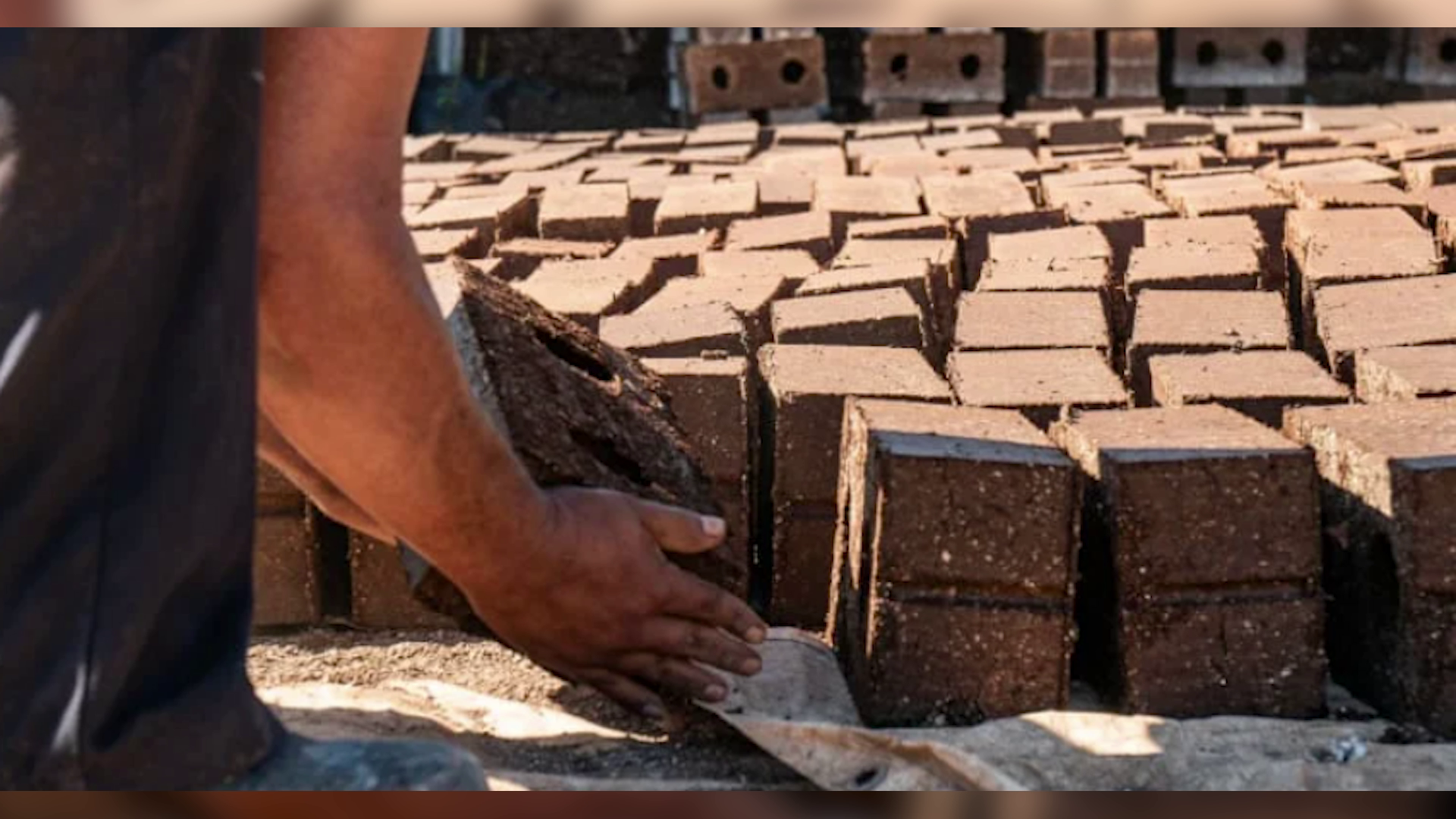
Building Belize Better Manufacturing Co., a local startup co-founded by Gregory Lavalley, is developing innovative processes to convert harvested sargassum into two high-demand, eco-friendly products: sustainable construction blocks and nutrient-rich livestock feed. The venture addresses a gaping unmet need in Belize’s domestic construction market, Lavalley explains: currently, no local manufacturer produces eco-construction blocks at the mass scale needed to meet projected infrastructure demand across the country’s northern development corridor over the next five years. Lavalley estimates the current supply gap for construction blocks in the region ranges from 2 million to 7 million units, a shortfall that currently forces developers to rely on more expensive, carbon-heavy imported materials.
By using locally harvested sargassum as a core input for these blocks, the company can cut production costs, reduce reliance on foreign imports, and create much-needed employment in rural coastal communities that have been hit hard by struggling fisheries this year. “This is a way for us to turn this crisis or environmental issue into a great opportunity to help with the community, build out local infrastructure, and support economic growth without having to bring in imported products,” Lavalley explained in an interview. “It’s going to bring steady labor to the rural villages, which rely heavily on the fisheries, which they’ve been kind of cut short this year. So we’re hoping that this is a great opportunity for the government as well as the community and our company to partner up and kind of figure out the best solution to how we can help with the problem.”
If the initiative scales successfully, it will deliver widespread benefits beyond job creation and infrastructure development: it will also slash the millions of dollars Belize spends annually on sargassum cleanup operations, while turning a pollutant that damages coastal ecosystems into a revenue-generating resource. The project remains in its early stages, Lavalley notes: initial product testing is set to launch later this month, and full commercial production could be up and running within six to 12 months pending all necessary regulatory approvals. For a country grappling with a growing sargassum crisis and uneven rural economic development, the venture offers a groundbreaking, circular economy model that turns a pressing environmental problem into a catalyst for local growth.