分类: business

  • New trade order?

    New trade order?

    Against a backdrop of rising geopolitical instability and interconnected global markets, India’s Foreign Affairs Minister Dr. Subrahmanyam Jaishankar has delivered a clear call to action for Jamaican business leaders: expand into new markets and build diversified supply chains, as shifting political landscapes continue to upend long-standing global trade patterns.

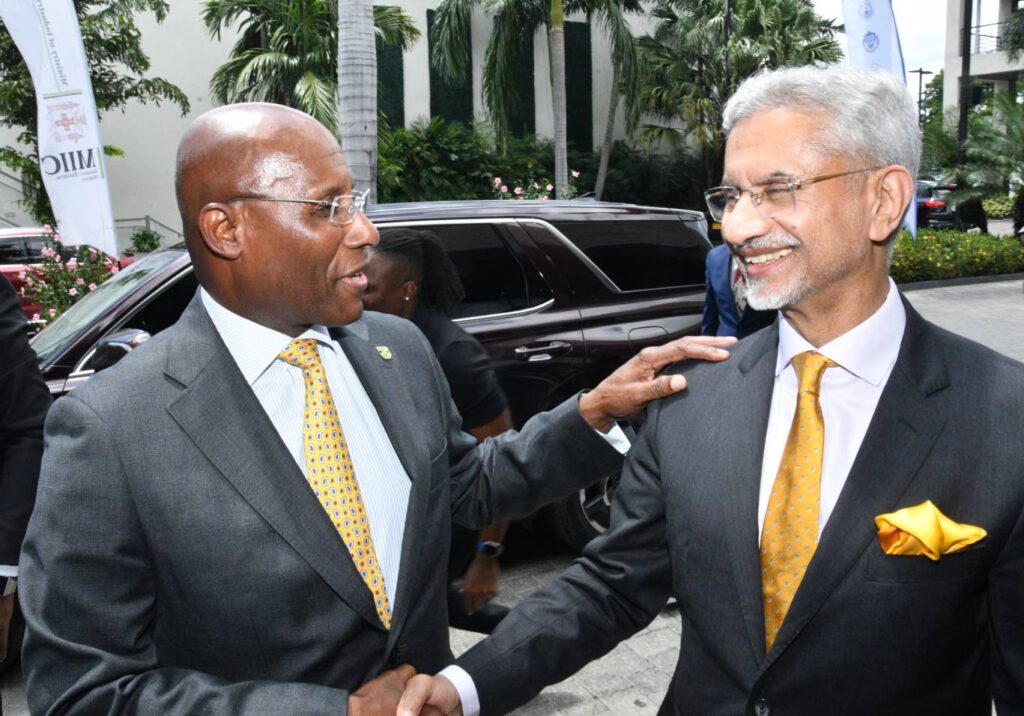
    Jaishankar shared his insights during a Monday ministerial luncheon hosted by Jamaica’s Ministry of Industry, Investment and Commerce at Kingston’s AC Hotel, where he framed modern commerce as inherently tied to global political dynamics. He emphasized that businesses can no longer afford to operate ignoring cross-border spillover effects from global crises, pointing to three major recent disruptions that have reshaped international trade: the COVID-19 pandemic, the ongoing Russia-Ukraine conflict, and escalating tensions in the Middle East.

    “In our deeply globalized world, any crisis or conflict anywhere carries global consequences,” Jaishankar explained. “Thousands of miles can separate us from a conflict zone, but events there still shape energy prices, drive global inflation, impact national fiscal deficits, and even threaten political stability in smaller nations, as we saw after the invasion of Ukraine.”

    The minister noted that years of repeated trade disruptions have laid bare the critical risks of overreliance on a narrow set of traditional supply routes and trading partners, a risk amplified by growing global trends toward economic nationalism and domestic protectionism.

    “The COVID-19 pandemic proved that supply chain reliability cannot be taken for granted,” he said. “Years of volatile tariff policy have also shown that market access is not guaranteed. At the same time, rapid technological advancement has opened new pathways for business growth and new global partnerships. Just as we see the global political order shifting, a parallel transformation is underway in global commerce. Every nation is now actively seeking new, alternative trading partners.”

    Against this shifting landscape, Jaishankar encouraged Jamaican and Caribbean businesses to broaden their strategic outlook and carve out new positions in a rapidly evolving global economy, where nations across the world are prioritizing the development of alternative, more resilient trade networks.

    “In today’s uncertain world, the key question is how we build more strategic options, how we expand our partnerships, how we diversify our connections,” he said. “This is the same advice I give to Indian businesses: go out, explore new markets, leverage regional hubs, pursue nearshoring opportunities. You cannot afford to limit your operations to your home market in this new climate.”

    To illustrate his point, Jaishankar shared India’s own recent experience adapting to supply chain disruption. When conflict in the Gulf region threatened critical liquefied petroleum gas (LPG) supplies— a primary cooking fuel for hundreds of millions of Indian households— via the Strait of Hormuz, New Delhi was forced to rapidly secure alternative suppliers. That scramble ultimately opened new, durable trade opportunities with partners across Latin America and the Caribbean, Jaishankar said.

    “Ten years ago, we would never have considered this region as a major LPG supplier, and the economic logistics would have been far too prohibitive anyway,” he noted.

    He also highlighted the fast-growing commercial ties between India and the broader Latin American and Caribbean region, where annual bilateral trade now nears $50 billion and continues to climb year over year.

    Jaishankar added that major advancements in global logistics, infrastructure development, and digital technology have dramatically eroded the barriers that geography once created for small and mid-sized economies. This shift opens unprecedented new opportunities for nations like Jamaica to deepen bilateral trade and investment links with major global economies like India, he said.

    He pointed to India’s own massive recent infrastructure expansion— including new interstate highways, expanded airports, and upgraded national rail networks— alongside its booming digital economy as proof of the country’s growing competitiveness and capacity to expand global commercial partnerships.

    As India continues to establish itself as a leading global economic power, Jaishankar confirmed that the country is eager to strengthen trade and investment ties with Jamaica and the wider Caribbean. Both regions stand to benefit from searching out new opportunities to offset global uncertainty, he said.

    “I know Jamaica has a great deal to offer, from its strategic geographic location to its growing domestic demand, to its ongoing post-pandemic recovery and national modernization agenda,” Jaishankar told gathered business leaders. “I am confident that across a wide range of sectors, we will see Indian companies, Indian expertise, and Indian innovation expand their presence here far more than ever before. I urge you to explore the mutual opportunities this new partnership can deliver.”


  • ‘A life well lived’: Friends, colleagues remember Dhiru Tanna’s quiet impact

    ‘A life well lived’: Friends, colleagues remember Dhiru Tanna’s quiet impact

    On April 27, more than 40 corporate directors, alongside close friends and long-time colleagues, convened at the Jamaica National Group (JN Group) headquarters to celebrate and pay tribute to the life and legacy of Dr. Dhiru Tanna, the organization’s late deputy chairman. Dr. Tanna passed away on April 14 at the age of 82, leaving behind a decades-long legacy of leadership that spanned business, public service and academia. The memorial gathering drew a roster of prominent figures from across Jamaica’s private and public sectors, including former Jamaica Olympic Association president Michael Fennell, attorney-at-law Monica Ladd, Blue Power Group chairman Jeffrey Hall, JN Group director and Office of the Prime Minister Permanent Secretary Ambassador Rocky Meade, former Cabinet Secretary Dr. Carlton Davis, Wisynco Group chairman William Mahfood, and retired KPMG managing partner Tarun Handa.

    In the solemn, intimate gathering, attendees reflected on the profound, far-reaching impact Dr. Tanna had on both the JN Group and the wider Jamaican community. Consistent themes emerged from every tribute: widespread admiration for Dr. Tanna’s sharp intellectual depth, unflappable judgment, and rare humility that shaped organizational decisions and nurtured generations of leaders over his decades of service. Tributes painted a portrait of a leader who mastered strategic planning, corporate governance, and people management, and who remained deeply committed to the core mission and inclusive culture of the JN Group. To those who served alongside him, Dr. Tanna was far more than an executive: he was a trusted mentor, a confidant, and a dedicated Jamaican patriot whose quiet wisdom carried unmatched weight in every discussion.

    Elizabeth Ann Jones, current chairman of the JN Group, recalled her first introduction to Dr. Tanna in Jamaica’s private sector, where she immediately recognized his extraordinary breadth of knowledge and sharp business acumen. Later, when the two served together on the board of the Jamaica National Building Society, Jones came to rely on Dr. Tanna as the consistent voice of reason amid tense board deliberations. “He was a steady presence who shared his knowledge, expertise and foresight during countless board discussions,” Jones noted.

    Earl Jarrett, JN Group chief executive officer, who collaborated with Dr. Tanna for more than 30 years, shared how he repeatedly benefited from Dr. Tanna’s thoughtful guidance over the decades. Jarrett described Dr. Tanna as a true polymath whose leadership extended across multiple Jamaican industries, noting that his unique abilities and forward-thinking vision helped numerous organizations navigate periods of transition and expansion. Colleagues across sectors regularly turned to Dr. Tanna for his broad range of knowledge and balanced perspective, Jarrett added.

    Longtime JN Group board member Peter Morris shared that he admired Dr. Tanna’s intellect and business sense from their very first meeting. Morris recalled that Dr. Tanna carried himself with quiet authority, balancing a deep commitment to delivering meaningful value and exceptional customer experiences for JN members with a relentless insistence on the operational discipline required to run an efficient, sustainable and profitable business. To Morris, Dr. Tanna was an elder statesman of the board and an invaluable mentor to many rising leaders, including himself.

    Parris Lyew-Ayee, chairman of the JN Foundation, highlighted another core trait that set Dr. Tanna apart: his deep respect for all people and their differing beliefs. A practicing Hindu, Dr. Tanna consistently encouraged fellow leaders to ground their own decisions in their personal values, rather than imposing his beliefs on others. Lyew-Ayee noted that Dr. Tanna’s sharp intellect, meticulous attention to detail, and calm confidence set him apart from the earliest days of his career. “He always seemed to be several steps ahead, quietly analysing, guiding and shaping outcomes with wisdom and clarity,” Lyew-Ayee said.

    Michael Fennell echoed these sentiments, describing Dr. Tanna as a man of quiet brilliance whose full depth was often only visible to those who had the privilege of working closely with him. Fennell emphasized that Dr. Tanna was an exceptional individual who carried his many accomplishments with profound humility, never seeking attention or praise, but leaving a lasting impact through his actions and his mentorship of young professionals. “[A] fantastic individual in every way, so unassuming, not pretentious in any way,” Fennell said. He added that Dr. Tanna’s greatest strength lay not just in what he knew, but in how carefully and thoughtfully he shared his knowledge with others.

    Former Cabinet Secretary Dr. Carlton Davis framed Dr. Tanna as an exceptional Jamaican whose intellect, humility, and wide-ranging contributions left an indelible mark on the entire nation. Davis noted that Dr. Tanna could not be confined to any single professional role: he excelled equally as an academic, a leading business executive, and a dedicated public servant. “He was a remarkable gift to Jamaica,” Dr. Davis said, adding that the country benefited immeasurably from Dr. Tanna’s choice to make Jamaica his permanent home.

    Keith Senior, assistant general manager at the JN Group, captured the deep personal and professional influence Dr. Tanna had on staff across all levels of the organization, saying he left “fingerprints on our souls.” Senior reflected on the widespread respect and admiration Dr. Tanna inspired across the company, noting that memories of him have become treasured keepsakes for colleagues. “There are people who simply pass through life, and then there are those who leave an indelible mark. Dhiru was one of those,” Senior said, portraying him as a towering figure whose influence stretched far beyond the walls of the boardroom.

    Dr. Laura Tanna, Dr. Tanna’s widow, offered a heartfelt note of gratitude to attendees for the outpouring of tributes to her late husband. She shared that hearing stories of his mentorship, friendship, and professional impact brought her renewed comfort during her time of grief, adding that the remarks from attendees revealed new dimensions of her husband’s life that she had not always witnessed firsthand. “Hearing how he has mentored people, hearing the stories of your friendship, it means a great deal to me,” she said.

  • Belize hosts sustainable tourism conference, concludes with regional awards ceremony

    Belize hosts sustainable tourism conference, concludes with regional awards ceremony

    Last week, one of the Caribbean’s most influential annual tourism industry gatherings came to a close on a note of collective optimism in San Pedro, Belize’s Ambergris Caye, after five days of robust collaboration and strategic exchange between regional and global tourism leaders.

    Organized around the forward-looking theme “Tourism in Full Color: Integrating Blue, Green, Orange and Beyond Economies into Sustainable Planning and Development”, the 2026 Sustainable Tourism Conference (STC 2026) brought together a diverse cross-section of tourism stakeholders from 30 countries around the world between April 26 and 30. Co-hosted by the Belize Tourism Board and the country’s Ministry of Tourism, Youth, Sports and Diaspora Relations, the event was designed as an open space for innovative thinking, cross-sector partnership, and solution-focused dialogue focused on shaping the future of travel across the Caribbean.

    The 350-plus delegates in attendance spanned every corner of the tourism ecosystem, from cabinet ministers and national tourism directors to senior policymakers, private sector investors, non-profit leaders, climate and sustainability researchers, and tourism students. Discussions centered on the most pressing challenges and transformative opportunities facing Caribbean tourism today: building climate resilience to protect vulnerable coastal destinations, safeguarding unique Indigenous and local cultural heritage for future generations, expanding economic empowerment for marginalized coastal communities, and unlocking accessible financing to scale up sustainable development projects across the region.

    Unlike traditional industry conferences that rely solely on closed-door panel discussions, STC 2026 blended high-level strategic dialogues with immersive on-site experiences. Delegates took part in hands-on field visits to Belize’s most iconic natural and cultural attractions, allowing them to see first-hand how community-led sustainability models work in practice, and connect abstract policy goals to on-the-ground impact. Throughout the entire event, a unifying message resonated across all sessions: the Caribbean region does not only hold the bold vision needed to reimagine global sustainable tourism — it already possesses the practical tools and local expertise needed to lead the world in this transition.

    Central to the conference’s “full color economy” framework was the focus on integrating interconnected economic sectors that drive inclusive, sustainable growth. Participants broke down silos between the blue (ocean-based), green (environmental), orange (cultural and creative), yellow (small business), purple (gender equity), silver (senior tourism), and black (Indigenous and Black diaspora-led) economies to develop concrete, actionable strategies that prioritize people and the planet alongside profit. A core priority throughout the event was turning idea-sharing into tangible progress, with a shared emphasis on cross-border partnership, effective on-the-ground implementation, and measurable, trackable sustainability outcomes.

    The conference concluded with the Caribbean Tourism Organization’s annual Sustainable Tourism Awards Ceremony, an event that celebrates outstanding environmental stewardship and sustainable innovation across the Caribbean region. The awards recognize excellence across four core categories: Excellence in Sustainable Tourism, Destination Stewardship and Resilience, Community-Based Tourism, and Regenerative Tourism. In a highlight moment for the host nation, Belize’s Turneffe Flats took home the top honor in the prestigious Excellence in Sustainable Tourism category.

    STC 2026 was held at Belize’s Grand Caribe and Sunset Caribe resorts, and marks a key milestone in the Caribbean’s collective push to position the region as a global leader in equitable, regenerative tourism development.

  • ‘NGC part of all cross-border talks’

    ‘NGC part of all cross-border talks’

    A week of rapid diplomatic and commercial developments in cross-border energy cooperation between Trinidad and Tobago and Venezuela has clarified the role of the National Gas Company of Trinidad and Tobago (NGC), with Chairman Gerald Ramdeen confirming that the state-owned entity is a core partner in every cross-border natural gas exploration and development agreement active in Venezuelan waters.

    Ramdeen made the remarks Friday during a gas supply agreement signing ceremony hosted at Port of Spain’s Hyatt Regency, addressing widespread public interest sparked by Thursday’s formalization of a strategic partnership between British energy giant BP and Venezuela’s acting President Delcy Rodriguez. He told reporters that technical discussions between BP’s London-based leadership team had already advanced to advanced stages by Wednesday, focused specifically on the cross-border Manakin-Cocuina field, adding he was legally barred from disclosing further confidential details of the ongoing negotiations.

    Despite public speculation and conflicting commentary around the projects, Ramdeen emphasized that development work for three key assets — Dragon, Manakin-Cocuina and Loran-Manatee — is progressing at maximum speed, with the shared goal of delivering gas to Trinidad and Tobago’s processing infrastructure as quickly as possible. He confirmed that NGC is partnering on all three projects alongside BP Trinidad and Tobago (bpTT) and global energy major Shell.

    Addressing competition for rights to the Loran field from other market players, Ramdeen asserted that all cross-border gas from the region must ultimately flow to Trinidad and Tobago for commercialization. “No part of these gas reserves can be turned into marketable product without access to Trinidad and Tobago’s infrastructure. That is the only existing facility in the region capable of monetizing these resources, so all parties have no choice but to route development through our country,” he explained.

    One major barrier to the projects had been the revocation of U.S. Office of Foreign Assets Control (OFAC) specific licenses for the Dragon and Manakin-Cocuina initiatives, but Ramdeen noted that a broader general license has since been issued that permits all market participants to pursue operations in Venezuela. He added that this updated regulatory framework came about in large part due to advocacy from NGC: when the first round of general licenses was issued, only a small set of pre-named entities were permitted to conduct energy business in Venezuela, a restriction that has since been lifted to cover all qualified players.

    When asked about the upcoming government-led negotiation delegation to Caracas, Ramdeen confirmed that the Ministry of Foreign and Caricom Affairs holds full oversight of the diplomatic process, and that he has not yet been invited to join the delegation by Minister Sean Sobers. He stressed that from NGC’s operational perspective, technical work is moving forward without delay, with joint teams from the Ministry of Energy, NGC and each project partner already advancing exploration and planning. Ramdeen predicted that tangible progress on the projects will become publicly visible in the coming weeks and months, demonstrating how much work has already been completed behind the scenes.

    He added that NGC holds daily and weekly discussions with all joint venture partners involved in cross-border gas projects, including the Dragon field, which is located within Venezuelan territorial waters. “These cross-border reserves deliver mutual benefits to both the people of Venezuela and the people of Trinidad and Tobago. NGC, working alongside the Ministry of Energy, the government and Cabinet under the leadership of the Prime Minister, is prioritizing bringing these resources to market as quickly as possible on the most favorable terms for all stakeholders,” Ramdeen said.

    The NGC chairman also addressed ongoing confidential talks with Canadian fertilizer giant Nutrien, noting that negotiations have reached a critical juncture. He declined to share additional details to avoid creating unsupported public expectations, while confirming that discussions have proceeded positively to date. Ramdeen did, however, raise concerns over a breach of confidentiality: unapproved public statements about the talks, which did not come from either NGC or Nutrien, have disrupted the process, as both parties have committed to negotiating in a confidential environment to advance discussions effectively.

    The Energy Chamber of Trinidad and Tobago later confirmed in an official release that BP and Venezuela had formally signed the strategic cooperation memorandum of understanding to develop the Cocuina-Manakin field. The agreement aims to leverage BP’s advanced technical expertise to unlock large natural gas reserves on Venezuela’s Deltana Platform, a development that is expected to strengthen Venezuela’s long-term energy independence and boost its role as a key regional energy supplier.

    The Cocuina portion of the field, part of the currently inactive Deltana Platform project on the Venezuelan side, extends across the maritime border into Trinidadian waters, where a BP subsidiary already operates the asset as Block 5b. In the announcement, Rodriguez framed the agreement as opening a new chapter in Venezuela’s diplomatic and commercial relations with the international community, marking the reopening of a BP representative office in Caracas that will be led by a Venezuelan national.

    “BP’s return is a clear demonstration of the future we aim to forge for Venezuela and its international energy relations,” Rodriguez said, calling for mutually beneficial cooperation to drive development and improve living standards for the Venezuelan people. The agreement is part of a broader trend of Venezuela reopening its oil and gas sector to foreign investment: in recent months, the country has signed new exploration and development deals with other major international energy firms, including Italy’s Eni and Spain’s Repsol.

    Reuters also reported that BP’s Executive Vice President for Gas and Low Carbon Energy William Lin confirmed the company is eager to partner with Venezuela on exploration of the Loran area, as well as other initiatives including gas commercialization. Global energy major Shell has also publicly confirmed its interest in developing the Loran field.

  • Hormuz-conflict houdt olieprijzen stevig boven $100

    Hormuz-conflict houdt olieprijzen stevig boven $100

    Global oil prices edged lower in early trading on Monday, driven by a new announcement from former U.S. President Donald Trump outlining planned American military action to free commercial vessels detained in the strategic Strait of Hormuz. Even with this pledge of intervention, persistent uncertainty around stalled U.S.-Iran peace talks has kept upward pressure on prices, leaving benchmarks holding firmly above the $100 per barrel threshold.

    Brent crude futures fell 64 cents, a 0.59% drop, to settle at $107.53 per barrel, while U.S. West Texas Intermediate (WTI) crude declined 84 cents, or 0.82%, to hit $101.10 per barrel. Both benchmarks already recorded significant losses in trading on the prior Friday, extending a period of volatile price swings tied to Middle East geopolitics.

    In a post to his Truth Social platform on Sunday, Trump stated that the U.S. has committed to escorting vessels from other nations safely through the narrow waterway, allowing commercial shipping traffic to resume unimpeded. “For the good of Iran, the Middle East, and the United States, we will provide this escort protection,” Trump wrote in the post.

    Despite Trump’s public statement, regional geopolitical tensions remain elevated. Negotiations between Washington and Tehran have hit repeated snags, with both sides refusing to back away from their core non-negotiable positions. While Trump has prioritized reaching a new nuclear deal with the Iranian government as a top policy goal, Tehran has proposed setting nuclear discussions aside temporarily until the ongoing regional conflict ends and blockades in the Persian Gulf are lifted.

    In a separate development over the weekend, OPEC+ announced it would raise collective oil production targets for June, with seven member nations set to add a combined 188,000 barrels per day to global output. This marks the third consecutive month of production increases from the alliance, though the planned hike was scaled back slightly following the United Arab Emirates’ withdrawal from OPEC earlier this year. Even with the announced target increase, actual growth in global oil supply remains constrained by the ongoing conflict in the region and persistent shipping disruptions in the Strait of Hormuz, a chokepoint through which roughly 20% of global oil supplies pass each day.

  • Karg: Chinese vissersschepen via Guyana vormen gevaar voor Suriname

    Karg: Chinese vissersschepen via Guyana vormen gevaar voor Suriname

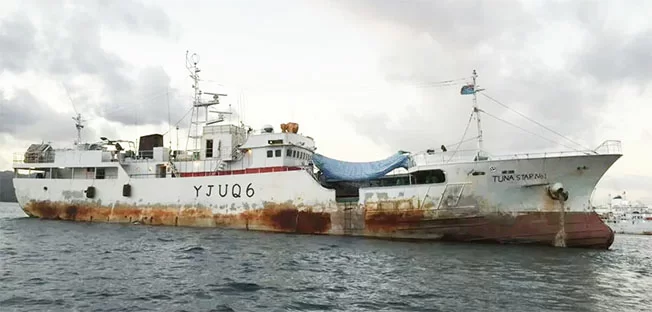
    A looming permit application from a Sino-Guyanese seafood enterprise is sparking urgent warnings across the South American fishing industry, with top Surinamese fisheries officials calling for immediate coordinated action to protect dwindling regional fish stocks. Udo Karg, who leads both the Suriname Seafood Association as chairman and SUVVEB N.V. as chief executive officer, has sounded the alarm that approving Grandeast Seafood Inc.’s request to operate six additional commercial fishing vessels in Guyana’s waters would deliver severe, lasting harm to fishing communities in both Guyana and neighboring Suriname.

    Grandeast Seafood, a joint venture subsidiary of China’s Hong Dong Fisheries Co. Ltd., has been active in Guyana since 2018, when it poured roughly $20 million into constructing a modern seafood processing facility in the country. According to local Guyanese outlet Kaieteur News, the company argues that inconsistent supplies of finfish and shrimp have capped its processing facility’s output, so adding six company-owned fishing vessels is necessary to stabilize raw material inputs for its operations. The permit application is currently under review by Guyana’s relevant regulatory authorities.

    But Karg pushes back against this justification, pointing to long-standing overexploitation of fish populations across Guyana’s exclusive economic zone that already puts regional stocks at risk of collapse. He cites the Spawning Potential Ratio (SPR), an internationally recognized scientific metric that measures a fish population’s ability to replenish itself under current fishing pressure. A 40% SPR is widely accepted as the minimum threshold for a sustainable, healthy fishery, Karg explains.

    Per Karg’s analysis, the cumulative pressure of overfishing and unregulated cross-border illegal fishing has already pushed regional stocks to dangerous levels. Suriname’s current SPR sits only 15 percentage points above the 40% minimum threshold, while Guyana’s own SPR has languished between 20 and 30 percentage points below that critical sustainability mark for years. That gap, Karg argues, makes clear that Guyana’s waters cannot even support its existing domestic fishing fleet at a commercially and environmentally responsible level. Granting six new commercial fishing permits would only compound the crisis.

    “This means simply that there is not enough fish to let their additional vessels operate in a commercially responsible way,” Karg told local Surinamese outlet Starnieuws. He added that approving the application would deal a heavy blow to Guyana’s local fishing community, while also generating immediate negative spillover effects for Suriname. Unregulated fishing from overcapacity fleets in Guyana routinely pushes across the shared maritime border into Surinamese waters, he noted, so additional vessels in Guyana would only worsen illegal poaching of Suriname’s already strained fish stocks.

    Karg draws a parallel to a previous episode during the administration of former Surinamese President Desi Bouterse, when the Surinamese fishing sector successfully blocked a similar proposal to allow foreign-owned fishing vessels to operate in its waters. “Now they are trying again, but this time through Guyana,” he said. As a member state of the Caribbean Regional Fisheries Mechanism, Karg says Suriname has a formal responsibility to lodge an official objection to any proposal that would further deplete already overstressed regional fish stocks, and should take that step immediately as the permit application moves forward.

  • Digicel Haiti celebrates 20 years of presence alongside Haitians

    Digicel Haiti celebrates 20 years of presence alongside Haitians

    In 2026, telecommunications provider Digicel Haiti is celebrating two decades of continuous service and partnership with communities across the country, marking a milestone defined by shared resilience, mutual trust, and long-term commitment to national development.

    Jean-Philippe Brun, Chief Executive Officer of Digicel Haiti, outlined the company’s 20-year journey in an official press release, emphasizing that the anniversary is as much a tribute to customers, employees, and local partners as it is a celebration of corporate achievement. “Two decades driven by unwavering commitment, made possible above all by the trust of our customers, partners, and communities, and the steadfast dedication of our employees,” Brun stated.

    Since the company first launched its operations in Haiti in 2006, its core mission has never shifted: to connect Haitian people across regions and expand access to economic and social opportunities that improve quality of life. Brun stressed that this two-decade legacy extends far beyond building telecommunications infrastructure. It is, at its core, a story of deep human connection, collective resilience, and lasting partnerships forged alongside Haitian communities through every high and low.

    Over the past 20 years, Digicel Haiti has stood with the Haitian people through both moments of celebration and periods of profound crisis. The company has been a core supporter of local cultural life, sponsoring beloved national traditions including Carnival, football competitions, and the popular Artisanat en Fête crafts festival that highlights local creators. When crisis has struck, from the devastating 2010 earthquake to destructive hurricanes and repeated periods of national instability, Digicel Haiti’s on-the-ground teams have remained mobilized to support communities and maintain critical connectivity.

    This commitment to public good is institutionalized through the Digicel Foundation, which has delivered large-scale, impact-focused educational programs and community development projects across the country. These initiatives have opened new pathways for Haitian young people and marginalized communities, delivering tangible hope and opportunity where it is most needed.

    Brun acknowledged that the past two decades have brought significant, unforeseen challenges, and company leadership remains fully aware of the ongoing difficulties facing Haitian society. Through every turning point, however, one constant has endured: the trust that Haitian customers, partners and communities have placed in Digicel Haiti. That trust, Brun noted, has been the driving force behind the company’s constant efforts to upgrade services, innovate its offerings, and move forward with purpose even in the most difficult contexts.

    “For 20 years, Digicel has been part of the daily lives of Haitians. This relationship is built on trust; a trust we never take for granted,” Brun said. “It compels us to do better every day, to stay close to our customers, and to continue playing a vital role in the country’s development. These 20 years are yours, and our commitment to the future remains unwavering.”

    As the company kicks off its anniversary celebrations, Brun extended the company’s deepest gratitude to all those who made its 20-year journey possible. “Thank you for being part of this story. Thank you for continuing to inspire us to do even better. Let’s continue to build connections that matter. Together,” he said.

  • OPEC+ verhoogt olieproductie, maar impact blijft beperkt door conflict

    OPEC+ verhoogt olieproductie, maar impact blijft beperkt door conflict

    Global energy markets are facing unprecedented disruption after OPEC+ member states greenlit a modest third consecutive monthly oil production increase for June, with the move’s real-world impact largely muted by the ongoing closure of the strategic Strait of Hormuz amid the Iran conflict.

    During an online meeting held Sunday, seven OPEC+ nations — including Saudi Arabia, Iraq, Kuwait, Algeria, Kazakhstan, Russia, and Oman — agreed to lift their collective production quotas by 188,000 barrels per day. This matches the size of the quota increase implemented in May, and the calculation excludes the United Arab Emirates (UAE), which withdrew from the OPEC+ production agreement starting May 1.

    Industry analysts and OPEC+ insiders frame the decision as largely a symbolic signal of the bloc’s readiness to ramp up output once the regional conflict is resolved. Jorge Leon, a senior analyst at Rystad Energy and a former OPEC official, noted that the move delivers a dual message: the alliance remains stable despite the UAE’s departure, and it retains policy control even when physical production capacity is constrained.

    In practice, actual current production across many key member states already falls far below the newly adjusted quotas. For example, Saudi Arabia produced just 7.76 million barrels per day in March, while its new June quota is set at 10.291 million barrels per day.

    The root cause of this production gap is the ongoing closure of the Strait of Hormuz, which has been in place since the Iran conflict broke out on February 28. The waterway is a critical chokepoint for global oil trade, and its closure has severely restricted export capabilities for major OPEC+ producers including Saudi Arabia, Iraq, Kuwait, and even the non-bloc UAE, leaving almost no room to bring additional volumes of crude to international markets.

    Energy experts across the Gulf region and global oil trading community warn that even if the Strait of Hormuz reopens immediately, it will take anywhere from weeks to months for global oil supply chains to return to normal operations.

    The ongoing supply disruption has already driven benchmark crude oil prices to a four-year high above $125 per barrel. Analysts have issued urgent warnings that the market could face a jet fuel shortage within one to two months, and that sustained high energy prices will push global inflation even higher in coming months.

    Official OPEC data shows that total combined production across all OPEC+ members averaged just 35.06 million barrels per day in March, representing a drop of 7.7 million barrels per day compared to February levels. Iraq and Saudi Arabia recorded the largest production cuts, directly driven by export restrictions tied to the strait closure.

    The seven member states that participated in Sunday’s meeting have scheduled their next gathering for June 7, when they will re-evaluate the market and geopolitical situation and consider potential further policy adjustments.

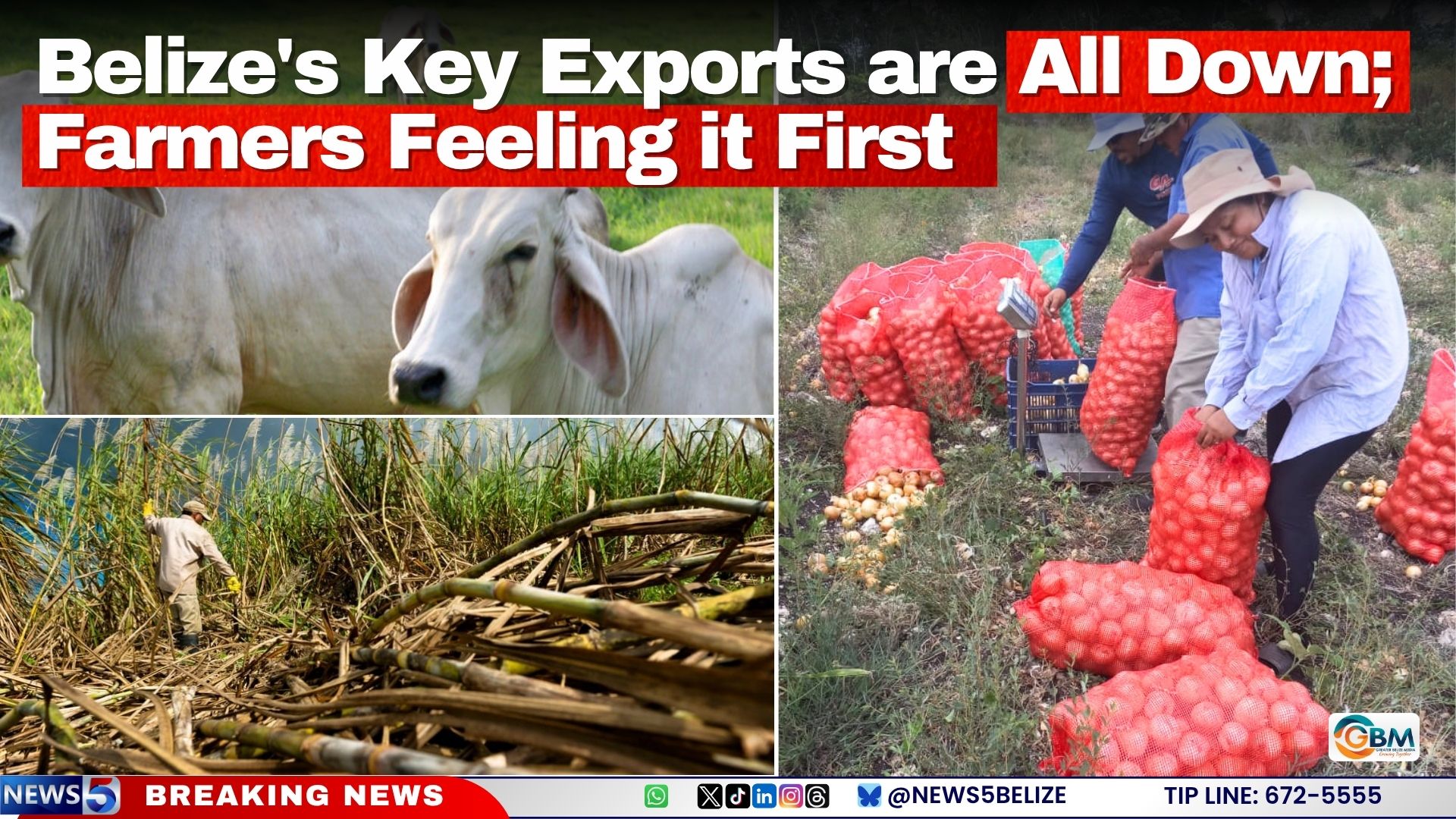
  • Belize’s Key Exports are All Down; Farmers Feeling it First

    Belize’s Key Exports are All Down; Farmers Feeling it First

    New trade data released by Belize’s official statistics agency reveals a stark widening of the country’s trade imbalance in March 2026, with plummeting values of key traditional exports hitting agricultural producers and farming communities hardest across the nation.

    According to the latest External Trade Bulletin from the Statistical Institute of Belize, total merchandise imports climbed 38.7% year-over-year to hit $321.4 million in March 2026. The sharp jump in inbound goods was led by increased purchases of manufactured products, energy resources, and industrial infrastructure: the country imported far more diesel fuel, construction materials, and telecommunications equipment than it did in the same month a year prior, driving the overall import surge.

    On the export side, however, the performance paints a far grimmer picture for local producers. Total domestic exports fell 18.7% year-over-year, dropping from $30.9 million in March 2025 to just $25.1 million in March 2026. Nearly all of Belize’s highest-value agricultural export sectors recorded steep declines, with the biggest losses concentrated in commodities that rely heavily on small-scale farmer output.

    Red kidney bean export revenues fell by $2.1 million compared to last year, while citrus export earnings dropped by $1.8 million. Sugar exports declined by $0.8 million, pulled down by both lower shipment volumes and softening global market prices. Most alarmingly, formal cross-border cattle exports that hit $1.9 million in March 2025 fell all the way to zero in March 2026, with no cattle registered for export at all during the month.

    For Belize’s rural farming communities, these trade figures translate directly to tangible financial strain. Falling export revenues have cut household incomes, narrowed profit margins for producers and exporters, and forced difficult planning decisions for the coming growing and harvesting season.

    That said, the report did note a small handful of bright spots in the export sector. Banana export revenues saw a slight uptick to $8.5 million, while molasses exports surged dramatically from just $40,000 in March 2025 to $1.0 million this year. Exports of marine products, including commercial lobster and shrimp, also recorded a modest improvement over last year’s figures.

    Looking at the broader trend for the year to date, total exports across the first three months of 2026 reached just $65.4 million, marking a 9.1% decline compared to the same three-month period in 2025. The ongoing slump in core agricultural exports has raised questions about the resilience of Belize’s trade-dependent rural economy, as stakeholders begin assessing long-term adjustments to shifting global market conditions.

  • Beurs-exposant benadrukt hoogwaardige kwaliteit Surinaamse producten

    Beurs-exposant benadrukt hoogwaardige kwaliteit Surinaamse producten

    As Suriname’s three-day national Agricultural Trade Show prepared to wrap up its 2026 edition on May 3, local producers, government officials and industry innovators gathered at the KKF venue to showcase the country’s growing push toward agricultural self-reliance and global competitiveness. Organized by the country’s Ministry of Agriculture, Livestock and Fisheries (LVV), this year’s event broke new ground by prioritizing technological innovation to rejuvenate an aging sector, drawing more than 200 participating exhibitors across agricultural, livestock and fishing value chains.

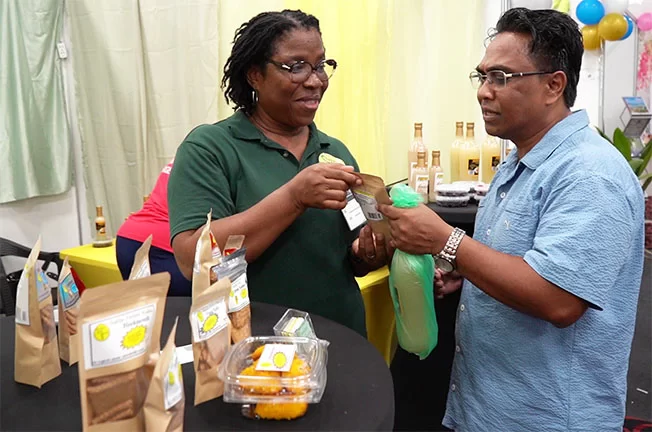
    For small local producers like Golden Honey Bee, the trade show offers a critical platform to highlight the quality of homegrown Surinamese goods. The family-owned beekeeping operation, led by beekeeper Shivangi Vermeijs-Mahabali, showcased its full line of artisanal, locally made products: raw honey with and without honeycomb, cold-pressed honey, cold-pressed coconut oil, and beeswax balm. This year, the brand expanded its portfolio with a new offering: 100% bean-to-bar single-origin Surinamese chocolate, which has already proven a hit with visitors. “Agriculture truly needs to become a core pillar of Suriname’s economy, so we don’t have to rely so heavily on imports,” Vermeijs-Mahabali explained during a tour of the booth attended by Agriculture Minister Mike Noersalim. “Our Surinamese products are top quality, and we’re proud to deliver a meaningful contribution to the sector.”

    What sets this year’s edition apart from previous trade shows is its intentional focus on attracting young people back to agriculture through cutting-edge tools and innovation, according to event coordinator Shantie Shiamrai. “We’ve noticed the sector is facing rapid aging, so we want to make agriculture more appealing by integrating new technologies that make work faster and more efficient,” she noted. To that end, the LVV has spotlighted several modern solutions that are accessible for Surinamese producers, including drone technology that can automate core farm tasks from fertilizing and seeding to irrigating and spraying crops.

    Shiamrai explained that drones cut down work time from days to just a few hours, and the innovation has already drawn intense interest from attendees across both crop and livestock operations. Also on display was vertical farming using modular tower systems, a sustainable innovation that cuts water use and allows year-round crop production in limited spaces. Beyond production technology, the trade show also highlights major progress in local food processing. Many participating companies have upgraded their packaging and labeling to meet international standards, with finished products that match the quality of imported goods, Shiamrai said. “Right now we still import far too much, but we need to capitalize on what we already produce here and start exporting more of our own goods,” she added.

    The country’s fishing sector, which already has a well-established export focus, used the event to showcase updates that help it meet increasingly strict requirements from key international markets including the European Union and the United States. Thomas Willems, research and statistics coordinator for the Directorate of Fisheries, explained that ongoing research and adoption of sustainable fishing practices are critical to keeping the sector competitive and compliant with global market standards. At his team’s booth, Willems showcased modified fishing gear designed to reduce bycatch of protected species, including Turtle Excluder Devices that prevent sea turtles from becoming trapped in nets, and Dolphin Pinger acoustic deterrents that keep dolphins away from fishing gear.

    Following the opening of the event last Friday, President Jennifer Simons toured dozens of exhibition stands to meet producers and innovators, underscoring the government’s commitment to growing the domestic agricultural sector. As the event closed on the evening of May 3, organizers said the 2026 edition marked a key milestone in Suriname’s transition toward greater food self-sufficiency, sustainable production and expanded global market access for local goods.